The Teenage Phase Nightmare: Why Your 8-Month-Old Dog Suddenly Forgot Everything
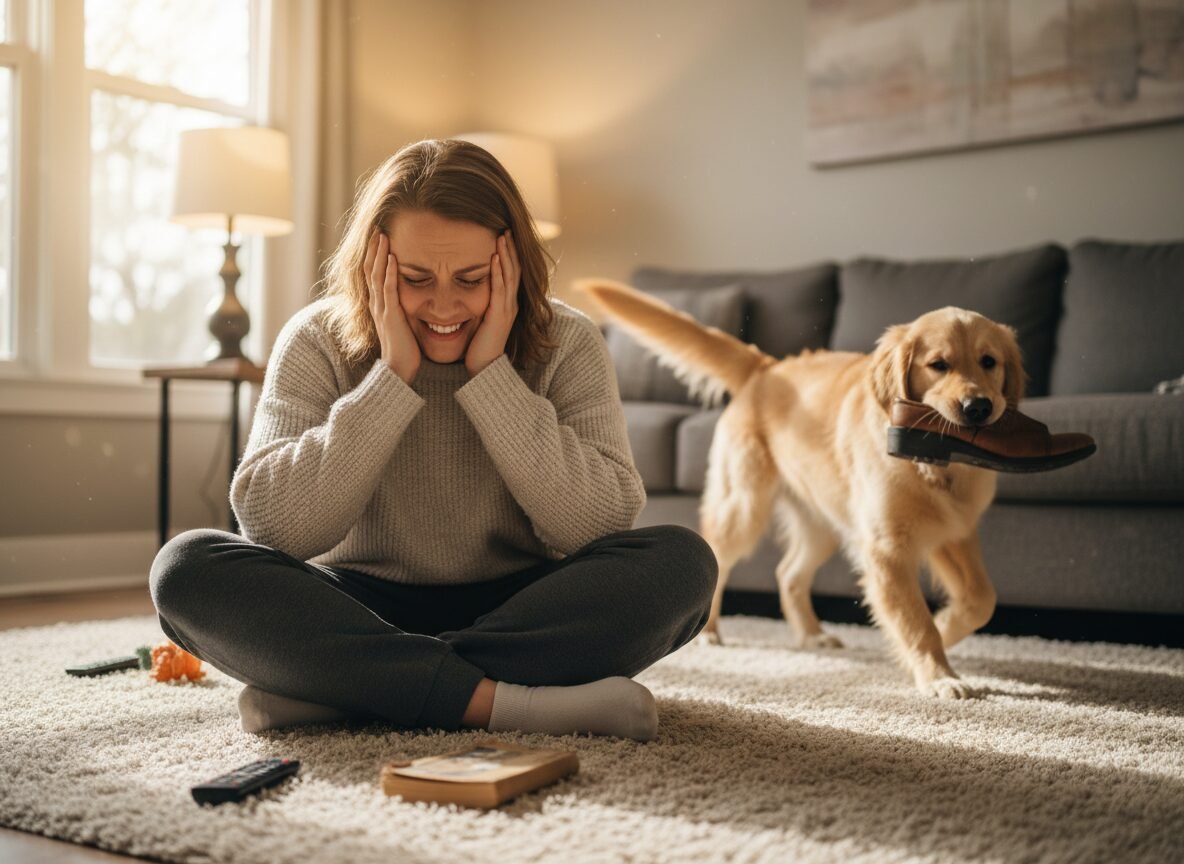
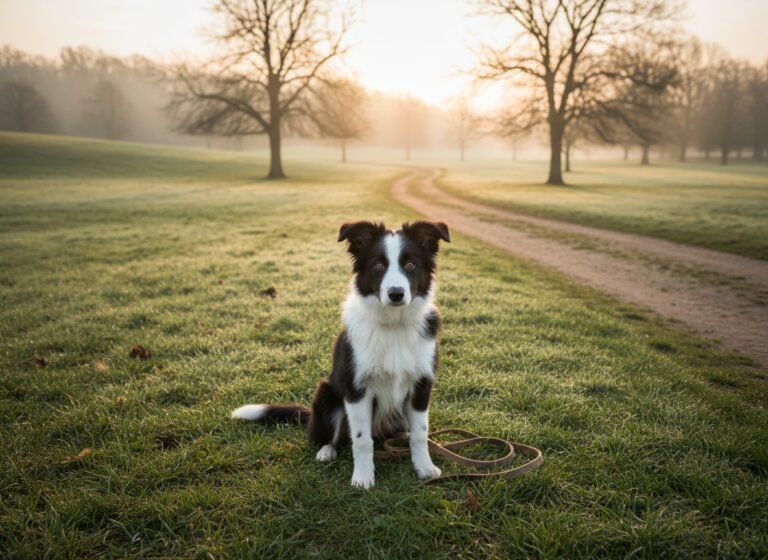
You did everything right. You survived the needle-sharp teeth of early puppyhood, the sleepless nights of crate training, and the endless potty breaks. You proudly watched your well-behaved, attentive puppy master ‘sit,’ ‘stay,’ and ‘come.’ And then, almost overnight, a stranger took its place. This new dog, residing in your puppy’s body, pulls on the leash, ignores your calls at the park, and looks at you with a defiant glint in its eye as it chews on the furniture you explicitly taught it to avoid. If this sounds familiar, you are not failing as a dog owner; you have simply entered the tumultuous world of canine adolescence.
This challenging period, typically occurring between six and eighteen months of age, is the canine equivalent of the human teenage years. It is a time of profound neurological and hormonal change that can make it seem as though your dog has forgotten every lesson you’ve ever taught. This guide will serve as your clinical roadmap, demystifying the biological reasons behind this behavioral shift and providing a clear, authoritative action plan to navigate the storm with your relationship and your sanity intact.
Understanding the Adolescent Canine Brain: A Storm of Hormones and Rewiring
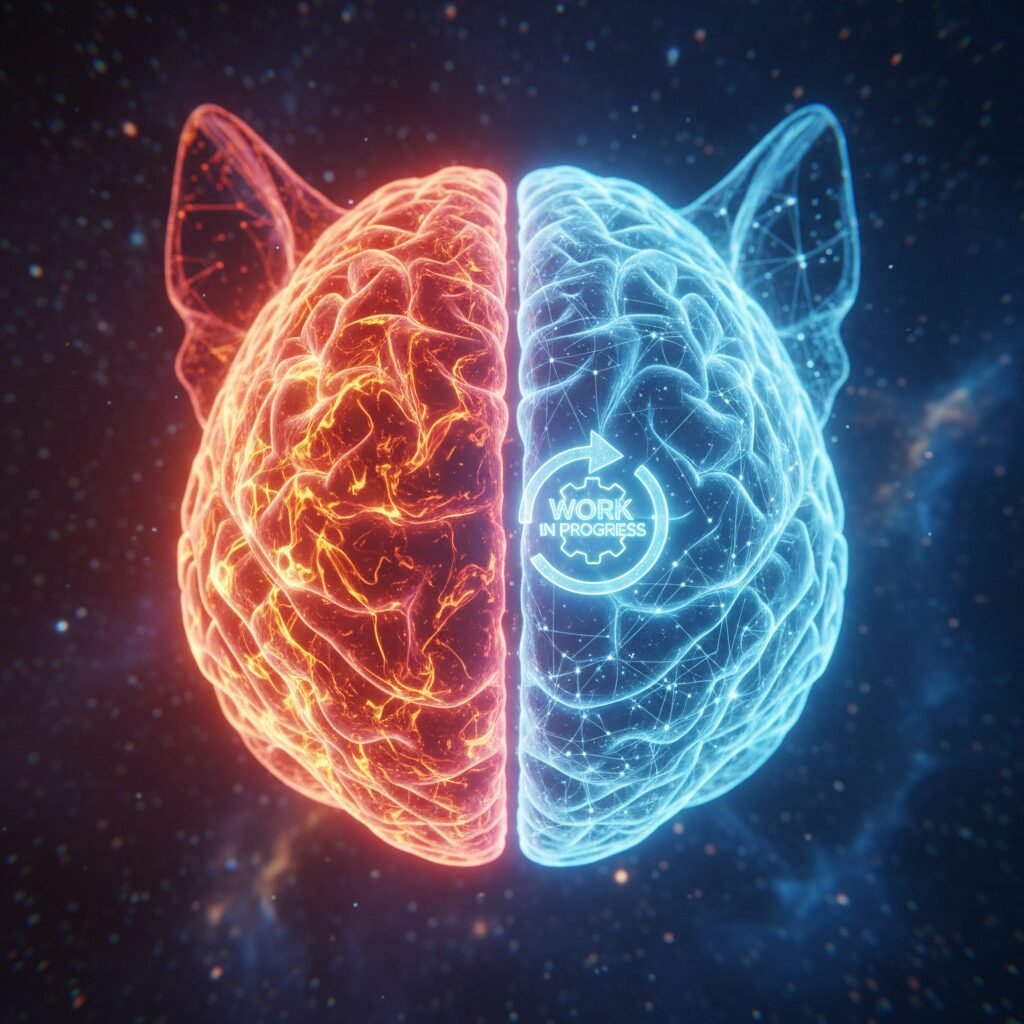
To effectively manage your dog’s adolescent behavior, you must first understand its biological underpinnings. This is not a phase of willful disobedience; it is a period of intense internal chaos. The primary drivers are a surge in hormones and a significant remodeling of the brain.
Around the six-to-eight-month mark, your dog’s body is flooded with sex hormones like testosterone and estrogen, regardless of spay/neuter status, albeit to a lesser degree in altered dogs. These hormones influence more than just reproductive behavior; they impact confidence, social interactions, and the drive to explore. This hormonal influx coincides with a critical period of brain development. The prefrontal cortex—the brain’s ‘CEO’ responsible for impulse control, decision-making, and moderating social behavior—is the last part to fully mature. It is effectively ‘under construction.’ Simultaneously, the amygdala, the emotional center of the brain responsible for fear and excitement, is highly developed and reactive. This creates a perfect storm: an animal with heightened emotions and a reduced capacity for rational thought and impulse control. Your dog isn’t ignoring you to be defiant; its brain is neurologically handicapped in its ability to process your cue over the overwhelming allure of a squirrel or another dog.
Furthermore, many dogs experience a ‘second fear impact period’ during adolescence. Objects, people, or situations they were previously comfortable with can suddenly become terrifying. This is a natural, evolutionary mechanism designed to promote caution as a young animal begins to explore the world more independently. Responding with patience, rather than force, is paramount during this sensitive time.
The Telltale Signs of Canine Adolescence
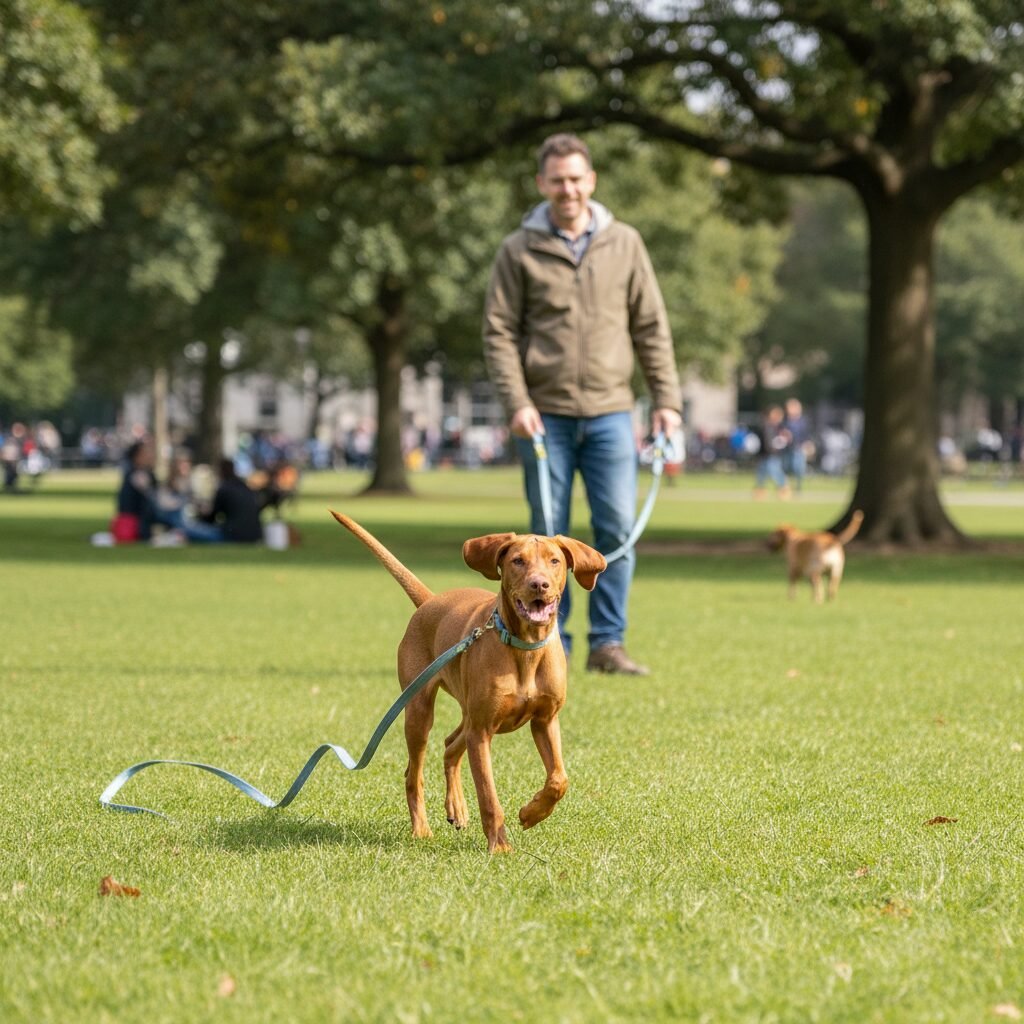
Adolescent regression manifests in various predictable, albeit frustrating, ways. Recognizing these behaviors as symptoms of a developmental stage, rather than personal failures, is the first step toward effective management. While every dog is an individual, you will likely observe a combination of the following behaviors:
- Recall Regression: The once-reliable ‘come’ command is now met with a fleeting glance before your dog bolts in the opposite direction. The environment has become far more interesting than you are, a direct result of their developing brain prioritizing exploration.
- Leash Manners Meltdown: The polite, loose-leash walking you worked so hard to achieve has vanished, replaced by frantic pulling and lunging. This is driven by a combination of physical strength, heightened environmental sensitivity, and poor impulse control.
- Sudden Onset of Fear or Reactivity: Your dog may suddenly start barking at inanimate objects like trash cans, or show fear or reactivity towards unfamiliar dogs or people. This is the second fear period in action.
- Destructive Chewing Resurgence: Even after adult teeth are in, adolescent dogs often resume destructive chewing. This is a self-soothing behavior to alleviate boredom and anxiety, and it feels good as their adult teeth settle into their jaw.
- Boundary Testing: Jumping on counters, sleeping on forbidden furniture, and initiating demand barking are all ways an adolescent dog tests social and environmental rules to see what they can get away with.
- Selective Hearing: It may seem your dog has gone deaf, but their hearing is perfectly fine. They are simply making a choice, and their underdeveloped prefrontal cortex is pushing them to choose the more immediately gratifying option over your verbal cue.
Navigating the Storm: Your 5-Point Management Blueprint
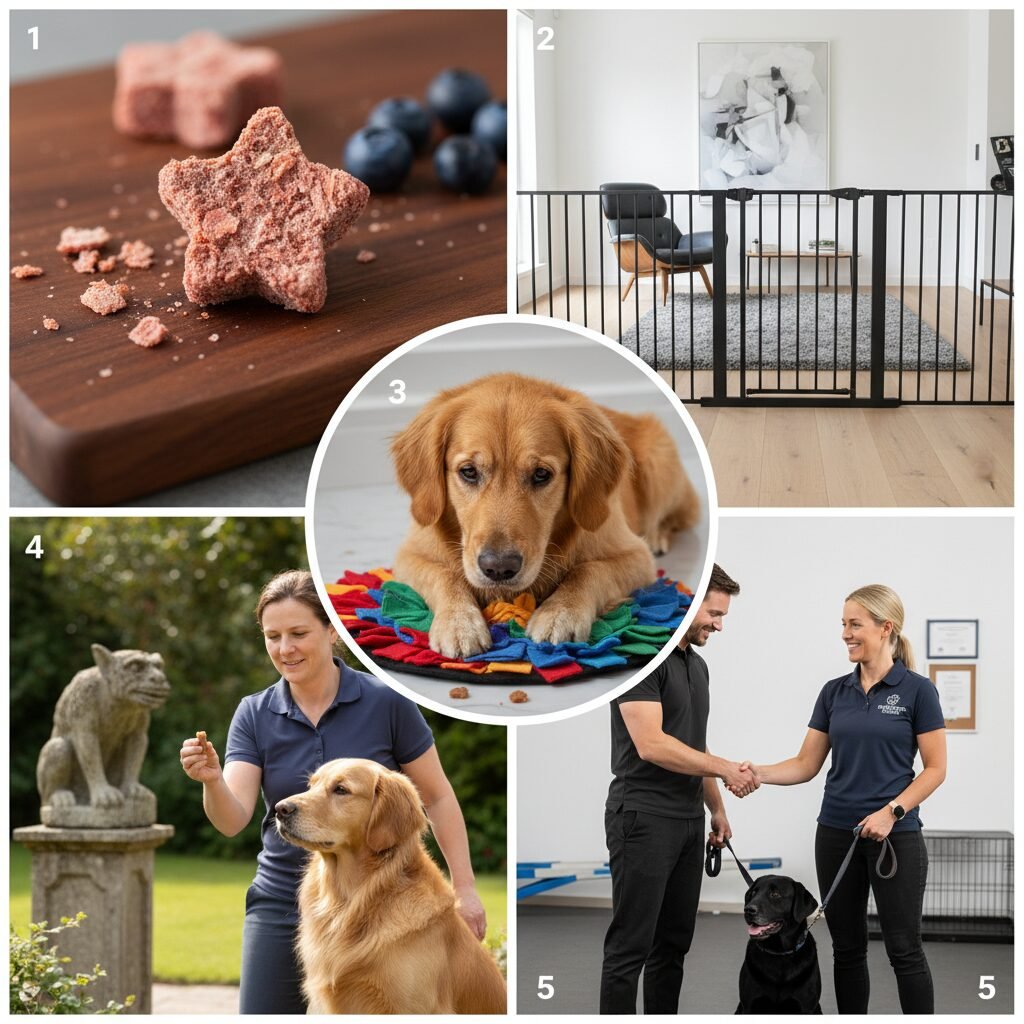
Surviving and thriving during this phase requires a strategic shift from basic puppy training to a more nuanced approach focused on management, patience, and consistency. Punishment is not only ineffective but counterproductive, as it can damage your bond and increase anxiety. Instead, implement this five-point action plan.
1. Go Back to Basics: Reinforce Foundation Training
Your dog hasn’t truly forgotten everything, but the ‘signal’ of your cues is being drowned out by the ‘noise’ of their internal development. You must make training more valuable and easier to succeed at.
- Shorten Your Sessions: Reduce training sessions to just 5-10 minutes, several times a day. An adolescent dog’s attention span is short.
- Increase the Value of Rewards: Your standard kibble may no longer be motivating enough. Use high-value treats like small pieces of chicken, cheese, or freeze-dried liver to make engagement with you the best option.
- Train in Low-Distraction Environments: Start again in your living room or backyard. Do not expect a perfect ‘stay’ at a busy park. Gradually re-introduce distractions as your dog proves successful.
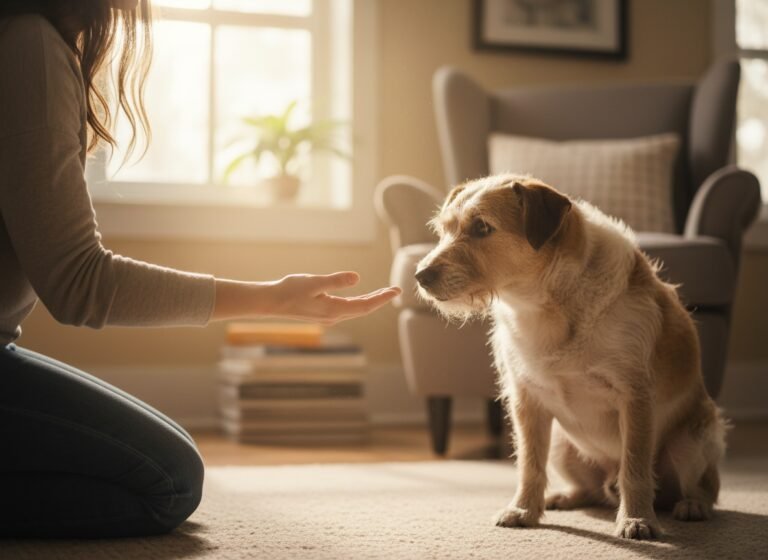
- Focus on Engagement: Reward heavily for simple check-ins, such as eye contact. You are rebuilding the foundation that you are the most important and rewarding thing in their environment.
2. Prioritize Proactive Management and Prevention
Management is the most critical and often overlooked tool. Every time your dog practices an unwanted behavior, it becomes more ingrained. Your job is to prevent the behavior from happening in the first place.
- Utilize Tools: Leashes, long lines, crates, and baby gates are your best friends. An adolescent dog who is not 100% reliable on recall should not be off-leash in an unenclosed area. A long line provides freedom without sacrificing control.
- Dog-Proof Your Home (Again): Just as you did for a young puppy, manage the environment. Keep shoes put away, secure trash cans, and do not leave food on the counter. Set your dog up for success.
- Prevent Rehearsal of Unwanted Behaviors: If your dog jumps on guests, put them on a leash or in their crate before guests arrive. If they pull on the leash, use a front-clip harness or head halter to manage their strength while you re-train loose-leash walking.
3. Channel Energy with Purpose: Physical and Mental Enrichment
A bored teenage dog is a destructive teenage dog. Their energy levels are at a lifetime peak, and it is your responsibility to provide appropriate outlets. However, more exercise is not always the answer; the type of exercise and enrichment is what matters.
Avoid repetitive, high-impact activities like long-distance running on pavement or hours of fetch, which can be hard on developing joints and create an ‘adrenaline junkie.’ Instead, focus on activities that engage their brain.
| Day of the Week | Physical Activity (Morning) | Mental Enrichment (Evening) |
|---|---|---|
| Monday | 30-min Sniffing Walk (let dog lead) | Puzzle Toy with Dinner |
| Tuesday | 20-min Structured Leash Walk | 10-min ‘Find It’ Scent Game |
| Wednesday | 30-min Long Line Exploration in a field | Frozen Lick Mat or Kong |
| Thursday | 20-min Training Session (new trick) | Cardboard Box Destruction |
| Friday | Socialization with a known, tolerant adult dog | Puzzle Toy with Dinner |
| Saturday | 45-min Hike on varied terrain | 15-min Shaping/Clicker Training |
| Sunday | Rest Day / Gentle Sniffing Walk | Chew time with a natural chew |
4. Build Confidence, Not Conflict
When your dog shows sudden fear towards a new object or situation, your reaction is critical. Forcing them to confront the fear or punishing them for barking will only validate their anxiety. Instead, become their trusted guide.
- Create Distance: Move away from the scary object until your dog is calm enough to take treats. This is their ‘threshold.’
- Associate with Positives: From this safe distance, reward your dog with high-value treats for simply looking at the object without reacting. This process, called counter-conditioning, changes their emotional response from fear to anticipation.
- Do Not Coddle or Punish: Avoid excessive soothing (‘It’s okay, it’s okay’) which can sound like praise for being fearful. Equally, never punish a fear-based reaction. Your calm, confident leadership is the most powerful tool.
5. Know When to Seek Professional Help
While most adolescent behaviors are normal, some can escalate. You should seek guidance from a certified professional if you observe:
- True Aggression: Behavior that intends to cause harm, such as growling, snarling, snapping, or biting, especially directed at people or other animals in the home.
- Inconsolable Anxiety: Separation anxiety that results in self-harm or significant destruction.
- Unmanageable Reactivity: Leash reactivity that puts you or your dog at risk of physical harm.
Consult a veterinary behaviorist or a certified professional dog trainer who uses modern, science-based positive reinforcement methods. They can provide a tailored plan for your specific dog and situation.
Fueling the Teenage Brain and Body

Nutrition plays a significant, often underestimated, role in behavior. The nutritional requirements of an adolescent dog are unique; they are no longer in the rapid growth phase of early puppyhood but have not yet reached the maintenance needs of an adult. This is a crucial time to ensure their diet supports both physical and neurological development.
Many owners are unsure when to switch from puppy food to adult food. For small to medium breeds, this transition typically occurs around 9-12 months. For large and giant breeds, it may be later, between 12-18 months. Consult your veterinarian for a recommendation specific to your dog’s breed and size. A premature switch can deprive them of essential calories and calcium/phosphorus ratios, while a delayed switch can contribute to excessive weight gain.
Look for a high-quality diet rich in protein from identifiable meat sources. Crucially, fats are vital for brain health. Omega-3 fatty acids, particularly DHA (docosahexaenoic acid), are literal brain food, supporting cognitive function and helping to modulate emotional responses. Supplementing with a high-quality fish oil can be beneficial during this period of intense brain remodeling. Ensure you are feeding appropriate amounts to maintain a lean body condition. An overweight adolescent dog is at higher risk for orthopedic problems and other health issues. Proper nutrition provides the essential building blocks for a stable, healthy adult dog, both physically and behaviorally.
Conclusion
The adolescent phase is undeniably one of the most trying times for a dog owner. It can feel like a personal betrayal when the puppy you’ve poured so much love and training into suddenly seems to reject it all. It is essential to remember that this is a temporary and biologically normal stage. Your dog is not giving you a hard time; they are having a hard time. By understanding the science, implementing consistent management, reinforcing foundational training with patience, and providing appropriate outlets for their energy, you can guide them through this turbulence.
Maintain your sense of humor and celebrate the small victories. Every time your dog chooses to check in with you, every moment of calm, is a step in the right direction. You are not just ‘surviving’ this phase; you are laying the final, critical groundwork for a lifetime of partnership with a well-adjusted, confident, and resilient adult dog.
This is the final exam of puppyhood. Be the patient, consistent, and confident leader your teenage dog needs, and you will both graduate with flying colors.