How to Socialize Your Puppy Safely Without Risking Parvo (Vet Approved)
Bringing home a new puppy presents a daunting paradox for even the most diligent owner. On one hand, canine behaviorists stress that the critical socialization window—from 3 to 16 weeks of age—is the most important period for shaping a stable, confident adult dog. On the other hand, veterinarians issue a stern warning: until a puppy is fully vaccinated, they are highly vulnerable to Canine Parvovirus (CPV), a resilient and often fatal disease. This conflicting advice can create a state of paralysis, leaving owners to wonder which risk is greater: a future of behavioral problems or a present threat of devastating illness.
As a veterinary consultant and canine behaviorist, I am here to resolve this conflict. The choice is not between socialization and safety; the solution lies in pursuing intelligent socialization. It is not only possible but imperative to expose your puppy to the world in a controlled, strategic manner that significantly mitigates the risk of disease. This guide provides a definitive, vet-approved protocol to navigate this crucial period, ensuring you raise a behaviorally sound and physically healthy companion.
Understanding the Stakes: The Critical Socialization Window

The Unforgiving Timeline of a Puppy’s Brain
The period between 3 and 16 weeks of age is a time of explosive neurological development. A puppy’s brain is actively creating the foundational perceptions of the world that will last a lifetime. Experiences during this phase are not just fleeting memories; they are coded as either ‘safe’ or ‘dangerous.’ A puppy who is gently and positively exposed to a wide variety of sights, sounds, surfaces, people, and other animals learns that novelty is not a threat. This creates a resilient, adaptable adult dog capable of handling new situations with confidence rather than fear.
Consequences of Insufficient Socialization
Waiting until after the final vaccinations at 16-20 weeks to begin socialization is a profound mistake. By then, the window of easy acceptance has slammed shut. A puppy deprived of these early formative experiences is at a significantly higher risk for developing serious, lifelong behavioral issues, including:
- Fear-Based Aggression: Lashing out at unfamiliar people, dogs, or objects because the puppy never learned they were not a threat.
- Generalized Anxiety: A chronic state of stress and fear, making the dog difficult to handle and prone to destructive behaviors.
- Reactivity: An over-the-top reaction (barking, lunging) to common stimuli like skateboards, bicycles, or strangers.
- Neophobia: An intense fear of anything new, which can make vet visits, grooming, or even a change in routine a traumatic event.
A poorly socialized puppy does not simply ‘grow out of it.’ They grow into an anxious, unpredictable adult dog whose quality of life—and the safety of those around them—is compromised.
The Parvovirus Threat: A Sobering Reality
Canine Parvovirus (CPV): What Every Owner Must Know
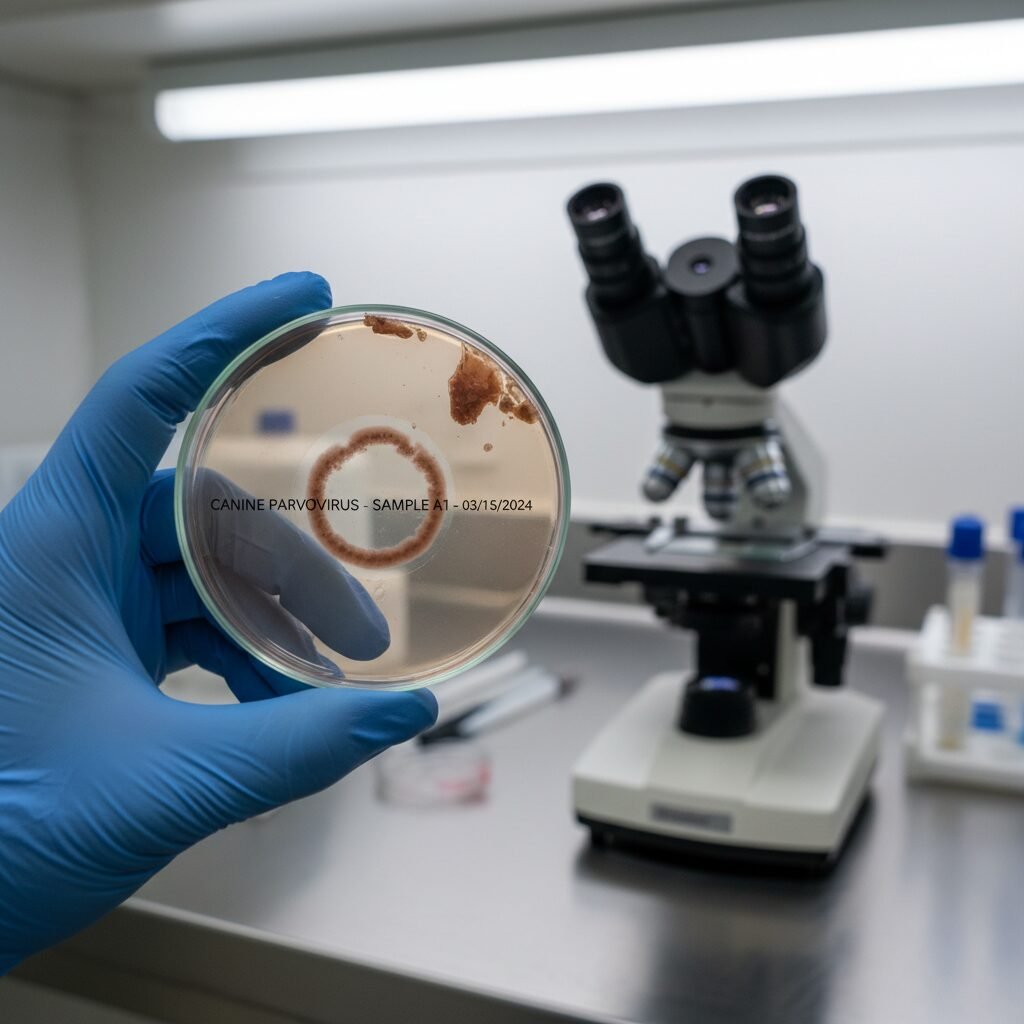
To socialize safely, you must first respect the adversary. Canine Parvovirus is a highly contagious and extremely durable virus that attacks the gastrointestinal tract and, in young puppies, the heart muscle. It is shed in massive quantities in the feces of an infected dog and can survive in the environment for months, even years, resisting many common disinfectants and extreme temperatures.
Transmission and High-Risk Areas
The virus is transmitted via the fecal-oral route. A puppy does not need to meet an infected dog to contract the disease. They can become infected simply by sniffing, licking, or ingesting the virus from a contaminated patch of grass, a sidewalk, a shoe, or a shared water bowl. This is why a ‘no paws on the ground’ policy in public areas is non-negotiable for unvaccinated puppies.
You must operate under the assumption that the virus is present in any area frequented by dogs of unknown vaccination history. High-risk environments to be strictly avoided include:
- Dog parks
- Pet stores
- Public parks and trails
- Rest stops
- Any communal grassy areas
- High-traffic sidewalks in urban areas
The symptoms of Parvovirus are severe and come on rapidly: lethargy, loss of appetite, fever, vomiting, and severe, often bloody diarrhea. It is a veterinary emergency that requires immediate, aggressive, and expensive supportive care, and even then, survival is not guaranteed. Understanding this threat is the first step in creating a robust safety plan.
The Vet-Approved Safe Socialization Protocol
Phase 1: Mastering the Home Environment
Your home is the safest and most important training ground. Before you even consider the outside world, your puppy must become confident within your controlled universe. The goal is to build positive associations with a multitude of sensory experiences.
Systematically introduce your puppy to:
- Surfaces: Encourage them to walk on carpet, tile, hardwood, linoleum, and a wobbly cushion.
- Sounds: Do not shield your puppy from life. Play recordings of thunderstorms or fireworks at a low volume while giving treats. Run the vacuum cleaner in another room, gradually decreasing the distance over days. Casually drop a set of keys. Ring the doorbell. The key is to associate these noises with calm, positive outcomes.
- Sights & Objects: Open and close an umbrella on the floor. Wear different hats, sunglasses, and coats around the house. Bring a bicycle inside for them to investigate. Let them see and smell everyday objects in a non-threatening context.
- Handling: Gently handle your puppy’s paws, ears, and mouth daily, pairing the experience with high-value treats. This prepares them for a lifetime of stress-free vet exams and grooming.
Phase 2: Building Positive Associations with People
Once your puppy is confident at home, you can begin introducing new people. These introductions must be highly controlled. Invite trusted friends and family over, but institute strict biosecurity rules.
- Shoes Off at the Door: Shoes can track Parvovirus and other pathogens into your home. Have a designated shoe removal area.
- Hand Washing is Mandatory: All guests must wash their hands thoroughly before interacting with the puppy.
- Calm and Controlled Greetings: Instruct your guests to sit on the floor and let the puppy approach them. No overwhelming or forceful interactions. The puppy controls the pace.
- Positive Reinforcement: Have your guests offer the puppy a special treat. This teaches the puppy that new people are wonderful predictors of good things.
Expose them to a variety of people: men, women, children (under strict supervision), people with beards, people wearing hats, etc. Each positive experience builds a foundation of trust.
Phase 3: Curated Canine Introductions
This is one of the most critical and misunderstood aspects of safe socialization. Your puppy should meet other dogs, but only adult dogs that you personally know are healthy, fully vaccinated, and have a stable, puppy-tolerant temperament. The ideal location for these meetings is a private, securely fenced yard that has not been frequented by unknown dogs. Never introduce your puppy to unknown dogs in public. A calm, well-behaved adult dog is the best teacher of appropriate canine manners, including bite inhibition and respecting social cues.
Phase 4: ‘Look, But Don’t Touch’ World Exposure
Your puppy needs to experience the sights, sounds, and smells of the world without their paws ever touching potentially contaminated ground. This form of passive socialization is incredibly valuable.
- Car Rides: Secure your puppy in a crate or harness and take them on short car rides through different environments (quiet suburban streets, bustling downtown areas). Let them look out the window and absorb the world going by.
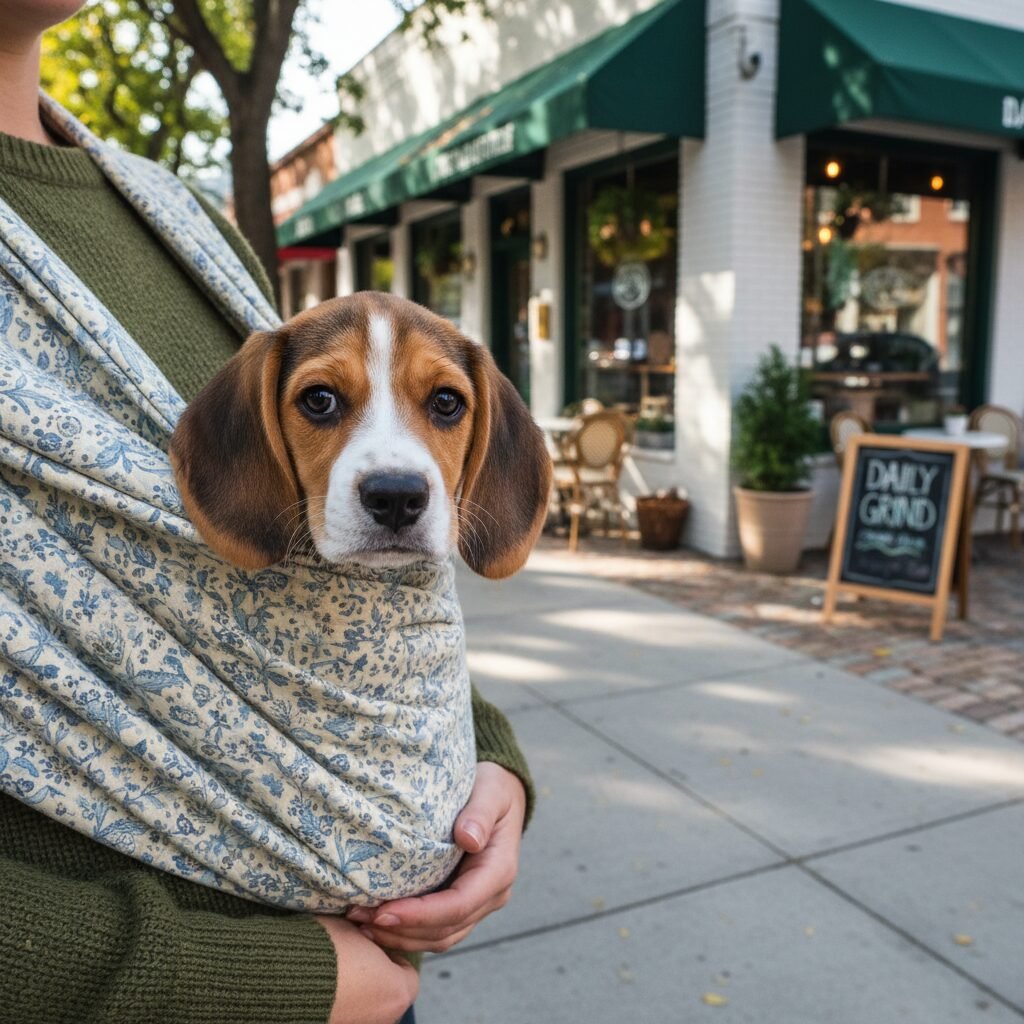
- The Puppy Taxi: Use a puppy sling, carrier, stroller, or even a shopping cart (with a clean blanket lining it) to take your puppy to places where they can observe from a safe distance. A pet-friendly outdoor cafe, a bench outside a grocery store, or a park bench far from the main grassy areas are excellent choices.
- Observe from Afar: Sit on a blanket in your front yard and let your puppy watch the world. They can see other dogs walk by, hear children playing, and see cars pass, all from the safety of your property.
High-Risk Environments and Activities to Avoid
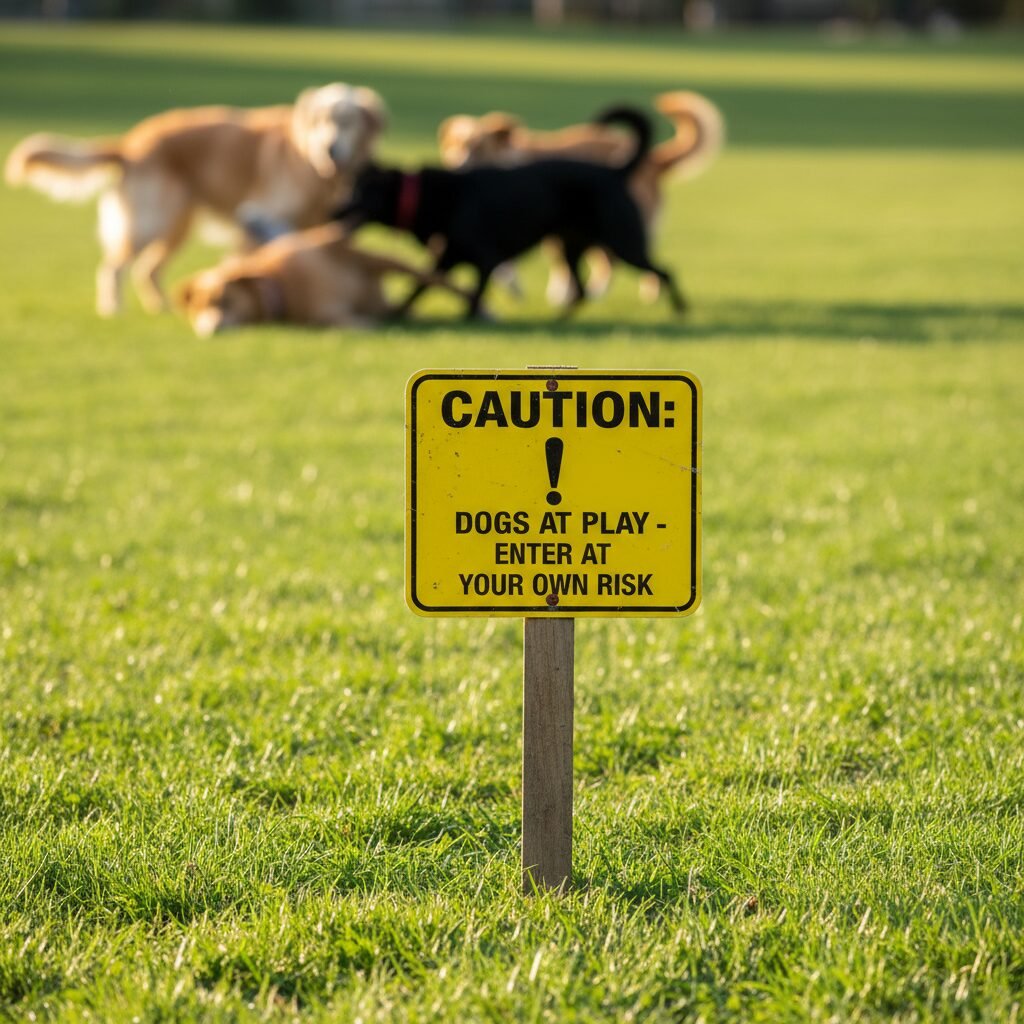
Clarity is essential when it comes to risk management. Until your veterinarian has confirmed that your puppy’s vaccination series is complete and their immunity is robust (typically 1-2 weeks after the final shot), the following areas are strictly off-limits. There are no exceptions.
- Dog Parks: These are the single highest-risk environments for disease transmission. They are impossible to sanitize and frequented by dogs with unknown health and vaccination histories.
- Pet Stores: While it seems like a fun outing, the floors of pet stores are a major vector for disease. Many people bring their dogs here, and accidents happen. Do not place your puppy on the floor.
- Beaches, Lakes, and Ponds: Communal water sources can harbor pathogens, including Giardia and Leptospirosis, in addition to the risk of Parvovirus in the surrounding area.
- High-Traffic Canine Areas: Avoid popular dog walking trails, apartment complex dog relief areas, and any patch of grass where many dogs congregate.
- Communal Water Bowls: Never allow your puppy to drink from a communal water bowl outside a shop or in a park.
Violating these boundaries is not ‘socialization’; it is a gamble with your puppy’s life. The safe alternatives outlined above provide all the necessary exposure without the unacceptable risk.
Are Puppy Classes Safe? A Veterinarian’s Checklist
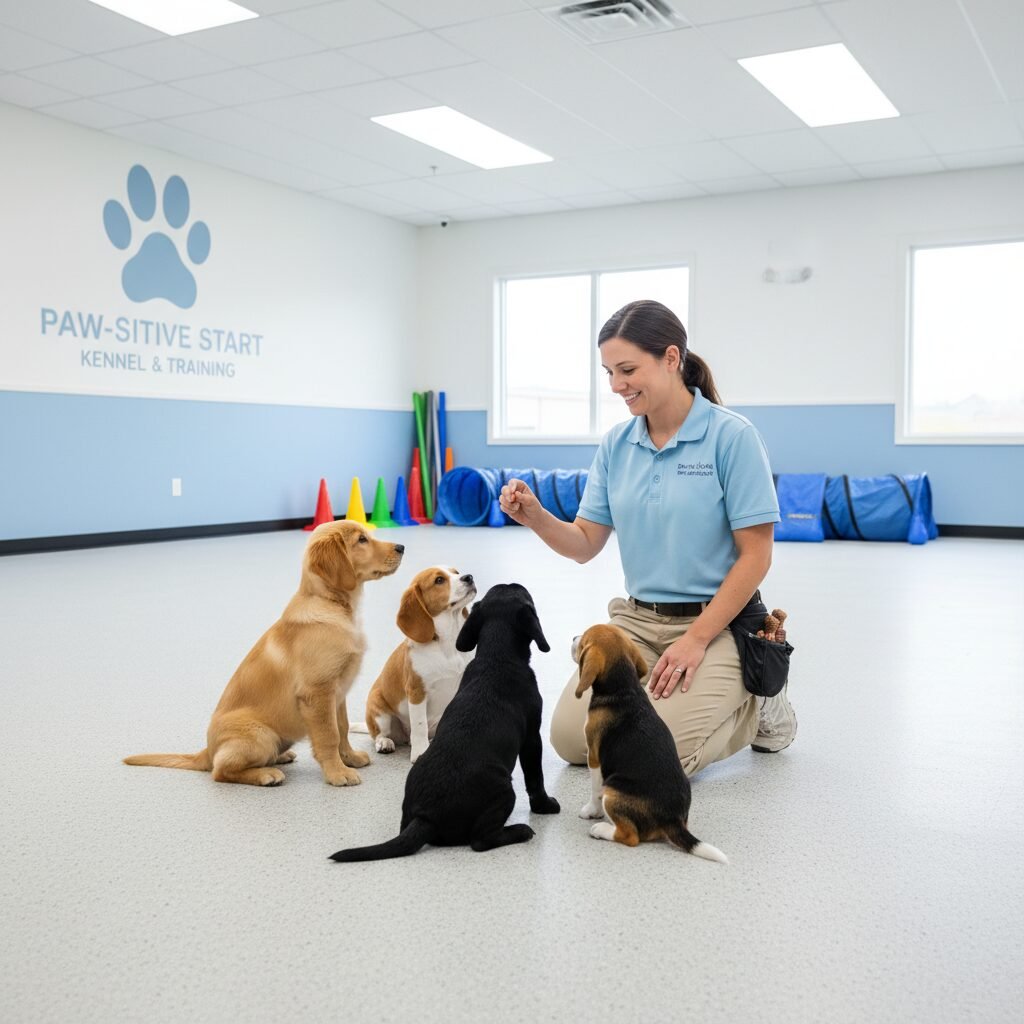
Well-run puppy socialization classes can be a fantastic, safe environment for early learning. However, not all classes are created equal. A responsible facility will prioritize safety and sanitation above all else. Before enrolling, you must verify that the training school meets the following stringent criteria:
The Safe Puppy Class Checklist
- Vaccination Requirement: The facility must require proof that all enrolled puppies have received at least their first set of vaccinations (typically DHPP) a minimum of 7 days before the start of class.
- Strict Sanitation Protocol: Ask about their cleaning procedures. The training floor should be a non-porous material (like rubber or sealed concrete) that is thoroughly disinfected with a parvovirus-killing agent before and after each class.
- No Sick Puppies: The facility must have a strict policy that any puppy showing signs of illness (coughing, sneezing, diarrhea) is not permitted to attend.
- Controlled Environment: Classes should be held indoors in an area not used for other dog activities, such as adult dog group play or public access.
- Small Class Size: A smaller class size allows for better supervision by the certified trainer, ensuring interactions remain positive and safe.
If a facility seems lax about any of these points, walk away. A reputable organization will be proud to detail their health and safety protocols.
Partnering with Your Veterinarian: The Vaccination Timeline

Your veterinarian is your most important partner in this process. They understand the prevalence of Parvovirus in your specific geographic area and can provide tailored advice. The typical puppy vaccination series is designed to overcome the challenge of maternal antibodies. Puppies receive initial immunity from their mother’s milk, but these antibodies wane over time. Unfortunately, they can also interfere with a vaccine’s effectiveness. This is why puppies require a series of shots.
Typical Puppy Vaccination Schedule (DHPP)
The DHPP vaccine protects against Distemper, Hepatitis (Adenovirus), Parainfluenza, and Parvovirus. The schedule can vary, but a common protocol is as follows:
| Age of Puppy | Vaccination | Notes |
|---|---|---|
| 6-8 weeks | First DHPP shot | Maternal antibody interference is possible. |
| 10-12 weeks | Second DHPP booster | Strengthens the immune response as maternal antibodies fade. |
| 14-16 weeks | Third DHPP booster | Often considered the final puppy shot for core immunity. |
| 16-20 weeks | Optional Fourth Booster | Sometimes recommended by vets in high-risk areas or for certain breeds. |
Crucially, a puppy is not considered fully protected until 7-14 days after their final booster shot. Always consult your veterinarian to confirm when it is safe for your puppy to have unrestricted access to public areas. This partnership between veterinary guidance and behavioral best practices is the key to success.
Conclusion
Navigating a puppy’s early weeks requires a delicate balance of caution and proactive exposure. The goal is not to keep your puppy in a sterile bubble, but to be the intelligent curator of their experiences. By focusing on controlled, positive socialization within your home, with known healthy dogs, and through passive observation of the wider world, you can effectively build a confident, stable temperament while rigorously protecting them from disease. Socialization and safety are not mutually exclusive goals; they are parallel tracks that, when followed with diligence and veterinary guidance, lead to the same destination: a long, happy, and healthy life with your well-adjusted canine companion.