
Edible Teething Sticks: A Healthy Homemade Recipe for Sore Gums

The arrival of a puppy brings unparalleled joy, but it also ushers in a period of intense development marked by needle-sharp teeth and an insatiable urge to chew. This is the teething phase, a critical and often challenging time for both the puppy and its owner. While it may seem like a destructive behavior, this chewing is a biological necessity, driven by the discomfort of new teeth erupting through sensitive gums. Many pet owners, in an effort to provide relief and save their furniture, turn to commercial teething toys and chews. However, the market is saturated with products that can pose significant risks, from choking hazards to harmful chemicals.
As a canine behaviorist and veterinary nutrition consultant, I have seen the unfortunate consequences of inappropriate teething aids. This is why I advocate for a safer, healthier, and more effective solution: homemade edible teething sticks. By creating these soothing treats in your own kitchen, you gain complete control over the ingredients, ensuring your puppy receives not only relief but also nutritional benefits. This guide will walk you through the science of puppy teething, the potential dangers lurking in store-bought options, and a simple, customizable recipe for edible teething sticks that will safely soothe your puppy’s sore gums.
Understanding the Puppy Teething Process: A Developmental Milestone
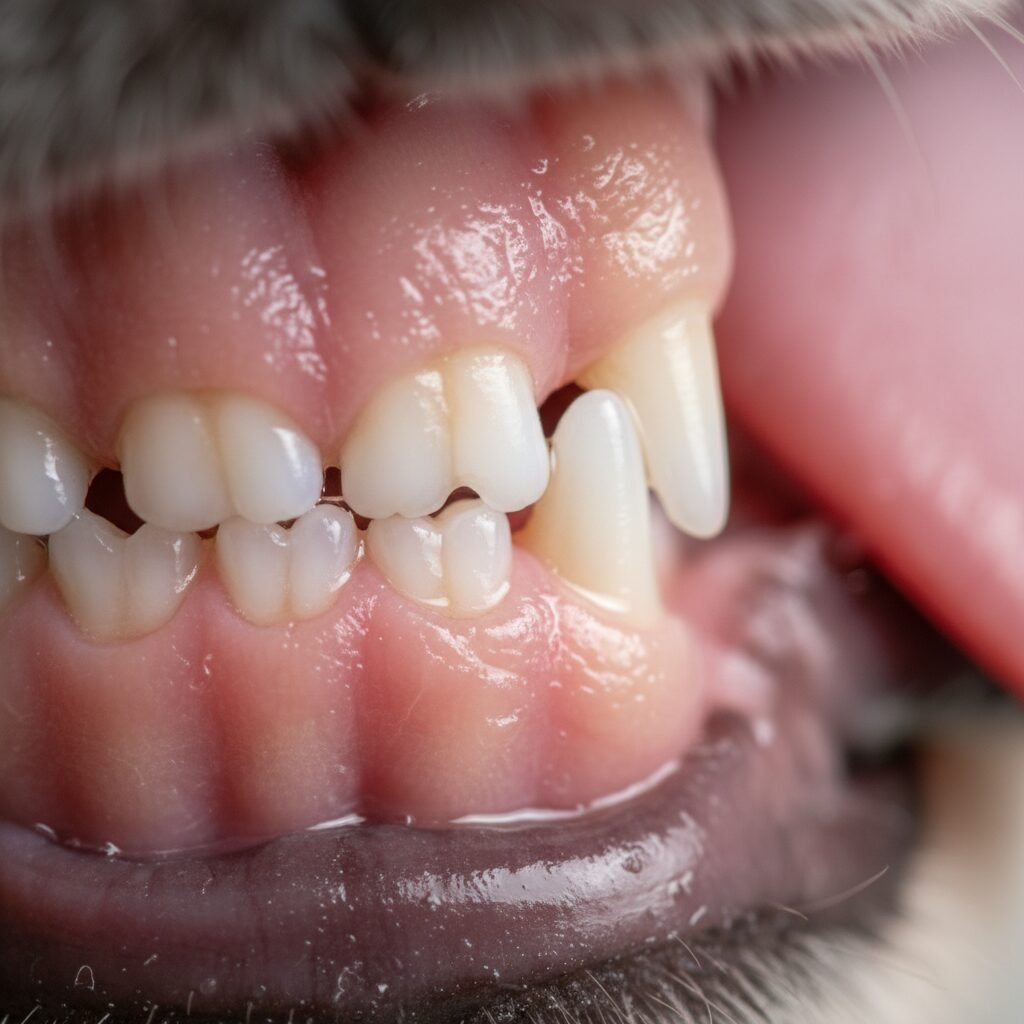
Understanding the Puppy Teething Process: A Developmental Milestone
Teething is a natural, albeit uncomfortable, rite of passage for every puppy. Understanding the timeline and associated behaviors is the first step in providing appropriate support. Puppies are born without teeth. Their first set, the 28 deciduous or ‘milk’ teeth, begin to emerge around three to four weeks of age. The real chewing frenzy, however, begins around three to four months of age when these milk teeth start to fall out to make way for the 42 permanent adult teeth.
This entire process, which typically concludes by six to seven months of age, is driven by pressure and discomfort in the jaw. The act of chewing provides counter-pressure, which helps alleviate the pain of the erupting adult teeth. It’s a fundamental, instinctual response to a physiological need.
Common Signs of Teething
Recognizing the signs of teething allows you to respond with supportive measures rather than frustration. Look for a combination of these behaviors:
- Increased Chewing and Nipping: Your puppy may suddenly become more ‘mouthy,’ gnawing on furniture, shoes, and even your hands.
- Excessive Drooling: You might notice small wet spots on their bedding or the floor.
- Sore or Red Gums: A quick, gentle peek inside your puppy’s mouth may reveal inflamed gums.
- Small Blood Spots: It is not uncommon to find tiny specks of blood on toys after a chewing session as milk teeth are lost.
- Reduced Appetite or Reluctance to Eat: The soreness in their mouth can make eating hard kibble uncomfortable.
- Increased Whining or Irritability: Just like a human baby, a teething puppy can be fussy and out of sorts due to discomfort.
Viewing these behaviors through the lens of developmental discomfort, rather than disobedience, is crucial for maintaining a positive relationship with your growing companion.
The Hidden Dangers of Commercial Teething Products
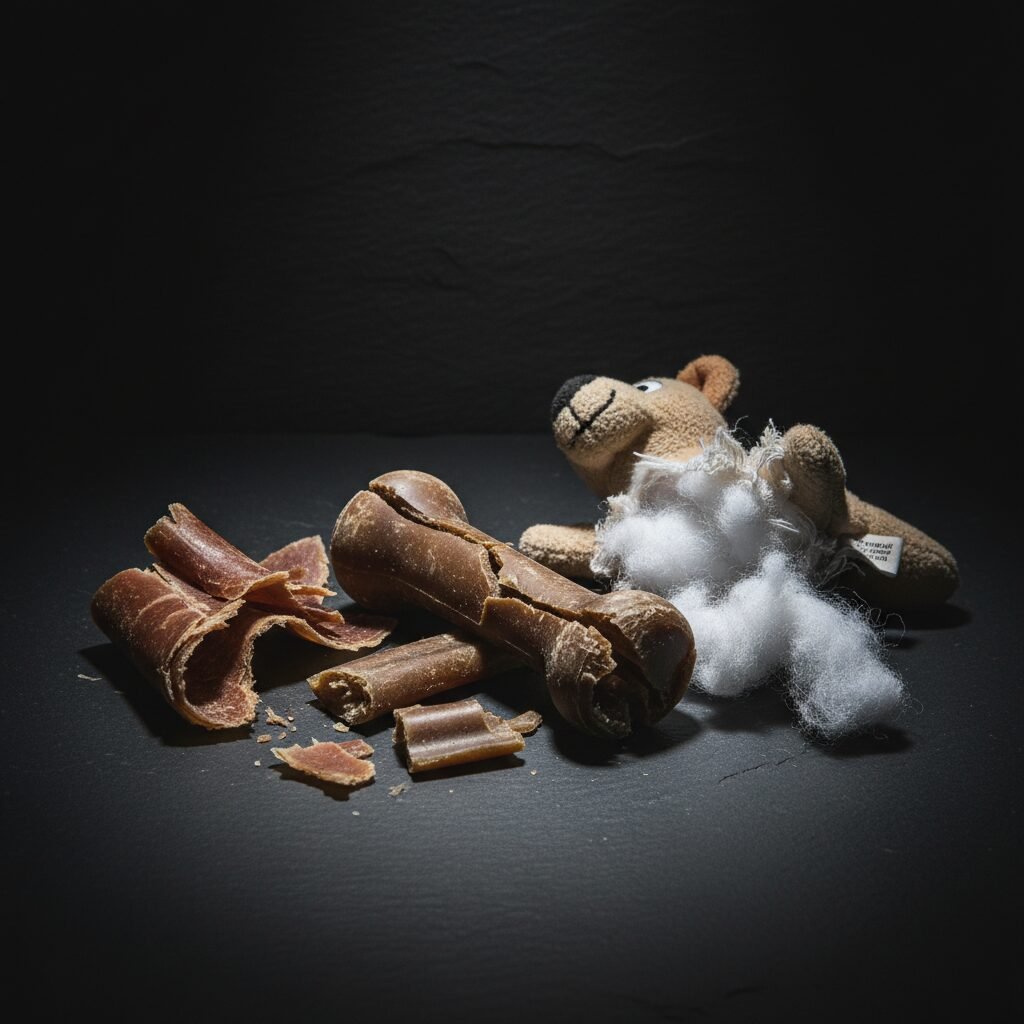
The Hidden Dangers of Commercial Teething Products
The pet store aisle dedicated to chews and toys is vast, but it is not without its perils. Many popular products carry risks that are not immediately apparent to well-meaning owners. A critical eye is necessary to protect your vulnerable puppy from potential harm.
As veterinary professionals, we frequently treat dental fractures, gastrointestinal obstructions, and toxicities resulting from inappropriate chew toys. Owner education on product safety is paramount.
Hard plastics and nylons, often marketed as ‘indestructible,’ can be too hard for a puppy’s developing teeth, leading to painful and expensive fractures of the permanent teeth as they erupt. Other products, like animal bones (especially cooked ones), can splinter into sharp shards that risk perforating the esophagus or intestines. Rawhides, while popular, can swell in the stomach and cause life-threatening blockages, and many are processed with harsh chemicals. Even seemingly innocent soft toys can be dangerous if the puppy tears them apart and ingests the stuffing or squeakers.
Beyond the physical hazards, many chews contain artificial colors, flavors, and preservatives that offer no nutritional value and can contribute to digestive upset or allergic reactions. By understanding these risks, the appeal of a simple, whole-food-based homemade alternative becomes undeniable.
The Superior Benefits of a Homemade Edible Teething Stick
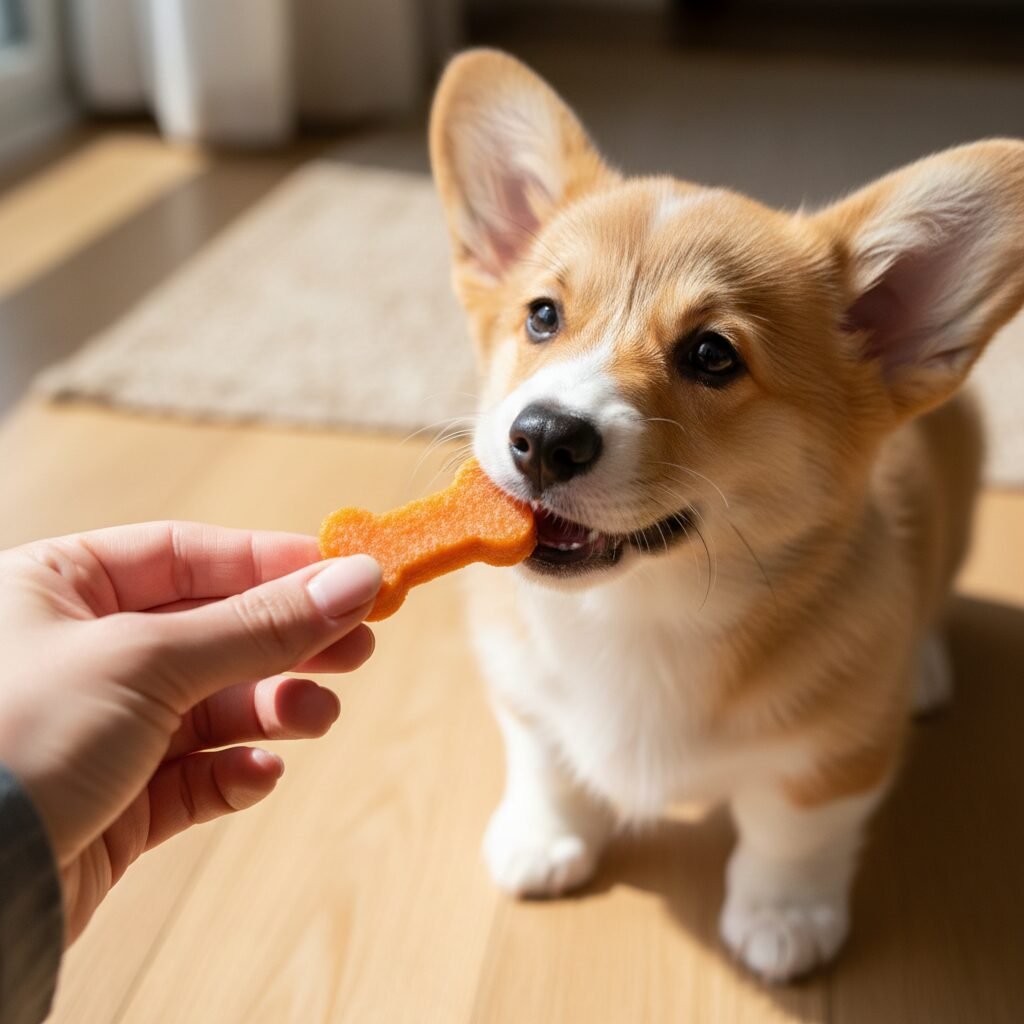
The Superior Benefits of a Homemade Edible Teething Stick
Opting for a homemade teething solution provides a multitude of advantages that directly address the shortcomings of commercial products. The primary benefit is the combination of soothing cold therapy with safe, digestible nutrition.
- Complete Ingredient Control: You are the gatekeeper of your puppy’s nutrition. You can select high-quality, organic ingredients and completely avoid artificial additives, preservatives, common allergens like grain or chicken, and unnecessary sugars or salts.
- Soothing Cold Application: The frozen nature of these sticks acts as a cold compress for the gums. The cold temperature helps to numb the pain and reduce inflammation, providing immediate and tangible relief.
- Nutritional Enhancement: These teething sticks can be a vehicle for supplemental nutrition. Ingredients like bone broth can support joint health, while pureed fruits and vegetables provide valuable vitamins and antioxidants.
- Hydration Support: Many of the bases for these sticks, such as water, kefir, or bone broth, contribute to your puppy’s daily hydration needs, which can be especially helpful if they are reluctant to drink due to oral discomfort.
- Safety and Digestibility: Unlike plastic or rawhide, an edible teething stick is designed to be consumed. It melts and dissolves, eliminating the risk of intestinal blockage or internal damage from sharp, indigestible fragments.
Creating these treats is also an excellent bonding activity and reinforces your role as a provider of comfort and care during a formative period in your puppy’s life.
Safe and Soothing Ingredients: Your Recipe Pantry
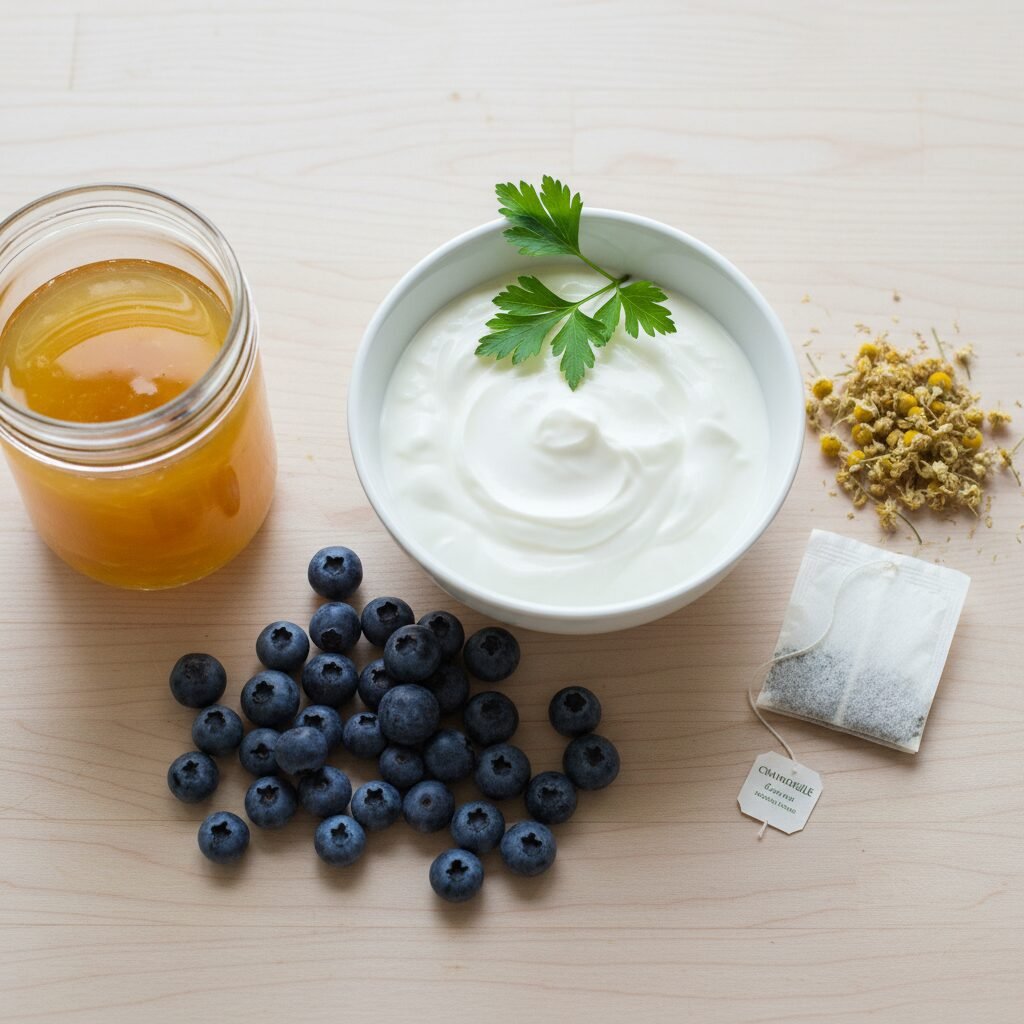
Safe and Soothing Ingredients: Your Recipe Pantry
Building the perfect teething stick starts with choosing ingredients that are both safe for canines and beneficial for soothing sore gums. The foundation of the stick is a freezable liquid, to which you can add various functional components. It is equally important to be aware of common kitchen ingredients that are toxic to dogs.
Ingredient Selection Guide
Consult this table when planning your recipe. Always introduce new foods in small quantities to monitor for any digestive upset or allergic reactions.
| Ingredient Category | Safe & Beneficial Options | Ingredients to AVOID (Toxic) |
|---|---|---|
| Liquid Base | Plain water, homemade bone broth (unsalted), plain kefir or yogurt, pure goat’s milk. | Cow’s milk (can cause upset), sweetened juices, any liquid containing alcohol or caffeine. |
| Soothing Herbs (in moderation) | Chamomile (calming), Ginger (anti-inflammatory), Parsley (breath freshener). Use cooled, brewed tea or finely minced fresh herbs. | Nutmeg, large amounts of certain herbs without vet guidance. |
| Fruits & Vegetables | Pureed pumpkin (unsweetened), mashed banana, blended blueberries or strawberries, cooked and pureed carrots or sweet potatoes. | Grapes, raisins, onions, garlic, avocado, macadamia nuts, anything with xylitol. |
| Nutritional Boosters | A spoonful of plain yogurt (probiotics), a small amount of coconut oil (MCTs). | Chocolate, artificial sweeteners (especially xylitol), fatty trimmings, cooked bones. |
Remember, simplicity is often best. Start with a simple two or three-ingredient recipe before experimenting with more complex combinations. The goal is relief and nutrition, not a gourmet meal that could potentially upset a young puppy’s delicate digestive system.
The Ultimate Homemade Teething Stick Recipe (Step-by-Step)
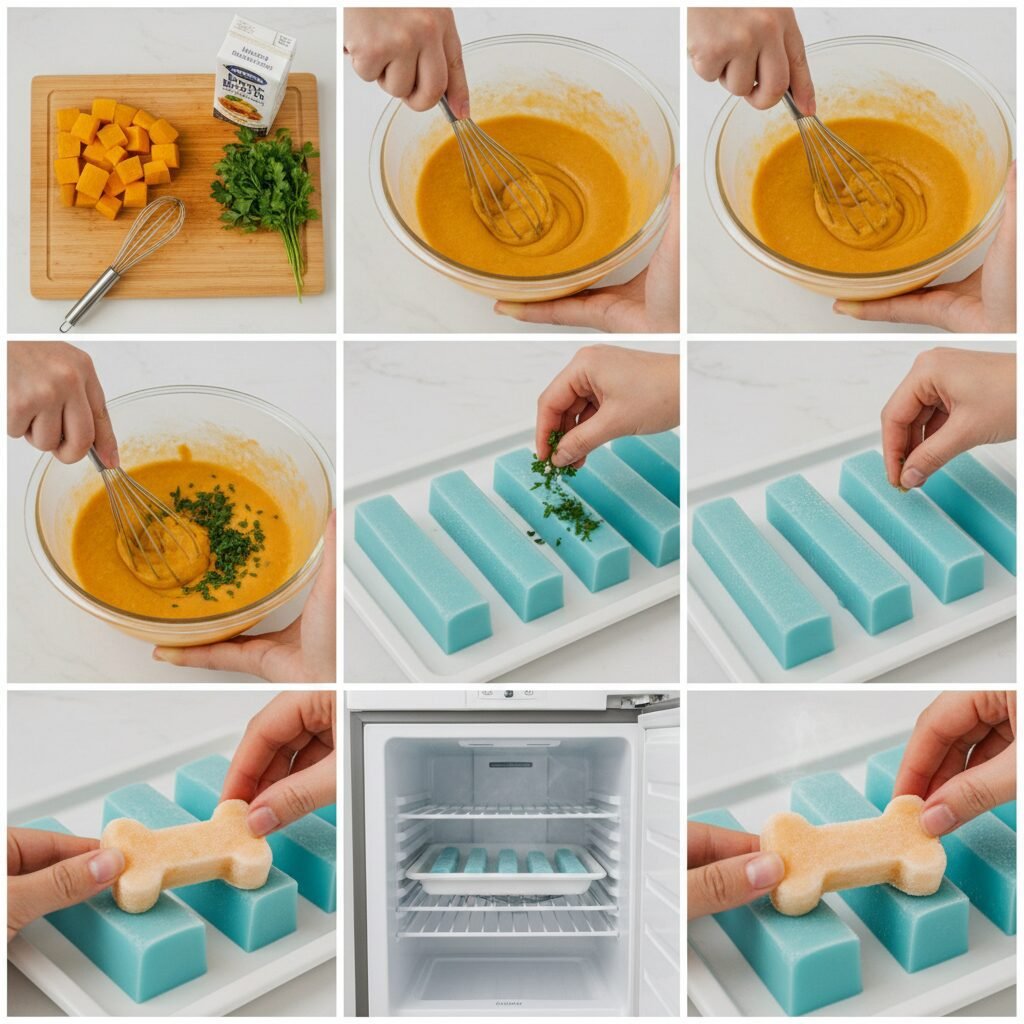
The Ultimate Homemade Teething Stick Recipe (Step-by-Step)
This foundational recipe is designed for maximum soothing effect and nutritional benefit. It is easily customizable based on the ingredients you have on hand and your puppy’s preferences. The process is simple and requires minimal equipment.
-
Step 1: Gather Your Ingredients and Tools
Before you begin, assemble everything you need. This ensures a smooth and efficient process. For this recipe, you will need: 1 cup of unsalted bone broth (or plain water), 1/2 cup of plain, unsweetened pumpkin puree, and 1 tablespoon of finely chopped fresh parsley. For tools, you will need: a mixing bowl, a whisk or spoon, and silicone molds. Long, thin stick-shaped molds work best, but any silicone ice cube tray will suffice.
-
Step 2: Prepare the Base Mixture
In your mixing bowl, combine the liquid base (bone broth) and the pureed ingredient (pumpkin puree). Whisk them together thoroughly until you have a smooth, consistent mixture. The consistency should be pourable but not watery. If it seems too thin, you can add a little more pumpkin puree to thicken it.
-
Step 3: Add Soothing Elements
Once the base is mixed, stir in your functional and flavor ingredients. In this case, add the 1 tablespoon of finely chopped parsley. The parsley not only adds vitamins but also helps to freshen your puppy’s breath. If you were using other additions like cooled chamomile tea or minced ginger, this is the stage to incorporate them.
-
Step 4: Pour into Molds
Carefully pour the mixture into your silicone molds. It’s helpful to place the molds on a small baking sheet or tray before filling them. This makes transferring them to the freezer much easier and prevents spills. Fill each mold evenly, leaving a tiny bit of space at the top for expansion as the liquid freezes.
-
Step 5: Freeze Thoroughly
Place the filled molds on a level surface in your freezer. Allow the sticks to freeze completely solid. This typically takes a minimum of 4 to 6 hours, but freezing them overnight is ideal to ensure they are rock-hard, which maximizes the soothing, cold chewing time for your puppy.
-
Step 6: Serving and Storage
Once frozen, you can pop a teething stick out of the mold and offer it to your puppy in a designated, easy-to-clean area (like a crate, on a tile floor, or outside). Store the remaining sticks in an airtight container or freezer bag in the freezer for up to three months. This allows you to have a soothing treat ready at a moment’s notice.
Recipe Variations for a Happy Pup
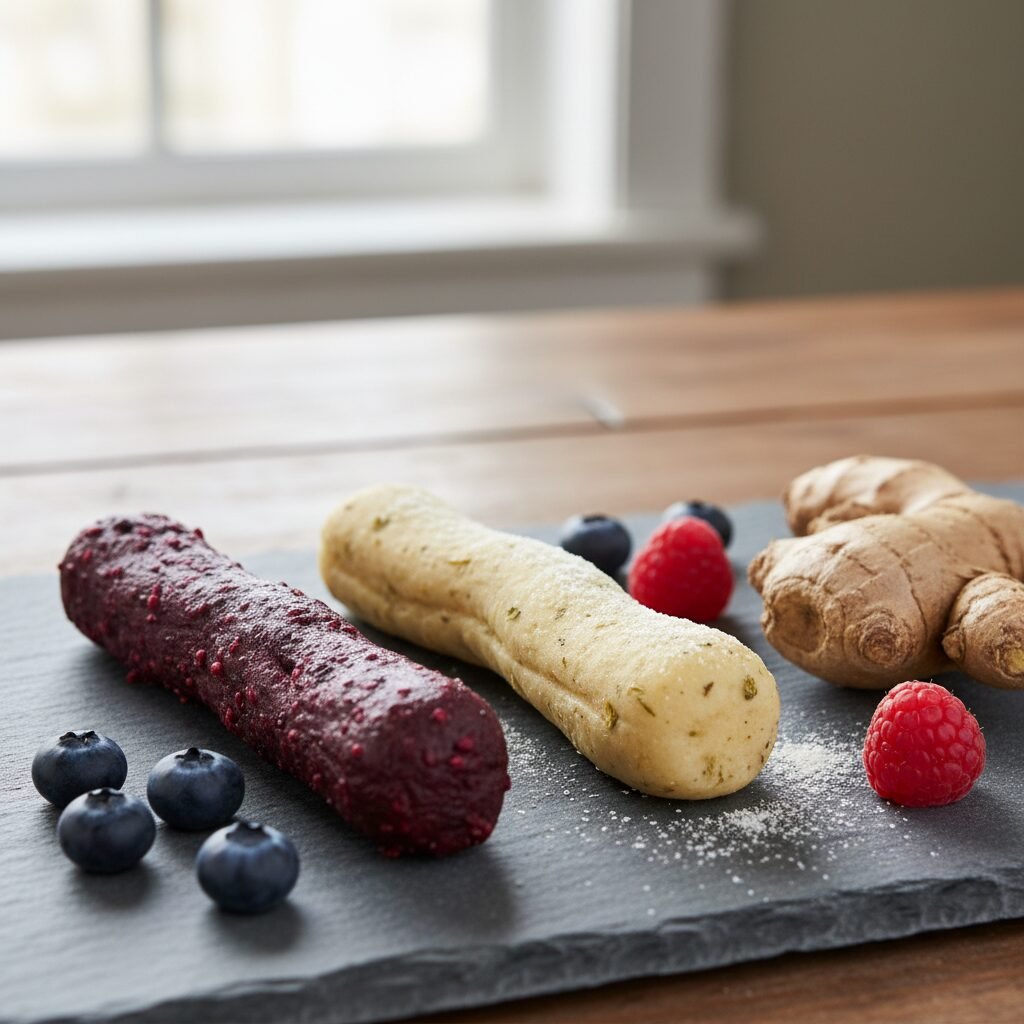
Recipe Variations for a Happy Pup
Variety can keep your puppy engaged and cater to different nutritional needs or preferences. Once you have mastered the basic recipe, feel free to try these alternative combinations. Always follow the same step-by-step process of blending, pouring, and freezing.
Fruity Fusion Soother
- Base: 1 cup of plain water or kefir.
- Main Ingredient: 1/2 cup of blended mixed berries (blueberries and strawberries are excellent choices).
- Booster: 1 tablespoon of plain yogurt.
- Benefit: This version is rich in antioxidants from the berries and provides probiotics from the kefir or yogurt, supporting both immune function and gut health.
Calming Chamomile & Ginger Stick
- Base: 1 cup of cooled, strongly brewed chamomile tea.
- Main Ingredient: 1/4 cup of mashed ripe banana.
- Booster: 1/4 teaspoon of freshly grated ginger.
- Benefit: Chamomile is renowned for its calming properties, which can help an irritable teething puppy settle down. Ginger is a natural anti-inflammatory that can further help reduce gum swelling and discomfort.
When creating your own variations, always double-check that every new ingredient is safe for dogs. A quick search or a call to your veterinarian can provide peace of mind.
Supervision is Non-Negotiable: Safety First
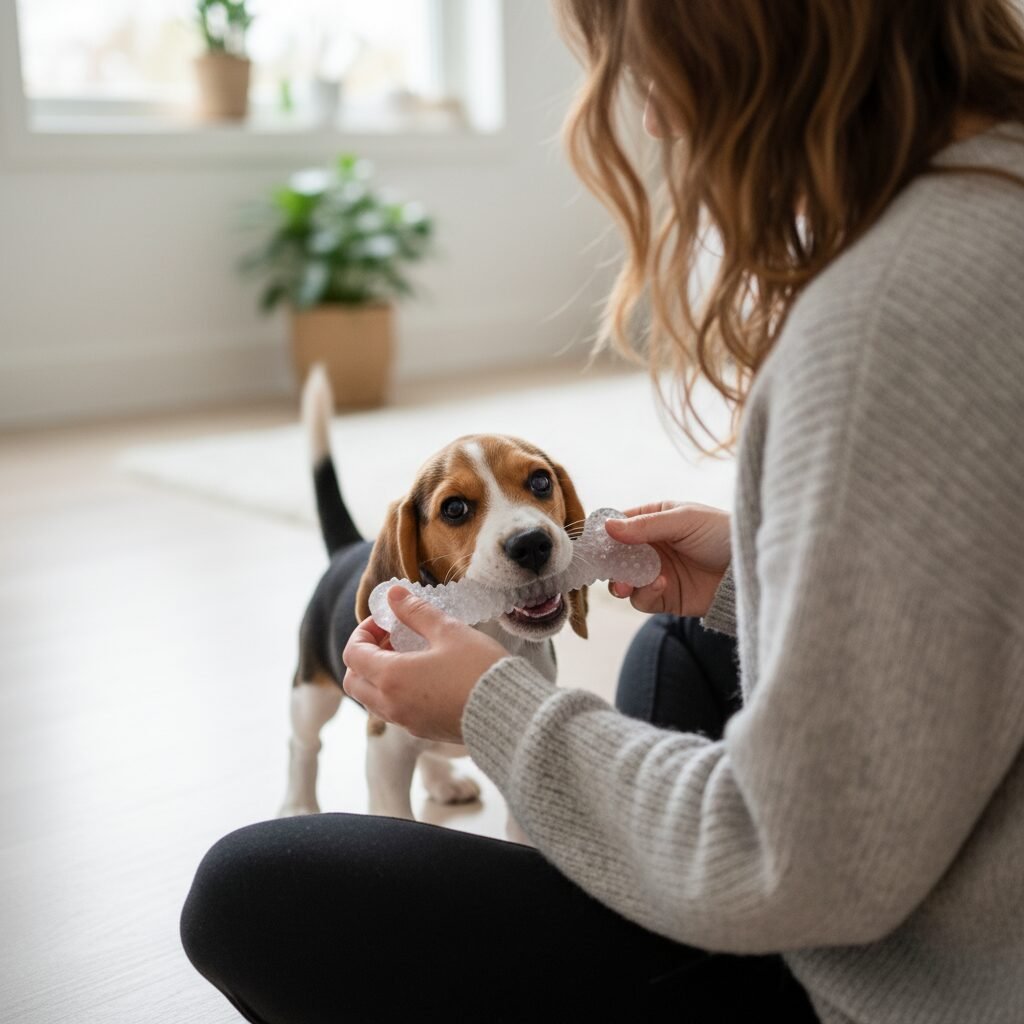
Supervision is Non-Negotiable: Safety First
Even with a completely safe and digestible treat, supervision is a critical component of responsible pet ownership. The goal of a teething stick is to provide a soothing object for licking and gentle gnawing as it melts. However, an overly enthusiastic puppy might try to break off and swallow a large, frozen chunk.
Always be present when your puppy is enjoying a teething stick. Watch for signs of distress. If they manage to break off a piece that seems too large, calmly remove it. It’s also wise to limit chewing sessions to 10-15 minutes at a time. This prevents them from consuming too many calories and from getting their core body temperature too low, which can be a small risk for very young or tiny breeds on a cold day.
Consider holding one end of the stick while your puppy chews on the other. This not only ensures they chew at a safe pace but also serves as a wonderful bonding exercise. It teaches them to be gentle with their mouths around human hands and reinforces a positive, trusting relationship during a potentially stressful time.
Conclusion
Navigating the puppy teething phase requires patience, understanding, and the right tools. By moving away from potentially hazardous commercial products and embracing a simple, homemade approach, you provide your puppy with more than just relief. You offer them a safe, nutritious, and comforting solution crafted with care. These edible teething sticks address the core issue of gum pain through cold therapy while simultaneously supporting your puppy’s overall health. Remember to always supervise any chew-time activity and consult your veterinarian with any concerns about your puppy’s health or dietary needs. Providing this level of dedicated care will not only ease your puppy through this developmental milestone but will also strengthen the incredible bond you share for a lifetime.