Stop Resource Guarding Fast: The “Trading Game” Protocol
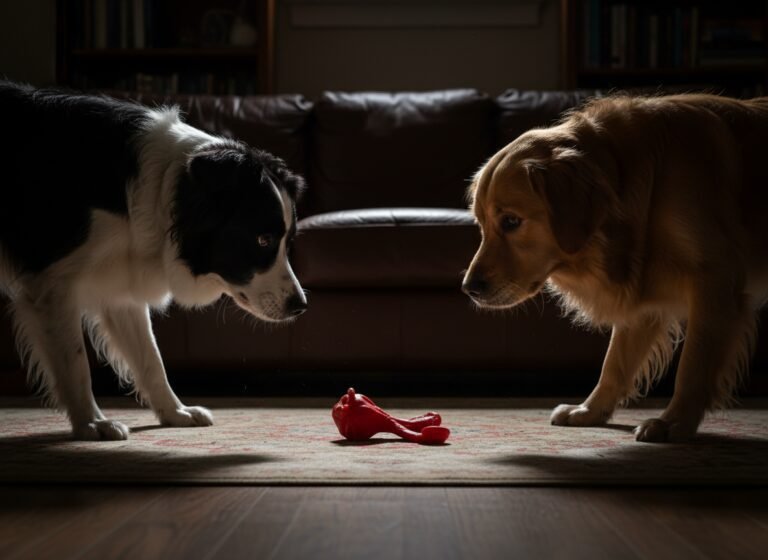
Resource guarding, the behavior where a dog uses threats to maintain control of a valued item, is one of the more unsettling issues a pet owner can face. The stiffening body, the low growl, the flash of teeth—it can feel like a personal betrayal from a beloved companion. It is crucial to understand that this behavior is not born from malice or a desire for ‘dominance.’ At its core, resource guarding is an expression of anxiety, a primal fear of loss rooted in survival instincts. The dog genuinely believes it must protect its precious resource from being taken.
Many conventional responses, such as confronting the dog or forcibly removing the item, only serve to validate this fear, often escalating the aggression and eroding the human-animal bond. A more effective and humane approach is required—one that addresses the underlying emotion rather than just suppressing the outward behavior. This is where the “Trading Game” protocol excels. This scientifically-grounded method utilizes positive reinforcement to fundamentally change your dog’s emotional response. Instead of seeing your approach as a threat, your dog will learn to view it as an opportunity for something even better. This guide will provide a comprehensive, step-by-step framework for implementing the Trading Game, transforming a tense situation into a trust-building exercise.
Understanding the ‘Why’: The Psychology Behind Resource Guarding
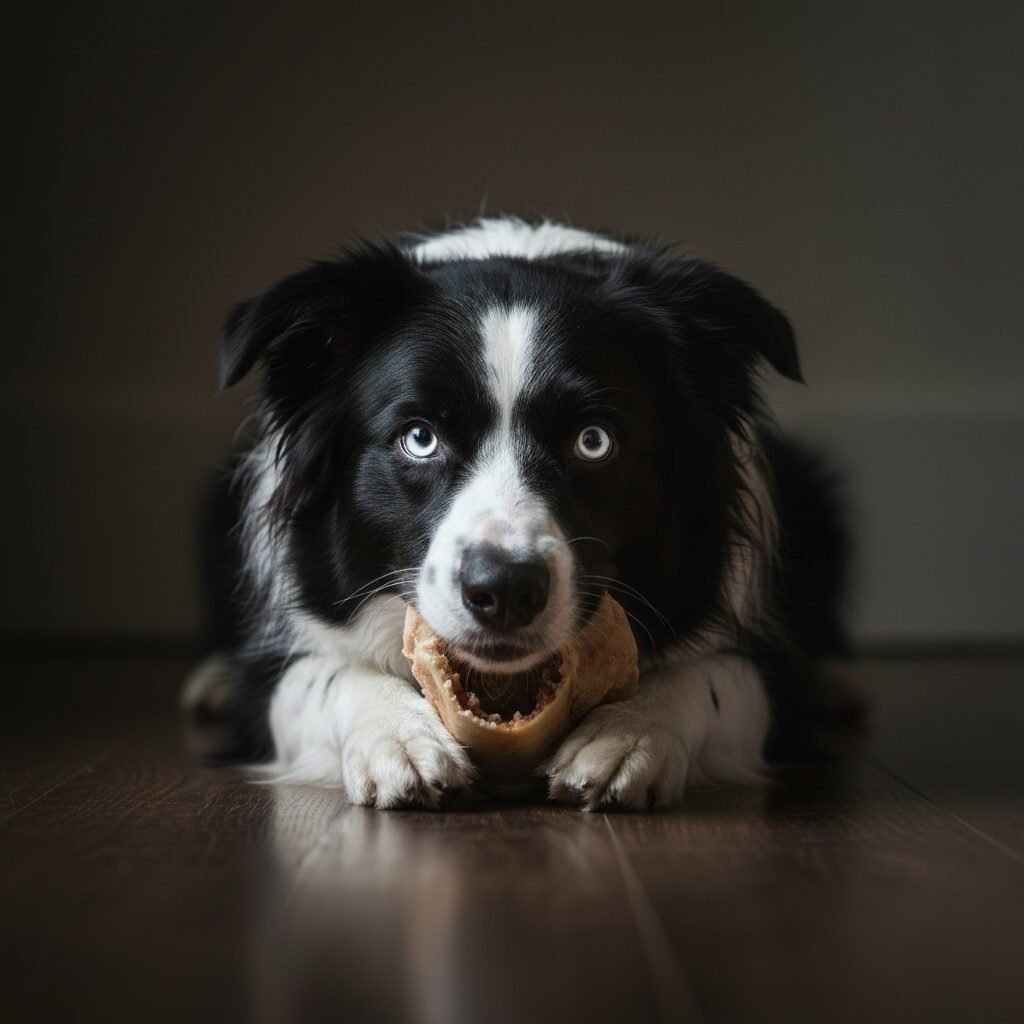
Before you can modify a behavior, you must understand its origin. Resource guarding is not a calculated act of defiance; it is an instinctual behavior pattern. In the wild, the ability to secure and defend valuable resources like food, mates, and shelter was directly linked to survival and reproductive success. While our domestic dogs no longer face such life-or-death competition, the genetic blueprint for this behavior remains.
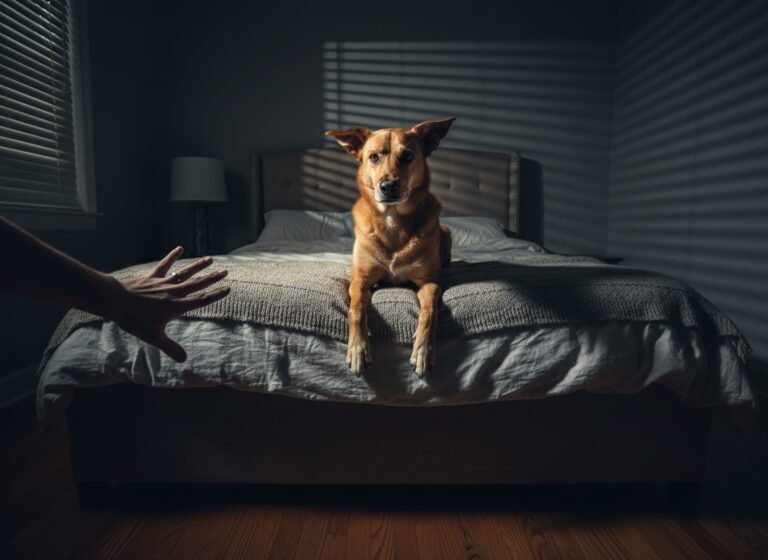
The guarding response is triggered by the dog’s perception of a threat to a valued item. This ‘item’ can be anything: a food bowl, a bone, a favorite toy, a stolen sock, or even a specific location like their bed. The dog’s anxiety about losing this item activates a predictable behavioral sequence, which often includes:
- Freezing and Stiffening: The dog becomes suddenly still over the item, with a tense, rigid posture.
- Hard Stare: Direct, unblinking eye contact is a clear warning to back away.
- Subtle Body Language: Owners often miss the earliest signs, such as ‘whale eye’ (showing the whites of the eyes), lip licking when not thirsty, a closed mouth, or ears pinned back.
- Vocalization: A low, rumbling growl is an unambiguous communication to increase distance. It is a warning, not an act of aggression itself, and should never be punished.
- Escalation: If the preceding warnings are ignored, the dog may escalate to a lip curl (snarl), an air snap (biting the air in the direction of the threat), or, as a last resort, a bite.
Recognizing these signals early is paramount. The dog is not being ‘bad’; it is communicating its profound discomfort and anxiety in the only way it knows how. Our goal is to listen to these communications and change the conversation entirely.
The Flawed Approach: Why Punishment Makes Guarding Worse
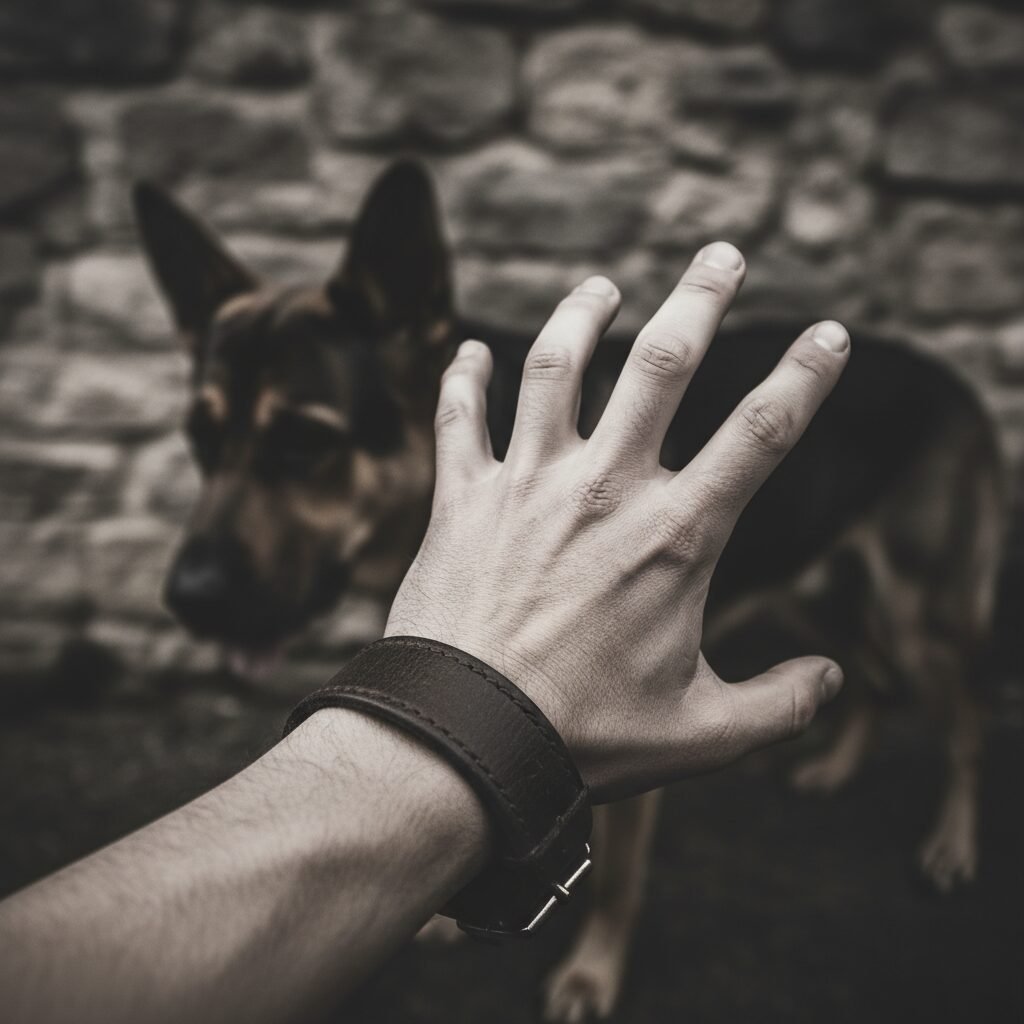
When confronted with a growling dog, a common human reaction is to assert authority. This often involves yelling “No!”, physically overpowering the dog, or using punishment-based tools. From a behavioral science perspective, this is the most counterproductive action one can take. Punishing a growl is akin to removing the batteries from a smoke detector. You have not eliminated the fire; you have only eliminated the warning that the fire exists.
When you punish a dog for guarding, you confirm its deepest fear: that your approach means it will lose its valuable resource. This has several dangerous consequences:
- Erosion of Trust: Your dog learns that you are unpredictable and a direct competitor for resources, damaging the fundamental trust in your relationship.
- Suppression of Warnings: A dog punished for growling may learn to skip this crucial warning sign and go straight to a snap or a bite in the future.
- Increased Anxiety: The underlying emotion of fear is amplified, not resolved, making the overall problem more severe and entrenched.
By punishing the growl, you are punishing the communication, not changing the underlying emotion. The result is a dog that is not safer, but is in fact more dangerous, as it may now bite without warning.
The Trading Game works because it directly counters this fear-based worldview. It teaches the dog that your approach does not signal loss, but rather predicts the arrival of something even more wonderful.
Preparing for the Trading Game: Setting the Stage for Success
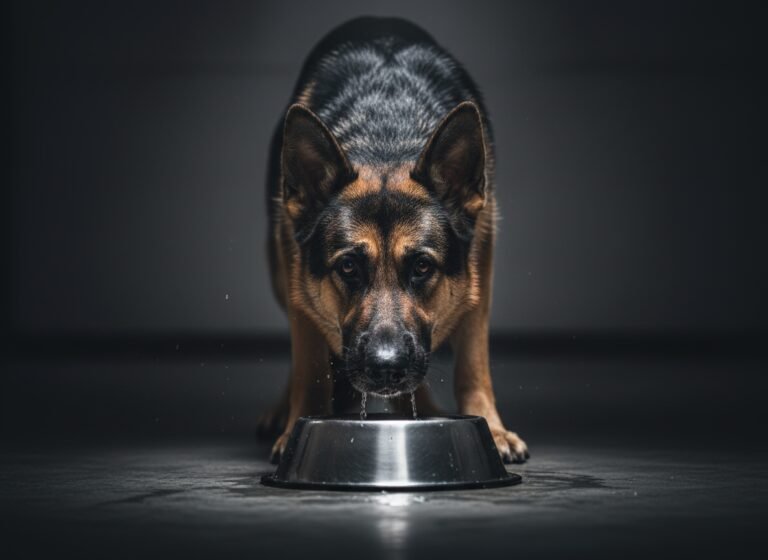
Success with this protocol relies on careful preparation and management. Before you begin training, your primary goal is to prevent the dog from rehearsing the guarding behavior. This means managing the environment. If your dog guards its food bowl, feed it in a separate, quiet room where it will not be disturbed. If it guards stolen items, increase your diligence in keeping socks, shoes, and other illicit treasures out of reach. Management is not a long-term solution, but it is a critical first step to ensure safety and prevent the behavior from becoming more ingrained.
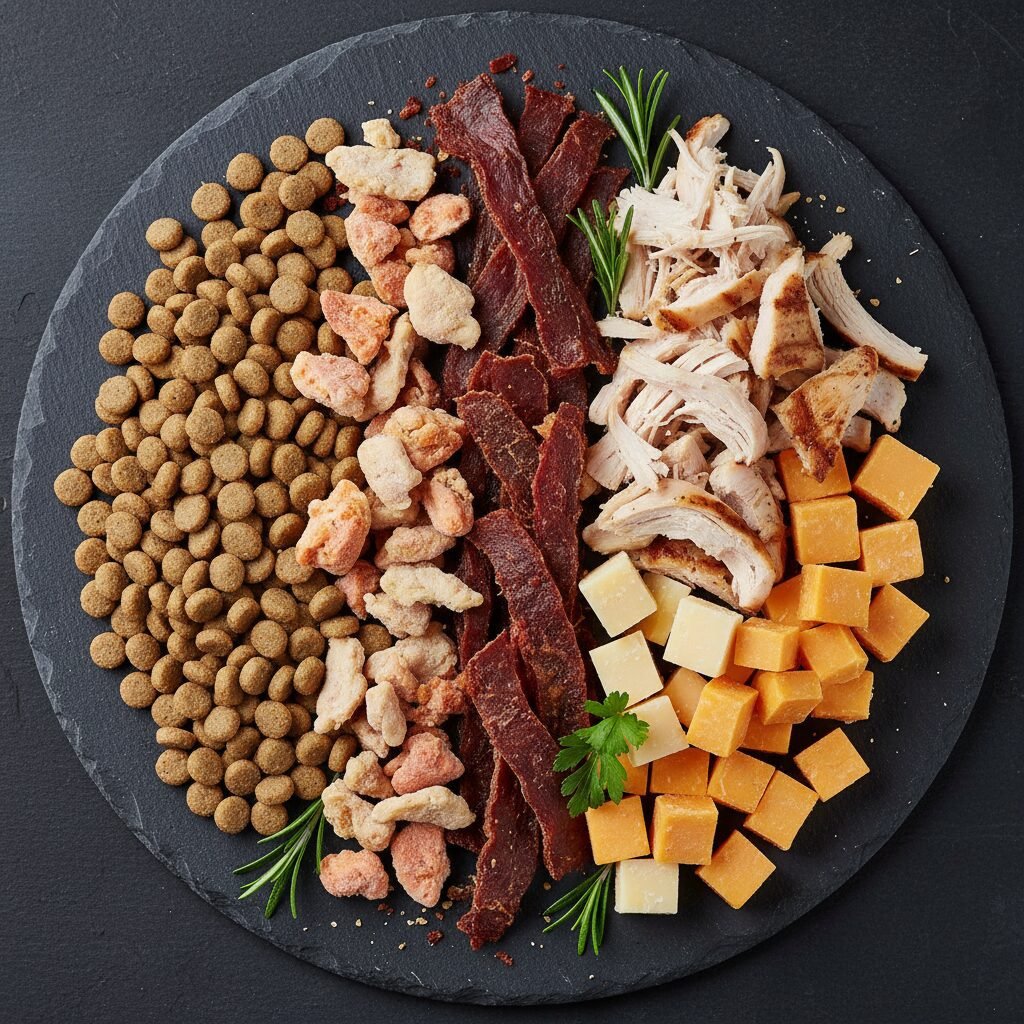
Next, you must establish a ‘treat hierarchy.’ Not all rewards are created equal in your dog’s eyes. The ‘trade’ must always be for something of significantly higher value than the item the dog possesses. You need to become an expert on your dog’s personal preferences.
Creating Your Dog’s Treat Hierarchy
You will need a clear understanding of what your dog considers low, medium, and high value. This is essential for starting the game at the right level and having powerful enough rewards to make trades for prized possessions.
| Value Tier | Description | Examples |
|---|---|---|
| Low-Value | Everyday rewards, good for general training but not for high-stakes situations. | Dry kibble, standard dog biscuits, carrots, apple slices. |
| Medium-Value | More enticing treats that hold your dog’s attention better. | Soft training treats, freeze-dried liver, small pieces of string cheese. |
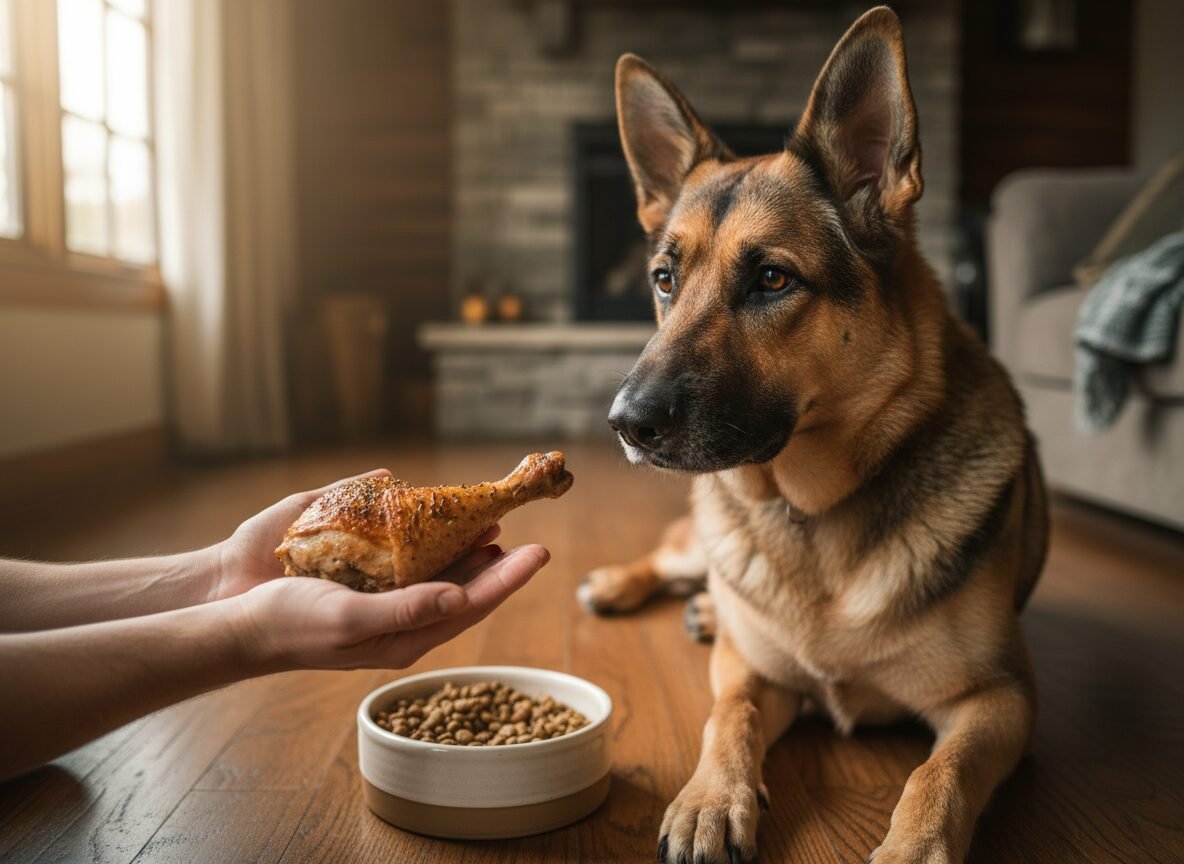
| High-Value | The ‘jackpot’ rewards. These are reserved for the most challenging and important training, like resource guarding. | Small pieces of boiled chicken, roast beef, hot dogs, commercial ‘super-premium’ treats, cheese curds, or even a lick of cream cheese from a spoon. |
Always begin your training sessions in a calm, neutral environment with minimal distractions. Keep sessions short—no more than 3-5 minutes at a time—to keep your dog engaged and end on a positive note before they become stressed or fatigued.
The Trading Game Protocol: A Step-by-Step Guide
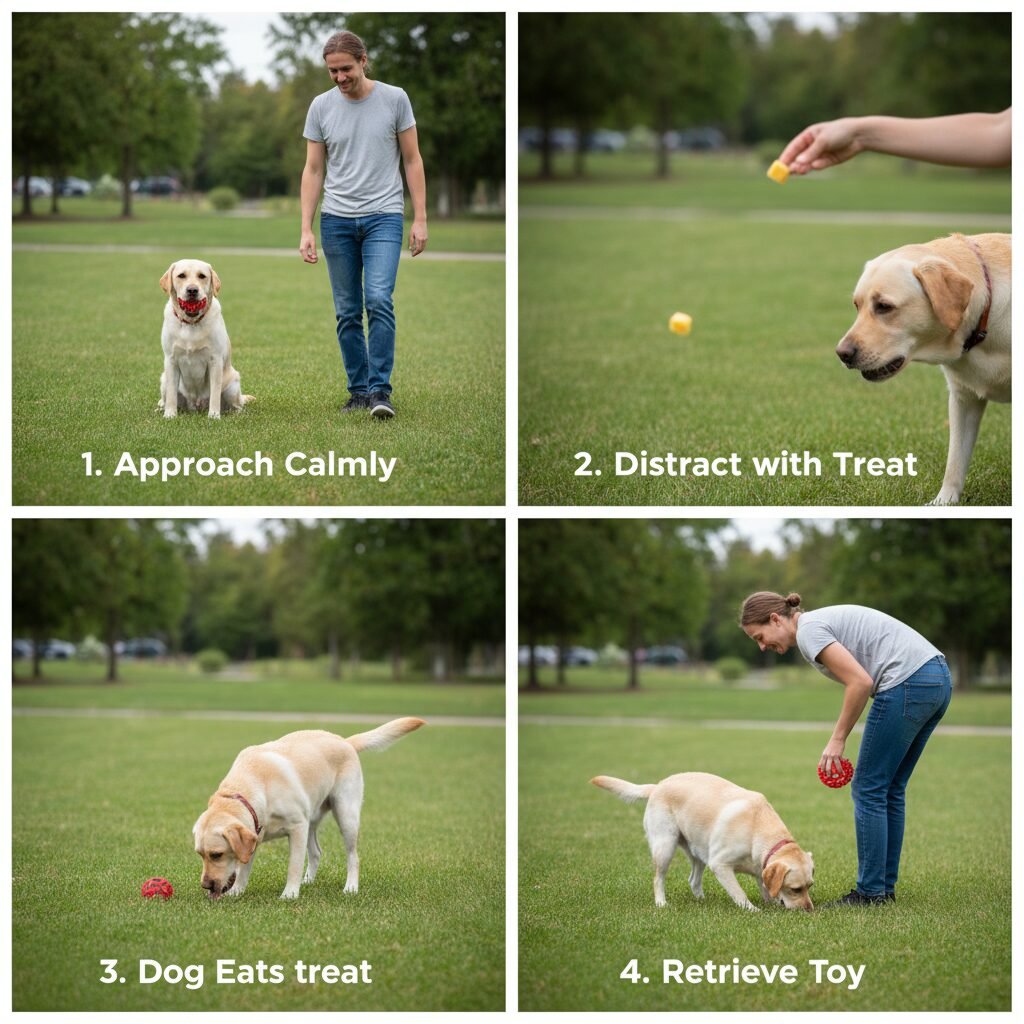
This protocol is designed to be gradual and systematic. It is imperative that you do not rush the steps and that you pay close attention to your dog’s body language. If at any point your dog shows signs of stress (stiffening, hard stare), you have moved too quickly. Simply go back to the previous step where they were successful and comfortable.
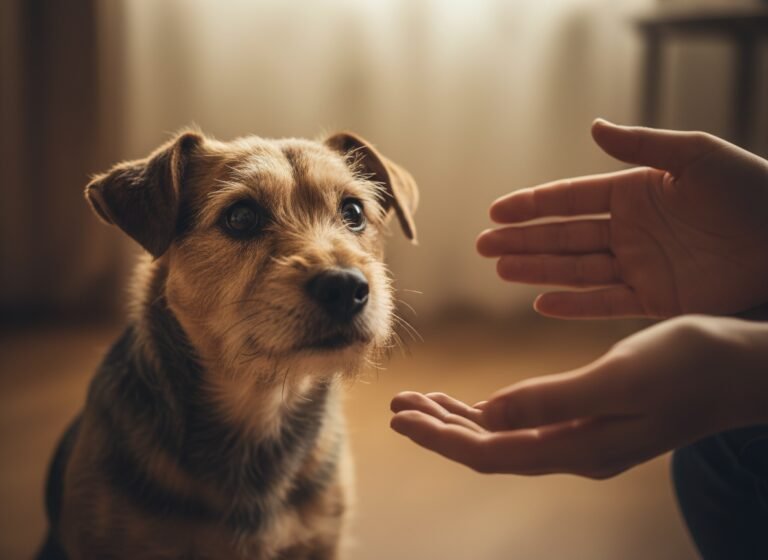
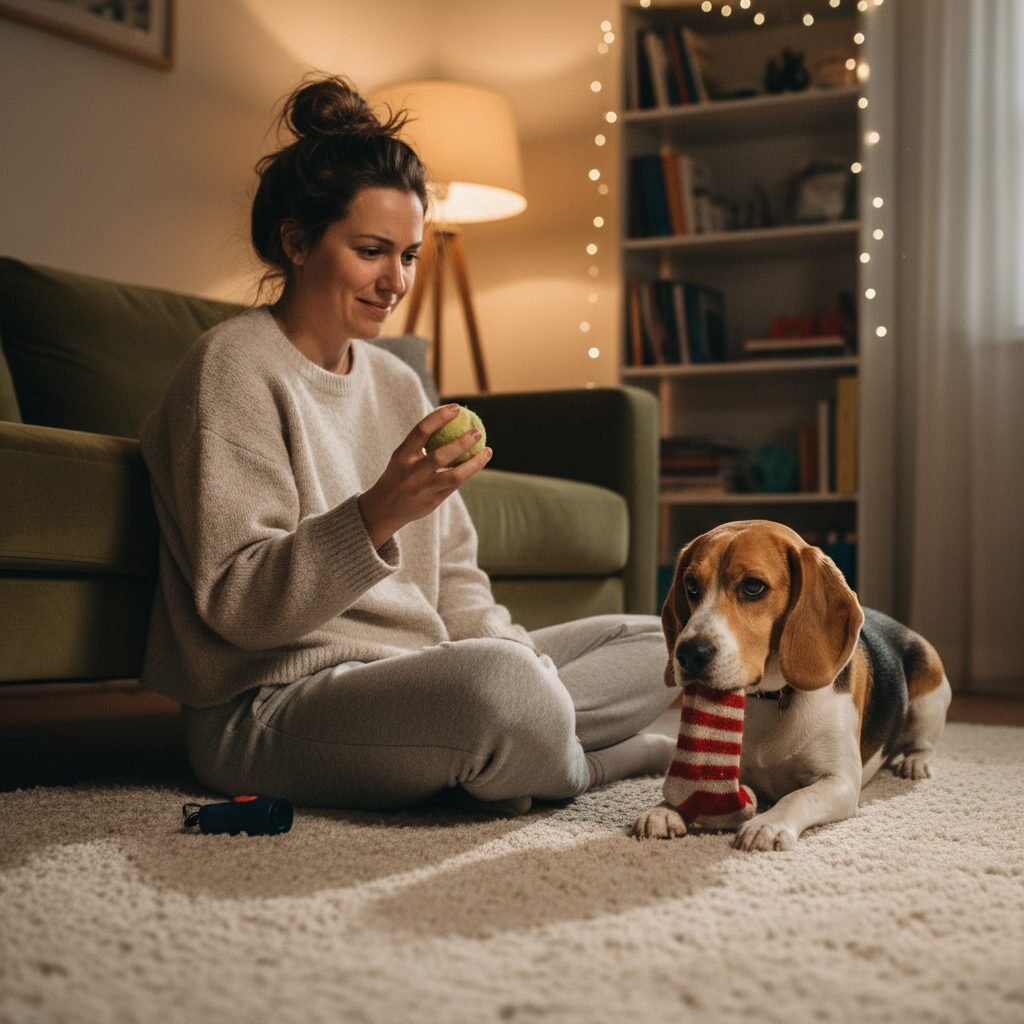
- Step 1: The Foundational Trade (Low-Value Items). Begin with an item your dog enjoys but does not actively guard. This could be a less-exciting chew toy or a simple rubber ball. Give the item to your dog. Let them settle with it for a moment. Approach them calmly, but stop before you enter their personal space (their ‘pressure zone’). Without saying anything, toss a few high-value treats (like pieces of chicken) on the floor a short distance away from them. The treats should be far enough that they must leave the item to get them. The moment they move away from the item to eat the treats, calmly walk over, pick up the item, and then immediately give it back to them. Repeat this 5-6 times and then end the session. The goal of this step is to establish a simple pattern: my human approaches, good things appear, and I always get my original item back.
- Step 2: Introducing the Verbal Cue. Once your dog is comfortable with Step 1 and begins to look at you with happy anticipation when you approach, you can add a verbal cue. As you approach, say in a cheerful, upbeat tone, “Trade?” and then toss the high-value treats. Continue the process as before: they leave the item, you pick it up, and you give it back. The cue will soon become associated with the positive outcome.
- Step 3: Gradually Increasing the Item’s Value. This is the most critical phase. You will now slowly start practicing with items your dog values more. Move from a boring toy to a slightly more interesting one, then perhaps to a long-lasting chew they enjoy but aren’t obsessed with. You must use your treat hierarchy. The value of your ‘trade’ must always exceed the value of the item they have. If they have a tasty dental chew (medium value), you need to trade with something spectacular (high value). If at any point they show guarding behavior, the item is too valuable for their current training level. Go back to an easier item.
- Step 4: Generalizing the Behavior. Once your dog reliably and happily trades medium-value items, you need to generalize the skill. Practice in different rooms of the house. If it is safe to do so, have other adult family members practice the game as well, so the dog learns that all humans bring good things. Consistency across people is key.
- Step 5: Fading the Food Lure. The ultimate goal is for your dog to release an item on a verbal cue alone, without first seeing the food. Once the “Trade?” cue is well-established, start to vary the sequence. Say “Trade?” and wait a second. If your dog even begins to move away from the item or drop it, mark the moment with a “Yes!” and then produce the high-value reward from your pocket or a nearby counter. This teaches them that the reward comes *after* they cooperate, turning the game from a lure into a true transactional cue.
Troubleshooting Common Issues in the Trading Game
Even with a careful approach, you may encounter challenges. Understanding how to address them is key to maintaining progress and ensuring safety.
My Dog Won’t Drop the Item for the Treat.
This is the most common issue and it almost always has one answer: your trade is not valuable enough. You are offering a five-dollar bill for a fifty-dollar item. Go back to your treat hierarchy and upgrade your offering. If you were using chicken, try a small piece of steak or a spoonful of peanut butter (ensure it’s xylitol-free). The trade must be undeniably amazing from your dog’s perspective.
My Dog Grabs the Treat and Rushes Back to Guard the Item.
This indicates the dog is still anxious. You can address this in two ways. First, toss the treat further away, requiring them to move a greater distance from the guarded item. This gives you more time to calmly retrieve it. Second, use a ‘scatter feed.’ Instead of tossing one treat, toss a small handful of tiny, high-value treats onto the floor. This will take them longer to find and eat, buying you more time and reinforcing the positive association of your approach.
The Guarding Seems to be Getting Worse, Not Better.
If the guarding behavior is intensifying, stop the training immediately. This is a clear sign that the dog is ‘over threshold’—their level of stress and anxiety is too high for learning to occur. You are likely moving too fast through the steps or the item you are trying to trade for is far too high-value for this stage. Revert to simple management for a few days to let their stress levels decrease, and then restart the training protocol from the very beginning with extremely low-value items. This is also a strong indicator that it is time to seek hands-on professional help.
Beyond the Trade: Proactive Prevention and Management
The Trading Game is a powerful tool for changing your dog’s emotional response in the moment, but a comprehensive plan includes proactive strategies to prevent guarding from occurring in the first place.
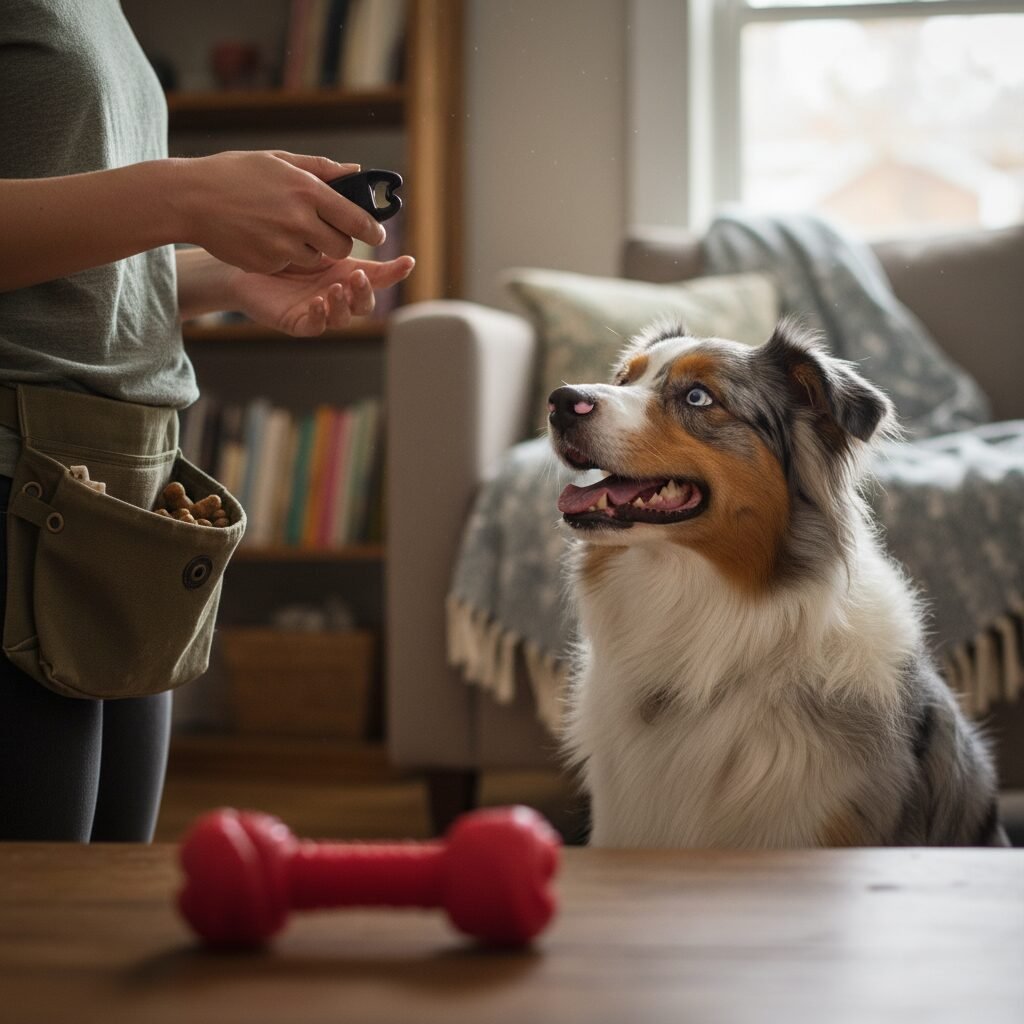
A critical skill to teach, entirely separate from the Trading Game, is a rock-solid “Drop It” cue. This is taught through positive reinforcement, often by shaping the behavior of dropping a toy for a treat, and should be practiced daily in fun, low-pressure sessions. This gives you a reliable verbal tool for situations where a trade isn’t practical.
Management remains a cornerstone of prevention. High-value items that are known triggers for guarding, such as rawhides or bully sticks, should only be given when the dog can be left alone in a crate or a separate room to enjoy them in peace. This prevents them from feeling the need to guard and avoids conflict. Similarly, always ensure the dog is fed in a protected space, away from foot traffic and other pets.
Ultimately, all of these strategies contribute to a stronger overall relationship. Every positive interaction, every successful training session, and every moment you respect your dog’s need for space builds a foundation of trust. A dog that trusts its owner to be a provider, not a competitor, is far less likely to feel the need to guard resources.
When to Call a Professional: Recognizing Red Flags

While the Trading Game is highly effective for mild to moderate resource guarding, some situations carry a higher risk and require the intervention of a qualified professional. Attempting to resolve severe guarding on your own can be dangerous for you, your family, and your dog. It is time to seek professional guidance if you observe any of the following red flags:
- Guarding Towards Children: This is a non-negotiable threshold. Due to the unpredictability of children and the potential for severe injury, any resource guarding directed at a child requires immediate professional management and intervention.
- Rapid Escalation: If the dog quickly escalates past growling to snapping or biting, the situation is too volatile for DIY training.
- Bites That Break Skin: A bite that punctures or tears the skin (Level 3 or higher on Dr. Ian Dunbar’s Bite Scale) is a clear sign that the dog’s bite inhibition is low and the risk is high.
- Unpredictable Guarding: If the dog guards a wide variety of random items or locations with no clear pattern, the underlying anxiety may be more generalized and complex.
- Guarding People or Space: If the dog is guarding one person from another, or a specific location like a hallway or doorway, this is a more complex issue than simple object guarding.
When seeking help, look for a Certified Applied Animal Behaviorist (CAAB), a board-certified veterinary behaviorist (DACVB), or a Certified Professional Dog Trainer (CPDT-KA/KSA) who explicitly uses force-free, positive reinforcement methods. These professionals have the expertise to create a safe, comprehensive behavior modification plan tailored to your specific situation.
Conclusion
Resolving resource guarding is a journey that requires patience, consistency, and a deep sense of empathy for your dog’s emotional state. The Trading Game is more than a simple training exercise; it is a powerful method for rewriting your dog’s internal narrative. You are teaching them that the presence of a human near a valued item is not a cause for alarm, but a predictor of wonderful things. You are systematically replacing fear with happy anticipation.
Remember that safety must always be your first priority. Implement strict management protocols to prevent guarding incidents while you work through the training steps. Never punish your dog for communicating its discomfort, and never hesitate to seek professional help if you feel unsafe or overwhelmed. By committing to this positive, trust-based protocol, you are not just solving a behavior problem—you are investing in a stronger, safer, and more harmonious relationship with your canine companion for years to come.