The Pumpkin Cure: Exact Dosage to Stop Dog Diarrhea Fast
Gastrointestinal upset, specifically acute diarrhea, is one of the most common reasons pet owners seek veterinary advice. A sudden change in stool consistency can be alarming, but in many uncomplicated cases, a simple dietary intervention can provide rapid relief. One of the most effective and safest home remedies is 100% pure pumpkin. As a veterinary nutrition consultant, I have recommended this approach for years due to its physiological efficacy. This guide will provide an exhaustive, evidence-based protocol for using pumpkin to manage your dog’s diarrhea, including precise dosage, proper selection, and the critical signs that indicate a simple home remedy is not enough. Understanding how to correctly apply this ‘pumpkin cure’ can empower you to manage minor digestive issues at home and recognize when professional medical intervention is non-negotiable.
Understanding Acute Diarrhea in Dogs: When is it a Simple Issue?
Before administering any home remedy, it is crucial to differentiate between simple, acute diarrhea and a more serious underlying condition. Acute diarrhea is characterized by a sudden onset of loose, watery stools. In an otherwise healthy and bright dog, the most frequent cause is dietary indiscretion—consuming something inappropriate, such as garbage, a new rich treat, or non-food items. Other common triggers for uncomplicated diarrhea include abrupt changes in diet, stress from travel or boarding, or minor viral or bacterial infections that the immune system can manage.
A dog with simple diarrhea will typically exhibit normal behavior. They remain energetic, eager to eat, and hydrated. Their gums should be pink and moist, and they should not be showing signs of pain, lethargy, or repeated vomiting. The diarrhea itself, while unpleasant, should not contain significant amounts of blood or mucus. It is this specific clinical picture—a happy dog with an unhappy gut—where a dietary intervention like pumpkin is most appropriate and effective. Any deviation from this presentation warrants immediate veterinary consultation, as diarrhea can also be a symptom of severe conditions like pancreatitis, intestinal parasites, foreign body obstruction, or systemic disease.
The Science of Soluble Fiber: Why Pumpkin Works
Pumpkin’s efficacy is not folklore; it is rooted in its unique nutritional composition, particularly its blend of dietary fibers. Pumpkin is rich in soluble fiber, which is the key to its dual action on the gastrointestinal tract.
How Soluble Fiber Regulates Stool Consistency
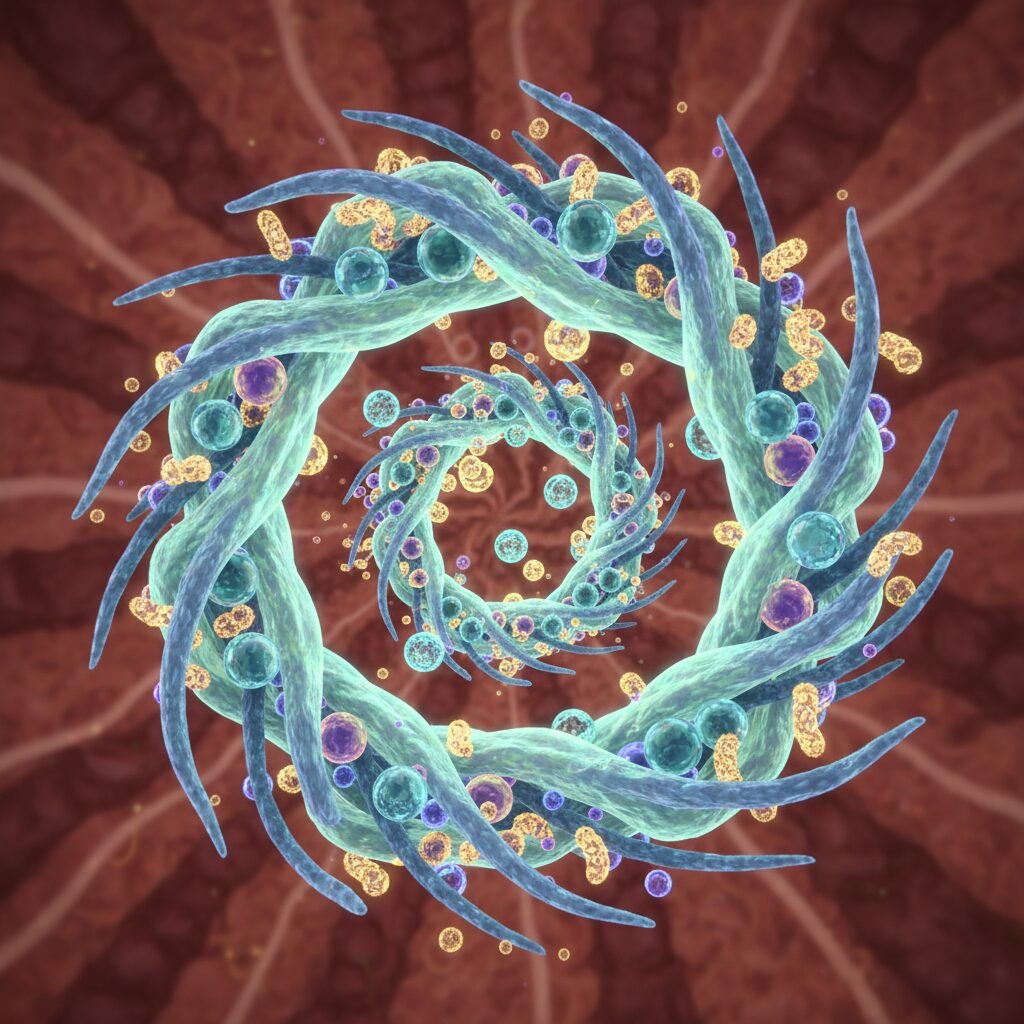
Soluble fiber acts like a sponge in the digestive system. When a dog has diarrhea, there is an excess of water in the colon. The soluble fiber in pumpkin absorbs this excess water, which adds bulk and form to the stool, transforming it from liquid to a more solid consistency. Conversely, in cases of constipation, this same fiber can draw water into the colon, softening hard stool and promoting motility. This unique ability to normalize gut function makes it an invaluable tool.
Prebiotic Benefits for Gut Health
Beyond its physical properties, the soluble fiber in pumpkin also functions as a prebiotic. Prebiotics are compounds that feed the beneficial bacteria (probiotics) residing in the dog’s gut. By nourishing this healthy microflora, pumpkin helps to restore balance to a gastrointestinal system that has been disrupted. A healthy gut microbiome is essential for proper digestion, nutrient absorption, and immune function. The fermentation of these fibers by gut bacteria produces short-chain fatty acids (SCFAs), such as butyrate, which is the primary energy source for the cells lining the colon. This helps to reduce inflammation and support the healing of the intestinal lining.
Critical Selection: Not All Pumpkin is Created Equal
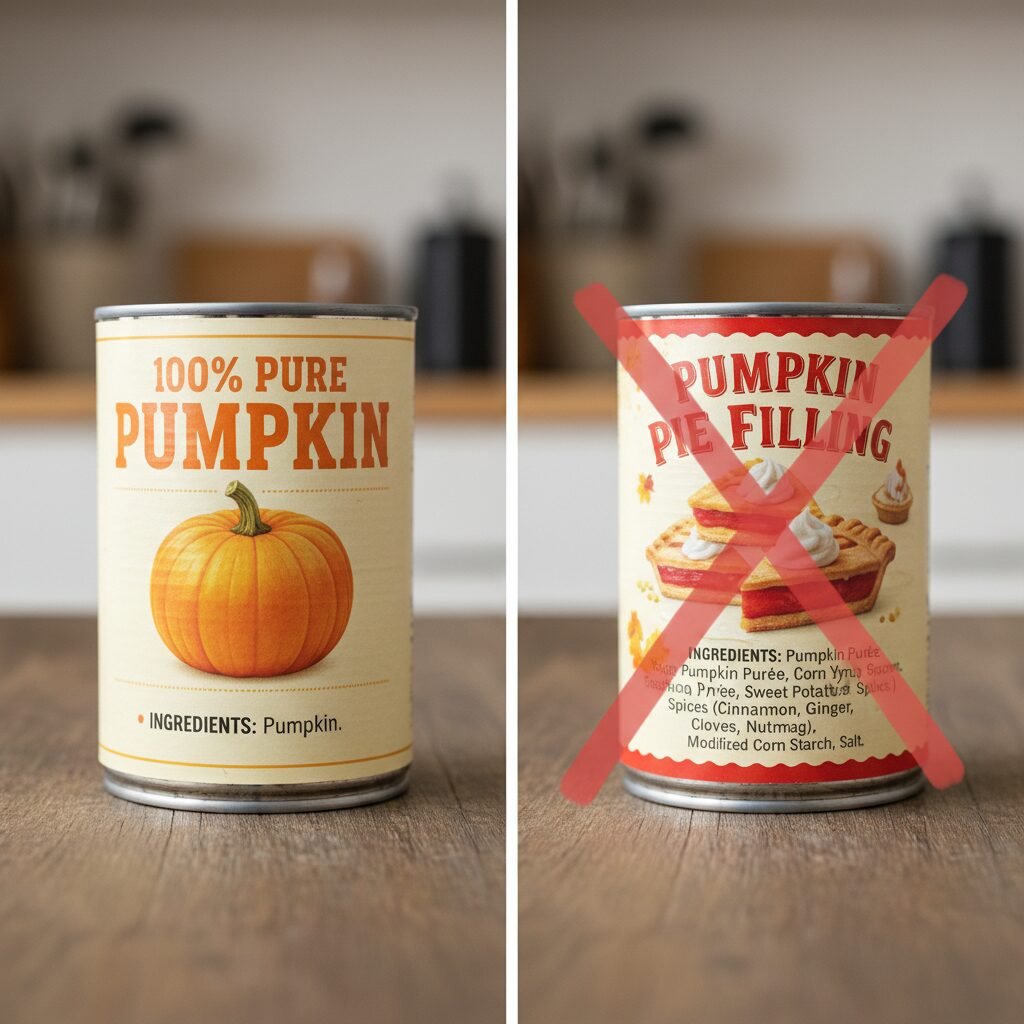
The success of this remedy hinges entirely on using the correct product. The only acceptable option is 100% pure canned pumpkin or pumpkin purée. It should have only one ingredient: pumpkin. You must meticulously check the label to ensure you are not accidentally purchasing pumpkin pie filling.
Pumpkin pie filling is extremely dangerous for dogs. It is loaded with sugar, which can worsen diarrhea and cause further gastrointestinal upset. More critically, it often contains spices like nutmeg, which is toxic to dogs, and sometimes even the artificial sweetener xylitol, which is life-threateningly toxic, causing hypoglycemia and acute liver failure. The two cans often look similar and are placed next to each other in the grocery aisle, so diligence is required.
Fresh Pumpkin vs. Canned Pumpkin
While you can use freshly cooked pumpkin, canned pumpkin is generally superior for this specific application. The canning process makes the nutrients, particularly the fiber, more bioavailable and easier for a dog’s compromised digestive system to process. It also has a more consistent moisture and fiber content, which is essential for accurate dosing. If you choose to use fresh pumpkin, you must steam or bake it until it is very soft (with no added oils, salt, or spices) and then purée it completely.
The Exact Pumpkin Dosage Protocol for Dogs
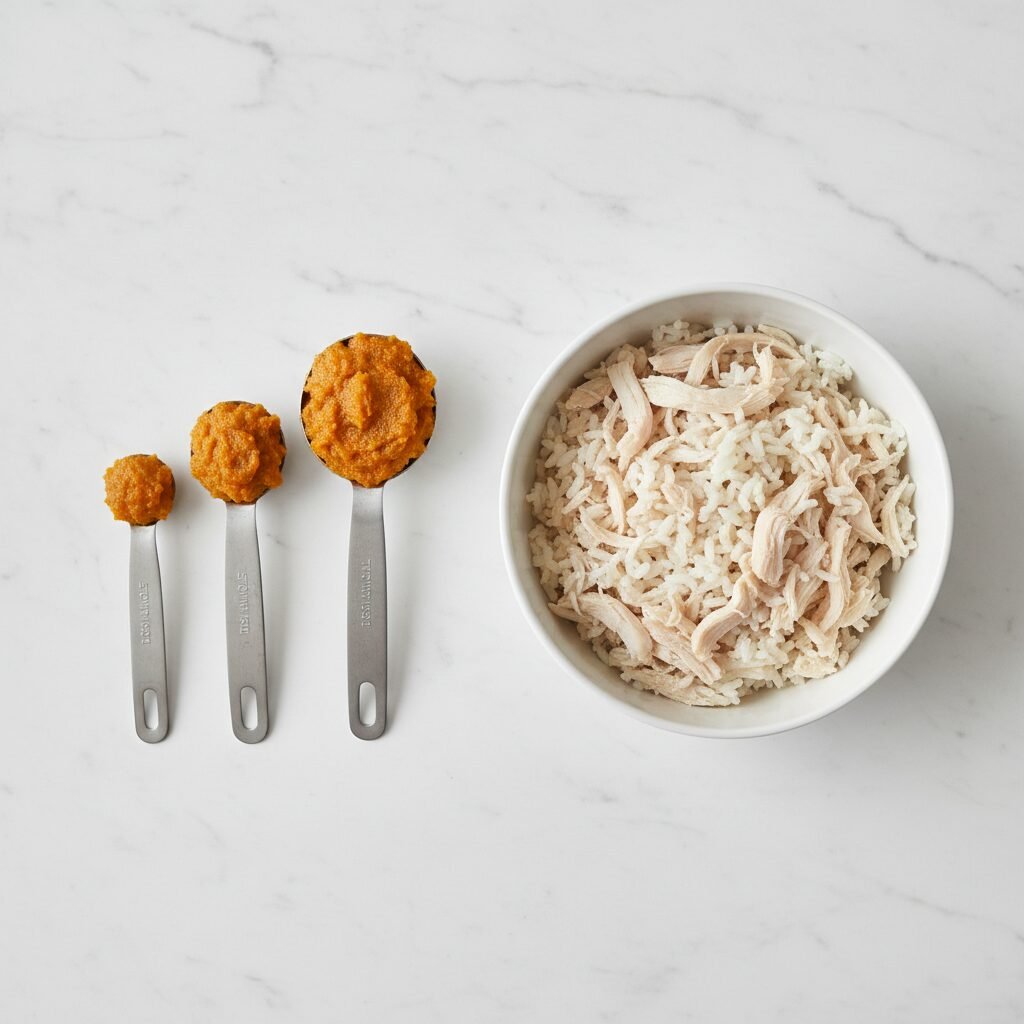
Dosage is determined by the dog’s weight. Overdoing it can add too much fiber and potentially worsen the situation. The goal is to introduce a therapeutic amount of soluble fiber without overwhelming the system. Administer the appropriate dose with each meal (typically twice a day) for 1 to 3 days, or until stool consistency normalizes.
Always start with a slightly smaller amount for the first feeding to ensure your dog tolerates it well. The following table provides a clear, weight-based dosing guide. Use a standard measuring spoon for accuracy.
| Dog’s Weight | Dosage per Meal |
|---|---|
| Under 10 lbs (4.5 kg) | 1 teaspoon |
| 10-25 lbs (4.5-11.3 kg) | 1-2 teaspoons |
| 25-50 lbs (11.3-22.7 kg) | 1-2 tablespoons |
| 50-75 lbs (22.7-34 kg) | 2-3 tablespoons |
| Over 75 lbs (34 kg) | 3-5 tablespoons |
It is often beneficial to pair the pumpkin administration with a short-term bland diet. A classic bland diet consists of boiled, boneless, skinless chicken breast and plain white rice. The combination of the easily digestible food and the regulatory fiber from the pumpkin creates an ideal environment for the gut to rest and recover. Feed small, frequent meals throughout the day rather than one or two large ones.
Administration and Monitoring
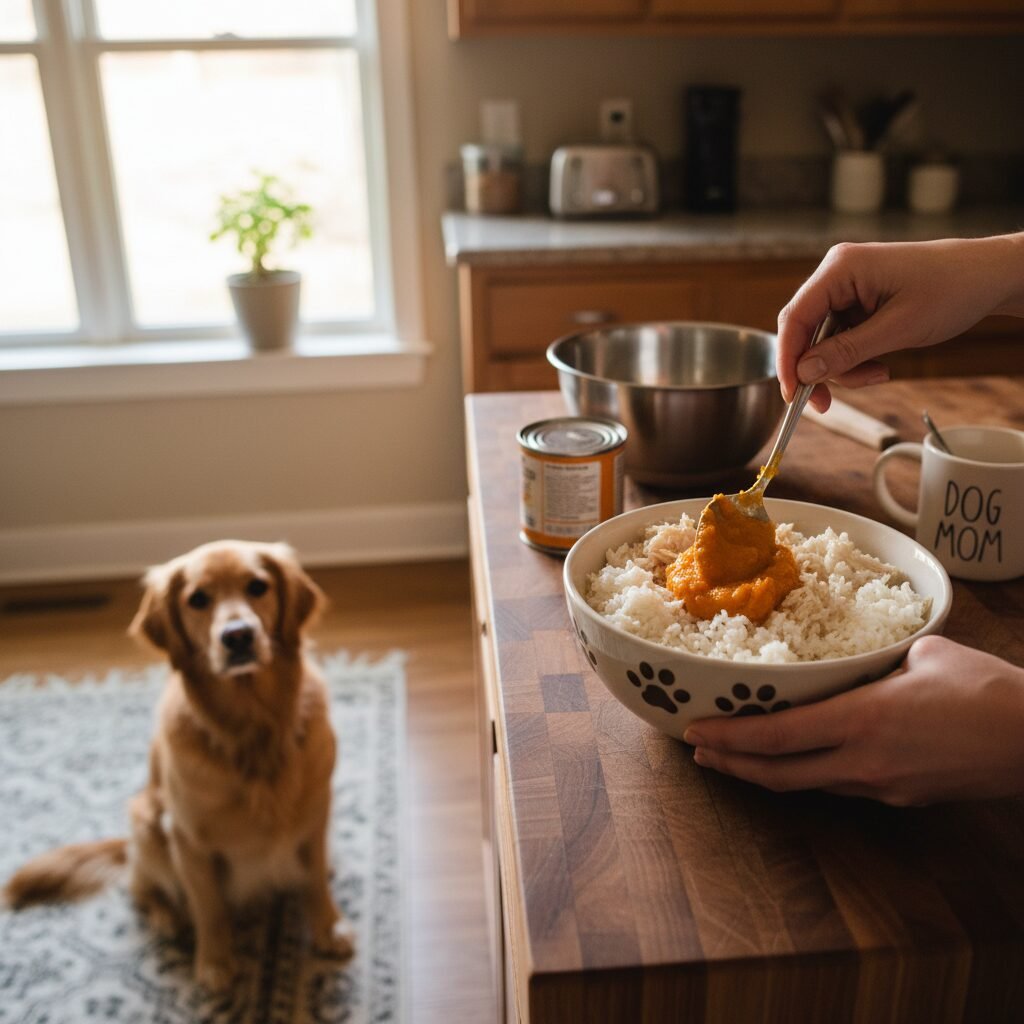
Most dogs find the taste of pumpkin palatable, making administration straightforward. The easiest method is to simply mix the correct dose directly into their bland diet meal. Stir it in thoroughly to ensure they consume the full amount.
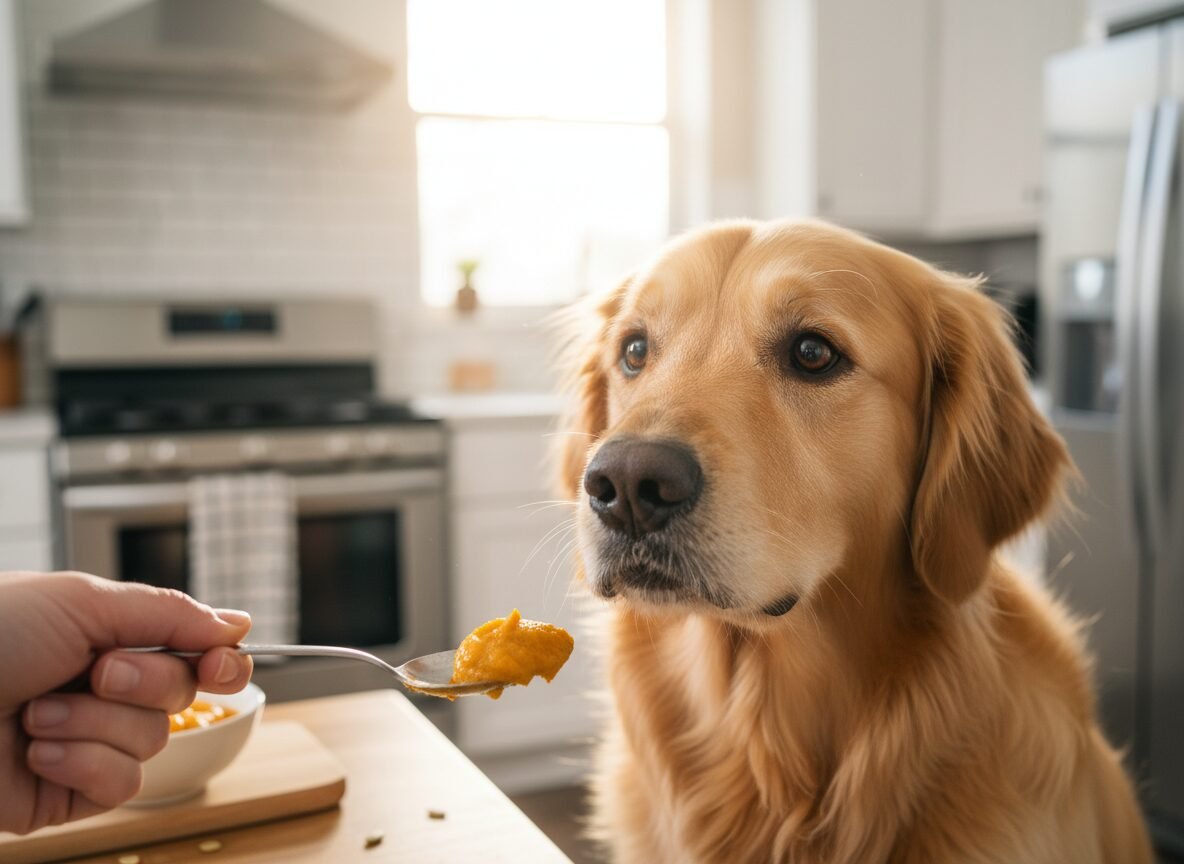
If your dog is hesitant, you can try offering a small amount on a spoon as a treat. For particularly picky dogs, you can mix the purée with a small amount of warm water or unsalted chicken broth to create a more enticing gravy to pour over their food.
Monitoring Your Dog’s Progress
After starting the pumpkin protocol, you must closely monitor your dog’s stool and overall condition. You should see a noticeable improvement in stool consistency within 12 to 24 hours. The stool should begin to firm up and become more formed. Continue the protocol for a full 48-72 hours to ensure the digestive tract has fully stabilized. Once the stool is consistently normal, you can begin to slowly transition your dog back to their regular food over several days by gradually mixing in their kibble with the bland diet.
Do not continue this home remedy for more than three days without veterinary guidance. If the diarrhea does not improve or worsens at any point, cease the treatment and contact your veterinarian immediately.
Red Flags: When to Bypass Pumpkin and See a Veterinarian
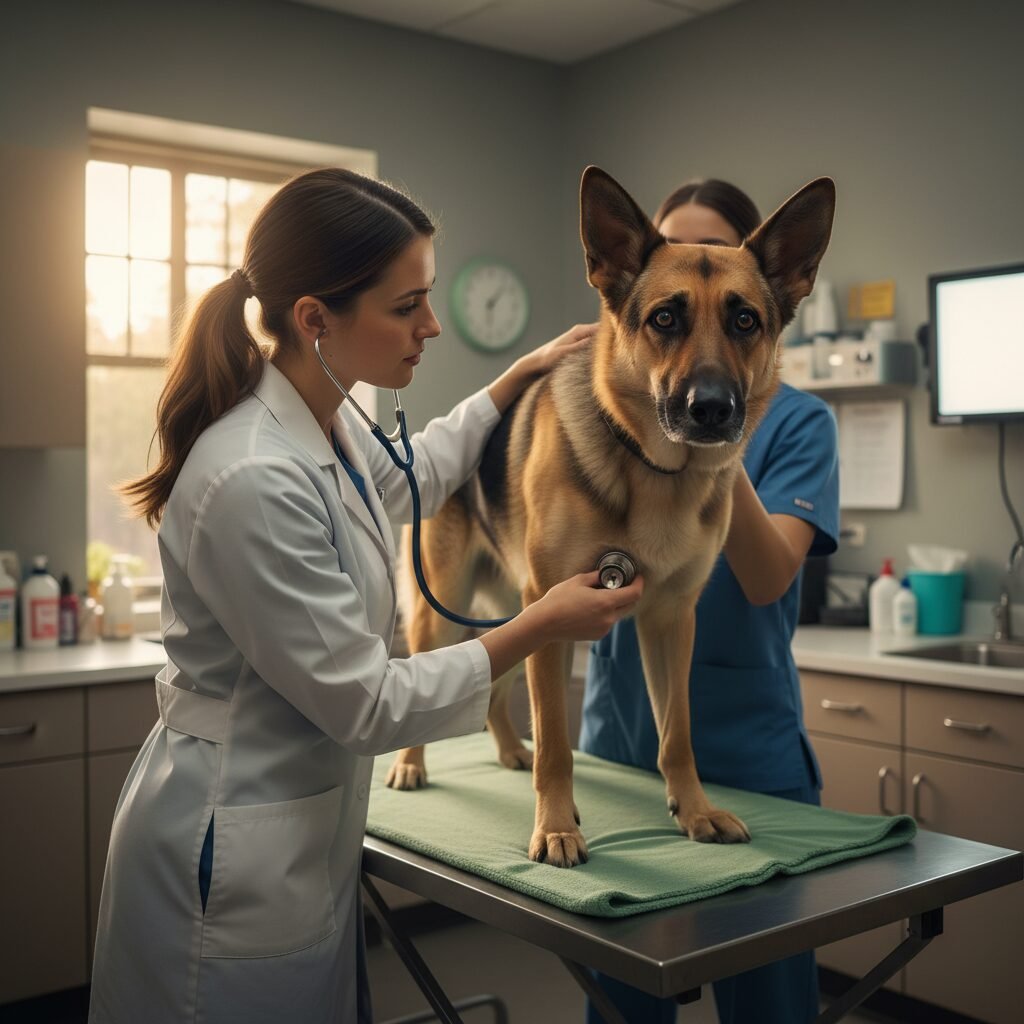
Pumpkin is a tool for managing simple, uncomplicated diarrhea. It is not a substitute for professional veterinary care when a serious medical issue is present. Bypassing the veterinarian in these situations can have severe consequences. Contact your veterinarian or an emergency clinic immediately if you observe any of the following signs:
- Lethargy or Weakness: Your dog is unusually tired, unresponsive, or unable to stand.
- Vomiting: Especially if it is repeated, projectile, or contains blood.
- Signs of Pain: Whining, a hunched posture, a tense abdomen, or reluctance to be touched.
- Blood in Stool: This includes bright red, fresh blood (hematochezia) or black, tarry stools (melena), which indicates digested blood from higher up in the GI tract.
- Dehydration: Signs include dry, tacky gums, sunken eyes, and a loss of skin elasticity (when you gently lift the skin on their back, it does not snap back quickly).
- Fever: A rectal temperature above 102.5°F (39.2°C).
- No Improvement or Worsening Symptoms: If the diarrhea persists for more than 48 hours despite the pumpkin and bland diet, or if it becomes more severe.
- Known Toxin Ingestion or Foreign Body: If you suspect your dog has eaten something poisonous or a non-food object that could cause a blockage.
These symptoms suggest a more complex problem that requires diagnostics, such as blood work, fecal analysis, or imaging, and specific medical treatment that can only be provided by a licensed veterinarian.
Conclusion
In conclusion, 100% pure pumpkin is a scientifically sound, safe, and highly effective intervention for managing uncomplicated acute diarrhea in dogs. Its high content of soluble fiber helps absorb excess water in the colon, normalize stool consistency, and provide prebiotic fuel for a healthy gut microbiome. By adhering to the precise, weight-based dosage protocol and selecting only pure, unsweetened pumpkin, you can provide your pet with rapid and gentle relief. However, your role as a diligent pet owner also includes recognizing the limitations of any home remedy. Always prioritize professional veterinary care when faced with red flag symptoms. This balanced approach of empowered home care and timely medical intervention is the cornerstone of responsible and effective pet ownership.