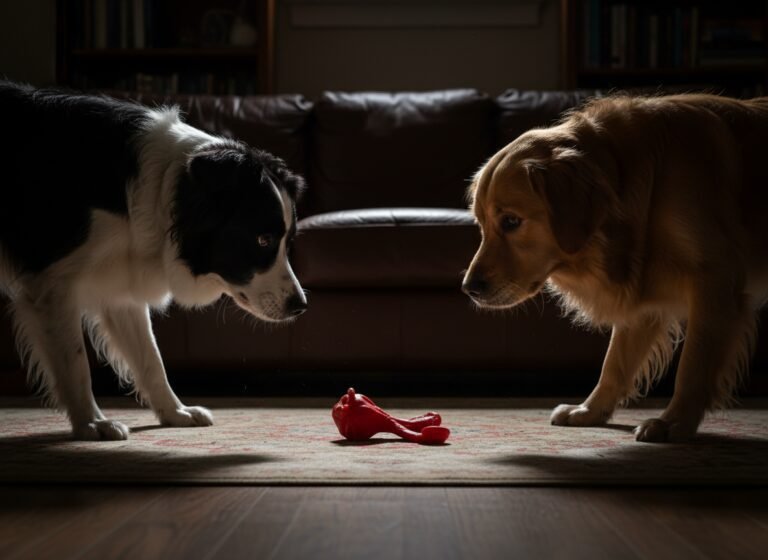
Why Does My Dog Hide Treats? Understanding Caching Behavior

As a pet owner, you have likely observed a variety of curious behaviors in your canine companion. One of the more perplexing actions is the deliberate hiding of a favorite treat or toy. You offer a high-value chew, and instead of devouring it, your dog trots off to bury it in the couch cushions, under a pile of laundry, or even in the backyard. This behavior, known professionally as caching, is not a sign of ungratefulness or oddity; rather, it is a deeply ingrained, instinctual survival strategy inherited from their wild ancestors. Understanding the ‘why’ behind this behavior is the first step toward appreciating the complex inner world of your dog and ensuring their environment meets their psychological needs. This guide will provide a definitive examination of caching, exploring its evolutionary roots, common modern triggers, and when it might signal an underlying issue that requires intervention.
The Ancestral Echo: Evolutionary Roots of Caching

To fully grasp why your domesticated dog engages in caching, we must look back thousands of years to their wild ancestors, primarily the wolf. In the wild, a large kill is a significant event, providing more food than a pack can consume in a single sitting. Leaving leftovers exposed would be an open invitation to scavengers and competitors. To safeguard their future meals, wolves and other wild canids developed the strategy of burying or hiding surplus food. This behavior ensured a reliable food source during times of scarcity.
This is not simply burying; it is a calculated act. Canids often dig multiple shallow holes, depositing food in some and leaving others empty as decoys to confuse potential thieves. They use their noses to push dirt or snow over the cache, effectively concealing it from sight and smell. This instinct is so powerful that it has persisted through millennia of domestication. The dog hiding a dental chew in your sofa is acting on the same primal blueprint as a wolf burying a piece of caribou carcass on the frozen tundra. It is a testament to the enduring power of genetic memory, a behavior that ensures survival by planning for a future of uncertainty.
Modern Motivations: Why Domestic Dogs Cache
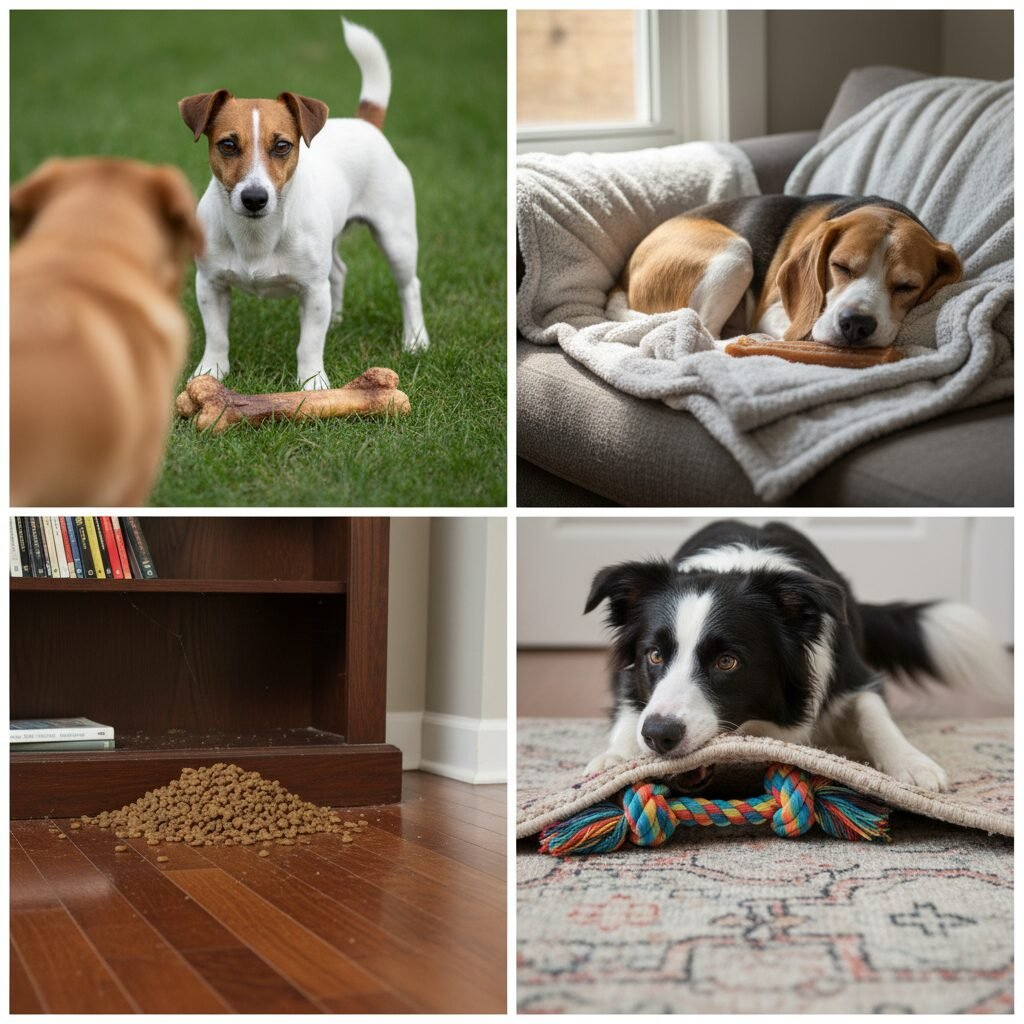
While the instinct is ancient, the reasons a modern dog caches can be varied and context-dependent. Your dog isn’t worried about surviving a harsh winter, but other environmental and psychological factors can trigger this innate behavior. Understanding these triggers is crucial for interpreting your dog’s actions accurately.
Resource Guarding
In a multi-pet household, caching is often a form of resource guarding. The ‘resource’ is the high-value treat, and the ‘competition’ is another dog, cat, or even a person. The dog hides the item to prevent others from taking it. Body language is key here. A dog resource guarding may exhibit a stiff body, a low growl if approached, ‘whale eye’ (showing the whites of their eyes), or may quickly snatch the item and move away. They are not just saving it; they are actively protecting it from a perceived threat.
Saving for Later (Delayed Gratification)
Sometimes, the simplest explanation is the correct one. Your dog may simply not be hungry enough to enjoy the treat at that moment. Instead of letting it go to waste or risk another pet stealing it, they hide it for a time when they can truly savor it. This is the most direct expression of the ancestral instinct—preserving a valuable food item for future consumption. It is a sign of a well-fed dog who feels secure enough to plan for the future.
Overabundance and Overfeeding
If a dog is consistently given more food or treats than they can eat, caching can become a default behavior. They are physically full but recognize the value of the item being offered. Their instinct tells them not to waste it, so they find a place to store it. If you find multiple hidden stashes of kibble or biscuits around your home, it may be an indicator that you are offering too much food at mealtimes or providing too many treats throughout the day. The dog is essentially managing their own pantry.
Anxiety and Stress
Caching can also be a self-soothing or displacement behavior for an anxious dog. In stressful situations—such as the presence of loud noises, unfamiliar guests, or changes in routine—a dog might engage in repetitive, instinctual behaviors like hiding food to cope. The act of digging and burying provides a predictable, comforting ritual that can temporarily alleviate their anxiety. In these cases, the caching is a symptom of a larger emotional issue that needs to be addressed.
Boredom and Play
For some dogs, particularly intelligent and active breeds, hiding a treat can be a form of self-entertainment. It becomes a game. They hide the item and may later enjoy the ‘hunt’ of finding it again. This is more common with toys but can certainly happen with long-lasting chews. If the behavior is relaxed and not accompanied by any signs of stress or guarding, it may simply be your dog’s way of creating their own mental stimulation.
Normal vs. Problematic: When to Be Concerned

For the vast majority of dogs, caching is a harmless and normal quirk. However, in certain contexts, it can escalate or be a symptom of a more significant behavioral or environmental problem. It is the owner’s responsibility to observe the context and associated body language to determine if intervention is necessary.
Normal caching is typically relaxed. The dog casually finds a spot, hides the item, and moves on without any fuss. They do not show aggression if another pet or person walks by. Problematic caching, conversely, is laden with anxiety and tension. The primary concern is when caching is linked to severe resource guarding. If your dog growls, snaps, or bites when you approach their hiding spot or the hidden item, this is a serious issue that requires immediate management and professional guidance from a certified canine behaviorist. Punishing the dog will only exacerbate the fear and aggression. Another red flag is obsessive-compulsive caching, where the dog is so preoccupied with hiding items that it interferes with their ability to rest, eat, or interact normally. This often points to high levels of underlying anxiety.
| Behavioral Cue | Normal Caching | Problematic Caching |
|---|---|---|
| Body Language | Relaxed, loose body; casual demeanor. | Stiff, tense body; whale eye; lip licking; pinned ears. |
| Vocalization | None, or perhaps soft whining/grunting during the act of burying. | Low growling, snarling, or snapping if approached. |
| Frequency | Occasional, typically with very high-value items. | Frequent to constant; hides regular kibble, toys, and other objects. |
| Owner Interaction | Dog is comfortable with owner being nearby. | Dog actively moves the item away from the owner or shows aggression. |
| Outcome | Dog seems content and moves on to other activities. | Dog appears anxious, constantly checking on the hiding spot. |
How to Manage and Redirect Caching Behavior

If you have determined that your dog’s caching is either problematic or simply something you’d like to minimize, you can implement several management strategies. The goal is not to punish the instinct but to address the underlying reason and redirect the behavior into more appropriate outlets.
- Assess and Manage the Environment: If caching is driven by competition, the most effective solution is to manage the environment. Feed your dogs in separate rooms or in their crates. Provide high-value chews only when they can enjoy them in a safe, private space without feeling threatened by other pets. This removes the primary trigger for resource-guarding-related caching.
- Adjust Feeding Schedules and Quantities: Prevent caching due to being overfed by ensuring your dog is hungry at mealtimes. Stick to a consistent schedule and measure food portions according to veterinary recommendations for their age, weight, and activity level. If you give a treat and they immediately try to hide it, it’s a clear sign they are not hungry. Try offering it later.
- Utilize Puzzle Toys and Enrichment: Redirect the mental energy used for caching into structured activities. Instead of giving a treat freely, place it inside a puzzle toy or a snuffle mat. This forces the dog to work for their food, satisfying their instinct to forage and problem-solve. It’s a productive outlet that builds confidence and reduces boredom.
- Create a ‘Designated Caching Zone’: For dogs who seem to genuinely enjoy the act of burying, you can create an approved area for it. A sandbox in the yard or a specific ‘dig box’ filled with blankets can become their designated spot. Encourage them to use this area for their caching activities, praising them when they do. This respects their instinct while protecting your couch cushions.
- Address Underlying Anxiety: If you suspect anxiety is the root cause, management of the caching itself is secondary. Focus on identifying and mitigating the stressors in your dog’s life. This may involve creating a more predictable routine, ensuring they get enough physical exercise and mental stimulation, and using calming aids. For severe anxiety, a consultation with a veterinarian or a veterinary behaviorist is essential. They may recommend behavior modification protocols or medication.
Breeds with a Predisposition to Caching

While any dog can exhibit caching behavior, certain breeds or types of dogs are more genetically predisposed to it due to their original functions. Understanding your dog’s breed history can provide valuable insight into their innate behaviors.
- Terriers: Breeds like the Jack Russell Terrier, Cairn Terrier, and Scottish Terrier were originally bred to hunt vermin, which involved digging and going to ground. This strong digging instinct often translates directly into caching and burying behaviors in a domestic setting.
- Dachshunds: Similar to terriers, Dachshunds were bred to hunt badgers, requiring them to dig into burrows. Their love for burrowing under blankets is legendary and can easily extend to burying treats and toys.
- Hounds: Scent hounds like Beagles and Basset Hounds were bred to follow trails for long distances, sometimes requiring them to be resourceful. Many have a tendency to save food for later.
- Northern Breeds: Siberian Huskies and Alaskan Malamutes have ancestors who lived in harsh, scarce environments. The instinct to bury food for later consumption was a critical survival skill that remains strong in many individuals today.
It is important to remember that these are generalizations. An individual dog’s personality, life experiences, and environment play an equally significant, if not greater, role in their behavior than their breed alone. However, if you own one of these breeds, you should not be surprised to find them engaging in robust caching activities.
What Not to Do: Avoiding Common Mistakes

How you react to your dog’s caching behavior can either improve the situation or make it significantly worse. It is critical to avoid common mistakes that stem from misunderstanding the nature of the behavior.
First and foremost, never punish a dog for caching. The behavior is instinctual, not an act of defiance. Scolding your dog, taking the item away forcefully, or showing anger will not teach them not to hide things. Instead, it will teach them that you are a threat to their valuable resources, which can create or worsen resource guarding and anxiety. It damages the bond of trust between you and your dog.
Do not simply take all the hidden items you find. If your dog sees you as a ‘thief’ who steals from their caches, they will simply become more secretive and anxious about their hiding spots. If you need to retrieve a perishable item, do it discreetly when your dog is not present. For non-perishable items, it is often best to leave them be unless they are in an inappropriate or unsafe location. The goal is to build a sense of security, not to create a conflict over resources. Focus on proactive management of the environment and enrichment rather than reactive punishment.
Remember, your dog is not trying to be difficult; they are acting on a powerful, ancient instinct. Your role is to understand that instinct and create an environment where they feel safe, secure, and understood.
Conclusion
The act of hiding a treat is a fascinating window into the canine mind, revealing a direct link to their wild heritage. For most dogs, caching is a benign, normal behavior rooted in the instinct to save valuable resources for the future. By understanding its origins and observing the specific context in which your dog exhibits this behavior, you can determine whether it’s a simple quirk, a sign of over-satiation, or a symptom of a deeper issue like resource guarding or anxiety. Rather than trying to eliminate this innate tendency, the most effective approach is management and redirection. By providing a secure environment, adjusting feeding habits, offering enriching activities, and addressing any underlying stress, you can ensure that your dog’s caching behavior remains a harmless echo of their past, rather than a problem in their present. Ultimately, a thoughtful and empathetic approach will strengthen your bond and affirm your role as a safe and reliable guardian of their resources and well-being.