Why Your Dog Is Vomiting Yellow Foam and How to Stop It

Discovering a puddle of yellow, foamy vomit is a distressing experience for any pet owner. Your mind may race with questions and concerns about your dog’s health. It is a common occurrence, yet it should never be dismissed. That yellow foam is bile, a digestive fluid, and its presence indicates an empty stomach that has become irritated. While the cause is often benign and easily managed, it can occasionally signal a more serious underlying medical condition.
As a veterinary professional, my goal is to demystify this symptom for you. This comprehensive guide will explain the physiological role of bile, delve into the most common reason for this type of vomiting—Bilious Vomiting Syndrome (BVS)—and detail other potential causes. More importantly, you will learn practical, at-home management strategies and, critically, how to recognize the red flags that warrant an immediate visit to your veterinarian. Understanding the ‘why’ is the first step toward effective prevention and ensuring your dog’s long-term health and comfort.
Decoding the Yellow Puddle: The Role of Bile in Your Dog’s Digestion
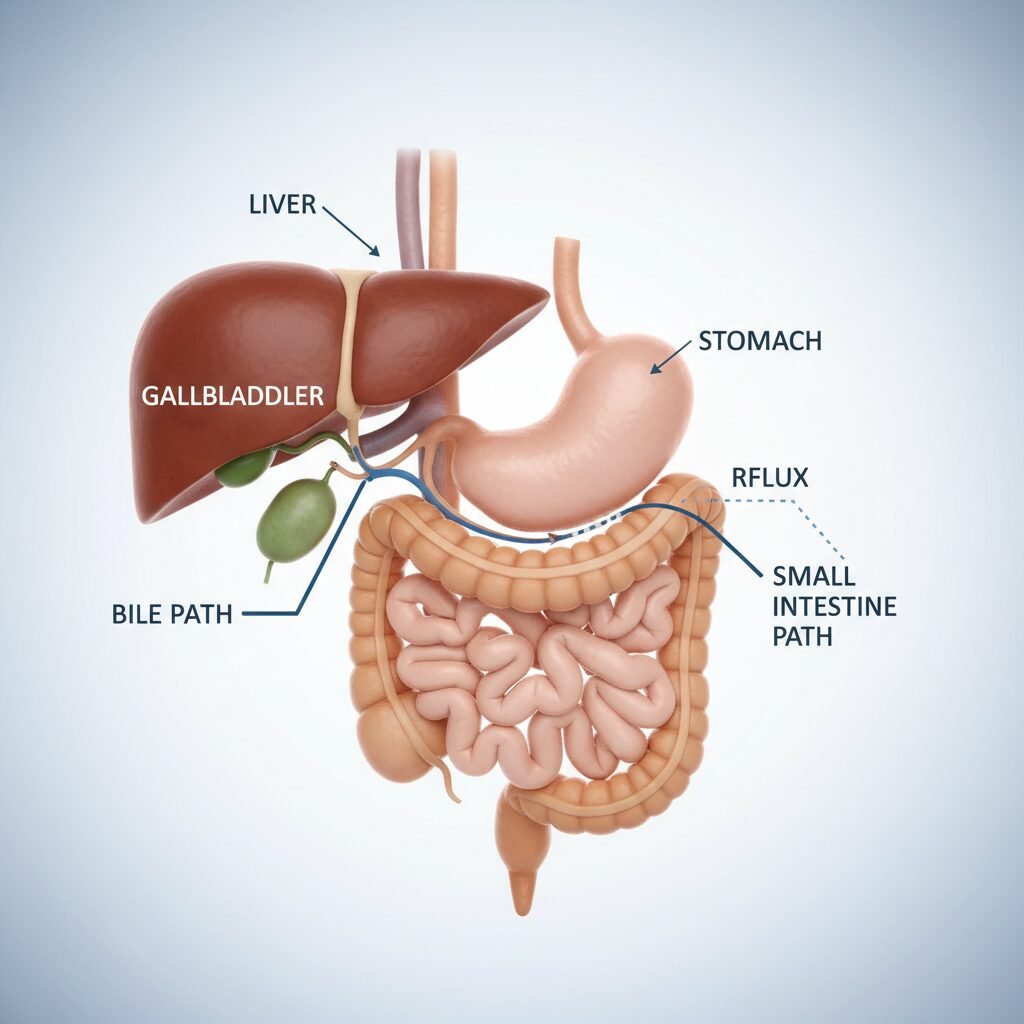
Before addressing the problem, it is essential to understand the substance itself. The yellow foam is not a mysterious toxin; it is bile, a naturally occurring and vital fluid produced by the liver and stored in the gallbladder. Its primary function is to aid in digestion, specifically the breakdown and absorption of fats in the small intestine. When your dog eats a meal, the gallbladder releases bile into the small intestine to begin this process.
Under normal circumstances, bile remains in the small intestine. However, on an empty stomach, the situation changes. The stomach continues its natural motility, and sometimes, the valve between the stomach and small intestine (the pyloric sphincter) can relax, allowing bile to reflux, or flow backward, into the stomach. Bile is highly alkaline and irritates the sensitive lining of an empty, acidic stomach. This irritation triggers the vomiting reflex as the body’s mechanism to expel the irritant. This is why you most often see this type of vomit in the early morning or late at night, many hours after the dog’s last meal.
The Usual Suspects: Common Causes of Bilious Vomiting
While several factors can lead to vomiting yellow foam, one diagnosis stands out as the most frequent culprit. Understanding these common causes helps in forming an effective management plan.
Bilious Vomiting Syndrome (BVS)
This is the clinical term for the scenario described above and is by far the most common cause of vomiting yellow bile in otherwise healthy dogs. BVS is characterized by vomiting that occurs on an empty stomach, typically after a long period without food. The vomit consists of bile and mucus, without any food present. Dogs with BVS are usually bright and active, with a normal appetite, and show no other signs of illness. The vomiting is a direct result of bile irritation, not a systemic disease.
Dietary Indiscretion
Dogs are notorious for eating things they shouldn’t. Ingesting fatty human food, raiding the garbage, or chewing on non-food items can cause gastritis—an inflammation of the stomach lining. This inflammation can disrupt normal digestion and motility, leading to vomiting that may include bile, especially as the stomach empties. In these cases, the vomiting is not necessarily tied to a specific time of day but rather to the ill-advised ‘snack’.
Acid Reflux
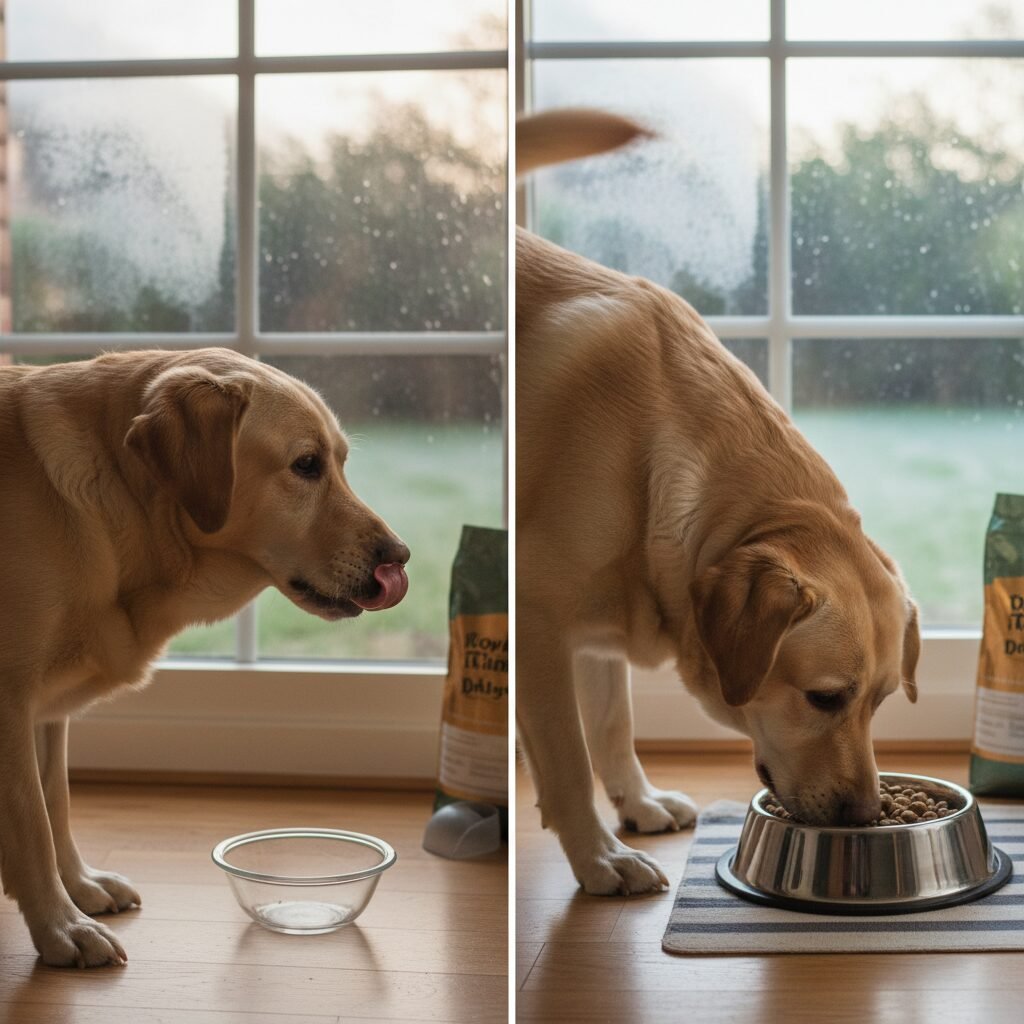
Similar to humans, dogs can suffer from gastroesophageal reflux disease (GERD). This condition involves the chronic backflow of stomach acid and other contents into the esophagus. This can cause irritation and inflammation, leading to symptoms like regurgitation, lip-licking, and discomfort after eating. The associated GI upset can also contribute to bile being present in vomit, as the entire system is irritated and not functioning optimally.
Stress and Anxiety
The gut-brain axis is a powerful connection in dogs. Periods of high stress or anxiety—triggered by separation, changes in routine, loud noises, or travel—can manifest in physical symptoms. Stress can alter gastric motility and increase stomach acid production, creating an environment ripe for irritation and vomiting. For some dogs, chronic stress can be an underlying contributor to what appears to be BVS.
Red Flags: When Yellow Vomit Demands Veterinary Attention

While BVS is common and manageable, it is critical to recognize when vomiting yellow foam is a symptom of a much more serious condition. Do not delay seeking professional medical help if you observe any of the following warning signs in conjunction with the vomiting. Your vigilance can be life-saving.
Certain medical emergencies and serious diseases present with vomiting as a primary sign. These include:
- Intestinal Blockage: This occurs when a dog ingests a foreign object (like a sock, toy, or corn cob) that gets lodged in the intestines. It is a life-threatening emergency that requires immediate surgical intervention.
- Pancreatitis: This is a painful and severe inflammation of the pancreas, often triggered by a high-fat meal. It causes intense abdominal pain, repeated vomiting, and can lead to systemic complications.
- Liver Disease: Since the liver produces bile, diseases affecting the liver can disrupt this process and cause a host of gastrointestinal symptoms, including vomiting.
- Inflammatory Bowel Disease (IBD): A chronic condition involving inflammation of the GI tract, IBD leads to persistent vomiting, diarrhea, and weight loss.
- Toxin Ingestion: Swallowing poisons, toxic plants, or chemicals can cause severe internal damage, with vomiting being one of the first signs.
Consult your veterinarian immediately if your dog exhibits any of these signs:
- Multiple episodes of vomiting within a 24-hour period, or vomiting that continues for more than a day.
- Obvious signs of abdominal pain, such as a hunched-over posture, a ‘praying’ position (front end down, rear end up), or yelping when their belly is touched.
- Extreme lethargy, weakness, or an unwillingness to move.
- Complete loss of appetite (anorexia) or refusal to drink water.
- The presence of blood in the vomit or stool (which may look like red streaks or dark, tarry coffee grounds).
- Concurrent diarrhea, especially if it is watery or explosive.
- Attempts to vomit that are non-productive (retching without bringing anything up), which can be a sign of bloat (GDV), a severe emergency.
- Pale or white gums, which can indicate shock or internal bleeding.
Proactive Care: How to Manage and Prevent Bilious Vomiting
For dogs diagnosed with BVS or simple hunger-related vomiting, the solution lies in preventing the stomach from ever being completely empty for too long. This is achieved through simple, consistent adjustments to their feeding schedule and routine.
Dietary Adjustments are Key
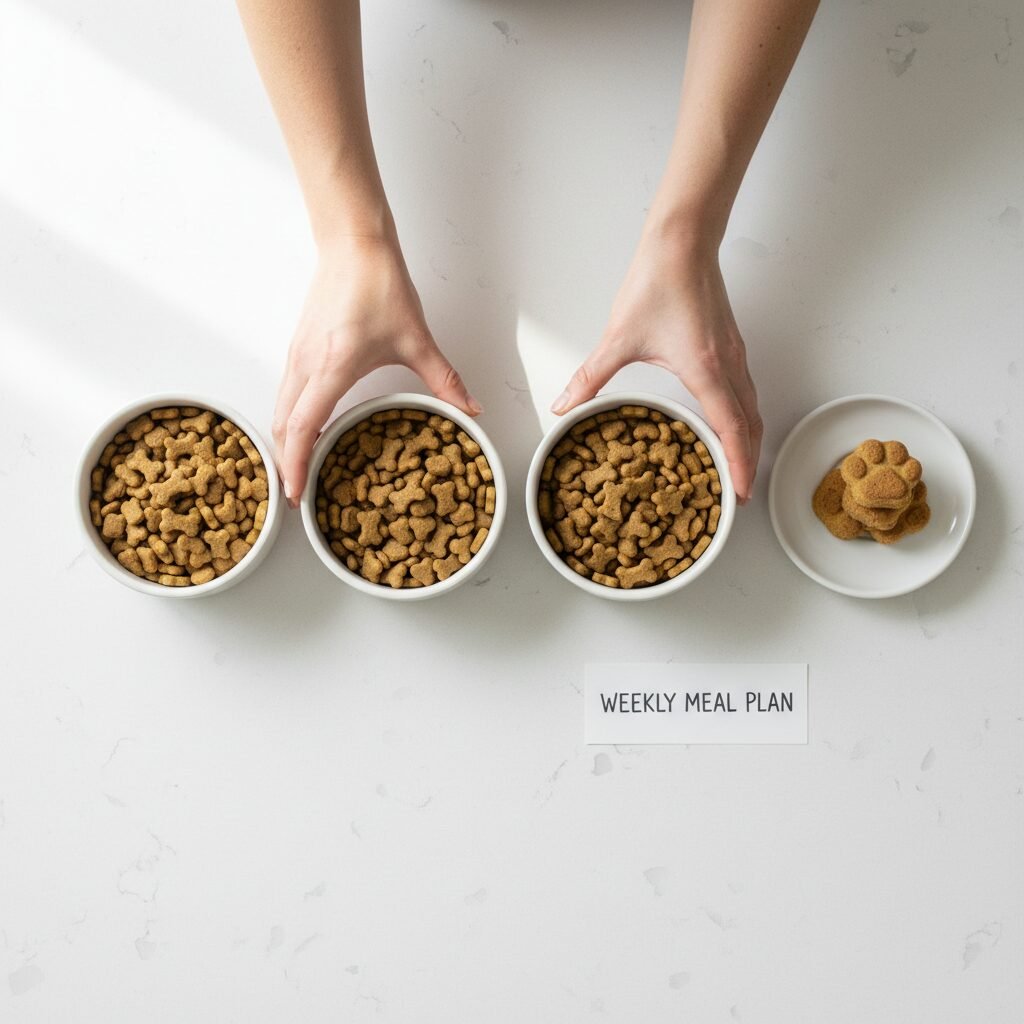
The primary strategy is to change the frequency and timing of meals. Instead of feeding one or two large meals per day, divide the same total amount of food into several smaller portions. This keeps the digestive system consistently engaged and prevents the buildup of irritating bile in an empty stomach.
- Increase Meal Frequency: Transition from two meals to three or even four smaller meals spaced evenly throughout the day.
- Introduce a Bedtime Snack: This is the most effective tool against early-morning vomiting. A small, simple snack right before bed can make a significant difference. The ideal snack is low in fat and protein but high in complex carbohydrates, as this helps to buffer stomach acid without overly stimulating digestion. A few plain crackers, a small piece of bread, or a dog biscuit can work well.
- Consider Diet Composition: For some dogs, a diet lower in fat and higher in fiber can help regulate digestion and slow stomach emptying. Discuss dietary changes with your veterinarian to ensure your dog’s nutritional needs are met.
Example Feeding Schedule for BVS Management
This table illustrates a potential schedule change. Adjust times based on your dog’s specific needs and when the vomiting typically occurs.
| Time of Day | Meal/Snack | Purpose |
|---|---|---|
| 7:00 AM | Breakfast (1/3 of daily food) | Starts the digestive process for the day. |
| 1:00 PM | Lunch (1/3 of daily food) | Prevents an empty stomach during the afternoon. |
| 6:00 PM | Dinner (1/3 of daily food) | Evening meal before the long overnight period. |
| 10:00 PM | Bedtime Snack (e.g., 2-3 small biscuits) | Provides a crucial buffer to absorb bile and acid overnight. |
Stress Reduction and Routine
If stress is a contributing factor, focus on creating a predictable and calm environment. Ensure your dog has plenty of physical exercise and mental stimulation through puzzle toys and training. A consistent daily routine for feeding, walks, and rest can significantly reduce anxiety and its associated physical symptoms.
The Veterinary Workup: What to Expect at the Clinic

If at-home management fails or if red flags are present, a thorough veterinary examination is non-negotiable. Being prepared for this visit will help your veterinarian make a more accurate and efficient diagnosis.
Providing a Detailed History
You are the most important source of information. Be ready to answer questions about the vomiting: When did it start? What time of day does it occur? What does the vomit look like? Is your dog on any medications? Have there been any dietary changes? Is there any possibility they could have ingested a foreign object or toxin? The more details you provide, the clearer the picture becomes.
The Diagnostic Process
Your veterinarian will begin with a comprehensive physical exam, feeling the abdomen for pain or abnormalities, checking gum color for signs of anemia or shock, and assessing hydration levels.
Based on the history and physical exam, they may recommend further diagnostic tests to rule out more serious conditions:
- Blood Work: A Complete Blood Count (CBC) and chemistry panel are fundamental. These tests assess red and white blood cell counts, check for inflammation or infection, and evaluate the function of key organs like the liver, kidneys, and pancreas.
- Fecal Examination: A stool sample will be analyzed to rule out intestinal parasites, which can be a common cause of GI upset.
- Radiographs (X-rays): Abdominal X-rays are crucial for identifying intestinal obstructions, foreign bodies, or abnormal gas patterns that could indicate a serious problem.
- Ultrasound: An abdominal ultrasound provides a more detailed, real-time view of the organs. It is excellent for visualizing the structure of the stomach and intestinal walls, pancreas, and liver, and can identify issues not visible on an X-ray.
Once a diagnosis is made, treatment will be tailored to the specific cause. For simple BVS, this may involve dietary recommendations and possibly a short course of an antacid like famotidine or omeprazole to help soothe the stomach lining. For more severe conditions like pancreatitis or a blockage, hospitalization for intravenous fluids, medication, and possibly emergency surgery will be necessary.
Conclusion
Vomiting yellow foam is a clear signal from your dog’s body that something is amiss, most often pointing to an empty, irritated stomach. For many, the diagnosis is Bilious Vomiting Syndrome, a manageable condition that responds well to simple changes in feeding frequency. By providing smaller, more frequent meals and a strategic bedtime snack, you can often resolve the issue entirely.
However, your role as a vigilant owner is to never become complacent. Always view this symptom through a lens of caution. Observe your dog’s overall demeanor, appetite, and energy levels. If the vomiting is accompanied by any of the red-flag symptoms discussed—lethargy, pain, diarrhea, or anorexia—it transforms from a manageable issue into a potential medical emergency. Do not hesitate to act. Your partnership with your veterinarian is the ultimate safety net, providing the diagnostic tools and medical expertise necessary to rule out serious illness and protect your dog’s well-being. Proactive observation and swift action are the cornerstones of responsible pet ownership.