
Early Neurological Stimulation: How to Breed “Super Dogs”

The concept of a “Super Dog” may sound like something from a comic book, but its origins are rooted in rigorous military science. Developed by the U.S. Military’s canine program, this methodology, officially known as the Bio Sensor program, sought to improve the performance and resilience of working dogs. The core of this program is a process called Early Neurological Stimulation (ENS), a series of specific, gentle exercises performed during a critical phase of a puppy’s development. The results have proven to be profound, yielding dogs with improved health, greater stress tolerance, and enhanced capabilities.
This guide serves as an authoritative exploration of Early Neurological Stimulation. We will delve into the scientific principles that underpin its effectiveness, outline the documented lifelong benefits, and provide a precise, step-by-step protocol for its application. Whether you are a dedicated breeder aiming to produce the highest quality litters or a prospective owner seeking to understand what sets an exceptional puppy apart, this information is foundational. It represents a shift from simply raising puppies to actively shaping their neurological framework for a lifetime of success.
The Science Behind the ‘Super Dog’: What is Early Neurological Stimulation?
To understand ENS, one must first appreciate the unique developmental stage of a neonatal puppy. For the first two weeks of life, a puppy is a marvel of potential, yet its neurological system is functionally immature. Its eyes and ears are sealed, and it navigates the world primarily through touch, scent, and thermal cues. The period from day 3 to day 16 post-whelping is a time of explosive neurological growth and maturation.
Early Neurological Stimulation capitalizes on this critical window. It involves subjecting the puppy to five specific, mild stressors for a very short duration—just three to five seconds. These are not traumatic events; rather, they are controlled sensory inputs that the puppy would not typically encounter. This process acts as a catalyst, activating the neurological system in a way that accelerates its development. Think of it as a precisely calibrated workout for the puppy’s developing brain, endocrine system, and immune system.
The underlying principle involves the Hypothalamic-Pituitary-Adrenal (HPA) axis, the body’s central stress response system. By introducing these brief, controlled stressors, ENS helps to calibrate the HPA axis. The system learns to activate efficiently and, just as importantly, to deactivate quickly once the stressor is removed. This early ‘programming’ results in an adult dog that can manage stress more effectively, recovering faster from frightening or challenging situations without the lingering physiological effects that can lead to anxiety and health problems.
The Five Documented Benefits of the ENS Program
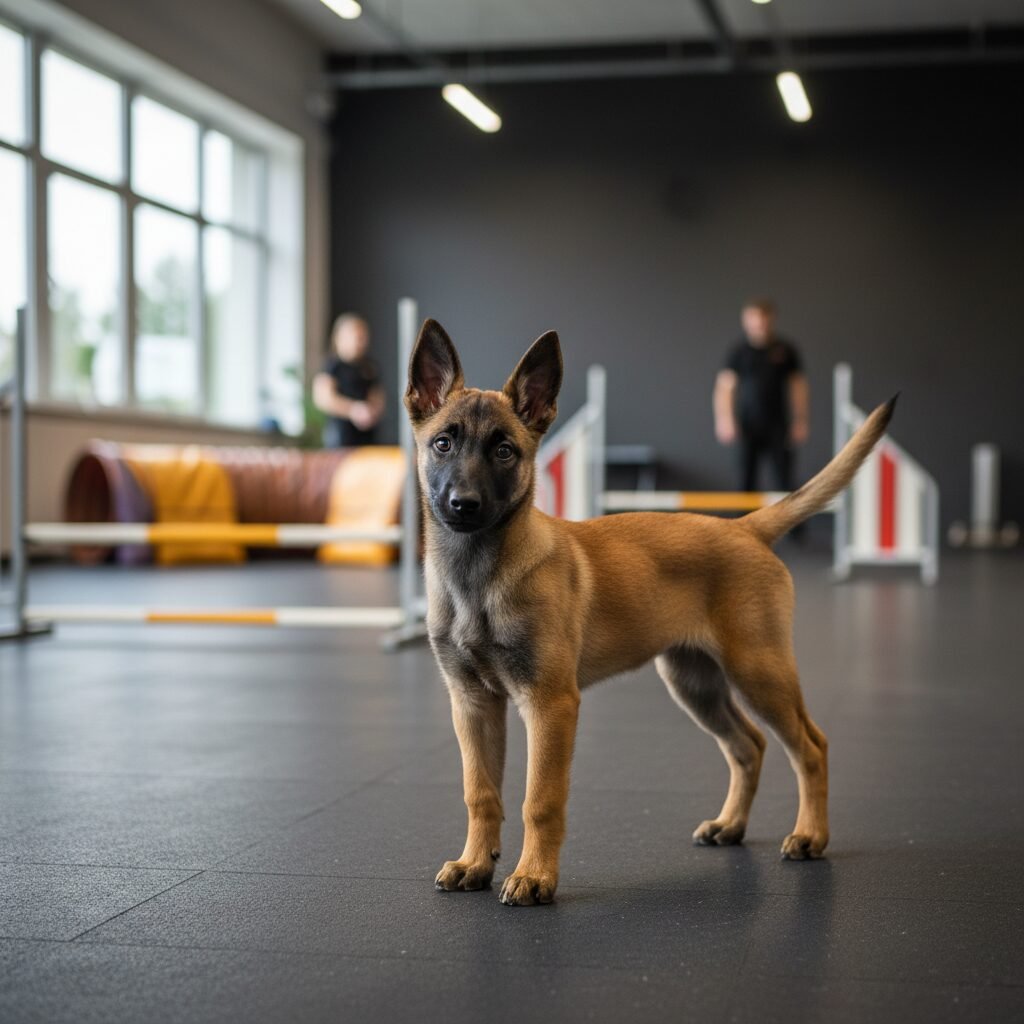
The research conducted during the development of the Bio Sensor program identified five primary, measurable benefits in dogs that underwent ENS compared to their non-stimulated littermates. These advantages persist throughout the dog’s life, contributing to a healthier and more stable companion.
The Core Advantages
- Improved Cardiovascular Performance: ENS puppies were found to have a more efficient heart rate. Their hearts beat more slowly and strongly, and their cardiovascular system recovered more quickly after stress or exertion. This contributes to greater stamina and overall cardiac health.
- Stronger Heartbeats: Directly related to the first point, the actual contraction of the heart muscle is stronger and more efficient in ENS-stimulated dogs. This is a fundamental marker of a robust circulatory system.
- Stronger Adrenal Glands: The adrenal glands are central to the stress response, producing hormones like cortisol and adrenaline. The mild stress of ENS exercises these glands, leading to greater functional capacity. This allows the dog to manage physiological responses to stress more effectively, preventing the system from becoming overwhelmed.
- More Tolerance to Stress: This is perhaps the most significant behavioral benefit. Dogs conditioned through ENS are less likely to be reactive or fearful. They demonstrate superior problem-solving abilities under pressure and show a faster recovery from frightening events. They are emotionally more resilient.
- Greater Resistance to Disease: The stimulation of the neurological and endocrine systems appears to have a direct, positive impact on the immune system. ENS-developed dogs have been shown to have a greater resistance to certain cancers and infectious diseases, suggesting a more robust and responsive immune defense mechanism.
The Critical Window: Timing and Preparation for ENS
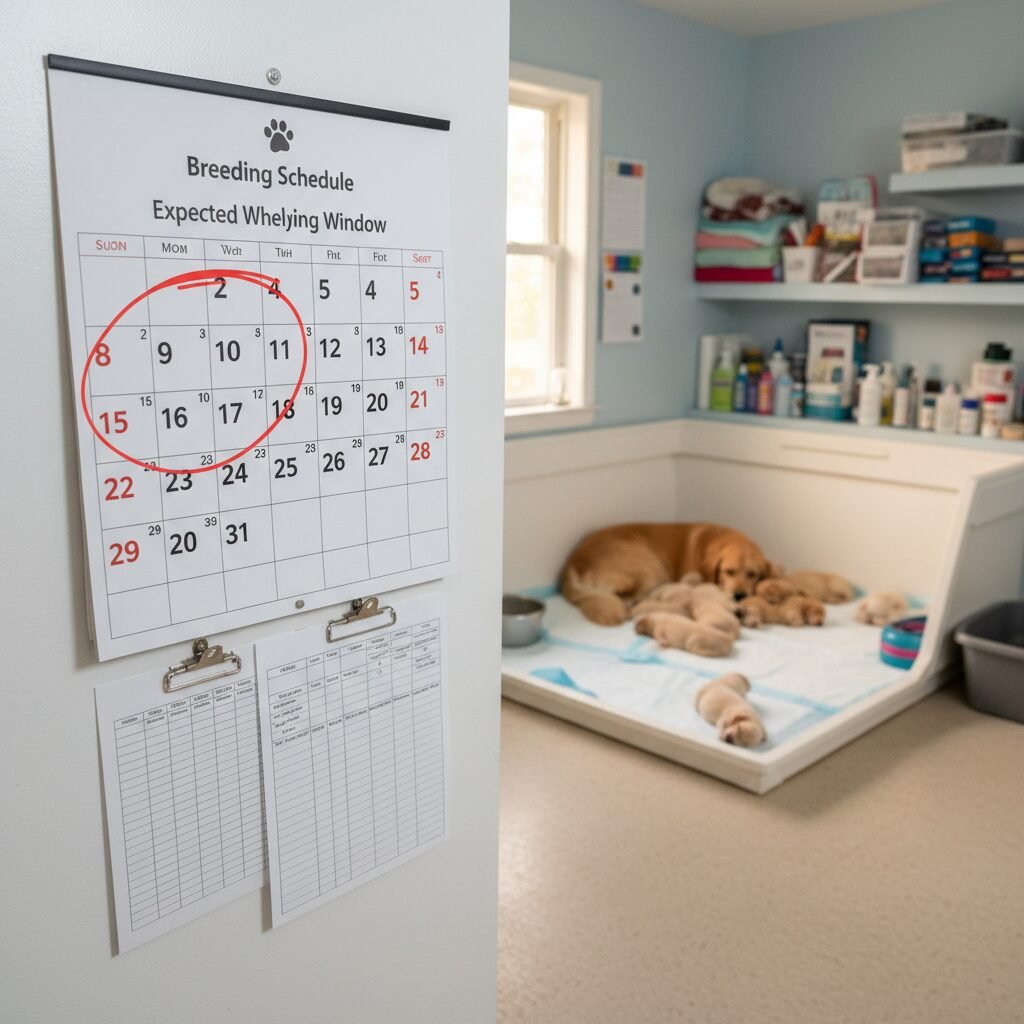
The efficacy of Early Neurological Stimulation is entirely dependent on its application during a specific and non-negotiable timeframe: from day 3 through day 16 of a puppy’s life. Before day 3, the puppy’s system is too fragile. After day 16, the period of rapid neurological maturation begins to close, and the exercises will not yield the same profound benefits. Adherence to this schedule is paramount.
Preparing for the Protocol
Success with ENS requires a calm, prepared, and methodical approach. The goal is mild stimulation, not distress. The environment and the handler’s state are as important as the exercises themselves.
- Environment: Conduct the exercises in a warm, draft-free, and quiet area, away from the rest of the litter and the dam. This minimizes distractions and ensures the puppy’s body temperature remains stable.
- Handler’s State: The handler must be calm and confident. Puppies are exquisitely sensitive to human emotion. An anxious or rushed handler can transmit stress, negating the purpose of the exercise. Handle the puppy gently but securely.
- Hygiene: Always handle puppies with freshly washed and sanitized hands to prevent the transmission of pathogens.
- Dam’s Comfort: Ensure the mother dog is comfortable with her puppies being handled. Remove one puppy at a time, perform the five exercises, and return it promptly to the litter. If the dam shows signs of distress (pacing, whining, excessive licking of the returned pup), it is better to postpone the session. Her well-being is a top priority.
The guiding principle of ENS is precision. It is a daily, systematic application of mild stress, where consistency and gentleness are the keys to unlocking a puppy’s full potential.
The Five ENS Exercises: A Step-by-Step Guide
Each of the following five exercises should be performed once per day for each puppy in the litter. The entire sequence for one puppy takes less than a minute. The duration for each individual exercise is critical: three to five seconds only. Overstimulation can be detrimental.
-
Tactile Stimulation
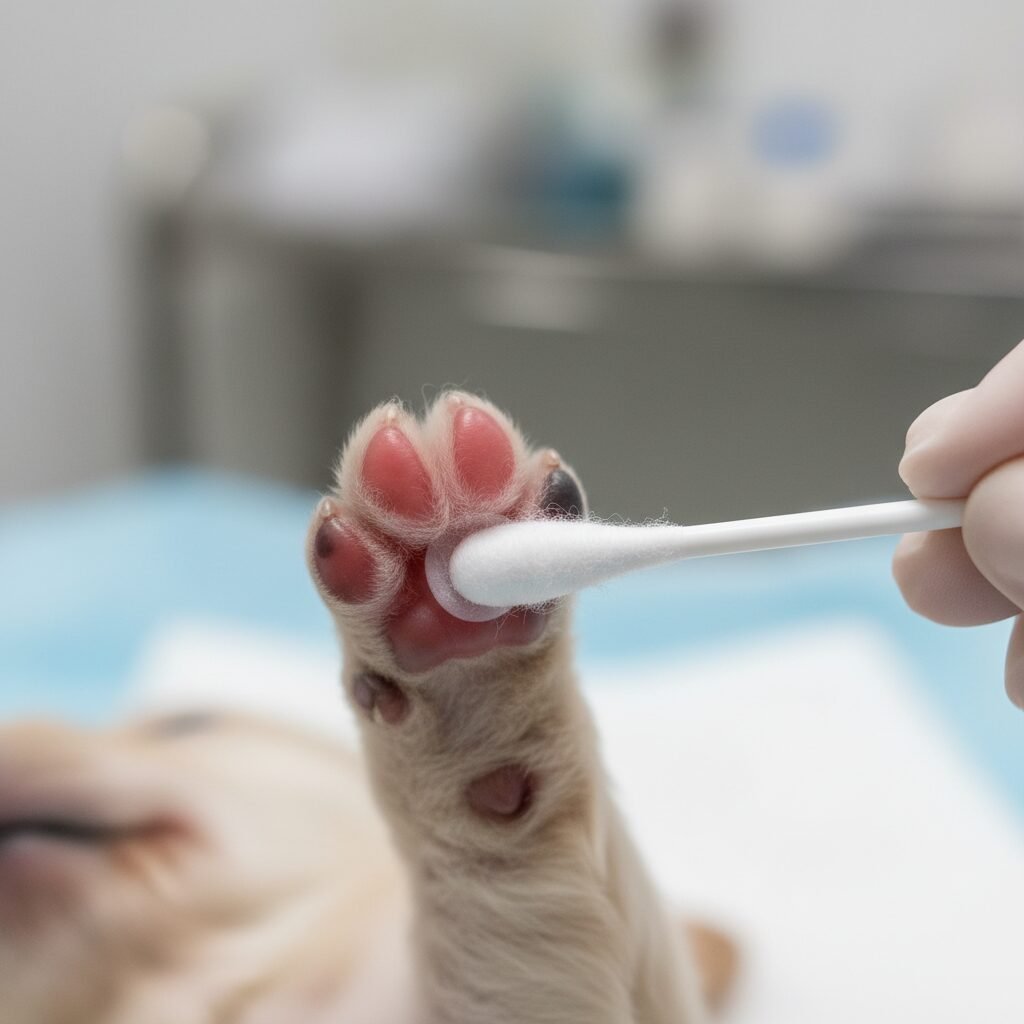
Procedure: Holding the puppy in one hand, gently stimulate the sole of one paw with a cotton swab or similar soft object. It is not necessary to see the puppy react. The simple act of the nerve endings registering the sensation is sufficient.
Purpose: Activates the tactile nerves in the paw, a highly sensitive area. -
Head Held Erect
Procedure: Using both hands, hold the puppy securely with its body perpendicular to the floor. Its head should be directly above its tail, as if it were in a standing position.
Purpose: Gently stimulates the vestibular system, which controls balance and spatial orientation. -
Head Pointed Down
Procedure: Still holding the puppy securely, reverse the position from the previous exercise. The head should be pointed directly towards the floor.
Purpose: Provides a different form of stimulation to the vestibular system, forcing it to adjust to an inverted orientation. -
Supine Position
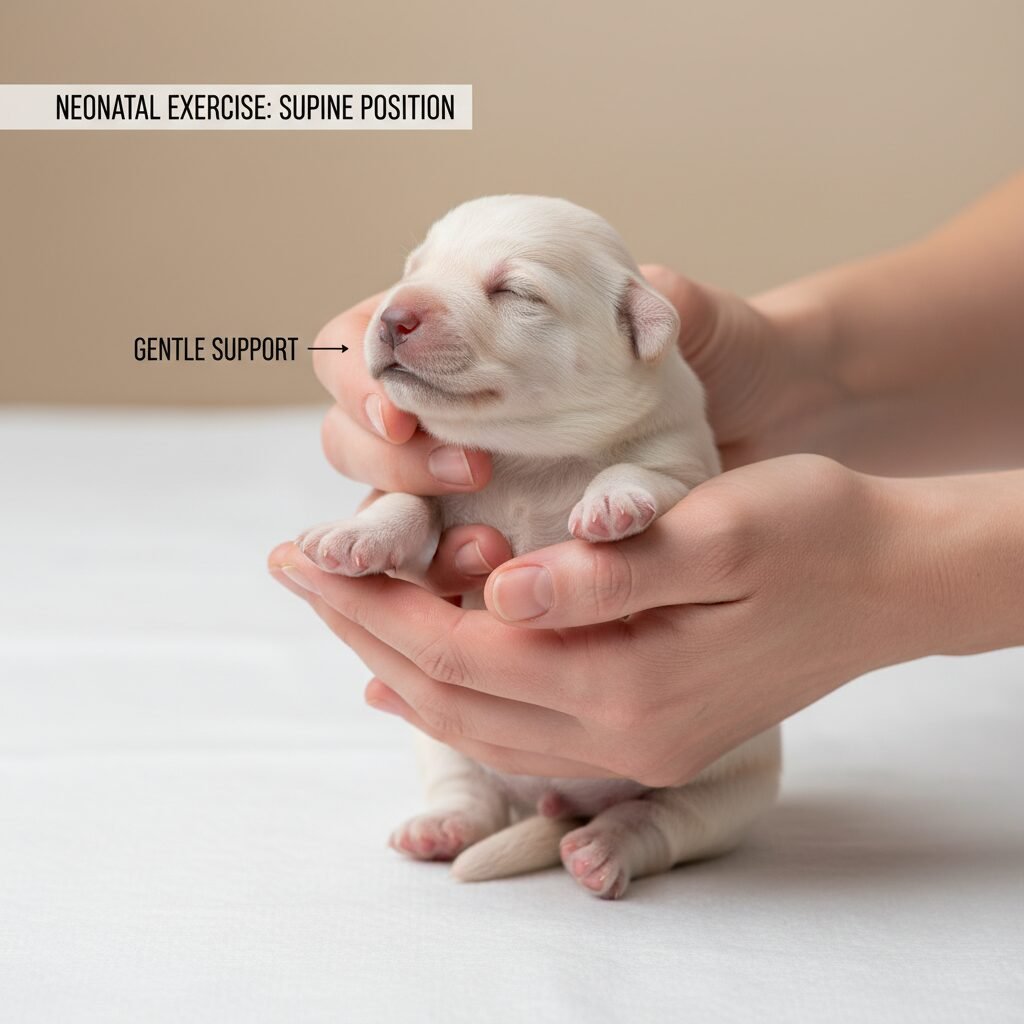
Procedure: Cradle the puppy in the palms of your hands with its back resting in your palms and its muzzle pointing towards the ceiling. The puppy may squirm; hold it gently but firmly until it is calm or for the prescribed 3-5 seconds.
Purpose: This position is submission-oriented and stimulates a response that is different from the other exercises. -
Thermal Stimulation
Procedure: Place the puppy, feet down, on a cool, damp towel. Do not chill the puppy. A brief contact with the cool surface is all that is needed.
Purpose: Activates thermal receptors and encourages the puppy’s system to regulate its own temperature.
After completing the five exercises, return the puppy to its mother and littermates. Document the completion for each puppy to ensure consistency.
Common Mistakes and Important Considerations in ENS
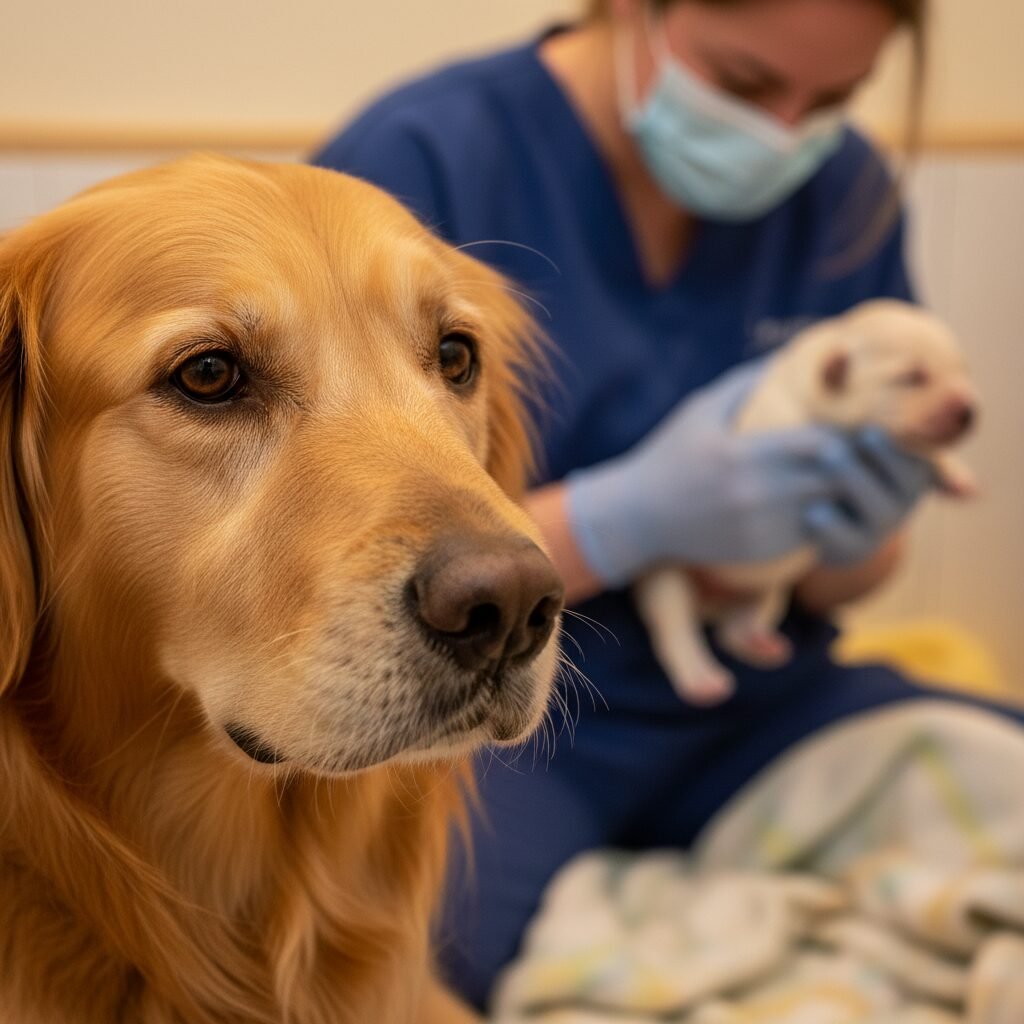
While the ENS protocol is straightforward, precision is essential. Deviating from the established method can reduce its effectiveness or, in worst-case scenarios, cause undue stress to the puppies. Responsible application requires acknowledging and avoiding common pitfalls.
- Overstimulation is Counterproductive: The most frequent mistake is assuming that ‘more is better.’ Performing the exercises for longer than 5 seconds or more than once per day can overwhelm the puppy’s developing neurological system. This can lead to an increased stress response rather than resilience. Adhere strictly to the ‘less is more’ principle.
- Disregarding the Dam’s Stress: A stressed mother dog produces stressed puppies. If the dam is agitated by the process, her stress hormones can impact the litter. Always prioritize her comfort. A calm dam who trusts her human caretaker is a prerequisite for a successful ENS program.
- Inconsistent Application: Skipping days or performing the exercises on only some of the puppies undermines the program. Consistency is key to achieving the desired cumulative effect on the neurological system. Maintain a clear chart to track daily completion for every puppy.
- Performing Outside the Time Window: The 3-to-16-day window is a biological reality. Attempting ENS after this period does not provide the same neurological benefits and can simply be a source of stress for a puppy whose sensory systems are now fully online.
- Improper Handling: Puppies must be handled securely to prevent falls or injury. The movements should be gentle, deliberate, and confident. Any roughness or hesitation from the handler can be perceived as a threat by the puppy.
Beyond ENS: Complementary Early Socialization Protocols
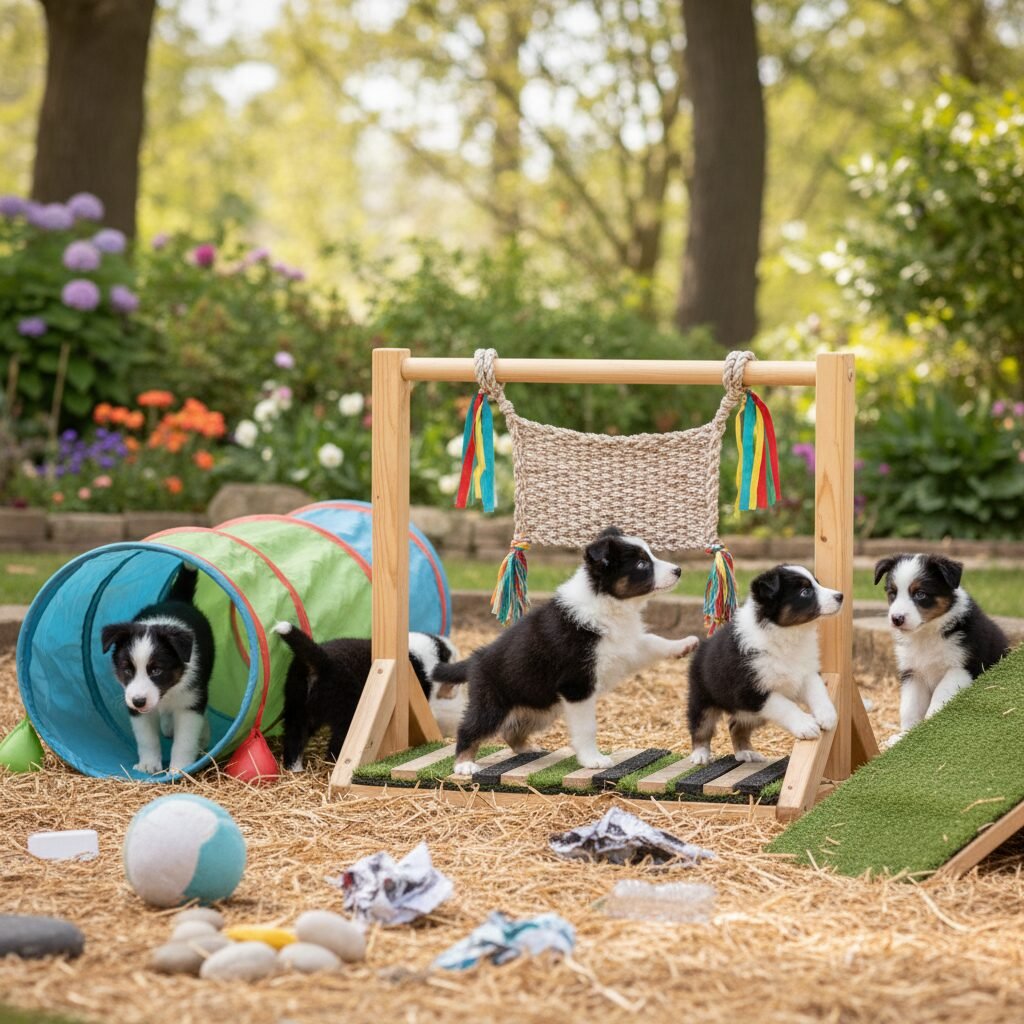
Early Neurological Stimulation is a powerful tool, but it is not a complete puppy development program in itself. It is a foundational piece that lays the groundwork for a stable, resilient temperament. To build upon this foundation, ENS should be integrated into a broader, comprehensive socialization and enrichment plan.
Once the ENS window closes on day 16, a new critical period for socialization begins, peaking between 3 and 16 weeks of age. This is when breeders must introduce puppies to a wide variety of sensory experiences in a positive and controlled manner.
Elements of a Comprehensive Program:
- Early Scent Introduction (ESI): Similar to ENS, this can be performed from days 3-16. Each day, a novel, pungent scent (like grass, leather, or various herbs) is introduced to the puppy for a few seconds, which is believed to enhance their scenting ability later in life.
- Environmental Enrichment: After 3 weeks of age, the whelping box and puppy play area should be regularly updated with new objects. This includes items with different textures (slick, rough, soft), shapes, and sounds. Small, safe obstacles to navigate, like tunnels or low ramps, build confidence and body awareness.
- Sound Habituation: Play recordings of various sounds at a low volume, gradually increasing it as the puppies become accustomed to them. This should include household noises like vacuums and doorbells, as well as external sounds like traffic and thunderstorms. This desensitization helps prevent noise phobias later.
- Gentle Handling and Socialization: Continue daily handling by different people (if safe and possible) to build positive associations with humans. This includes touching paws, ears, and mouths to prepare them for grooming and veterinary exams.
Programs like ‘Puppy Culture’ and ‘Avidog’ offer structured curricula that incorporate ENS and build upon it with detailed socialization and enrichment protocols. A breeder who utilizes ENS is often one who is dedicated to this complete approach to raising physically and mentally sound dogs.
The Breeder’s Responsibility and the Owner’s Continuation

The responsibility for conducting Early Neurological Stimulation rests solely with the breeder. It is a task that requires dedication, knowledge, and a deep commitment to the well-being of the litter. For prospective pet owners, understanding ENS empowers you to be a more discerning consumer when searching for a puppy.
What to Ask a Breeder:
When a breeder claims they perform ENS, you have the right to inquire about their process. This demonstrates your commitment to finding a well-raised puppy and helps hold breeders to a high standard.
- Ask to see their records or charts. A dedicated breeder will meticulously track the daily exercises for each puppy.
- Inquire about their understanding of the process. Can they explain the five exercises and the reasons behind them?
- Ask about what other socialization and enrichment protocols they use after the ENS window closes.
A breeder’s investment in programs like ENS is a strong indicator of their commitment to producing not just physically healthy, but behaviorally sound dogs.
The Owner’s Role: Building on the Foundation
If you are fortunate enough to bring home a puppy that has undergone ENS, the work is not finished. The breeder has laid an incredible foundation of stress resilience and neurological health, but you must continue to build the house. This involves:
- Continued Socialization: Safely expose your puppy to new people, vaccinated friendly dogs, places, and experiences during the critical socialization window (up to 16 weeks).
- Positive Reinforcement Training: Enroll in a well-run puppy kindergarten class. Use positive, reward-based methods to build a strong bond and teach good manners.
- Ongoing Enrichment: Provide puzzle toys, engage in scent work games, and continue to offer novel experiences throughout your dog’s life to keep their mind sharp and engaged.
The benefits of ENS give your puppy a head start, making them more adaptable and better equipped to handle the challenges of life. Your role is to nurture that potential through continued training, socialization, and a loving partnership.
Conclusion
Early Neurological Stimulation is far more than a passing trend in the world of dog breeding; it is a scientifically validated method for unlocking a dog’s inherent potential. By applying these simple, precise exercises during the most formative period of a puppy’s life, we can fundamentally enhance their neurological, endocrine, and immune systems. The resulting ‘Super Dogs’ are better equipped to handle stress, more resistant to disease, and possess a physiological foundation for a lifetime of health and stability.
This protocol is a testament to the profound impact that responsible, knowledgeable breeders can have on the future of their puppies. It elevates breeding from an art to a science, providing a tangible way to improve the quality of life for our canine companions before they ever reach their new homes. For the discerning owner, seeking out a puppy raised with ENS is an investment in a more resilient, capable, and well-adjusted partner for years to come.