Why Your Dog Is Terrified Of Hardwood Floors (And How To Build Their Confidence)
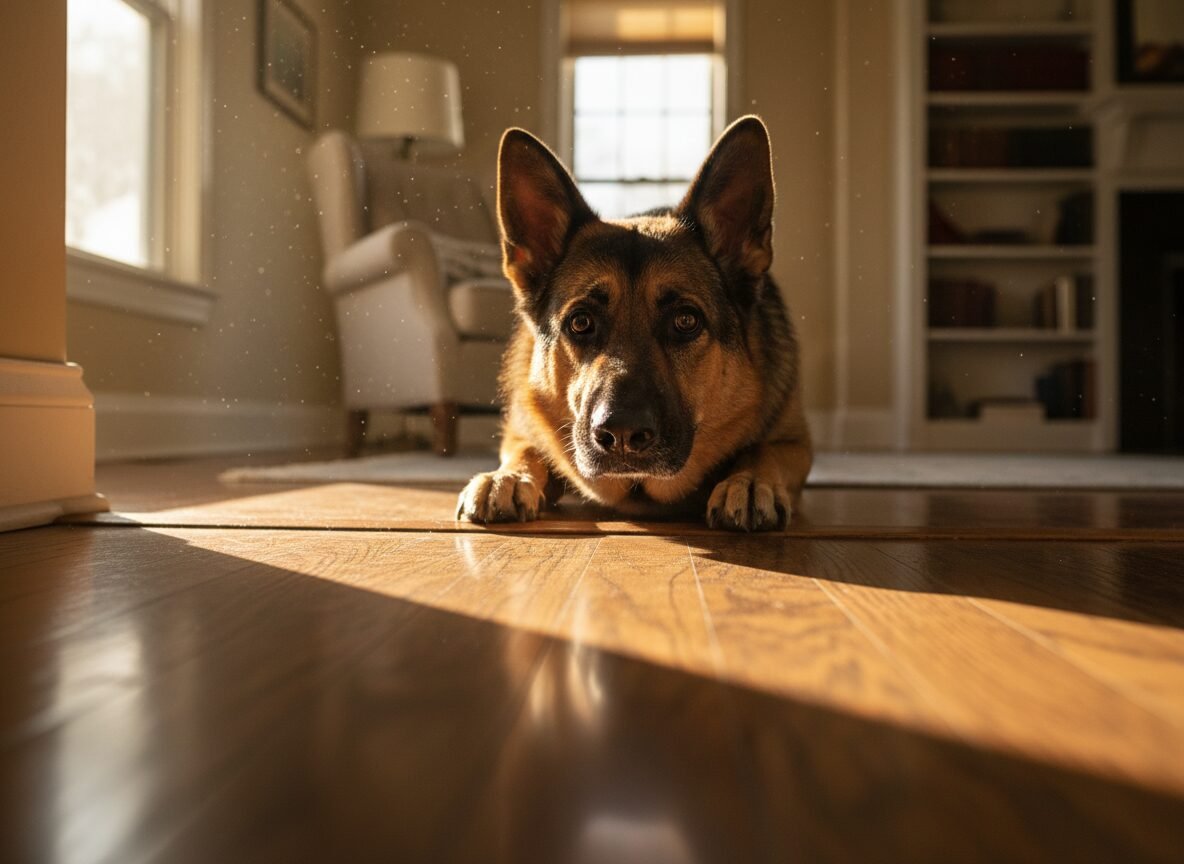
Observing your canine companion exhibit sheer terror at the sight of your home’s hardwood floors can be both perplexing and distressing. What seems like a simple, elegant surface to you can feel like a treacherous ice rink to them. This sudden hesitation, scrambling, and avoidance is not a behavioral quirk to be ignored; it is a genuine expression of fear that can significantly impact your dog’s quality of life, restricting their movement and access to the family. Many owners feel frustrated, but it is critical to understand that this fear is rooted in valid sensory, physical, and psychological concerns from your dog’s perspective.
This guide will provide a comprehensive, professional framework for addressing this common issue. We will delve into the complex reasons behind the fear, from the mechanics of a dog’s gait to the lasting impact of a single negative experience. Most importantly, we will outline a clear, systematic, and humane action plan. This is not about forcing compliance; it is about methodically rebuilding your dog’s confidence, reinforcing your bond of trust, and ensuring your dog feels secure and safe in every part of their home.
Understanding the ‘Why’: The Sensory and Psychological Roots of the Fear
Before any training can begin, it is imperative to develop a deep understanding of why your dog perceives the floor as a threat. This empathy is the foundation of effective and humane behavior modification. The fear is rarely arbitrary; it is typically a logical response to a combination of physical, sensory, and experiential factors.
Physical Discomfort and Lack of Traction
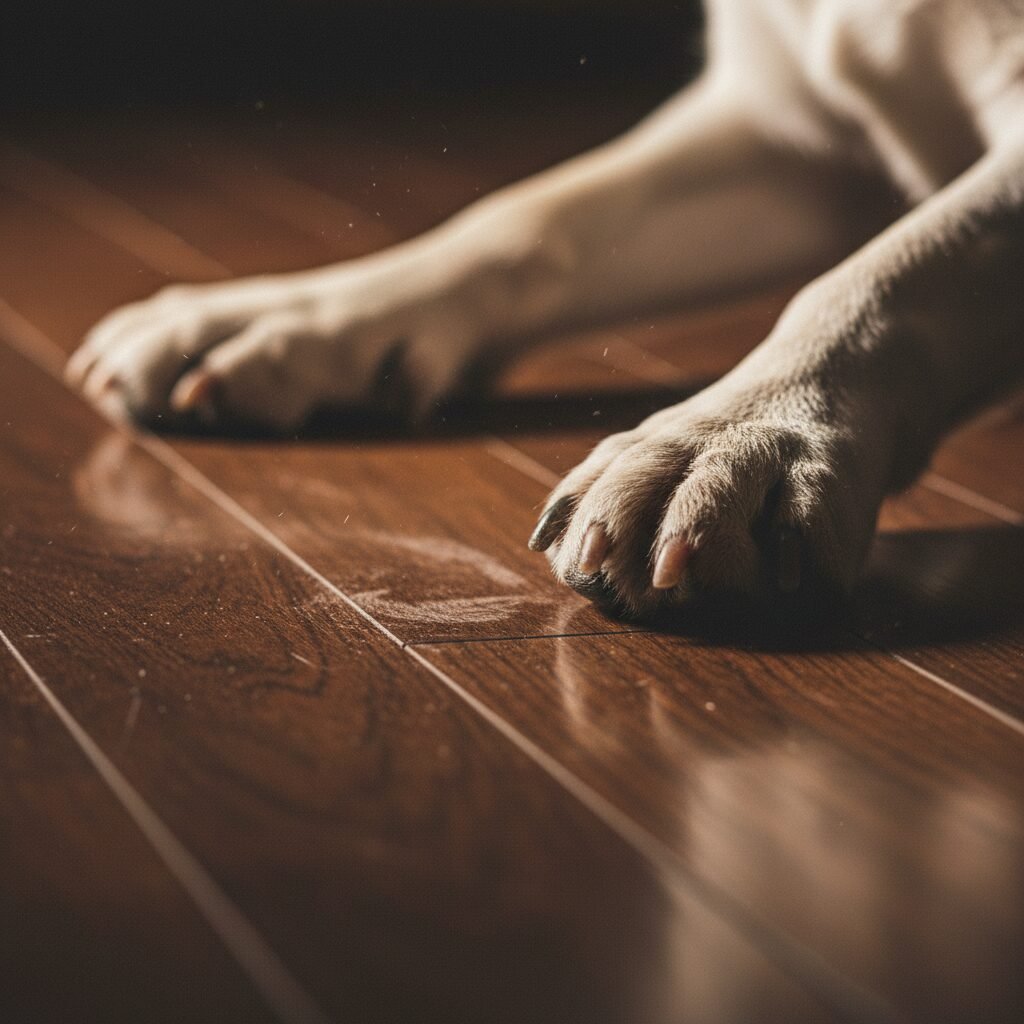
A dog’s primary tools for traction are their paw pads and nails, which are designed to grip uneven, pliable surfaces like earth and grass. A hardwood floor offers virtually no purchase. When a dog attempts to walk on it, their legs may splay outwards in an effort to maintain balance. This constant, low-level muscle engagement is physically taxing and can lead to soreness. For a dog, this lack of control is profoundly unsettling. The sensation is akin to a human trying to walk on a sheet of ice in dress shoes—unpredictable, unnerving, and dangerous.
Negative Associations and Past Trauma
The canine brain is exceptionally adept at forming powerful associations, a process known as classical conditioning. A single traumatic event can create a lasting phobia. If your dog slipped and fell, slid into a wall, or experienced a loud, startling noise (like a dropped pan) while on the hardwood, they may now associate the floor itself with that frightening or painful experience. The floor becomes a predictor of bad things. This is not a conscious decision; it is a powerful, reflexive emotional response that is difficult to overcome without specific intervention.
Auditory and Proprioceptive Sensitivities
Some dogs are highly sensitive to sounds. The sharp ‘click-clack’ of their own nails on the hard surface can be a source of anxiety, creating an auditory feedback loop of stress with every step. Furthermore, dogs rely on a sense called proprioception—the internal awareness of their body’s position in space. Slippery, uniform surfaces provide poor proprioceptive feedback, leaving the dog feeling disconnected and unsure of where their limbs are. This is particularly challenging for senior dogs, whose proprioceptive abilities naturally decline, and for breeds with long bodies and short legs, like Dachshunds or Corgis.
Underlying Medical Conditions
Perhaps the most critical consideration is the possibility of an undiagnosed medical issue. Any condition causing pain, weakness, or instability will be dramatically exacerbated on a slippery surface. Arthritis, hip or elbow dysplasia, spinal issues like Intervertebral Disc Disease (IVDD), or neurological conditions can make navigating hardwood floors excruciating. Similarly, declining vision can make it difficult for a dog to perceive the floor’s surface correctly, leading to hesitation and fear. Ignoring these potential medical causes is not only unfair to the dog but can also delay critical veterinary care.
Step One: The Crucial Veterinary Check-Up

Attempting to address a fear of hardwood floors with training before ruling out a medical cause is a foundational error. If pain is the root cause of the hesitation, no amount of counter-conditioning will be successful. A comprehensive examination by a veterinarian is the mandatory first step in any behavioral modification plan.
During the consultation, be prepared to provide a detailed history. Explain when the fear started, whether it was a gradual or sudden onset, and describe the specific behaviors you are observing. Your veterinarian will likely perform a thorough physical and orthopedic exam, manipulating your dog’s joints and spine to check for signs of pain, inflammation, or limited range of motion. They will also conduct a neurological assessment to check reflexes and coordination.
Key Symptoms to Report to Your Veterinarian:
- Reluctance to jump onto furniture or into the car.
- Difficulty getting up from a lying position.
- A noticeable ‘bunny hopping’ gait when running.
- Limping or favoring a specific limb.
- Excessive licking of a particular joint.
- A reluctance to go up or down stairs.
- Any visible muscle atrophy, particularly in the hind legs.
A veterinarian might advise: “We must always assume pain is a potential component of any new or worsening behavioral issue, especially one related to movement. Treating the underlying arthritis or spinal issue often resolves the ‘behavioral’ problem without any extensive training because we’ve removed the source of the discomfort.”
If an issue like arthritis is diagnosed, your veterinarian can prescribe a multi-modal treatment plan including pain medication, joint supplements, and physical therapy. Addressing the pain is the only ethical and effective path forward. Only after your dog has received a clean bill of health, or their medical condition is being effectively managed, should you proceed to environmental and behavioral strategies.
Step Two: Modifying the Environment for Safety and Confidence
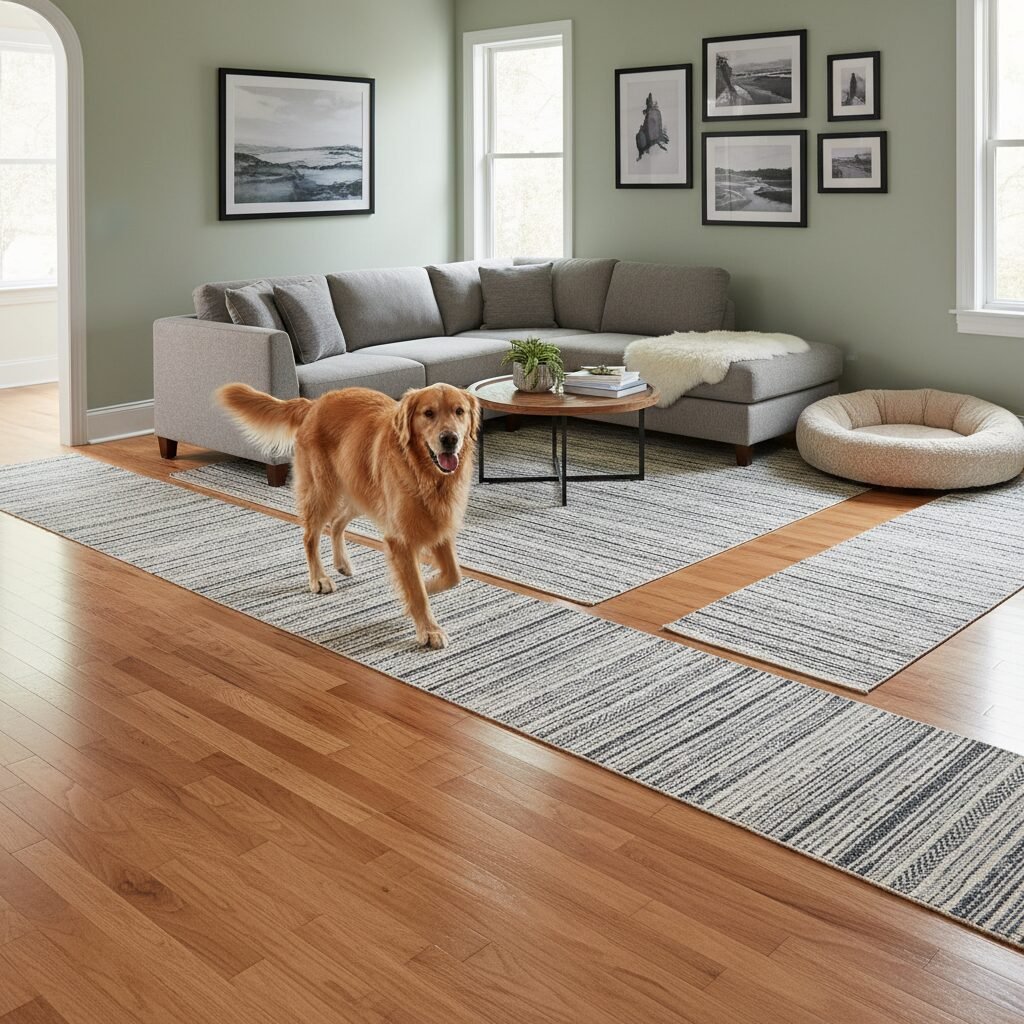
Environmental management is not about ‘coddling’ your dog; it is a strategic and necessary step to lower their ambient stress and set them up for successful training. By reducing the inherent challenge of the environment, you create a space where your dog can feel safe enough to learn. The goal is to provide ‘islands of safety’ and secure pathways throughout the home.
The Runner and Rug Strategy
The most effective management tool is the strategic placement of non-slip floor coverings. This does not require carpeting your entire home. Use non-slip rubber-backed runners to create clear ‘walkways’ through high-traffic areas like hallways. Place area rugs or yoga mats in rooms where the family congregates. This allows your dog to move from room to room without ever having to touch the slippery floor if they so choose. This single change can dramatically reduce their daily anxiety.
Paw and Nail Maintenance
Proper grooming is a critical component of traction. Overly long nails will click on the floor and prevent the paw pads from making full contact, functioning like old-fashioned ice skates. Nails should be trimmed so they do not touch the ground when the dog is standing. Additionally, the fur between the paw pads must be kept trimmed flush with the pads. For fluffy breeds, this ‘grinch feet’ fur can create a slippery barrier between the paw and the floor.
Here is a comparison of various traction solutions:
| Solution | Pros | Cons | Best For |
|---|---|---|---|
| Non-Slip Runners/Rugs | Highly effective, non-invasive, provides clear pathways. | Can alter home aesthetic, requires cleaning. | All cases of floor phobia; the foundational first step. |
| Interlocking Rubber Mats | Excellent traction, easy to clean, customizable layout. | Can be visually obtrusive, may have a rubber odor initially. | Creating larger ‘safe zones’ in play areas or around food bowls. |
| Adhesive Paw Grips | Discreet, provides direct traction to the paw. | Temporary, requires regular replacement, some dogs dislike them. | Short-term use, or for dogs who resist wearing booties. |
| Traction Socks/Booties | Offers full paw coverage and excellent grip. | Many dogs require desensitization to wearing them. | Senior dogs or dogs with neurological issues needing maximum support. |
Step Three: The Counter-Conditioning and Desensitization Protocol
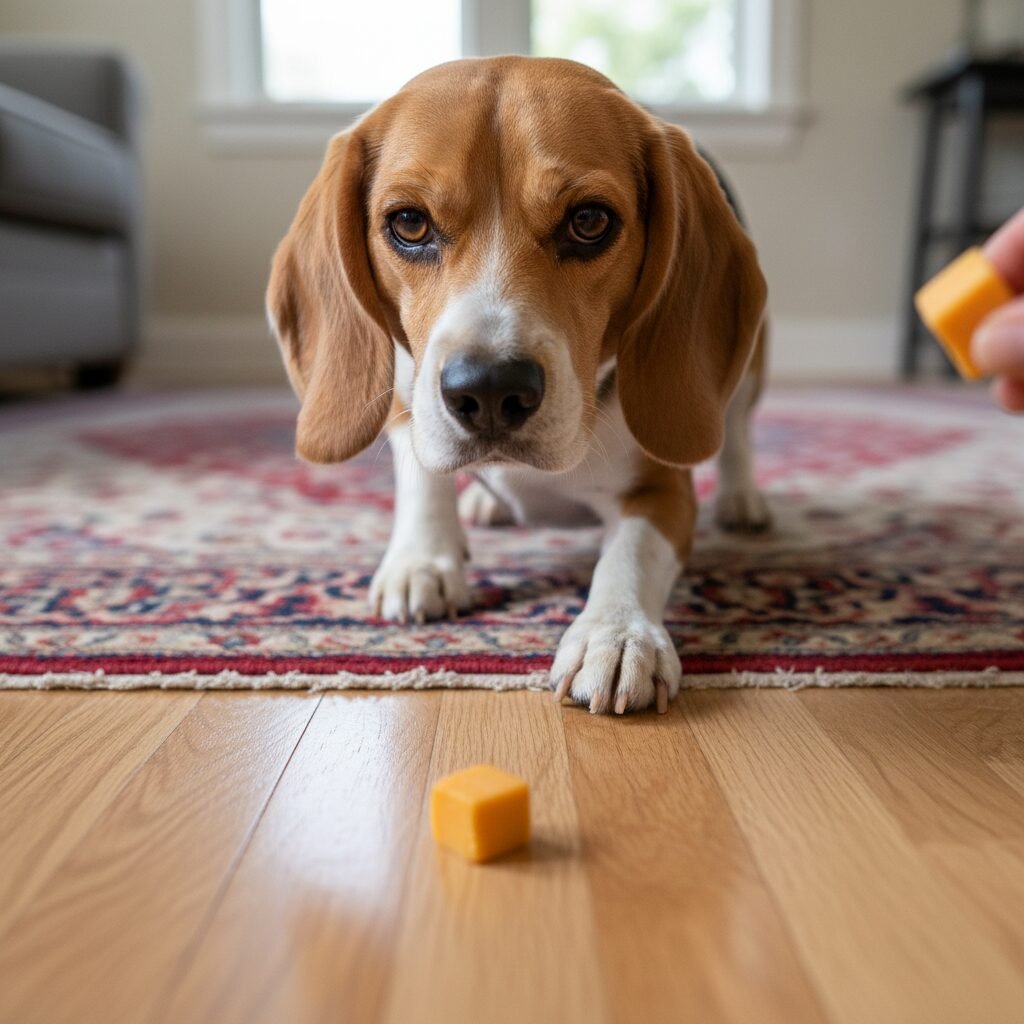
With medical issues ruled out and the environment managed, you can begin the active training process. This protocol is based on two core principles: Desensitization (gradual exposure to the scary thing at a level that does not produce fear) and Counter-Conditioning (changing the dog’s negative emotional response to a positive one). The goal is to teach your dog that hardwood floors predict wonderful things, like incredibly delicious treats.
You will need a supply of very high-value treats—not their everyday kibble. Think small pieces of cooked chicken, cheese, or freeze-dried liver. Your sessions should be short, no more than 2-5 minutes once or twice a day, and always end on a successful, positive note.
- Establish the Safe Zone: Begin with your dog on a ‘safe’ surface, like a rug that borders the hardwood floor. Without any pressure, simply toss treats onto the rug for your dog to eat. The goal is for them to be completely relaxed and happy in this starting position.
- The Treat Trail Begins: Once your dog is comfortable, place a treat right on the edge of the rug, where it meets the wood. Then, place another treat just one inch onto the hardwood floor. Do not coax or lure. Let your dog make the choice to stretch their neck to get the treat. If they do, praise them calmly.
- Reward Interaction: The moment your dog voluntarily places a single paw onto the hardwood to get a treat, mark the behavior with a calm “Yes” and give them another treat right where they are. This reinforces their brave choice. If they immediately retreat to the rug, that is perfectly fine. The choice was theirs.
- Building to Two Paws: Over several sessions, gradually increase the distance of the treats onto the floor, encouraging your dog to place two front paws on the wood to reach them. Continue to mark and reward this behavior. The key is to proceed at your dog’s pace. If they show any signs of stress (pinned ears, whale eye, trembling), you have moved too fast. End the session and start from an easier point next time.
- All Four on the Floor: The next goal is to have the dog stand with all four paws on the hardwood. You can achieve this by placing a jackpot of several treats on the floor just far enough that they must step fully off the rug to get it. When they do, give them calm verbal praise.
- Introducing Movement: Once your dog can stand comfortably on the wood, you can begin to encourage movement. While they are standing on the hardwood, toss a treat just a foot away from them, still on the hardwood. This encourages them to take a confident step to get it. Gradually increase the distance of the tosses.
- Generalize the Training: Once your dog is showing confidence in one area, you must generalize the training to other rooms with hardwood floors in the house, starting the process from the beginning in each new location.
Throughout this entire process, your body language is crucial. Remain relaxed, patient, and quiet. Never pull your dog by the leash or collar onto the floor. This process is about building trust and empowering your dog to make good choices, not about forcing them into a situation they find terrifying.
Advanced Confidence-Building Exercises and Tools
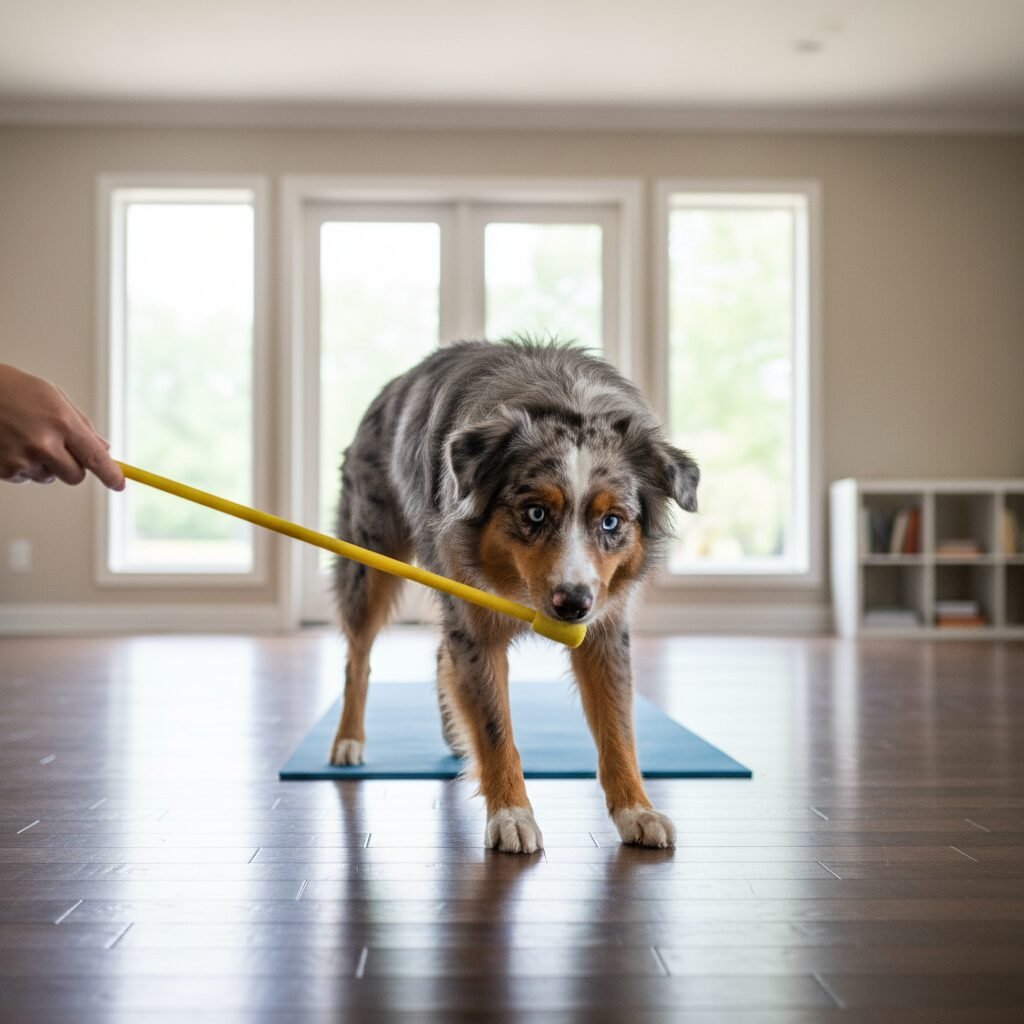
For some dogs, particularly those with deep-seated anxiety, the basic protocol may need to be supplemented with more advanced techniques. These exercises are designed to improve a dog’s overall body awareness and confidence, which can then translate to a greater sense of security on challenging surfaces.
Target Training for Purposeful Movement
Target training involves teaching your dog to touch a specific object with their nose or paw on cue. You can start by teaching a simple nose-to-hand touch. Once this is reliable, you can transfer the behavior to a physical target, like a plastic yogurt lid or a formal target stick. When your dog understands the game, you can place the target on the hardwood floor, initially very close to their rug. This gives their movement a purpose beyond simply ‘braving the floor.’ They are moving towards the target, a familiar and positive goal, which can override their hesitation about the surface beneath them.
Proprioception and Fitness Work
Improving a dog’s proprioception can have a profound impact on their confidence. Canine fitness exercises, performed on a non-slip surface, can build core strength and body awareness. Activities like walking over cavaletti poles (low-set bars), learning to back up, or balancing on fitness discs teach a dog to be more mindful of their foot placement and weight distribution. A dog with a stronger core and better balance is physically better equipped to handle a slippery surface and will feel more secure in their ability to do so.
Consultation with Professionals
If your dog’s fear is severe, does not respond to training, or is accompanied by other anxiety-related behaviors, it is time to seek professional help. A Certified Applied Animal Behaviorist (CAAB), a board-certified veterinary behaviorist (DACVB), or a certified professional dog trainer (CPDT-KA) with experience in fear and anxiety cases can provide a customized plan. In some cases, they may work with your veterinarian to recommend calming supplements or prescription anti-anxiety medication. These tools are not a replacement for training but can be invaluable for lowering a dog’s anxiety to a point where they are capable of learning new, more positive associations.
Conclusion
Building your dog’s confidence on hardwood floors is a journey of patience, empathy, and methodical training. It requires you to become a keen observer of your dog’s body language and to celebrate the smallest increments of progress. Remember the foundational steps: first, a thorough veterinary examination to rule out pain; second, intelligent environmental management to provide safety and reduce stress; and third, a gradual, positive reinforcement-based training plan to change their emotional response to the floor.
By addressing the issue from all angles—medical, environmental, and behavioral—you are not just solving a ‘floor problem.’ You are communicating to your dog that you understand their fear, that you are their advocate, and that you will work with them to make their world feel safe again. This process has the power to deepen your bond and restore your dog’s freedom to happily navigate every corner of their home alongside you.