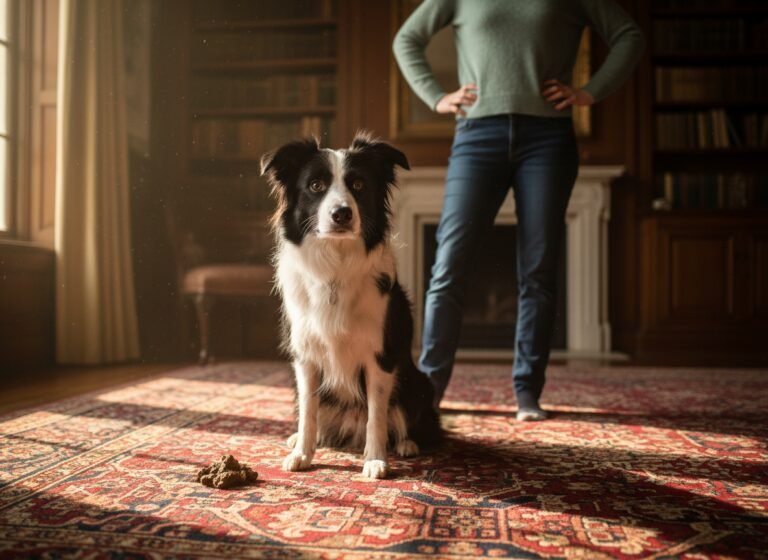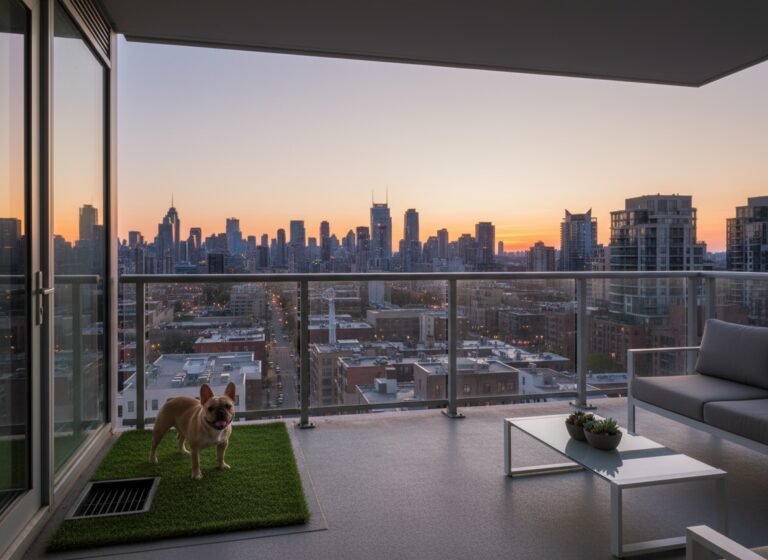
Stop The Mess: How to Transition From Pee Pads to Outside in 3 Days
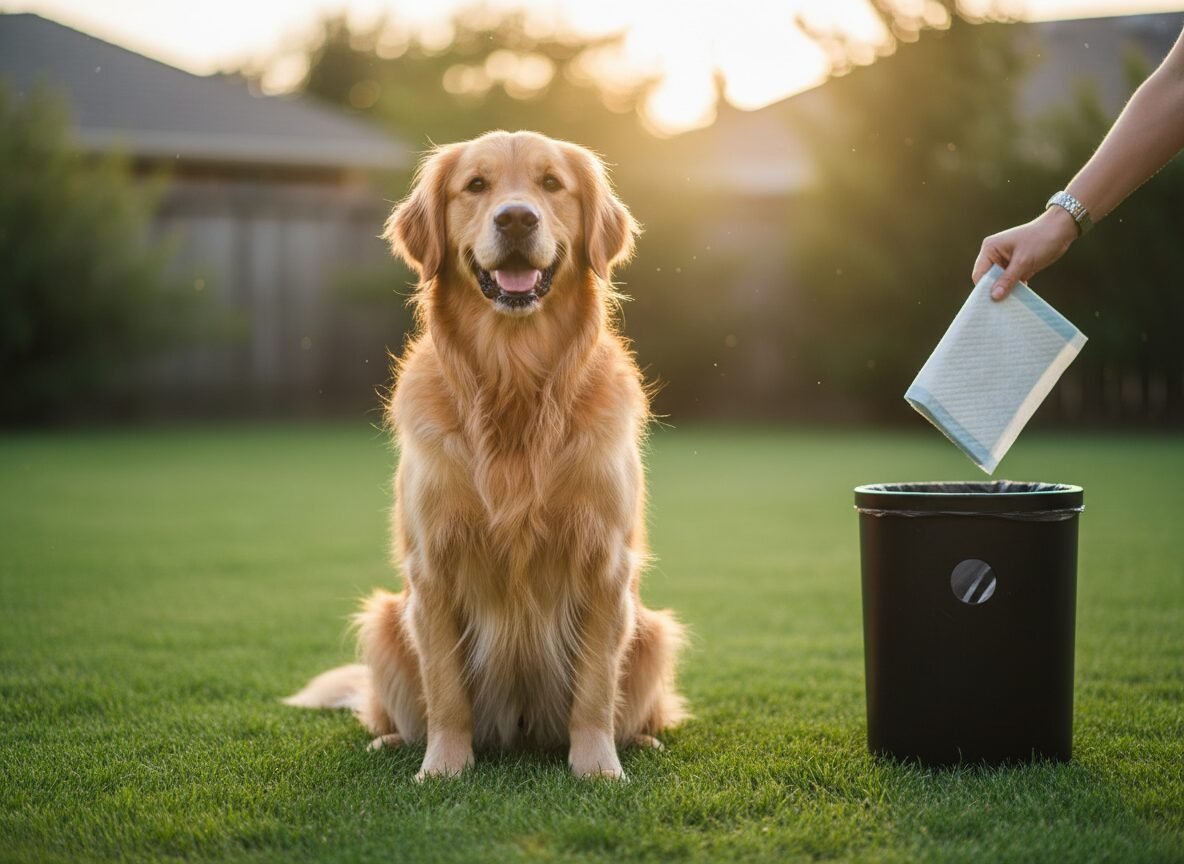
The convenience of pee pads is undeniable, especially during the early puppy stages or for apartment dwellers. However, what begins as a temporary solution often evolves into a permanent, confusing crutch for your dog. This reliance can inadvertently teach your dog that eliminating indoors is acceptable, creating a frustrating cycle of accidents and clean-ups. You are not just managing a mess; you are fighting against a deeply ingrained habit your dog believes is correct. This guide is not a suggestion; it is a definitive, intensive protocol designed to break that cycle. Over the next three days, you will implement a structured, non-negotiable plan that recalibrates your dog’s understanding of appropriate potty locations. It requires commitment, but the result is a cleaner home and a clearer, more confident relationship with your canine companion.
The Psychology of Pee Pads: Understanding the Core Challenge
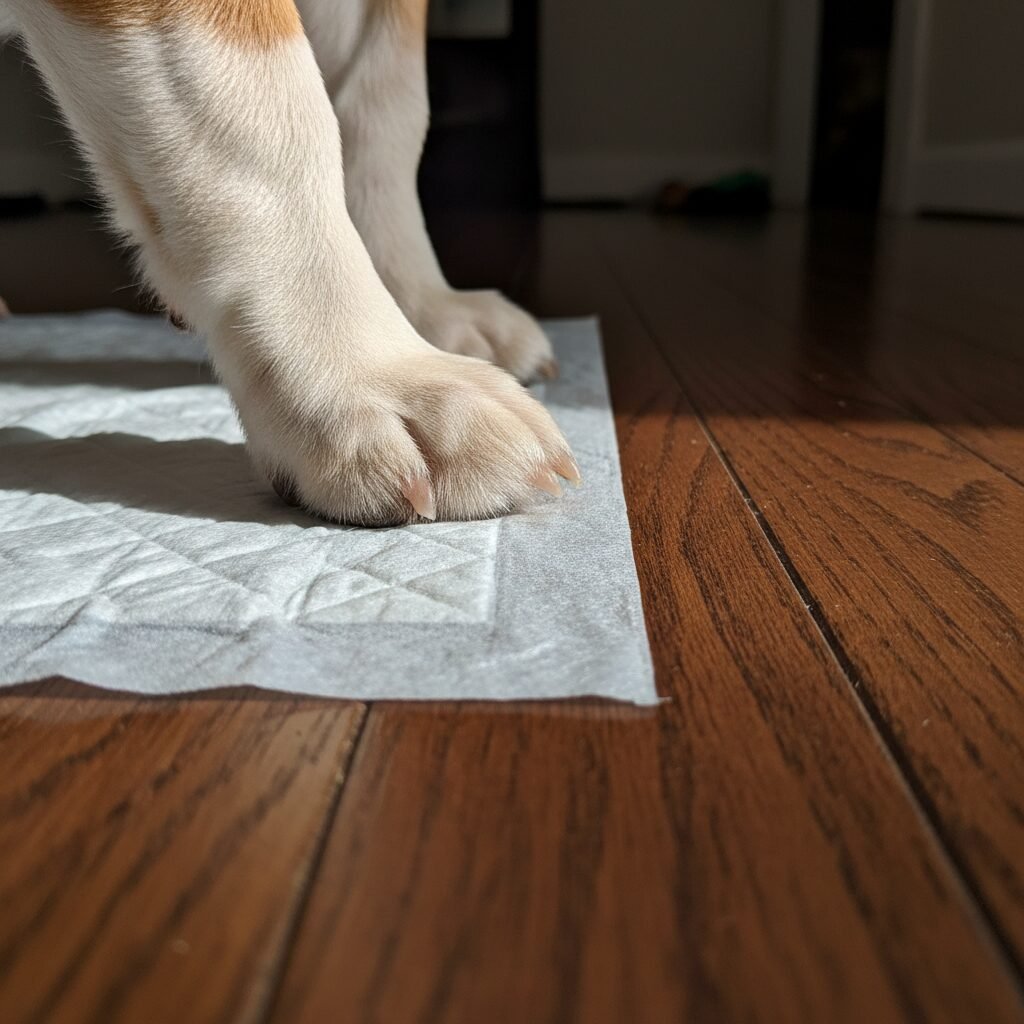
Before you can effectively change a behavior, you must understand its origin. Dogs who are reliant on pee pads are not being defiant; they are operating on the information they have been given. The core of the problem lies in two key behavioral principles: substrate preference and location preference.
Substrate preference is when a dog develops a specific preference for the texture and feel of the surface they eliminate on. From a young age, your dog learned that the soft, absorbent texture of a pee pad is the ‘correct’ toilet. Their brain has formed a strong association: this surface means ‘potty here.’ This is why a dog might ignore lush grass outside only to relieve themselves on a bath mat or a discarded piece of laundry indoors—the texture is similar to what they know.
Location preference compounds the issue. Your dog has learned that a specific corner of the living room or bathroom is the designated potty area. This creates a powerful environmental cue. Transitioning outside requires breaking both of these learned preferences simultaneously. It involves teaching the dog that the only acceptable substrate is grass, dirt, or pavement, and the only acceptable location is outdoors. The 3-day plan is designed to rapidly and decisively overwrite these old associations with a new, unambiguous rule: the house is a den, and the outside world is the bathroom.
Pre-Transition Preparation: Setting the Stage for Success
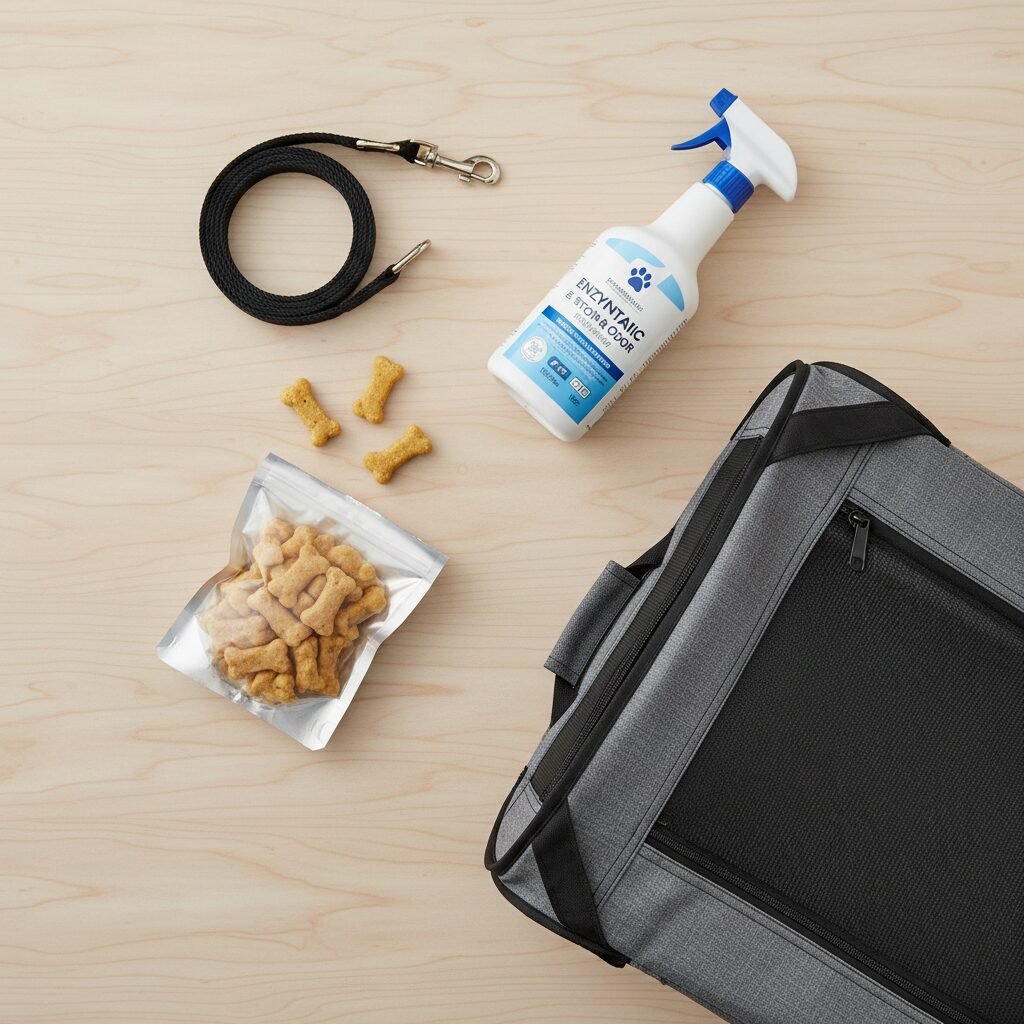
Success in this intensive program is contingent upon preparation. Attempting this transition without the proper tools and mindset will lead to failure. Before you begin Day 1, you must have the following items and strategies in place. This is a non-negotiable phase.
Essential Toolkit
- High-Value Treats: These are not your dog’s everyday kibble. We need treats that are exceptionally motivating, such as small pieces of cooked chicken, cheese, or freeze-dried liver. These will be used exclusively for successful outdoor pottying.
- A Well-Fitted Crate or Dog-Proofed Area: The crate is a management tool, not a punishment. It leverages a dog’s natural denning instinct to not soil their sleeping space. If you are opposed to a crate, you need a small, easily cleaned room (like a bathroom or laundry room) with all soft materials removed.
- Enzymatic Cleaner: Standard household cleaners are insufficient. You need an enzymatic cleaner specifically designed to break down and eliminate the protein molecules in urine. If your dog can still smell a previous accident spot, they will be drawn to use it again.
- Standard Leash and Collar/Harness: During this 3-day period, your dog will be on a leash for every single potty break, even in a fenced yard. This is to ensure you are present to reward success the instant it happens and to prevent them from getting distracted.
Mental and Environmental Preparation
First, clear your schedule as much as possible for the next 72 hours. This plan requires your constant vigilance. Second, have a frank discussion with all members of the household. Every person must be on board with the protocol. Inconsistency will sabotage your efforts. Finally, identify a specific ‘potty spot’ outside. Choose a close, easily accessible area that you will take your dog to every single time. This helps build the location preference we want.
The 3-Day Intensive Transition Plan

This is the execution phase. Follow these steps precisely and without deviation. Consistency is the only path to success in such a short timeframe.
Day 1: The Great Removal & Constant Supervision
The goal of Day 1 is to completely prevent any opportunity for an indoor accident while creating numerous opportunities for outdoor success.
- Remove All Pee Pads: As soon as the day begins, collect and discard every single pee pad in your home. Do not save any ‘just in case.’ Their presence sends a mixed message. This is a clear signal to you and your dog that the old way is over.
- Immediate Outdoor Trip: The very first action is to take your dog on a leash to your designated potty spot. Use a consistent verbal cue, such as “Go potty.” Wait patiently for up to 10 minutes. If they eliminate, provide lavish praise and an immediate high-value treat. If they do not, go back inside.
- Implement a Strict Schedule: For all of Day 1, you will take your dog outside every 45-60 minutes. Set a timer. Do not wait for your dog to signal; you are being proactive to prevent accidents.
- Active Supervision or Crate: When your dog is inside and not on a potty break, they must be under 100% active supervision. This means they are leashed to you or in the same small room, with your eyes on them. If you cannot watch them for even a moment (to shower, cook, or take a call), they must be in their crate or designated dog-proofed area.
- Handle Accidents Correctly: If an accident occurs, do not scold, yell, or punish the dog. This only creates fear and anxiety, which hinders learning. Interrupt them with a firm clap or an “Oops!” and immediately rush them outside to the potty spot. If they finish outside, praise them. Clean the indoor spot thoroughly with the enzymatic cleaner.
Day 2: Building the Habit & Introducing a Cue
Day 2 focuses on reinforcing the pattern established on Day 1 and strengthening the association between your verbal cue and the act of elimination.
- Maintain the Schedule: Continue taking your dog out on a strict schedule, but if Day 1 was entirely successful with no accidents, you can begin to extend the interval to every 60-90 minutes. Continue to use the crate or active supervision indoors.
- Emphasize the Potty Cue: As your dog begins to sniff and circle in the designated spot, calmly repeat your cue (“Go potty”). The moment they finish eliminating, mark the success with an enthusiastic “Yes!” followed by the high-value treat and praise. The goal is to build a classical conditioning response to the cue.
- Strategic Water Management: Ensure your dog has access to water throughout the day, but pick up the water bowl about 90 minutes before bedtime. Take them for one final, successful potty break right before you go to sleep.
Day 3: Testing & Reinforcing Independence
On Day 3, you will continue the core structure while beginning to test your dog’s understanding and encourage them to start signaling their needs.
- Extend the Intervals Further: If Day 2 was successful, you can now push the time between potty breaks to 2-3 hours. Continue to be proactive, but observe your dog closely for any signs they need to go out sooner (e.g., restlessness, circling, sniffing the floor, moving towards the door).
- Reward Signaling: If you notice your dog exhibiting any of these pre-potty behaviors, especially near the door, immediately praise them enthusiastically (“Good boy, outside!”) and rush them to the potty spot. This teaches them how to ask.
- Fade the Leash (in Fenced Areas): If you have a secure, fenced yard, you can start taking the dog to the potty spot without the leash. Remain with them to provide the immediate reward. This gives them a small amount of agency in the process.
- Final Night Protocol: Maintain the routine of picking up water before bed and a final potty trip. A successful, accident-free night is a critical milestone.
Common Setbacks and Professional Troubleshooting
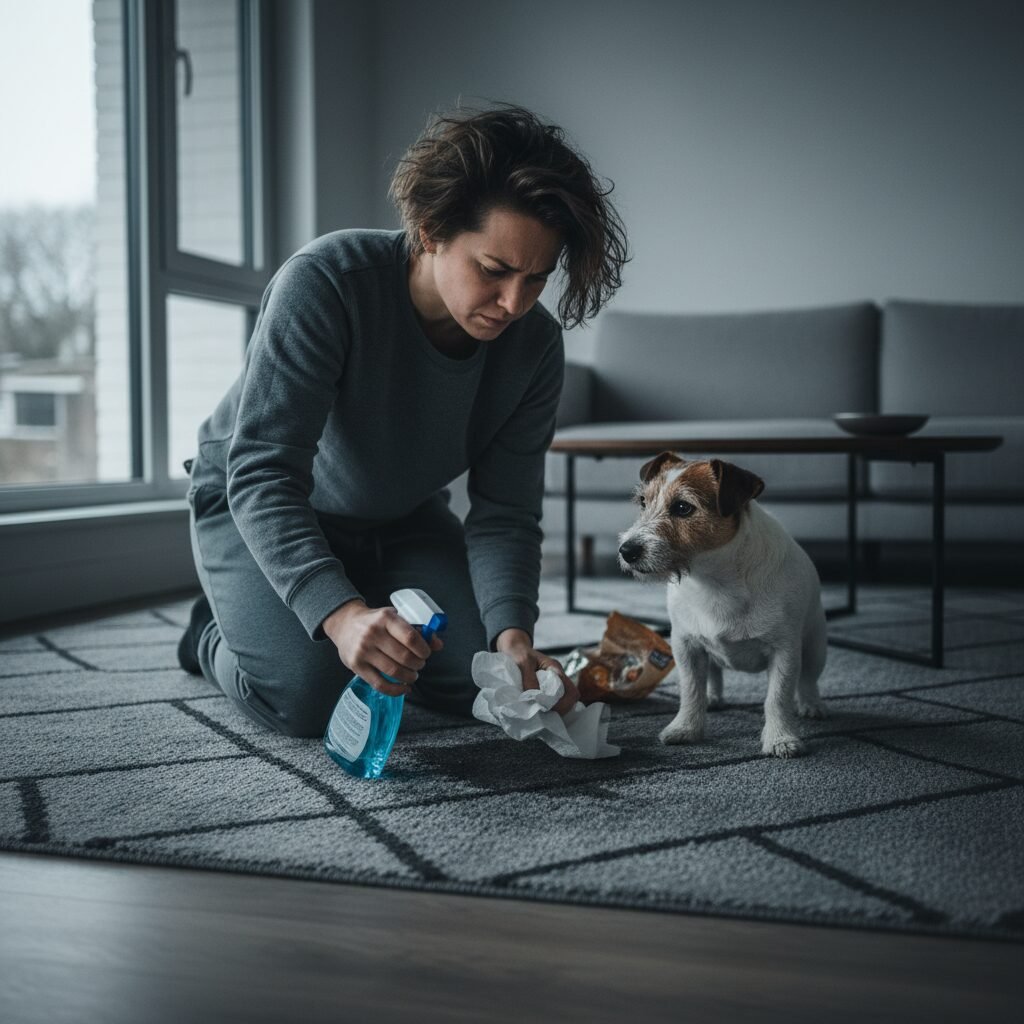
Even the most diligent owner may encounter challenges. Anticipating these issues and having a professional response ready is key to staying on track.
- Problem: My dog holds it outside and then immediately pees inside.
Solution: This is a classic sign that the dog either has a strong location preference for indoors or is too distracted outside. When you come back inside after an unsuccessful trip, do not grant freedom. The dog must go directly into their crate for 10-15 minutes. Then, take them directly from the crate back outside. Repeat this process until they are successful outdoors. They are learning that outdoor success is the only key to indoor freedom. - Problem: The weather is terrible (rain, snow, cold).
Solution: The weather is irrelevant to your dog’s biological needs. Your consistency is paramount. Use an umbrella, wear appropriate gear, and make the trip happen. If your dog is hesitant, you must go out with them and show enthusiasm. A quick, successful trip is better than a skipped one. Your commitment in these moments demonstrates the seriousness of the new rules. - Problem: My dog had an accident after a full day of success.
Solution: Do not view this as a total failure. It is a data point. It means you likely waited too long between breaks or missed a subtle cue. Re-evaluate your schedule and slightly decrease the time between trips. Clean the area with enzymatic cleaner and reset your focus. A single accident does not erase the learning that has occurred. - Problem: I have a small breed or a puppy with a small bladder.
Solution: The principles remain the same, but the frequency must be adjusted. For very young puppies (8-12 weeks) or small breeds, you may need to start with trips every 30 minutes on Day 1. The timeline is about consistency and repetition, not a magical number of hours.
Life After the 3-Day Plan: Maintaining Long-Term Success
Completing the 3-day intensive is a significant achievement, but the work is not entirely over. This period is the foundation; the next few weeks are about solidifying the structure into a permanent, reliable habit. Think of it as moving from intensive care to a regular wellness plan.
For at least the next two to three weeks, avoid giving your dog complete, unsupervised freedom in the house. When you are not home, they should be in their crate or a dog-proofed area. This prevents them from having the opportunity to revert to old habits when you are not there to guide them. Gradually increase their supervised freedom as they prove their reliability.
Continue to use your verbal potty cue and reward outdoor success, although you can begin to phase out the high-value treats for simple, enthusiastic praise. The goal is for the behavior to become intrinsically rewarding. Do not stop taking your dog out on a schedule. While they may now be able to hold it for longer periods and signal their needs, it is your responsibility to provide regular opportunities, especially first thing in the morning, last thing at night, and after meals or naps. Long-term housetraining success is not the absence of rules; it is the internalization of a consistent, predictable routine that your dog can count on. Your initial 72-hour investment will pay dividends for years to come in the form of a clean home and a well-adjusted canine companion.
Conclusion
Transitioning your dog from pee pads to the outdoors is a fundamental shift in their understanding of the world. The 3-day intensive plan outlined here is a powerful catalyst for that change, but its success hinges entirely on your unwavering consistency. You have successfully re-established the clear boundary between the den and the bathroom. By removing ambiguity and providing clear, positive direction, you have empowered your dog to understand the correct behavior. Cherish the freedom from indoor messes, but remember that this new habit is maintained through routine and continued leadership. Your dog looks to you for structure and guidance; by providing it, you have not only solved a behavioral problem but have also strengthened the bond of trust and communication you share.