Thunderstorm Terror? 6 Calming Tricks Before the Next Storm Hits

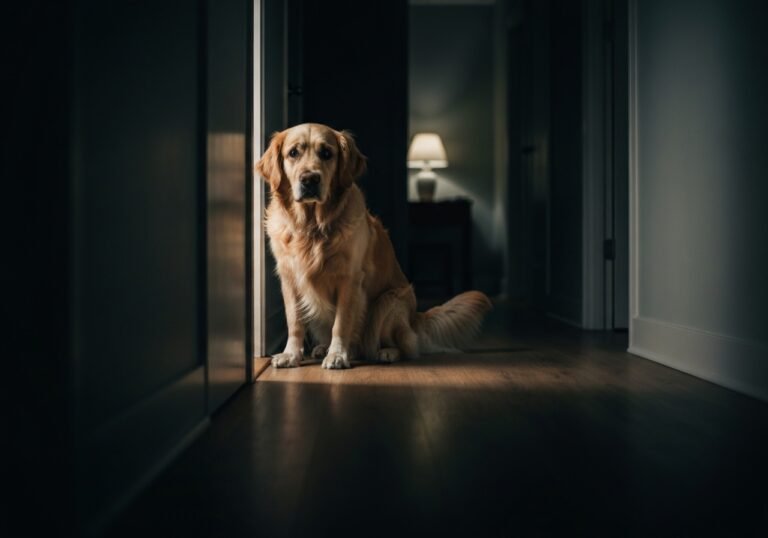
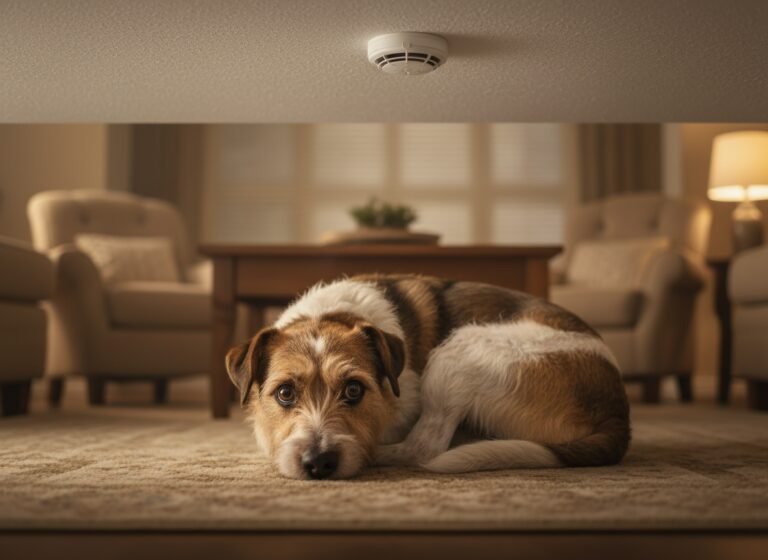
The distant rumble of thunder can be a source of profound dread, not just for humans, but for our canine companions. For many dogs, an approaching storm transforms them from happy-go-lucky pets into trembling, panting, and inconsolable sources of anxiety. This condition, known as astraphobia, is more than just a simple fear; it is a genuine phobia that can significantly impact a dog’s quality of life. As a canine behaviorist, I have seen firsthand how this terror can manifest—destructive behaviors, attempts to escape, and overwhelming stress that leaves both pet and owner feeling helpless.
Ignoring this fear is not an option. Each storm can intensify the phobic response, creating a vicious cycle of escalating anxiety. The key to managing thunderstorm terror is not to react in the moment, but to prepare proactively. This guide will provide you with a comprehensive, professional framework for understanding the root causes of your dog’s fear and implementing six effective, behaviorist-approved strategies. By taking these steps, you can transform storm days from a time of terror into a manageable, and eventually calm, experience for your beloved dog.
The Science Behind the Fear: Why Dogs Dread Thunderstorms
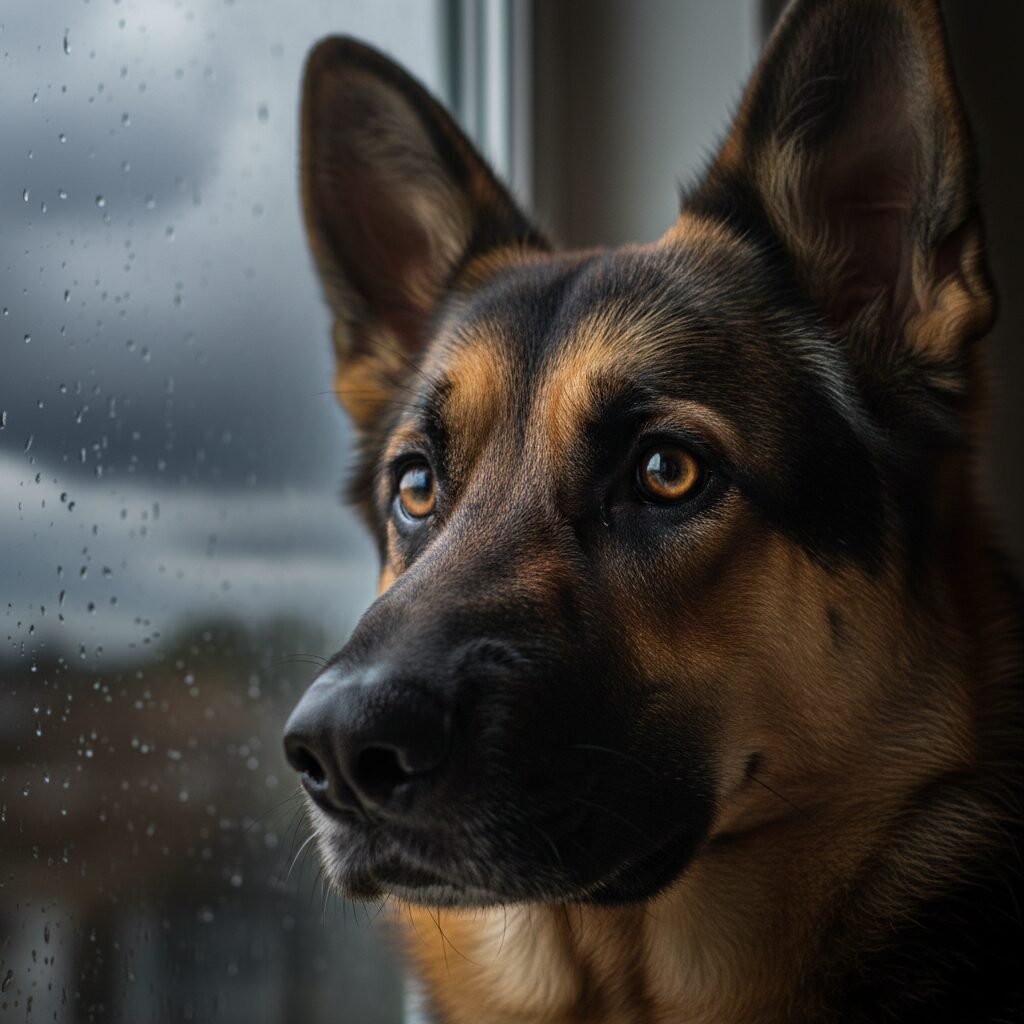
To effectively address your dog’s fear, you must first understand its complex origins. Canine astraphobia is not a single-stimulus issue; it is a multi-sensory assault. Dogs experience storms far more intensely than we do, and their anxiety is often triggered long before the first clap of thunder.
Barometric Pressure and Static Electricity
One of the earliest storm indicators for a dog is the change in barometric pressure. Their sensitive systems can detect these atmospheric shifts, signaling that something is different in their environment. More significantly, the buildup of static electricity in the air can be physically uncomfortable, and even painful, for dogs. This is particularly true for double-coated breeds. They can experience small, unpleasant static shocks on their fur and skin. This is why many dogs seek refuge in grounded locations like basements, bathtubs, or shower stalls—these places can help dissipate the static charge.
Auditory Overload
A dog’s hearing is exponentially more sensitive than a human’s. They can hear frequencies we cannot, meaning the low-frequency rumbles of a distant storm are perceptible to them long before we are aware of any threat. When the storm arrives, the combination of high-pitched wind, pelting rain, and the explosive crack of thunder creates an overwhelming and inescapable cacophony. It is not just noise; it is an auditory assault that they cannot process or escape from.
Learned Associations and Owner Influence
Fear can be a learned behavior. A single, intensely frightening storm experience can condition a dog to associate the preceding signs—darkening skies, wind, rain—with the terrifying thunder that follows. Over time, this negative association strengthens. Furthermore, owners can inadvertently reinforce the fear. By coddling, over-comforting, or displaying anxiety themselves, owners signal to their dog that there is, in fact, something to be afraid of. A dog looks to its human leader for cues on how to react to the environment. If the leader is anxious, the dog’s fear will be validated and amplified.
Trick 1: Engineer a Fortified Safe Haven
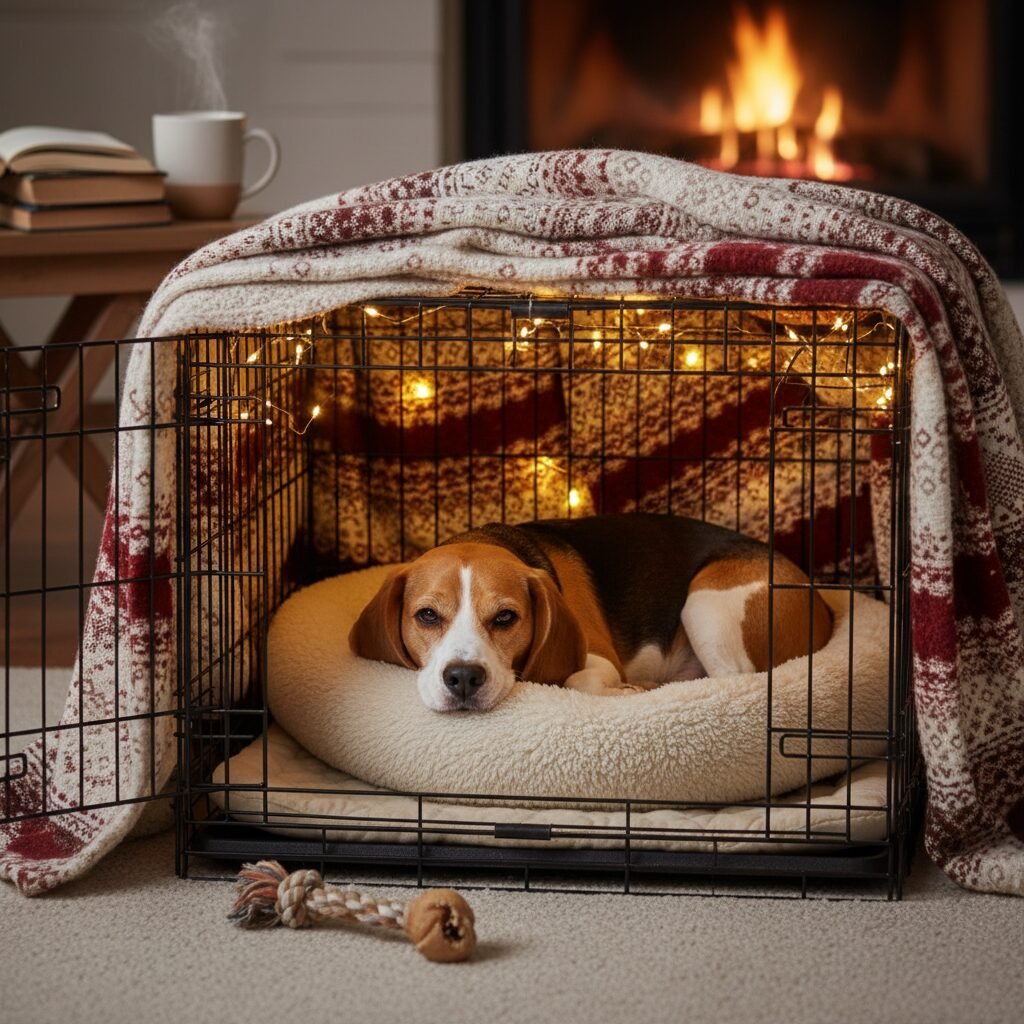
A dog’s primary instinct when frightened is to seek shelter. Your first and most critical task is to help your dog establish a ‘safe haven’ or ‘den’ within your home. This space must be created and positively reinforced before a storm is on the horizon, so it is already associated with security and comfort.
Choosing and Building the Den
The ideal den is a small, enclosed, and preferably sound-muffled space. Excellent options include:
- A Crate: If your dog is already crate trained, this is the perfect foundation. Drape a heavy blanket over the crate (leaving the door side open for ventilation and access) to block visual stimuli and dampen sound.
- A Closet: An interior walk-in closet can be an excellent choice. It is naturally insulated from outside noise and light.
- A Bathroom: An interior bathroom with no windows works well. The porcelain of a tub or the tile floor can help ground static electricity.
Once you have selected the location, outfit it for maximum comfort. Include a plush bed, your dog’s favorite blankets, and a few high-value toys that are reserved only for this space. A piece of your unwashed clothing can also add a comforting scent.
Positive Reinforcement Training
The den must be a place of voluntary retreat, never a punishment. Encourage your dog to use the space daily. Feed them their meals in the den. Offer special treats, like a stuffed KONG, exclusively within this area. Never force your dog into the den, especially during a storm. The goal is for them to choose to go there on their own because they have built a powerful positive association with it.
Trick 2: Master Proactive Distraction Techniques
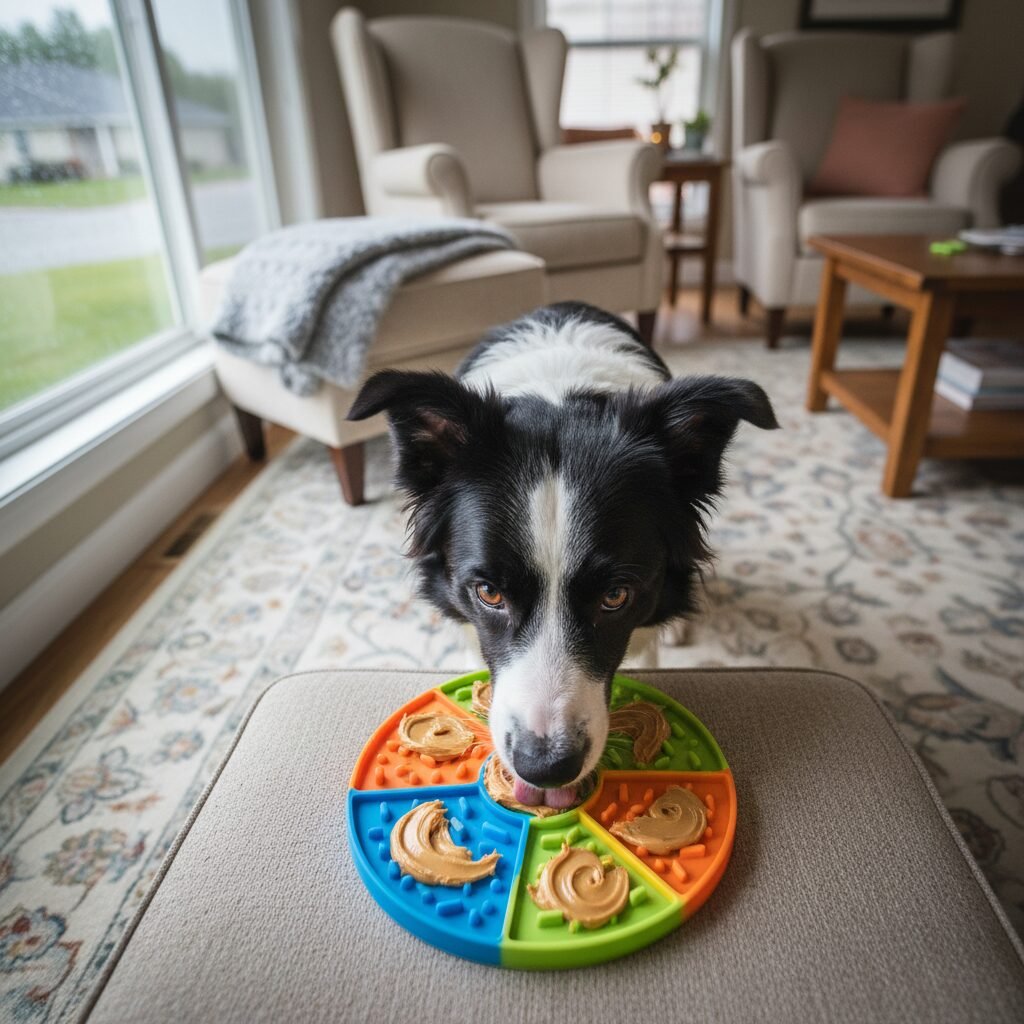
Distraction is a powerful tool for interrupting the cycle of fear before it fully takes hold. The key to this technique is timing. You must initiate the distraction at the very first sign of your dog’s anxiety—perhaps pacing, mild panting, or watching the window—not when they are already in a full-blown panic. The goal is to redirect their focus onto an engaging and positive activity.
High-Value Engagement Tools
Standard toys may not be enough to override the anxiety produced by a storm. You need to employ high-value, mentally stimulating activities. Consider these options:
- Puzzle Toys: Food-dispensing puzzles require concentration, which can effectively shift a dog’s mental state from fear to problem-solving.
- Lick Mats: Spreading a calming treat like peanut butter (xylitol-free), plain yogurt, or canned dog food on a lick mat encourages licking, a self-soothing behavior that releases calming endorphins.
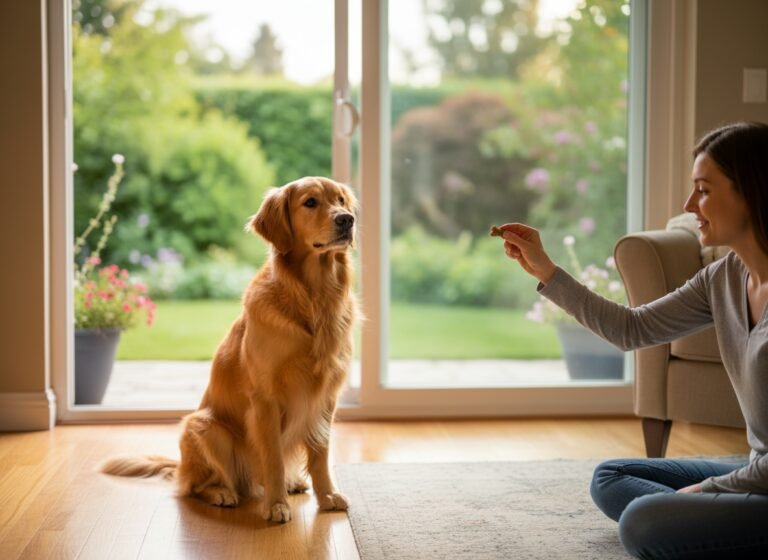
- Training Sessions: Engage your dog in a short, upbeat session of obedience training or trick practice. Focus on commands they know well, like ‘sit,’ ‘stay,’ or ‘shake.’ This reinforces your calm leadership and gives your dog a ‘job’ to focus on.
- Indoor Scent Work: Hide high-value treats around a room and encourage your dog to ‘find it.’ This engages their powerful sense of smell and is an incredibly absorbing activity.
Remember to remain calm and cheerful yourself. Your dog will feed off your energy. If you are relaxed and treat the activity as a fun game, it will help them feel more secure.
Trick 3: Utilize Calming Pressure Application

The application of gentle, constant pressure has a well-documented calming effect on the nervous system of both humans and animals. This concept, known as Deep Pressure Touch (DPT), is similar to swaddling an infant or receiving a comforting hug. It can help reduce anxiety by activating the parasympathetic nervous system, which promotes a sense of rest and calm.
Pressure Wraps and Vests
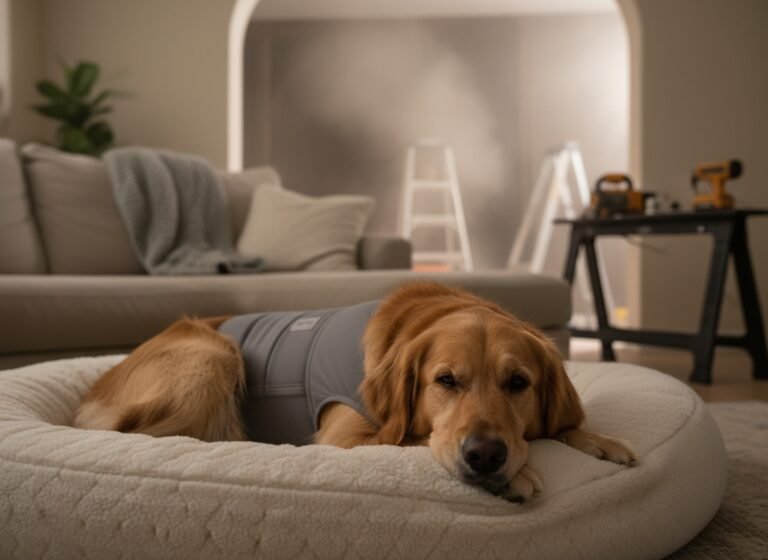
Products like the ThunderShirt, Anxiety Wrap, or similar garments are specifically designed to apply this gentle, consistent pressure to a dog’s torso. When introduced correctly, many dogs show a significant reduction in anxiety symptoms while wearing them.
Proper Introduction and Use
Like the safe haven, a pressure wrap should be introduced during a calm period to build a positive association. Follow these steps:
- Lay the wrap on the floor and place treats on it. Let your dog investigate and eat the treats freely.
- Drape the wrap over your dog’s back for a few seconds, offering praise and treats, then remove it. Repeat this several times.
- Loosely fasten the wrap for a minute or two while continuing to offer high-value treats. Then remove it.
- Gradually increase the duration your dog wears the wrap during calm times, always associating it with positive things like treats or mealtime.
By the time a storm arrives, your dog should already view the wrap as a source of comfort, not another storm-related stressor. Put it on them before the storm’s intensity peaks for the best results.
Trick 4: Implement Auditory Masking and Sound Therapy
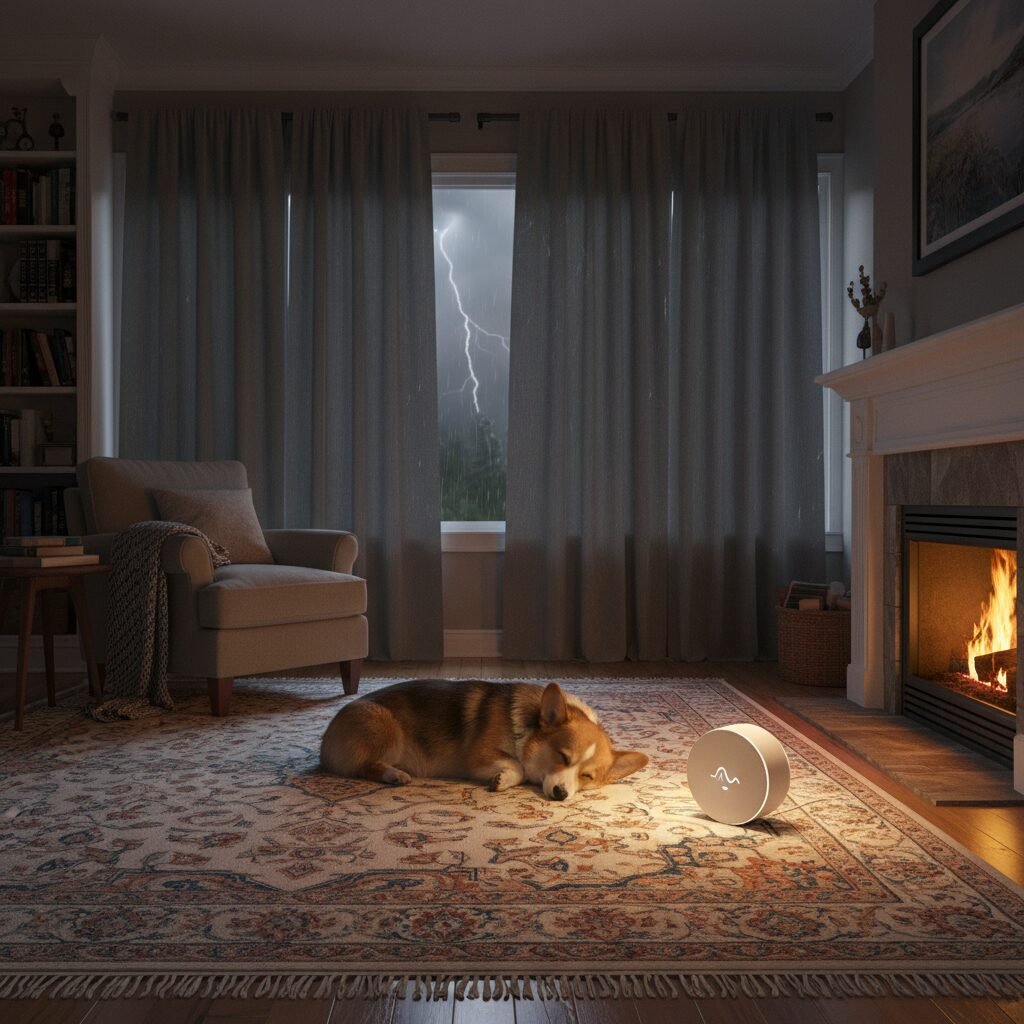
Since sound is a primary trigger for astraphobia, managing your dog’s auditory environment is a critical component of any calming strategy. The goal is to muffle the sharp, unpredictable sounds of the storm and replace them with consistent, calming background noise.
Effective Sound Masking Techniques
Simply turning up the television is often ineffective, as the dynamic range of sound in shows and commercials can be startling in itself. Instead, opt for more consistent and therapeutic sounds:
- White Noise Machines: These devices produce a steady, broad-spectrum sound that can effectively mask the low rumbles of thunder and the sharp sounds of rain.
- Classical Music: Studies have shown that specific types of classical music can reduce stress in kenneled dogs. Look for compilations specifically designed for canine relaxation (e.g., ‘Through a Dog’s Ear’).
- Heavy-Duty Fans: A powerful box fan can create a significant amount of white noise that helps drown out external sounds.
Create a ‘sound barrier’ by closing windows and curtains, and placing the sound source between your dog’s safe haven and the outside world. Start the sound masking as soon as you know a storm is approaching to create a consistent auditory environment before the frightening noises begin.
Trick 5: The Long-Term Solution: Desensitization and Counter-Conditioning (DSCC)
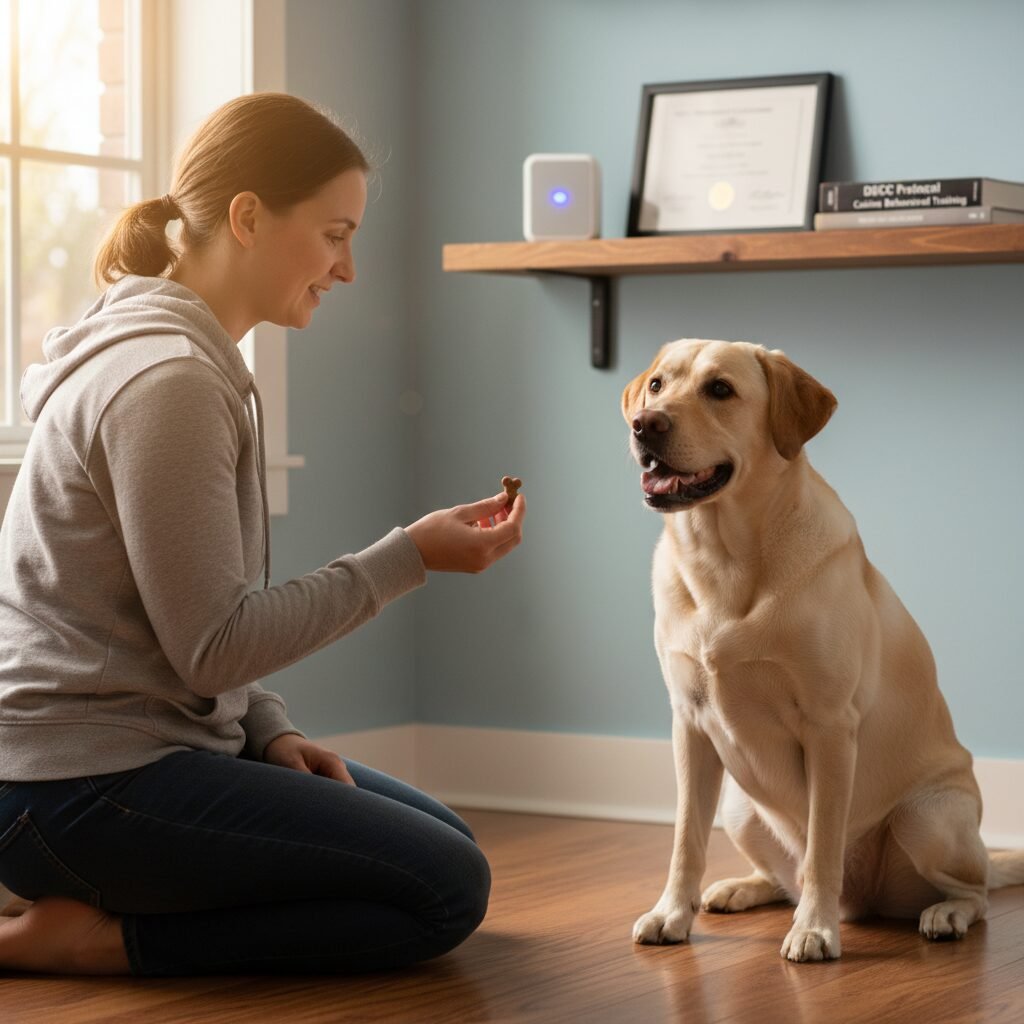
While the previous tricks are excellent for managing fear in the moment, Desensitization and Counter-Conditioning (DSCC) is the clinical approach to resolving the phobia long-term. This advanced technique requires patience and consistency, and it must be practiced only when your dog is completely calm and there are no actual storms present.
Desensitization means gradually exposing your dog to the trigger (the sound of a storm) at a level so low it does not provoke a fear response. Counter-Conditioning means changing your dog’s emotional response to that trigger from fear to pleasant anticipation by pairing it with something they love, like a high-value treat or a favorite game.
Implementing a DSCC Protocol
- Acquire High-Quality Recordings: Find a high-quality audio recording of a thunderstorm online or through a sound effects library. You need to be able to control the volume precisely.
- Find the Threshold: Play the recording at a barely audible volume—so low your dog does not even seem to notice it. This is your starting point.
- Pair with Positives: While the sound plays quietly in the background, engage your dog in an activity they adore. This could be a training session with delicious treats, a gentle game of tug, or a grooming session if they enjoy it. The storm sound should become background noise to a wonderful experience.
- End on a High Note: Keep these sessions short (5-10 minutes) and always end them before your dog shows any signs of stress. Turn the sound off before you stop the positive activity.
- Gradual Increase: Over many sessions (spread across days or weeks), very slowly increase the volume of the storm recording. If at any point your dog shows signs of anxiety (lip licking, yawning, pinning ears), you have gone too far. Lower the volume back to a comfortable level at the next session and proceed more slowly.
This process cannot be rushed. The goal is to stay ‘sub-threshold’—always below the level that triggers fear. Done correctly, your dog will slowly build a new association: the sound of a distant storm now predicts the arrival of their favorite treats or games.
Trick 6: Explore Calming Aids with Veterinary Guidance

For dogs with moderate to severe astraphobia, behavioral modification alone may not be enough. A variety of supplements, nutraceuticals, and medications can provide crucial support, but they must be used under the direct supervision of your veterinarian. Never administer any new supplement or medication without a professional consultation.
Categories of Calming Aids
Your veterinarian can help you navigate which option, if any, is appropriate for your dog’s specific needs. They will consider your dog’s overall health, age, and the severity of their anxiety.
| Type of Aid | Mechanism of Action | Examples | Considerations |
|---|---|---|---|
| Pheromones | Mimics the calming pheromones released by a mother dog to comfort her puppies. | Adaptil (Dog Appeasing Pheromone) diffusers, collars, and sprays. | Non-sedating and generally very safe. Best for mild to moderate anxiety. Works in the background to create a sense of security. |
| Nutraceuticals/Supplements | Utilize natural compounds that support calm behavior and neurological balance. | Products containing L-Theanine, L-Tryptophan, Solliquin, Zylkene (hydrolyzed milk protein). | Often require a ‘loading dose’ or consistent use to be effective. Minimal side effects for most dogs, but efficacy varies. |
| Cannabidiol (CBD) | Interacts with the endocannabinoid system, which helps regulate anxiety and stress. | Veterinary-formulated CBD oils and chews. | Quality control is critical. Only use products with a Certificate of Analysis (COA) and consult your vet, as CBD can interact with other medications. |
| Prescription Medications | Act on neurotransmitters in the brain to directly reduce anxiety and panic. | Sileo (oromucosal gel for noise aversion), Trazodone, Alprazolam. | Reserved for severe, debilitating phobias. Requires a veterinary prescription and careful monitoring for side effects. Can be highly effective for panic states. |
These aids are not a substitute for behavioral training; they are a tool to be used in conjunction with it. The goal of using a supplement or medication is to reduce your dog’s anxiety to a level where they are calm enough to learn the new, positive associations you are trying to build through techniques like DSCC.
Conclusion
Managing your dog’s thunderstorm terror is a journey that requires patience, understanding, and a proactive approach. By implementing these six strategies, you can build a comprehensive plan that addresses the fear from multiple angles. Start by creating a secure physical environment with a safe haven and managing the sensory input with sound masking and pressure wraps. Use proactive distraction to manage acute anxiety, and for a lasting solution, commit to the long-term process of Desensitization and Counter-Conditioning. For dogs whose fear is overwhelming, a consultation with your veterinarian about calming aids can provide essential support.
Your calm, confident leadership is the most important element in this process. Your dog looks to you for safety and security. By preparing in advance and managing the situation with a clear plan, you show them that there is nothing to fear. You can transform stormy days from a time of terror into a quiet, peaceful time of togetherness.