Why Does My Puppy Keep Getting Hiccups? 5 Causes and When to See a Vet
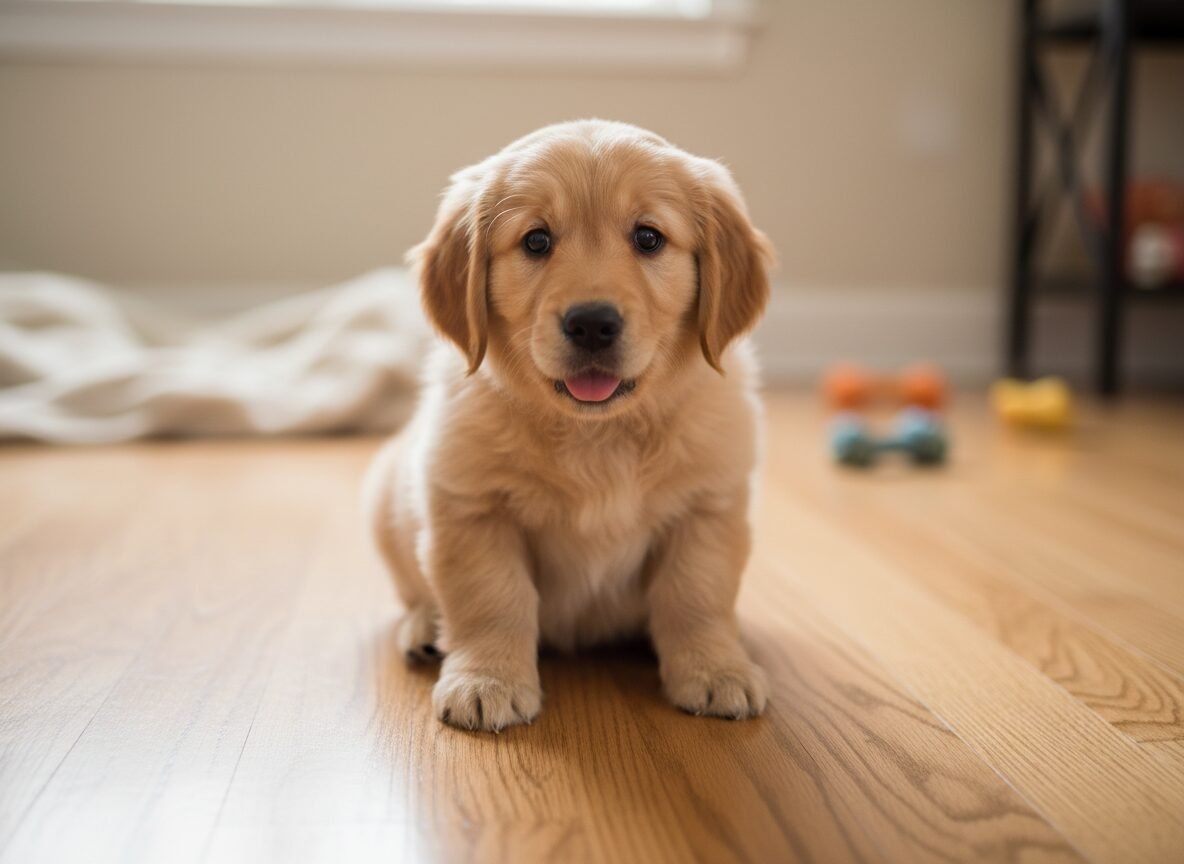
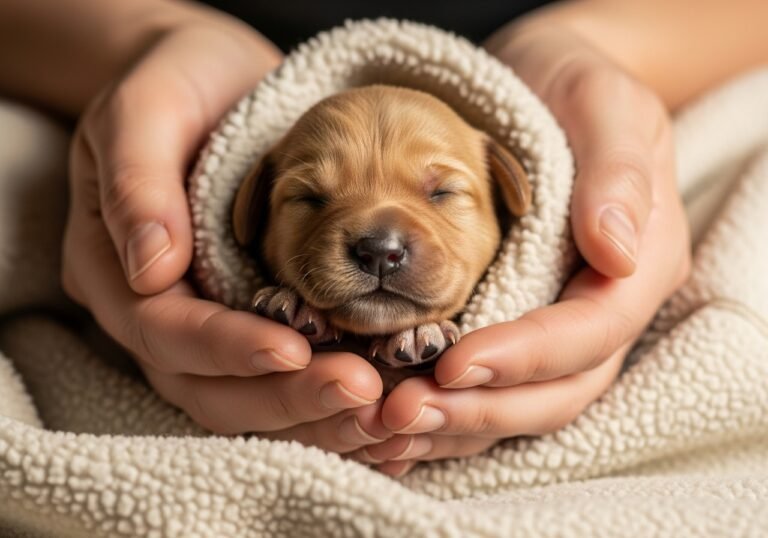
The arrival of a new puppy brings a whirlwind of joy, activity, and a host of new sounds and behaviors to decipher. Among the playful yips and sleepy sighs, you may notice a frequent, rhythmic ‘hic’ that seems to take over your puppy’s tiny body. These bouts of hiccups, known clinically as singultus, are exceedingly common in young dogs and often cause more concern for their owners than for the puppies themselves. While typically harmless, understanding the underlying reasons for these spasms is a key part of responsible pet ownership.
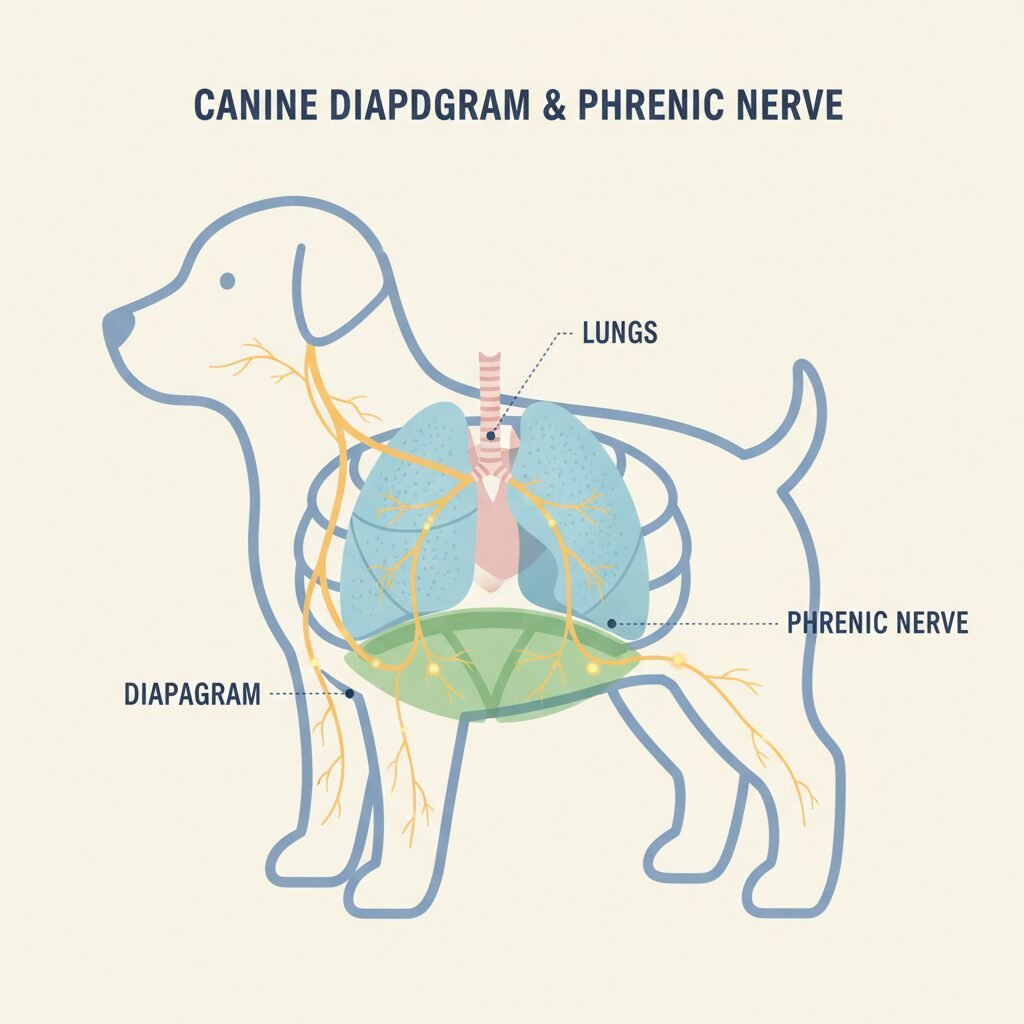
Puppy hiccups are an involuntary contraction of the diaphragm, the large muscle separating the chest cavity from the abdomen, followed by the rapid closure of the glottis, which produces the characteristic sound. Young puppies are particularly susceptible due to their underdeveloped organ systems, high levels of energy, and tendency to approach every activity—especially eating—with unbridled enthusiasm. This guide will provide a detailed examination of the five most common causes of hiccups in puppies, offer safe and effective home remedies, and, most importantly, delineate the specific signs that indicate a veterinary consultation is necessary.
The Science Behind the Spasm: What is a Hiccup?
The Science Behind the Spasm: What is a Hiccup?
Before exploring the causes, it is essential to understand the physiological mechanism of a hiccup. The process is governed by the diaphragm and the nerves that control it, primarily the phrenic nerve. This nerve extends from the neck down to the diaphragm. When the phrenic nerve becomes irritated for any reason, it sends faulty signals to the diaphragm, causing it to contract suddenly and involuntarily. This abrupt downward pull of the muscle causes a sharp intake of breath. Almost simultaneously, the glottis—the opening between the vocal cords in the larynx—snaps shut. This action stops the incoming air and produces the distinct ‘hic’ sound. In puppies, the neural pathways are still maturing, making their phrenic nerve more easily triggered than an adult dog’s. This is why a simple bout of excitement or a quickly eaten meal can easily initiate a hiccup episode that might last for several minutes.
Cause 1: Rapid Ingestion of Food and Water
Cause 1: Rapid Ingestion of Food and Water
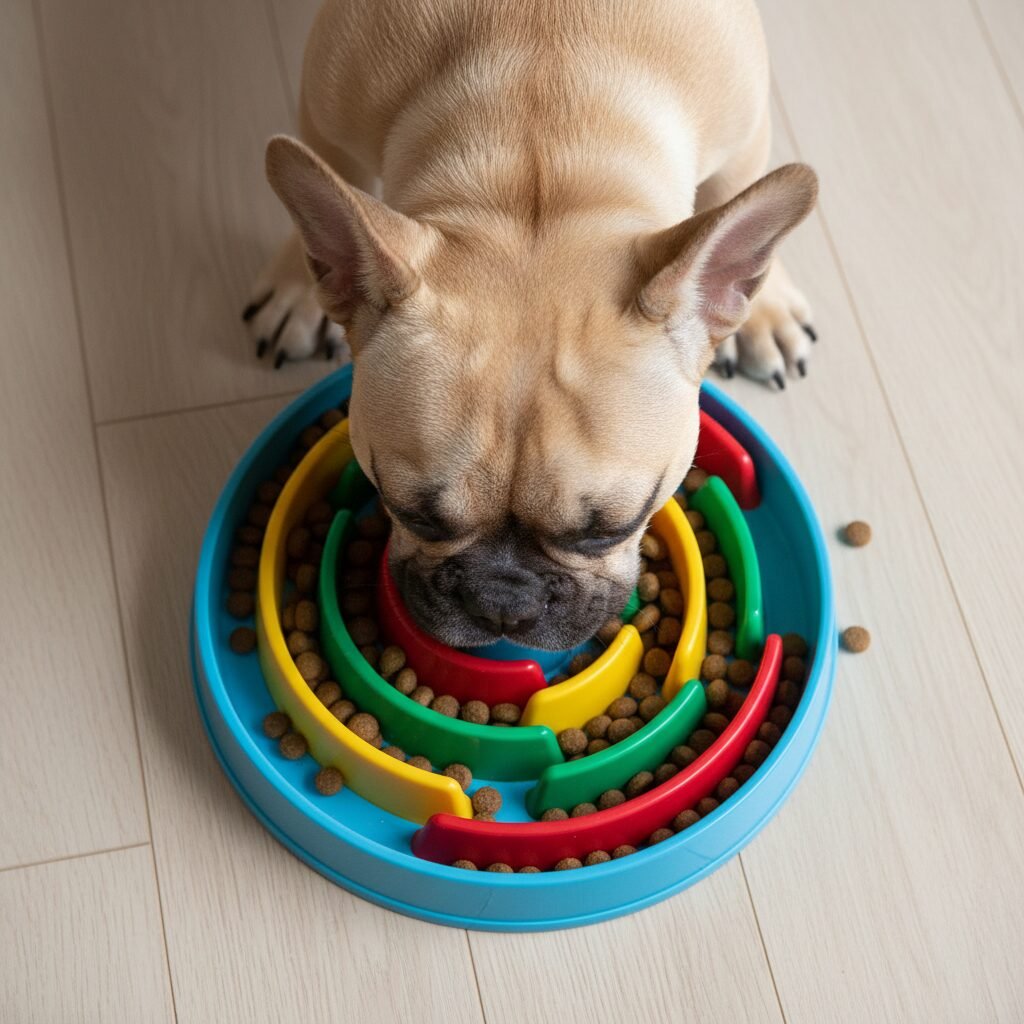
One of the most frequent culprits behind puppy hiccups is speed-eating. Puppies, driven by instinct and excitement, often devour their food and water with incredible speed. When they do this, they swallow a significant amount of air along with their meal, a condition known as aerophagia. This excess air distends the stomach, which then presses against the underside of the diaphragm, causing irritation and triggering the hiccup reflex. This is particularly common in multi-dog households where puppies may feel a sense of competition for resources, or simply in puppies with a high food drive.
Solutions for the Voracious Eater
Managing your puppy’s eating speed is a direct and effective way to reduce hiccup frequency. Consider these professional recommendations:
- Slow-Feeder Bowls: These bowls are designed with built-in obstacles and mazes that force your puppy to navigate around them to get to the food. This mechanically slows down their rate of consumption, reducing air intake and improving digestion.
- Puzzle Toys and Food-Dispensing Toys: Turning mealtime into a mental exercise not only slows down eating but also provides valuable cognitive enrichment. Toys that require the puppy to roll, nudge, or manipulate them to release kibble piece by piece are excellent for this purpose.
- Spreading Food on a Mat: For a simpler solution, spreading your puppy’s kibble across a large, flat, food-safe mat (like a silicone ‘lick mat’) encourages them to eat one piece at a time.
- Scheduled, Smaller Meals: Instead of one or two large meals, consider splitting your puppy’s daily food allowance into three or four smaller portions served throughout the day. This prevents the stomach from becoming overly full and distended at any one time.
Cause 2: Overexcitement and Strenuous Play
Cause 2: Overexcitement and Strenuous Play
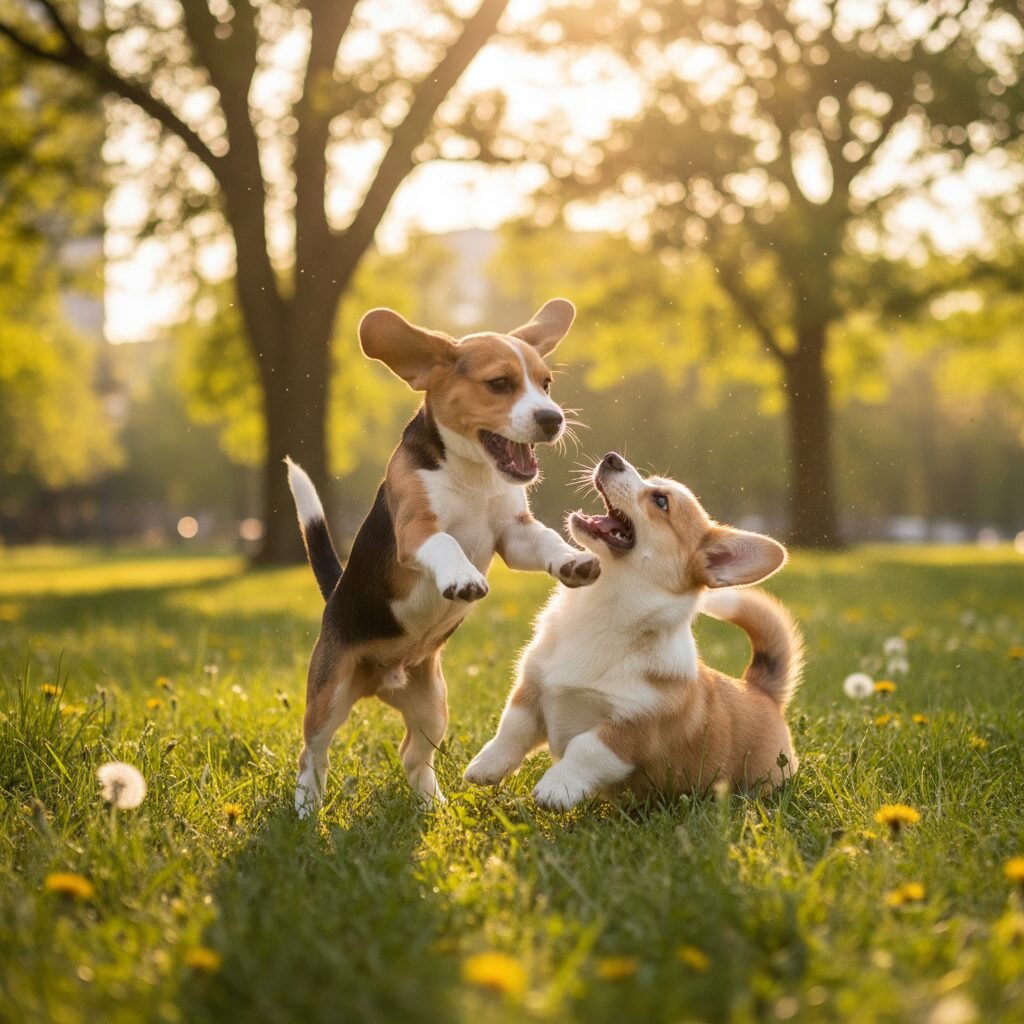
A puppy’s life is a series of exhilarating moments. A vigorous game of fetch, a wrestling match with a littermate, or the simple joy of a favorite human returning home can send them into a state of high arousal. During these periods of intense excitement or energetic play, a puppy’s breathing pattern changes dramatically. They begin to breathe rapidly and sometimes erratically, panting to regulate their body temperature and oxygenate their muscles. This rapid, shallow breathing can lead to uncoordinated contractions of the diaphragm, irritating the phrenic nerve and setting off a bout of hiccups. The hiccups often appear as the puppy begins to calm down after a period of high activity, as their breathing pattern attempts to return to a normal rhythm.
Managing Play-Induced Hiccups
While play is crucial for development, teaching a puppy how to regulate its own excitement is a valuable life skill. You can help by:
- Enforcing ‘Calm Down’ Breaks: During long play sessions, initiate mandatory short breaks. Encourage your puppy to lie down with a chew toy for a few minutes to allow their heart rate and breathing to normalize before resuming play.
- Teaching a ‘Settle’ Cue: Train your puppy to respond to a verbal cue like ‘Settle’ or ‘Relax’ by rewarding calm behavior, such as lying down on their mat. This tool is invaluable for managing excitement levels both during and after play.
- Avoiding Over-Stimulation: Be mindful of your puppy’s energy limits. For very young puppies, play sessions should be short and frequent rather than long and exhausting. Pushing them past their point of fatigue can exacerbate issues like hiccups.
Cause 3: Stress, Anxiety, or Fear
Cause 3: Stress, Anxiety, or Fear
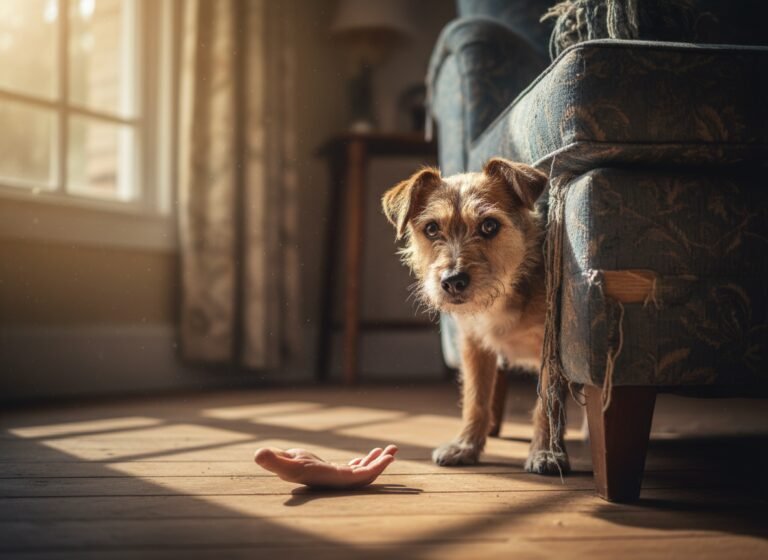
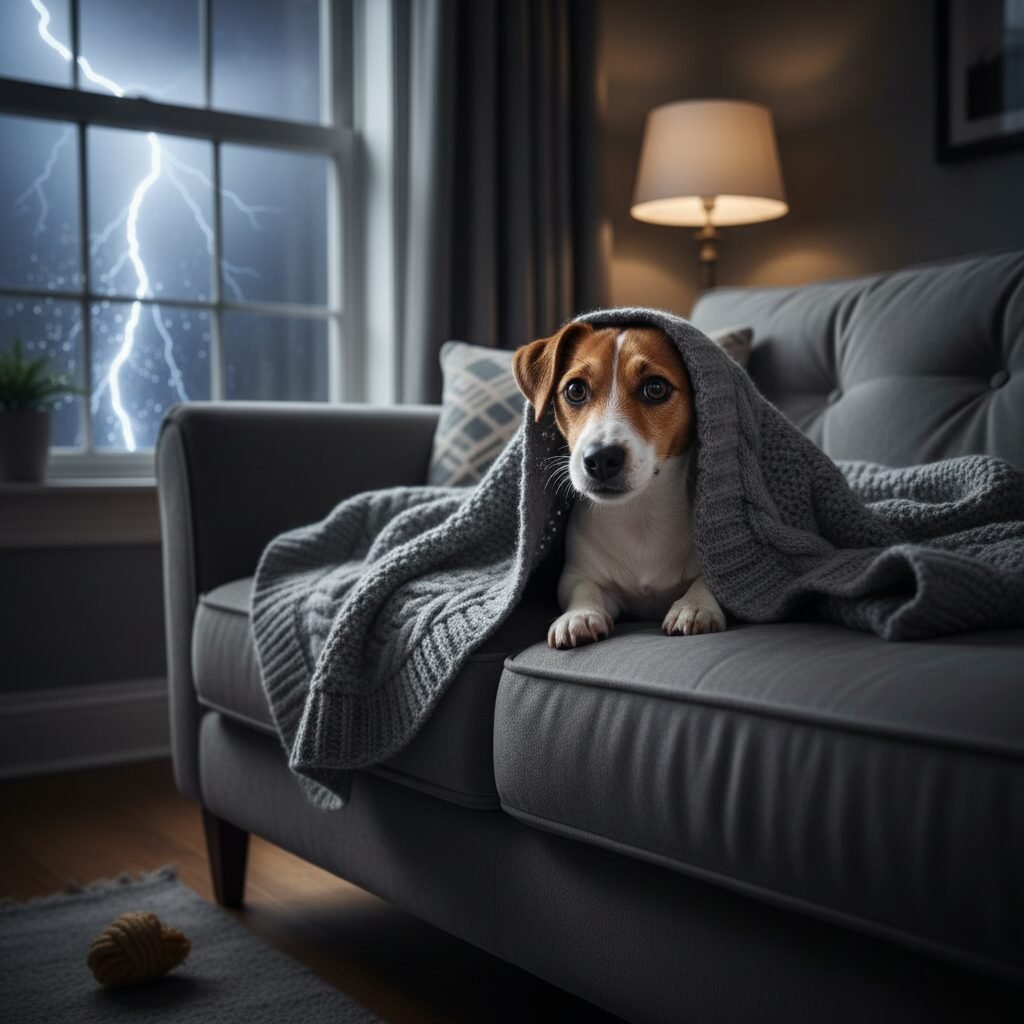
Just as excitement alters breathing, so do negative emotional states like stress, fear, and anxiety. When a puppy feels threatened or overwhelmed—by a loud noise like a thunderstorm, a new and intimidating environment, or a negative interaction—its body enters a ‘fight or flight’ response. This physiological reaction involves the release of stress hormones like cortisol and adrenaline, which cause an increased heart rate and rapid, shallow breathing. This abnormal respiratory pattern can, once again, lead to spasms of the diaphragm. You might notice hiccups starting shortly after a startling event or during a situation your puppy finds stressful, such as a car ride or a visit to the veterinarian. It is crucial to observe their body language for other signs of distress, such as whale eye (showing the whites of the eyes), pinned-back ears, a tucked tail, trembling, or excessive yawning.
The Imposter: Differentiating Hiccups from Reverse Sneezing
The Imposter: Differentiating Hiccups from Reverse Sneezing
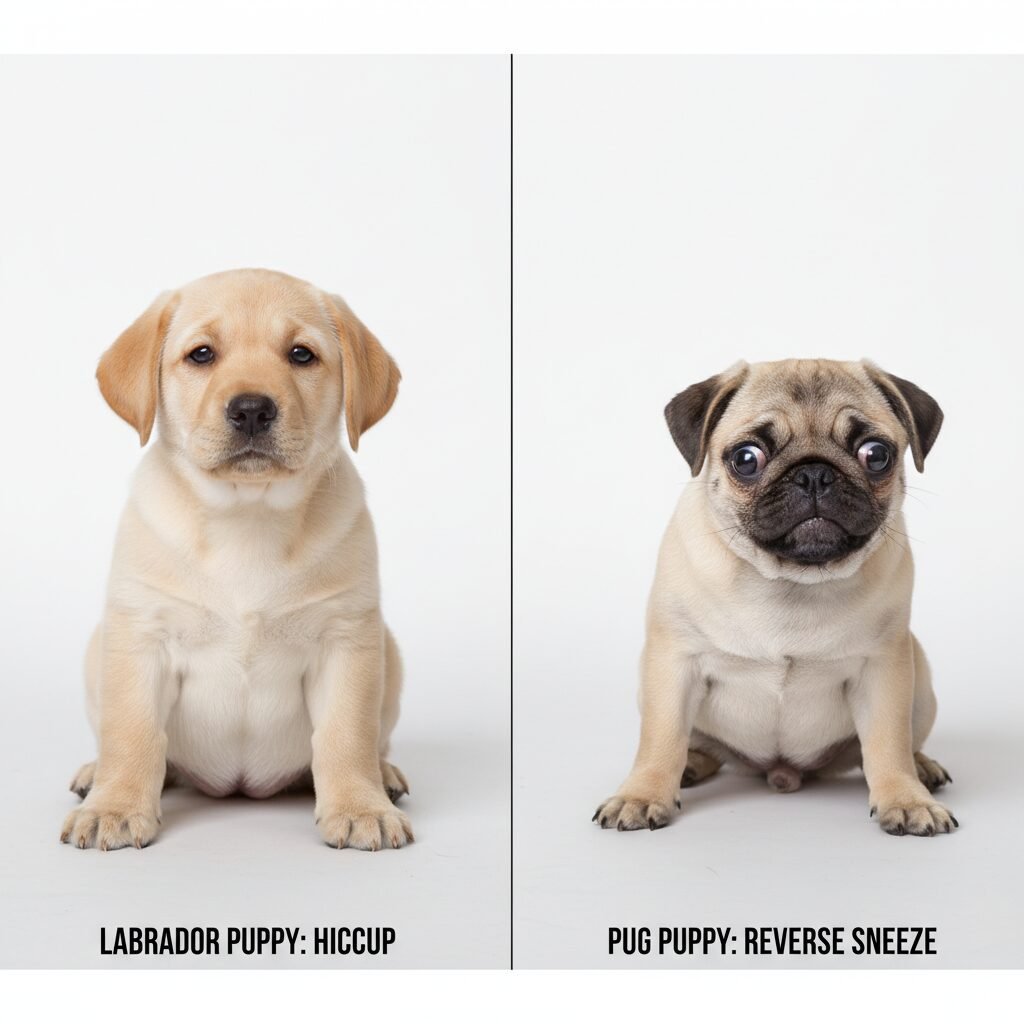
Many pet owners rush to the vet concerned about hiccups when their puppy is actually experiencing a phenomenon called paroxysmal respiration, more commonly known as a reverse sneeze. While it can be alarming to witness, a reverse sneeze is generally harmless and caused by irritation to the soft palate and throat. It is crucial to be able to distinguish between the two.
A hiccup is an inward breath stopped short, creating a ‘hic’ sound from the throat. A reverse sneeze is a rapid, forceful, and noisy inhalation through the nose, which sounds like a loud snorting or honking. The puppy will often stand still, extend its head and neck, and its chest will heave dramatically with each noisy inhalation. An episode can last from a few seconds to a minute. Understanding the difference can save you unnecessary worry.
| Characteristic | Puppy Hiccups (Singultus) | Reverse Sneezing (Paroxysmal Respiration) |
|---|---|---|
| Sound | Quiet, sharp ‘hic’ sound from the throat. | Loud, startling snorting, honking, or gasping sound from the nose. |
| Breathing Pattern | Involuntary spasm on inhalation. Rhythmic and regular. | Rapid, forceful, repeated inhalations through the nose. |
| Body Posture | Puppy can be in any position (sitting, lying, playing). Minimal body change besides a small jolt. | Puppy often stops, stands rigid, extends head and neck forward. |
| Duration | Episodes can last for several minutes. | Episodes are typically short, lasting from 30 seconds to a minute. |
Soothing the Spasms: Home Remedies for Puppy Hiccups
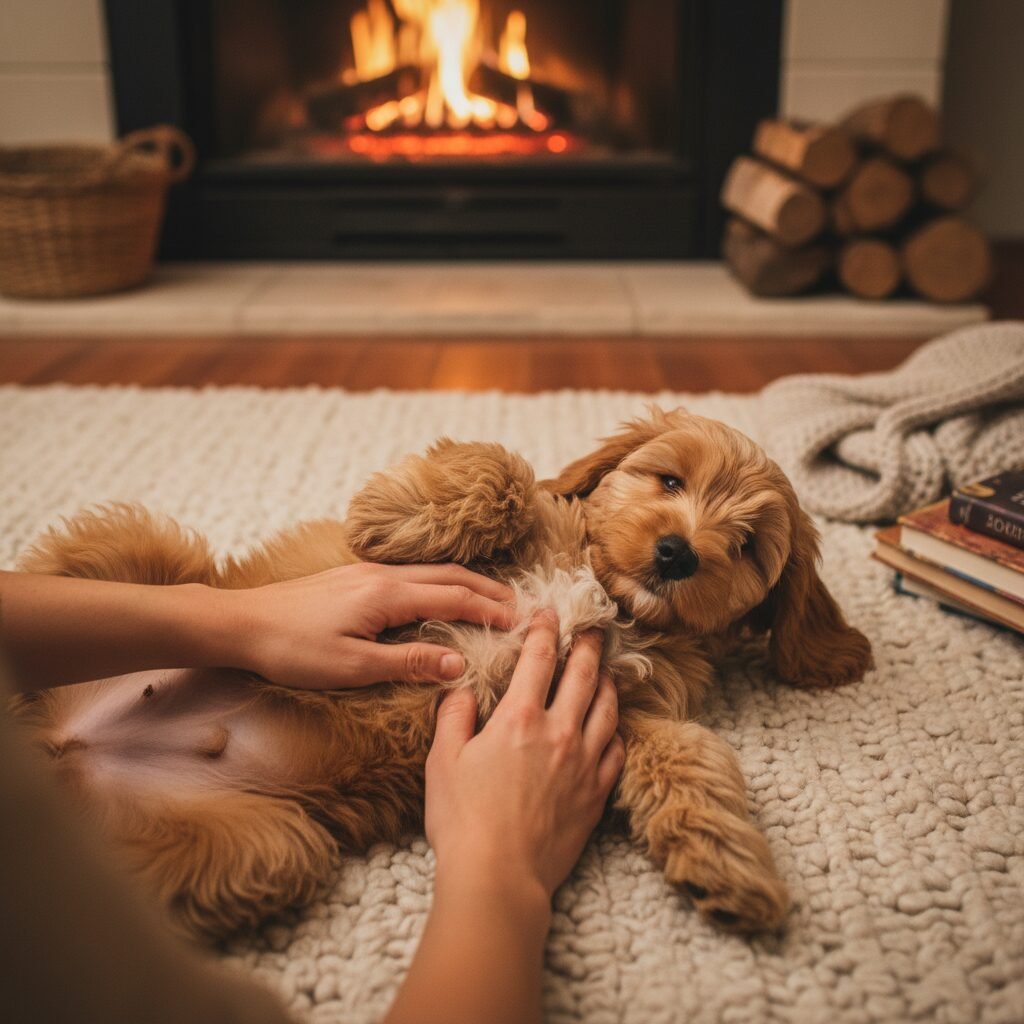
Soothing the Spasms: Home Remedies for Puppy Hiccups
In most cases, puppy hiccups will resolve on their own without any intervention. However, if a bout seems to be lasting for a while or causing your puppy discomfort, there are a few safe and gentle techniques you can try to interrupt the spasm cycle. It is imperative to avoid ‘human’ folk remedies like scaring your puppy, pulling their tongue, or forcing them to drink upside down, as these can cause fear and potential injury.
- Offer a Small Amount of Water: The act of lapping and swallowing can help reset the breathing pattern and calm the diaphragm. Do not force them to drink; simply make cool, fresh water available.
- Change their Body Position: Sometimes, simply encouraging your puppy to lie on their back for a gentle belly rub can help. This changes the position of the internal organs relative to the diaphragm and can help stop the spasms.
- Gentle Chest Massage: With your puppy in a calm state, use slow, circular motions to gently massage their chest area. This can help the diaphragm muscle relax.
- A Small Taste of Something Sweet: A tiny dab of honey or maple syrup on your finger for the puppy to lick can sometimes help. The sweetness causes a change in focus and the sticky texture encourages swallowing, which can be enough to interrupt the hiccup rhythm. Use this method sparingly due to the sugar content.
- Engage in a Calming Activity: Redirect your puppy’s attention from the hiccups to a calm activity, such as a gentle training session with a ‘sit’ or ‘down’ cue, or slow walking around the room. This changes their breathing from erratic to more controlled.
Red Flags: When to Consult Your Veterinarian
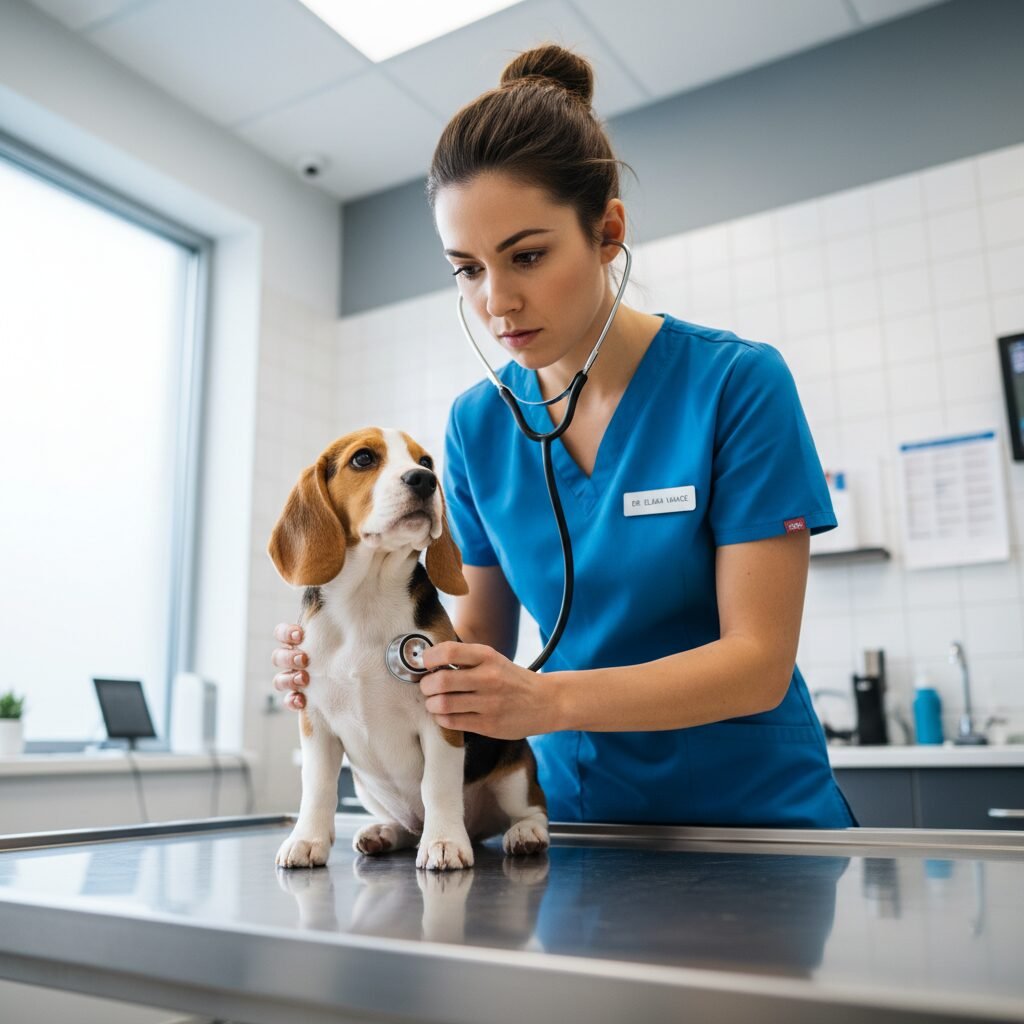
Red Flags: When to Consult Your Veterinarian
While the vast majority of puppy hiccup cases are benign and transient, they can occasionally be a symptom of a more serious underlying medical issue. It is your responsibility as an owner to be vigilant and recognize when a veterinary consultation is warranted. Do not hesitate to contact your veterinarian if you observe any of the following:
- Chronic or Persistent Hiccups: If hiccups last for more than a few hours at a time, or if they occur daily for an extended period, it’s a sign that the cause may be more than simple excitement or fast eating.
- Hiccups Accompanied by Other Symptoms: This is the most critical category of red flags. Seek immediate veterinary attention if hiccups are paired with regurgitation, vomiting, diarrhea, lethargy, loss of appetite, or obvious signs of pain.
- Changes in Sound: If the hiccups begin to sound ‘wet’ or are accompanied by a cough, wheezing, or any other noise indicating respiratory distress, it could signal a problem within the chest.
- Difficulty Breathing: Any sign of labored breathing, such as flared nostrils, breathing with an open mouth when not hot or exercising, or exaggerated chest and abdominal movements, is a medical emergency.
Persistent hiccups, though rare, can be associated with more serious conditions such as gastroesophageal reflux disease (GERD), respiratory problems (like pneumonia or asthma), or even issues affecting the central nervous system. Your veterinarian can perform a physical examination and, if necessary, recommend diagnostic tests to rule out these possibilities and ensure your puppy’s long-term health.
Conclusion
For the overwhelming majority of puppies, hiccups are a normal, harmless, and often endearing part of their development. They are typically a benign side effect of a puppy’s exuberance for life, food, and play. By implementing simple management strategies, such as using slow-feeder bowls and encouraging calm behavior, you can significantly reduce their frequency. The key to responsible ownership is not to worry about every hiccup, but to practice diligent observation. Understand your puppy’s baseline behavior so you can confidently identify when something is amiss. By knowing the difference between a normal hiccup, a reverse sneeze, and the red flags that signal a true medical concern, you are well-equipped to ensure your new companion remains happy, healthy, and safe as they grow.