Resource Guarding Between Dogs: How To Prevent A Fight Over A Squeaky Toy
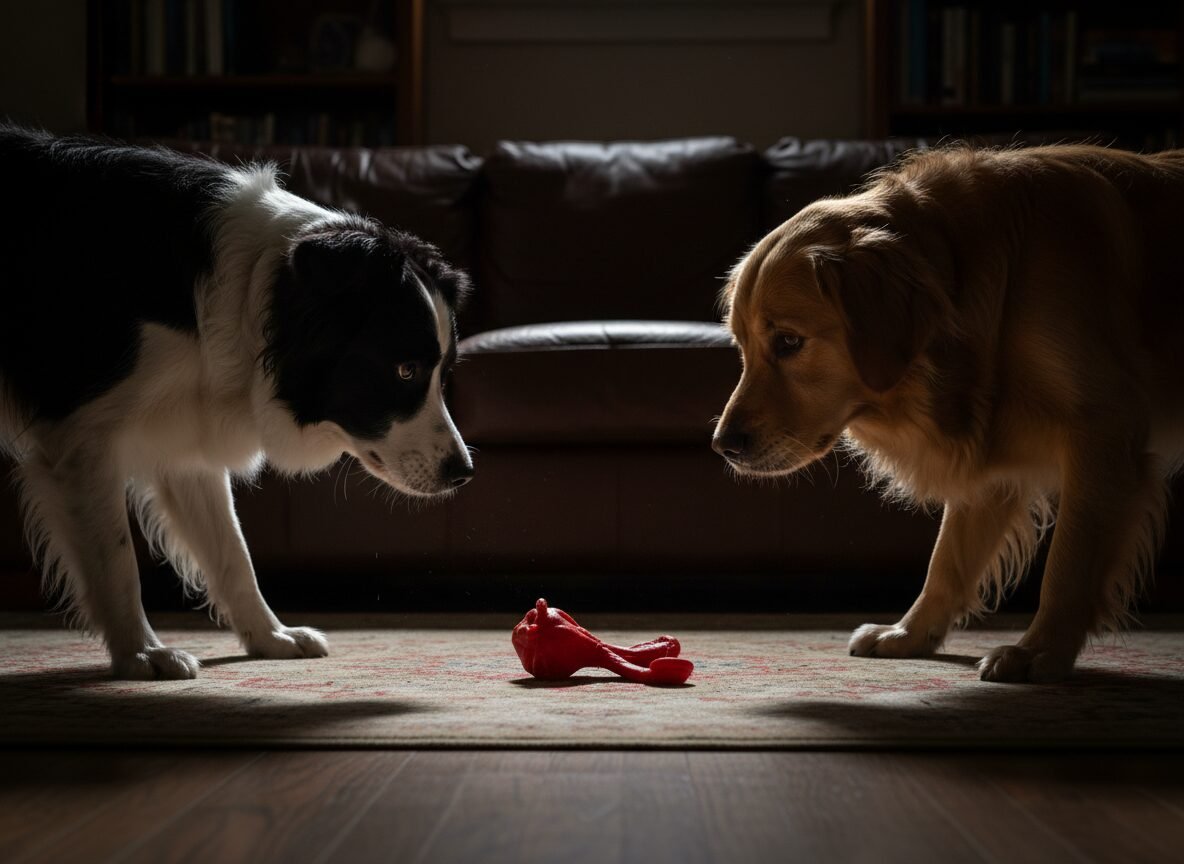
The sudden, sharp growl that erupts over a seemingly innocent squeaky toy can be a terrifying and confusing moment for any pet owner. One minute, your dogs are coexisting peacefully; the next, a conflict is brewing. This behavior, known as resource guarding, is one of the most common and misunderstood issues in multi-dog households. It is not a sign of a ‘bad’ dog, but rather a manifestation of deep-seated insecurity and instinct. Resource guarding is the act of a dog using aggression or avoidance to maintain control over a valued item, space, or even a person. The guarded item, or ‘resource,’ can be anything from a food bowl to a favorite spot on the sofa.
Understanding this behavior is the first step toward managing it. At its core, resource guarding is a natural survival mechanism. In the wild, protecting valuable resources was essential for life. While our domesticated companions no longer need to fight for their next meal, this instinct can remain. When one dog perceives another as a threat to their possession, this instinctual programming can take over. The objective of this guide is to provide you with a definitive, professional framework for understanding, managing, and ultimately modifying resource guarding behavior. We will move beyond simple fixes and delve into the canine psyche to address the root emotional state driving the conflict, ensuring the safety and well-being of all members of your household, both human and canine.
Why Do Dogs Guard Resources? Unpacking the Instinct
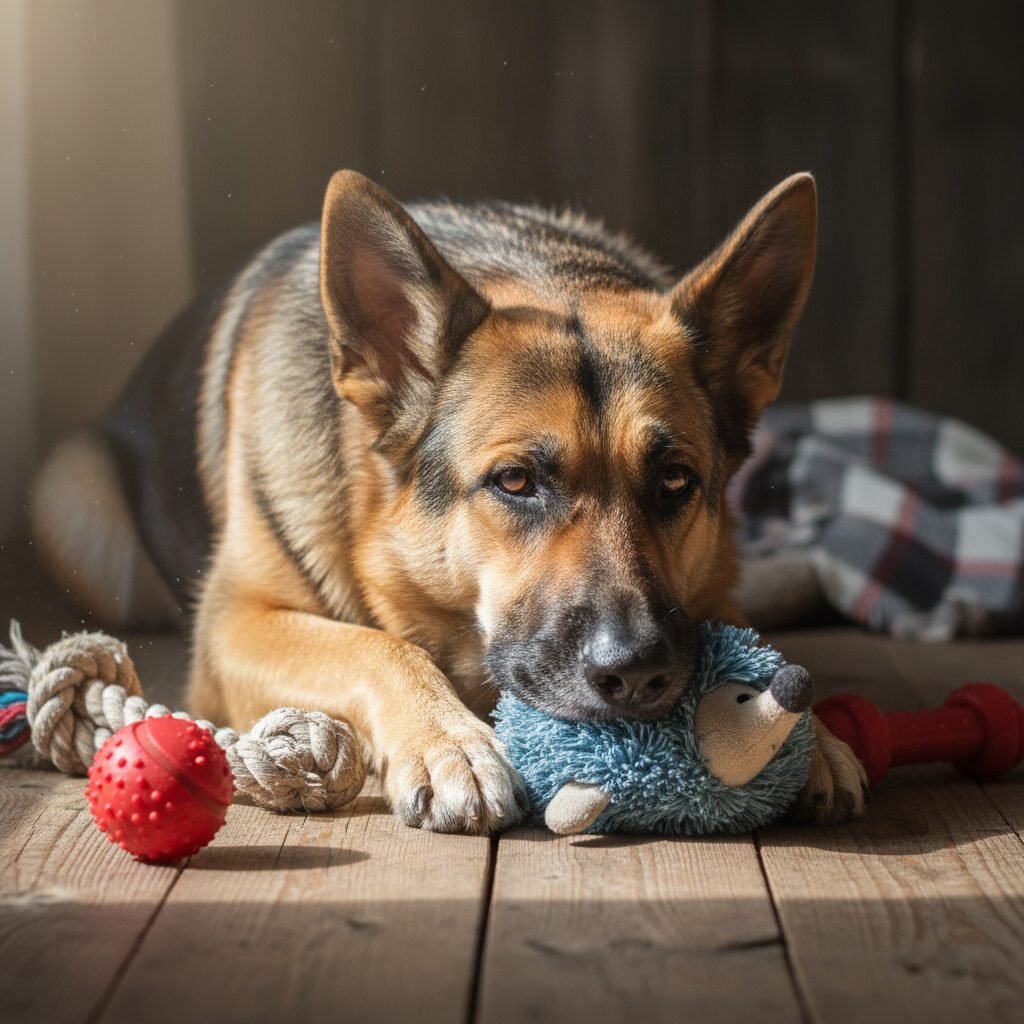
To effectively address resource guarding, we must first respect its origins. This is not a behavior born out of malice or a desire for dominance; it is driven by anxiety and a perceived need to protect what is valuable. Viewing the behavior through this lens shifts our approach from one of correction to one of support and confidence-building.
The Evolutionary Blueprint
The ancestors of our domestic dogs survived by securing and defending resources. A successful hunt meant food, but that food had to be protected from scavengers and packmates alike. This protective instinct is hardwired into the canine brain. A dog who guards a bone is, in that moment, acting on an ancient script that equates possession with survival. This doesn’t mean the behavior is acceptable in a modern home, but understanding its evolutionary roots helps us approach it with empathy rather than frustration.
Learned Behavior and Insecurity
Beyond instinct, resource guarding is often a learned behavior shaped by a dog’s life experiences. A dog from a large litter who had to compete for food may be more prone to guarding. A rescue who experienced scarcity may feel an intense need to protect every morsel. Even well-cared-for dogs can develop the behavior if they learn that growling is the only effective way to keep another dog or person from taking their prized possessions. If a dog stiffens over a toy and the other dog backs away, the guarding dog has just learned a successful strategy. The core emotion is often insecurity—the dog genuinely fears losing its valuable item. Our goal is not to punish this fear, but to replace it with a sense of security and trust.
Commonly Guarded Resources
While food and toys are the most obvious triggers, dogs can guard a surprisingly wide array of items. Recognizing the scope of the problem is critical for effective management. Resources can include:
- Food: This includes the food bowl, dropped scraps, edible chews like bully sticks, and even the entire kitchen area.
- Toys: High-value items like new squeaky toys, puzzle toys, or comfort objects are common triggers.
- Space: A dog may guard its crate, its bed, a favorite spot on the couch, or even the space around its primary human.
- People: A dog may guard one specific person from another dog, using its body to block access or growling when the other dog approaches.
Reading the Warning Signs: The Ladder of Aggression
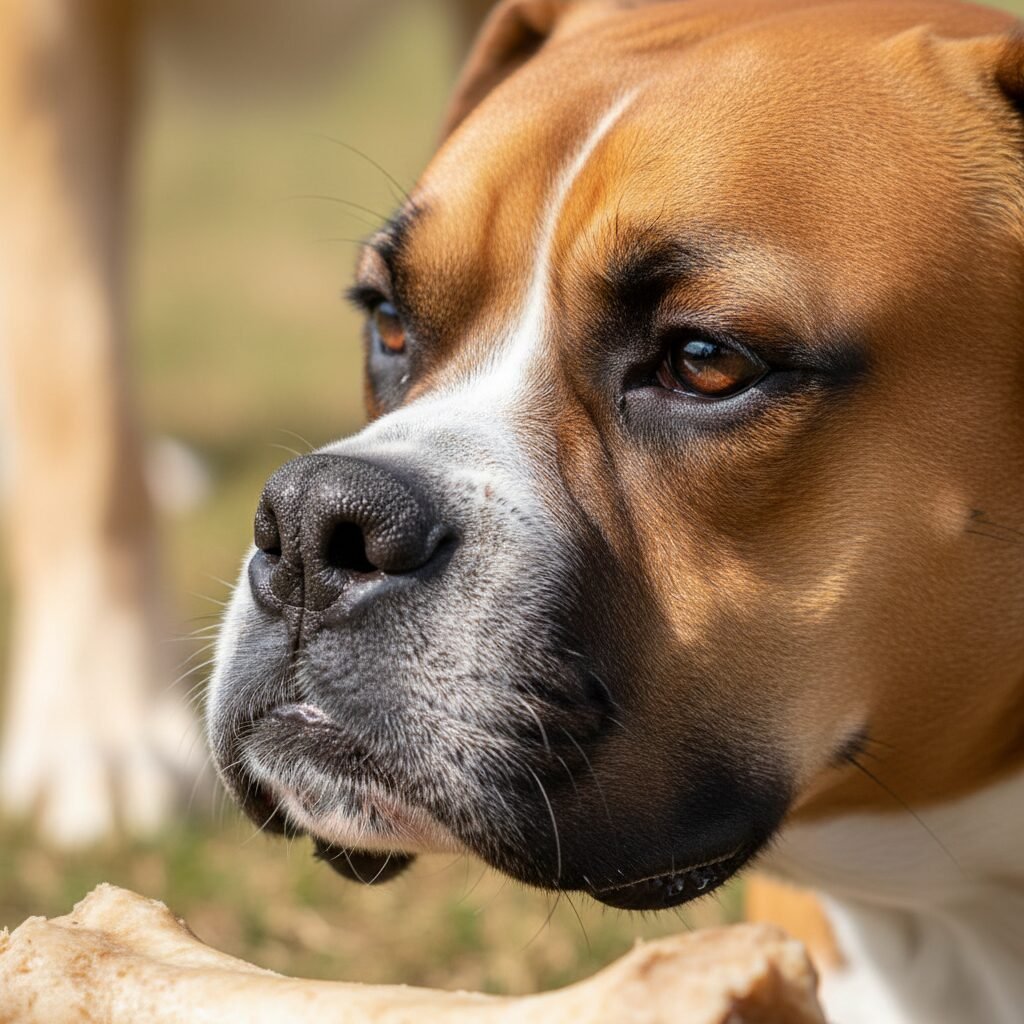
Fights between dogs rarely happen without warning. Dogs communicate their discomfort through a series of increasingly intense body language signals, often referred to as the ‘Ladder of Aggression.’ The tragedy is that humans often miss or misinterpret the earliest, most subtle rungs of this ladder. By learning to recognize these quiet pleas for space, you can intervene long before a growl or snap ever occurs.
Subtle, Early-Stage Signals
These are the first indications that a dog is feeling anxious about its resource. They are displacement behaviors and signs of stress that are easy to overlook. Intervening here is the safest and most effective strategy.
- Freezing: The dog’s entire body becomes rigid and still when another dog approaches the resource. It may stop chewing or playing and simply freeze.
- Hard Stare: The dog will fix its gaze intently on the approaching dog. This is not a friendly look; it is a clear warning.
- Head Lowering: The dog may lower its head over the item, often tucking its chin to protect its neck and keep the item secure.
- Whale Eye: The dog will avert its head slightly but keep its eyes on the perceived threat, causing the whites of the eyes (the sclera) to become visible in a crescent shape. This is a significant sign of anxiety.
- Body Blocking: The dog physically uses its body to shield the resource from the other dog, leaning over it or standing directly between the item and the approaching dog.
Escalating, Late-Stage Signals
If the subtle warnings are ignored, the dog will feel compelled to escalate its communication to make its point more clearly. These are active, unambiguous warnings.
- Lip Curling / Tooth Display: The dog will lift its lip to expose its teeth, particularly the canines. This is an unmistakable threat display.
- Low, Rumbling Growl: This is not a play growl. It is a deep, guttural sound that serves as a final auditory warning before physical action.
- Air Snap: A quick, loud snap of the jaws in the direction of the other dog, without making contact. This is a calculated ‘get back’ signal.
- Lunge and Bite: The final rung of the ladder. If all previous warnings have failed, the dog may feel it has no choice but to use its mouth to defend the resource.
By punishing the growl, you are not removing the dog’s anxiety; you are simply removing its most important warning sign. A dog that has been punished for growling may learn to bite without warning.
Management and Modification: Your Two-Pronged Approach
Successfully resolving resource guarding requires a dual strategy: management to ensure immediate safety and prevent the behavior from being practiced, and behavior modification to change the dog’s underlying emotional response. You cannot have one without the other. Management is not a failure; it is the responsible foundation upon which all successful training is built.
Pillar 1: Immediate Management for Safety
Management means changing the environment to prevent guarding situations from ever occurring. This immediately reduces stress for everyone and stops the dog from rehearsing the unwanted behavior. Every time a dog successfully guards a resource, the behavior is reinforced. Management breaks this cycle.
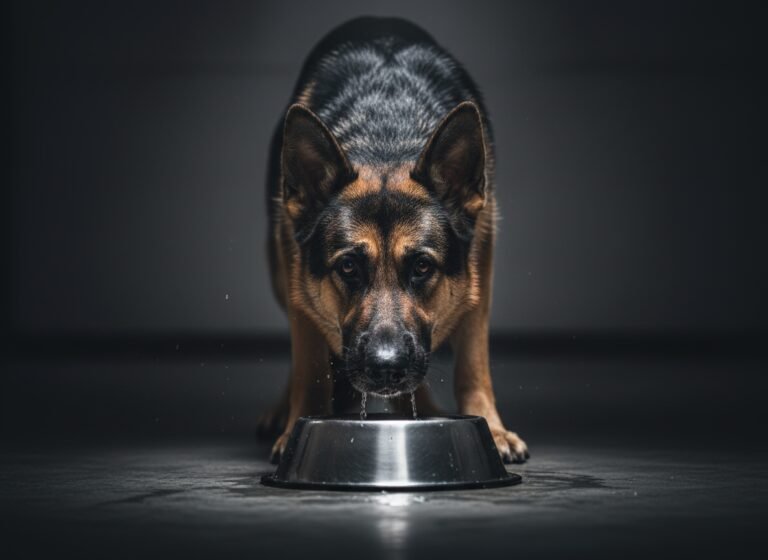
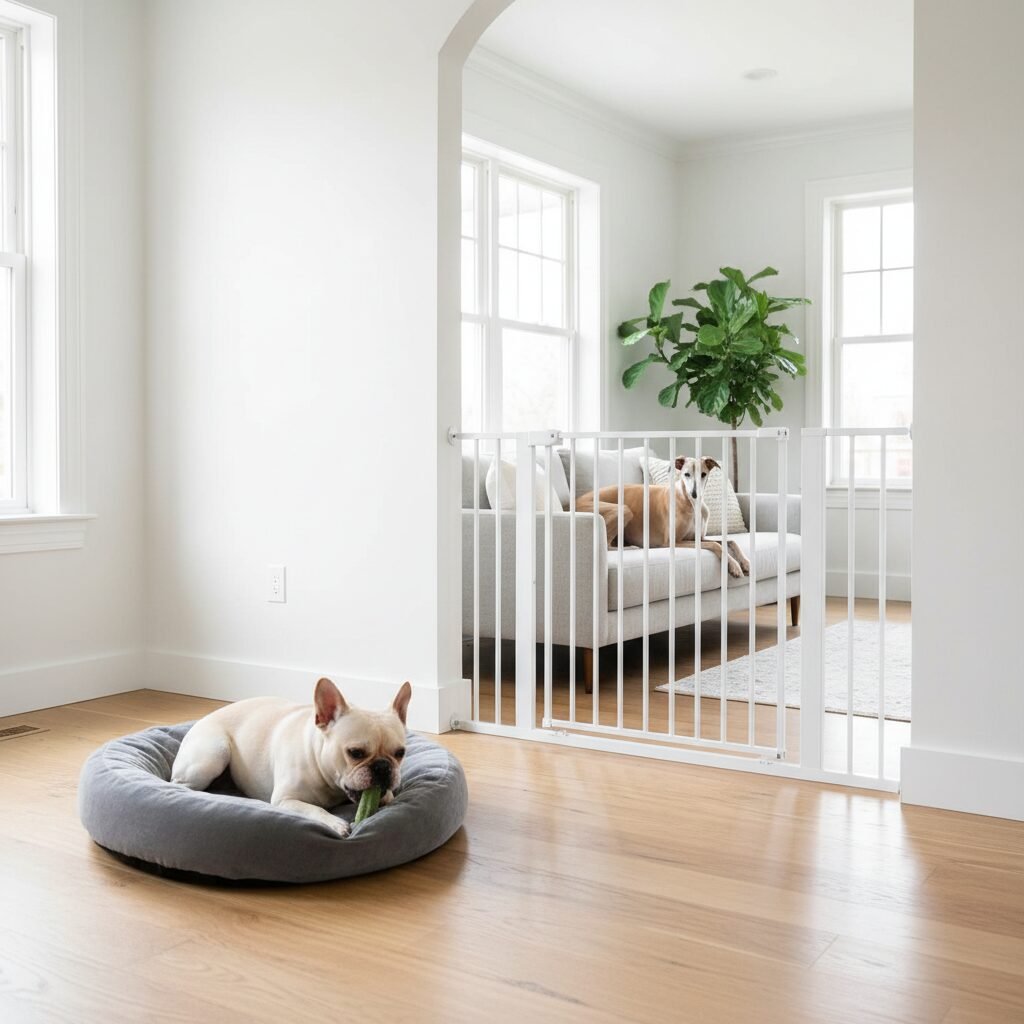
- Separate Feeding Areas: Feed your dogs in separate rooms, in their crates, or on opposite sides of a secure baby gate. Do not leave food bowls down. Pick them up as soon as each dog has finished.
- Remove High-Value Items: Until you have worked through a modification plan, all high-value items (special chews, new toys) should only be given when the dogs are physically separated.
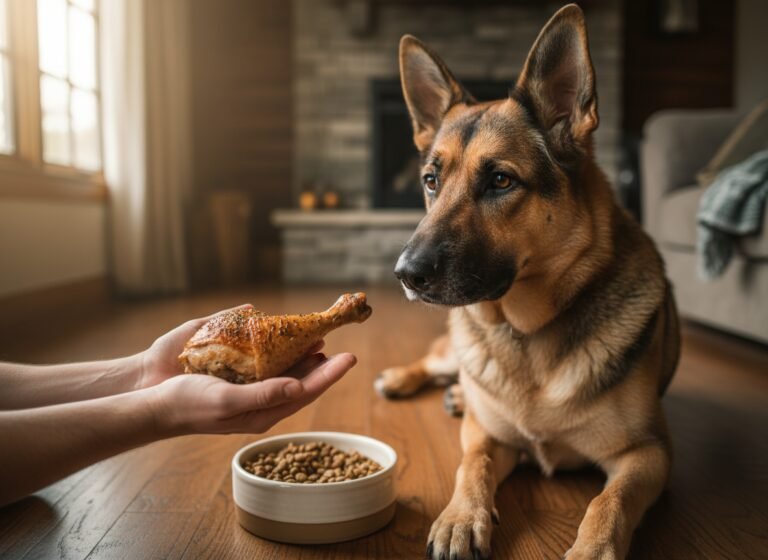
- ‘Trading Up’: Never corner your dog and forcibly take an item. Instead, teach a positive ‘trade.’ Offer a very high-value treat (like a piece of chicken) in exchange for the item they have. This builds trust and teaches the dog that your approach predicts good things, not loss.
- Utilize Physical Barriers: Baby gates, crates, and closed doors are your most valuable tools. They allow you to create safe, separate zones where each dog can enjoy a resource without fear or competition.
Pillar 2: Long-Term Behavior Modification
While management keeps everyone safe, behavior modification is what changes the dog’s mind. The goal is to use Desensitization and Counter-Conditioning (DSCC) to transform the guarding dog’s emotional response from ‘Oh no, he’s going to take my toy!’ to ‘Oh good, when he approaches my toy, something amazing happens for me!’ This process takes time and patience, but it addresses the root cause of the problem: the dog’s anxiety.
The Proactive Plan: A Step-by-Step Guide to Modifying Behavior
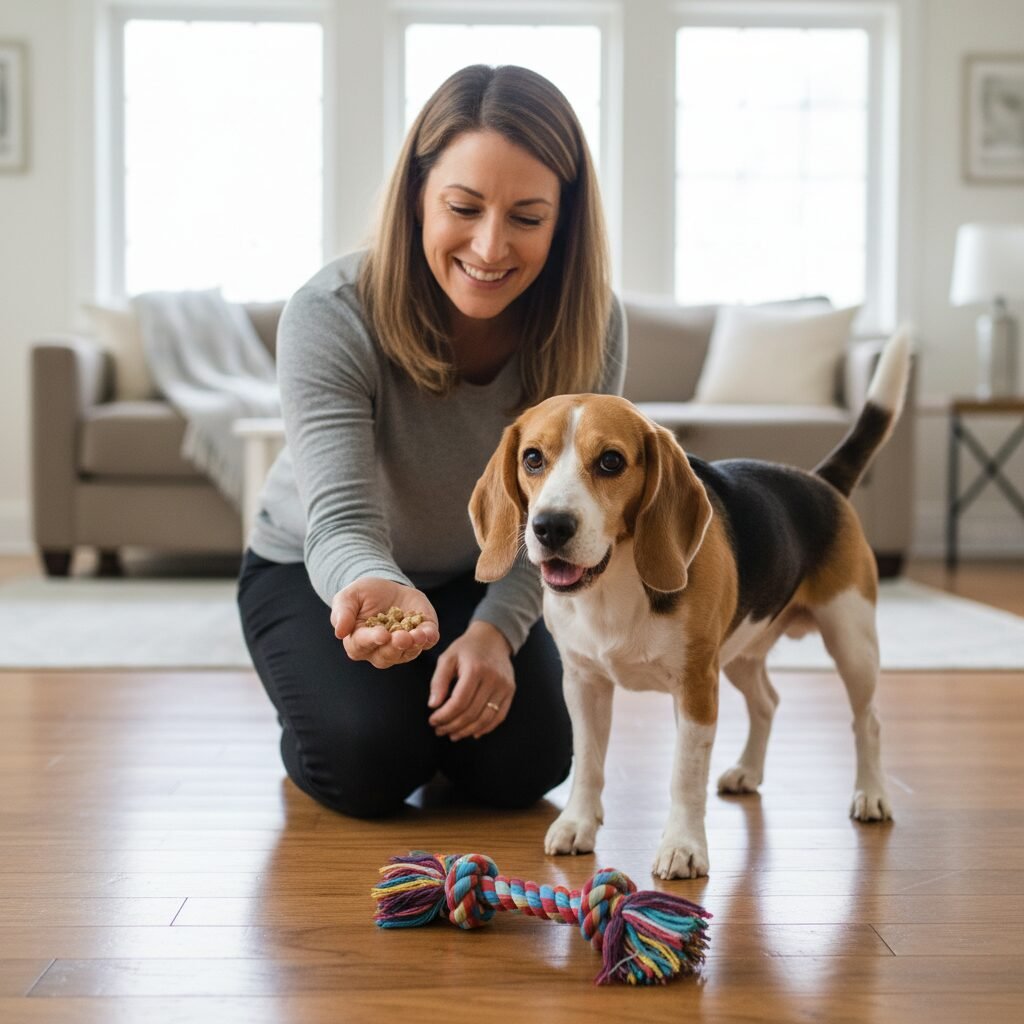
This modification plan is a systematic process designed to change your dog’s emotional response to another dog approaching a valued resource. It must be done slowly, paying close attention to the guarding dog’s body language. If at any point the dog shows signs of stress (freezing, hard stare), you have moved too fast. Simply increase the distance and work at a level where the dog remains calm and comfortable. This is about building confidence, not confrontation.
-
Step 1: Solidify Foundational Cues
Before tackling the guarding itself, ensure your dogs have a rock-solid understanding of ‘Drop It’ and ‘Leave It’ in non-confrontational settings. Practice these daily with low-value items, using positive reinforcement. For ‘Drop It,’ offer a fantastic treat in exchange for the object. For ‘Leave It,’ reward the dog for looking away from a forbidden item and looking back at you. These cues are invaluable tools for safely managing situations as you work through the modification protocol.
-
Step 2: Implement Desensitization & Counter-Conditioning (DSCC)
This is the core of the treatment. You will need two handlers, high-value treats (think boiled chicken or cheese), and two leashes for safety. Let’s call the guarding dog ‘Dog A’ and the other dog ‘Dog B’.
- Establish the Threshold: With both dogs on leash, give Dog A a medium-value toy. Have the second handler walk Dog B into the room but stop at a distance where Dog A notices Dog B but does not show any signs of guarding. This distance is your starting point, or ‘threshold.’ It might be 20 feet, or it might be across the entire house.
- Counter-Conditioning: The moment Dog A looks at Dog B, immediately say ‘Yes!’ and toss a high-value treat to Dog A. The handler for Dog B should then immediately and calmly lead Dog B out of sight. Repeat this several times. Dog A learns: The appearance of Dog B makes chicken fall from the sky.
- Gradually Decrease Distance: Over many short sessions (5 minutes max), slowly decrease the distance at which Dog B appears. Your goal is to always work ‘sub-threshold’—at a level where Dog A remains calm and relaxed. If you see any tension, you’ve moved too close, too soon. End the session on a positive note and start the next session from a greater distance.
- Introduce Movement: Once Dog B can stand nearby without issue, have the handler take one step with Dog B while you continue to reward Dog A for calm behavior. The process remains the same: Dog B’s presence and movement predict wonderful things for Dog A.
-
Step 3: Create Positive Associations Through Games
In parallel with DSCC, you can work on changing the general association between the two dogs. These exercises help build a better relationship overall, which supports the specific work on resource guarding.
- Look at That (LAT): In any neutral context, whenever Dog A looks calmly at Dog B, mark the behavior (‘Yes!’) and reward Dog A. This teaches Dog A that simply looking at the other dog is a profitable behavior.
- Parallel Play: Provide both dogs with their own high-value chew item (like a stuffed KONG) at a safe distance from each other, such as on opposite ends of a room on their own mats. This allows them to enjoy valuable resources in each other’s presence without any sense of competition, building a new history of peaceful coexistence around items.
Common Mistakes to Avoid at All Costs
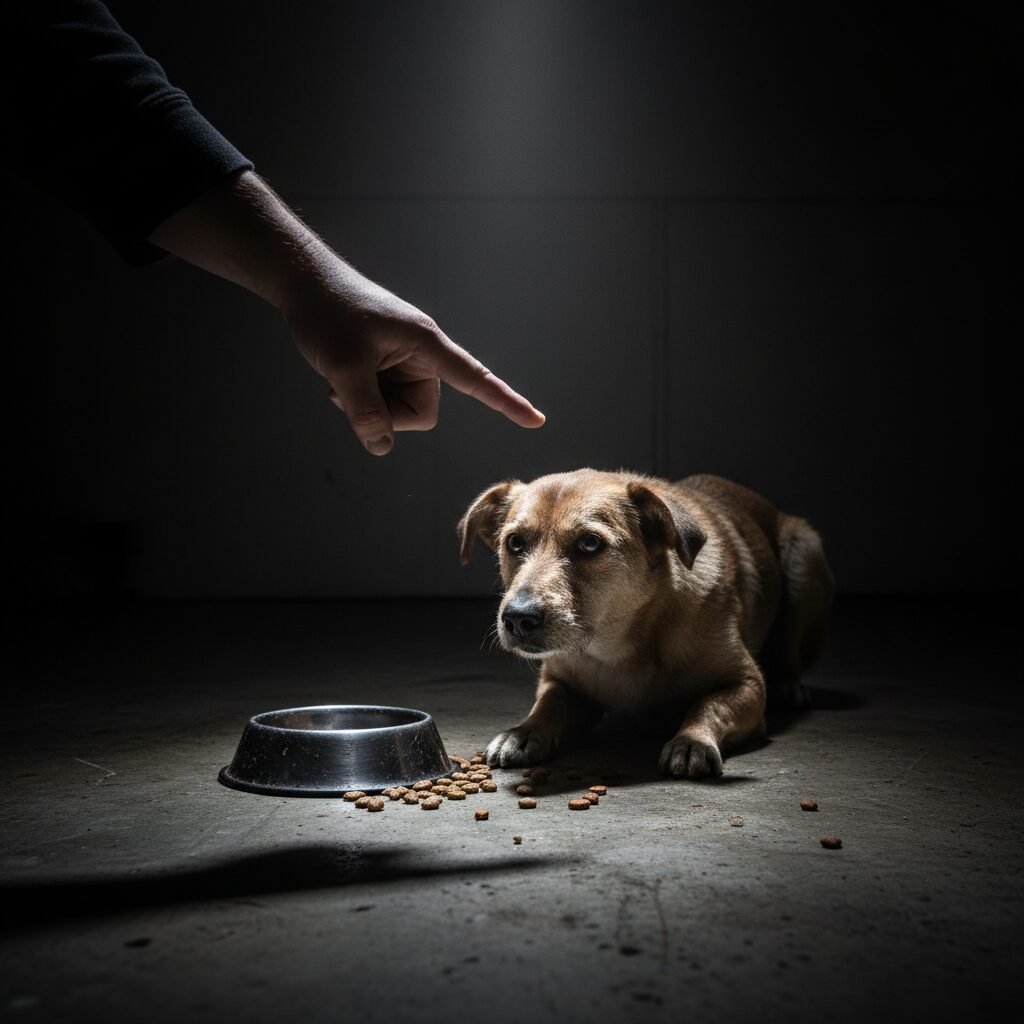
An owner’s response to a guarding incident can either de-escalate the situation or make it significantly worse. Many traditional, punishment-based methods are not only ineffective but also dangerous, as they increase the dog’s anxiety and can suppress warning signals, leading to a dog that bites without growling first.
- Using Physical or Verbal Punishment: Yelling ‘No!’, hitting the dog, or using techniques like an ‘alpha roll’ will backfire. You are confirming the dog’s fear that the approaching party (you or the other dog) is a threat to their resource. This erodes trust and increases the likelihood of a defensive, aggressive response in the future.
- Forcibly Taking an Item Away: Reaching in and snatching a guarded item from a dog is a recipe for getting bitten. It validates the dog’s belief that it must guard aggressively to keep its possessions. Always opt for the ‘trade up’ method instead.
- Letting the Dogs ‘Work It Out’: This is a dangerous myth. Dogs do not ‘work out’ aggression issues in a way that is safe or productive in a domestic setting. This approach allows the behavior to be rehearsed and reinforced, and it puts both dogs at risk of severe physical and psychological trauma. It is the owner’s responsibility to intervene and provide a safe environment.
- Flooding: Do not force the dogs into close proximity around a resource, thinking you can ‘show them’ there is nothing to worry about. This technique, known as flooding, overwhelms the dog’s emotional capacity and can lead to a shutdown state or a major aggressive outburst. All behavior modification must be done gradually and at the dog’s pace.
Knowing When to Seek Professional Help
While many mild cases of resource guarding can be managed and improved with the protocols outlined here, it is crucial to recognize when a situation requires professional intervention. Aggression is a serious issue, and the safety of your dogs and your family is paramount. Do not hesitate to seek help from a qualified expert.
Red Flags That Require a Professional
Contact a professional immediately if you observe any of the following:
- The aggression is escalating. The guarding is becoming more frequent, more intense, or is being directed toward a wider range of items.
- A bite has occurred. If a dog has made contact with another dog or a person and broken skin, professional guidance is no longer optional—it is essential for safety.
- The guarding is unpredictable. If you cannot reliably predict what will trigger the dog or how severe the reaction will be, you need an expert to help you assess the situation.
- You feel afraid or overwhelmed. It is okay to admit that the situation is beyond your ability to handle alone. Your own safety and peace of mind are important.
Finding the Right Professional
The field of dog training is unregulated, so it is vital to find a professional with the right credentials and a commitment to humane, science-based methods. Look for the following qualifications:
- Veterinary Behaviorist (DACVB): A veterinarian who has undergone extensive, specialized training in animal behavior and can diagnose and treat behavioral issues, including prescribing medication if necessary.
- Certified Applied Animal Behaviorist (CAAB): A professional with a Ph.D. or Master’s degree in animal behavior.
- Certified Dog Behavior Consultant (CDBC): A consultant certified by the International Association of Animal Behavior Consultants (IAABC).
- Certified Professional Dog Trainer (e.g., CPDT-KA, KPA-CTP): Look for trainers with certifications that require continuing education and a commitment to positive reinforcement methodologies, and specifically ask about their experience with inter-dog aggression and resource guarding cases.
Conclusion
Resource guarding between dogs is a complex and serious behavior, but it is not an insurmountable one. By shifting your perspective from one of discipline to one of empathy and support, you can begin to address the underlying anxiety that fuels the conflict. The path forward is paved with diligent management to ensure safety and consistent, patient behavior modification to build new, positive associations. Remember that every interaction is a learning opportunity. Celebrate small successes, never punish a growl, and always prioritize the emotional well-being of your dogs.
Creating a peaceful multi-dog home is a journey of trust-building. Your role is not that of a disciplinarian, but of a benevolent leader and a trusted guardian who ensures that every member of the pack feels safe and secure. By implementing the strategies in this guide and seeking professional help when needed, you can restore harmony and ensure that the only things shared in your home are companionship and affection, not conflict over a squeaky toy.