Regret Getting A Puppy? The Truth About “Puppy Blues” Depression

The decision to bring a puppy into your life is often painted in idyllic strokes: joyful romps in the park, warm cuddles on the sofa, and the unwavering loyalty of a new best friend. The reality, however, can be a stark and jarring contrast. Instead of pure bliss, you may find yourself grappling with feelings of anxiety, frustration, and a profound sense of regret. If you’ve ever thought, “I’ve made a terrible mistake,” you are not a bad person, and you are certainly not alone. You are likely experiencing the ‘puppy blues.’
The puppy blues are a surprisingly common emotional response to the significant life change that a new puppy brings. It is a period of intense adjustment characterized by feelings of being overwhelmed and even depressed by the new responsibilities. This guide serves as an authoritative resource to help you understand the complex psychology behind this phenomenon, recognize its symptoms, and implement effective, professional-grade strategies to navigate this challenging but temporary phase. We will move beyond the guilt and into a place of understanding, action, and ultimately, a deep and rewarding connection with your canine companion.
What Exactly Are the ‘Puppy Blues’?

The term ‘puppy blues’ describes a transitional period of negative emotions that can surface in the first few days, weeks, or even months after acquiring a puppy. It is not a formal clinical diagnosis, but it shares many characteristics with situational anxiety and depression. The core of the experience is the jarring collision between the fantasized ideal of puppy ownership and the demanding, often chaotic, reality.
Owners experiencing puppy blues feel a sense of being trapped and mourn their ‘old life.’ The sudden loss of freedom, the constant demands of a dependent creature, and the sheer exhaustion can create a perfect storm of emotional distress. It is crucial to differentiate this from a genuine mismatch between owner and dog, or from clinical depression, which is more pervasive and may require medical intervention. The puppy blues are directly tied to the new circumstances; they are a reaction to a massive, albeit voluntary, life upheaval. Understanding this is the first step toward managing it. These feelings do not reflect your capacity to love or care for your dog; they reflect your humanity in the face of an immense challenge.
The Psychological Triggers: Why Do We Feel This Way?
The intense emotions associated with puppy blues are not arbitrary; they are rooted in significant psychological and lifestyle shifts. Recognizing these triggers is essential for contextualizing your feelings and beginning to address them.
The Shock of Reality vs. Expectation
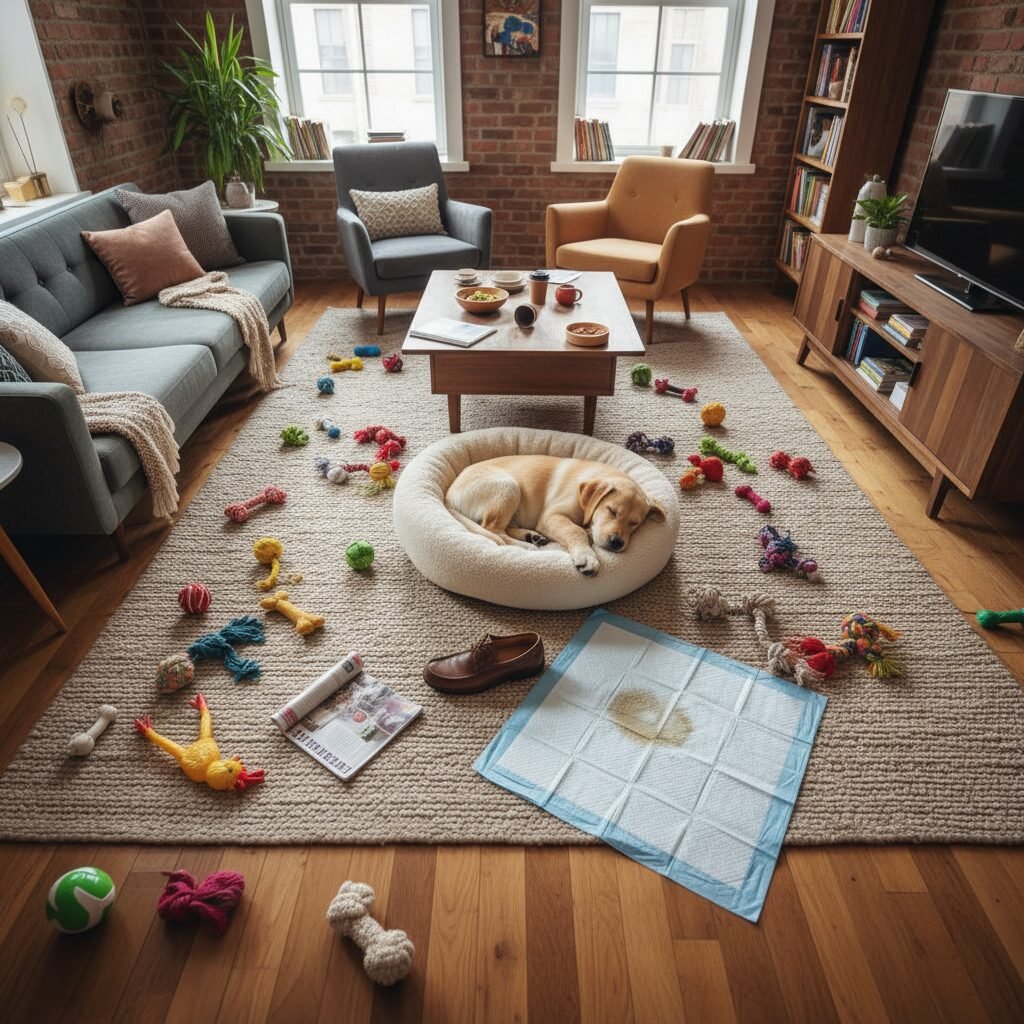
Social media feeds are saturated with highlight reels of perfect puppies sleeping soundly or performing adorable tricks. The reality is far less glamorous. It involves cleaning up urine from your favorite rug at 3 a.m., nursing needle-sharp teeth marks on your hands, and sacrificing your personal belongings to a determined chewer. This chasm between the curated ideal and the messy truth can lead to feelings of disappointment and disillusionment.
Severe Sleep Deprivation
The impact of interrupted sleep cannot be overstated. A new puppy’s schedule, with its requisite nighttime potty breaks and early morning wake-up calls, is neurologically disruptive. Chronic sleep deprivation is clinically linked to increased irritability, impaired cognitive function, mood swings, and heightened anxiety. Your brain and body are running on empty, which naturally makes coping with any additional stressor feel impossible.
Loss of Freedom and Spontaneity
Your life is no longer entirely your own. Simple acts like running to the grocery store, meeting friends for dinner, or even taking a long shower now require complex logistical planning. This abrupt loss of autonomy can feel suffocating, leading to resentment and a sense of being tethered. You are mourning a past life of spontaneity that you may have taken for granted.
Constant Hyper-Vigilance
A puppy requires near-constant supervision to prevent destructive behavior and ensure its safety. This state of hyper-vigilance is mentally exhausting. Your mind is perpetually occupied with questions: What is the puppy chewing on now? Does he need to go outside? Is he safe? This relentless mental load, known as ‘cognitive overhead,’ contributes significantly to burnout and anxiety.
Financial and Social Pressures
The financial commitment of a puppy—including vet bills, high-quality food, training classes, and supplies—can be a source of significant stress. Compounding this is a perceived social pressure to be the ‘perfect’ dog owner. Admitting you are struggling can feel like a personal failure, leading to isolation and shame, which only exacerbates the negative feelings.
Recognizing the Symptoms of Puppy Blues

The symptoms of puppy blues can manifest both emotionally and physically. While every individual’s experience is unique, there are common signs to be aware of. Recognizing these in yourself is not a sign of weakness, but of self-awareness.
- Pervasive Anxiety: A constant state of worry about the puppy’s health, behavior, and your ability to care for it properly.
- Feelings of Regret or Resentment: Intrusive thoughts that getting the puppy was a mistake, coupled with feelings of resentment toward the animal for upending your life.
- Irritability and Impatience: Snapping at the puppy, your partner, or family members over minor issues due to stress and exhaustion.
- Frequent Crying Spells: Feeling overwhelmed to the point of tears with little provocation.
- Difficulty Bonding: Feeling detached or unable to form the loving connection you expected to have with your puppy.
- Social Withdrawal: Avoiding friends and activities you once enjoyed because of the puppy’s demands or your emotional state.
- Loss of Appetite or Changes in Sleep Patterns: Physical manifestations of stress that go beyond the puppy-induced sleep interruptions.
- Guilt and Shame: Feeling immense guilt over your negative emotions, believing that a ‘good’ owner wouldn’t feel this way.
If these symptoms persist for more than a few weeks or begin to severely impact your daily functioning, it is important to consider that they may be indicative of a more serious issue like clinical depression.
Actionable Strategies for Overcoming Puppy Blues

Navigating the puppy blues requires a proactive, multi-faceted approach that addresses the needs of both you and your puppy. These strategies are designed to restore a sense of control, reduce chaos, and build a positive foundation for your relationship.
Establish a Rigid Structure and Routine
Puppies, like human children, thrive on predictability. A consistent schedule is your most powerful tool for managing puppy behavior and your own sanity. It helps with house training, prevents destructive behavior born of boredom, and lets the puppy know what to expect. This, in turn, reduces your anxiety because you have a clear plan.
| Time | Activity | Purpose |
|---|---|---|
| 7:00 AM | Wake Up & Potty Break | Establish a consistent wake-up time, immediate potty success. |
| 7:15 AM | Meal Time (in crate or playpen) | Creates positive association with containment areas. |
| 7:45 AM | Potty Break & Short Walk/Play Session | Energy expenditure and another potty opportunity. |
| 8:30 AM | Enforced Nap (in crate) | Prevents overtiredness; provides owner with a break. |
| 10:30 AM | Potty Break & Training Session (5-10 mins) | Mental stimulation and bond building. |
| 11:00 AM | Supervised Free Time / Puzzle Toy | Encourages appropriate independent play. |
| 12:30 PM | Meal Time & Potty Break | Midday feeding and relief. |
| 1:00 PM | Enforced Nap (in crate) | Crucial afternoon downtime for puppy and owner. |
This schedule should be adapted for your puppy’s specific age and bladder capacity, continuing throughout the day with alternating periods of engagement, feeding, and rest.
Enforce Crate Training and Enforced Naps
Many new owners resist crate training, viewing it as a punishment. From a behavioral standpoint, this is a misconception. A crate, when introduced properly, serves as a safe, den-like space for your puppy. More importantly, it facilitates enforced naps. Puppies require 18-20 hours of sleep per day. An overtired puppy is a destructive, nippy, and unruly puppy. By scheduling 1-2 hour naps in the crate after periods of activity, you prevent behavioral issues and, critically, you give yourself guaranteed, puppy-free time to work, rest, or simply decompress.
Delegate and Ask for Help
You do not have to do this alone. If you have a partner, family, or roommates, create a shared schedule of responsibilities. Communicate your needs clearly. If you are the primary caregiver, do not be afraid to ask a friend to watch the puppy for an hour. Consider hiring a dog walker for one walk a day or enrolling the puppy in a reputable daycare for a half-day once or twice a week (once fully vaccinated). Investing in support is an investment in your own well-being.
Prioritize Your Own Self-Care
Your puppy’s well-being is directly dependent on your own. You cannot pour from an empty cup.
This is non-negotiable. Make a conscious effort to sleep when the puppy sleeps. Eat nutritious meals, not just snacks grabbed in haste. Each day, schedule at least 30 minutes of ‘you’ time where you are physically separate from the puppy. Leave the house. Go for a walk, get a coffee, listen to music. This small act of reclaiming your identity is vital for your mental health.
Adjust Your Expectations and Celebrate Small Wins
Let go of the pursuit of perfection. There will be accidents. Your puppy will chew something valuable. You will lose your patience. This is all part of the process. Instead of focusing on the setbacks, shift your mindset to celebrating small victories. Did the puppy go a whole day without a potty accident? Acknowledge it. Did you survive a difficult teething phase? Congratulate yourself. Progress, not perfection, is the goal.
The Critical Role of Environmental Management
A significant portion of puppy-related stress comes from constantly reacting to unwanted behaviors. Proactive environmental management shifts your role from a reactive disciplinarian to a calm, prepared leader. The goal is to set your puppy up for success, which in turn reduces your frustration.
Begin by thoroughly puppy-proofing your home. Get down on your hands and knees to see the world from their perspective. Secure loose electrical cords, move toxic plants, and put away valuable items like shoes, remote controls, and children’s toys. This isn’t just about protecting your belongings; it’s about preventing dangerous situations for your puppy.
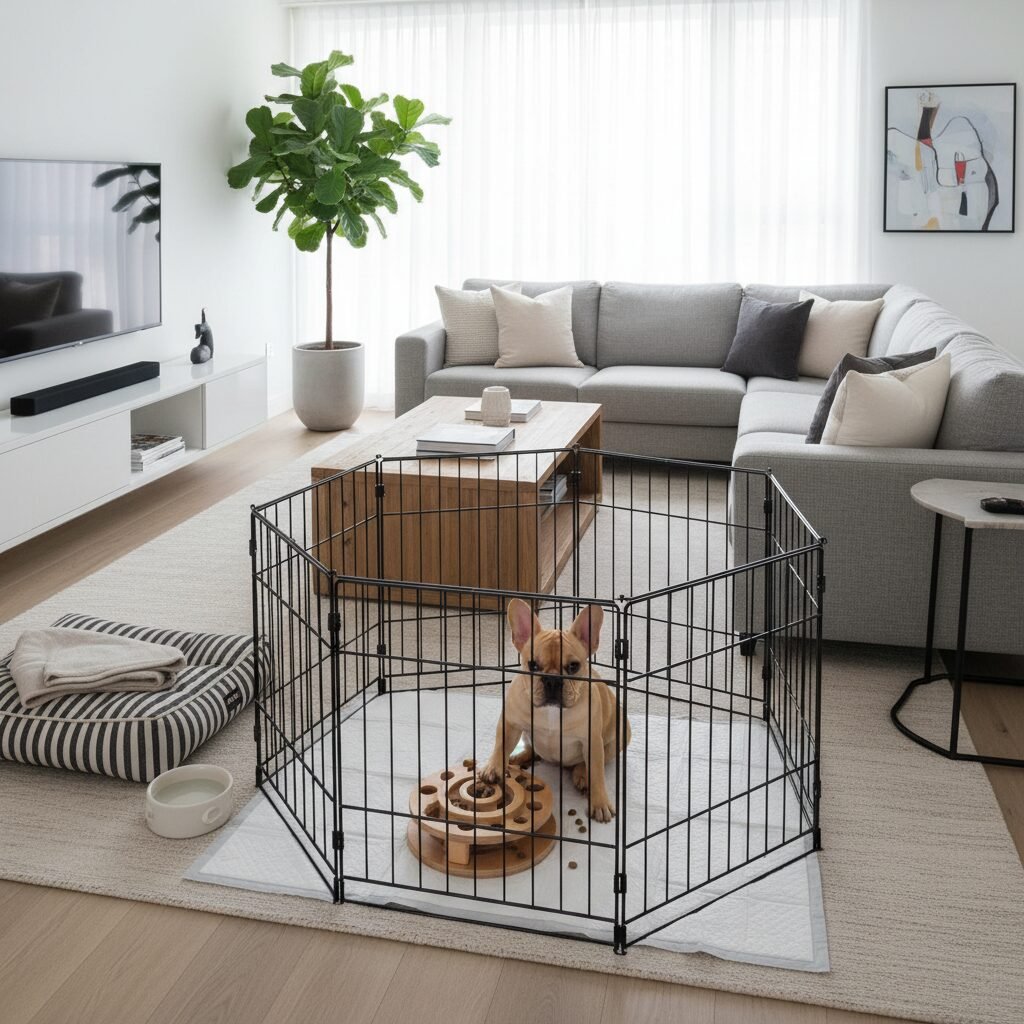
Utilize management tools like baby gates, exercise pens (x-pens), and tethers. It is neither practical nor necessary for a puppy to have unsupervised access to your entire home. Use gates to block off certain rooms. Set up a playpen in your main living area with a comfortable bed, fresh water, and a variety of safe chew toys. This creates a puppy-safe zone where they can be contained without being isolated. A tether can be used to keep the puppy close to you while you are working or cooking, preventing them from wandering off and getting into trouble. By controlling the environment, you reduce the number of times you have to say ‘no,’ creating a more positive and less stressful dynamic for everyone.
When to Seek Professional Help

While the puppy blues are typically a temporary phase, it is vital to recognize when your feelings may indicate a more serious underlying issue, or when your puppy’s behavior requires expert intervention.
For Your Own Mental Health
If your symptoms of anxiety, sadness, or hopelessness are not improving after several weeks, if they are worsening, or if they are significantly impairing your ability to function at work or in your personal relationships, it is time to consult a healthcare professional. Your primary care doctor or a licensed therapist can help you determine if you are experiencing clinical anxiety or depression, which may require treatment such as therapy or medication. Your mental health is the priority.
For Your Puppy’s Behavior
If you are struggling with specific, severe behavioral issues such as excessive biting, resource guarding, or separation anxiety, do not hesitate to hire a certified professional. Look for a Certified Professional Dog Trainer (CPDT-KA) or a Certified Dog Behavior Consultant (CDBC). These professionals can provide you with a customized training plan and the coaching you need to manage difficult behaviors. Investing in professional guidance early can prevent small problems from escalating into major, long-term issues, ultimately reducing your stress and improving your relationship with your dog.
Conclusion
The journey through the puppy blues is a challenging one, paved with moments of doubt and exhaustion. It is essential to remember that these feelings are a normal reaction to a major life event. They are not a reflection of your character or your potential as a dog owner. By implementing structure, managing the environment, prioritizing your own well-being, and adjusting your expectations, you can navigate this difficult period. Be patient with your puppy, but more importantly, be patient and compassionate with yourself.
On the other side of this tumultuous phase lies the relationship you always imagined. The hard work you invest now in training and bonding will forge a connection of unparalleled depth and loyalty. The chaos will subside, a routine will emerge, and the overwhelming responsibility will transform into a profound and joyful companionship. Trust the process, and know that the reward is well worth the struggle.