Why Dogs Scoot Their Butts on the Carpet (It’s Gross, But Important)
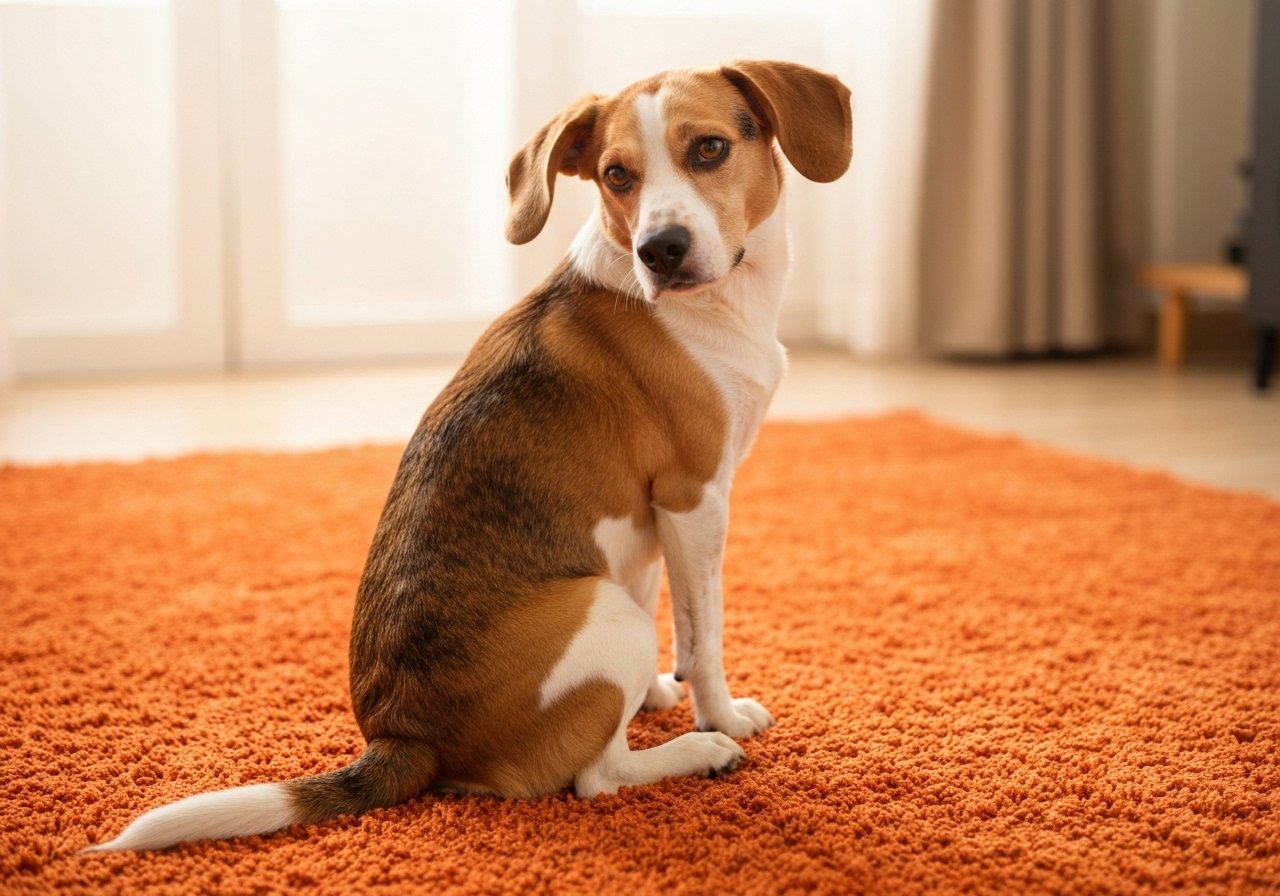
The sight is familiar to many dog owners: your beloved companion suddenly plants their rear on the floor and pulls themselves forward with their front paws. This behavior, commonly known as scooting, often elicits a chuckle or a cringe. While it may seem like a quirky or unhygienic habit, it is almost always a sign of discomfort, irritation, or pain. A dog doesn’t scoot for amusement; they do it to alleviate an issue they can’t address otherwise.
Understanding the root cause of scooting is essential for any responsible pet owner. It’s a clear communication signal from your dog that something is wrong. The problem can range from minor and easily treatable to a symptom of a more serious underlying health condition. Ignoring this behavior can lead to worsening pain, infection, and unnecessary suffering for your pet. This comprehensive guide will delve into the primary medical reasons behind scooting, helping you identify potential problems and understand the appropriate steps to take, including when professional veterinary intervention is crucial.
The Primary Culprit: Anal Gland Issues
The Primary Culprit: Anal Gland Issues
By far the most common reason for a dog to scoot is trouble with their anal glands. All dogs have two small sacs located just inside their anus, one on each side at roughly the four o’clock and eight o’clock positions. These glands produce a pungent, oily fluid that is normally expressed in small amounts during defecation, serving as a unique scent marker. However, when these glands don’t empty properly, problems arise.
Anal Gland Impaction
Impaction occurs when the fluid inside the sacs becomes thick and pasty, preventing it from being expressed naturally. The glands become full, swollen, and uncomfortable, prompting the dog to scoot in an attempt to relieve the pressure. Several factors can contribute to impaction:
- Diet: A diet lacking sufficient fiber can result in soft stools that don’t apply enough pressure to empty the glands during defecation.
- Anatomy: Some dogs, particularly smaller breeds like Chihuahuas, Poodles, and Lhasa Apsos, may have glands positioned in a way that makes natural expression difficult.
- Obesity: Excess body weight can interfere with the normal emptying of the anal sacs.
Infections and Abscesses
If an impacted gland is not addressed, it can become infected. Bacteria can multiply in the trapped fluid, leading to a painful infection. You might notice redness, swelling, and your dog may be more sensitive or aggressive if you touch the area. An untreated infection can progress into an abscess, which is a contained pocket of pus. An abscess is extremely painful and can rupture through the skin, creating an open, draining wound that requires immediate veterinary attention.
Expert Tip: While some groomers offer anal gland expression, this procedure is best performed by a veterinary professional. Improper technique can cause pain, inflammation, and tissue damage, worsening the problem. Your veterinarian can also diagnose underlying issues like infection that a groomer cannot.
Symptoms of anal gland problems include not only scooting but also excessive licking or biting at the rear, a strong, fishy odor, and sometimes crying or whimpering during defecation.
Internal Parasites: An Unseen Irritant

Internal Parasites: An Unseen Irritant
Another significant cause of perianal itching that leads to scooting is an infestation of intestinal worms, most notably tapeworms. While the thought of parasites is unpleasant, they are a common and treatable issue in dogs.
Tapeworms
Tapeworms are the most frequent parasitic cause of scooting. Dogs typically become infected with tapeworms by ingesting a flea that is carrying tapeworm larvae. Once inside the dog’s intestines, the larva matures into an adult tapeworm, which attaches to the intestinal wall. The tapeworm’s body is made up of small, self-contained segments called proglottids. As the worm grows, these segments, filled with eggs, break off and are passed in the dog’s feces.
These segments, which look like small grains of white rice or sesame seeds, can sometimes stick to the fur around the dog’s anus. They are motile and can cause intense itching, prompting the dog to scoot to relieve the irritation. You may find these dried segments in your dog’s bedding or on the carpet where they have been sitting.
Other Worms
While less common, other intestinal parasites like roundworms, hookworms, and whipworms can occasionally cause enough gastrointestinal and anal irritation to result in scooting, though it is not their hallmark symptom. Regular deworming and effective flea control are the cornerstones of preventing parasite-related scooting.
| Parasite | Primary Source of Infection | Key Sign Related to Scooting |
|---|---|---|
| Tapeworm | Ingestion of infected fleas | Visible, rice-like segments around the anus and in feces causing itching. |
| Roundworm | Ingestion of eggs from contaminated soil or feces | General GI upset; scooting is a less common symptom. |
| Hookworm | Penetration of skin or ingestion of larvae | Anemia and bloody stool; scooting is rare. |
Allergic Reactions and Skin Irritation
Allergic Reactions and Skin Irritation
Sometimes, the problem isn’t internal but is instead a reaction occurring on the skin. Allergies in dogs often manifest as skin issues (atopic dermatitis), and the itching can be generalized or concentrated in specific areas, including the rear end.
Food Allergies
A dog can develop an allergy to an ingredient in their food, most commonly a protein source like chicken, beef, or dairy. This can cause widespread itching, recurrent ear infections, and gastrointestinal upset. The perianal area is often affected, leading to inflammation and a powerful urge to scoot. Identifying a food allergy typically requires a strict elimination diet conducted under the guidance of a veterinarian.
Environmental Allergies
Just like people, dogs can be allergic to things in their environment. Common allergens include pollen, mold spores, dust mites, and grasses. When a dog comes into contact with an allergen, their body releases histamines, causing intense itching. While this itching is often focused on the paws, ears, and belly, it can certainly affect the entire body and lead to scooting as a way to scratch an unreachable itch.
Contact Dermatitis
Less common but still possible is irritation from direct contact with a substance. This could be a new shampoo, a floor cleaning product, or even certain lawn chemicals. If the scooting starts shortly after introducing a new product into your home or grooming routine, contact dermatitis may be the culprit. The skin around the anus may appear red, rashy, or inflamed.
Recognizing Red Flags: When to Consult Your Veterinarian
Recognizing Red Flags: When to Consult Your Veterinarian
While a single, isolated scooting incident may not be a cause for alarm, persistent scooting is a clear signal that your dog needs a professional evaluation. Attempting to diagnose or treat the issue at home without a proper diagnosis can be ineffective and potentially harmful. It is crucial to consult your veterinarian to get to the bottom of the problem.
When to Schedule an Appointment
You should contact your vet if you observe any of the following signs in conjunction with scooting:
- Persistence: The scooting continues for more than a day or two or occurs frequently.
- Visible Discomfort: Your dog is crying out, seems to be in pain, or is constantly licking or biting at their rear.
- Discharge: You notice any blood, pus, or foul-smelling discharge around the anus or on surfaces where your dog has been sitting.
- Visible Swelling or Redness: The area around the anus appears swollen, inflamed, or has a noticeable lump or sore.
- Changes in Defecation: Your dog is straining to defecate, seems constipated, or has diarrhea.
- Behavioral Changes: Your dog becomes lethargic, loses their appetite, or is unusually irritable.
Important Warning: Never attempt to express your dog’s anal glands yourself unless you have been specifically trained to do so by your veterinarian. The glands are delicate and can be easily bruised, ruptured, or damaged, leading to severe pain and infection. A veterinary professional can perform the procedure safely and determine if there is an underlying infection that requires medication.
Your veterinarian will perform a thorough physical examination, including a rectal exam, to check the anal glands. They may also recommend a fecal test to check for parasites or allergy testing if they suspect atopic dermatitis. Timely intervention is key to resolving the issue quickly and preventing complications.
Conclusion
While scooting is an unpleasant behavior to witness, it serves as a vital, non-verbal cue about your dog’s health. It is not a naughty habit to be corrected, but a symptom to be investigated. The most common causes—anal gland impaction, parasitic infections, and allergies—are all medical issues that require proper diagnosis and treatment. By paying close attention to this behavior and the accompanying signs, you can act swiftly to alleviate your dog’s discomfort.
Remember, you are your dog’s primary healthcare advocate. Building a strong relationship with your veterinarian and seeking their expert guidance is the most effective way to address scooting and any other health concerns that may arise. Prompt and appropriate care will ensure your canine companion remains comfortable, healthy, and happy for years to come.