Help! My House-Trained Dog Is Peeing Inside Again (7 Hidden Causes)
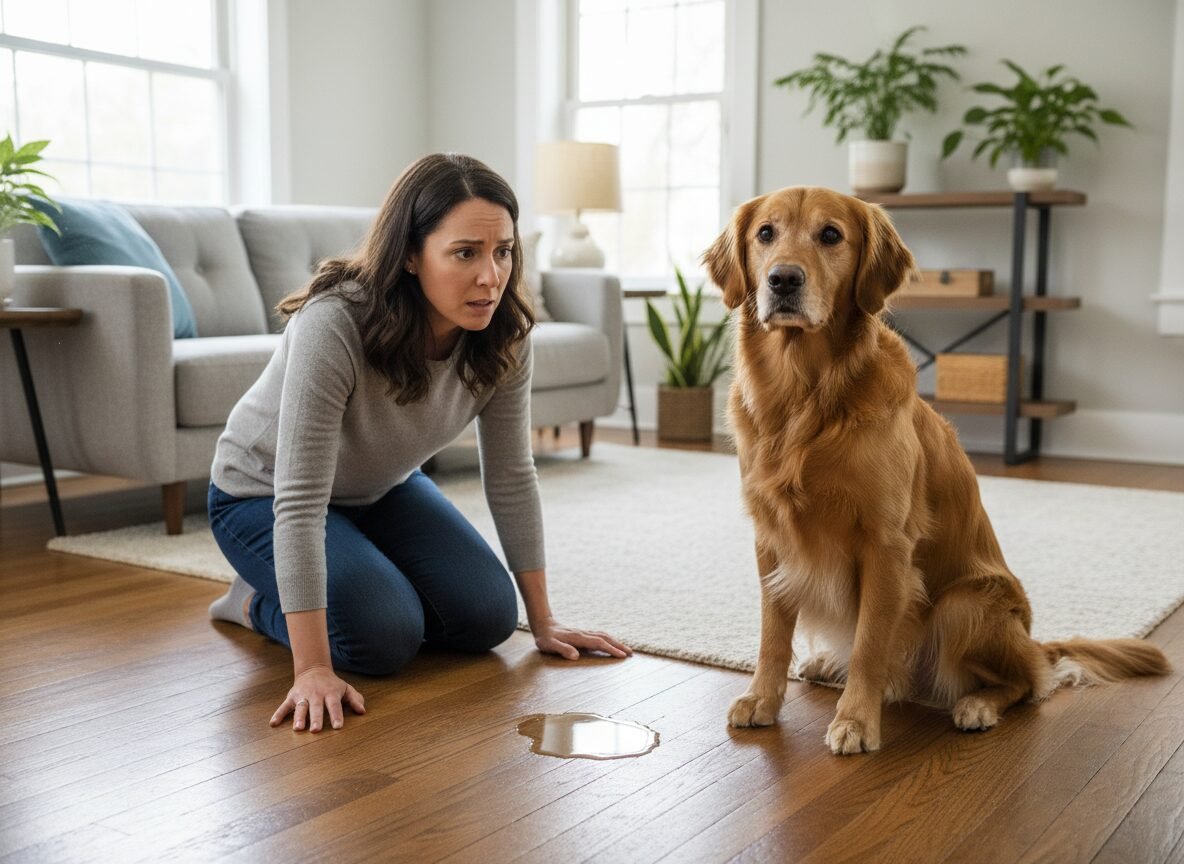
It is one of the most frustrating moments for any dedicated dog owner: you discover a wet spot on your carpet, and the culprit is your impeccably house-trained canine companion. Confusion, frustration, and even anger are common reactions. Before you assume your dog is acting out of spite or rebellion, it is crucial to understand that this behavior, known as house soiling or inappropriate urination, is a signal. Your dog isn’t being ‘bad’; they are trying to communicate that something is wrong.
This regression in potty training is far more common than many owners realize and can stem from a wide range of underlying issues, from silent medical ailments to subtle environmental stressors. Punishing the dog is not only ineffective but can worsen the problem by creating fear and anxiety. The key to resolving the issue is to become a detective—to uncover the root cause with patience and understanding. This guide will walk you through the seven most common hidden causes of inappropriate urination in house-trained dogs, helping you distinguish between a medical emergency and a behavioral challenge.
Cause 1: Underlying Medical Conditions
Underlying Medical Conditions: The Silent Culprits
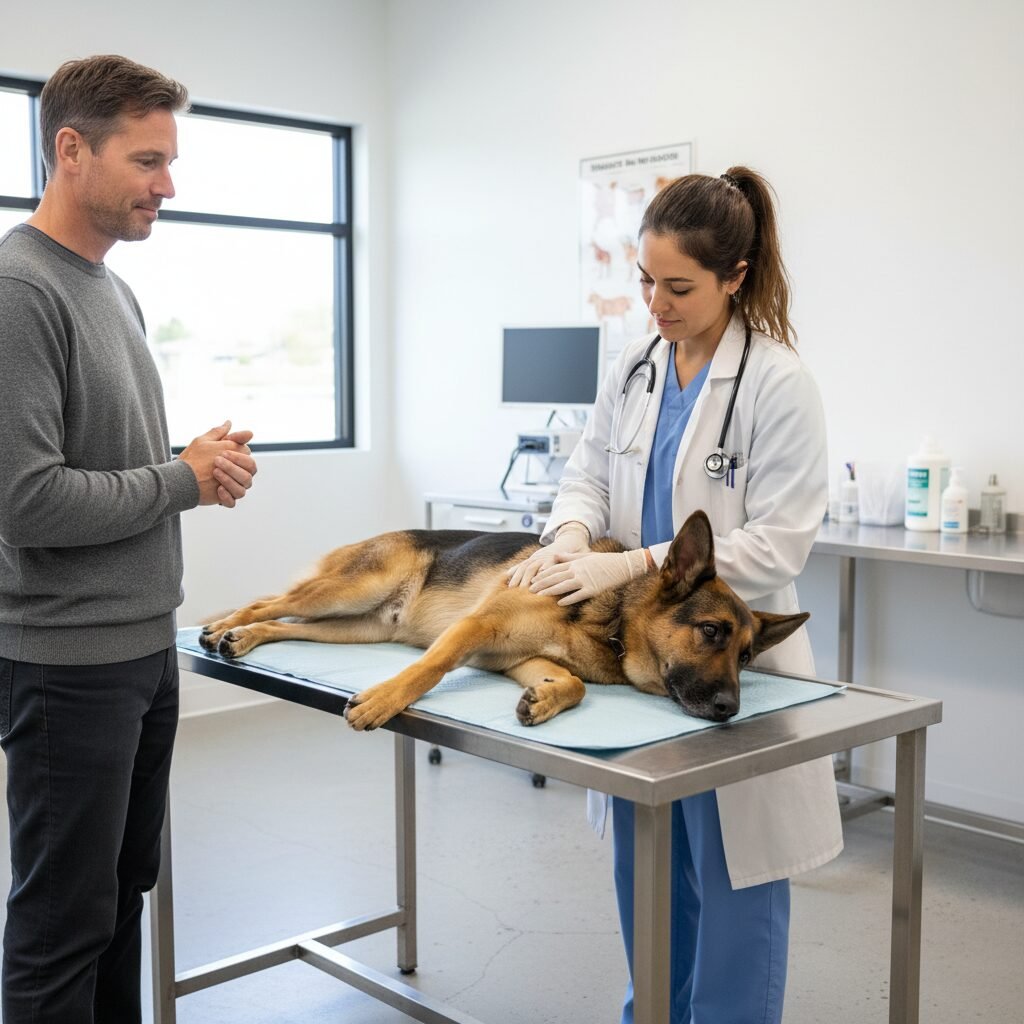
Before exploring any behavioral reasons, your first and most critical step must be to rule out a medical problem. Many health issues manifest as a loss of bladder control, and your dog has no way to tell you they are in pain or feeling unwell other than through changes in their behavior. A sudden break in house training is a significant red flag that warrants an immediate visit to your veterinarian.
Urinary Tract Infections (UTIs)
A UTI is one of the most frequent medical causes of house soiling. This bacterial infection inflames the bladder and urethra, creating a constant and urgent need to urinate. Your dog may not be able to hold it long enough to get outside. Key signs include:
- Frequent urination in small amounts
- Straining or crying out during urination
- Cloudy or bloody urine
- Excessive licking of the genital area
Bladder Stones or Crystals
Crystals can form in the urine and consolidate into bladder stones (uroliths), which can cause irritation, blockages, and a frequent urge to urinate. This condition can be extremely painful and, if a blockage occurs, life-threatening. Your vet can diagnose this with an X-ray or ultrasound.
Kidney Disease
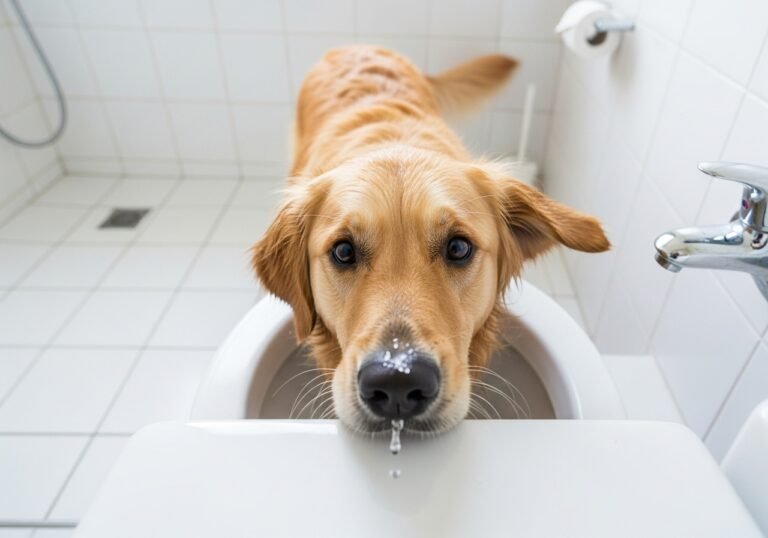
Failing kidneys are less efficient at concentrating urine. This causes the dog to produce a larger volume of dilute urine, leading them to drink more water and need to urinate much more frequently. They may simply be unable to hold the increased volume, leading to accidents indoors.
Diabetes Mellitus
Just like in humans, canine diabetes affects the body’s ability to regulate blood sugar. A classic symptom is excessive thirst (polydipsia) and, consequently, excessive urination (polyuria). The sheer volume of urine can overwhelm a dog’s ability to hold it, even if they are perfectly trained.
Cushing’s Disease
This condition, formally known as hyperadrenocorticism, involves the overproduction of the stress hormone cortisol. It leads to increased thirst and urination, often resulting in accidents in the house. Other signs might include a pot-bellied appearance, hair loss, and increased appetite.
A thorough veterinary examination, including a urinalysis and possibly blood work, is non-negotiable when house soiling suddenly appears. It’s the only way to definitively rule out pain and disease as the cause.
Cause 2: Age-Related and Hormonal Incontinence
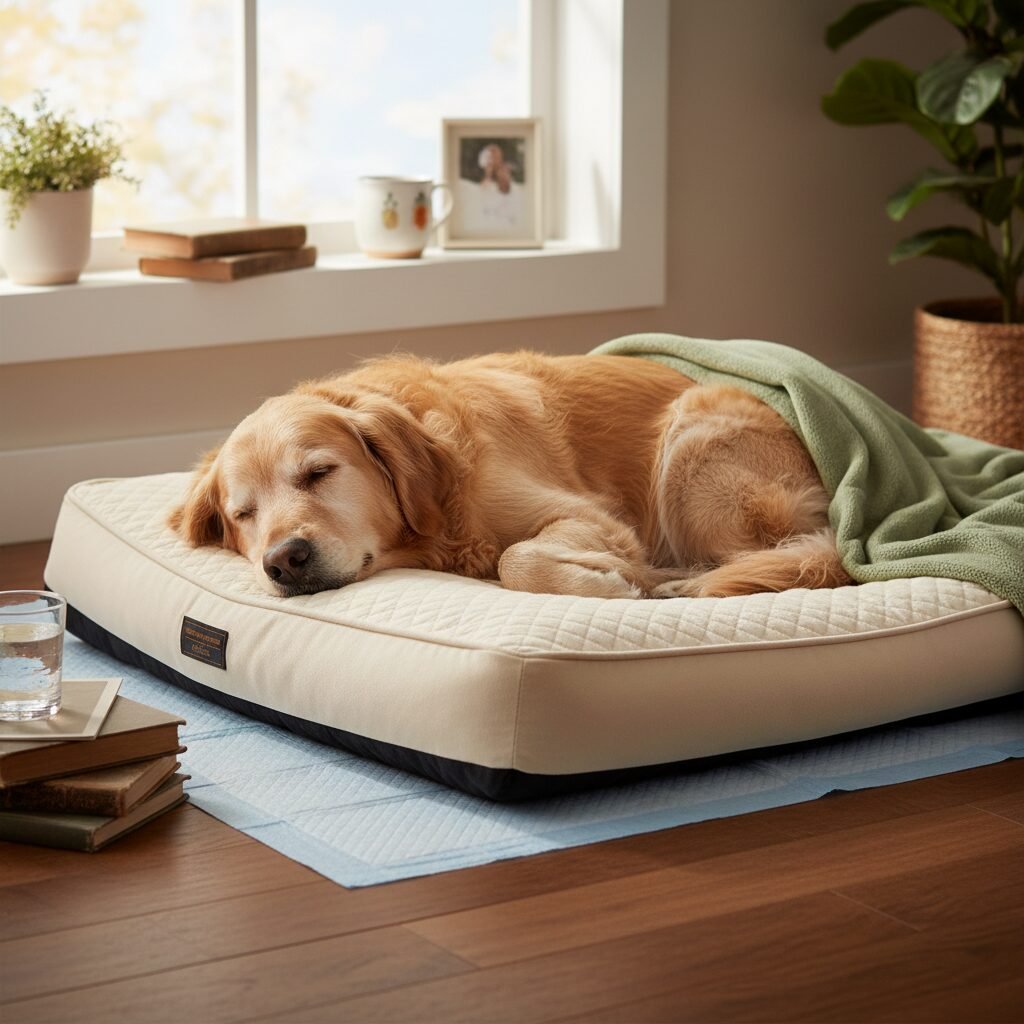
Cause 2: Age-Related and Hormonal Incontinence
Age can significantly impact a dog’s ability to control their bladder. This applies to both senior dogs and, surprisingly, some spayed females. Unlike deliberate urination, incontinence is an involuntary leakage of urine.
Senior Dog Incontinence
As dogs enter their golden years, physical changes can lead to a loss of bladder control. The muscles of the urethral sphincter, which hold urine in the bladder, can weaken over time. This often results in leaking urine while they are resting or sleeping. You may not see them actively urinating but will find damp spots on their bed or where they were lying.
Canine Cognitive Dysfunction (CCD)
Often compared to Alzheimer’s in humans, CCD can cause disorientation and confusion in older dogs. A dog with CCD may simply forget their house training. They might not remember to signal that they need to go out, or they may become confused about where the appropriate place to eliminate is. They might urinate inside shortly after having been outdoors.
Hormone-Responsive Incontinence
This condition is most common in medium to large-breed spayed female dogs. The lack of estrogen can weaken the urethral sphincter, leading to incontinence. Thankfully, this is often highly treatable with medication prescribed by your veterinarian.
Cause 3: Environmental Stress and Anxiety
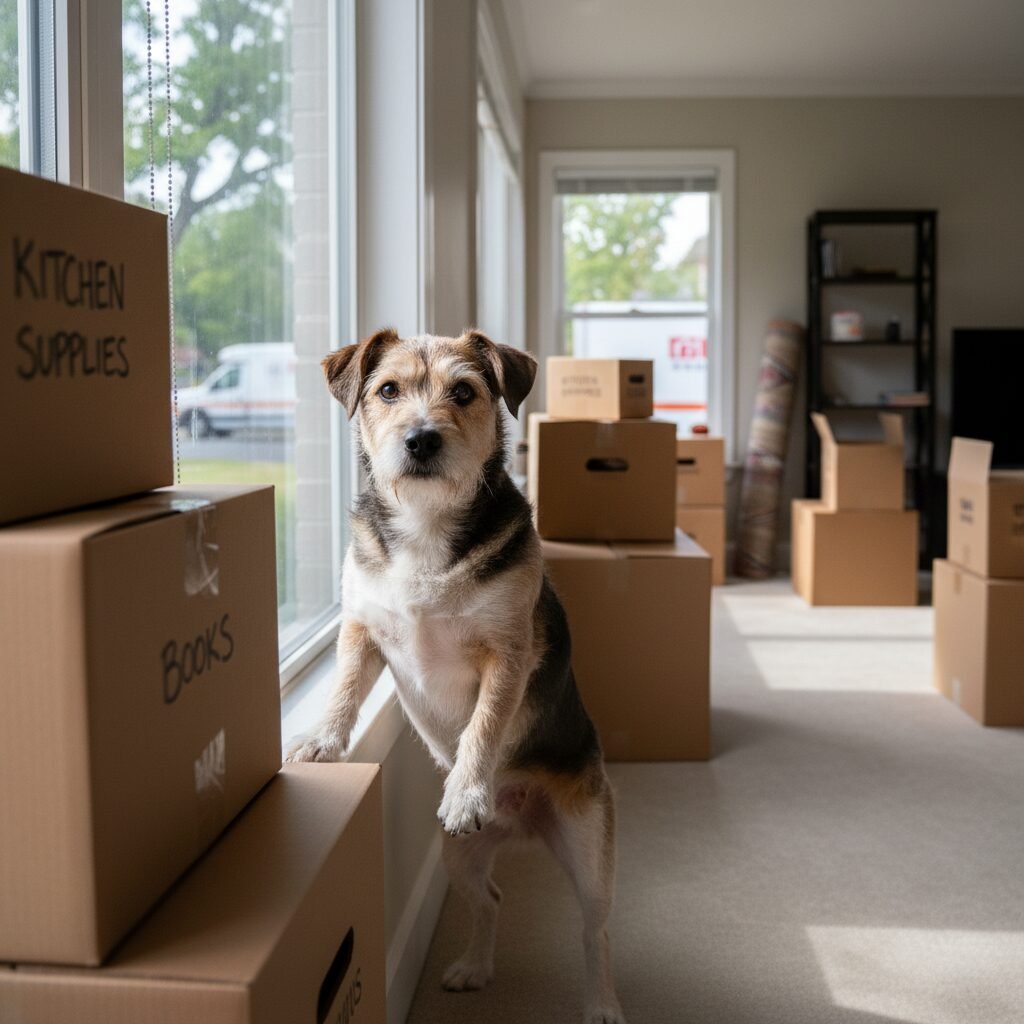
Cause 3: Environmental Stress and Anxiety
Dogs are creatures of habit and can be highly sensitive to changes in their environment and routine. Stress is a major trigger for behavioral issues, including inappropriate urination. This type of urination is a physiological response to anxiety, not a conscious act of defiance.
Consider if any of these common stressors have occurred recently:
- A new home: Moving is a massive upheaval. Your dog needs time to learn the new layout and the new rules for pottying.
- A new family member: The arrival of a new baby, spouse, or roommate changes the entire social dynamic of the household.
- A new pet: A new dog or cat can introduce social pressure and territorial instincts.
- Changes in your schedule: If you’ve started a new job or are suddenly away from home for longer periods, it can trigger separation anxiety.
- Loud noises: Construction, thunderstorms, or fireworks can create intense fear, leading to a loss of bladder control.
- Absence of a family member: A loved one leaving for college, a long trip, or due to divorce can cause distress.
Separation Anxiety
Separation anxiety is a specific and serious form of stress. If the accidents only happen when you are away from home, and are often accompanied by other signs like destructive behavior, excessive barking, or escape attempts, separation anxiety is a likely culprit. Urination in this context is part of a panic response.
Cause 4: Submissive or Excitement Urination
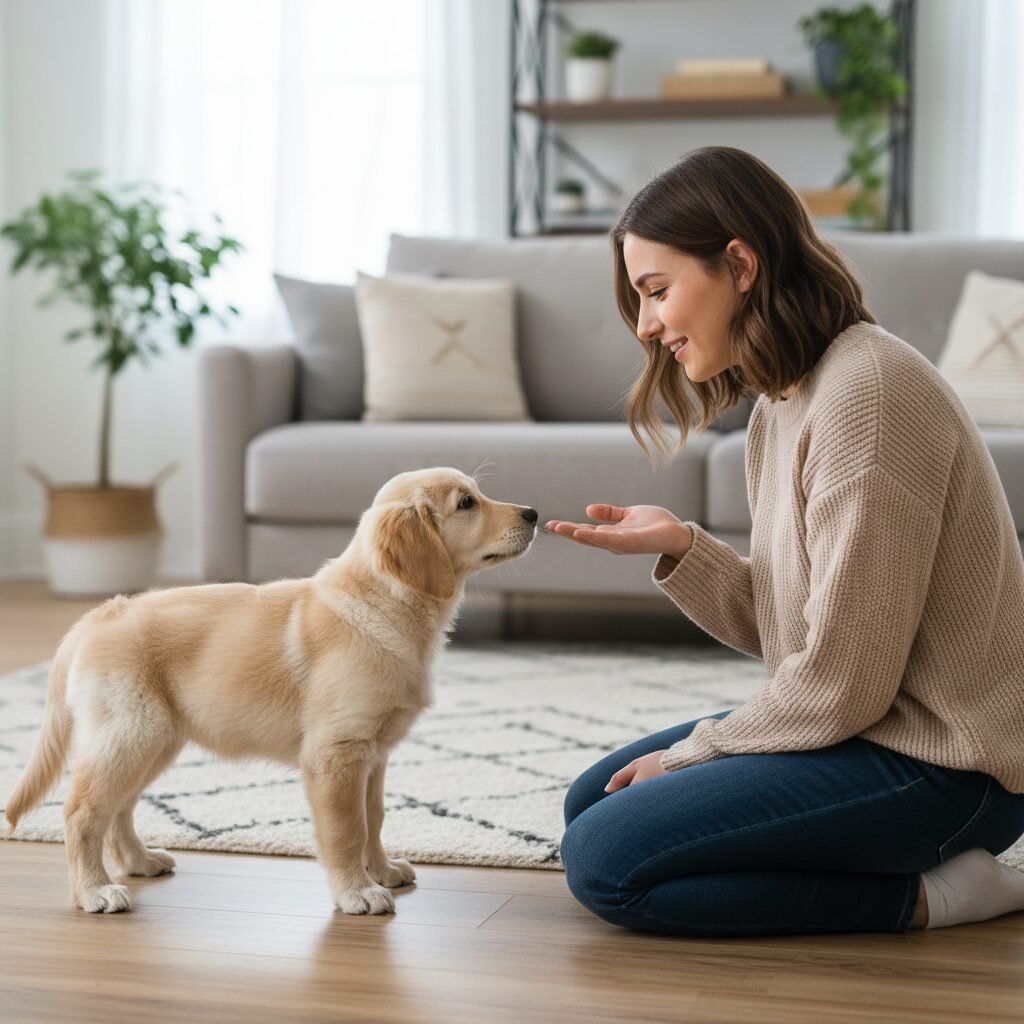
Cause 4: Submissive or Excitement Urination
This type of urination is an involuntary emotional response and is most common in puppies and young dogs, though it can persist in some adults. It’s crucial to understand that the dog has no control over it, and punishment will only make it worse.
Submissive Urination
This is a gesture of appeasement. A dog may urinate submissively when they feel threatened or intimidated. This often happens during greetings, when someone leans over them, speaks in a loud voice, or when they are being scolded. The dog is essentially saying, ‘Please don’t hurt me; I am not a threat.’ The body language will include cowering, averting their eyes, and tucking their tail.
Excitement Urination
This occurs during moments of high arousal and happiness, such as when you return home or during vigorous play. The dog’s body is so overwhelmed with joy that their bladder control momentarily fails. They are not consciously choosing to pee on the floor.
To manage both, keep greetings low-key and calm. Avoid direct eye contact and reaching over the dog’s head. Instead, kneel down, turn to the side, and let the dog approach you. Instruct guests to do the same. For excitement urination, try greeting your dog outside first when you get home.
Cause 5: Territorial Urine Marking
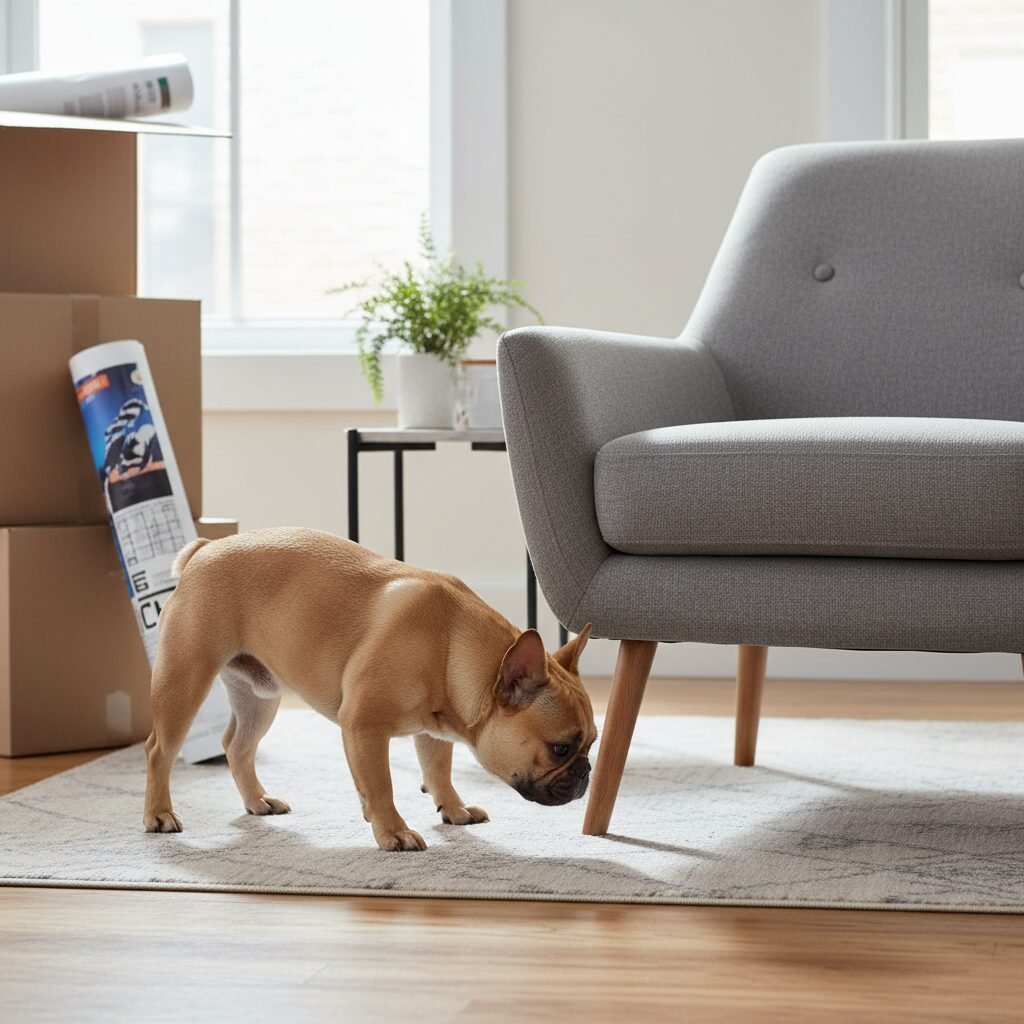
Cause 5: Territorial Urine Marking
Marking is different from full-bladder urination. It typically involves depositing a small amount of urine on vertical surfaces to claim territory and send social signals to other animals. While most common in intact male dogs, neutered males and even spayed females can engage in marking behavior.
Triggers for urine marking often involve the perceived intrusion of another animal into their territory. This could be:
- A new dog or cat in the home.
- Visiting dogs.
- Neighborhood dogs or stray cats visible from a window or door.
- New furniture or objects brought into the home that carry unfamiliar scents.
Marking is about communication, not a need to relieve the bladder. The best solutions involve managing your dog’s environment by restricting their view of outdoor animals, thoroughly cleaning any marked spots with an enzymatic cleaner, and addressing any social conflict between pets in the home. Spaying or neutering can significantly reduce or eliminate this behavior, especially if done before the habit is deeply ingrained.
Cause 6: Incomplete House Training
Cause 6: Incomplete House Training
Sometimes, the problem isn’t a regression but rather an indication that the initial house training was never fully solidified. Many owners stop the formal training process as soon as the dog has a few accident-free weeks, but true house-training mastery takes time and consistency.
The training may not have been generalized to the entire house. A dog might understand they are supposed to potty outside but may not realize that the rule applies to the guest bedroom they are rarely allowed in. Similarly, a dog trained in a carpeted home may not understand that the new hardwood floors are also off-limits.
If you suspect this is the case, it’s time for a ‘back-to-basics’ approach. Treat your dog as if they are a new puppy who is not yet house-trained.
- Increase Potty Breaks: Take your dog out frequently, especially after waking up, after eating, and after playing.
- Constant Supervision: Do not allow your dog to have unsupervised access to the house. Use a leash, crate, or baby gates to keep them in the same room with you.
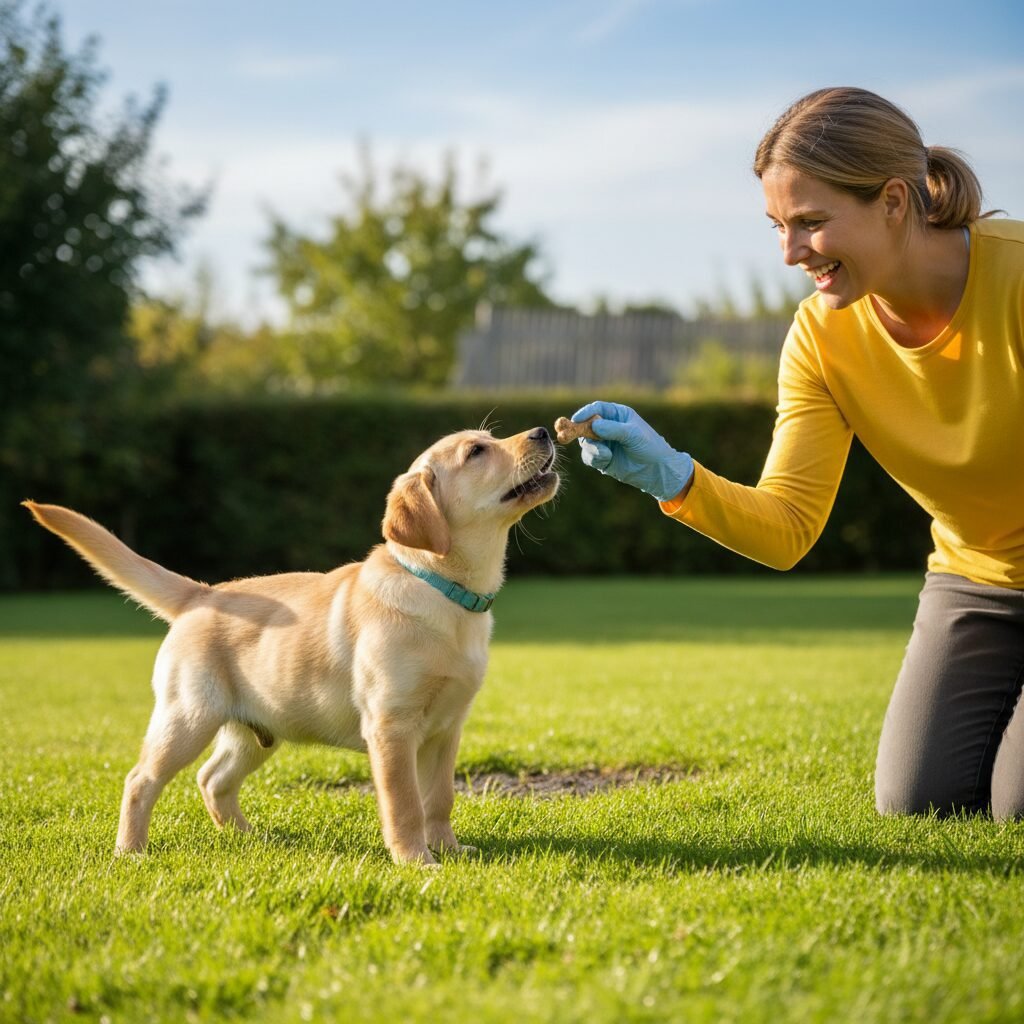
- Reward Success: When they eliminate outside, praise them lavishly and offer a high-value treat immediately as they finish.
- Manage Accidents: If an accident happens, do not scold the dog. Interrupt them calmly if you catch them in the act and rush them outside. Then, clean the spot thoroughly.
Cause 7: Improper Cleanup of Previous Accidents
Cause 7: Improper Cleanup of Previous Accidents
This is one of the most overlooked yet critical factors in recurring house soiling. A dog’s sense of smell is exponentially more powerful than our own. If a dog has an accident in the house and the area is not cleaned with the right type of product, lingering scent molecules will remain that are undetectable to you but glaringly obvious to your dog.
This lingering odor acts as a powerful attractant, essentially creating an olfactory signpost that says, ‘This is an acceptable bathroom spot.’ Standard household cleaners, especially those containing ammonia, are ineffective. Ammonia is a component of urine, so using these products can actually enhance the scent marker for your dog.
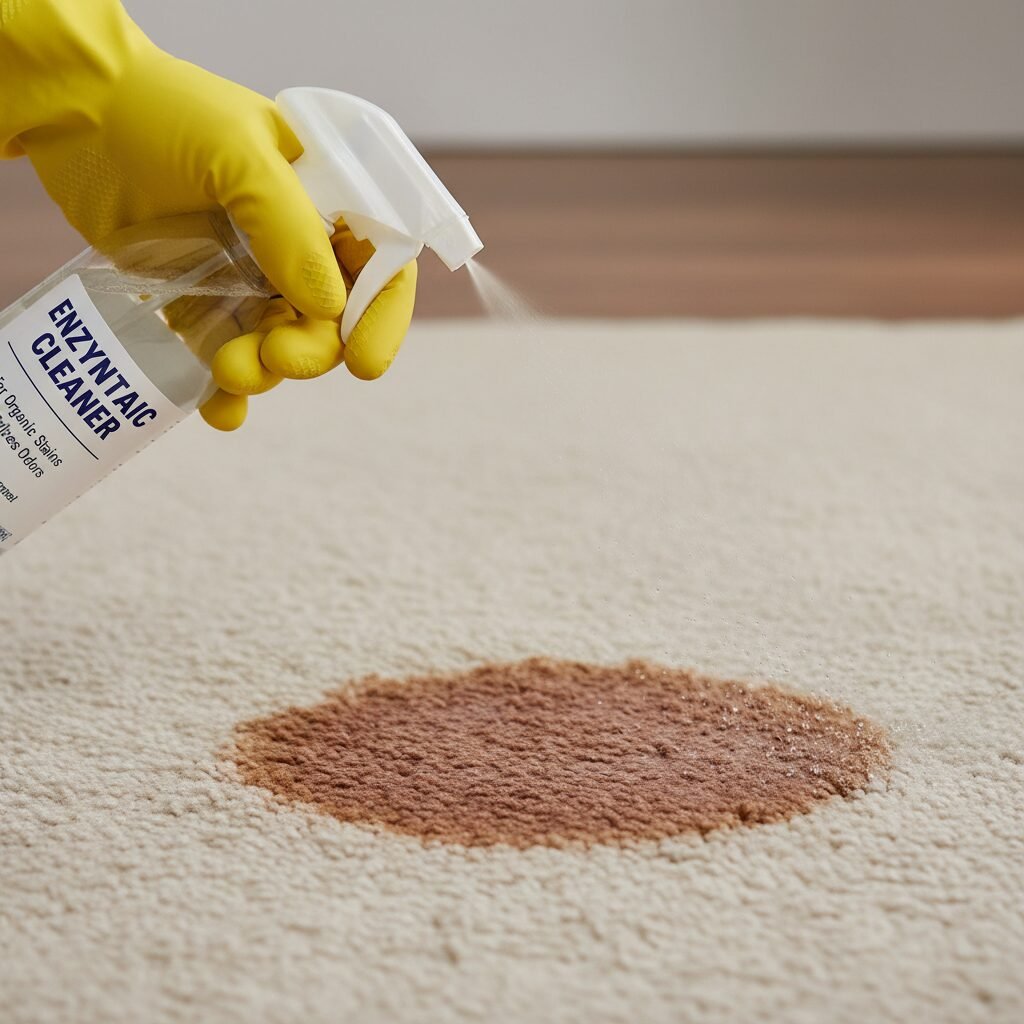
Expert Tip: You must use a high-quality enzymatic cleaner. These products contain specific enzymes that break down and digest the uric acid and other organic proteins in urine, completely eliminating the odor at a molecular level rather than just masking it.
To clean properly, saturate the soiled area (and the padding/subfloor beneath if it’s on carpet) with the enzymatic cleaner and let it sit for the time recommended on the product label before blotting it up. This step is non-negotiable for preventing repeat offenses in the same spot.
Conclusion
When your house-trained dog starts peeing inside, it’s a clear signal that requires your attention and compassion, not punishment. By systematically working through these seven hidden causes, you can move from a place of frustration to one of proactive problem-solving. Always begin with a trip to the veterinarian to rule out any underlying medical conditions that could be causing pain or discomfort. Once health issues are cleared, you can confidently investigate the behavioral and environmental factors at play, whether it’s managing anxiety, reinforcing training, or ensuring your cleanup protocol is effective.
Remember to be patient with your canine companion and with yourself. Rebuilding good habits takes time and consistency. By addressing the root cause with positive reinforcement and expert guidance from your vet or a certified dog trainer, you can resolve the issue and restore the trusting, clean, and happy relationship you have with your beloved pet.