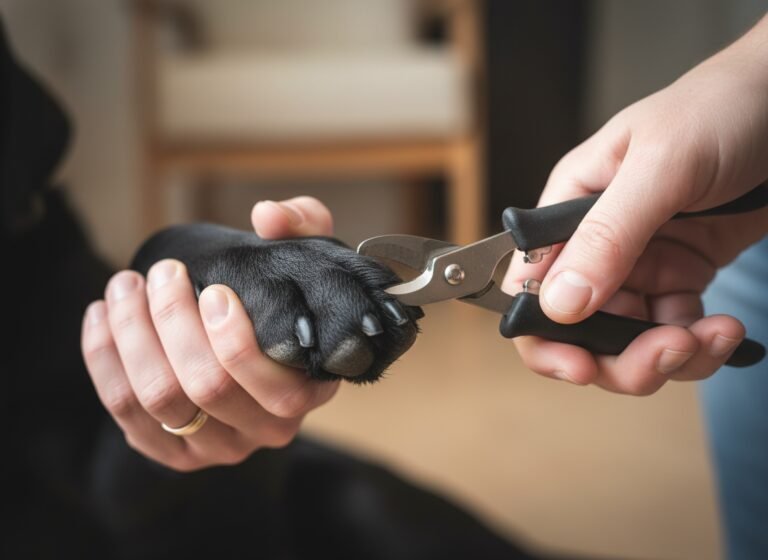
Dremel vs Clippers: Which Nail Tool Is Actually Safer for Your Dog?
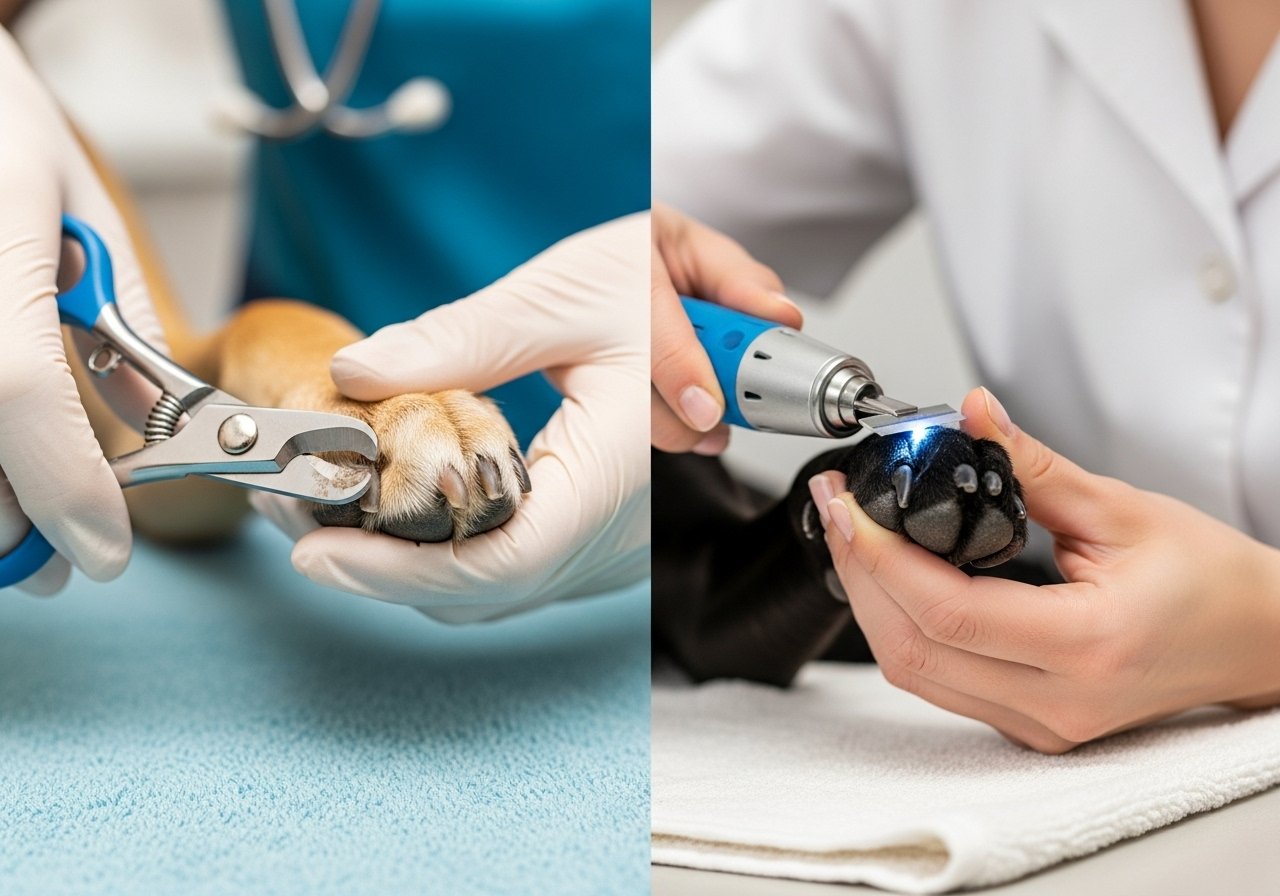
Maintaining your dog’s nail length is not merely a cosmetic concern; it is a fundamental aspect of their overall health, comfort, and mobility. Overly long nails can alter a dog’s posture, leading to skeletal strain, and can easily snag, tear, or break, causing significant pain and potential infection. The two primary tools at a pet owner’s disposal for this crucial task are traditional nail clippers and modern rotary tools, often referred to by the popular brand name, Dremel. The debate over which is superior often centers on a single, paramount question: which tool is actually safer? This article will provide an authoritative, evidence-based comparison, delving into the anatomy of the canine nail, the mechanics of each tool, and the critical role of training and technique. Our goal is to empower you with the knowledge to select the safest and most effective method for you and your dog, ensuring every nail trimming session is a positive and stress-free experience.
Understanding Dog Nail Anatomy: The Key to Safe Trimming
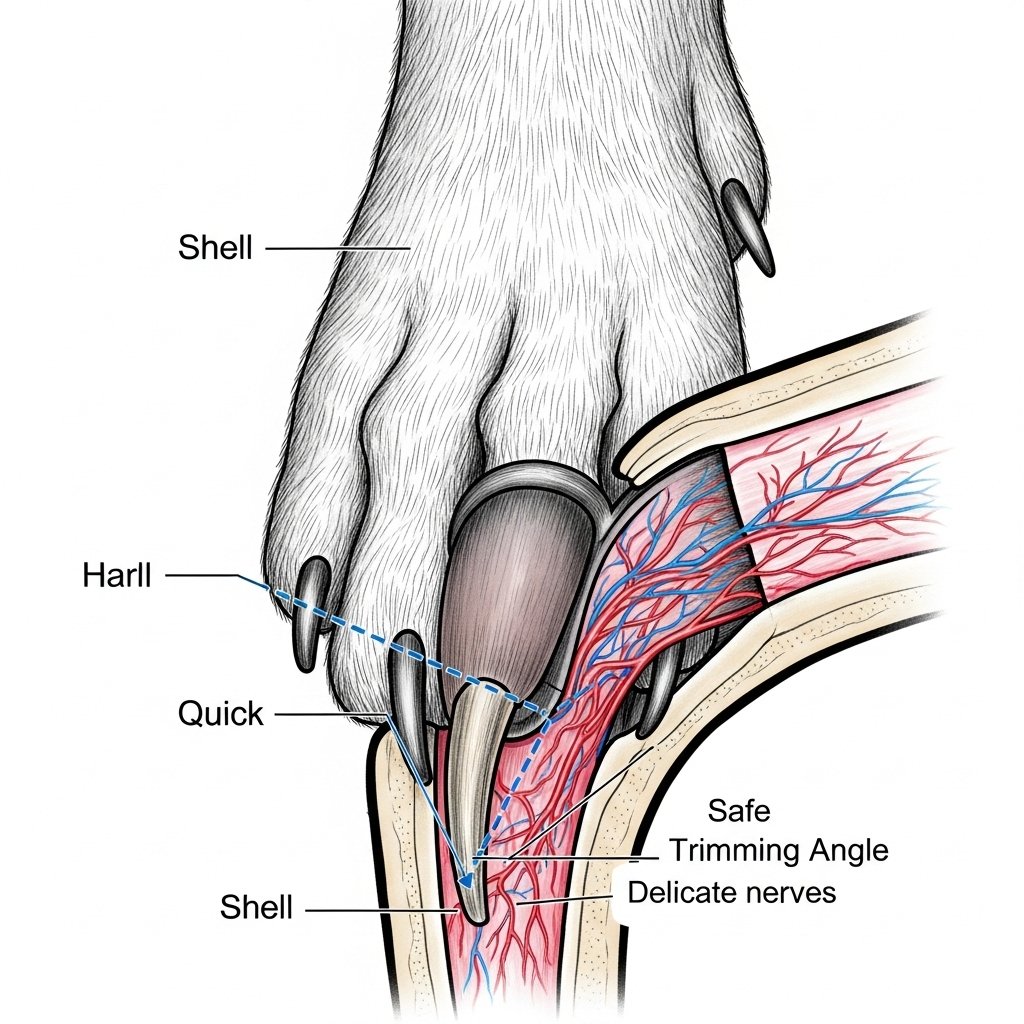
Before comparing tools, a foundational understanding of what you are trimming is essential. A dog’s nail is far more complex than a human fingernail. It consists of two primary parts: the hard outer shell, made of keratin, and the sensitive inner core known as the quick or Kwik. The quick contains a blood vessel and a nerve, and cutting into it is akin to cutting a human’s nail too short into the nail bed—it is painful and will cause bleeding.
The Quick: Your Primary Concern
The primary objective of any nail trim is to shorten the keratin shell without touching the quick. In dogs with light-colored or white nails, the quick is often visible as a pinkish section inside the nail, making avoidance relatively straightforward. However, the challenge intensifies with dark or black nails, where the quick is completely obscured. This is where the risk of injury increases significantly and where the choice of tool becomes particularly important.
When nails are allowed to grow too long, the quick elongates with them. Regular trimming encourages the quick to recede, allowing you to gradually and safely shorten the nails over time. Understanding this anatomy is the first and most critical step in preventing injury, regardless of whether you choose clippers or a Dremel.
Expert Tip: Always have styptic powder or a cornstarch paste on hand before you begin. In the event you accidentally nick the quick, applying this will help stop the bleeding quickly.
The Case for Traditional Nail Clippers
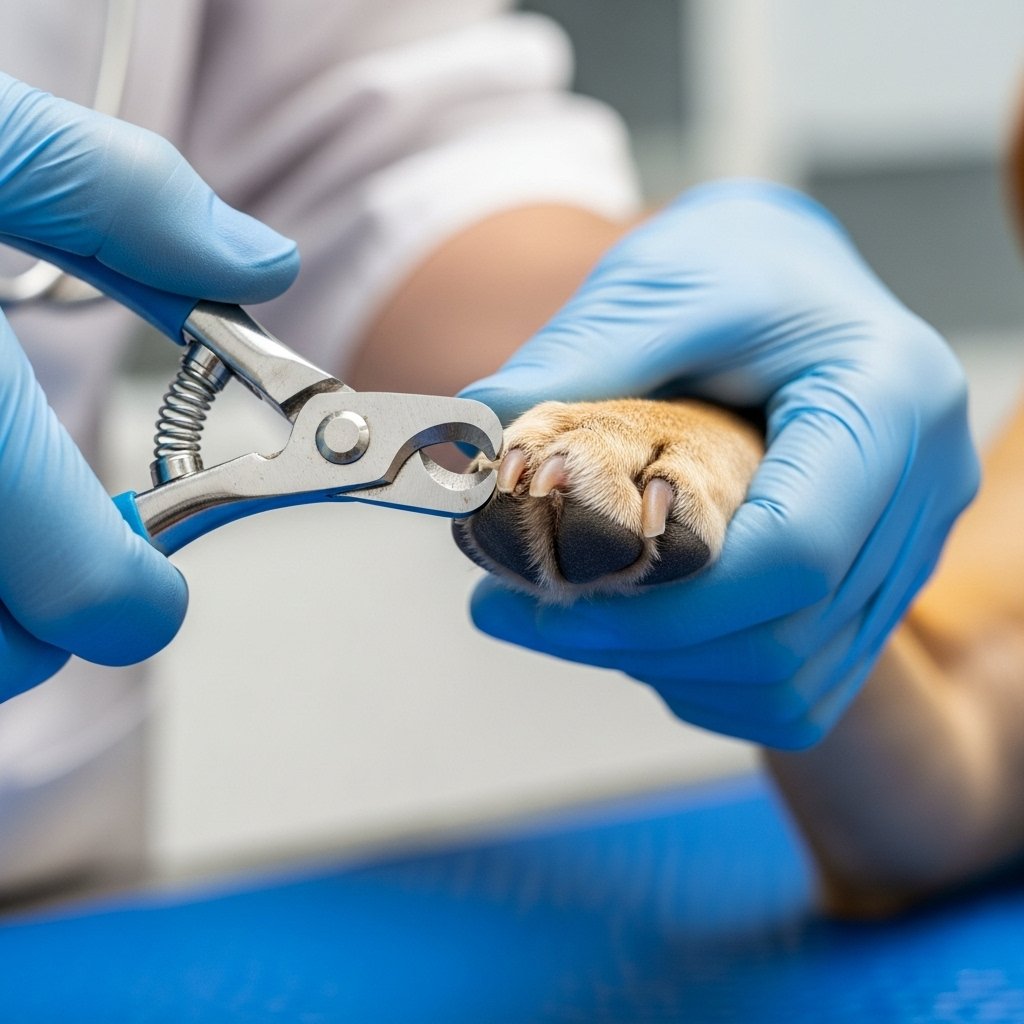
Nail clippers have been the standard tool for decades and remain a popular choice for many veterinarians, groomers, and owners. They function by applying direct pressure to slice through the nail. There are two main styles available:
- Scissor-Style (Plier-Style): These function like small pruning shears and are generally recommended for their precision and power, making them suitable for medium to large dogs with thicker nails.
- Guillotine-Style: This style has a ring through which the nail is placed, and a blade slides across to cut it. While effective for small to medium nails, they can sometimes crush the nail if the blade is not exceptionally sharp or if used on very thick nails.
The primary advantage of clippers is speed. A quick, decisive snip is often less stressful for a dog than the prolonged noise and vibration of a rotary tool. However, this speed is also their greatest liability. One misplaced cut can instantly sever the quick, causing pain, bleeding, and creating a lasting negative association with nail trims.
| Pros of Nail Clippers | Cons of Nail Clippers |
|---|---|
| Fast and Efficient: A quick snip per nail makes the process very short. | High Risk of Cutting the Quick: A single mistake can cause significant pain and bleeding. |
| Quiet Operation: Ideal for dogs that are sensitive to noise and vibration. | Can Crush or Split Nails: Dull blades or improper technique can damage the nail structure. |
| No Power Required: Can be used anywhere, anytime, without needing batteries or an outlet. | Leaves Sharp Edges: The cut edge can be rough and may need to be filed manually. |
| Lower Initial Cost: Generally less expensive than a quality rotary tool. | Requires Owner Confidence: Hesitation can lead to a poor cut or a negative experience for the dog. |
Who Are Clippers Best For?
Clippers are an excellent choice for owners who are confident in their ability to identify the safe cutting point and for dogs who are anxious about noise but tolerate the quick pressure of a cut. They are most effective when the blades are kept razor-sharp and the owner commits to taking off only a tiny sliver of the nail at a time, especially on dark-nailed dogs.
The Rise of the Rotary Tool (Dremel)
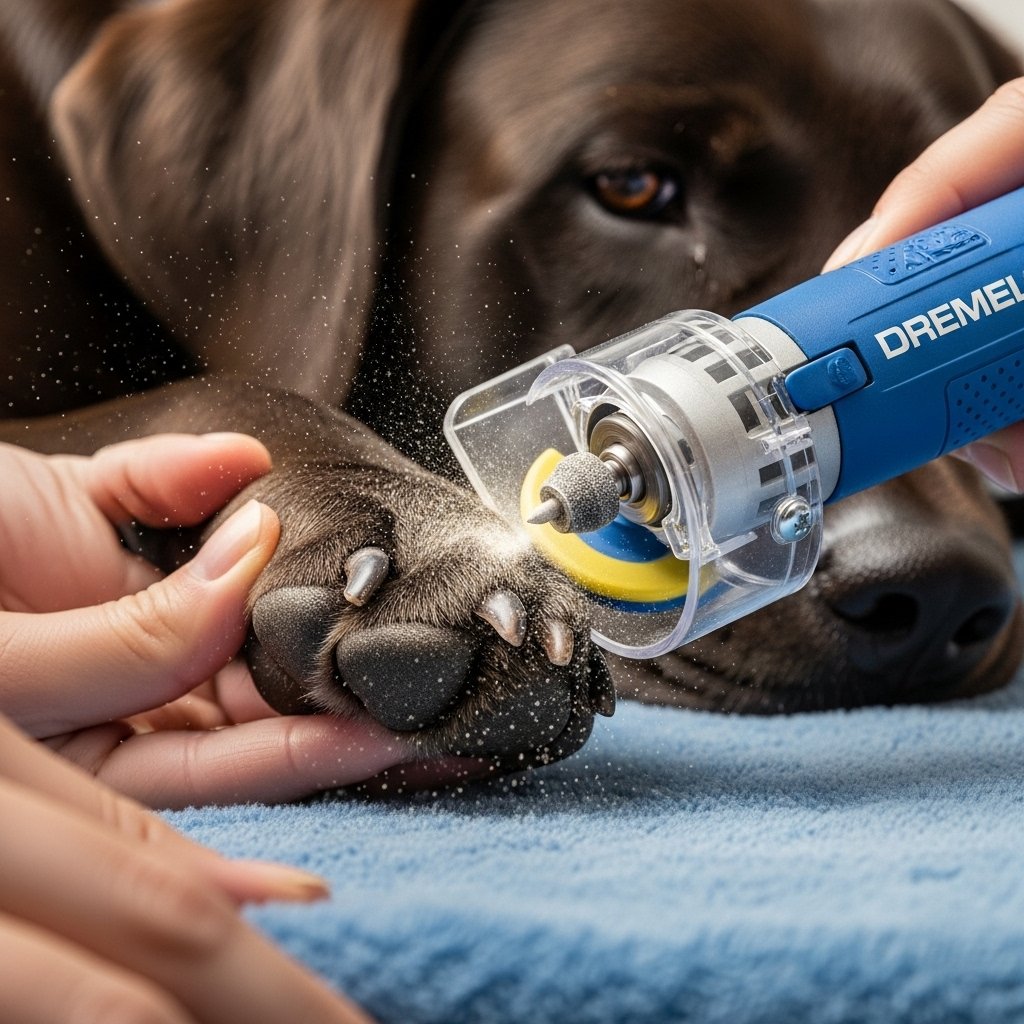
Rotary tools, or nail grinders, work on an entirely different principle. Instead of cutting, they use a high-speed rotating sanding band to gradually file the nail down. This method offers a greater margin of safety regarding the quick.
Because you are sanding away nail dust in layers, you have more control and can stop immediately if you get too close to the quick. Often, you can see a small, grayish-white dot appear in the center of the nail tip as you approach the quick, serving as a clear visual warning to stop. This makes rotary tools a favored option for owners of dogs with black nails or those who are anxious about causing pain.
The main drawbacks are the noise and vibration, which can be frightening for some dogs, and the process takes significantly longer than clipping. Proper use also requires care to avoid heat buildup; the tool should be applied to each nail for only a second or two at a time in a continuous sweeping motion.
| Pros of Rotary Tools (Dremels) | Cons of Rotary Tools (Dremels) |
|---|---|
| Extremely Low Risk of Cutting the Quick: Grinds nail down gradually, offering superior control. | Noise and Vibration: Can be a major source of anxiety for sound-sensitive dogs. |
| Creates a Smooth, Rounded Finish: No sharp edges, preventing snags on carpets and furniture. | Time-Consuming: Grinding 18 nails takes much longer than clipping them. |
| Ideal for Dark or Thick Nails: Allows you to get closer to the quick safely by observing changes in the nail tip. | Can Generate Heat: Must be used in short bursts on each nail to prevent painful heat friction. |
| More Forgiving for Beginners: Reduces the anxiety of causing a painful injury. | Requires Power Source: Needs to be charged or plugged in, and can be cumbersome. |
Who Are Rotary Tools Best For?
A Dremel is the superior choice for owners who are nervous about clipping, for dogs with very thick or dark nails, and for achieving a perfectly smooth finish. Success with a rotary tool is heavily dependent on a gradual and positive introduction to acclimate the dog to its unique sound and sensation.
Head-to-Head Safety Comparison: An Objective Analysis
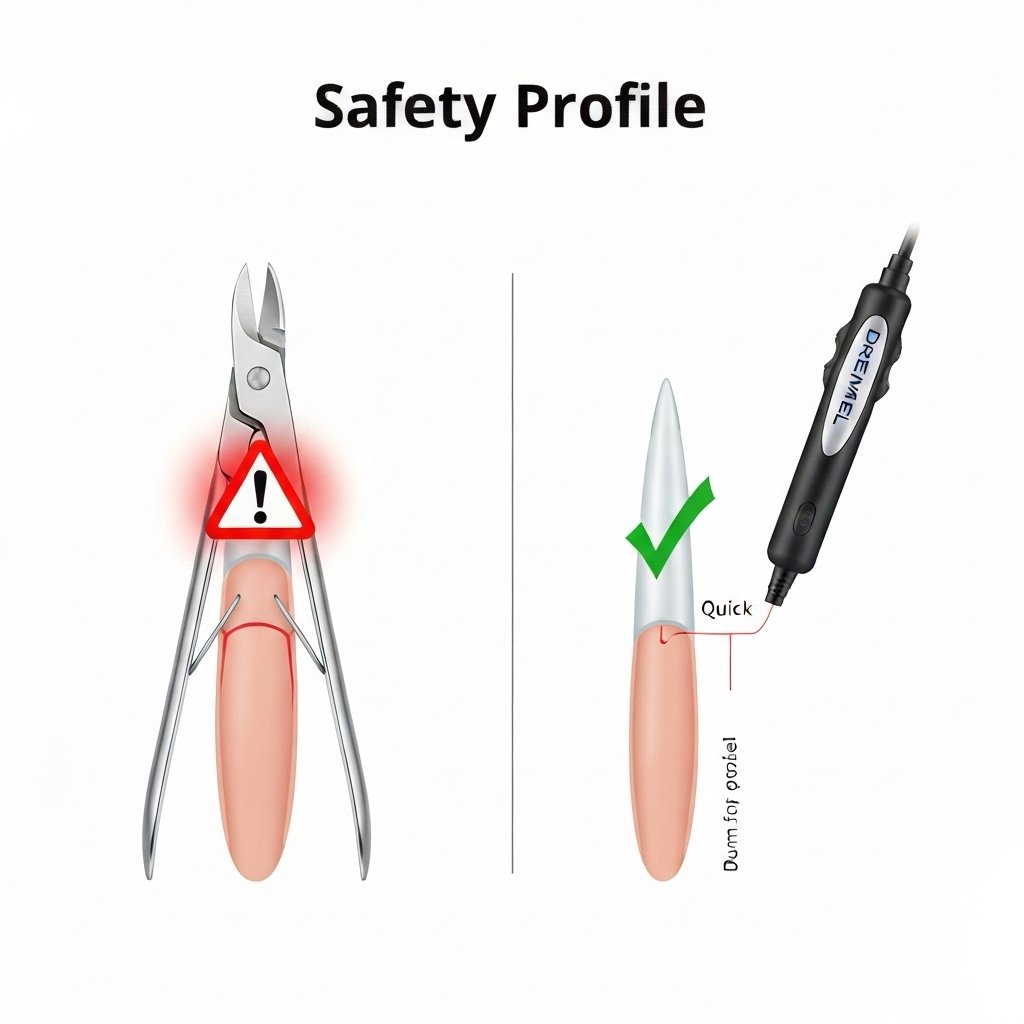
When we strip away personal preference and focus purely on the mechanics of safety, the comparison becomes clearer. The definition of ‘safer’ depends on the specific risk we are trying to mitigate.
Risk of Acute Injury (Cutting the Quick)
In this category, the rotary tool is the undisputed winner. The nature of grinding versus slicing makes it exponentially more difficult to cause the kind of sudden, painful injury that clippers can inflict with one slip. The grinder allows for a cautious, millimeter-by-millimeter approach, which is inherently safer for avoiding the quick.
Risk of Chronic Discomfort or Nail Damage
Here, the comparison is more nuanced. Dull clippers pose a significant risk of crushing the nail, which can be painful and lead to splitting and delamination. A sharp, high-quality clipper used correctly minimizes this risk. A rotary tool, on the other hand, poses a risk of heat burn if held against the nail for too long. Both risks are mitigated entirely by proper technique and equipment maintenance.
Risk of Psychological Trauma
This is entirely dependent on the individual dog. A dog terrified by the sound of a Dremel may find the quick, quiet snip of clippers far less traumatic, even if the physical sensation is less pleasant. Conversely, a dog who has had its quick cut by clippers in the past may have a deep-seated fear of them, making the novel sensation of a grinder a better option. The ‘safer’ tool from a psychological standpoint is the one your dog tolerates better.
| Safety Aspect | Nail Clippers | Rotary Tool (Dremel) | Verdict |
|---|---|---|---|
| Avoiding the Quick | High risk, requires precision and confidence. | Very low risk, allows for gradual removal. | Dremel |
| Nail Health (Splitting/Crushing) | Moderate risk, especially with dull blades. | Low risk, but can cause heat damage if used improperly. | Tie (dependent on technique) |
| Dog’s Comfort (Stress) | Quiet but involves pressure. Stress is from handling and ‘snap’ feeling. | Noisy and vibrates. Stress is from sensory overload. | Dog Dependent |
| Owner’s Confidence | Requires high confidence to avoid hesitation and injury. | More forgiving, builds confidence in nervous owners. | Dremel |
The Ultimate Safety Factor: Proper Training and Acclimation

Ultimately, the safety of any nail care tool is less about the tool itself and more about the preparation and training that precede its use. A dog that is fearful and struggling is at a higher risk of injury, regardless of the instrument in your hand. The foundation of safe nail trimming is creating a positive association through desensitization and counter-conditioning.
A Step-by-Step Guide to Positive Acclimation
- Paw Handling: Start by frequently and gently handling your dog’s paws when you are not trimming nails. Touch, hold, and gently squeeze each paw and toe, rewarding with high-value treats. Do this for days or weeks until your dog is completely comfortable.
- Tool Introduction: Place the tool (clipper or Dremel, turned off) on the floor. Let your dog sniff it. Reward any calm curiosity. Gradually progress to touching the tool to their leg, then their paw, then a nail, all while rewarding.
- Sensory Simulation: For clippers, open and close them near your dog so they hear the ‘click’ sound. For a Dremel, turn it on its lowest setting several feet away. Over many sessions, gradually decrease the distance, rewarding calm behavior at every step. Eventually, touch the vibrating (but not grinding) part of the Dremel to their nail for a split second.
- The First Trim: Once your dog is calm with the above steps, attempt to trim or grind the very tip of a single nail. Reward them lavishly and end the session immediately. The goal is to leave them wanting more, not to finish the job.
- Build Gradually: Do one or two nails per day, rather than attempting all four paws in one stressful session. Keep sessions short, positive, and predictable.
Remember, patience is paramount. Rushing this process is the single biggest mistake an owner can make. It can take weeks or even months to properly condition a dog to accept nail care, but this investment is the key to a lifetime of safe and stress-free grooming.
Conclusion
In the debate of Dremel vs. clippers, there is no universal champion of safety. The rotary tool is mechanically safer for preventing the painful injury of cutting the quick, making it an ideal choice for beginners and owners of dark-nailed dogs. However, the clippers may be psychologically ‘safer’ for noise-sensitive dogs who tolerate the procedure’s speed and quietness. The ultimate conclusion is that the safest tool is the one that is used with skill, confidence, and, most importantly, on a dog that has been patiently and positively conditioned to accept the procedure. Evaluate your own confidence level, your dog’s unique temperament, and commit to the training process. By prioritizing your dog’s comfort above all else, you will make the safest possible choice for your nail care routine. When in doubt, seeking the services or guidance of a professional veterinarian or groomer is always a wise and responsible decision.