Is Your Dog Eating Dirt? 5 Scary Health Reasons Why
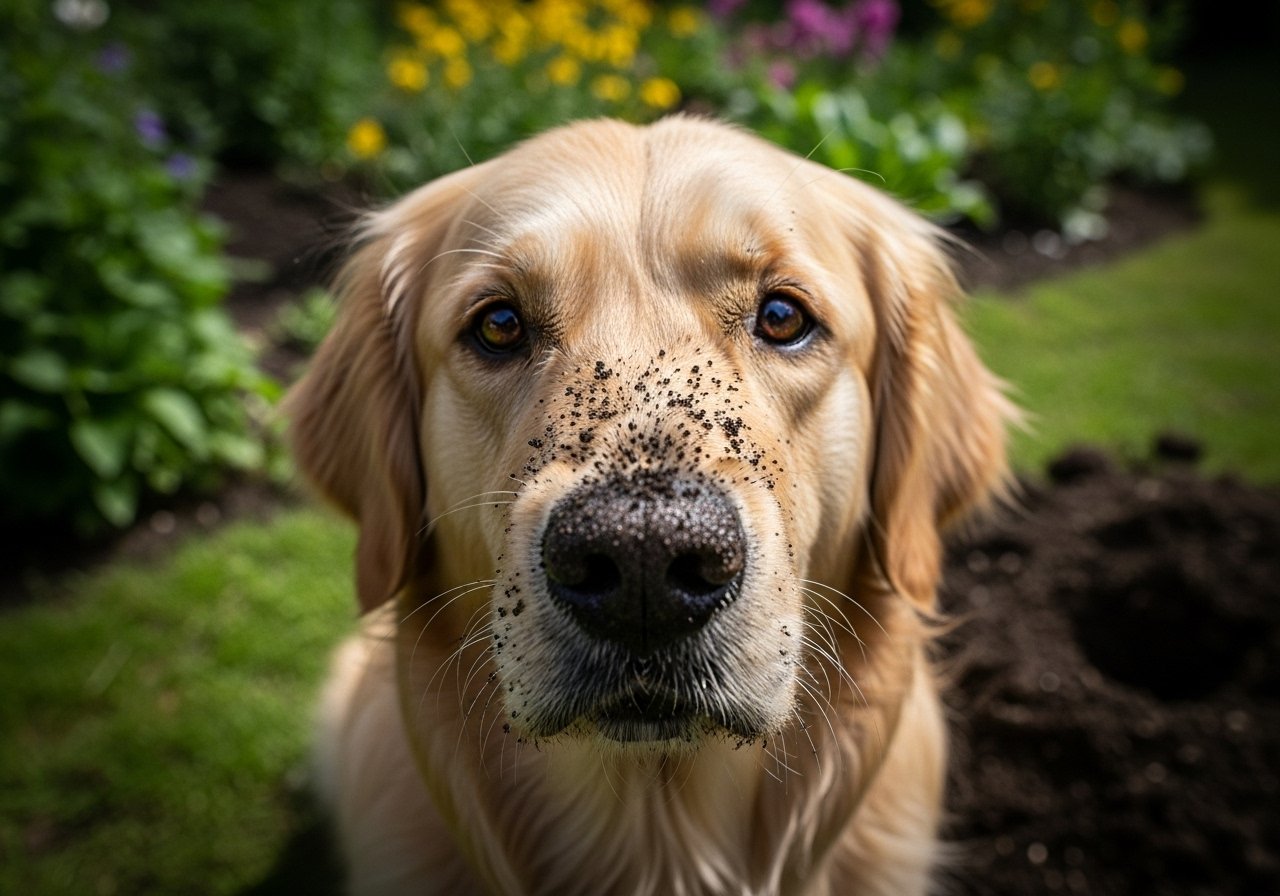
Observing your dog eating dirt from the yard can be a puzzling and unsettling experience. While it might be tempting to dismiss it as a quirky or harmless habit, this behavior, known scientifically as geophagia (a specific type of pica, the ingestion of non-food items), can often be a red flag signaling a significant underlying health issue. It’s a primal instinct that, in a domestic setting, frequently points to a cry for help. Before you write it off as just ‘dogs being dogs,’ it is crucial to understand the potential medical and behavioral triggers compelling your canine companion to consume soil. This article will delve into the five most serious health-related reasons behind this behavior, exploring the complex interplay between nutrition, internal health, and psychological well-being to help you better understand and address your dog’s needs.
Understanding Pica: When Eating Dirt Becomes a Compulsion
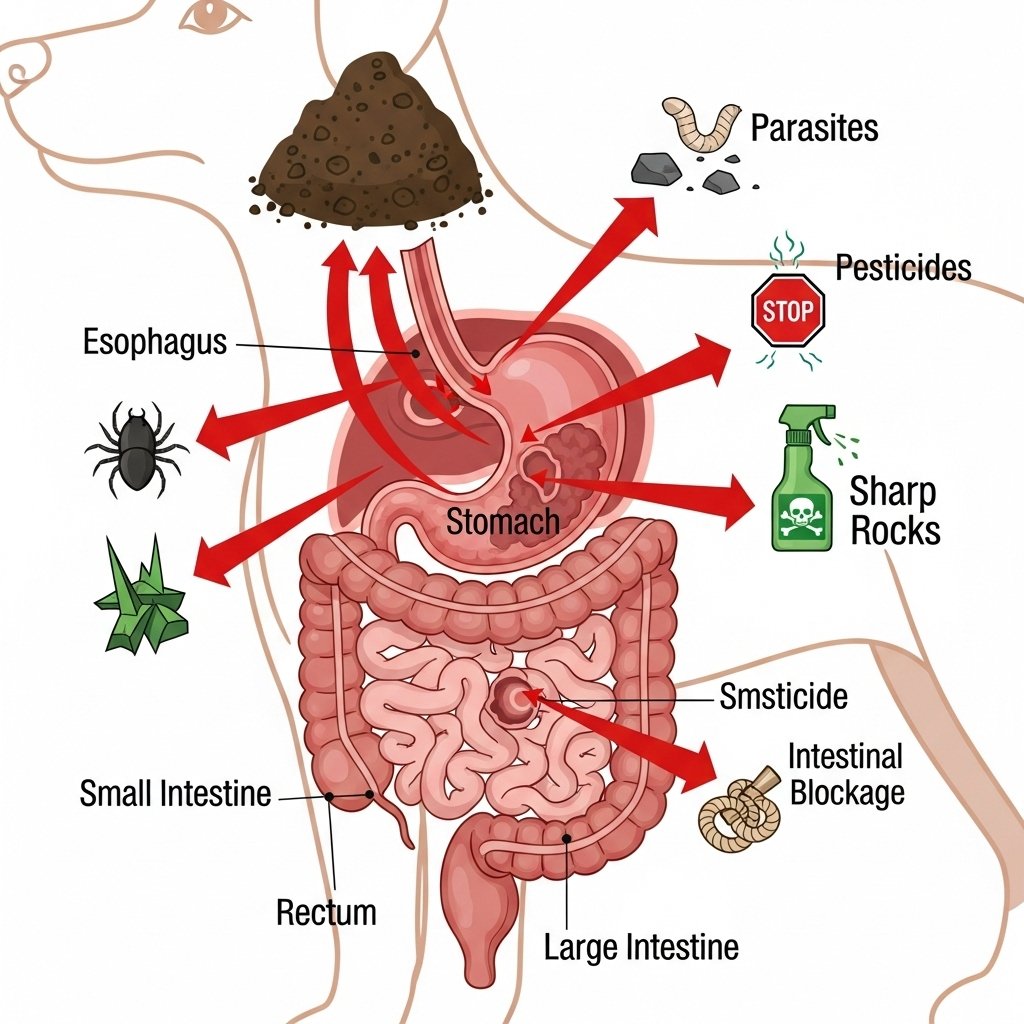
Pica is the medical term for the behavior of eating non-food items. When a dog specifically eats dirt, soil, or clay, it’s referred to as geophagia. While a puppy might mouth or taste dirt out of simple curiosity, a persistent and compulsive drive to eat it in adult dogs is abnormal and warrants investigation. This compulsion can stem from a wide array of factors, ranging from a simple mineral deficiency to a complex psychological condition. It is vital for pet owners to distinguish between a fleeting taste test and a dedicated pattern of behavior. Compulsive dirt-eating not only indicates a potential internal problem but also exposes your dog to a host of secondary dangers, including parasites, pesticides, and intestinal blockages from ingested rocks or sticks. A proper diagnosis begins with recognizing that this is not a training issue to be punished, but a symptom to be understood. A veterinarian can help determine the root cause, which is the first and most critical step toward resolving the behavior safely and effectively.
Reason 1: Severe Nutritional Deficiencies and Anemia

The Search for Missing Minerals
One of the most common medical reasons for geophagia is a significant nutritional deficiency. A dog’s body may instinctively drive it to seek out minerals from the soil that are missing from its diet. This is particularly true for deficiencies in iron, zinc, and other essential trace minerals. Anemia, a condition characterized by a low red blood cell count, is a primary culprit. Iron is a critical component of hemoglobin, the molecule in red blood cells that carries oxygen. When a dog is anemic, its body may crave iron-rich soil in a desperate attempt to compensate.
Causes and Symptoms of Anemia
Anemia in dogs can be caused by various factors, including:
- Poor Diet: Low-quality commercial dog foods or improperly balanced homemade diets may lack essential nutrients.
- Blood Loss: Internal or external bleeding from trauma, tumors, or heavy parasite infestations (like fleas or hookworms) can lead to anemia.
- Underlying Diseases: Chronic conditions like kidney disease or certain cancers can interfere with red blood cell production.
If your dog is anemic, you may notice other symptoms besides dirt-eating, such as pale gums, lethargy, weakness, and a decreased appetite. A veterinarian can confirm anemia with a simple blood test and then work to identify and treat the underlying cause, which may involve dietary changes, supplements, or other medical interventions.
Reason 2: Gastrointestinal Upset and Disease

A dog suffering from gastrointestinal (GI) discomfort may eat dirt in an attempt to self-soothe. It’s hypothesized that the texture and properties of soil can help alleviate nausea or absorb toxins in the gut. In some cases, it may even be an attempt to induce vomiting to clear the stomach of something irritating. While this might provide temporary relief, it is a clear sign that something is wrong within the digestive tract.
Potential GI Conditions
Several conditions can cause the kind of discomfort that leads to geophagia:
- Inflammatory Bowel Disease (IBD): A chronic inflammation of the intestinal tract that interferes with nutrient absorption and causes discomfort.
- Gastritis: Inflammation of the stomach lining, which can be caused by dietary indiscretion, infections, or other issues.
- Intestinal Parasites: Worms like hookworms, roundworms, and whipworms can cause significant irritation, nutrient malabsorption, and general malaise.
- Gastrointestinal Blockages: A partial blockage from another foreign object could be causing pain and nausea, prompting the dog to eat more non-food items.
If your dog’s dirt-eating is accompanied by symptoms like vomiting, diarrhea, constipation, loss of appetite, or abdominal pain, a GI issue is a strong possibility. A veterinary examination, including fecal tests and possibly imaging like X-rays or an ultrasound, is necessary to diagnose the specific problem.
Reason 3: Uncovering Deeper Systemic Illnesses

Sometimes, pica is a symptom of a more complex systemic disease that affects the dog’s entire body, not just its digestive or nutritional state. The metabolic and hormonal imbalances caused by certain illnesses can trigger unusual cravings and behaviors, including the compulsion to eat dirt.
Systemic Diseases Linked to Pica
A thorough veterinary workup is essential because pica can be associated with serious conditions such as:
- Exocrine Pancreatic Insufficiency (EPI): A condition where the pancreas doesn’t produce enough digestive enzymes. Dogs with EPI are often ravenous and suffer from malabsorption, which can lead to pica as they desperately seek nutrients.
- Liver Disease: The liver is vital for detoxification and metabolism. When it’s not functioning correctly, toxins can build up in the bloodstream, potentially causing neurological signs and strange behaviors like pica.
- Endocrine Disorders: Conditions like Cushing’s disease or hypothyroidism can alter a dog’s metabolism and appetite, sometimes leading to pica.
Diagnosing these conditions requires comprehensive blood panels, and sometimes more advanced testing. The key takeaway is that persistent geophagia should not be ignored, as it can be an early warning sign of a manageable, but serious, underlying disease.
Reason 4: Behavioral Triggers like Anxiety and Boredom
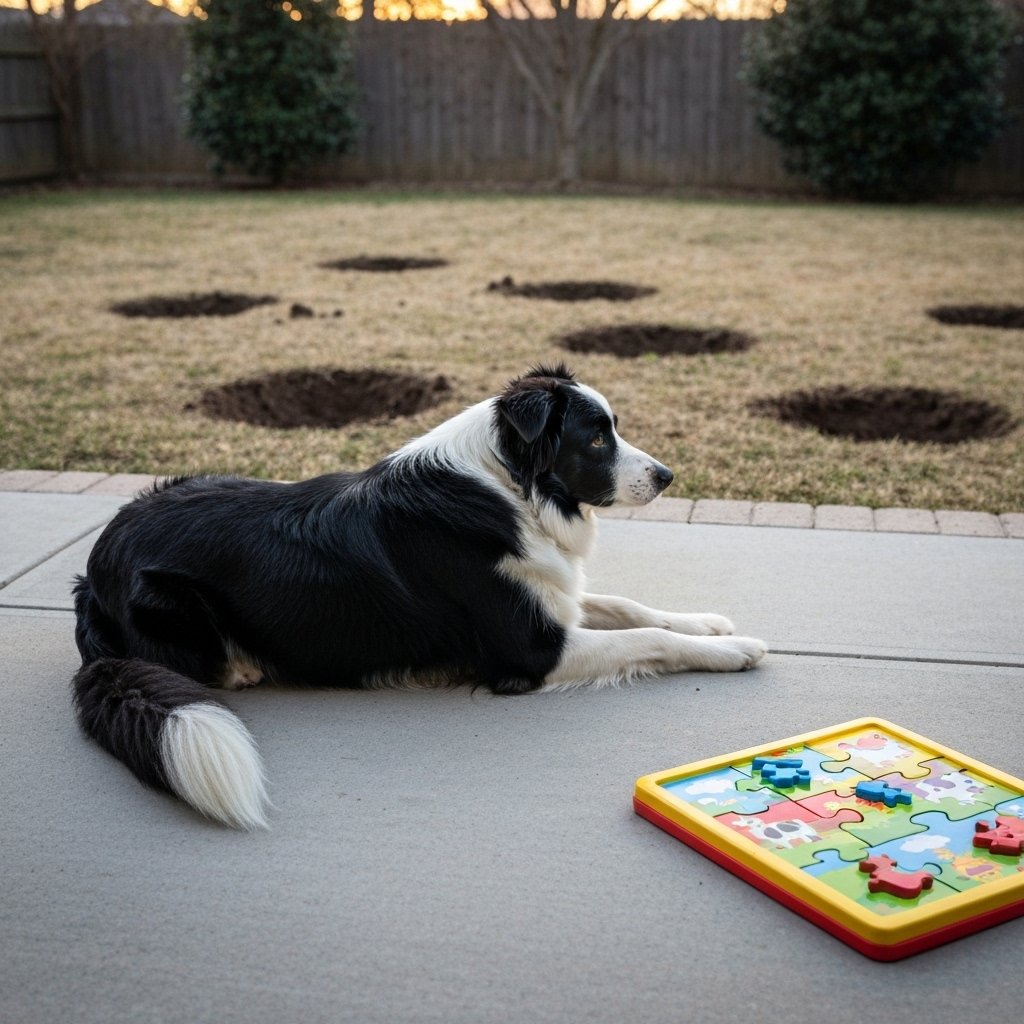
While medical causes must be ruled out first, geophagia can also be rooted in psychological or behavioral issues. For some dogs, eating dirt becomes a coping mechanism or a displacement behavior used to deal with stress, boredom, or a lack of stimulation.
Common Behavioral Causes
- Boredom and Lack of Enrichment: A dog left alone for long periods without sufficient physical exercise or mental stimulation may turn to destructive or compulsive behaviors like digging and eating dirt simply to have something to do.
- Anxiety: Separation anxiety, noise phobias, or generalized anxiety can manifest in various ways, including pica. The act of chewing and eating can be self-soothing for a stressed animal.
- Attention-Seeking: If a dog learns that eating dirt gets a big reaction from its owner (even a negative one), it may repeat the behavior to gain attention.
- Canine Compulsive Disorder (CCD): In some cases, the behavior can become a true compulsion, similar to OCD in humans, where the dog feels an irresistible urge to perform the action.
Addressing behavioral pica involves a two-pronged approach: managing the environment to prevent access to dirt and, more importantly, enriching the dog’s life with more exercise, interactive toys, training sessions, and consistent routines to build confidence and reduce anxiety.
Reason 5: The Hidden Dangers in the Soil Itself
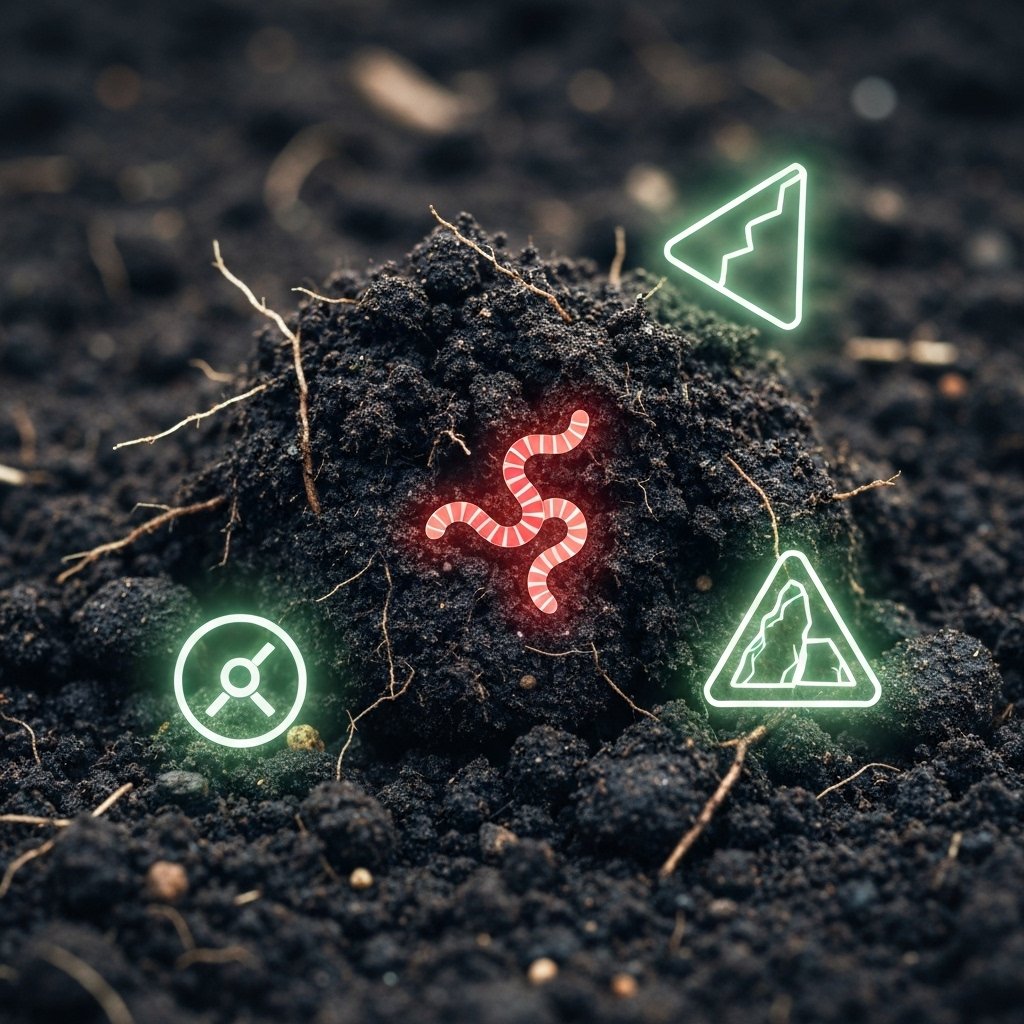
Beyond being a symptom of an underlying problem, the act of eating dirt is inherently dangerous. The soil in our yards and parks is not sterile and can contain a multitude of hazards that can cause acute or chronic illness. This is one of the most immediate ‘scary’ reasons why the behavior must be stopped.
Ingesting soil can expose your dog to a variety of threats that can lead to emergency veterinary visits. It’s crucial for owners to be aware of what might be lurking in their own backyard.
| Hazard Type | Specific Dangers | Potential Consequences |
|---|---|---|
| Chemical Toxins | Pesticides, herbicides, fertilizers, snail bait, rodenticides, antifreeze runoff. | Poisoning, neurological damage, organ failure, death. |
| Parasites | Eggs and larvae of roundworms, hookworms, whipworms, and Giardia cysts. | Severe gastrointestinal distress, anemia, weight loss, chronic illness. |
| Foreign Objects | Rocks, gravel, sticks, glass shards, mulch, landscaping materials. | Choking, broken teeth, intestinal perforation, life-threatening blockages requiring surgery. |
| Bacteria & Fungi | Clostridium, Salmonella, Leptospira, and various soil-borne fungi. | Systemic infections, gastrointestinal upset, fever, organ damage. |
The risk of impaction or intestinal blockage is particularly high. If a dog swallows rocks or large amounts of compacted soil, it can create a blockage that prevents food and liquid from passing through the digestive tract. This is a surgical emergency that can be fatal if not treated promptly.
Conclusion
If you’ve noticed your dog eating dirt, it’s time to take action. While the behavior might seem minor, it can be a visible symptom of serious invisible problems, ranging from anemia and gastrointestinal disease to systemic illness and psychological distress. Furthermore, the act itself introduces a host of new risks, from poisoning to parasitic infection and intestinal blockages. Never dismiss or punish this behavior. Instead, view it as a crucial piece of information your dog is giving you about its health. The most responsible and loving step you can take is to schedule a comprehensive examination with your veterinarian. Through blood work, fecal tests, and a physical exam, they can help you uncover the root cause and develop a targeted treatment plan. By addressing the ‘why’ behind the behavior, you can protect your beloved companion from the scary health reasons that compel them to eat dirt and ensure their long-term health and happiness.