My Dog Ate a Cicada! Dangers & ‘Drop It’ Emergency Drill
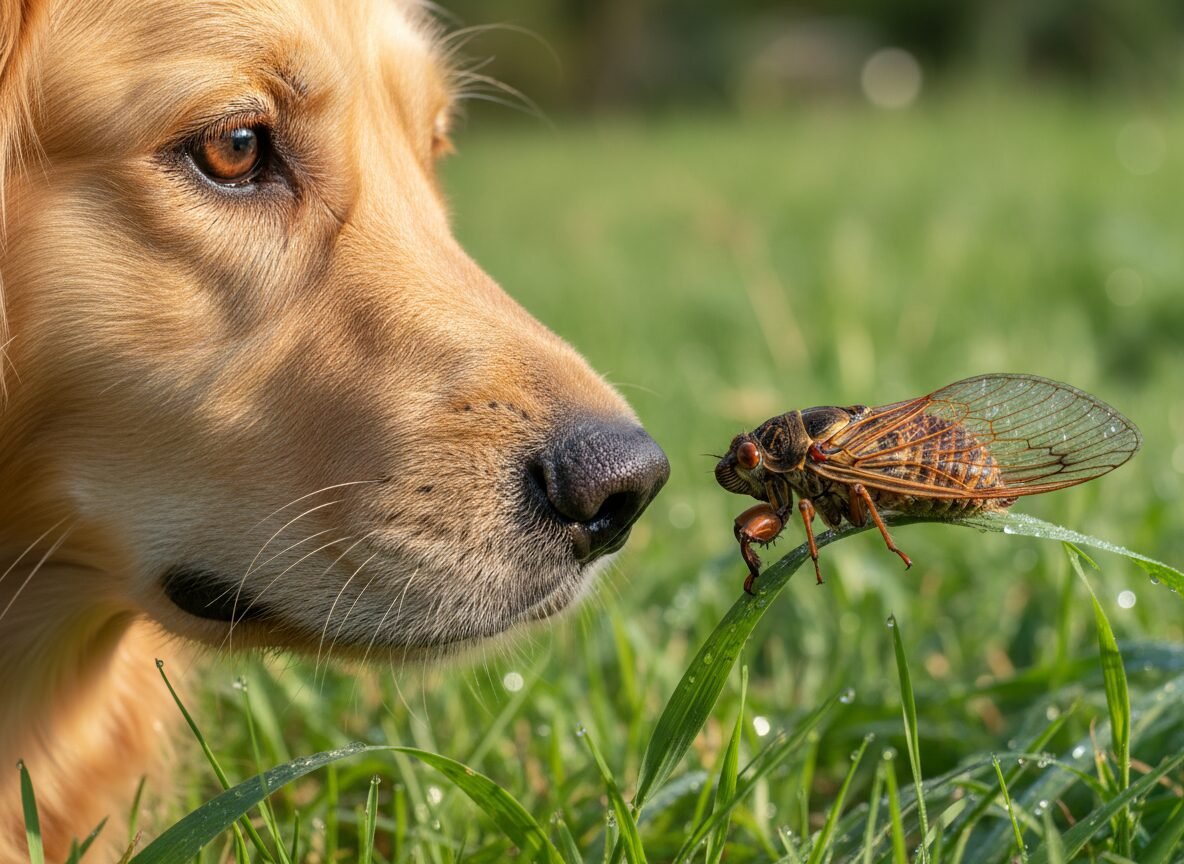
The sudden, loud buzzing of a cicada can pique any dog’s curiosity. Before you know it, that curiosity can lead to a quick gulp. The immediate thought for many pet owners is one of panic: ‘My dog just ate a cicada, is it dangerous?’ During periods of cicada brood emergence, this scenario becomes incredibly common in backyards and on walks across the country. While a single cicada is unlikely to cause serious harm to most dogs, it is crucial for owners to be well-informed about the potential risks and, more importantly, to be prepared to prevent it from happening again.
This comprehensive guide serves a dual purpose. First, we will address the immediate health concerns from a veterinary standpoint, breaking down the actual dangers, the symptoms to monitor, and the critical signs that warrant a call to your veterinarian. Second, we will shift from reactive worry to proactive prevention by providing a detailed, step-by-step emergency drill for teaching your dog a rock-solid ‘Drop It’ command. Mastering this skill is not just about cicadas; it’s about safeguarding your dog from ingesting any potentially harmful object they might encounter.
Are Cicadas Toxic to Dogs? A Veterinary Perspective
The first question to address is toxicity. The good news is that cicadas are not toxic or poisonous to dogs. They do not contain any inherent venom or poison that would cause systemic harm. However, ‘non-toxic’ does not mean ‘harmless.’ The primary dangers associated with dogs consuming cicadas stem from the physical properties of the insect and potential external contaminants.
The Main Health Concerns
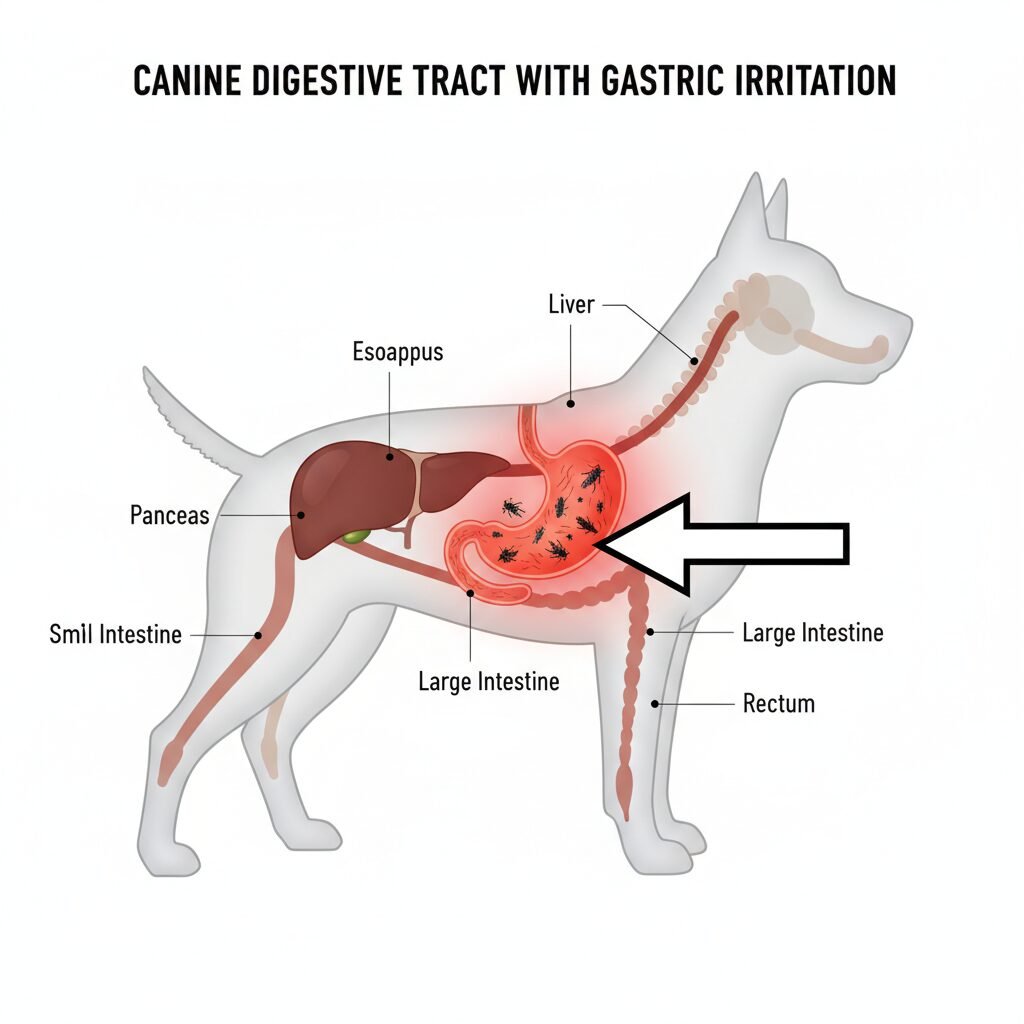
The hard, chitinous exoskeleton of a cicada is difficult for a dog’s digestive system to process. While your dog may be an enthusiastic ‘bug-zapper,’ their stomach is not well-equipped to break down these crunchy critters, especially in large quantities.
- Gastrointestinal Upset: This is the most common issue. The indigestible exoskeletons can irritate the stomach lining, leading to symptoms like vomiting, diarrhea, excessive drooling, and abdominal pain. Consuming a large number of cicadas—a ‘cicada buffet’—significantly increases the likelihood of a severe stomach ache.
- Choking Hazard and Obstruction: The size and shape of cicadas, particularly the larger periodical broods, can pose a choking risk, especially for smaller breeds or dogs who tend to swallow without chewing. In rare cases, a large mass of consumed cicadas could potentially lead to an intestinal blockage, which is a serious medical emergency.
- Pesticide Exposure: Cicadas emerge from the ground, where they may have been exposed to lawn chemicals, pesticides, or fertilizers. When your dog eats a cicada, they are also ingesting any chemicals the insect has come into contact with. This secondary exposure can lead to poisoning, with symptoms far more severe than simple indigestion.
- Allergic Reactions: Though uncommon, it is possible for a dog to have an allergic reaction to an insect, just as humans can. Signs of an allergic reaction can include swelling of the face, hives, excessive itching, and difficulty breathing.
| Potential Risk | Description | Severity Level |
|---|---|---|
| Gastrointestinal Irritation | Difficulty digesting the exoskeleton, leading to vomiting or diarrhea. | Low to Moderate |
| Choking Hazard | The insect’s size can block the airway, especially in small dogs. | High (Emergency) |
| Intestinal Blockage | Consuming a very large quantity can create an indigestible mass. | High (Emergency) |
| Pesticide Contamination | Ingesting chemicals present on the cicada’s body. | Moderate to High |
| Allergic Reaction | Rare immune response to the insect. | Moderate to High |
Symptoms to Monitor and When to Seek Veterinary Care

If you know or suspect your dog has eaten a cicada, the first step is to remain calm and observe your pet closely. For a healthy, medium-to-large dog that consumed a single cicada, you may see no symptoms at all. However, it’s essential to know what to look for and when the situation escalates from ‘watchful waiting’ to a veterinary emergency.
Immediate Symptoms to Watch For:
- Mild to Moderate Vomiting or Diarrhea: A single episode of vomiting or a soft stool may occur as your dog’s body works to expel the indigestible parts.
- Lethargy: Your dog may seem less energetic or more tired than usual due to stomach discomfort.
- Loss of Appetite: A temporary disinterest in food is common with an upset stomach.
- Excessive Drooling or Lip-Licking: These are common signs of nausea in dogs.
Red Flag Symptoms: When to Call the Vet Immediately
Certain symptoms indicate a more serious problem that requires professional medical attention without delay. Do not hesitate to contact your veterinarian or an emergency animal hospital if you observe any of the following:
- Persistent or Severe Vomiting/Diarrhea: More than two episodes of vomiting, or diarrhea containing blood.
- Signs of Choking: Pawing at the mouth, gagging, coughing, wheezing, or difficulty breathing. This is a life-threatening emergency.
- Abdominal Pain or Bloating: Your dog may whine, cry when their belly is touched, or assume a ‘praying’ position (front legs down, rear end up). A hard, distended abdomen is a critical sign.
- Extreme Lethargy or Collapse: An inability to stand or a complete lack of responsiveness.
- Signs of an Allergic Reaction: Swelling of the face, muzzle, or neck; hives on the skin; or labored breathing.
Expert Tip: When in doubt, always err on the side of caution. A quick phone call to your veterinarian can provide peace of mind and ensure you are taking the appropriate steps for your dog’s specific situation. Never administer human medications for stomach upset, as many are toxic to dogs.
The ‘Drop It’ Command: Your Emergency Prevention Tool

While knowing how to react after your dog eats a cicada is important, the best strategy is prevention. The single most effective tool in your prevention toolkit is a reliable ‘Drop It’ command. This isn’t just a party trick; it’s a potentially life-saving skill that allows you to instruct your dog to release any object from their mouth on cue, whether it’s a buzzing cicada, a dropped piece of chocolate, a chicken bone, or a child’s toy.
The goal of the ‘Drop It’ emergency drill is to build a strong, positive, and automatic response. Your dog should learn that releasing an item on your command leads to something even better, not a conflict or the loss of a prized possession. This is achieved through consistent, positive reinforcement-based training. Yelling ‘No!’ or trying to pry an object from a dog’s mouth can often have the opposite effect, teaching them to guard items more fiercely or to swallow them quickly to avoid having them taken away. By making ‘Drop It’ a rewarding experience, you build trust and create a reliable safety behavior.
How to Teach ‘Drop It’: A Step-by-Step Guide
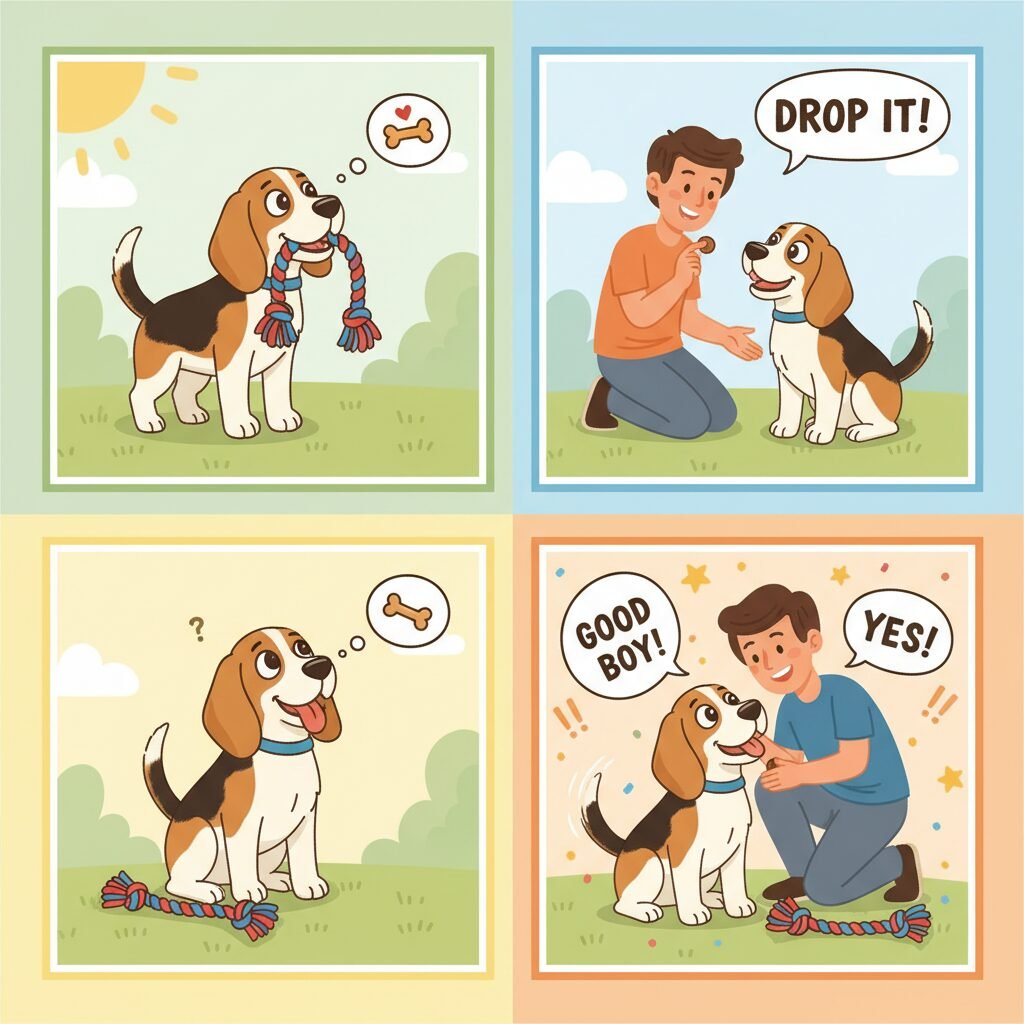
Teaching this command requires patience and consistency. Keep training sessions short (5-10 minutes) and positive. You will need two types of items: your dog’s toys (start with a lower-value one they like but don’t obsess over) and high-value treats (small pieces of chicken, cheese, or commercial training treats your dog loves).
- Step 1: Introduce the Trade. Start by giving your dog a toy of moderate interest. Let them hold it for a few seconds. Then, present a high-value treat right in front of their nose. As they smell the delicious treat, most dogs will naturally open their mouth to take it, causing the toy to fall out. The moment the toy drops, say your cue word, “Drop it!” in a clear, upbeat voice, and give them the treat. Pick up the toy and repeat this process 5-6 times.
- Step 2: Add the Verbal Cue First. Once your dog is reliably dropping the toy when they see the treat, it’s time to add the verbal cue first. Give them the toy. Then, say “Drop it!” before you present the treat. There might be a slight pause as they process this. The moment they drop the toy, mark the behavior with an enthusiastic “Yes!” and immediately give them the treat. This teaches them that the words, not just the sight of the treat, predict the reward.
- Step 3: Practice with Higher-Value Items. Gradually increase the difficulty by practicing with toys your dog values more. The rule remains the same: the item they are asked to drop must be less valuable than the reward they receive for doing so. This reinforces the idea that dropping an item is always a winning choice for them.
- Step 4: Generalize the Behavior. Once your dog has mastered the command in a quiet room, start practicing in different locations—the living room, the backyard, and eventually on-leash during walks. Introducing new environments helps your dog understand that “Drop it!” means the same thing everywhere, not just in your training spot.
- Step 5: The Real-World Emergency Drill. Do not wait for a real emergency to test the command. Periodically, during a walk or playtime, when your dog picks up a ‘safe’ but unapproved item like a stick or a leaf, calmly use your “Drop it!” command. When they comply, reward them lavishly with high-value treats and praise. This keeps the skill sharp and reliable for when they pick up something truly dangerous, like a cicada.
Troubleshooting Common Problems
What if my dog won’t drop the item? The treat you are using is likely not high-value enough. Find a reward that is more enticing than the object they are holding. Also, ensure you are starting with a low-value toy they are not overly possessive of.
What if my dog runs away with the item? This is called resource guarding. Do not chase your dog, as this can turn into a game. Instead, work on making the ‘trade’ so rewarding that they choose to bring items to you. You may need to consult a professional trainer if the resource guarding is severe.
Navigating Cicada Season: Management and Supervision Tips
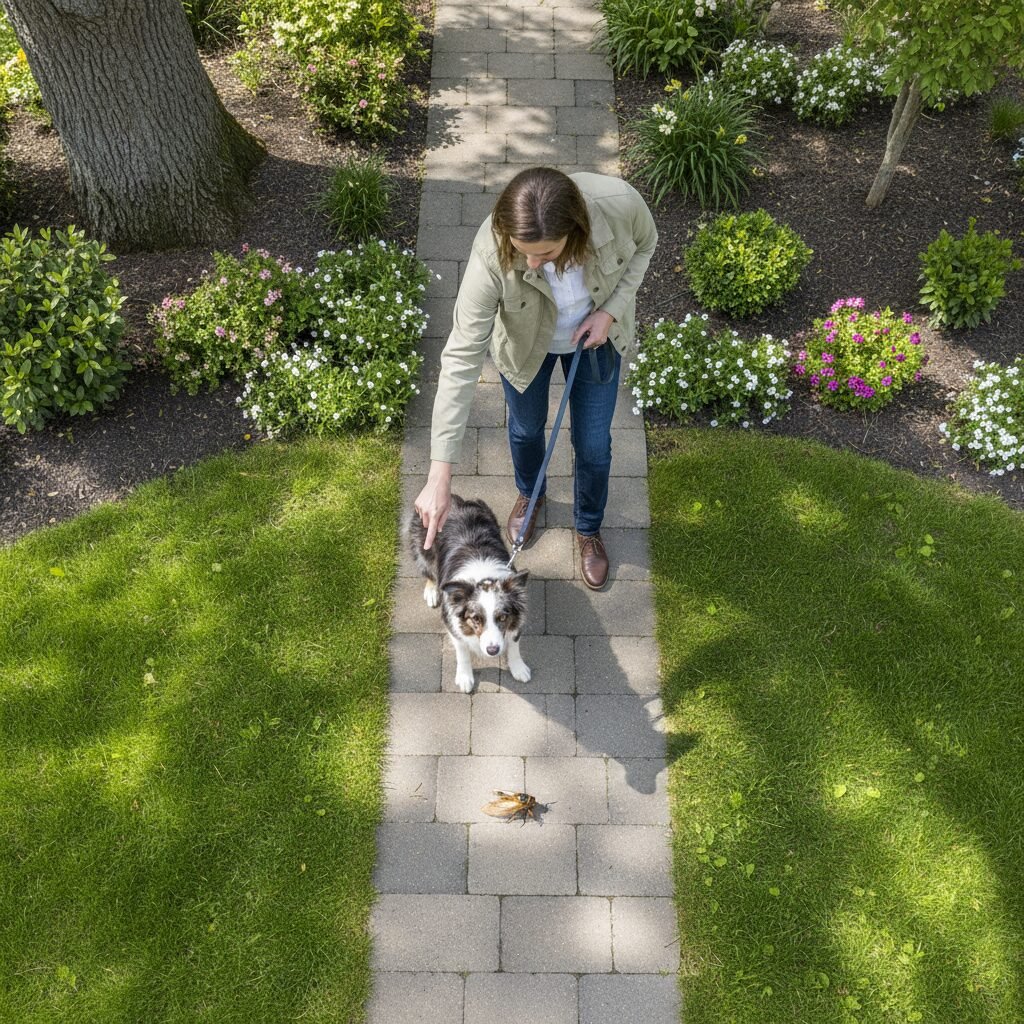
Training is your primary line of defense, but management is equally important, especially during a heavy cicada emergence. Management means controlling your dog’s environment to reduce their opportunities to make a mistake. Combining management with training sets your dog up for success.
- Leashed Outings: Keep your dog on a leash, even in your own fenced yard, during the peak of cicada season. This gives you immediate physical control to guide them away from a potential snack.
- Yard Sweeps: Before letting your dog out, do a quick scan of the area. Cicadas are often clumsy and can be found on patios, decks, and lawns, making them easy targets.
- Supervised Potty Breaks: Do not leave your dog unattended outside. Stay with them for potty breaks to ensure you can intervene if they find a cicada.
- Provide Mental and Physical Stimulation: A bored dog is more likely to entertain themselves by eating things they find. Ensure your dog has plenty of appropriate chew toys and engage them in activities like puzzle feeders, fetch, or training games indoors to keep their mind occupied.
- Practice Avoidance: On walks, be vigilant. Steer your dog clear of trees and shrubs where cicadas are actively buzzing and congregating. Use the ‘Leave It’ command for cicadas they spot but haven’t yet picked up.
By actively managing your dog’s environment, you minimize the number of times you’ll need to use your ‘Drop It’ emergency command, saving it for true, unavoidable situations and reducing your dog’s temptation to indulge in the cicada craze.
Conclusion
The sight of your dog eating a cicada can be startling, but it is rarely a cause for severe alarm. The primary risks—gastrointestinal upset and choking—are manageable with careful observation and an understanding of when to seek professional help. Remember that cicadas themselves are not toxic, but the quantity consumed and the potential for pesticide exposure are the most significant factors to consider.
Ultimately, these seasonal events serve as a powerful reminder of the importance of proactive training. By investing the time to teach a reliable ‘Drop It’ command, you are equipping your dog with a crucial life skill that transcends cicada season. This command is your safety net, allowing you to protect your companion from a wide array of potential dangers. Stay vigilant, stay prepared, and continue to build that incredible bond of trust with your dog through positive, consistent training. Your peace of mind and your dog’s safety are well worth the effort.