My Dog Won’t Poop On A Leash! 7 Instant Fixes For Stubborn Pups
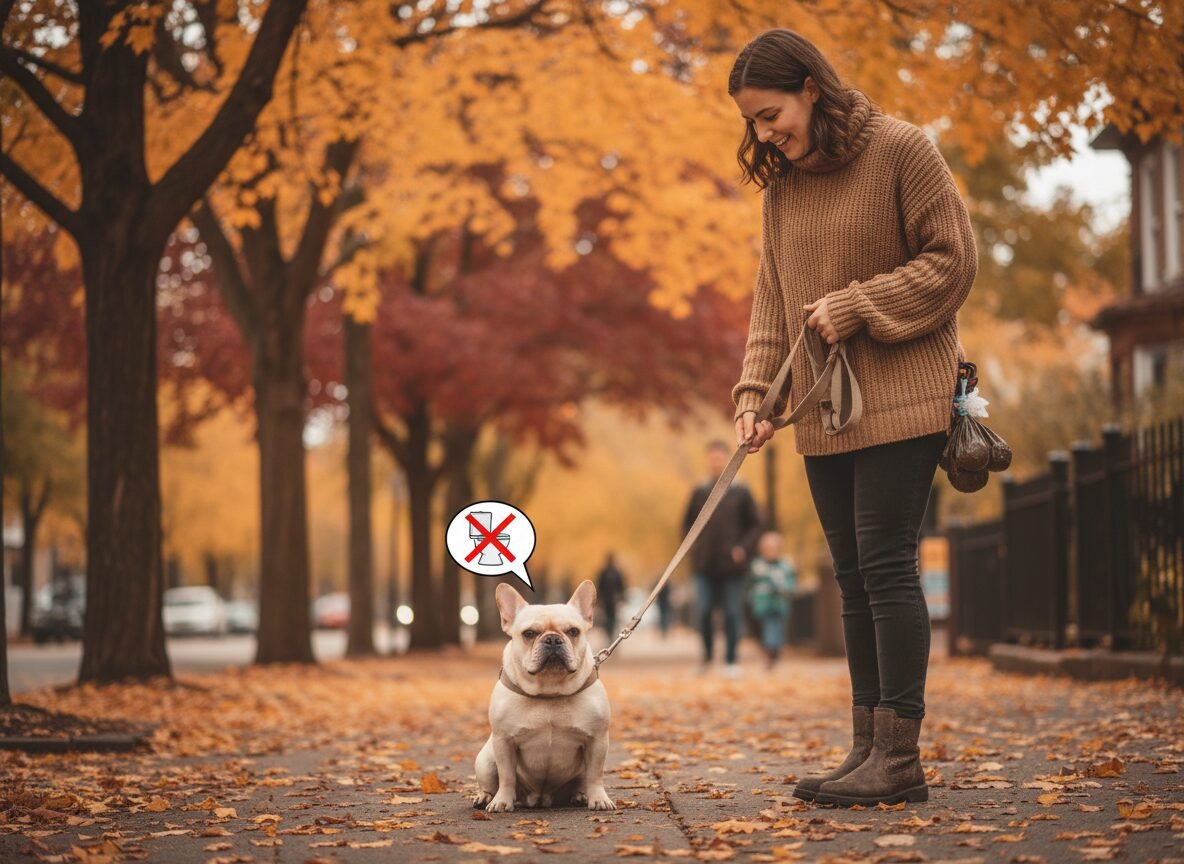
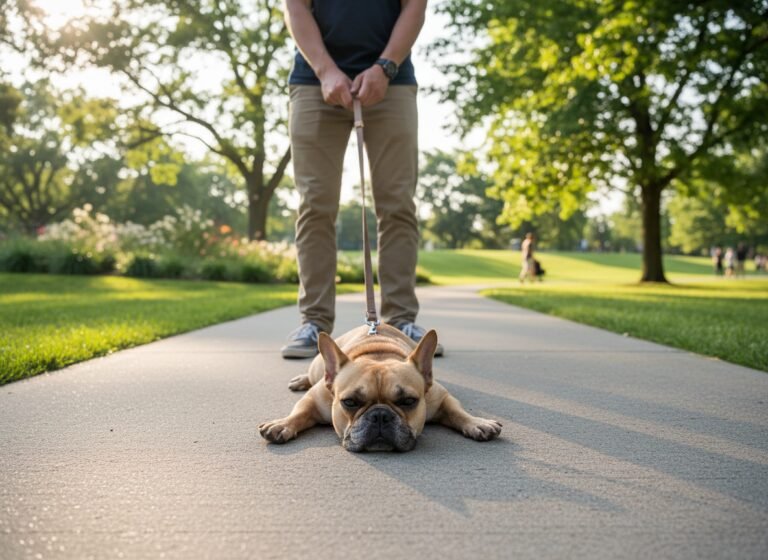
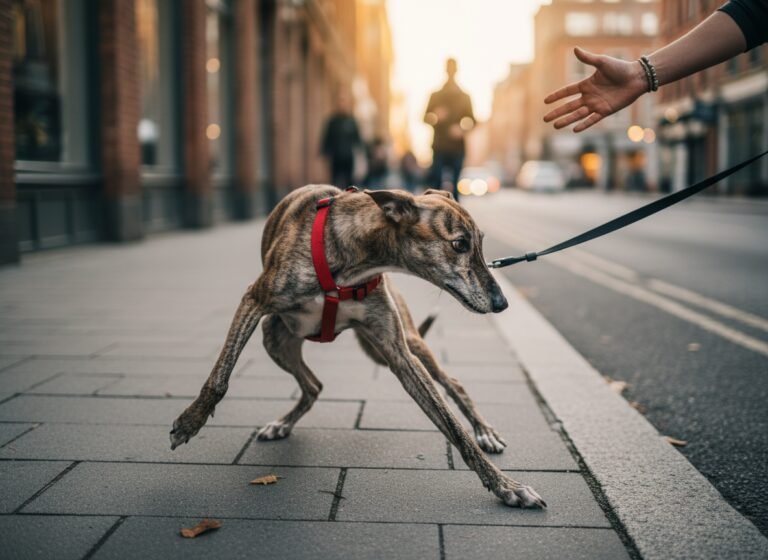
The daily walk is meant to be a bonding experience, a moment of joy and exercise for both you and your canine companion. Yet, for many owners, it becomes a source of immense frustration, punctuated by a single, recurring thought: ‘Why won’t my dog just poop on the leash?’ You walk for miles, circle the same block endlessly, and the moment you return home, an accident happens on the carpet. This scenario is incredibly common and can test the patience of even the most dedicated pet owner.
Understanding this behavior is the first step toward solving it. Dogs are not being deliberately defiant; their reluctance often stems from deep-seated instincts related to vulnerability, privacy, established habits, or negative associations with the leash itself. A dog in the ‘potty posture’ is exposed and vulnerable to perceived threats. If they have only ever known the freedom and security of a private, fenced-in yard, the prospect of eliminating on a busy sidewalk while tethered to you can be genuinely stressful.
This guide moves beyond simple frustration and provides a professional, behavior-based framework for success. We will deconstruct the psychological barriers your dog is facing and equip you with seven distinct, actionable techniques. From establishing a verbal cue to manipulating the environment and leveraging advanced behavioral strategies, you will learn how to transform your stubborn pup into a confident and reliable on-leash eliminator. Prepare to reclaim your walks and restore potty-time peace.
Decoding the Dissonance: Why Your Dog Resists Pooping on a Leash
Before implementing any training solutions, it is critical to understand the root cause of your dog’s on-leash potty refusal. This isn’t a matter of spite; it’s a complex interplay of instinct, habit, and environment. By empathizing with your dog’s perspective, you can tailor your approach for maximum effectiveness.
Key Reasons for On-Leash Potty Aversion:
- Instinctual Vulnerability: The elimination posture—squatting or leg-lifting—places a dog in a physically vulnerable position. In the wild, this is a moment when they are susceptible to attack. The presence of a leash can heighten this feeling of being trapped or unable to escape a perceived threat, causing them to hold it until they feel secure, which is often back inside the home.
- Surface Preference: Dogs are highly associative creatures and can develop a strong preference for a specific type of surface. If your puppy was trained on soft grass in a backyard, they may not recognize concrete, asphalt, or even different types of grass as an appropriate ‘toilet’. This is known as substrate preference, and it can be a powerful inhibitor.
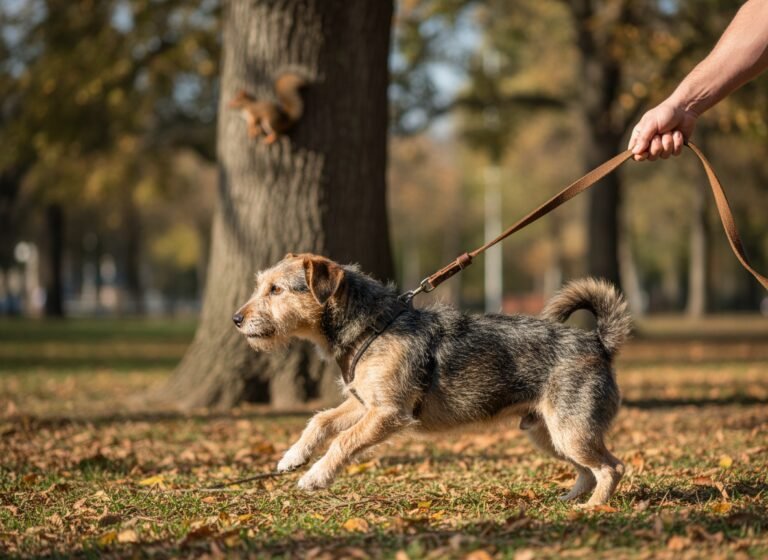
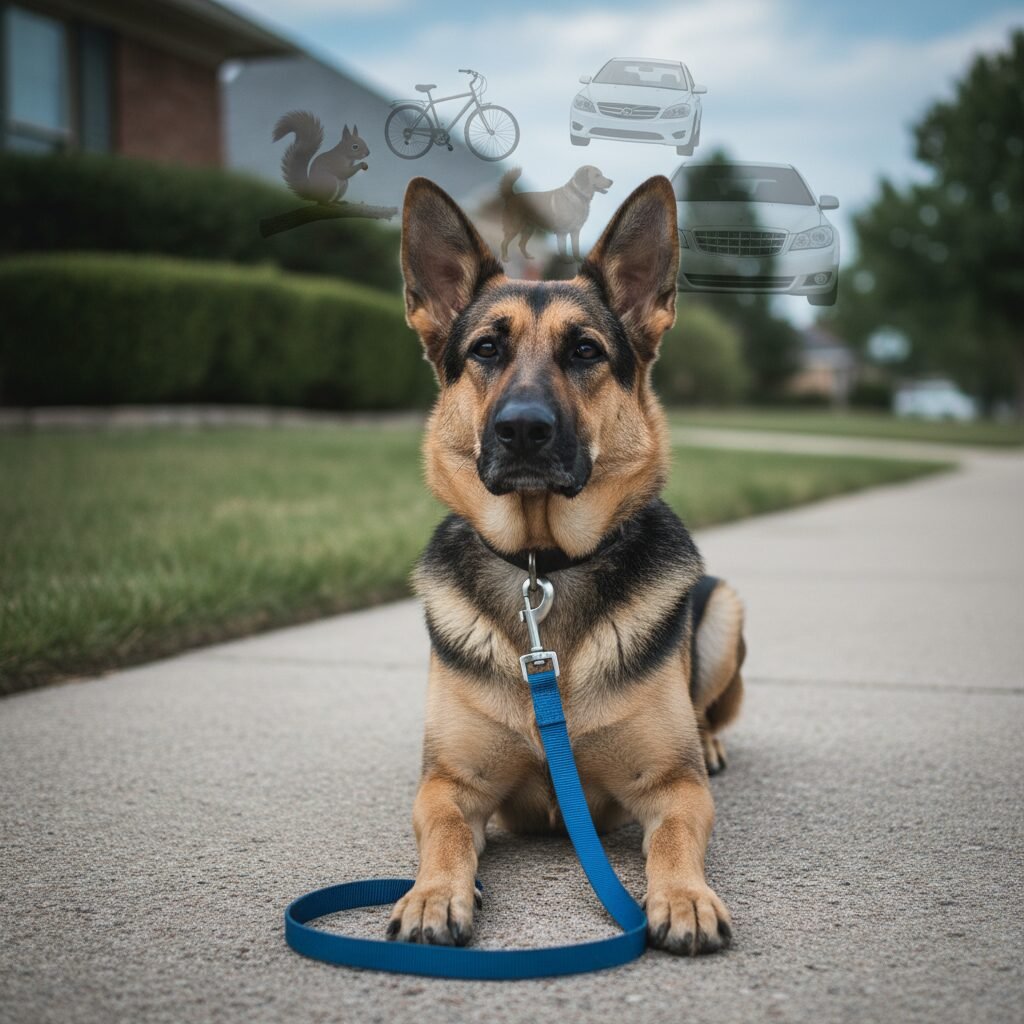
- Distraction Overload: The world outside is a symphony of stimulating sights, sounds, and smells. For many dogs, especially young or anxious ones, a walk is a high-arousal activity. They are so busy processing environmental data—sniffing for other dogs, listening for traffic, watching squirrels—that the physical urge to eliminate is suppressed. Their brain is simply too occupied to relax enough to poop.
- Negative Leash Association: Does the leash only come out for quick, hurried potty breaks? If so, your dog may associate the leash with the end of fun. They learn that as soon as they do their business, the walk is over and they have to go back inside. To prolong their cherished outdoor time, they learn to hold it for as long as possible.
- Lack of Privacy: Just like humans, some dogs value their privacy. Having you stand just a few feet away, holding the leash and staring expectantly, can feel intrusive and stressful. This ‘performance anxiety’ is a significant barrier for many sensitive dogs.
Identifying which of these factors—or combination of factors—is influencing your dog is the foundational step. Observe their body language on walks. Are they tense and hyper-vigilant? Are they obsessively sniffing but never settling? Understanding their ‘why’ transforms you from a frustrated owner into an effective trainer and advocate for your pet’s needs.
Fix #1: Master the ‘Go Potty’ Command
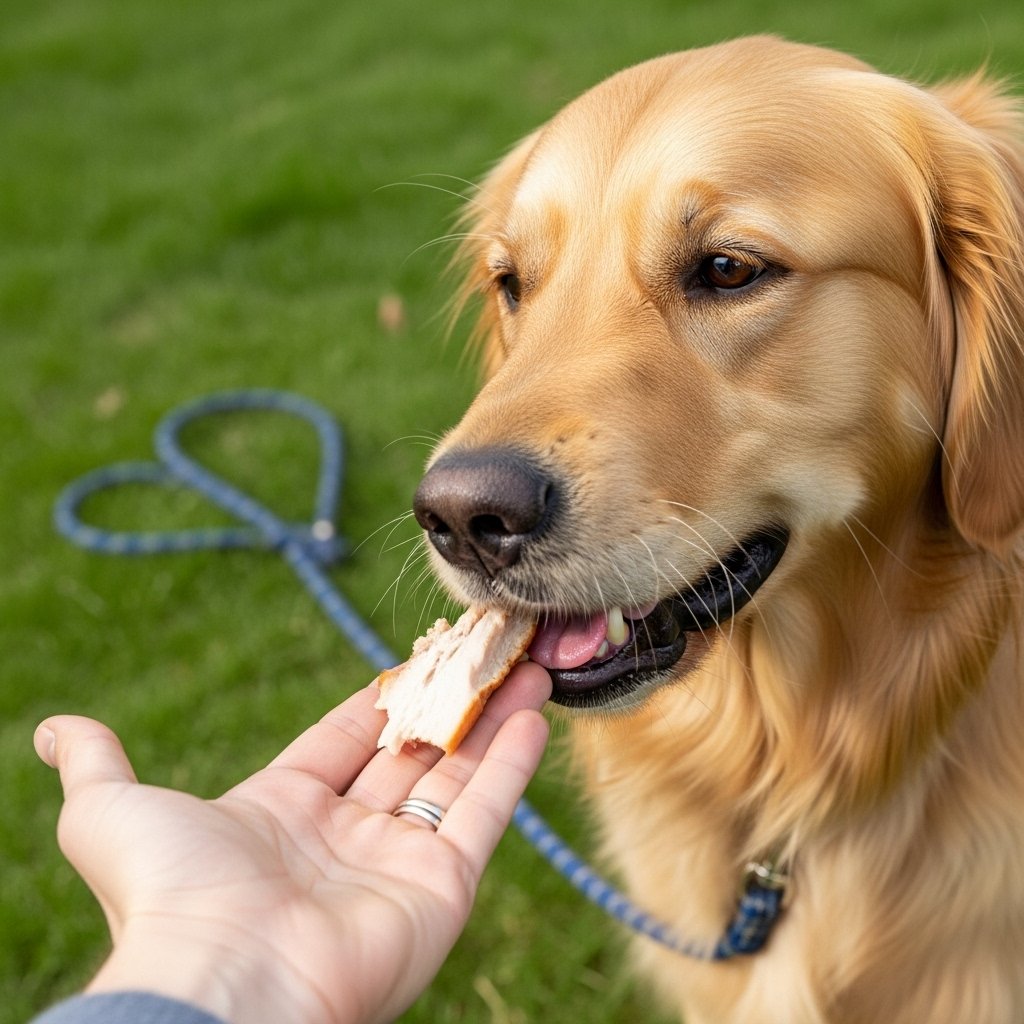
The single most powerful tool in your potty-training arsenal is a clear, consistent verbal cue. Teaching your dog to eliminate on command transforms the behavior from a random occurrence into a predictable, rewarded action. This process, known as capturing, links a natural behavior with a command, giving you a reliable way to prompt your dog when and where you need them to go.
Step-by-Step Guide to Teaching the Cue:
- Start in a Controlled Environment: Begin this training in a location where your dog already eliminates successfully and without stress, such as your fenced backyard. Do not start on-leash. Your initial goal is simply to associate the word with the action.
- Capture the Behavior: Take your dog out to their usual spot. Let them roam freely. The moment you see them begin to posture for a poop—circling, sniffing intently, and starting to squat—calmly and pleasantly say your chosen cue. Examples include ‘Go Potty,’ ‘Do Your Business,’ or ‘Hurry Up.’ Choose one and stick with it.
- Mark and Reward Immediately: The instant they finish, praise them enthusiastically and reward them with a very high-value treat. This should not be their regular kibble; it should be something special they only get for this success, like a small piece of chicken, cheese, or a high-quality commercial treat. The reward reinforces the connection: ‘Pooping when I hear that phrase brings amazing things!’
- Practice and Proof: Repeat this process every single time your dog eliminates in the yard. Consistency is paramount. After a week or two of successful captures, you can begin to say the cue just as they are about to start their pre-potty ritual, rather than during the act itself.
- Transition to the Leash: Once the command is reliable in the yard, attach the leash and practice there. They are in a familiar territory, which minimizes stress, but are now learning to perform the cued behavior while tethered. When they succeed, the reward should be even more extravagant. Only after they are consistently successful on-leash in the yard should you venture out to the front sidewalk or a quiet park to begin generalizing the command to new environments.
Expert Tip: Keep your tone of voice for the cue neutral and encouraging. A frustrated or anxious tone will transfer to your dog, increasing their stress and making it less likely they will be able to relax enough to go.
Fixes #2, #3, & #4: Structuring the Environment for Success
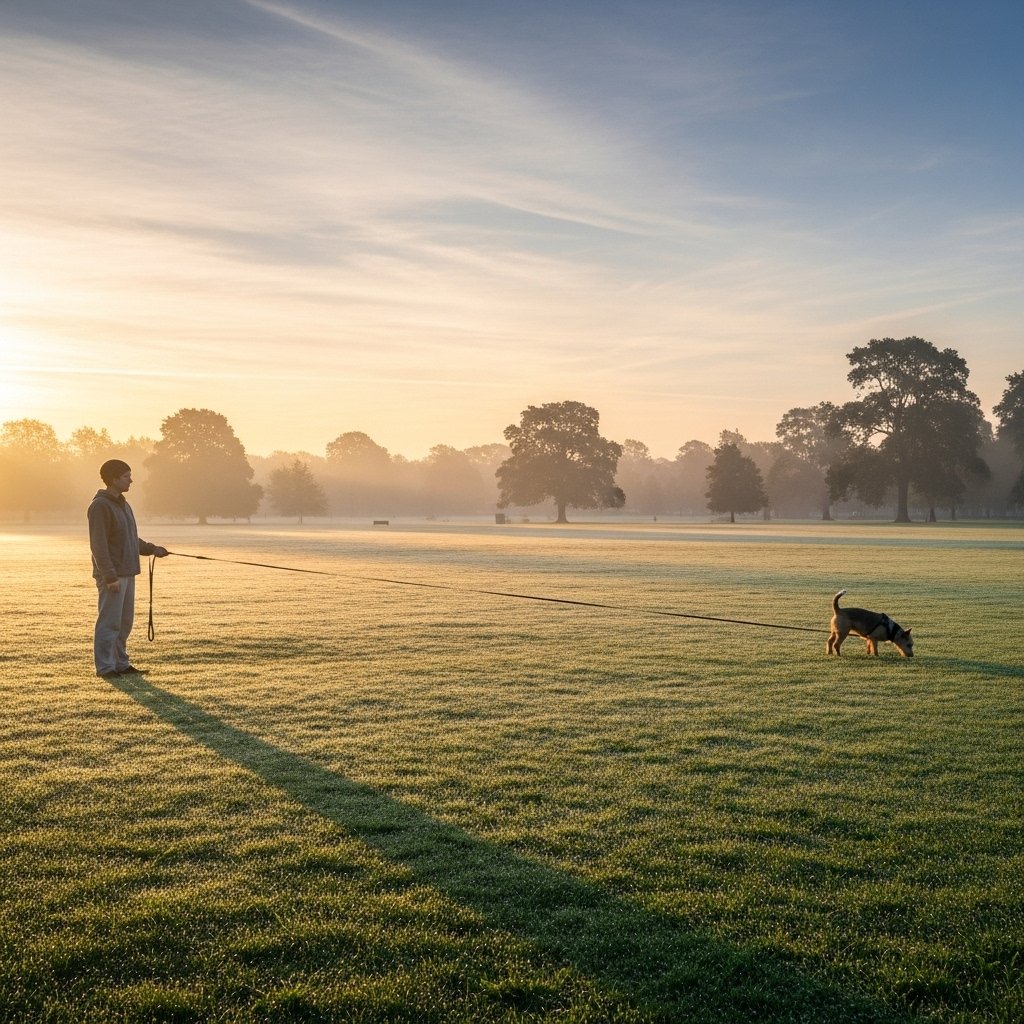
Effective dog training is often less about forcing a behavior and more about engineering the environment to make the desired behavior the easiest and most logical choice for the dog. By managing your dog’s schedule, space, and walk locations, you can dramatically increase the odds of on-leash success.
Fix #2: The Power of Routine
Dogs are crepuscular animals, meaning they are most active at dawn and dusk, and their digestive systems thrive on predictability. A sporadic feeding and walking schedule leads to an unpredictable need to eliminate. Create a rigid schedule and stick to it.
| Time | Activity | Rationale |
|---|---|---|
| 7:00 AM | First Potty Walk | Most dogs need to eliminate immediately upon waking. |
| 7:30 AM | Breakfast | Feeding activates the gastrocolic reflex, which often stimulates a bowel movement 20-40 minutes later. |
| 8:00 AM | Second Potty Walk (Poop Focused) | This walk is timed specifically to coincide with the post-meal urge to defecate. |
| 12:30 PM | Mid-Day Potty Break | A brief walk to relieve the bladder and bowels. |
| 5:00 PM | Dinner | Evening meal. |
| 5:30 PM | Evening Walk (Poop Focused) | The second main elimination walk of the day, timed after dinner. |
| 10:00 PM | Final Potty Outing | A last chance to empty the tank before bedtime. |
Fix #3: The Long Leash Technique
A standard 6-foot leash can amplify feelings of pressure and a lack of privacy. Switching to a 15-to-25-foot long line (not a retractable leash, which offers no control) can be a game-changer. Find a safe, open area like a park or field. Let the dog wander to the end of the long line. This extra distance provides a sense of freedom and privacy, mimicking an off-leash experience. Stand still, be ‘boring,’ and let them sniff and explore. The reduced pressure often allows them to relax and follow their natural instincts.
Fix #4: Strategic Location Scouting
Do not begin your training on a busy city street corner. Instead, become a location scout. Find quiet, low-traffic areas with surfaces your dog prefers. This might be a grassy patch behind a building, a quiet cul-de-sac, or a deserted trail. The fewer distractions, the more likely your dog will be able to focus on the task at hand. Once your dog is reliably pooping on leash in these ‘easy’ locations, you can gradually start introducing them to slightly more distracting environments to build their confidence.
Fixes #5, #6, & #7: Advanced Techniques for Stubborn Pups
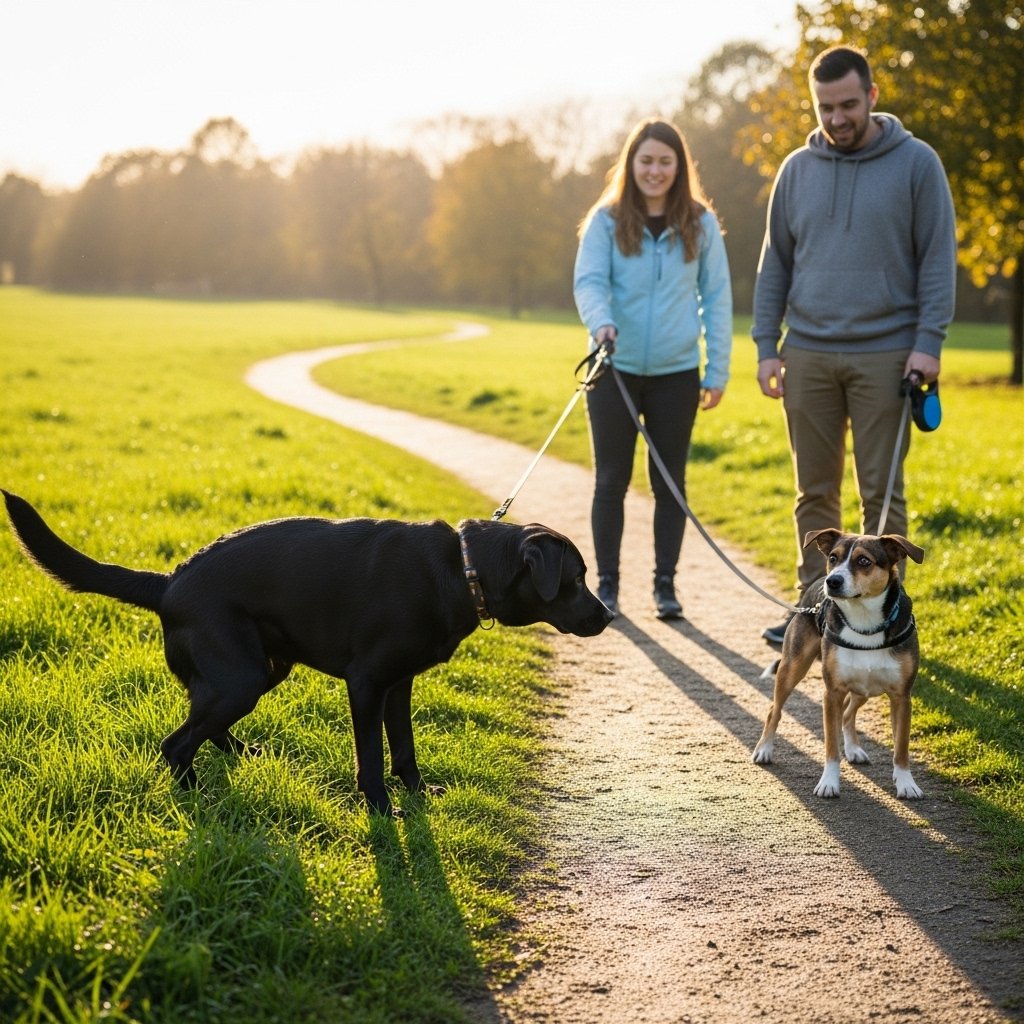
For dogs with a more ingrained resistance to pooping on a leash, foundational methods may need to be supplemented with more advanced behavioral strategies. These techniques are designed to overcome specific psychological hurdles and create powerful positive associations.
Fix #5: The ‘Boring Walk’ Method
This technique directly counters the dog’s belief that pooping ends the walk. The walk is divided into two phases: the ‘boring’ business phase and the ‘exciting’ reward phase. Start the walk in a designated, low-distraction potty area. Stand still or walk back and forth in a 10-foot radius. Be a tree. Do not engage with your dog, do not let them greet others, and do not let them sniff excessively outside the designated zone. The walk is utterly boring. The moment your dog finally poops, erupt in praise and immediately begin the ‘fun’ part of the walk. Go to the exciting park, let them sniff everything, maybe play a quick game of fetch. The dog quickly learns: ‘The fun doesn’t start until after I poop.’
Fix #6: Scent Seeding for Encouragement
This method taps into a dog’s natural instinct to eliminate in areas where other dogs (or they themselves) have gone before. It’s a form of olfactory communication. If your dog has an accident in the house or poops in the yard, collect a small piece of the stool in a bag. On your next walk, discreetly place this piece of poop in the area where you want your dog to go. Lead them over to the spot. The familiar scent acts as a powerful trigger, signaling that this is an acceptable and safe ‘toilet’ area, which can often override their reluctance.
Fix #7: The Accompaniment Trick (Social Learning)
Dogs are social animals and often learn by observing other dogs. If you have a friend with a well-trained, confident dog who has no problem pooping on a leash, arrange to go for walks together. The simple act of your dog seeing the ‘buddy dog’ calmly and confidently do their business can be a powerful demonstration. This social proof can lower their anxiety and show them that there is nothing to fear. The buddy dog’s behavior essentially gives your dog ‘permission’ and demonstrates the expected action, often breaking the cycle of anxiety and refusal.
Common Mistakes and What to Avoid
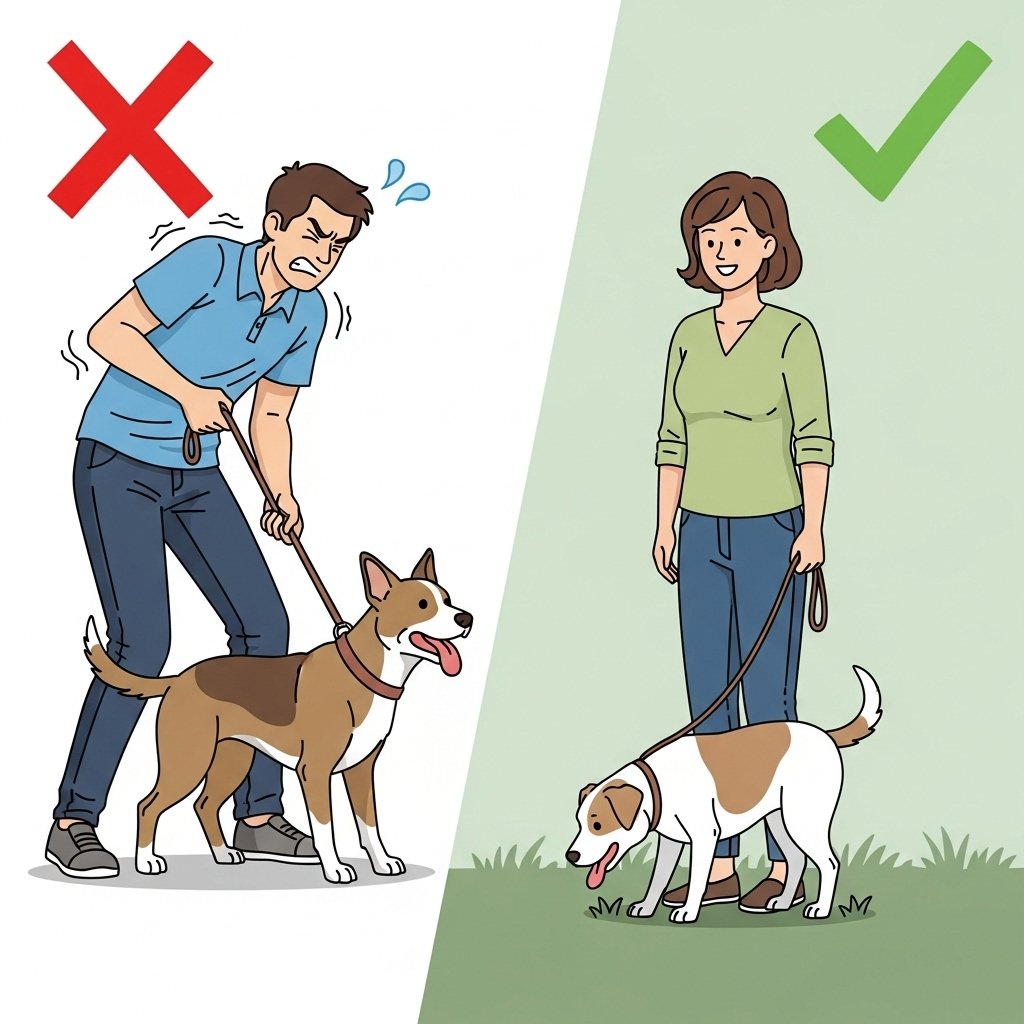
The path to successful on-leash potty training is paved with patience and consistency. However, certain common owner mistakes can inadvertently sabotage progress and reinforce the very behavior you’re trying to extinguish. Being mindful of these pitfalls is just as important as implementing the correct techniques.
Crucial Errors to Avoid:
- Punishing Accidents: Never scold, yell at, or physically punish your dog for having an accident in the house after a failed walk. This will not teach them to poop outside; it will only teach them that eliminating in your presence is dangerous. This can lead to them hiding to poop inside, creating an even more difficult problem to solve.
- Creating Leash Tension: When you become frustrated, you instinctively tighten your grip on the leash. Your dog feels this tension travel down the lead, interpreting it as stress and anxiety. This puts them on high alert, making it physiologically impossible for them to relax enough to poop. Keep the leash loose and your body language relaxed.
- Giving Up Too Soon: Many owners will try for 10-15 minutes and then head home, assuming the dog doesn’t have to go. You must be more patient and persistent than your dog is stubborn. If you’ve timed the walk correctly after a meal, they likely do have to go. Out-wait them.
- Inconsistency: If you only apply these techniques some of the time, you will confuse your dog. Every walk must be a training opportunity. Everyone in the household who walks the dog must be on the same page, using the same commands and methods consistently.
A Canine Specialist’s Final Word: Remember that you are changing a habit that is rooted in your dog’s sense of safety and security. This process requires empathy and unwavering patience. Your calm, confident leadership is the most critical element. Celebrate the small successes and understand that progress, not perfection, is the goal. Your relationship with your dog will be stronger for it.
Conclusion
Resolving your dog’s refusal to poop on a leash is a journey that tests patience but ultimately deepens the bond you share. It’s a process that moves beyond mere obedience and into the realm of communication, trust, and mutual understanding. By recognizing the instinctual drivers behind the behavior—the need for security, the power of habit, and the overwhelming nature of outside stimuli—you have already taken the most important step.
The seven fixes outlined in this guide provide a complete toolkit. From the foundational power of the ‘Go Potty’ command and the predictability of a strict routine, to the psychological freedom of a long leash and the advanced tactics for more stubborn cases, you are now equipped to address the issue from every angle. Success does not lie in finding a single ‘magic bullet,’ but in consistently applying a combination of these strategies with a calm and positive mindset.
Be persistent, be patient, and celebrate every small victory. Each successful on-leash potty break is a step toward building a new, positive habit. Before you know it, the stressful, lengthy walks will be a distant memory, replaced by the simple, reliable, and peaceful routine you and your companion both deserve.