10 Brain Games to Tire Out a Dog on Strict Bed Rest (Without Moving)
When a veterinarian prescribes strict bed rest for your canine companion, the challenges can feel immense. Whether recovering from surgery, an injury, or illness, a dog accustomed to daily walks and vigorous play can quickly become bored, anxious, and frustrated. This can lead to undesirable behaviors such as barking, whining, or even attempts to escape their confinement, which can jeopardize their recovery. As a canine specialist, I cannot overstate the importance of mental stimulation during this critical period. The brain is an energy-hungry organ, and engaging it effectively can be just as tiring as physical exercise.
This comprehensive guide is designed for dedicated pet owners navigating the complexities of canine convalescence. We will explore ten safe, effective, and veterinarian-approved brain games that require little to no physical movement. These activities are crafted to channel your dog’s cognitive abilities, satisfy their natural instincts, and provide a crucial outlet for their pent-up energy. By focusing on scent work, problem-solving, and gentle training, you can transform a period of stressful confinement into an opportunity for bonding and mental enrichment, ensuring your dog remains happy, calm, and on the path to a smooth recovery.
The Crucial Role of Mental Exercise in Canine Recovery
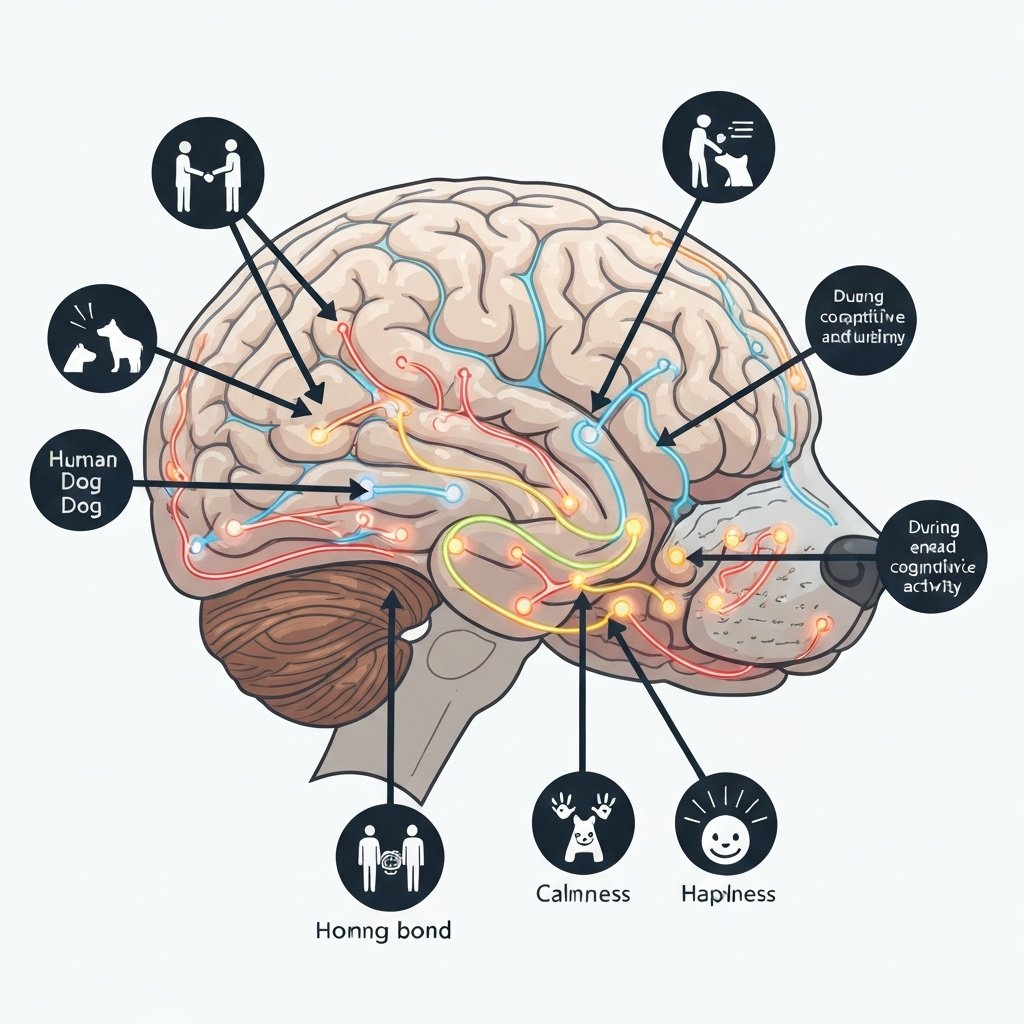
Before we delve into the specific games, it is essential to understand why mental exercise is not just a luxury but a necessity for a dog on bed rest. A dog’s brain consumes a significant amount of glucose, its primary energy source. When a dog is learning a new skill, solving a problem, or concentrating intensely on a scent, its brain is working hard, leading to genuine fatigue. This cognitive exertion can effectively tire your dog out, reducing restless energy without straining their healing body.
Benefits of Mental Stimulation During Confinement:
- Reduces Stress and Anxiety: Boredom is a significant source of stress. Engaging activities provide a positive focus, preventing the onset of anxiety-related behaviors.
- Prevents Depression: Lack of stimulation can lead to lethargy and depression in dogs. Brain games keep their minds active and engaged with their environment and with you.
- Strengthens Your Bond: Working together on puzzles and training exercises reinforces your relationship, building trust and communication during a challenging time.
- Redirects Destructive Behavior: A mentally stimulated dog is less likely to engage in destructive chewing, excessive barking, or attempts to escape their crate out of sheer frustration.
- Promotes Calmness: The concentration required for these games often has a calming effect, helping your dog settle more easily between activities.
Expert Insight: Remember that five to ten minutes of intense mental work, such as a focused scent game, can be as exhausting for a dog as a 30-minute walk. The goal is to engage their mind deeply, not just to pass the time.
Safety First: Essential Guidelines for Bed Rest Play

The absolute priority during recovery is to avoid any activity that could cause a setback. All games must be adapted to your dog’s specific medical limitations. Adhering to the following guidelines is non-negotiable.
- Consult Your Veterinarian: Before introducing any new game or toy, discuss it with your veterinarian or physical therapist. They can provide specific guidance based on your dog’s injury or condition. For example, a dog recovering from spinal surgery will have far stricter limitations than one with a minor soft tissue injury.
- Zero Physical Strain: The games selected must be achievable from a lying or sitting position, depending on what is permitted. There should be no jumping, twisting, pouncing, or even significant head-bobbing if it is contraindicated. Position all toys and materials within easy reach.
- Supervise Every Session: Never leave your dog unattended with a puzzle toy or DIY game. This prevents accidental ingestion of parts and allows you to monitor for any signs of frustration or physical discomfort.
- Keep Sessions Short and Sweet: A recovering dog’s stamina is limited. Aim for multiple short sessions of 5-10 minutes throughout the day rather than one long one. End each session on a positive note, before your dog becomes overly tired or frustrated.
- Choose Appropriate Tools: Use toys made from safe, durable materials. For DIY games, ensure all components are large enough not to be a choking hazard. Soft toys and blankets are often preferable to hard plastic items that might encourage overly vigorous interaction.
Game 1-3: Stationary Scent Work Adventures
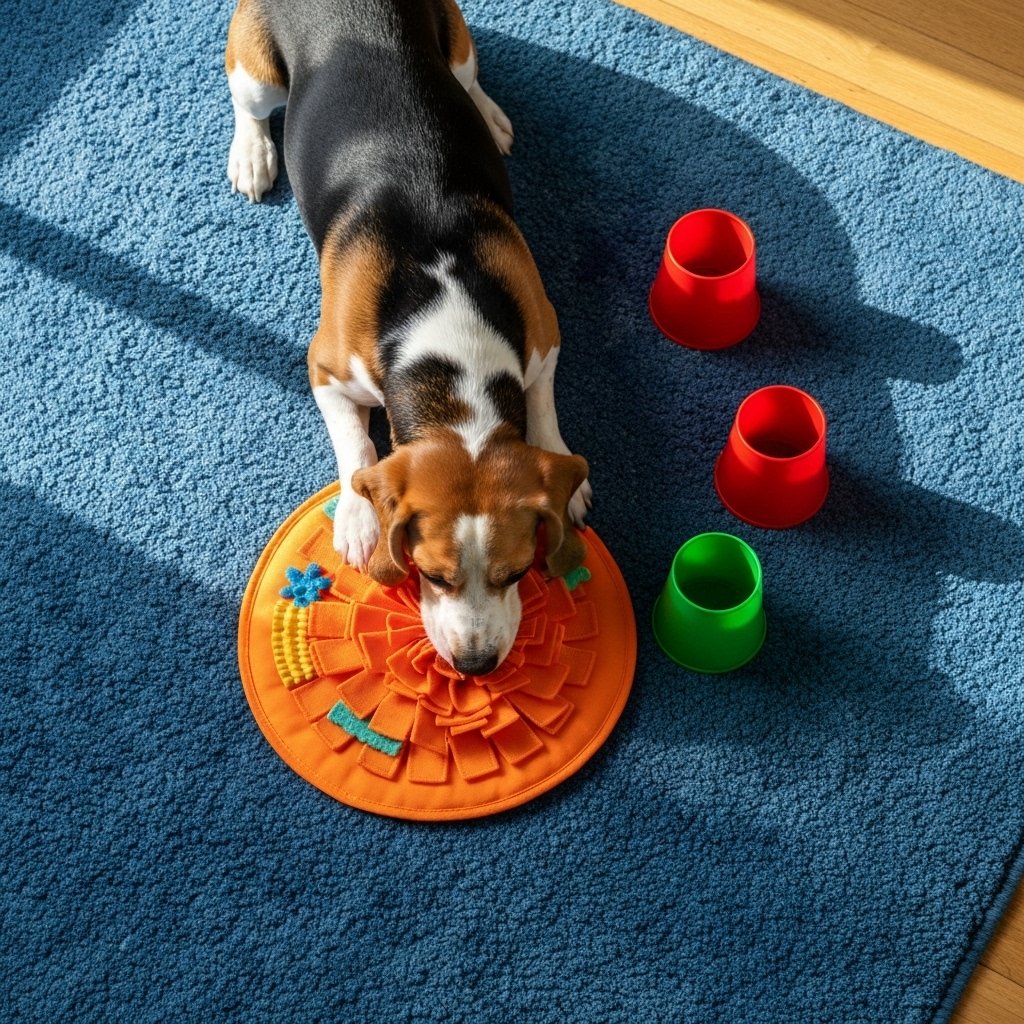
A dog’s primary sense is its nose, and engaging it is one of the most powerful ways to work its brain. Scent work requires immense concentration and is perfectly suited for a dog on bed rest.
1. The ‘Find It’ Blanket Game
This simple game uses a blanket or towel to hide treats. Start by placing your dog in their comfortable resting position. Show them a high-value, smelly treat, say “Find it!”, and place it near them on the blanket. Once they understand, begin placing the treat under a fold or wrinkle in the blanket, gradually increasing the difficulty by using more complex folds. Their job is to use only their nose to locate the food. This taps directly into their natural foraging instincts.
2. The Shell Game
A classic test of concentration. You will need three identical, opaque cups or containers. Place your dog in their resting position. Let them watch you place a treat under one of the cups. Then, slowly slide the cups around. Give the command “Find it!” and let them indicate the correct cup by nudging it with their nose. Start with very slow, simple movements and increase the speed and complexity as they master the game. This exercise builds focus and problem-solving skills.
3. Scent Tubes or Jars
This game helps your dog learn to identify specific scents. You’ll need several small containers with holes in the lid (e.g., spice jars or small plastic containers with holes punched in them). Place a cotton ball with a drop of a dog-safe essential oil (like lavender or chamomile) or a potent treat in one container. Leave the others empty or with plain cotton balls. Present the containers to your dog and reward them heavily for showing interest (sniffing, nudging) in the scented one. This is a foundational step for more advanced nose work and is incredibly mentally taxing.
Game 4-6: Puzzles and Problem-Solving Challenges
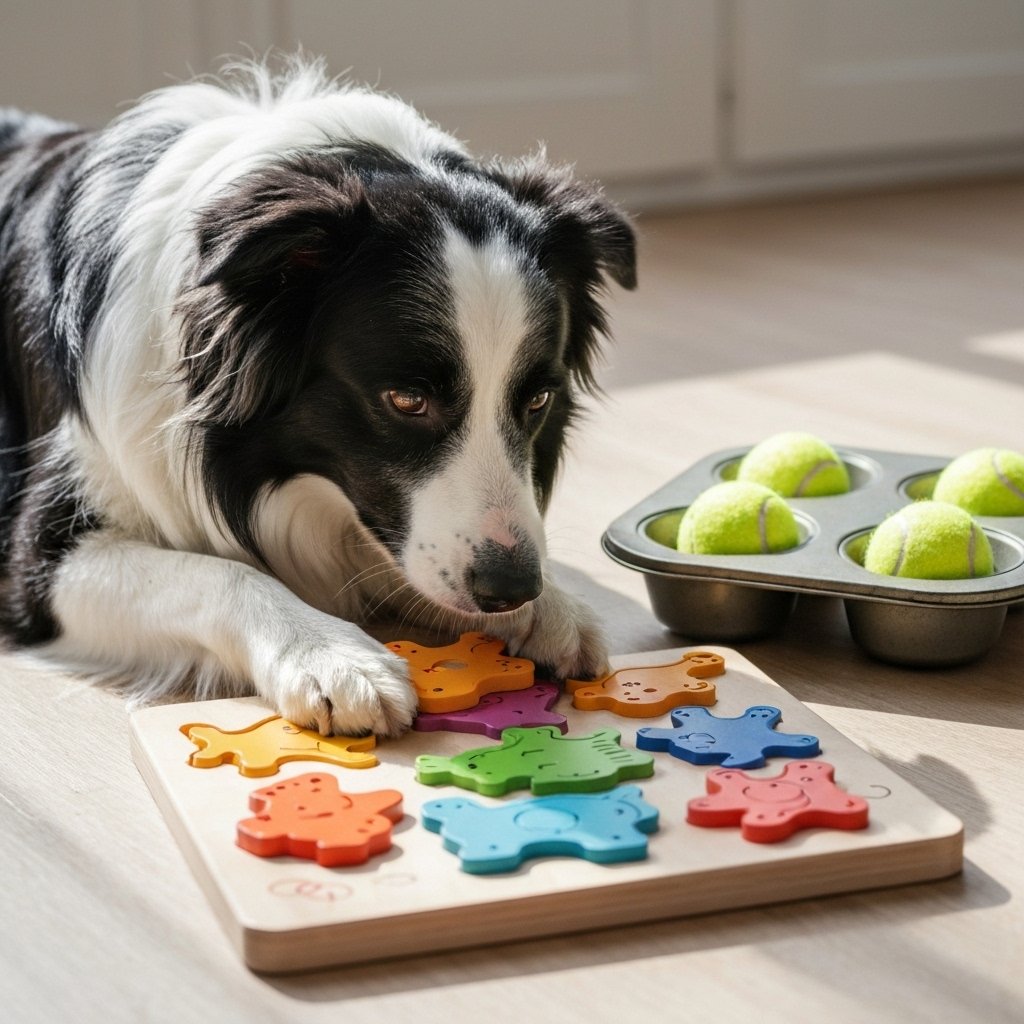
Puzzle toys encourage your dog to think critically to access a reward. Ensure the puzzle you choose can be manipulated with just the nose or a gentle paw tap from a resting position.
4. The Muffin Tin Puzzle
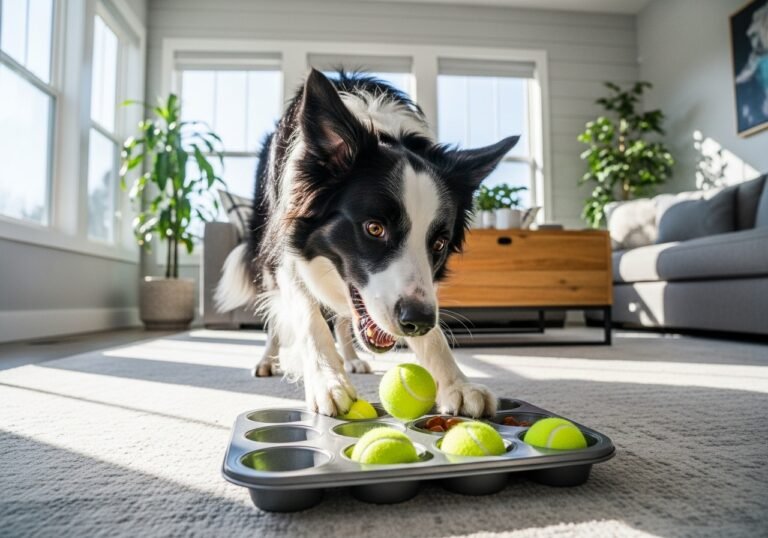
A fantastic DIY option. Take a standard muffin tin and place a few treats in some of the cups. Cover all the cups with tennis balls or other toys that are an appropriate size for your dog. Place the tin in front of your resting dog. Their task is to figure out how to remove the balls to get to the treats. This challenges their memory and problem-solving abilities.
5. Stationary Food Puzzles
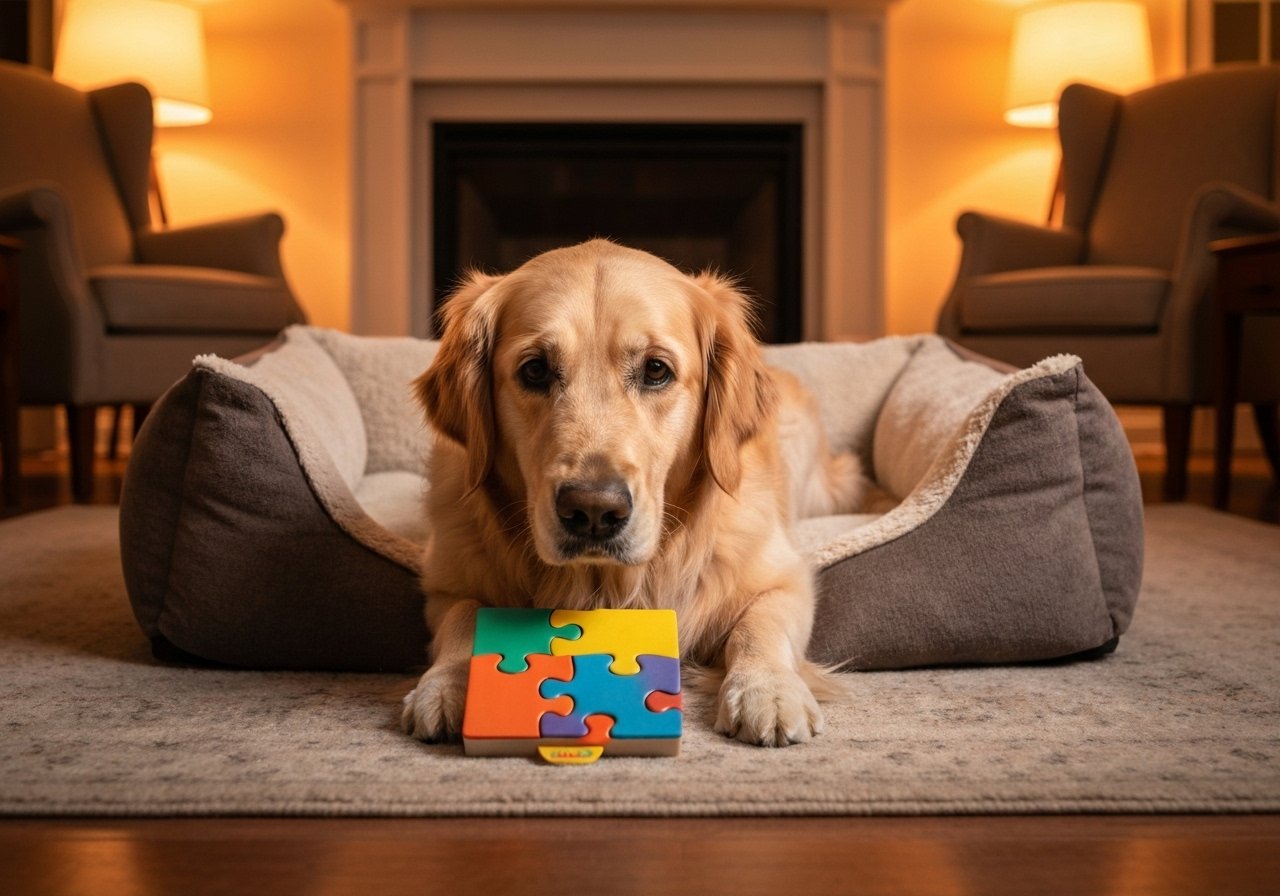
There are many commercial food puzzles on the market. For a dog on bed rest, choose a flat, stationary puzzle with sliders or flaps that can be moved with a nose or tongue. Avoid puzzles that need to be rolled or flipped over. Brands like Nina Ottosson offer various difficulty levels. Start with a beginner-level puzzle to build your dog’s confidence before moving to more complex challenges.
6. The ‘Unwrap the Treat’ Game
This is a simple yet effective way to make treat time more engaging. Loosely wrap a treat in a small piece of a paper towel, a toilet paper roll with the ends folded in, or a piece of butcher paper. Place it in front of your dog and let them figure out how to tear the paper to get the reward. Always supervise closely to ensure they do not ingest the paper. This satisfies their instinct to shred and dissect in a controlled manner.
Game 7-8: Low-Movement Training & Skill Building
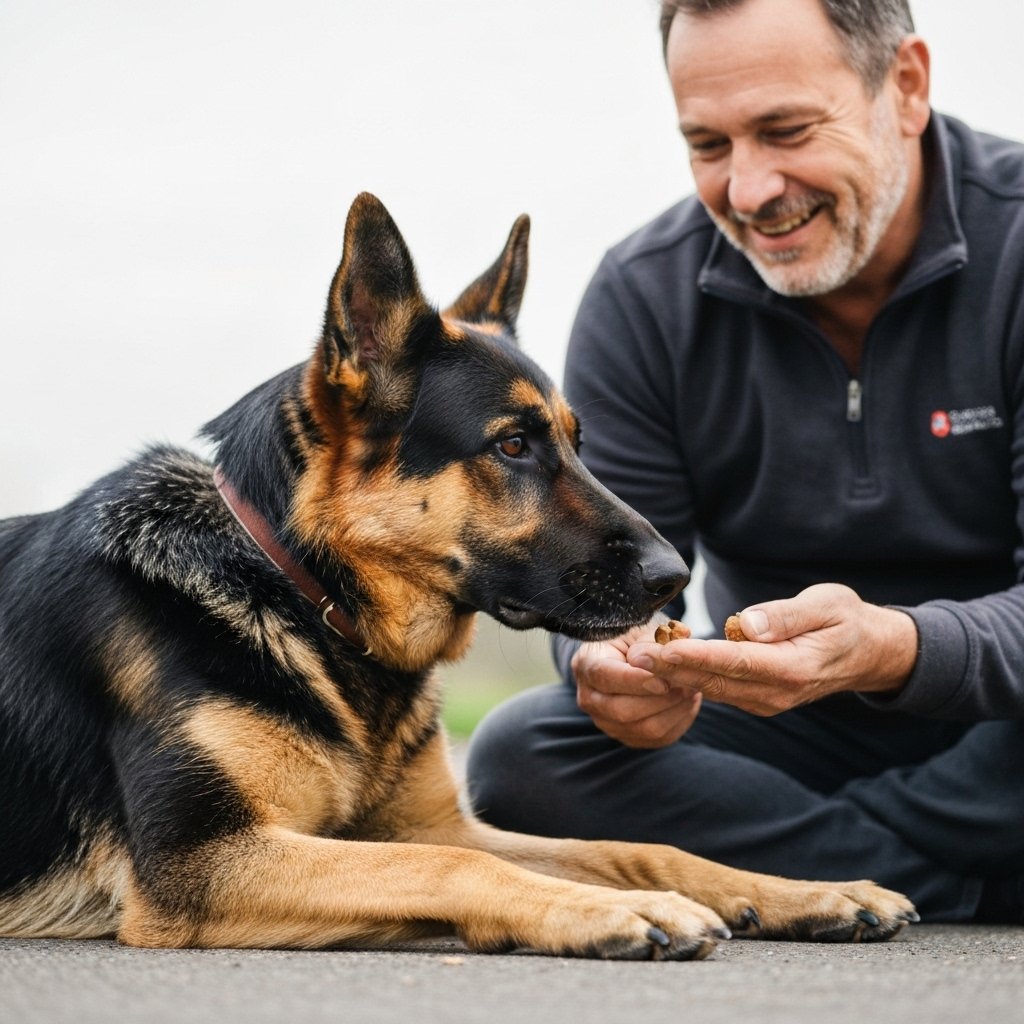
Teaching new behaviors or refining old ones is an excellent mental workout. Focus on commands that can be performed while stationary.
7. Nose-to-Hand Targeting
Target training is the foundation for many advanced behaviors and requires intense focus. Hold your hand out a few inches from your dog’s nose. The moment their nose touches your palm, say “Yes!” or use a clicker, and give them a treat. Gradually increase the distance they have to reach (within their prescribed limits) or change the position of your hand. You can also transition to targeting objects, like a plastic lid or a sticky note. This teaches them to focus and follow a cue with precision.
8. Learn New Object Names
Dogs have a remarkable capacity for learning vocabulary. Start with two of their favorite toys. Place them in front of your dog. Say the name of one toy, such as “Ball,” and reward any interaction with it (a glance, a sniff, a nudge). Practice this repeatedly. Then, introduce the second toy’s name. Over time, you can build their vocabulary and eventually ask them to “Find Ball” or “Find Rope” from a small selection placed in front of them. This is a powerful cognitive exercise that strengthens their memory and association skills.
Game 9-10: Calming and Decompression Activities
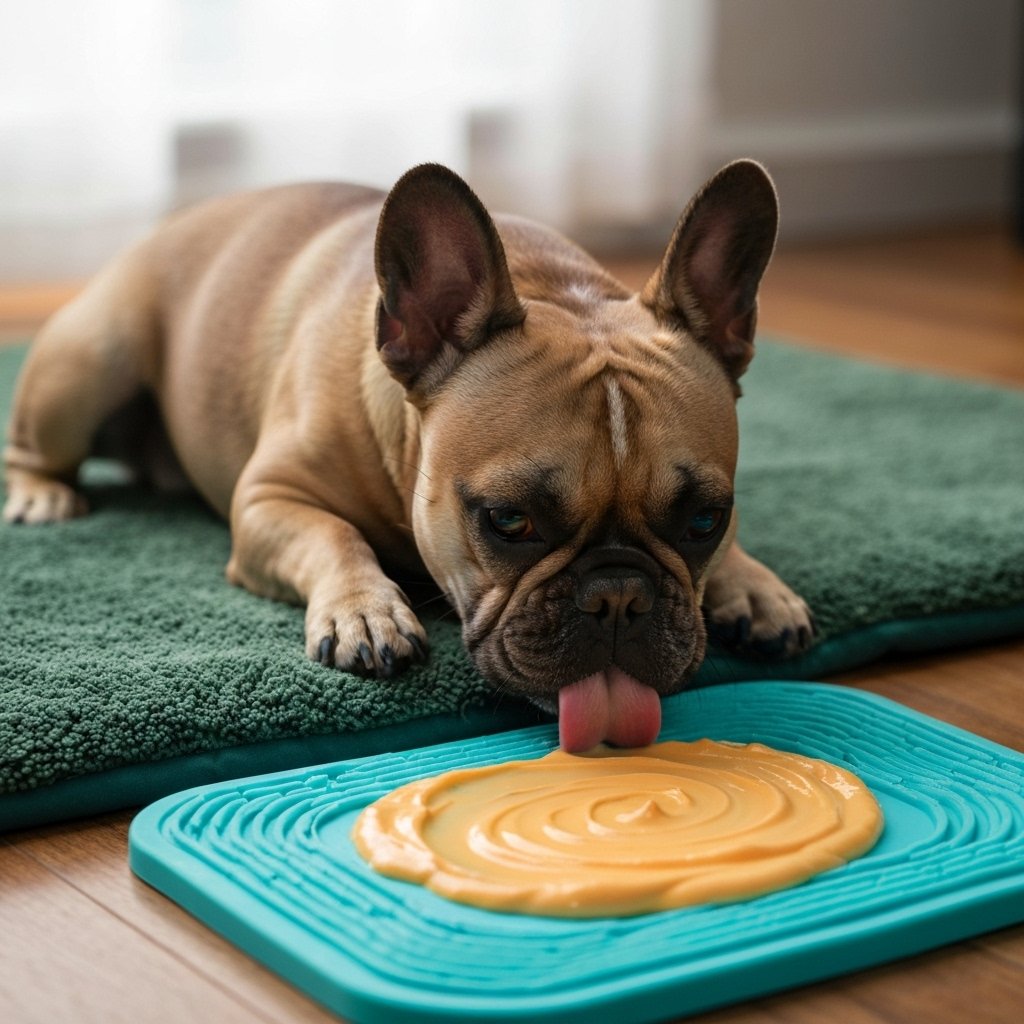
While the goal is to tire your dog out, it’s equally important to teach them how to be calm. These activities are designed to lower arousal and promote relaxation.
9. Licking for Calm
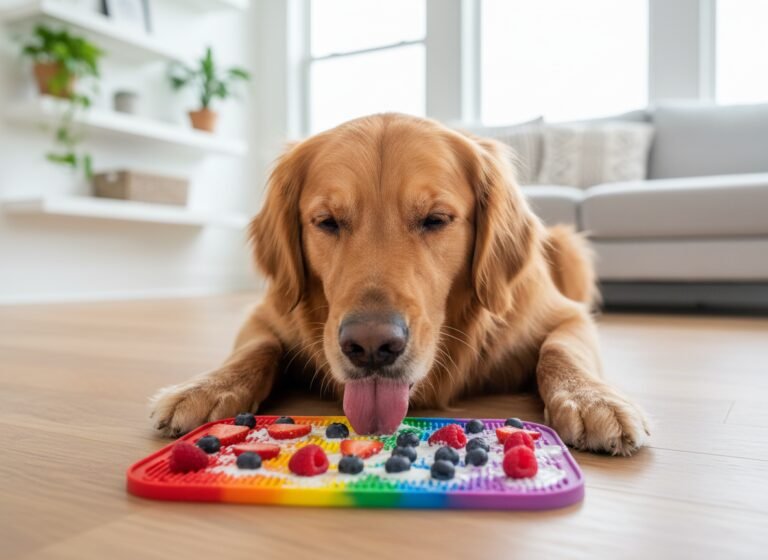
Licking is a self-soothing behavior for dogs, releasing calming endorphins. Spread a small amount of dog-safe peanut butter, plain yogurt, or wet dog food onto a LickiMat or a silicone baking sheet. Place it in front of your dog for them to work on. The repetitive action of licking is meditative and can help reduce anxiety. Ensure the mat is positioned so they do not have to strain their neck or body to reach it.
10. ‘Settle on a Mat’ Training
This is less of a game and more of a crucial life skill, especially during recovery. The goal is to teach your dog that their bed or mat is a place of extreme calm and reward. With your dog already on their bed, reward them with a small, low-value treat for any calm behavior—a sigh, resting their head down, relaxing their body. Keep the reward delivery calm and slow. This is a form of differential reinforcement, where you are actively rewarding a state of being rather than a specific action. It teaches your dog to offer calm behavior by choice, which is invaluable during a long recovery period.
Conclusion
Navigating a period of strict bed rest with your dog requires patience, creativity, and a deep understanding of their needs beyond physical exercise. By implementing these ten brain games, you provide a vital outlet for their mental energy, preventing the frustration and anxiety that can accompany confinement. Remember to always work within the specific limitations set by your veterinarian, keep sessions positive and short, and celebrate the small victories. Your role as a provider of mental enrichment is just as important as your role in managing their physical healing. Through these shared activities, you can transform a challenging recovery into a profound bonding experience, ensuring your beloved companion emerges from their rest period not just healed, but also mentally sharp and content.