Why Your Dog Hates Hats (And How to Fix It Fast)
As a pet owner, you’ve likely envisioned the perfect photo opportunity: your beloved canine companion sporting a charming hat for a holiday, a birthday, or just a fun social media post. You pick out the perfect accessory, approach your dog with excitement, and are met with a head shake, a paw swat, or an immediate retreat. This rejection can be puzzling and a little disappointing, but it’s an incredibly common experience. It’s crucial to understand that this isn’t an act of defiance; your dog isn’t critiquing your fashion choices. Instead, their aversion is deeply rooted in their biology, sensory perception, and instincts.
From a dog’s perspective, an object suddenly placed on their head is a strange and potentially threatening event. It can obstruct their vision, muffle their hearing, and create an unfamiliar pressure—all of which can trigger anxiety and a natural instinct to escape. Forcing the issue can create a lasting negative association, making future attempts even more difficult and potentially damaging the trust you’ve built with your pet. The good news is that with patience, understanding, and the right techniques, you can change this perception. This guide will provide a professional, step-by-step approach based on the proven principles of desensitization and counter-conditioning. We will explore the canine psychology behind hat aversion and equip you with the tools to help your dog not just tolerate, but perhaps even enjoy, wearing a hat safely and comfortably.
The Canine Psychology Behind Hat Aversion
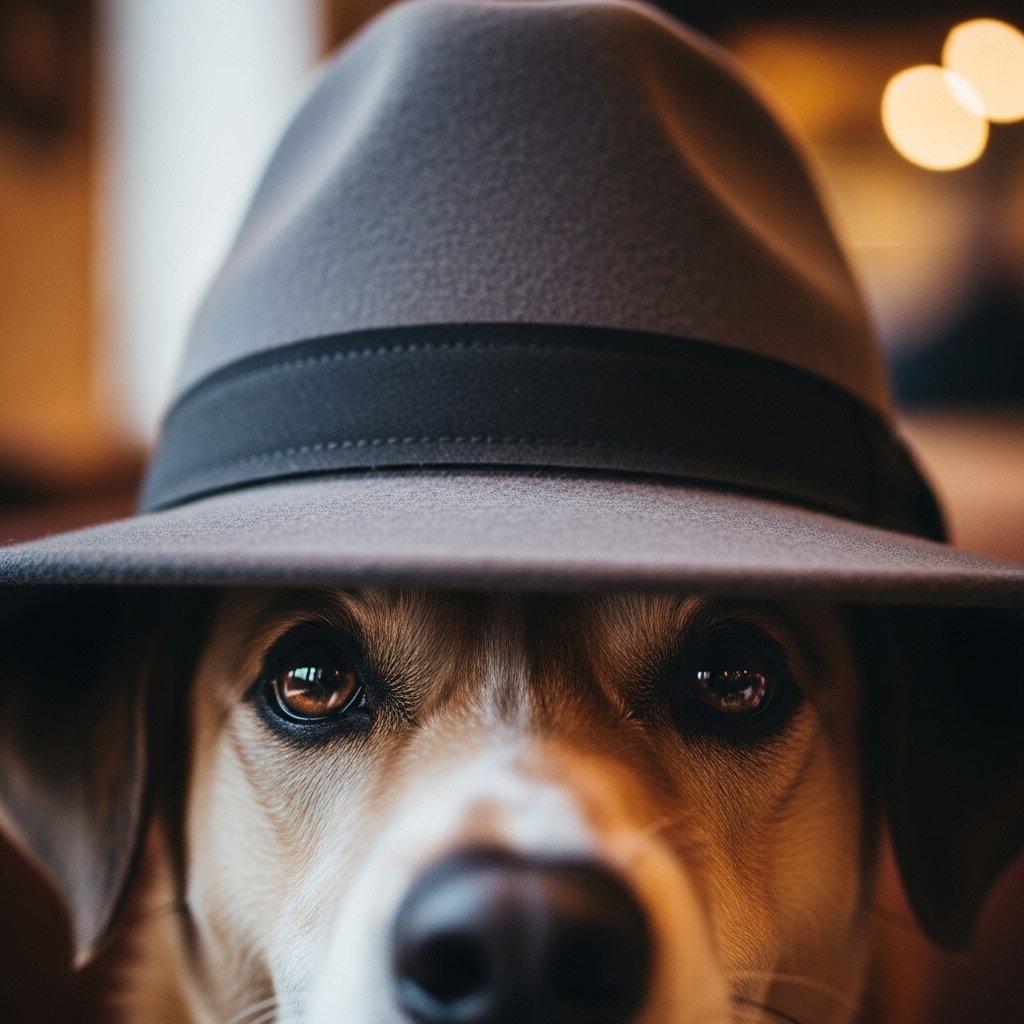
Understanding Why Hats Are a Problem from a Dog’s Point of View
Before beginning any training, it is essential to develop empathy for your dog’s experience. What seems like a harmless accessory to you can be a significant source of stress for them. Their reaction is a logical response based on how they perceive the world. Here are the primary reasons why most dogs instinctively dislike things on their head.
Sensory Interference and Auditory Damping
A dog’s ears are not just for hearing; they are intricate instruments for survival and communication. Their ears, which are highly mobile with over a dozen muscles, constantly pivot to pinpoint the source of sounds. A hat, even a soft one, can press down on these sensitive ears, restricting their movement and creating an uncomfortable, confining sensation. Furthermore, the fabric can muffle or dampen sounds, which can be incredibly disorienting for an animal that relies on acute hearing to assess its environment. This auditory disruption can make a dog feel vulnerable and anxious, as they lose a key sense for detecting potential threats or the location of their owner.
Visual Field Obstruction
Dogs have a wider field of peripheral vision than humans, a trait inherited from their predator/scavenger ancestors that allows them to scan their surroundings effectively. A hat with any kind of brim, no matter how small, can cut into this field of vision. This sudden limitation can be startling and can make a dog feel insecure. They can no longer see above them or as well to their sides, which can trigger a defensive or fearful response. They may shake their head vigorously not just to dislodge the hat, but in an attempt to clear their line of sight and restore their sense of spatial awareness.
The Instinct Against Restraint
As a species, canids are programmed to resist physical restraint. Being held down, cornered, or having their movement restricted is instinctively perceived as a threat. A hat, with its snug fit and sometimes a chin strap, can feel like a form of restraint on a very sensitive part of their body—the head. This pressure can trigger a primal fight-or-flight response. The feeling of being ‘trapped’ by the hat, even in a minor way, is often the root cause of panic, frantic pawing, and attempts to flee.
Expert Tip: Never interpret your dog’s resistance as ‘being stubborn.’ It is a form of communication. They are telling you they are uncomfortable, anxious, or scared. Listening to this communication is the first step toward building trust.
Setting the Stage for Success: Essential Tools for Training

Gathering Your Supplies for Positive Association
Successful training is about preparation. Before you begin the process of helping your dog accept a hat, you need to set up the environment and gather the right tools. Your goal is to create a positive, low-pressure atmosphere where your dog feels safe and is motivated to participate. Rushing this stage will only lead to setbacks.
Key Components for a Successful Session
- High-Value Treats: Standard kibble probably won’t be motivating enough. You need treats that your dog finds irresistible. These should be small, soft, and smelly to capture their attention. Think tiny pieces of boiled chicken, cheese, freeze-dried liver, or commercial training treats with a strong aroma. The goal is for the reward to be more compelling than the discomfort of the training exercise.
- The ‘Training’ Hat: Don’t start with a stiff, heavy, or complex hat. Choose something extremely lightweight and soft, like a simple fleece beanie or a very soft party hat with the elastic strap removed initially. You can work your way up to the desired hat later. The initial goal is to have an object that is as unobtrusive as possible.
- A Clicker (Optional but Recommended): A clicker is a powerful tool for marking the exact moment your dog performs the desired behavior. The ‘click’ provides clear, instantaneous feedback, which is then followed by a treat. This precision can speed up the learning process significantly. If you are not using a clicker, you can use a verbal marker word like ‘Yes!’ said in a consistent, upbeat tone.
- A Quiet and Controlled Environment: Choose a space in your home where your dog feels relaxed and there are minimal distractions. Avoid areas with heavy foot traffic, loud noises, or other pets. A calm setting allows your dog to focus on you and the training task at hand, reducing the likelihood of them becoming overstimulated or anxious.
Prepare your supplies before you bring your dog into the training area. Cut your treats into pea-sized pieces and have them in an easily accessible pouch or bowl. Have the hat and clicker ready. Your own calm and positive energy is also a critical tool; your dog will pick up on your frustration or impatience, so ensure you are relaxed and ready to keep the session light and fun.
The Step-by-Step Guide to Hat Acceptance
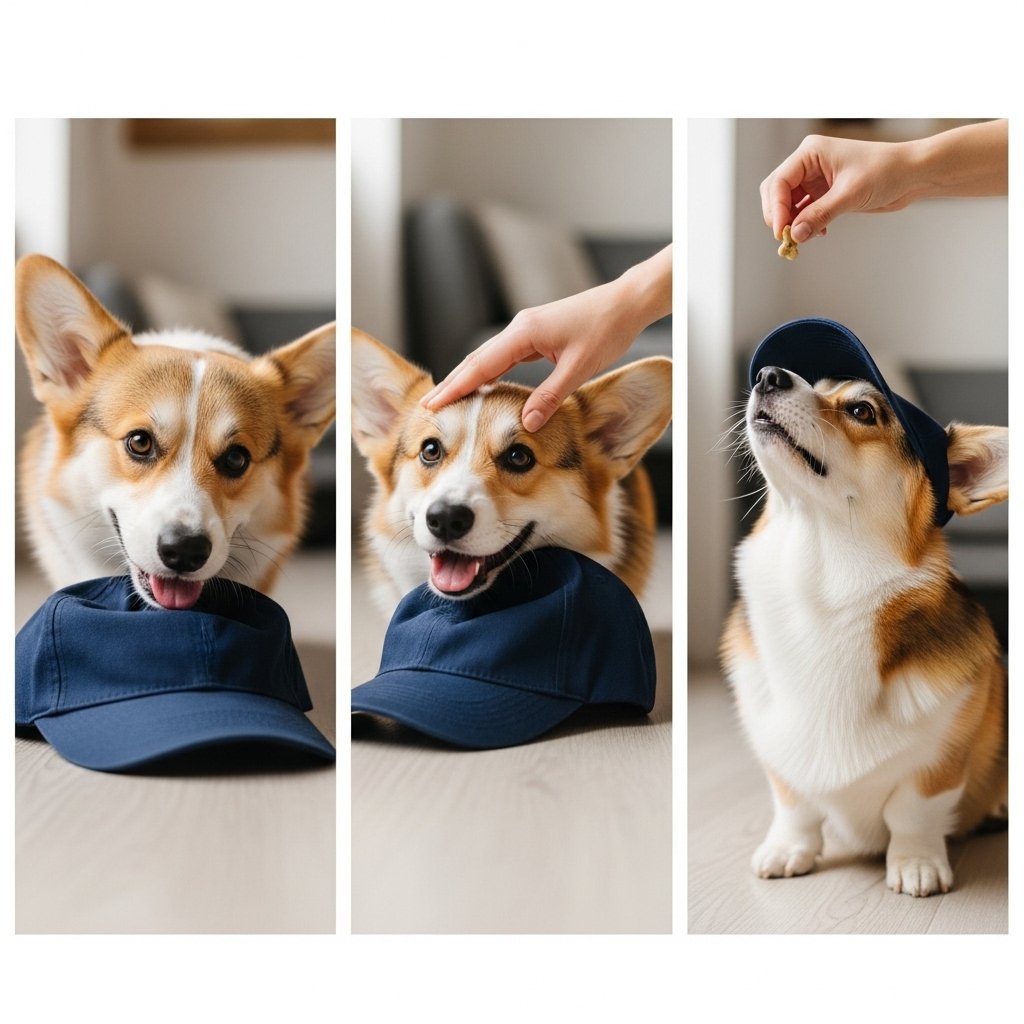
A Gradual Process of Desensitization and Counter-Conditioning
This training method is built on two core principles: desensitization (gradually exposing your dog to the hat in a non-threatening way) and counter-conditioning (changing your dog’s emotional response from negative to positive). Each step must be mastered before moving to the next. Keep sessions very short—just one to five minutes at a time—to maintain your dog’s enthusiasm and prevent frustration. Patience is paramount.
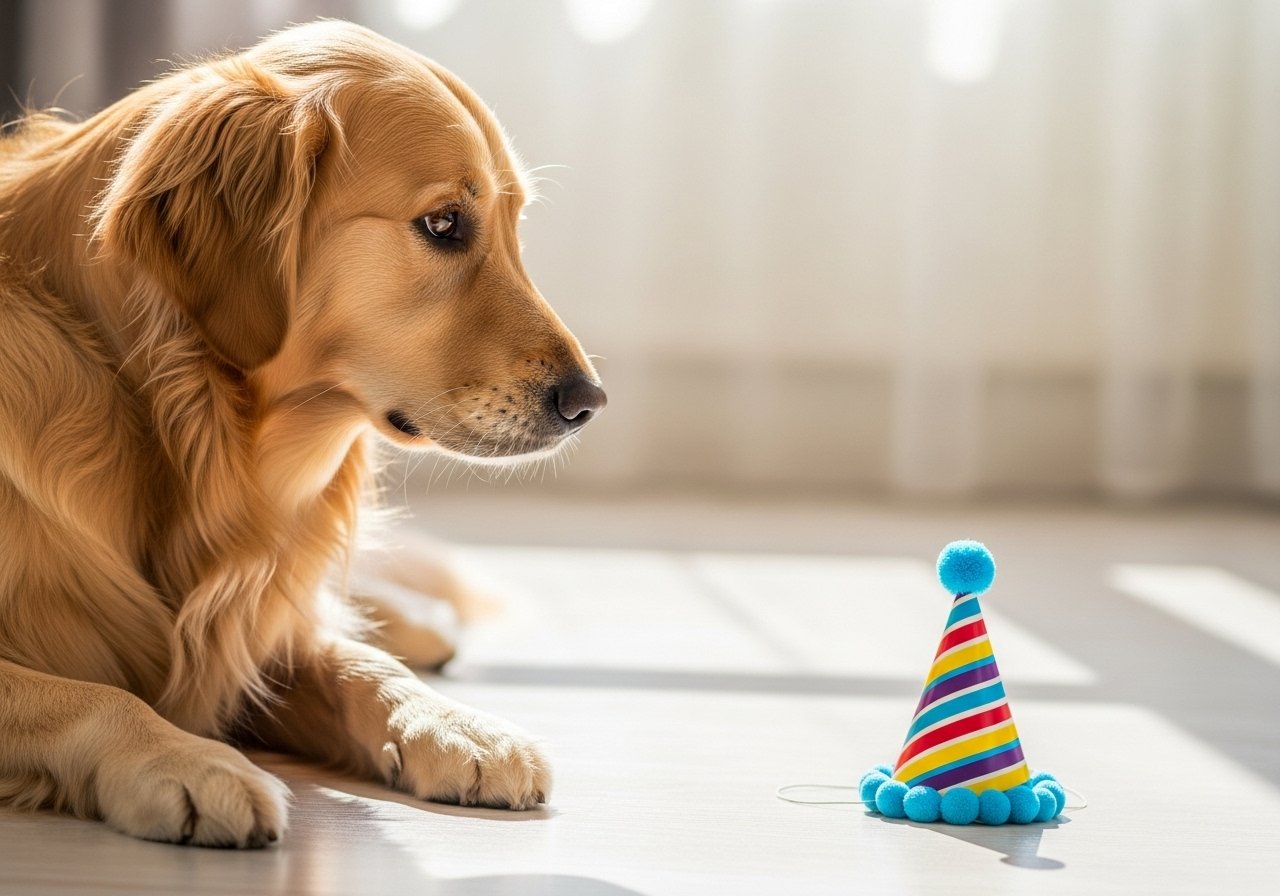
- Step 1: Introduce the Hat as a Neutral Object. Place the hat on the floor in your training space. Do not place it near your dog’s food, bed, or toys. Simply let it exist in the room. The moment your dog looks at the hat or calmly sniffs it, click your clicker (or say ‘Yes!’) and give them a high-value treat. Toss the treat away from the hat so your dog can ‘reset’ and approach again. Repeat this 5-10 times. The goal is for your dog to see the hat and think, ‘Treats happen when that thing is around.’
- Step 2: Associate the Hat with Rewards in Your Hand. Pick up the hat and hold it in one hand. Hold a treat in the other. When your dog looks at the hat in your hand, click and treat. Do not move the hat toward them yet. You are teaching them that the hat’s presence near you is a good thing. Repeat several times until your dog is eagerly looking at the hat, anticipating a reward.
- Step 3: Bridge to Brief Contact. Hold the hat in one hand. Gently and briefly touch the hat to your dog’s shoulder or back, then immediately click and treat. The touch should be for less than a second. This step gets your dog used to the object making contact with their body in a non-threatening area. If they are comfortable, you can gradually move the touch point up their neck.
- Step 4: The Head Touch. This is a crucial step. Briefly touch the hat to the very top of your dog’s head, far from their eyes and ears. The instant it makes contact, remove it, then click and treat. The entire motion should be swift and light. The reward comes after the hat is gone. This reinforces that tolerating the touch makes the reward appear. Repeat until your dog is calm and comfortable with this brief contact.
- Step 5: The Split-Second Placement. Quickly and gently place the hat on your dog’s head and lift it off in a single fluid motion, all in under one second. Then, click and deliver a jackpot of several treats. You are rewarding their tolerance of this minimal placement. Keep it incredibly brief and positive.
- Step 6: Gradually Increase Duration. Once your dog is comfortable with the split-second placement, you can begin to add duration. Place the hat on their head and count ‘one-one thousand,’ then remove it, click, and treat. In the next session, try for two seconds. Then three. If your dog shakes the hat off, you have moved too fast. Go back to a shorter duration where they were successful. The key is to remove the hat before they decide to shake it off.
- Step 7: Introduce the Chin Strap (If Applicable). Once your dog can comfortably wear the hat for 10-15 seconds, you can begin desensitizing them to the strap. First, just let them see you touch the strap while the hat is on, then click and treat. Next, touch the strap to the underside of their chin for a second, then click and treat. Gradually work towards fastening it for a split second, immediately unfastening, and rewarding. Slowly increase the duration of the strap being fastened, just as you did with the hat itself.
Troubleshooting and Understanding Canine Communication
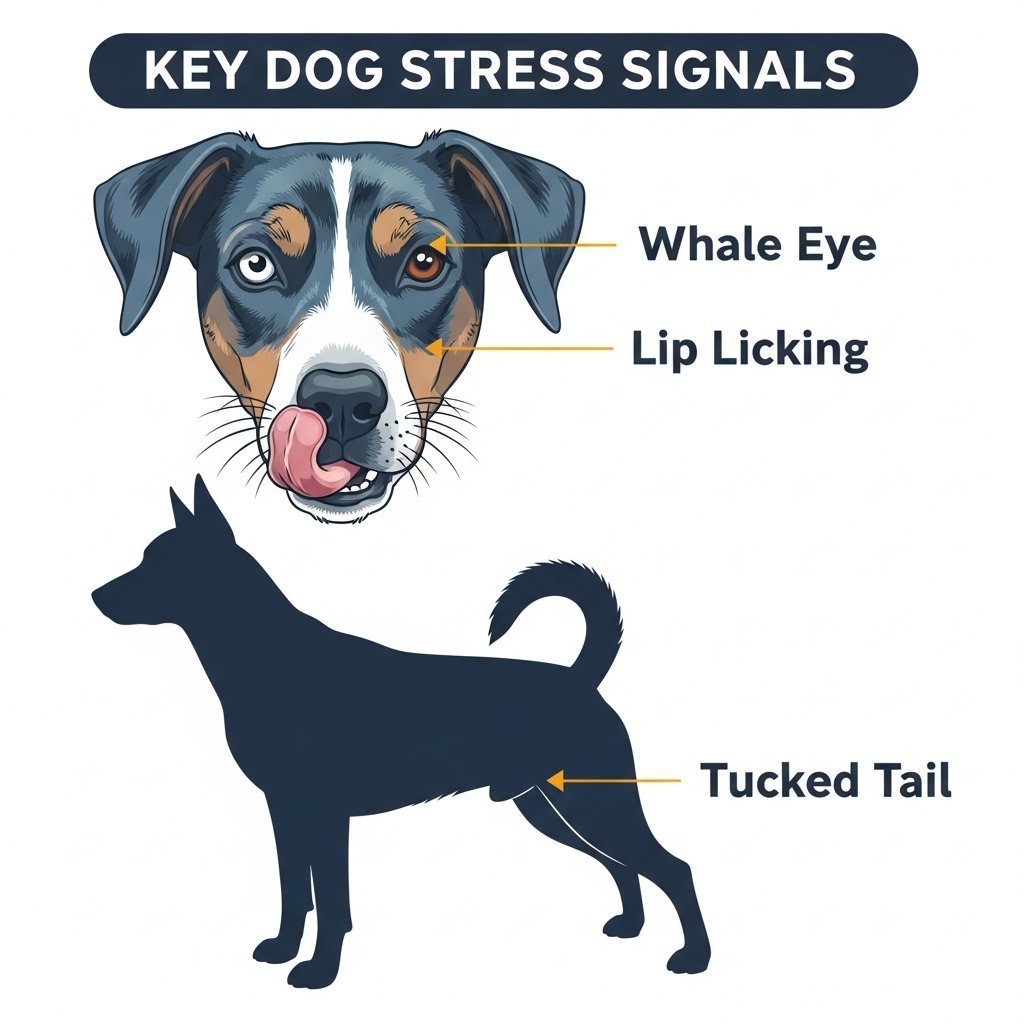
Reading Your Dog’s Body Language and Adjusting Your Approach
Even with a perfect plan, you may encounter challenges. Training is never a linear process. The key to overcoming these hurdles is to accurately read your dog’s body language and adjust your technique accordingly. Pushing a dog past their comfort zone will only create a stronger aversion to the hat.
Common Stress Signals to Watch For
Subtle signs of anxiety often appear long before a dog tries to flee or shake off the hat. Recognizing these allows you to ease off before your dog becomes overwhelmed. These signals include:
- Lip Licking or Nose Licking: When not related to food, this is a common pacifying behavior.
- Yawning: A yawn outside of the context of being tired is a classic sign of stress.
- Whale Eye: When a dog turns its head but keeps its eyes on something, showing the whites of their eyes in a crescent shape.
- Pinned-Back Ears: Ears held flat against the head indicate fear or anxiety.
- Tucked Tail: A tail held low or tucked between the legs is a clear sign of insecurity.
- Body Freezing: A sudden stillness or stiffness in the body.
What to Do When You See Stress Signals
If you observe any of the above signals, it means you have pushed a little too far, too fast. Do not get discouraged. Simply end the session on a positive note with an easy win (like just looking at the hat) and take a step back in your next session. For example, if your dog shows whale eye when you try to place the hat on their head for three seconds, your next session should focus on successful one- or two-second placements.
Troubleshooting Specific Problems
My dog runs away when they see the hat.
The hat has already been associated with something negative. You need to rebuild the foundation from scratch. Start with the hat placed far across the room and reward your dog for simply being calm in the same room. Over several sessions, gradually decrease the distance until you can restart Step 1 of the training plan.
My dog immediately shakes the hat off.
You are leaving the hat on for too long. The goal is to remove the hat before they have a chance to shake it off. Go back to the split-second placement step and reward heavily. Your timing is critical. You must be faster than their shake.
A Foundational Rule: Your dog must always be given the choice to opt out. Training should be a collaborative and fun game, not a chore or a battle of wills. Forcing compliance destroys trust and makes all future training more difficult.
Conclusion
Teaching your dog to accept a hat is more than just a fun party trick; it’s an exercise in communication, patience, and mutual respect. By understanding that your dog’s initial rejection comes from a place of instinct and sensory discomfort, not stubbornness, you can approach the situation with the empathy it deserves. The process of desensitization and counter-conditioning, when done correctly, does more than just get your dog to wear an accessory—it strengthens the bond between you. You are teaching your dog to trust you in novel situations and showing them that you will listen when they are uncomfortable.
Remember to keep sessions short, positive, and rewarding, always ending before your dog becomes fatigued or stressed. Celebrate the small victories and never force the issue. Ultimately, whether your dog becomes a hat aficionado or simply learns to tolerate one for a quick photo, the real achievement lies in the trust and understanding you have built along the way. This foundation of positive training will serve you well in all other aspects of your life together.