Is Your Dog Safe Around a Crawling Baby? 5 Warning Signs
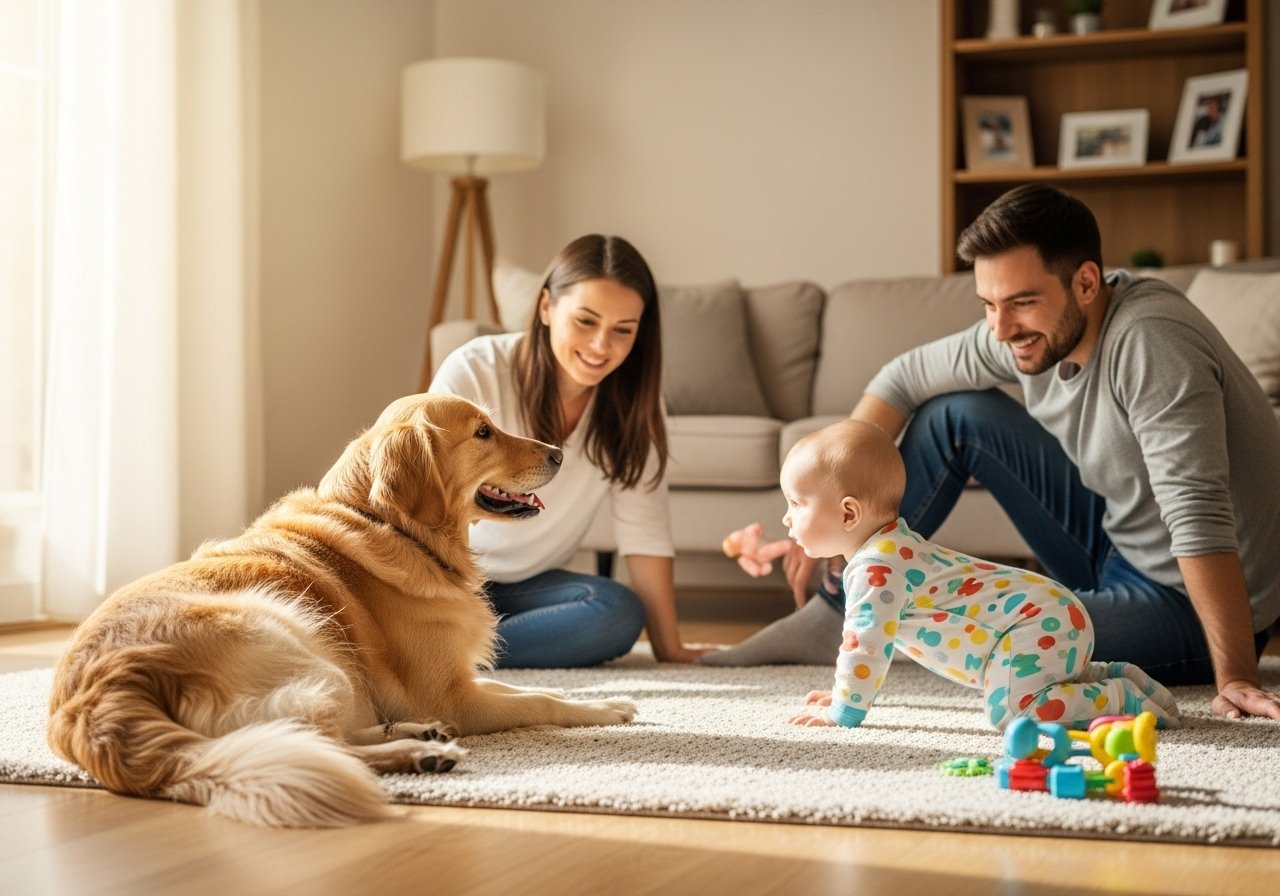
The introduction of a new baby into a home with a dog is a period of immense joy and significant adjustment. As your infant grows and becomes mobile, reaching the crawling stage, the dynamic between your child and your canine companion changes dramatically. While many dogs adapt beautifully, it is a critical time for parents to become vigilant observers of their pet’s behavior. A crawling baby is unpredictable—they move erratically, vocalize loudly, and do not understand social boundaries. For a dog, this can be confusing, stressful, or even frightening.
Understanding your dog’s subtle (and not-so-subtle) communication is not just beneficial; it is essential for safety. Many incidents occur not out of malice, but from a dog’s fear and inability to communicate its distress in a way humans readily understand. This guide is designed to equip you with the knowledge to recognize the key warning signs of stress and anxiety in your dog. By learning to interpret their body language, you can intervene before a situation escalates, ensuring a safe, harmonious, and positive relationship between your two smallest family members.
Why a Crawling Baby Changes Everything for Your Dog

To effectively manage the dog-baby dynamic, we must first view the world from the dog’s perspective. Before the baby’s arrival, your dog had a predictable routine and was a primary recipient of your attention. The introduction of a newborn already shifted this balance, but a stationary infant is very different from a mobile one.
A World of Unpredictability
Dogs thrive on routine and predictability. A crawling baby introduces chaos into their ordered world. The movements are jerky and unsteady, unlike the fluid motions of an adult. The sounds are high-pitched and can be startling. A baby might suddenly reach out and grab a tail, ear, or fur, which can be painful or frightening for the dog. This unpredictability can put a dog on high alert, causing underlying anxiety that may not be immediately obvious.
Sensory Overload and Resource Invasion
Babies come with a host of new smells and objects. More importantly, as they begin to crawl, they invade what the dog considers its personal space and resources. The baby may crawl towards the dog’s bed, food bowl, or favorite toys. This can trigger a dog’s natural instinct to guard its resources, a behavior that can be dangerous in this context. The dog isn’t being ‘bad’ or ‘jealous’; it is acting on a deep-seated instinct to protect what it values.
Expert Insight: It is crucial to remember that a dog’s stress is cumulative. A single event, like a tail pull, might be tolerated. But a day filled with loud noises, unpredictable movements, and a loss of personal space can lead to a state of chronic stress, lowering the dog’s threshold for a reactive response.
The 5 Critical Warning Signs to Watch For
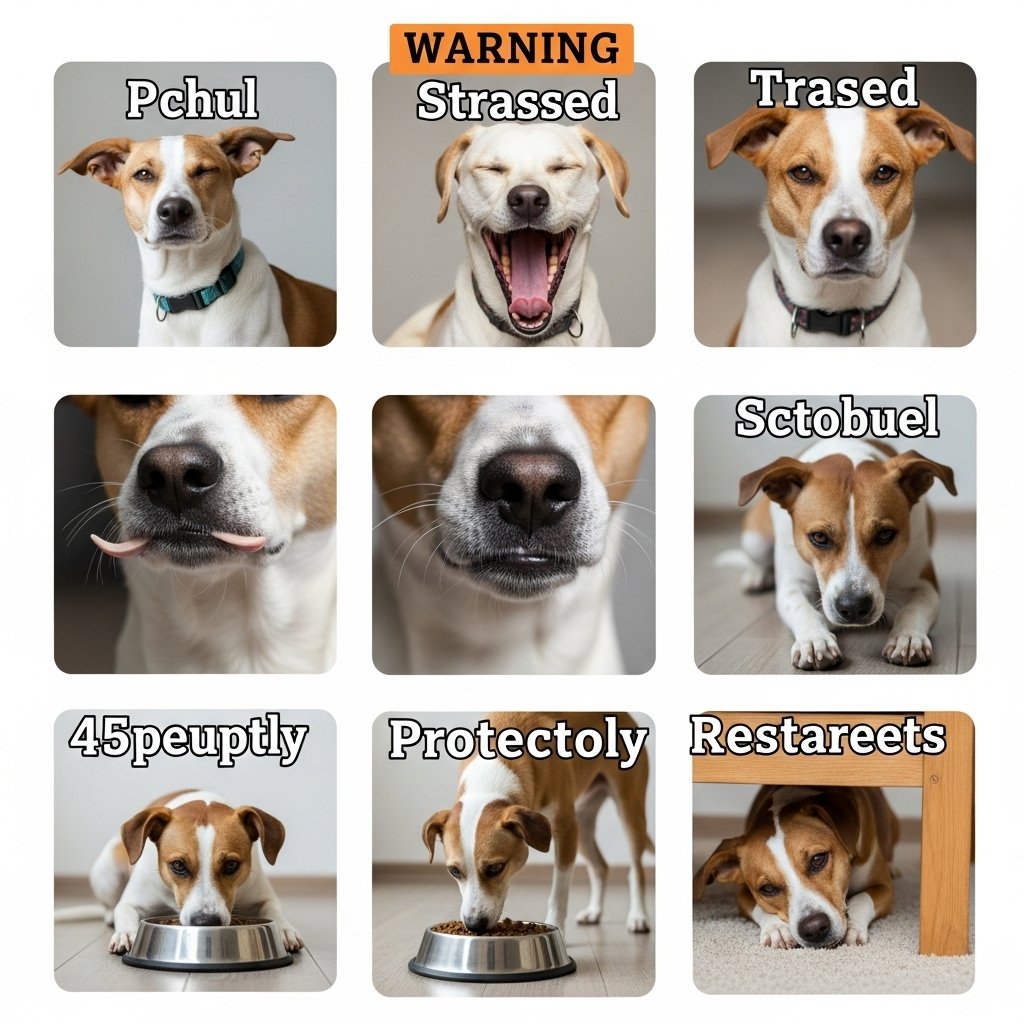
Learning to read your dog’s body language is the single most important skill for preventing negative interactions. Dogs almost always communicate their discomfort long before they resort to a bite. Here are five critical warning signs that your dog is feeling stressed or unsafe around your crawling baby.
1. Freezing and Body Stiffening
This is one of the most serious and often missed signals. A dog that suddenly becomes still, rigid, and tense is communicating extreme discomfort. You might notice their muscles are taut, their tail is stiff (either held high or tucked), and they may hold their breath. This ‘freeze’ is often the final pause before a more significant reaction, such as a snap or a bite. It’s the dog’s way of saying, ‘I am incredibly uncomfortable, and I need this situation to stop immediately.’ If you see your dog freeze as your baby approaches, you must intervene instantly and calmly create space between them.
2. Appeasement Signals: Lip Licking, Yawning, and Head Turning
Often misinterpreted as the dog being tired or relaxed, these are classic ‘calming signals’ or appeasement gestures. When a dog is anxious, it may yawn excessively (when not tired), lick its lips or nose repeatedly, or turn its head away to avoid eye contact with the ‘threat’ (the baby). These are the dog’s attempts to de-escalate a situation and communicate that it is not a threat but is feeling pressured. While subtle, recognizing a pattern of these behaviors when the baby is near is a clear indicator of your dog’s anxiety.
3. Growling, Snarling, or Showing Teeth
This is the most unambiguous warning. A growl is not aggression; it is a critical piece of communication. Your dog is explicitly saying, ‘Back off. I am at my limit.’ Punishing a dog for growling is one of the most dangerous things an owner can do. It teaches the dog not to give an audible warning, potentially leading them to bite without this crucial preliminary signal in the future. If your dog growls at your baby, immediately and safely remove the baby from the situation. The growl has done its job—it has alerted you to a problem that needs to be managed seriously.
4. Resource Guarding Behaviors
As your baby becomes mobile, they may crawl toward the dog’s valued items. Watch for signs of resource guarding. This can include the dog physically blocking access to a toy or food bowl, stiffening as the baby approaches their bed, or picking up an item and moving away. In more overt cases, it can involve a low growl or a hard stare. This is a clear signal that the dog needs its own protected space and that high-value items should be managed and kept out of the baby’s reach.
5. Avoidance and Hiding
A dog that actively tries to leave a room when the baby enters is communicating its needs very effectively. This is a healthy coping mechanism. The dog is choosing flight over fight. This behavior should be respected and even encouraged. If your dog gets up and moves away from your crawling baby, do not force them to stay or interact. Forcing interaction can remove their option to retreat, potentially leading them to feel trapped and that they must resort to other warnings, like growling or snapping, to create the space they need.
Creating a Safe Environment: Management and Prevention
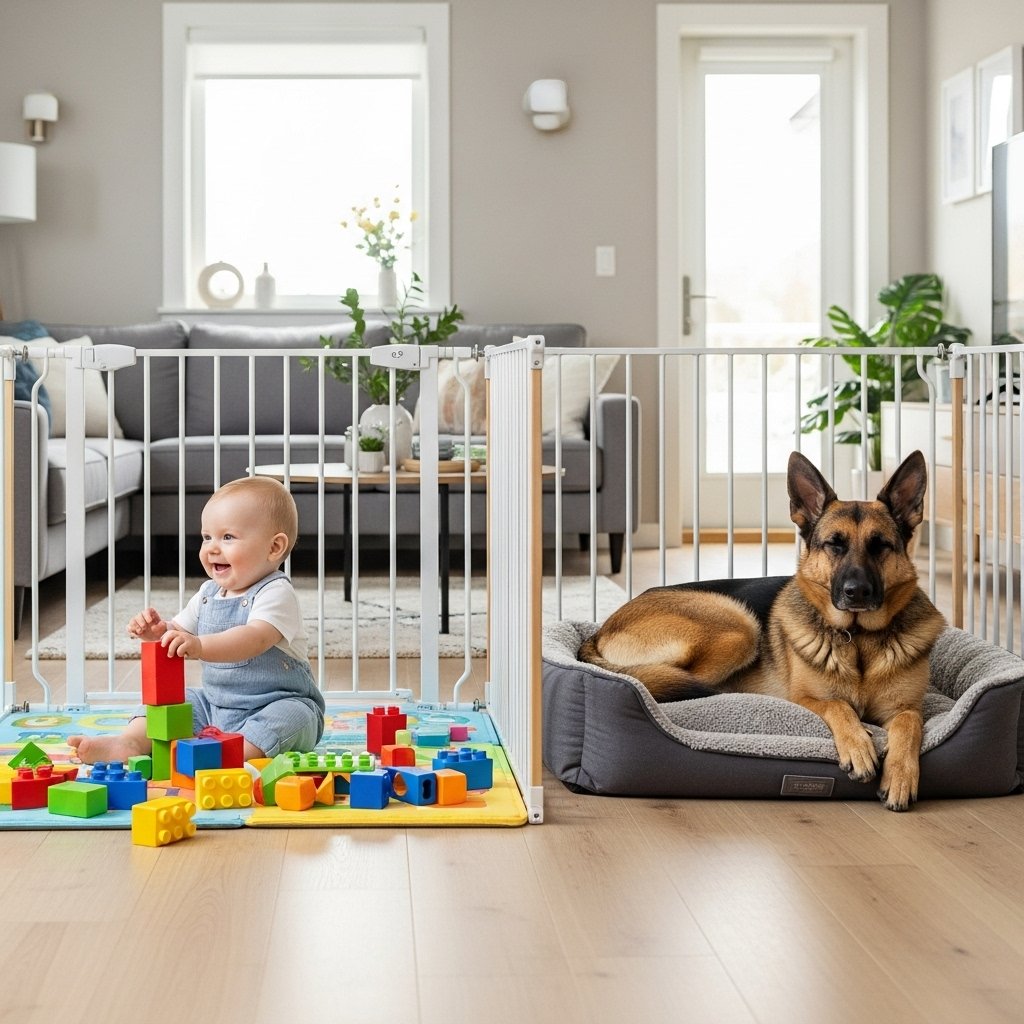
Recognizing warning signs is the first step. The next, and most important, is proactive management to prevent stressful situations from occurring in the first place. The goal is to set everyone up for success.
- Active Supervision is Non-Negotiable: This means eyes-on, distraction-free attention when the dog and baby are in the same space. It does not mean being in the same room while you are on your phone or cooking. An incident can happen in seconds. If you cannot actively supervise, you must separate them.
- Utilize Management Tools: Baby gates, crates, and playpens are your best friends. They are not punishments but tools to create safe and separate zones. This allows the dog to relax without being on alert and the baby to explore freely and safely. You can install gates to block off certain rooms or use a playpen to create a safe zone for the baby within a larger room.
- Establish a ‘Doggy Safe Zone’: Every dog needs a sanctuary—a place where they will never be bothered by the baby. This could be their crate (with the door open), a dog bed in a quiet room, or a gated-off area. Teach your child from the very beginning that this space is off-limits. This gives your dog a vital sense of security and an escape route when they feel overwhelmed.
- Manage High-Value Resources: Do not leave high-value items like chew bones, special toys, or food bowls on the floor when the baby is mobile. Feed your dog in a separate, secure room or in their crate to prevent any potential for resource guarding around their food.
Building Positive Associations: Training for Harmony
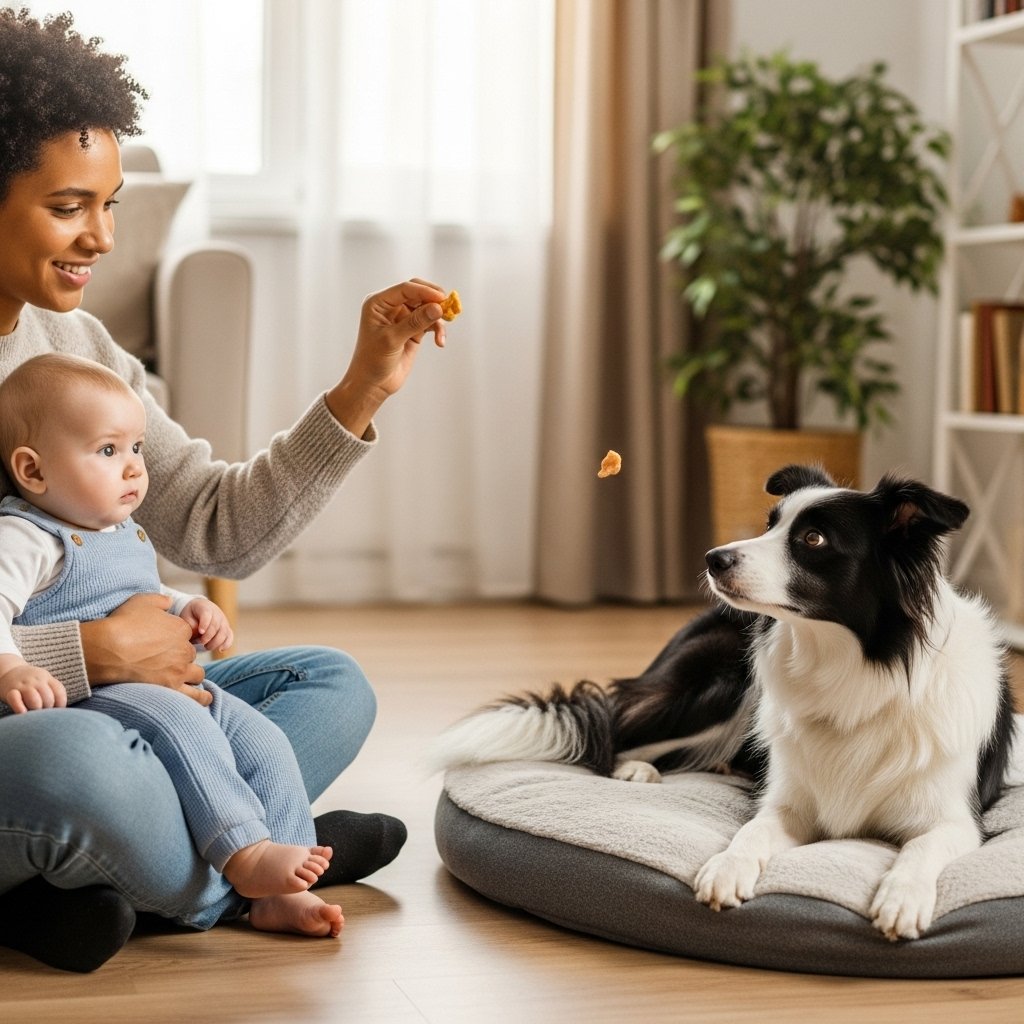
Alongside management, you can use positive reinforcement training to help your dog build positive associations with the baby. The goal is for the dog to learn that good things happen when the baby is around. This process is known as counter-conditioning and desensitization.
The ‘Baby is a Vending Machine’ Game
The principle is simple: whenever the baby is present, wonderful things happen for the dog. Keep a jar of high-value treats (small pieces of chicken, cheese, or special dog treats) handy. When you are sitting with the baby and the dog is settled calmly nearby, toss a treat to the dog. The treat comes ‘from’ the baby’s presence, not from you directly interacting with the dog. Over time, the dog begins to associate the baby’s sight and sound with receiving a reward, changing their emotional response from anxious to expectant.
Reinforcing Calm Behavior
Focus on rewarding the behavior you want to see. If your dog chooses to lie down calmly on its bed while the baby is on the floor, praise them and give them a treat. If they choose to move away from the baby to their safe zone, praise that choice. You are reinforcing good decisions and calm disengagement. It is not necessary for your dog and baby to physically interact to have a positive relationship.
Essential Obedience Cues
Strengthening key obedience cues can be invaluable for management.
- ‘Go to Place’: This command sends your dog to their designated safe spot (bed or crate). It’s an excellent way to create space proactively.
- ‘Leave It’: A rock-solid ‘leave it’ command is crucial for teaching your dog to ignore dropped baby toys, food, or other items.
- A Strong Recall: Being able to call your dog away from a potentially tense situation is a vital safety skill.
When to Seek Professional Help
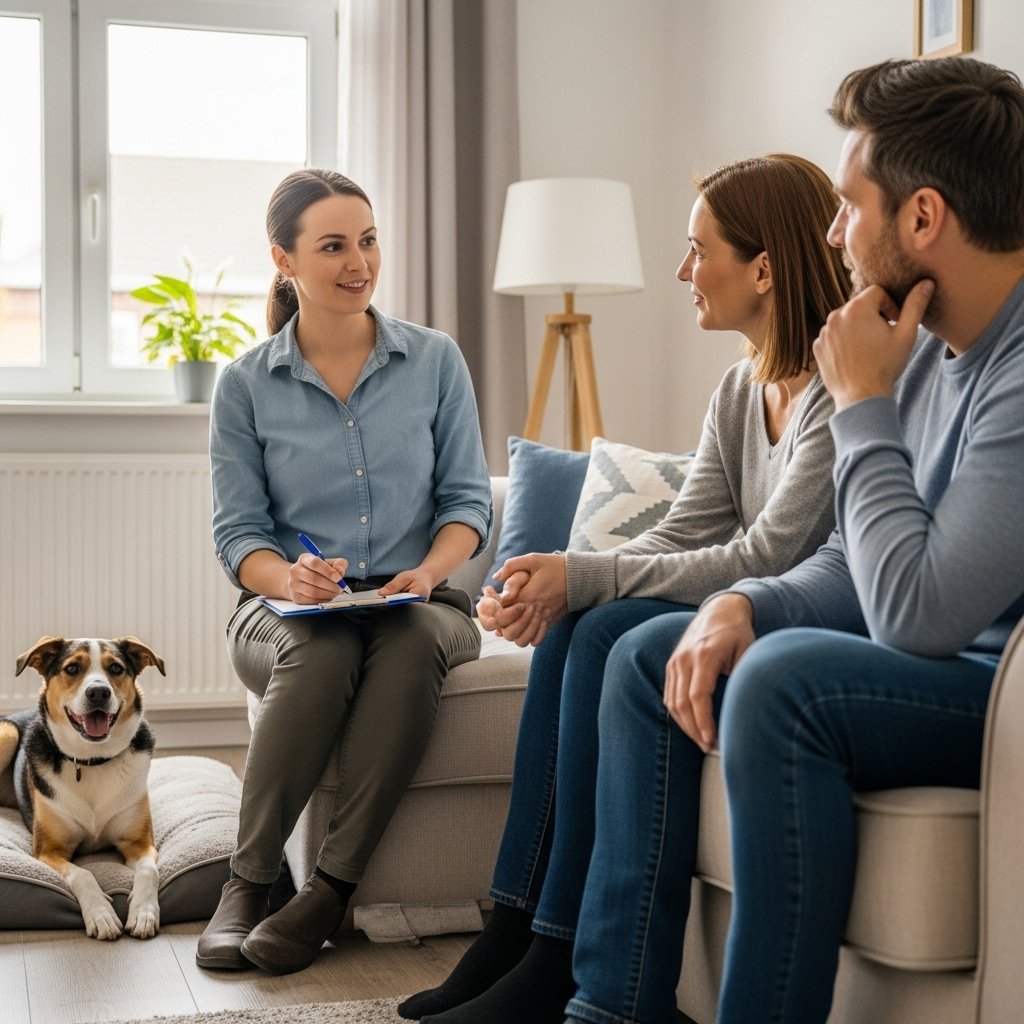
While many families can successfully manage the dog and baby relationship with diligence and education, some situations require professional intervention. Do not hesitate to seek help if you feel overwhelmed or observe significant warning signs. Being proactive is a sign of responsible ownership.
You should contact a qualified professional if you observe any of the following:
- Any instance of growling, snarling, or snapping directed at the baby.
- Consistent and intense stiffening or freezing when the baby is near.
- High levels of anxiety in your dog that do not seem to be improving with management.
- Any form of resource guarding directed toward the baby.
- You feel anxious, uncertain, or unable to effectively manage their interactions safely.
Finding the Right Professional
It is critical to find a professional who uses modern, science-based, positive reinforcement methods. Look for certified professionals with credentials from reputable organizations. Avoid any trainer who recommends punishment, dominance-based techniques, or tools like prong or shock collars, as these methods can increase anxiety and aggression, making the situation far more dangerous.
Look for the following credentials:
| Credential | Description |
|---|---|
| CDBC (Certified Dog Behavior Consultant) | Specializes in complex behavior issues like fear and aggression. Often the best choice for dog-and-baby cases. |
| CPDT-KA/KSA (Certified Professional Dog Trainer) | Knowledgeable in dog training and behavior, excellent for implementing management and training plans. |
| DACVB (Diplomate of the American College of Veterinary Behaviorists) | A veterinarian who has specialized in animal behavior. They can diagnose and treat underlying medical issues and prescribe anxiety medication if necessary. |
Conclusion
Ensuring a safe and harmonious home for both your dog and your crawling baby is an achievable goal that rests on a foundation of education, management, and supervision. Your dog is not being malicious when it displays signs of stress; it is communicating its discomfort in the only way it knows how. By learning to recognize the five key warning signs—freezing, appeasement signals, growling, resource guarding, and avoidance—you can intervene before stress escalates into a dangerous situation.
Remember that management is not a temporary fix but a long-term strategy. Utilizing tools like baby gates and designated safe zones protects everyone and reduces your dog’s anxiety. Paired with positive reinforcement training, you can slowly build your dog’s confidence and foster a positive association with your child. Above all, never hesitate to seek professional help if you feel you need it. Your commitment to understanding and advocating for your dog’s needs is the ultimate key to a peaceful and safe family life.