The DIY Detangler Spray That Saves Matted Dog Hair Instantly
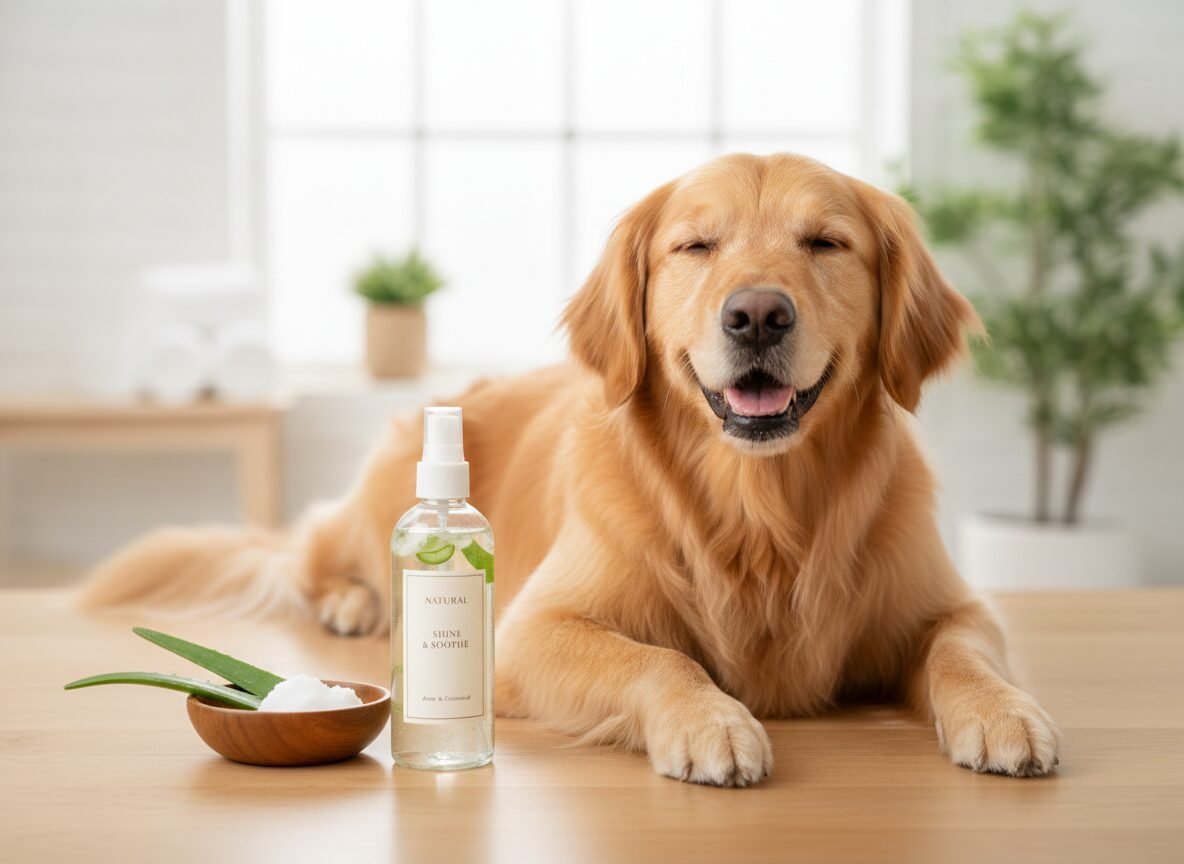
For any dedicated pet owner, discovering a painful mat in your dog’s fur can be distressing. These tight tangles are more than just an aesthetic issue; they can pull on the skin, causing significant discomfort, irritation, and even serious health complications. While professional grooming is essential, managing your dog’s coat between appointments is crucial. Commercial detangling products can be expensive and filled with chemicals you may not want to use on your beloved companion. Fortunately, a powerful solution can be crafted right in your own kitchen.
This comprehensive guide will provide you with an expert-formulated recipe for a DIY detangler spray that works safely and effectively to loosen mats and restore your dog’s coat. We will delve into the science behind why matting occurs, provide a step-by-step guide to creating and applying the spray, and offer professional strategies to prevent mats from forming in the first place. Prepare to transform your grooming routine and provide your dog with immediate relief.
Understanding Matted Fur: Why It Happens and Why It’s Dangerous
Understanding Matted Fur: Why It Happens and Why It’s Dangerous
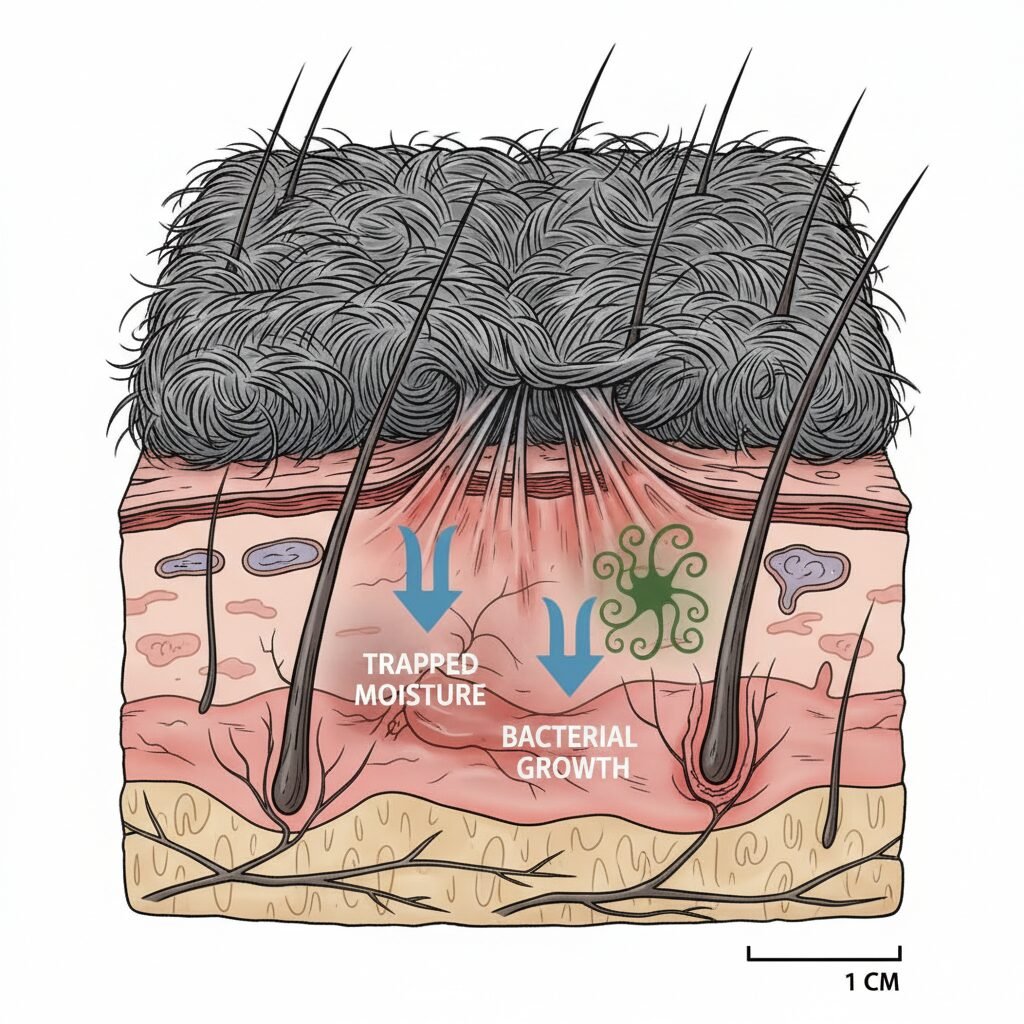
Before we address the solution, it is critical to understand the problem. Matted fur is not simply tangled hair; it is a dense, solid mass of shed and live hair that has become knotted together. This process can happen surprisingly quickly, especially in long-haired or double-coated breeds.
The Mechanics of Matting
A dog’s coat is in a constant cycle of growth and shedding. When loose, shed hairs are not removed through regular brushing, they become entangled with the existing coat. Friction from movement, moisture from rain or bathing, and external debris all contribute to tightening these tangles into a solid pelt. This often occurs in high-friction areas such as:
- Behind the ears
- In the armpits (leg pits)
- Under the collar or harness
- On the lower legs and tail
The Hidden Dangers of Matted Coats
Ignoring matted fur can lead to severe health consequences. The mat pulls tightly on the skin, creating constant pain and restricting blood flow. This can lead to a host of issues:
- Skin Irritation and Infections: Trapped moisture and lack of air circulation under a mat create a perfect breeding ground for bacteria and yeast, leading to painful skin infections (hot spots).
- Parasite Infestations: Fleas, ticks, and even maggots can live undetected within the dense fur, causing infestations that are difficult to treat.
- Pain and Discomfort: The constant pulling on the skin is extremely painful and can affect your dog’s mood and behavior. In severe cases, it can even restrict movement.
- Hematomas: Particularly on the ears, severe matting can cut off circulation, leading to the formation of blood blisters (aural hematomas) that may require veterinary intervention.
Never use scissors to cut out mats. The mat is often tight against the skin, making it incredibly easy to accidentally cut your dog. This is one of the most common grooming injuries seen by veterinarians.
The Science Behind an Effective Detangler: Key Ingredients and Their Roles
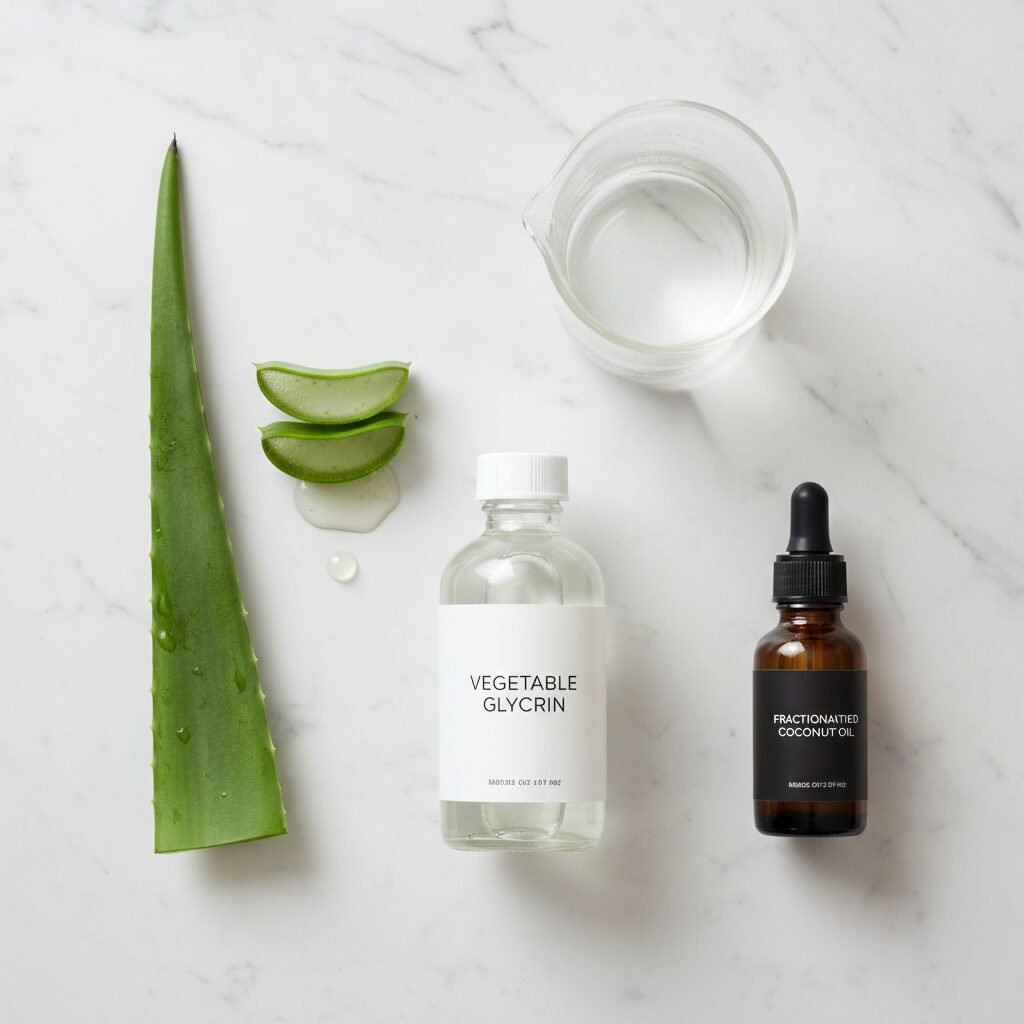
The Science Behind an Effective Detangler: Key Ingredients and Their Roles
An effective detangling spray works by providing lubrication and moisture to the hair shaft, reducing friction and allowing the tangled strands to slide apart more easily. Our DIY recipe utilizes natural, pet-safe ingredients that serve specific functions in this process.
Conditioning Agents for ‘Slip’
The primary function of a detangler is to create ‘slip’. This coating on the hair reduces the force needed to comb through a tangle, preventing breakage and minimizing discomfort. We achieve this with:
- Vegetable Glycerin: A natural humectant, glycerin draws moisture into the hair shaft. It also provides a smooth, slippery coating that is essential for detangling.
- Aloe Vera Gel: Known for its soothing properties, aloe vera is also an excellent conditioner. It contains enzymes that help repair skin cells and provides a silky texture to the hair, making it easier to brush. Ensure you use a product that is 100% pure aloe vera gel and free from additives.
Moisturizing and Strengthening Elements
Dry, brittle hair is more prone to tangling and matting. Hydrating the coat is a key preventative and restorative step.
- Fractionated Coconut Oil: Unlike regular coconut oil, fractionated coconut oil remains liquid at room temperature and is less greasy. It penetrates the hair shaft to provide deep moisture, improving elasticity and strength. Just a small amount is needed to avoid weighing down the coat.
The Liquid Base
Distilled Water: We use distilled water as the base for our spray because it is free of minerals and impurities found in tap water. These minerals can build up on the coat over time, leaving it dull and more prone to tangling.
Step-by-Step Recipe: Crafting Your Homemade Detangling Solution
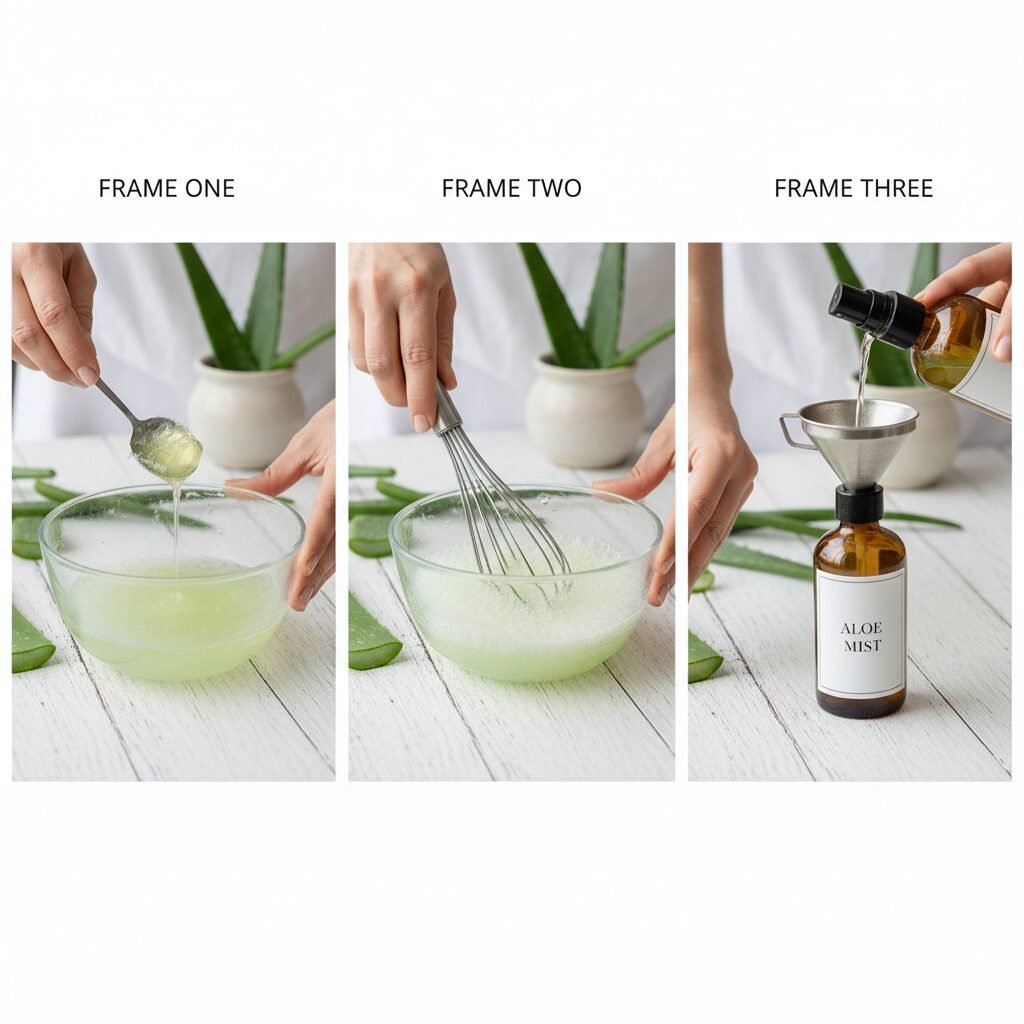
Step-by-Step Recipe: Crafting Your Homemade Detangling Solution
This recipe is simple, cost-effective, and can be mixed in just a few minutes. Always use high-quality, pure ingredients to ensure the safety and comfort of your dog.
Ingredients and Tools Required:
- 1 cup (8 oz) warm distilled water
- 1 tablespoon of pure aloe vera gel
- 1 teaspoon of vegetable glycerin
- 1/2 teaspoon of fractionated coconut oil
- A clean, empty spray bottle (8-12 oz capacity)
- A small funnel
- A small bowl or measuring cup for mixing
Instructions:
- Combine Liquid Ingredients: In your mixing bowl, pour the 1 cup of warm distilled water. The warmth will help the other ingredients dissolve more easily. Add the 1/2 teaspoon of fractionated coconut oil.
- Add Conditioning Agents: Add the 1 tablespoon of aloe vera gel and 1 teaspoon of vegetable glycerin to the water and oil mixture.
- Mix Thoroughly: Whisk the ingredients together vigorously until the aloe vera gel is fully dissolved and the mixture appears uniform. It may have a slightly cloudy appearance, which is normal.
- Transfer to Spray Bottle: Place the funnel in the opening of your spray bottle and carefully pour the mixture in. Seal the bottle tightly.
- Label and Store: Label the bottle clearly with the contents and date. Shake well before each use. The spray can be stored at room temperature for up to two months.
Expert Tip: Before the first full use, always perform a patch test. Spray a small amount on an inconspicuous area of your dog’s coat and wait 24 hours to ensure there is no adverse skin reaction.
The Correct Application Technique: How to Safely De-mat Your Dog
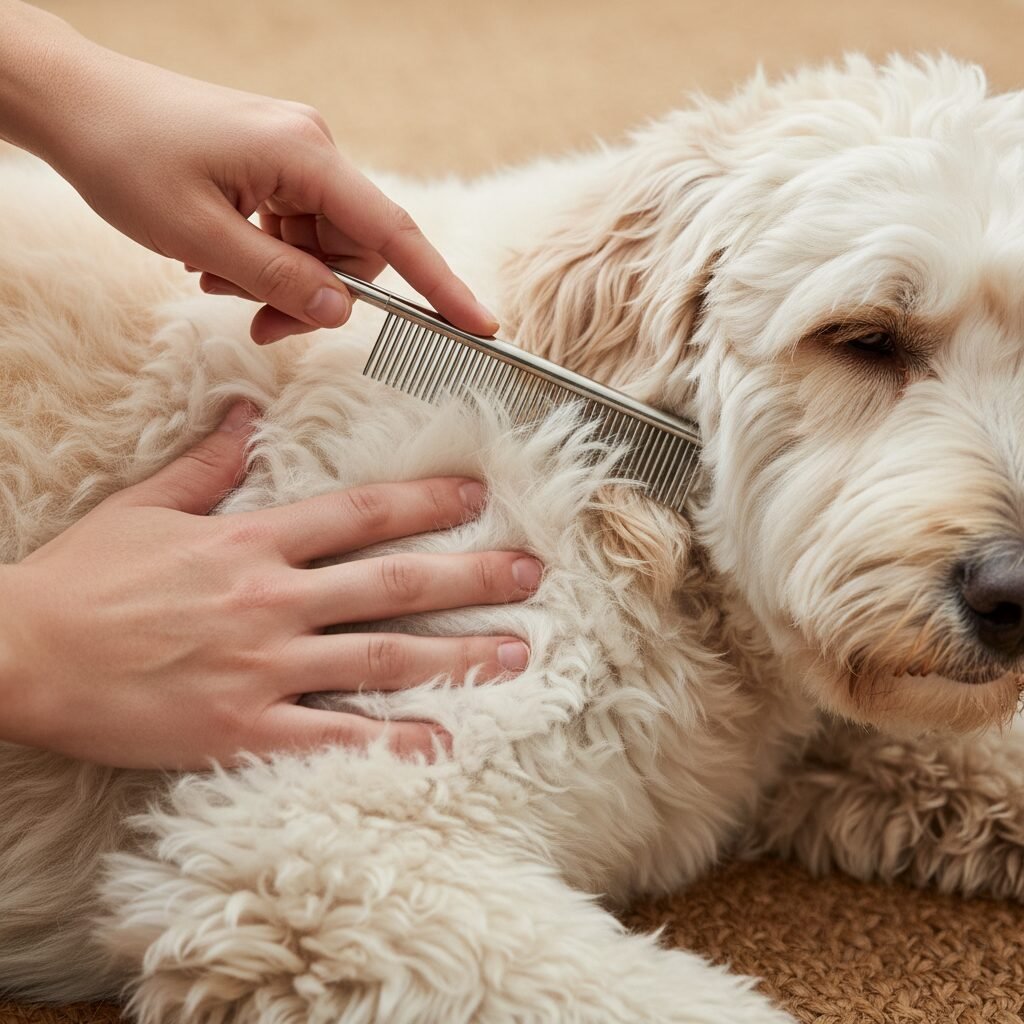
The Correct Application Technique: How to Safely De-mat Your Dog
Having the right spray is only half the battle; applying it correctly is essential for success and for your dog’s safety and comfort. Patience is your most important tool in this process.
- Create a Calm Environment: Choose a quiet time when your dog is relaxed. Use a non-slip surface and have high-value treats ready to reward calm behavior.
- Target the Mat: Do not saturate the entire coat. Lightly spray the specific mat you are working on until it is damp, but not dripping wet.
- Allow it to Penetrate: Let the spray sit on the mat for 2-3 minutes. This gives the ingredients time to penetrate the hair and begin loosening the tangle.
- Use Your Fingers First: Gently try to tease the mat apart with your fingertips. Work from the outer edges of the mat inwards, towards the skin. This will begin to loosen the structure of the tangle.
- Introduce the Right Tool: Once you have loosened the mat slightly, introduce a de-matting tool or a high-quality metal comb (like a greyhound comb). Always hold the base of the hair at the skin with your fingers to prevent pulling. Use short, gentle picking motions with the end tooth of the comb to break up the mat, again working from the outside in.
- Brush it Out: Once the mat is broken apart, use a slicker brush to gently brush through the area and remove any remaining tangles and loose hair.
- Reward Your Dog: Throughout the process, offer praise and treats for their cooperation. End the session on a positive note.
When to Stop and Call a Professional
This DIY spray is for minor to moderate mats. Severe matting requires professional help. Stop immediately and consult a groomer or veterinarian if you encounter the following:
- The mat is extremely tight against the skin (you cannot fit a comb between the mat and the skin).
- The mat is hard and pebble-like (a ‘felted’ mat).
- Your dog shows signs of extreme pain, such as yelping, crying, or trying to bite.
- The skin underneath the mat is red, raw, bruised, or has an odor.
In these cases, the only humane solution is to have a professional carefully shave the mat out with clippers. Attempting to remove it yourself risks serious injury.
Prevention is Key: A Proactive Grooming Routine
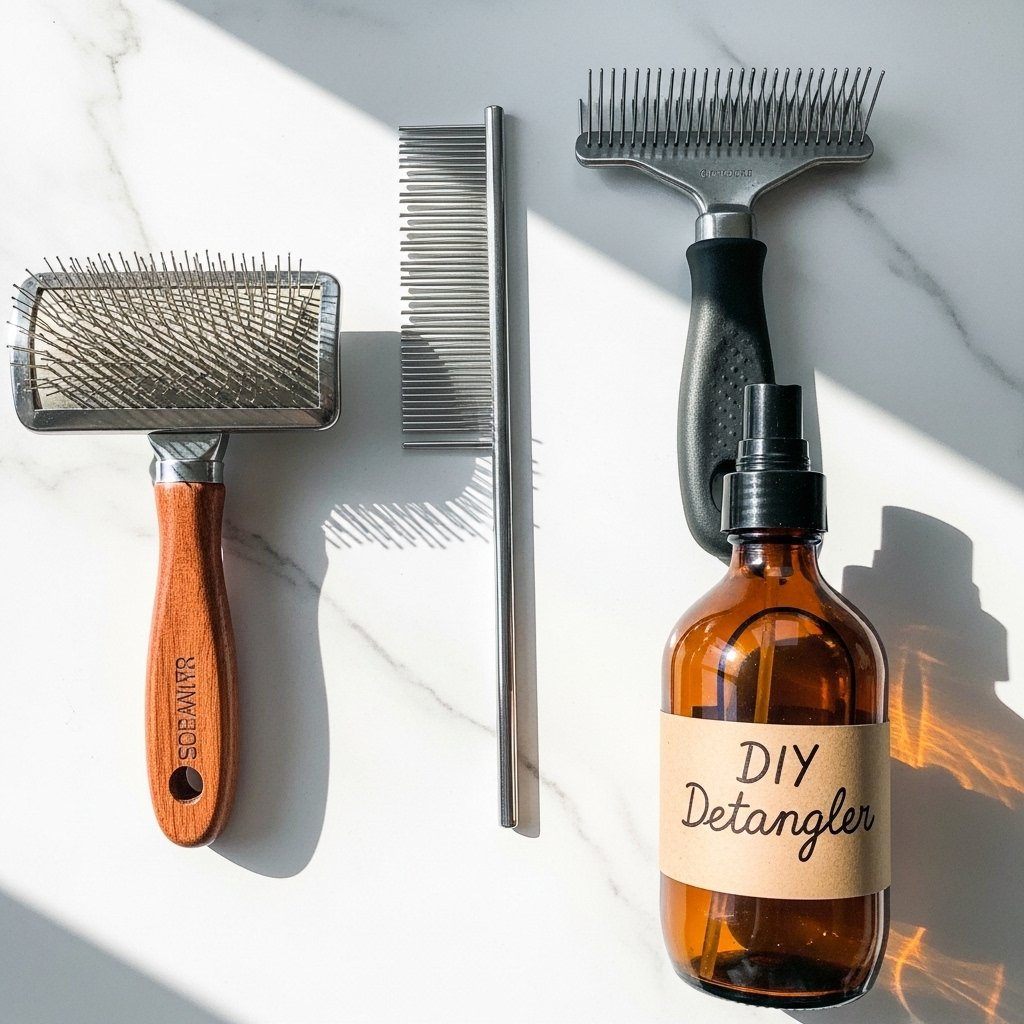
Prevention is Key: A Proactive Grooming Routine
The most effective way to deal with matted hair is to prevent it from forming. A consistent, proactive grooming routine is essential, particularly for dogs with high-maintenance coats. This involves using the correct tools and techniques regularly.
Establish a Brushing Schedule
For long-haired or easily matted breeds (like Poodles, Doodles, Bichons, and Shih Tzus), daily brushing is ideal. For other coats, 2-3 times per week may suffice. The key is consistency. A 10-minute daily brush is far more effective than a one-hour session on the weekend.
Use the Right Tools for the Job
Not all brushes are created equal. Using the right tool for your dog’s coat type is critical for effectively removing loose undercoat and preventing tangles.
| Grooming Tool | Best For | Primary Function |
|---|---|---|
| Slicker Brush | Medium to long coats, curly coats | Removes loose fur, detangles minor knots, and smooths the coat. |
| Undercoat Rake | Double-coated breeds (Huskies, Shepherds) | Penetrates the topcoat to remove dense, loose undercoat where mats often start. |
| Metal ‘Greyhound’ Comb | All coat types | Used as a final check to find smaller tangles the brush might have missed. Essential for line brushing. |
| Pin Brush | Long, silky coats (Yorkies, Setters) | Separates and smooths the topcoat but is less effective on dense undercoat or tangles. |
The Importance of Professional Grooming
Even with diligent home care, regular appointments with a professional groomer are invaluable. Groomers have the tools, training, and expertise to properly bathe, dry, and clip your dog in a way that promotes a healthy, mat-free coat. They can also spot potential skin issues you might miss.
Conclusion
Matted fur is a preventable and manageable problem. By arming yourself with this simple yet powerful DIY detangler spray, you can effectively address minor tangles before they escalate into painful, dangerous mats. Remember that the keys to success are patience, the correct technique, and understanding when a mat is too severe to handle at home. The ultimate goal is not just a beautiful coat, but a comfortable, healthy, and happy dog.
Integrate this homemade solution into a consistent grooming routine, using the right tools for your dog’s specific needs. By taking these proactive steps, you strengthen the bond with your canine companion and ensure their coat remains a source of comfort, not pain. Your commitment to their well-being is the most important ingredient of all.