No More Battles! Teach Your Dog To Love Ear Cleaning Drops
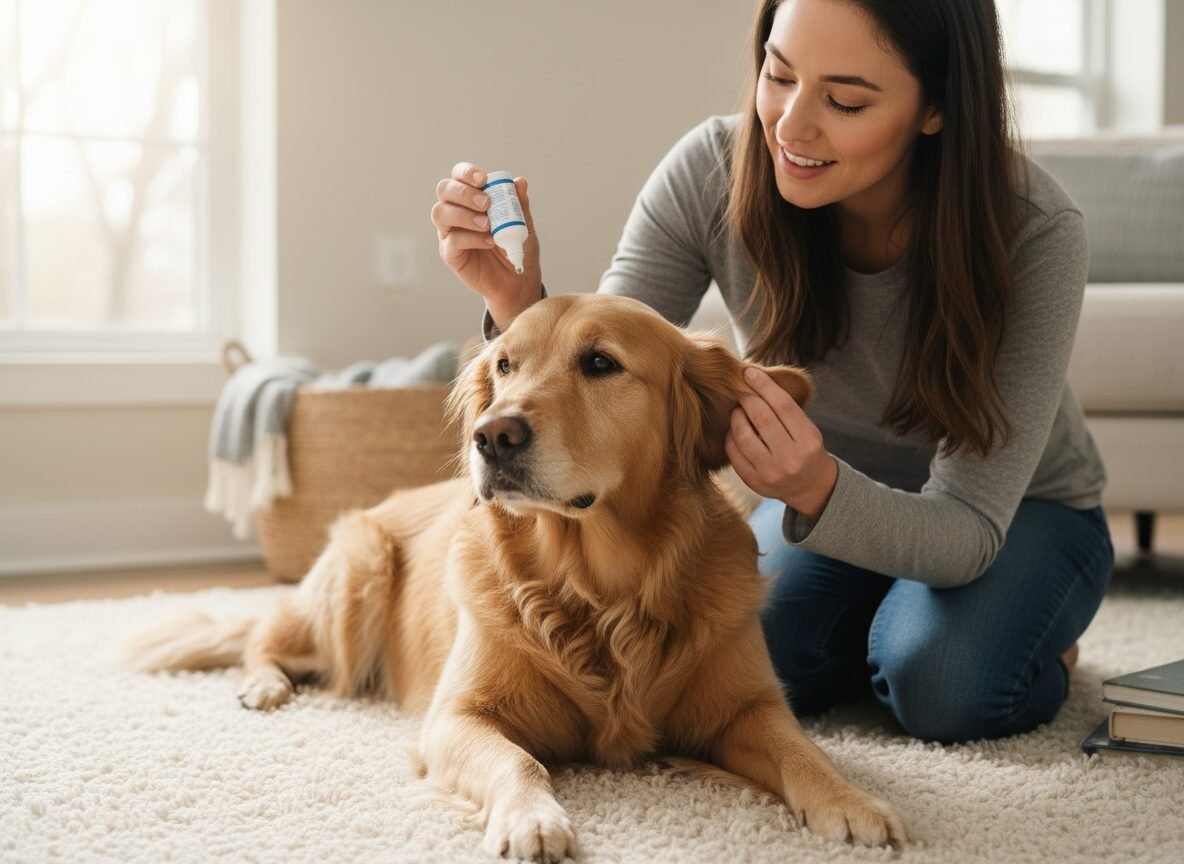
Ear cleaning is a fundamental aspect of canine health maintenance, yet for many pet owners, it represents a recurring battle of wills. The struggle to restrain a fearful, anxious, or resistant dog can be stressful for both parties and may even lead to owners avoiding this crucial task altogether. This avoidance, however, can result in painful infections, costly veterinary visits, and a breakdown in the human-animal bond. The good news is that it doesn’t have to be this way. You can move beyond forceful restraint and wrestling matches.
This guide is built on the principles of modern, science-based animal training: desensitization and counter-conditioning (DSCC). We will reframe ear cleaning not as a procedure to be endured, but as a cooperative behavior to be taught. By following this systematic approach, you will empower your dog with choice, build unshakable trust, and transform ear care from a dreaded chore into a positive and predictable routine. Prepare to end the battles and begin a new chapter of cooperative care with your canine companion.
Understanding the Aversion: Why Dogs Resist Ear Cleaning
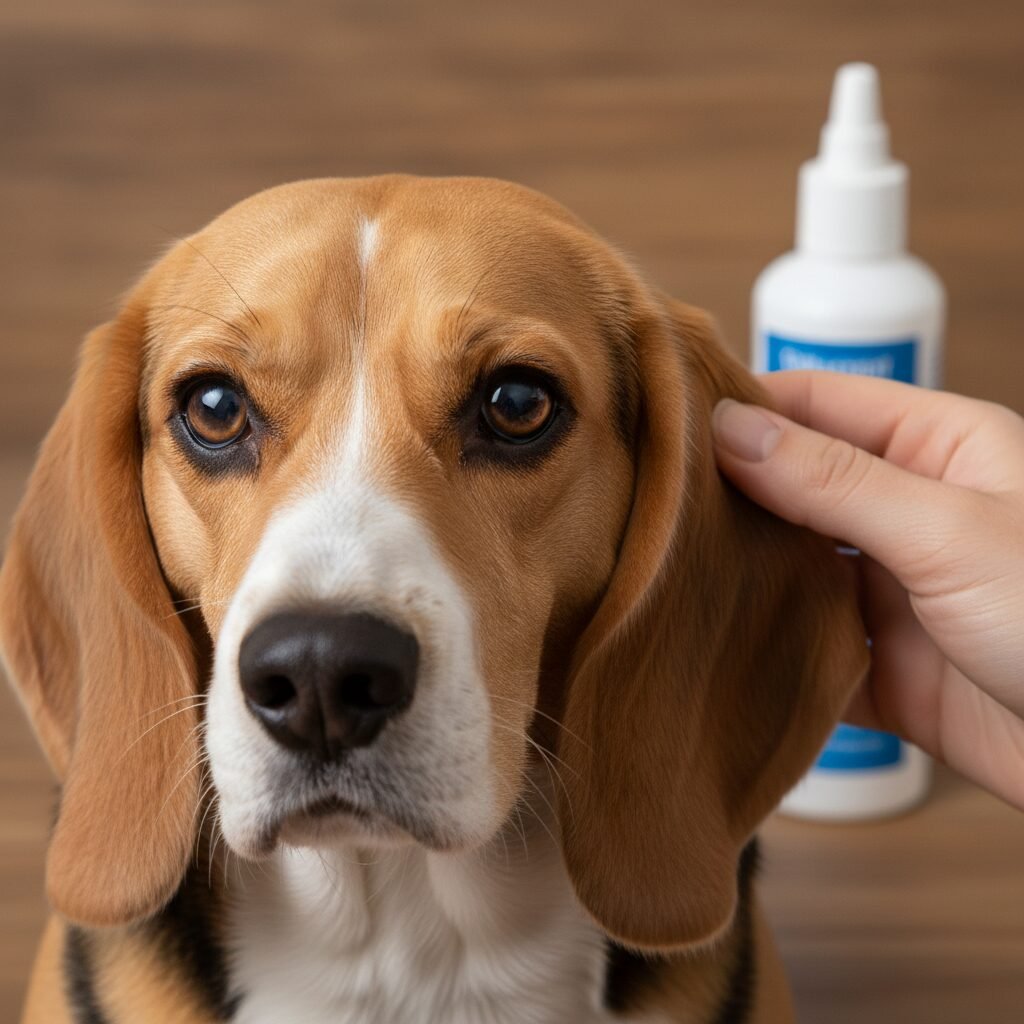
Before we can change a behavior, we must first understand its origin. A dog’s resistance to ear cleaning is rarely a simple act of defiance; it is almost always rooted in fear, discomfort, or a history of negative experiences. Recognizing the underlying cause is the first step toward an empathetic and effective training solution.
Anatomical Sensitivity
The canine ear canal is L-shaped and filled with sensitive nerve endings, making it far more delicate than a human’s. The introduction of cold liquid, the sensation of it moving deep into the canal, and the sound it makes can be inherently strange and uncomfortable. For dogs with existing inflammation or infection, the procedure can be genuinely painful, creating a powerful and lasting negative association.
Fear of Restraint
For many animals, restraint is synonymous with danger. Being held down, having their head controlled, and their movement restricted can trigger a primal fight-or-flight response. If past ear cleanings involved being pinned or forcibly held, your dog has learned that the appearance of the ear cleaning bottle predicts a stressful and frightening physical confrontation. This learned association is a significant hurdle to overcome.
Negative Past Experiences
A single unpleasant event can create a lasting fear. Perhaps the cleaning solution was too cold, the application was too forceful, or the experience occurred while the dog was already in pain from an ear infection. Dogs form powerful associations, and they may now view the bottle, the owner’s approach, or even the sound of the cap twisting open as a predictor of that negative event recurring. Without a new, positive association to replace the old one, the dog will continue to react defensively.
Expert Insight: It is crucial to approach this issue not as a matter of ‘disobedience,’ but as a communication problem. Your dog’s resistance is their way of saying, ‘I am scared,’ or ‘This is uncomfortable.’ Our job is to listen to that communication and change the narrative through trust-building exercises.
Preparation is Paramount: Assembling Your Toolkit for Success
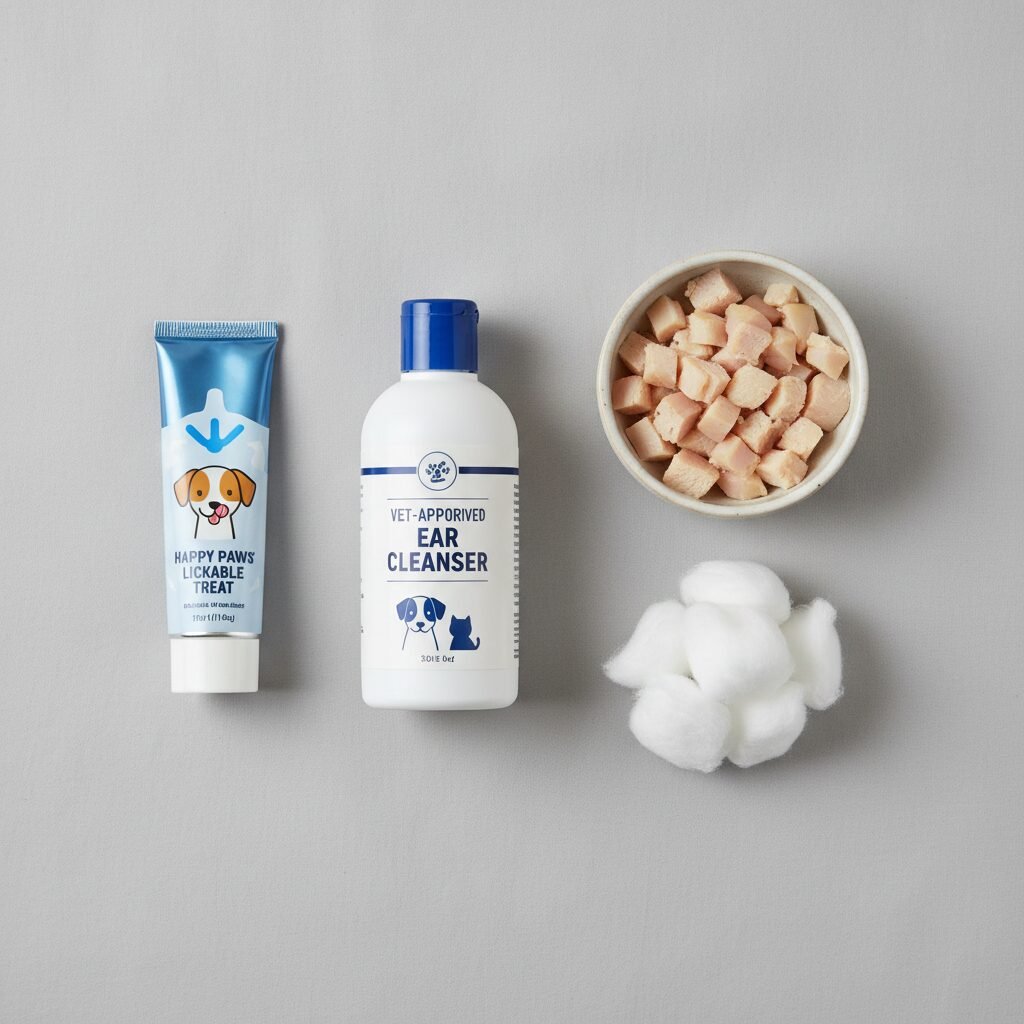
Successful training begins long before you ever touch your dog’s ears. Setting up the environment and your toolkit properly will streamline the process and communicate a sense of calm predictability to your dog. Your goal is to create a ‘training bubble’ where only positive things happen.
Essential Supplies
Gather everything you need before you bring your dog into the training area. Fumbling for supplies mid-session can break the flow and cause unnecessary stress.
- Veterinarian-Approved Ear Cleaner: Do not use homemade solutions like vinegar or hydrogen peroxide, which can cause irritation. Consult your vet for a pH-balanced, non-stinging formula appropriate for your dog’s needs. Warm the bottle slightly by holding it in your hands or placing it in a bowl of warm water for a few minutes to reduce the shock of cold liquid.
- High-Value Treats: This is not the time for dry biscuits. You need ‘jackpot’ level rewards that your dog finds irresistible. Think small pieces of cooked chicken, cheese, freeze-dried liver, or even a lickable treat in a tube. The treat should be more exciting than the procedure is intimidating.
- Soft Cotton Balls or Gauze: Avoid cotton-tipped applicators (like Q-tips), which can damage the eardrum if inserted too far. Use soft, absorbent material for wiping the outer ear.
- A Comfortable Station: Choose a calm, quiet location. A non-slip bath mat or yoga mat can provide stability and define the ‘training space.’
Cultivating the Right Mindset
Your emotional state directly influences your dog’s. If you are anxious, frustrated, or rushed, your dog will sense it and become tense. Adopt a mindset of patience and positivity.
- Keep Sessions Short: Aim for multiple 1-3 minute sessions per day rather than one long, overwhelming session. Always end on a positive note, even if you only made tiny progress.
- Be a Scientist, Not a Soldier: Your role is to observe your dog’s reactions and adjust your approach accordingly. If they show stress, you have moved too quickly. Take a step back to a point where they were comfortable and work from there. This is not a battle to be won, but a puzzle to be solved together.
- Celebrate Small Wins: Every calm ear touch, every sniff of the bottle without fear, is a victory. Acknowledge and reward these small steps enthusiastically.
The Step-by-Step Cooperative Care Protocol
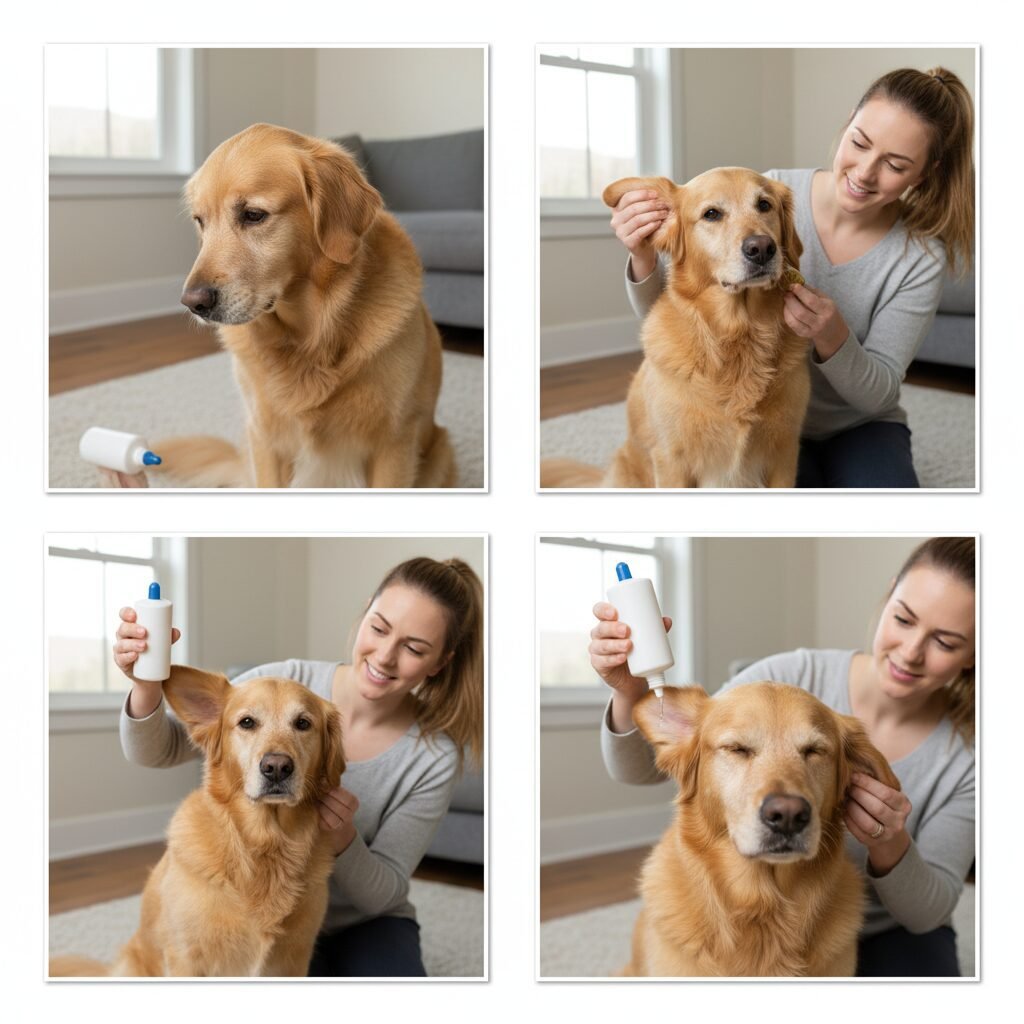
This protocol is designed to be gradual, breaking down the ear cleaning process into manageable micro-steps. The core principle is to pair every step with something wonderful (high-value treats), thereby changing your dog’s emotional response from fear to positive anticipation. Do not proceed to the next step until your dog is completely comfortable and happy with the current one. This may take days or even weeks.
Step 1: Create a Positive Association with the Supplies
The goal here is for your dog to see the ear cleaning bottle and think ‘treats are coming!’
- Place the closed ear cleaning bottle on the floor. The moment your dog looks at it or sniffs it, say ‘Yes!’ in a happy tone and give them a high-value treat.
- Repeat this 5-10 times, then put the bottle away. End the session.
- In the next session, pick up the bottle. Mark (‘Yes!’) and treat any calm behavior. Touch the bottle, mark and treat. Twist the cap, mark and treat. At this stage, the bottle never touches the dog.
Step 2: Desensitize Gentle Ear Handling
Many dogs are sensitive about their ears. We need to teach them that a human hand approaching and touching their ear predicts rewards.
- With your dog in a calm state, slowly reach toward their head, avoiding the ear at first. Touch their shoulder, mark and treat.
- Gradually move your hand closer to their ear. Touch the base of the ear for a split second, mark and treat.
- Slowly increase the duration of the touch. Progress to gently holding the ear flap for one second, then two. Eventually, practice lifting the ear flap to look inside, all while pairing each action with a steady stream of rewards.
Step 3: Combine Handling with the Bottle
Now, we merge the first two steps. The goal is for your dog to remain calm while you handle their ear and the bottle is nearby.
- Hold the ear cleaning bottle in one hand (away from the dog) and use the other to gently touch your dog’s ear. Mark and treat.
- Slowly bring the bottle closer. Hold the bottle a few inches from their head while you lift their ear flap. Mark and treat for calm behavior.
- Progress to touching the outside of your dog’s ear with the bottle tip for a split second. This is a critical step. The bottle itself touching them must predict a jackpot reward.
Step 4: The Final Approach: Introducing the Drops
This is the final stage and requires the most patience. We will simulate the action before actually doing it.
- Lift the ear flap and hold the bottle tip just above the ear canal, without squeezing. Hold for a second, remove the bottle, mark and treat.
- Once your dog is comfortable with the above, you are ready for the first drop. Lift the ear, hold the bottle in place, and squeeze just one single drop into the ear. Immediately follow with a ‘treat party’—multiple high-value treats in a row.
- Gently massage the base of the ear for a second, then offer more treats. Wipe the outer ear with a cotton ball and provide a final jackpot reward.
- Gradually build up to the full, required dose over several sessions. Always follow with a massage and a big reward.
Decoding Canine Communication: Reading Body Language

Your dog is constantly communicating its emotional state through subtle body language. Learning to read these signals is the most important skill in this training process. It allows you to know when to push forward, when to pause, and when to stop a session entirely. Ignoring signs of stress will erase your progress and damage trust.
Signs of Stress and Discomfort (Time to Back Up)
If you observe these behaviors, your dog is telling you they are uncomfortable. You have progressed too quickly. Take a step back to the last point where they were successful and relaxed, and work there for a while longer before trying to move forward again.
- Whale Eye: The whites of the eyes are visible in a crescent shape.
- Lip Licking or Nose Licking: Quick flicks of the tongue when no food is present.
- Yawning: A yawn outside of the context of being tired is a classic sign of anxiety.
- Freezing: The dog becomes suddenly still and rigid.
- Head Turning or Averting Gaze: The dog is actively trying to avoid the situation.
- Lowered Body Posture or Tucked Tail: A clear sign of fear or submission.
- Panting: When not hot or thirsty.
Signs of Comfort and Consent (Time to Proceed)
These are ‘green light’ signals. They indicate your dog is relaxed and ready for the next small step in the training plan.
- Relaxed Body: Loose, flowing muscles, no tension.
- Soft Eyes: Almond-shaped eyes with no visible whites.
- Neutral or Wagging Tail: A gentle, sweeping wag (not a high, stiff, fast wag, which can indicate arousal).
- Leaning In: The dog voluntarily leans into your touch.
- Willing Participation: The dog actively offers its head or stays in place without restraint.
Using this knowledge, you can create a ‘conversation’ with your dog. Your action (e.g., touching the ear) is a question: ‘Are you okay with this?’ Their body language is the answer.
| Stress Signal (‘Red Light’) | Relaxation Signal (‘Green Light’) |
|---|---|
| Showing ‘whale eye’ | Soft, relaxed eyes |
| Yawning or lip licking | Neutral mouth, soft pant |
| Freezing or becoming stiff | Loose, wiggly body |
| Turning head away | Leaning into your hand |
| Tucking tail | Neutral tail position or gentle wag |
Troubleshooting Common Setbacks
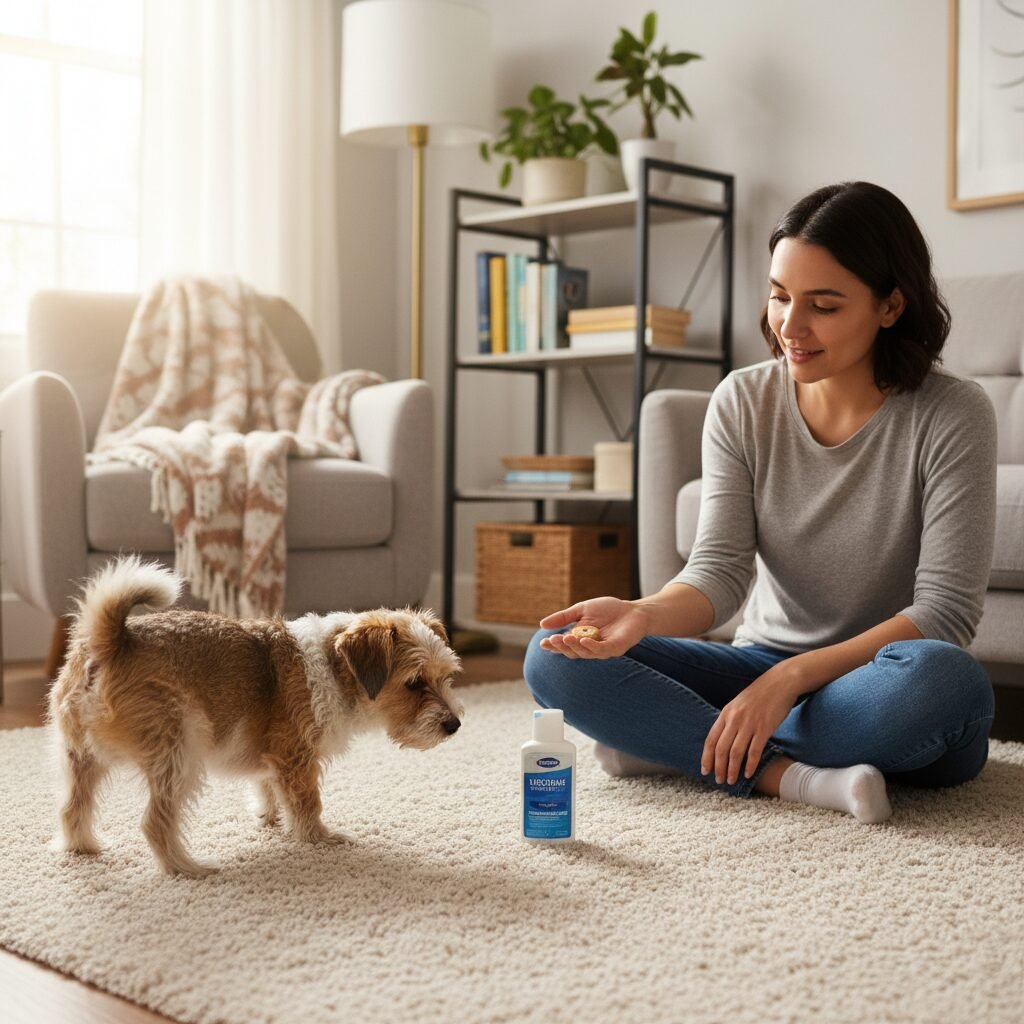
Even with the best plan, you may encounter challenges. A setback is not a failure; it is an opportunity to gather more information about your dog’s specific fears. Here is how to address common roadblocks.
Challenge: My dog runs away as soon as they see the bottle.
Solution: The negative association with the bottle is extremely strong. You need to go back to Step 1 and spend significant time on it. Start with the bottle across the room. If your dog looks at it from 20 feet away, mark and throw a treat. Slowly, over many sessions, decrease the distance. The goal is to change the bottle’s prediction from ‘scary thing happening’ to ‘amazing treats appear’. Do not attempt any ear handling until the sight of the bottle causes a happy, expectant reaction.
Challenge: My dog is fine with handling, but panics when the liquid goes in.
Solution: The sensation of the liquid is the primary trigger. First, ensure the liquid is warmed to body temperature. Second, simulate the sound and sensation differently. Get your dog comfortable with you lifting their ear flap and making a ‘squirt’ sound with your mouth, followed by a treat. Then, use a dropper with plain, warm water and apply a single drop to the fur outside the ear canal, followed by a treat party. This desensitizes them to the feeling of liquid near their ear without the discomfort of it going inside. Only after they are comfortable with these steps should you attempt a single drop of the actual cleaner inside the ear.
Challenge: My dog growls when I touch their ears.
Solution: Stop immediately. A growl is a critical piece of communication that means ‘I am extremely uncomfortable, and if you push me further, I may bite.’ It is not aggression to be punished, but a warning to be respected. In this case, professional help is strongly recommended. The dog may be in significant pain from an undiagnosed ear infection, or the fear may be so severe that it requires the guidance of a Certified Veterinary Behaviorist or a certified positive reinforcement trainer. Forcing the issue with a growling dog is dangerous and will shatter their trust in you.
Important Safety Note: Never punish a growl. If you punish the warning, the dog may learn to skip the warning and go straight to a bite the next time they feel threatened.
Conclusion
Teaching your dog to accept, and even love, ear cleaning is a journey of patience, observation, and partnership. By replacing fear and force with trust and positive reinforcement, you are doing more than just cleaning their ears—you are fundamentally enhancing your relationship. Remember the core principles: go at your dog’s pace, keep sessions short and joyful, and always end on a high note. The small, incremental steps you take today will build a foundation of cooperative care that will last a lifetime, ensuring your dog’s health and solidifying the incredible bond you share.
When to Consult a Professional
While this guide can resolve most behavioral aversions, it is not a substitute for veterinary care. Please consult your veterinarian immediately if you notice any of the following:
- Excessive head shaking or scratching at the ears.
- A foul odor, discharge, redness, or swelling in the ears.
- Signs of pain, such as yelping when the ears are touched.
- Any sudden behavioral changes or aggression related to ear handling.
These can be signs of a serious medical condition, such as an infection, mites, or a foreign body in the ear canal, which must be addressed before any behavioral training can be effective.