Squirrel Obsessed? Breaking the Trance of High Prey Drive
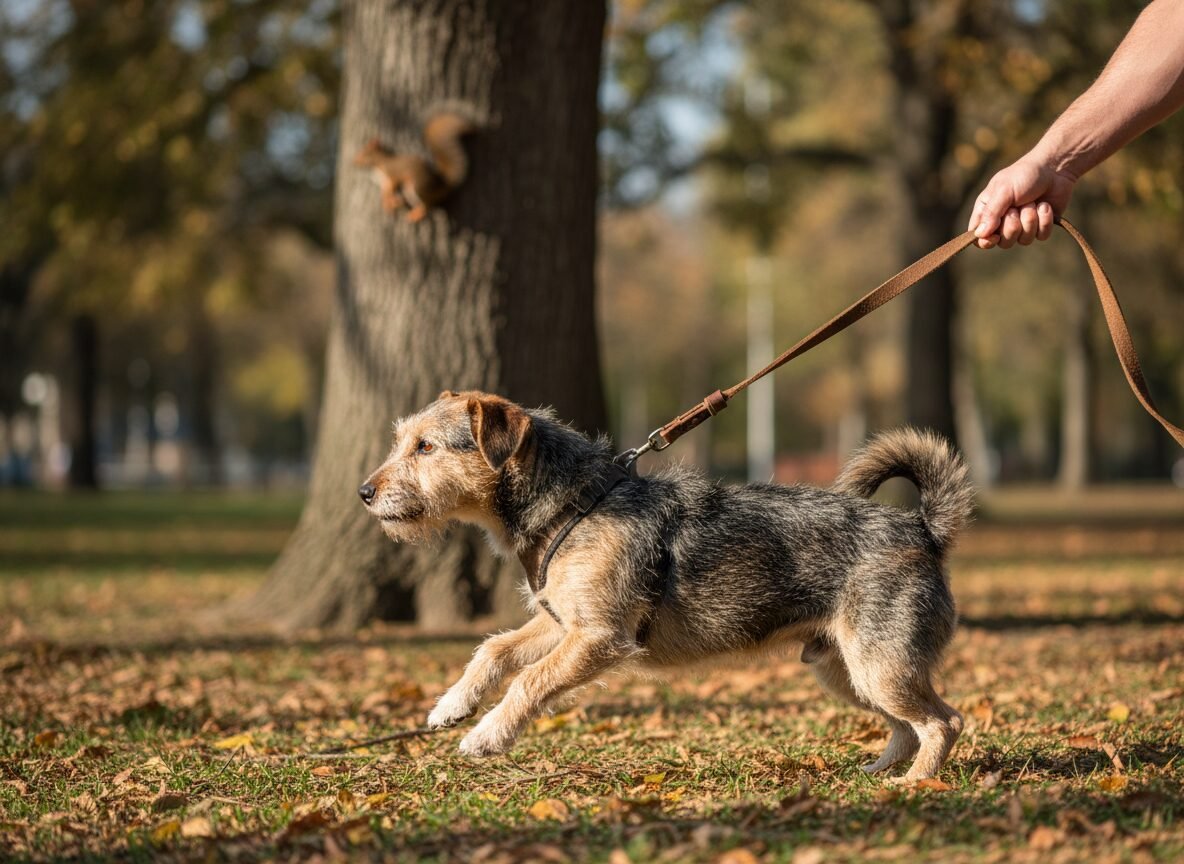
The sudden lunge that nearly yanks your arm from its socket. The frantic whining and barking that shatters an otherwise peaceful walk. The laser-like focus that renders your commands completely unheard. If this scenario sounds familiar, you are likely the owner of a dog with a high prey drive, and squirrels are its ultimate obsession. This intense, instinctual behavior is not a sign of a ‘bad dog’; it’s the echo of thousands of years of genetics, breeding, and survival instincts. However, living with it can be stressful, frustrating, and even dangerous.
Understanding this behavior is the first step toward managing it. Prey drive is the innate instinct in carnivores to find, pursue, and capture prey. In our domesticated dogs, this sequence is often modified—many dogs enjoy the ‘chase’ but have no intention of harming the squirrel. Yet, the trance-like state it induces can make your dog deaf to your calls and oblivious to hazards like traffic. This comprehensive guide will move beyond simple frustration and provide you with the knowledge and actionable strategies needed to break the trance. We will explore the roots of prey drive, equip you with the right tools, and walk you through a multi-phased training plan designed to redirect your dog’s focus back to you, fostering a safer and more harmonious relationship.
Understanding the Instinct: Why Squirrels Drive Dogs Wild
Understanding the Instinct: Why Squirrels Drive Dogs Wild
Before you can modify a behavior, you must understand its origin. A dog’s obsession with squirrels is not a learned act of defiance; it is a deeply ingrained biological imperative. This drive is a remnant of their ancestral need to hunt for survival. The entire sequence—from spotting the prey to the final capture—releases powerful, rewarding chemicals like dopamine in the dog’s brain. This makes the act of chasing inherently self-reinforcing; it simply feels good to them.
The Prey Sequence
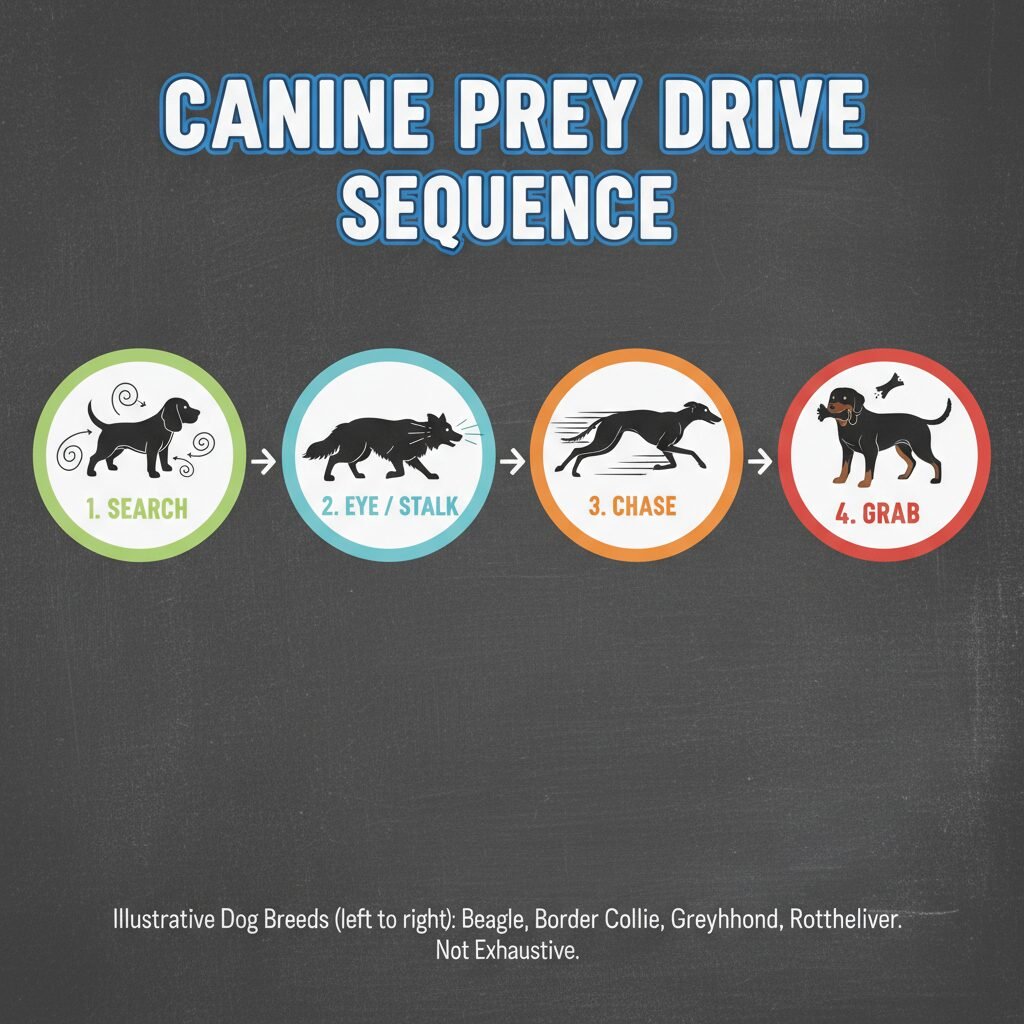
The prey drive isn’t a single action but a sequence of behaviors. Different breeds have been selectively bred to emphasize certain parts of this sequence:
- Search: The initial scanning for prey. Beagles and other scent hounds excel here.
- Eye/Stalk: Locking onto the target and approaching stealthily. Border Collies are masters of the ‘eye’.
- Chase: The exhilarating pursuit. Sighthounds like Greyhounds were bred for this.
- Grab/Bite: The act of catching the prey. Terriers were developed to do this with vermin.
- Kill/Bite and Dissect: The final steps of the hunt.
For most pet dogs, the ‘chase’ is the most rewarding part. The quick, erratic movements of a squirrel trigger this instinct perfectly, turning a simple rodent into the most exciting stimulus in the environment. It’s crucial to recognize that you are not competing with a simple distraction; you are competing with your dog’s core genetics.
Expert Tip: Never punish a dog for exhibiting prey drive. Punishing an innate behavior can lead to anxiety, fear, and aggression, and it will not extinguish the instinct. The goal is management and redirection, not suppression.
Recognizing the specific signs of your dog entering this ‘prey drive trance’ is key. Look for a lowered head, a stiff and rigid body, a fixed stare, closed mouth, and ears pointed forward. The moment you see this posture, your window for intervention is closing rapidly. Our training will focus on teaching your dog to disengage before they are too deep into this sequence.
The Essential Toolkit for Managing High Prey Drive
The Essential Toolkit for Managing High Prey Drive
Effective training begins with the right equipment. The goal of these tools is not to control your dog through force, but to provide better communication, ensure safety, and set you both up for success. Using inappropriate equipment, such as retractable leashes or choke chains, can be counterproductive and even dangerous when dealing with a powerful, lunging dog.
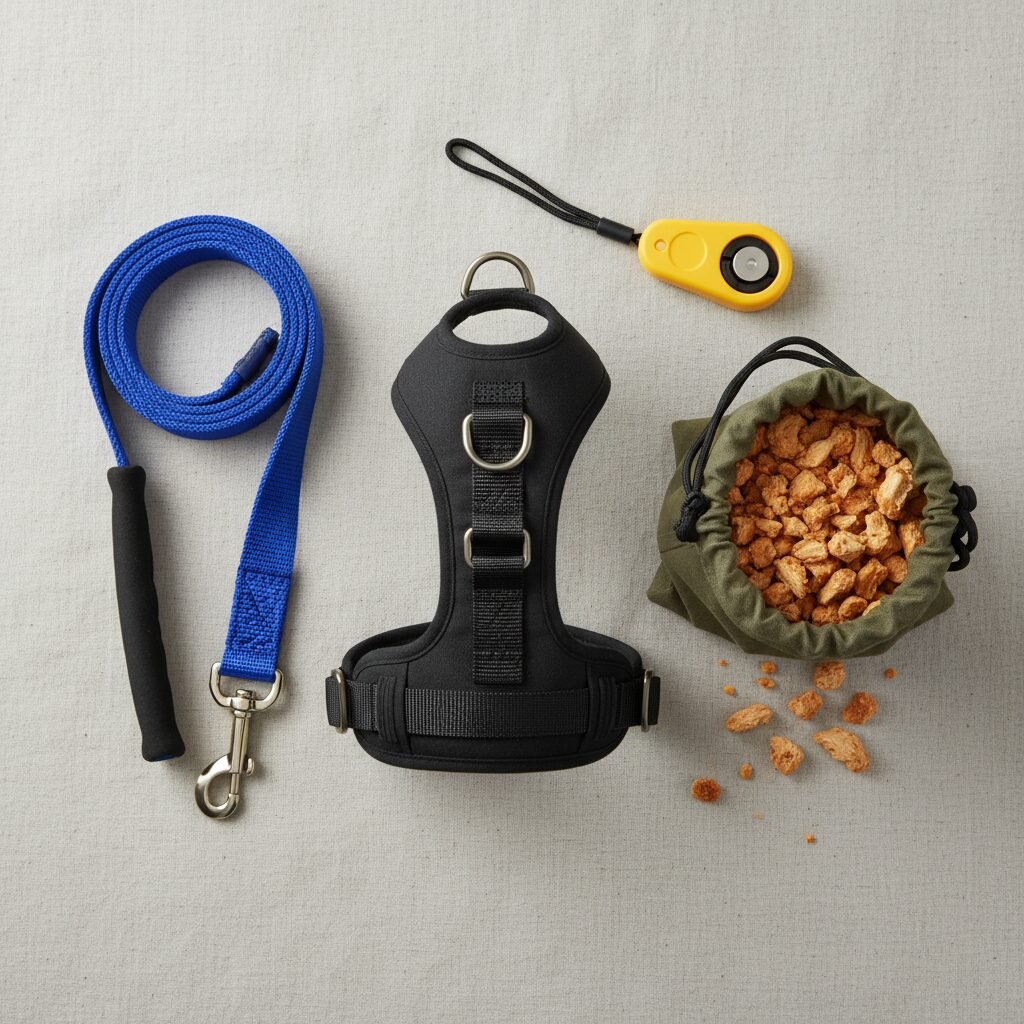
Essential Gear for Safe and Effective Training
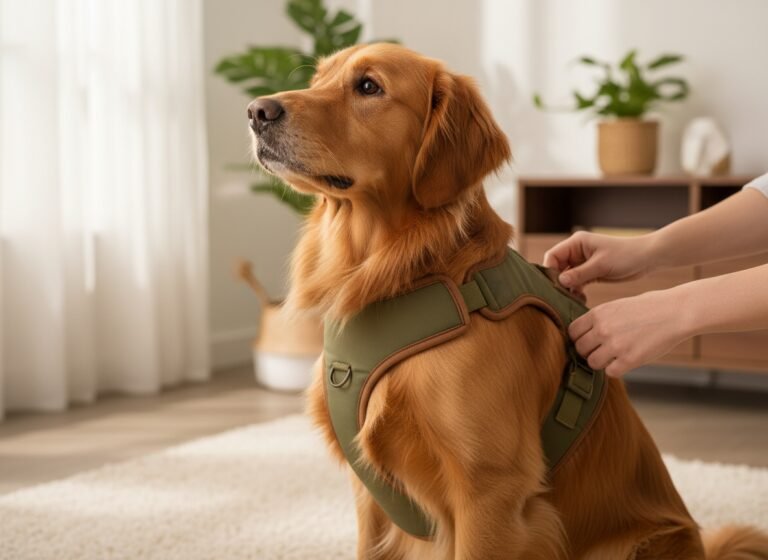
- A Well-Fitted Front-Clip Harness: Unlike traditional back-clip harnesses that can encourage pulling (think sled dogs), a front-clip harness gives you gentle directional control. When your dog lunges, the pressure on the front clip guides them back towards you, disrupting their forward momentum without causing pain or choking.
- A Sturdy 6-Foot Leash: A standard-length, non-retractable leash made of leather or thick nylon is your most important tool. It provides a secure connection and predictable length, allowing you to practice leash-handling skills effectively. Retractable leashes offer little control and can easily snap or cause serious injury when a dog bolts unexpectedly.
- High-Value Food Rewards: To compete with the allure of a squirrel, your standard kibble won’t suffice. You need ‘high-value’ treats—something your dog finds irresistible. Think small pieces of cooked chicken, cheese, hot dogs, or commercial soft training treats. The reward must be more compelling than the distraction.
- A Treat Pouch: Fumbling for treats in your pocket is inefficient. A waist-worn treat pouch allows for immediate access to rewards, which is critical for marking and reinforcing desired behaviors the instant they occur.
- A Clicker (Optional): A clicker is a valuable tool for marker training. The ‘click’ marks the exact moment your dog performs the correct action, followed immediately by a reward. This creates a clear and consistent line of communication.
| Tool | Purpose | Avoid |
|---|---|---|
| Front-Clip Harness | Provides gentle directional control and discourages pulling. | Prong collars, choke chains, shock collars. |
| 6-Foot Standard Leash | Ensures safety and predictable control during training exercises. | Retractable leashes. |
| High-Value Treats | Acts as a powerful motivator to override instinctual drive. | Dry kibble or low-value biscuits. |
Phase 1: Building a Foundation of Focus
Phase 1: Building a Foundation of Focus
Before you can expect your dog to ignore a squirrel, you must first teach them how to pay attention to you. This foundational phase is conducted in a low-distraction environment, such as your living room or backyard. The goal is to make focusing on you an automatic and highly rewarding behavior.
Mastering Foundational Cues
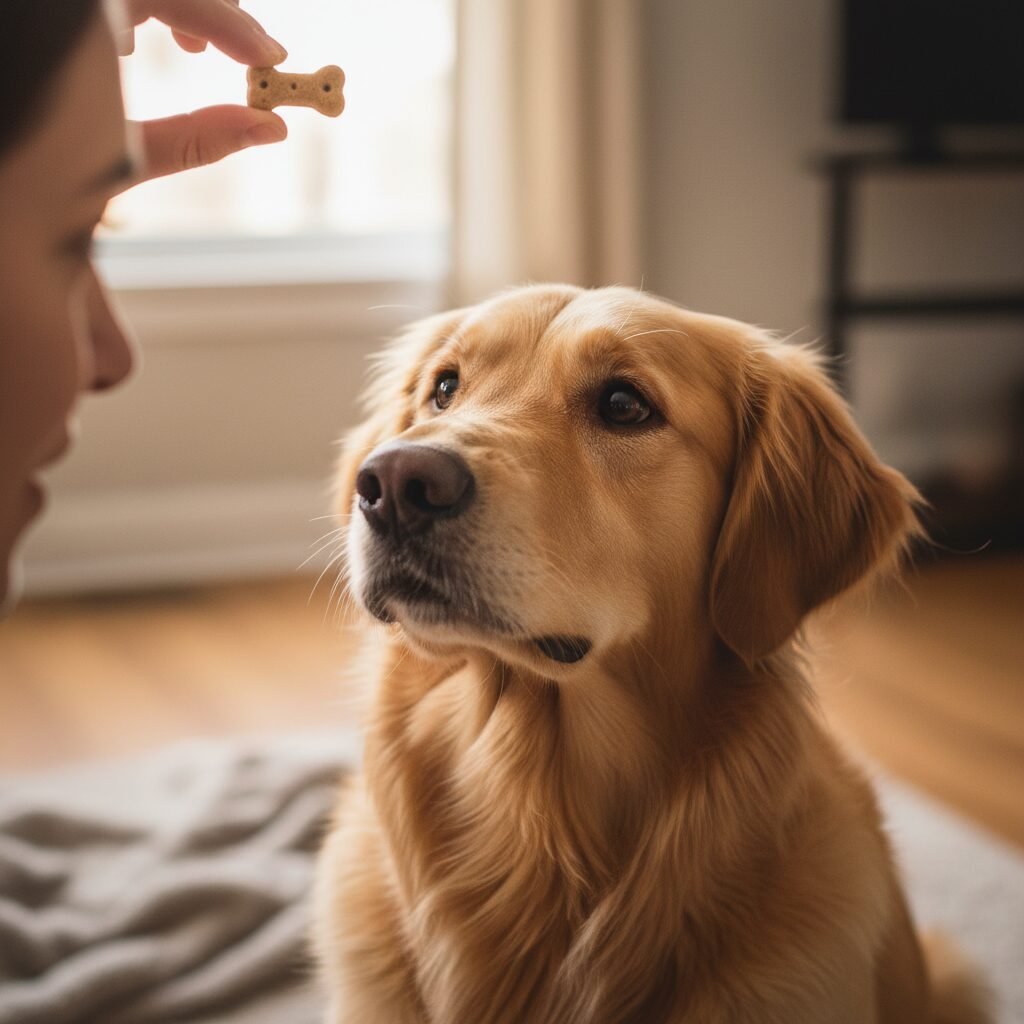
- ‘Watch Me’ or ‘Look’: This command teaches your dog to make eye contact with you on cue. Start by holding a high-value treat near your dog’s nose, then slowly bring it up to your eyes. The moment your dog’s eyes meet yours, say ‘Yes!’ or click, and give them the treat. Practice in short, fun sessions, gradually increasing the duration of the eye contact before rewarding.
- ‘Leave It’: This crucial cue teaches your dog to disengage from a tempting object. Start easy. Place a low-value treat on the floor and cover it with your hand. When your dog sniffs or licks your hand, say nothing. The moment they pull their head away, even for a second, praise them and reward them with a different, higher-value treat from your other hand. Gradually progress to uncovering the treat, then to dropping more tempting items, always rewarding disengagement.
- The ‘U-Turn’ Maneuver: This is a simple leash skill that helps you quickly and calmly move away from a trigger. While walking in a quiet area, cheerfully say ‘This way!’ and turn 180 degrees. Encourage your dog to follow and reward them generously when they catch up to you. This teaches them that suddenly changing direction with you is a fun, rewarding game.
Practice these skills daily until your dog’s response is fast and reliable indoors. Only then should you begin to slowly introduce them to more distracting environments, like a quiet street, before ever attempting to use them in the presence of a squirrel.
Phase 2: Controlled Exposure and Counter-Conditioning
Phase 2: Controlled Exposure and Counter-Conditioning
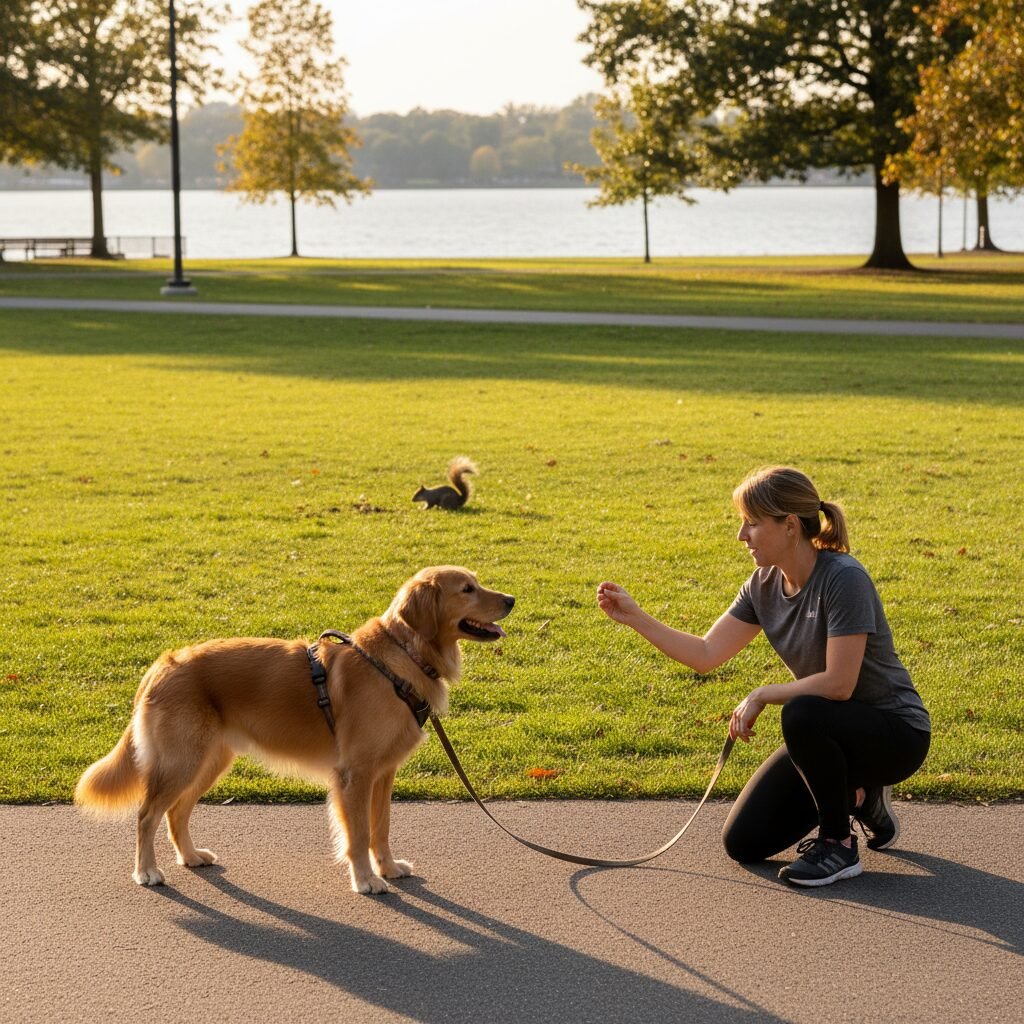
This is where we begin to change your dog’s emotional and behavioral response to squirrels. The core principle is counter-conditioning: changing an undesirable response (lunging, barking) to a desirable one (looking at you) by creating a new, positive association. We will do this by working ‘under threshold’—at a distance where your dog can see the squirrel but is not yet reacting to it.
Implementing the ‘Engage-Disengage’ Game
The goal of this exercise is to teach your dog that seeing a squirrel is a cue to look back at you for a fantastic reward.
- Find the Threshold: Go to a park or area where you know squirrels are present. Start far away. Find the distance at which your dog notices the squirrel (e.g., ears perk up) but is not yet pulling, whining, or fixated. This is their threshold. Your training must happen at or below this distance. If your dog is already reacting, you are too close.
- Mark the ‘Look’: The instant your dog looks at the squirrel, say ‘Yes!’ or click your clicker. Your dog will likely turn to you, surprised, expecting a treat.
- Reward the Disengagement: When your dog turns their head towards you, give them a very high-value treat. The sequence is critical: dog sees squirrel -> you mark the look -> dog turns to you -> you reward.
- Repeat and Retreat: Repeat this process a few times. Keep the sessions short and end on a positive note. If your dog starts to fixate, you have worked too long or are too close. Simply use your ‘U-Turn’ maneuver to create more distance and try again later.
Important Note: The reward must come after your dog looks away from the squirrel and towards you. You are rewarding the act of disengaging from the trigger, not staring at it.
Over many sessions, you will notice your dog starting to look at a squirrel and then immediately look back at you, anticipating the reward. This is the ‘Aha!’ moment. You are actively rewiring their brain to associate squirrels with a positive interaction with you, rather than an uncontrollable urge to chase.
Advanced Management and Enrichment Strategies
Advanced Management and Enrichment Strategies
Training is paramount, but a holistic approach that includes proactive management and appropriate enrichment is essential for long-term success. You cannot train your dog 24/7, so managing their environment and providing healthy outlets for their instincts are crucial components of the plan.
Management: Preventing the Rehearsal of Bad Behavior
Every time your dog gets to lunge at a squirrel, the behavior is reinforced. Management is about preventing these rehearsals.
- Strategic Walks: Avoid walking in squirrel-heavy areas or during peak activity times (early morning and late afternoon) until your training is more advanced.
- Environmental Scanning: Be a proactive walker. Constantly scan the environment ahead of you. It’s better for you to spot the squirrel first so you can create distance or prepare for a training opportunity.
- Window Management: If your dog fixates on squirrels from a window, manage that access. Use window film to obscure the view or limit their access to that room. This prevents a constant state of arousal.
Enrichment: Providing a Healthy Outlet for Prey Drive
A dog’s prey drive needs an outlet. If it isn’t given one, it will manifest in undesirable ways. Channeling this energy into appropriate activities can significantly reduce their obsession with squirrels.
| Activity | Description | Benefit |
|---|---|---|
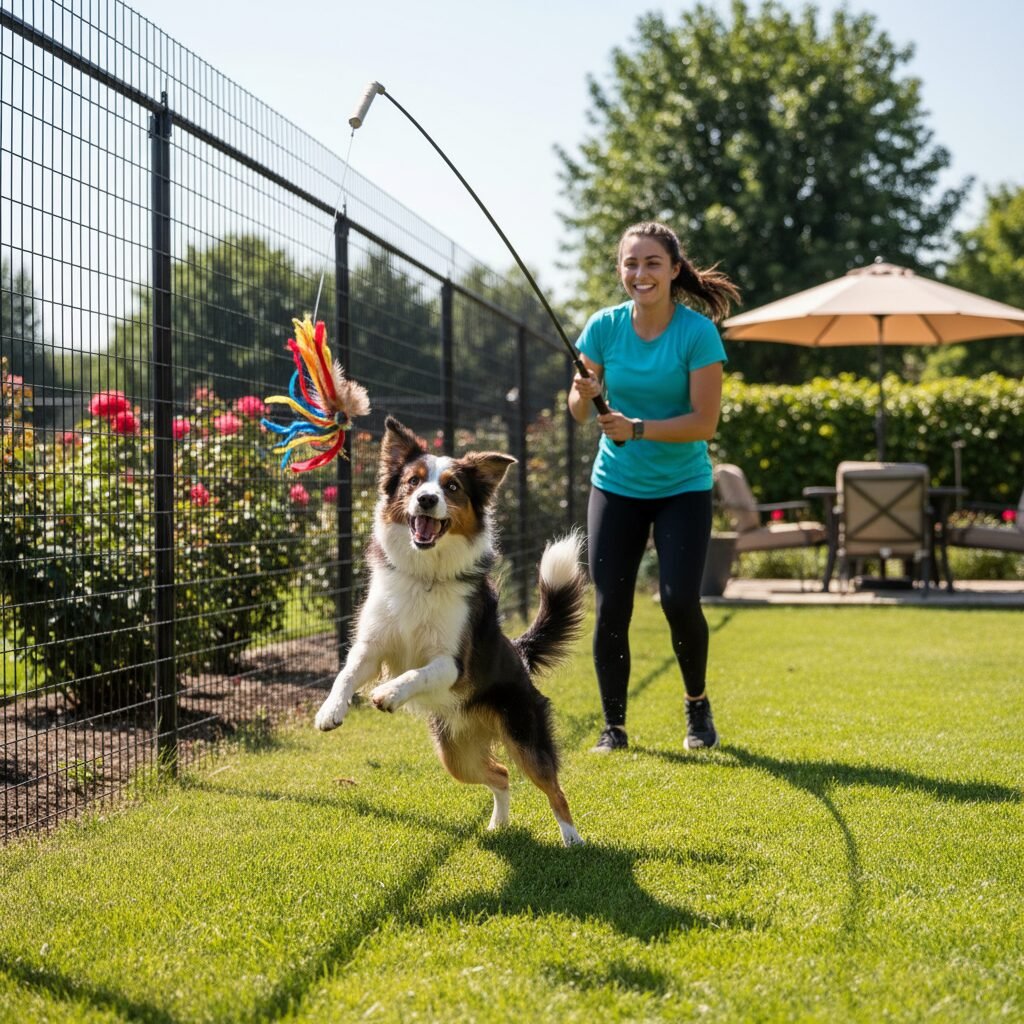
| Flirt Pole | A long pole with a bungee cord and a lure at the end. You can simulate a chase in a controlled, safe manner. | Satisfies the chase instinct and builds impulse control (‘drop it’ command). |
| Lure Coursing | A dog sport where dogs chase a mechanized, plastic lure across a field. | A safe and incredibly fulfilling outlet for sighthounds and other chase-driven dogs. |
| Scent Work / Nose Work | Training a dog to find specific scents. It engages their powerful sense of smell. | Taps into the ‘search’ part of the prey sequence and is mentally exhausting in a positive way. |
| Tug-of-War (with rules) | A structured game of tug can satisfy the ‘grab/bite’ instinct. | Builds your bond and teaches a solid ‘out’ or ‘drop it’ command. |
By providing these structured outlets, you are meeting your dog’s innate needs. A dog that is mentally and physically fulfilled through appropriate enrichment is often calmer and less likely to seek out inappropriate targets for their predatory instincts.
Conclusion
Managing a dog with a high prey drive is a journey, not a destination. It requires patience, consistency, and a deep understanding of your dog’s nature. The goal is not to extinguish this powerful instinct but to channel it and teach your dog that focusing on you is more rewarding than chasing the squirrel. By combining a solid foundation of obedience, strategic counter-conditioning, proactive management, and fulfilling enrichment, you can transform your walks from a stressful battle of wills into an enjoyable and connected experience.
Remember to celebrate the small victories—the brief moment of eye contact, the slight hesitation before a lunge, the successful ‘U-Turn’. These are the building blocks of progress. Stay consistent with your training, and don’t be discouraged by setbacks, as they are a normal part of the process. With dedication, you can break the trance and build a stronger, more trusting partnership with your canine companion, proving that even the most deeply rooted instincts can be managed with knowledge and compassion.