My Dog Ate The Wall! Deficiency Or Boredom? Here’s The Real Answer

Discovering your dog has been chewing on the wall can be a baffling and alarming experience. Your mind likely races with questions: Is my dog sick? Is this a sign of a serious nutritional deficiency? Or is it simply a case of extreme boredom? You are not alone in this concern. This behavior, while destructive, is a cry for help—a signal that something in your dog’s world is amiss. Chewing is a natural canine behavior, but when it targets inappropriate and potentially dangerous items like drywall, it warrants immediate and careful attention.
This guide will serve as your definitive resource, moving beyond simple speculation. We will delve into the potential medical underpinnings, such as the compulsive disorder known as pica, and investigate the likelihood of nutritional gaps. We will also thoroughly explore the powerful behavioral drivers, including anxiety, lack of stimulation, and learned habits. By understanding the ‘why’ behind the wall-eating, you can implement an effective, compassionate action plan to protect your dog’s health and restore harmony to your home.
Understanding Pica: When Non-Food Cravings Signal a Deeper Problem
The clinical term for a dog compulsively eating non-food items is pica. While it might seem like just ‘bad behavior,’ pica can be a symptom of an underlying medical or psychological issue. It’s crucial to differentiate pica from the normal exploratory chewing seen in puppies. A puppy might mouth or shred a piece of drywall out of curiosity, but a dog with pica will repeatedly and intentionally ingest it.
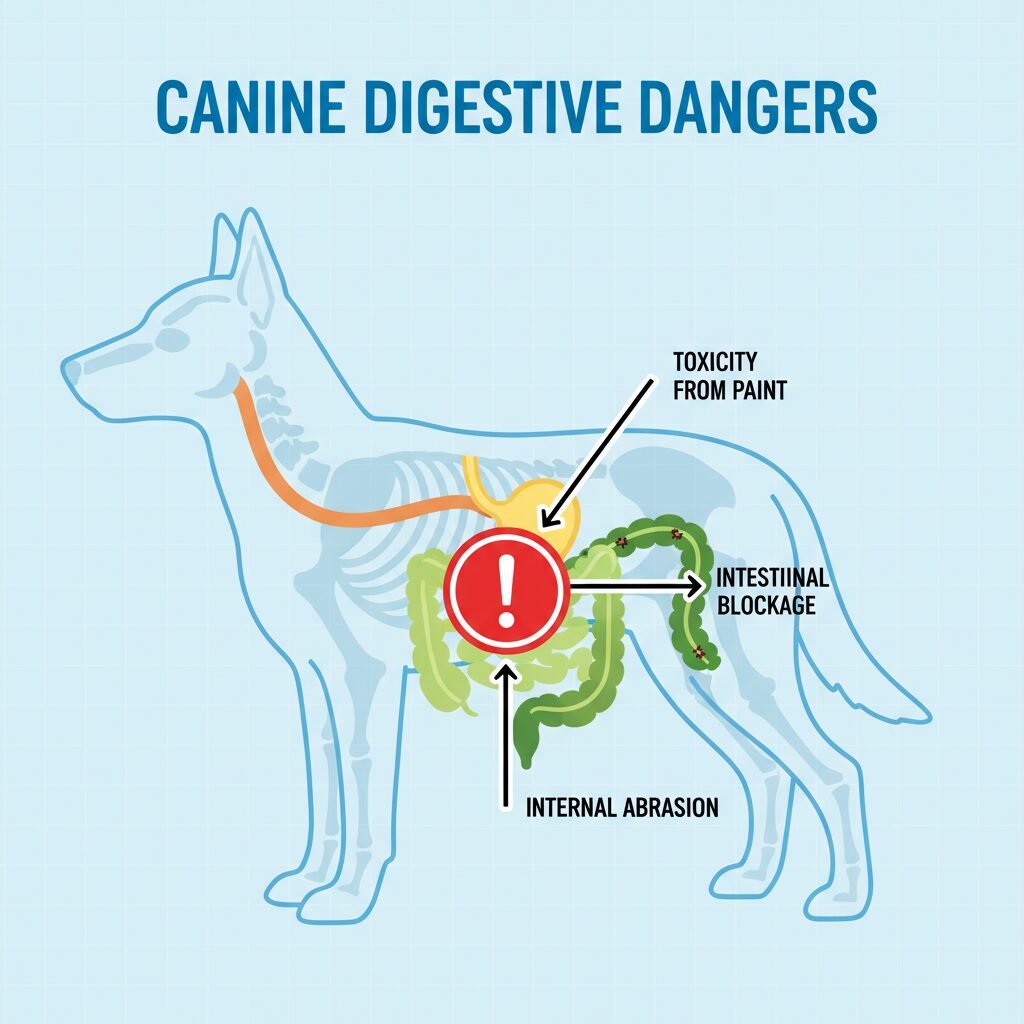
Drywall, baseboards, and plaster are not benign materials. They contain chemicals and components that can be toxic. More pressingly, ingesting these materials poses a significant risk of gastrointestinal obstruction. A blockage in the stomach or intestines is a life-threatening medical emergency that often requires expensive and invasive surgery. Paint, especially in older homes, may also contain lead, which is highly toxic to dogs.
Expert Tip: Do not dismiss the ingestion of any non-food item. If you suspect your dog has swallowed pieces of a wall, monitor them closely for vomiting, lethargy, or loss of appetite, and contact your veterinarian immediately.
The Medical Investigation: Ruling Out Nutritional Deficiencies and Health Issues

The ‘deficiency’ theory is one of the first places a concerned owner’s mind goes, and it’s a valid consideration. However, it’s important to approach it with a scientific perspective.
Nutritional Deficiencies
While true mineral deficiencies can, in some cases, lead to pica, this is relatively uncommon for dogs fed a commercial diet formulated to be ‘complete and balanced’ by AAFCO (Association of American Feed Control Officials) standards. If a dog is on a home-cooked diet or a low-quality food, deficiencies in minerals like calcium or iron could theoretically contribute to the behavior. The wall itself, particularly drywall (calcium sulfate), might attract a dog seeking these minerals. However, behavioral causes are statistically far more likely.
Other Underlying Medical Conditions
Pica is often a secondary symptom of another health problem that needs to be addressed. A thorough veterinary examination is the only way to rule these out. Potential medical causes include:
- Gastrointestinal Disorders: Conditions like Inflammatory Bowel Disease (IBD), parasites, or even tumors can cause nausea and discomfort, leading a dog to eat strange things in an attempt to self-soothe.
- Endocrine and Metabolic Diseases: Disorders such as Cushing’s disease, thyroid problems, or diabetes can alter a dog’s appetite and lead to unusual cravings or behaviors.
- Anemia: A deficiency in red blood cells can sometimes trigger pica.
Your veterinarian will likely recommend a full physical exam, bloodwork (including a complete blood count and chemistry panel), and a fecal analysis to get a complete picture of your dog’s health. This is the foundational step before proceeding to behavioral solutions.
The Behavioral Deep Dive: Boredom, Anxiety, and Compulsive Habits
If medical causes have been ruled out, the focus shifts to your dog’s psychological and emotional state. For the vast majority of dogs, eating the wall is a behavioral issue stemming from an unmet need.
Boredom and Lack of Mental Stimulation
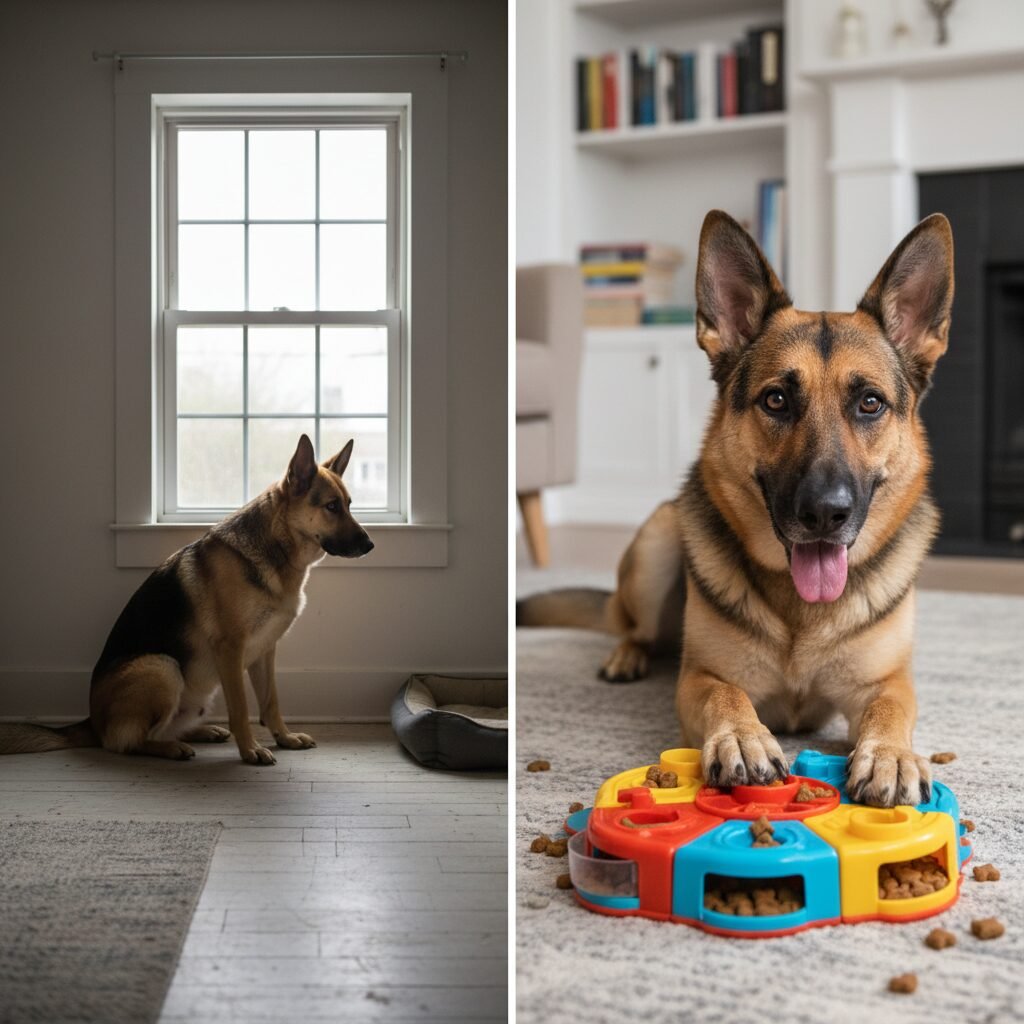
This is one of the most common culprits. Many dog breeds were developed to perform specific jobs—herding, hunting, guarding. When left alone for long hours with nothing to do, their brilliant minds and energetic bodies become frustrated. A bored dog will create its own ‘job,’ and sometimes that job is architectural deconstruction. The texture of drywall can be satisfying to shred, making it an appealing project for an under-stimulated canine.
Separation Anxiety and Stress
Wall-chewing is a classic symptom of separation anxiety. For an anxious dog, the act of chewing can be a self-soothing mechanism, much like a person might bite their nails. The destruction often occurs near exits—doors and windows—as the dog’s anxiety about your departure peaks. Other signs of separation anxiety often accompany the chewing, such as excessive barking or howling, pacing, and having accidents in the house when left alone.
Compulsive Disorders
In some cases, the behavior can become a true compulsive habit, similar to OCD in humans. The dog feels an irresistible urge to perform the behavior, which provides a temporary sense of relief. This often starts as a response to stress or boredom but then becomes ingrained and disconnected from the original trigger.
Your Action Plan: A Step-by-Step Guide to Stop the Wall Chewing
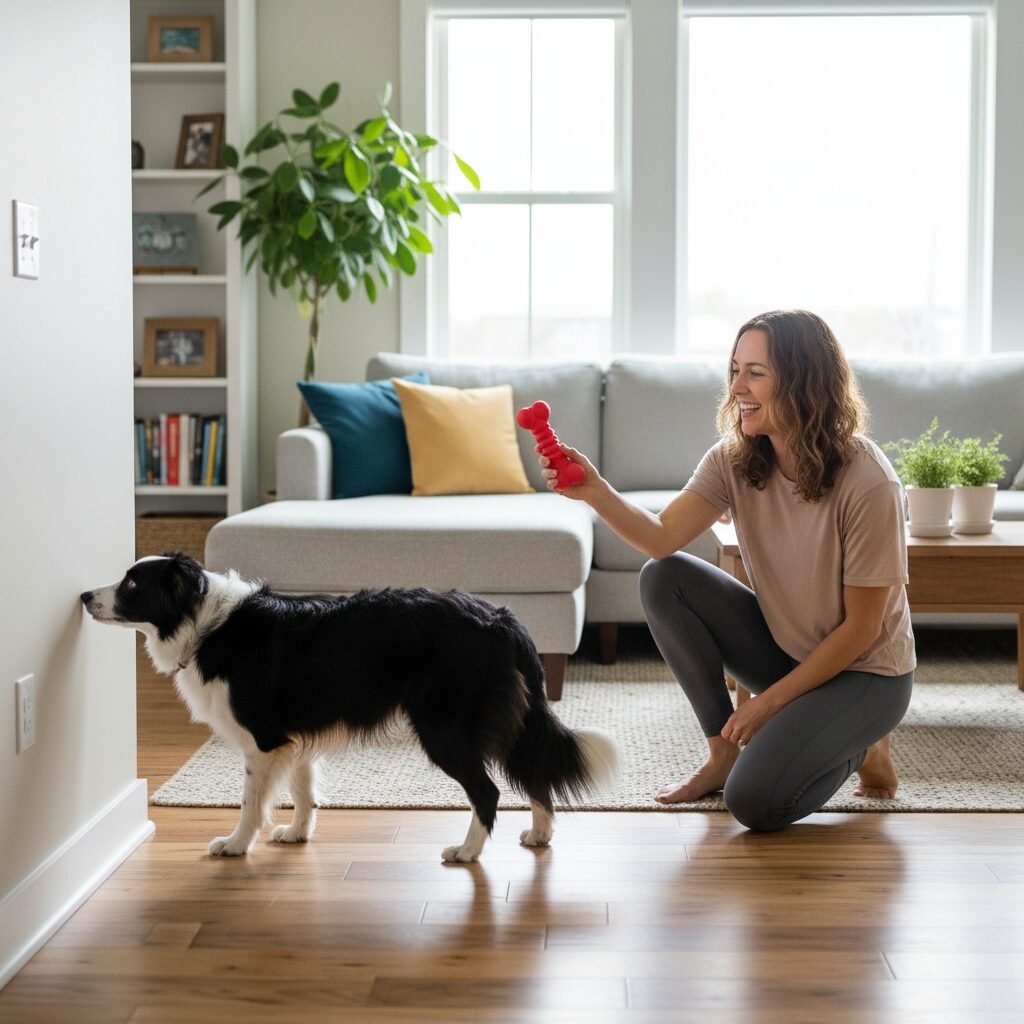
Addressing this behavior requires a multi-faceted approach that tackles management, enrichment, and training. Follow these steps methodically.
- Schedule a Veterinary Visit: This is your non-negotiable first step. You must rule out underlying medical conditions before you can confidently address the behavior.
- Implement Immediate Management: You cannot train your dog while the behavior is still being practiced. Prevent access to the problem areas. Use baby gates, exercise pens, or close doors to block off rooms. When you cannot supervise your dog, crate training with a safe, indestructible toy is an excellent management tool.
- Increase Physical Exercise: A tired dog is a well-behaved dog. Ensure your dog is getting enough physically draining exercise every day. This means more than a leisurely stroll around the block. Incorporate activities like:
- Running or jogging (if age and breed appropriate)
- Games of fetch with a ball or frisbee
- Swimming
- Hiking on varied terrain
- Boost Mental Enrichment: Mental fatigue is just as important as physical fatigue. Make your dog’s brain work. Ditch the food bowl and feed all meals from puzzle toys or snuffle mats. Play scent games by hiding treats around the house. Engage in short, fun training sessions throughout the day to teach new cues or reinforce old ones.
- Provide Appropriate Chewing Outlets: Your dog has a natural need to chew. Provide a variety of safe and appealing chew toys, such as durable rubber toys (like Kongs stuffed with frozen peanut butter), nylon bones, or natural chews. Rotate the toys to keep them interesting.
- Use Deterrents and Redirection: For the affected wall spots, apply a non-toxic, bitter-tasting spray made for dogs. While this is not a standalone solution, it can make the wall less appealing. If you catch your dog showing interest in the wall, interrupt with a calm but firm sound (like a clap) and immediately redirect them to one of their appropriate chew toys. Praise them enthusiastically when they engage with the correct item.
Conclusion
Confronting a behavior as destructive as wall-eating can feel overwhelming, but it is a solvable problem. The key is to recognize it not as an act of malice, but as a complex signal from your dog. By systematically investigating the cause—starting with a crucial veterinary check-up to rule out health issues and then honestly assessing your dog’s daily routine for boredom, anxiety, and lack of enrichment—you can get to the root of the issue. A comprehensive plan that combines diligent management, increased physical and mental exercise, and consistent training will not only save your walls but will also profoundly strengthen the bond you share with your canine companion. You are your dog’s greatest advocate; by meeting their needs, you empower them to be the happy, healthy, and well-behaved family member you know they can be.