The 5-Minute Method To Get Your Dog To Wear Snow Boots Without Freezing
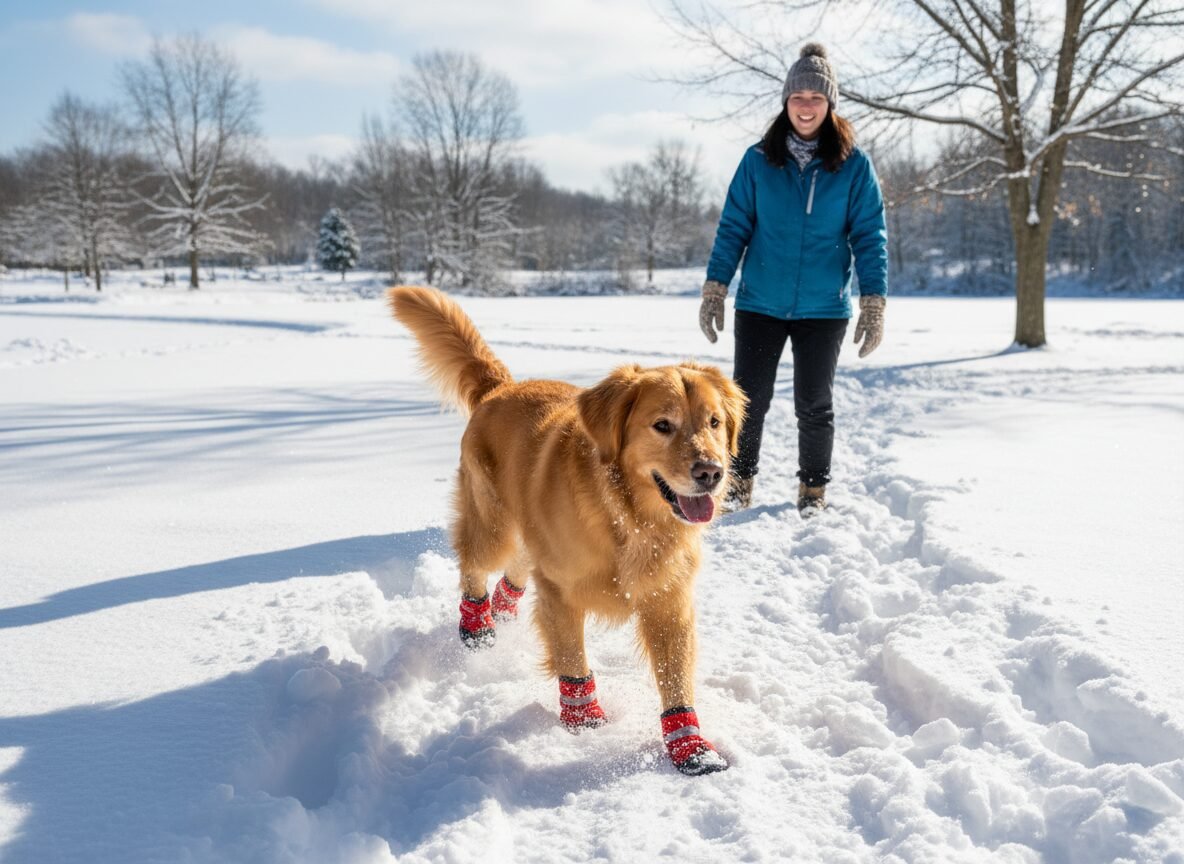
Winter presents a significant challenge for our canine companions’ sensitive paws. Between freezing temperatures, sharp ice, and caustic de-icing salts, the need for protection is undeniable. Yet, many pet owners face a familiar struggle: the moment dog boots appear, their dog either runs for cover or, once the boots are on, stands frozen in place like a statue. This common resistance can make a simple winter walk feel like an impossible task. Fortunately, there is a better way. This guide introduces a highly effective, positive-reinforcement training protocol designed to get your dog to willingly accept and wear snow boots in just five minutes. By transforming the boots from a source of anxiety into a signal for fun and rewards, you can ensure your dog’s paws remain safe and comfortable all winter long, without the drama or stress.
Preparation for Success: Gathering Your Tools and Setting the Stage
Preparation for Success: Gathering Your Tools and Setting the Stage
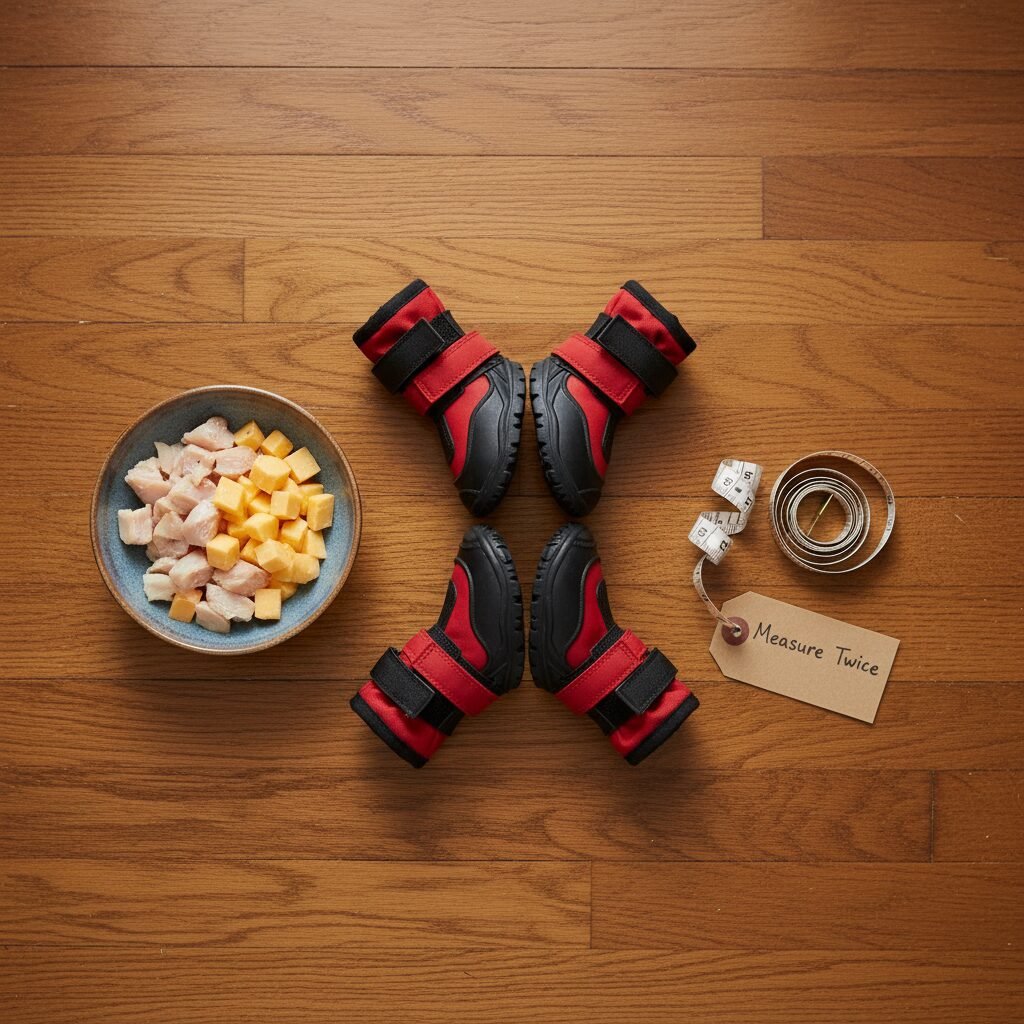
The success of this 5-minute method hinges on proper preparation. Rushing the process or using the wrong equipment can undermine your efforts before you even begin. Your goal is to create a calm, positive, and rewarding environment where your dog feels safe and receptive to learning. Before you start the timer, gather the following essential items:
Essential Equipment
- Properly Sized Dog Boots: This is the most critical element. Boots that are too tight will be painful, and boots that are too loose will be awkward and fall off. Measure your dog’s paws carefully according to the manufacturer’s instructions (usually done while the dog is standing, as the paw splays under their weight). Choose a boot with a flexible sole and a secure fastening system.
- High-Value Treats: Standard kibble won’t suffice. You need exceptionally desirable treats that your dog rarely gets. Think small pieces of cooked chicken, cheese, hot dogs, or a high-quality commercial soft treat. They should be small enough to be eaten quickly without much chewing.
- A Quiet, Comfortable Space: Select a familiar, distraction-free area in your home, such as the living room. Avoid high-traffic areas or times when the household is chaotic. A soft rug or carpet can provide better traction and comfort for your dog’s first booted steps.
The Right Mindset: Patience and Positivity
Your dog is highly attuned to your emotional state. If you are anxious, frustrated, or rushed, your dog will sense it and become stressed. Adopt a calm, patient, and cheerful demeanor. Use an upbeat, encouraging tone of voice throughout the training session. Remember, this is not a contest of wills; it is a collaborative exercise in building trust and positive association. If at any point your dog shows signs of significant stress (like excessive panting, yawning, or trying to flee), it is better to stop and try again later than to force the issue.
The 5-Minute Step-by-Step Training Protocol
The 5-Minute Step-by-Step Training Protocol
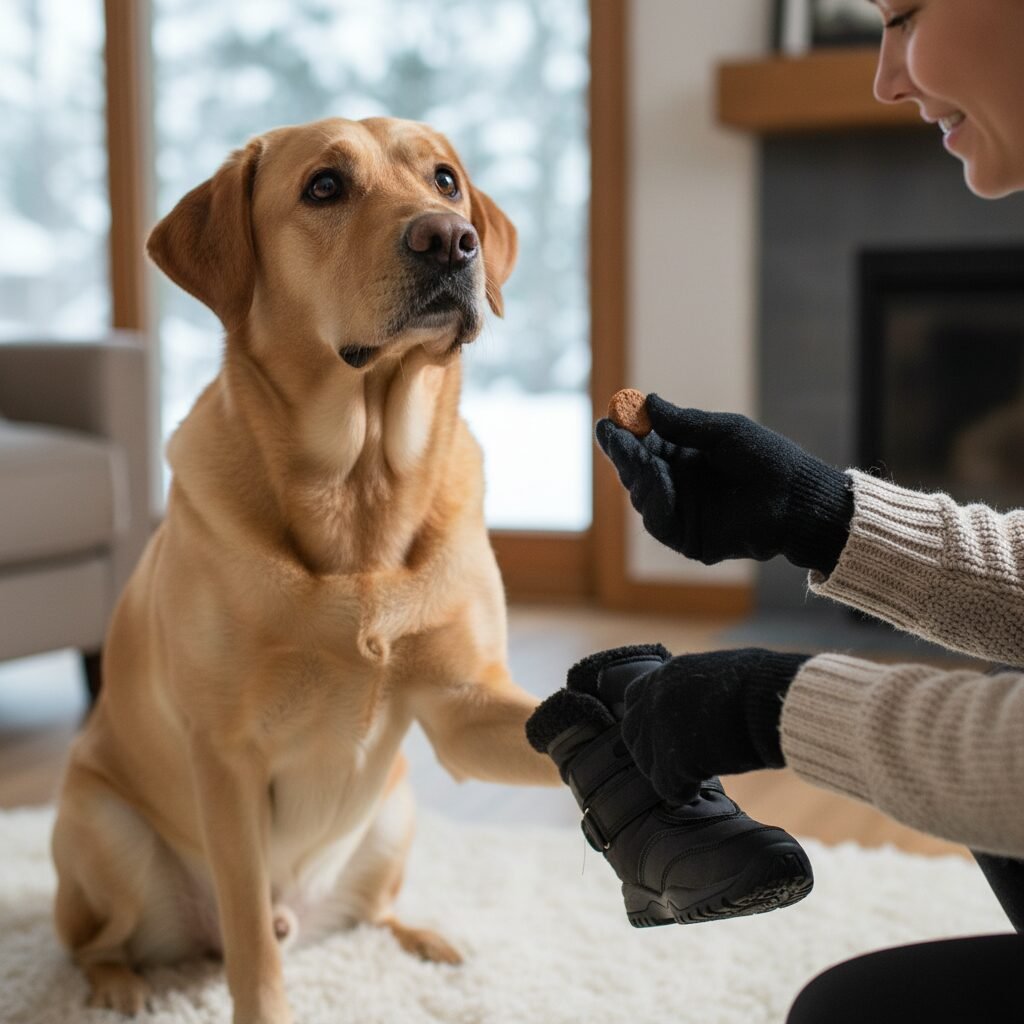
This protocol is designed to be fast-paced and highly rewarding, keeping your dog engaged and preventing them from overthinking the process. Set a timer for five minutes and have your treats ready in your hand or a treat pouch. The key is to move smoothly from one step to the next, showering your dog with praise and rewards for any cooperation.
-
Minute 1: Introducing the Boot (Sight & Smell)
Place one boot on the floor in front of your dog. The moment your dog looks at or sniffs the boot, say “Yes!” in an excited tone and give them a treat. Repeat this several times. You are teaching your dog that the mere presence of the boot predicts a delicious reward. Then, pick up the boot. Hold it in one hand and a treat in the other. Reward your dog for touching the boot with their nose.
-
Minute 2: Associating Boots with Paws
Sit with your dog and hold one boot. Gently touch the boot to the top of your dog’s paw for a split second, then immediately say “Yes!” and give a treat. Do not attempt to put the boot on yet. Repeat this several times on different paws. The goal is to desensitize your dog to the object touching their feet, associating that contact with a positive outcome.
-
Minute 3: The First Boot On and Off
This step must be quick. Gently slip one boot onto a front paw. The instant it is on, give your dog a jackpot of 3-4 treats in quick succession while praising them enthusiastically. Then, immediately take the boot off. Do not even let them stand up or walk. The entire duration of the boot being on the paw should be less than 5 seconds. Repeat with a back paw. You are conditioning your dog to understand that the boot goes on, amazing things happen, and then it comes right off.
-
Minute 4: Two Boots and a Stand
Put one boot on a front paw and one on a diagonal back paw. As soon as they are on, give a stream of treats to encourage your dog to stand up. Keep feeding treats and praising for the few seconds they are standing. Then, remove both boots. The focus is on rewarding the standing posture, not on walking.
-
Minute 5: All Four Paws and a Party
Quickly and calmly put all four boots on. The moment the last boot is on, start a “treat party.” Give a continuous stream of high-value treats and lavish praise. Encourage a few steps by tossing a treat a short distance away. Let them wear the boots for the remainder of the minute while you continue to reward them. When the timer goes off, remove the boots and end the session on a high note.
Expert Tip: Keep the session short and sweet. Ending while your dog is still happy and successful is far more effective than pushing them past their comfort zone.
Troubleshooting Common Issues and Canine Reactions
Troubleshooting Common Issues and Canine Reactions
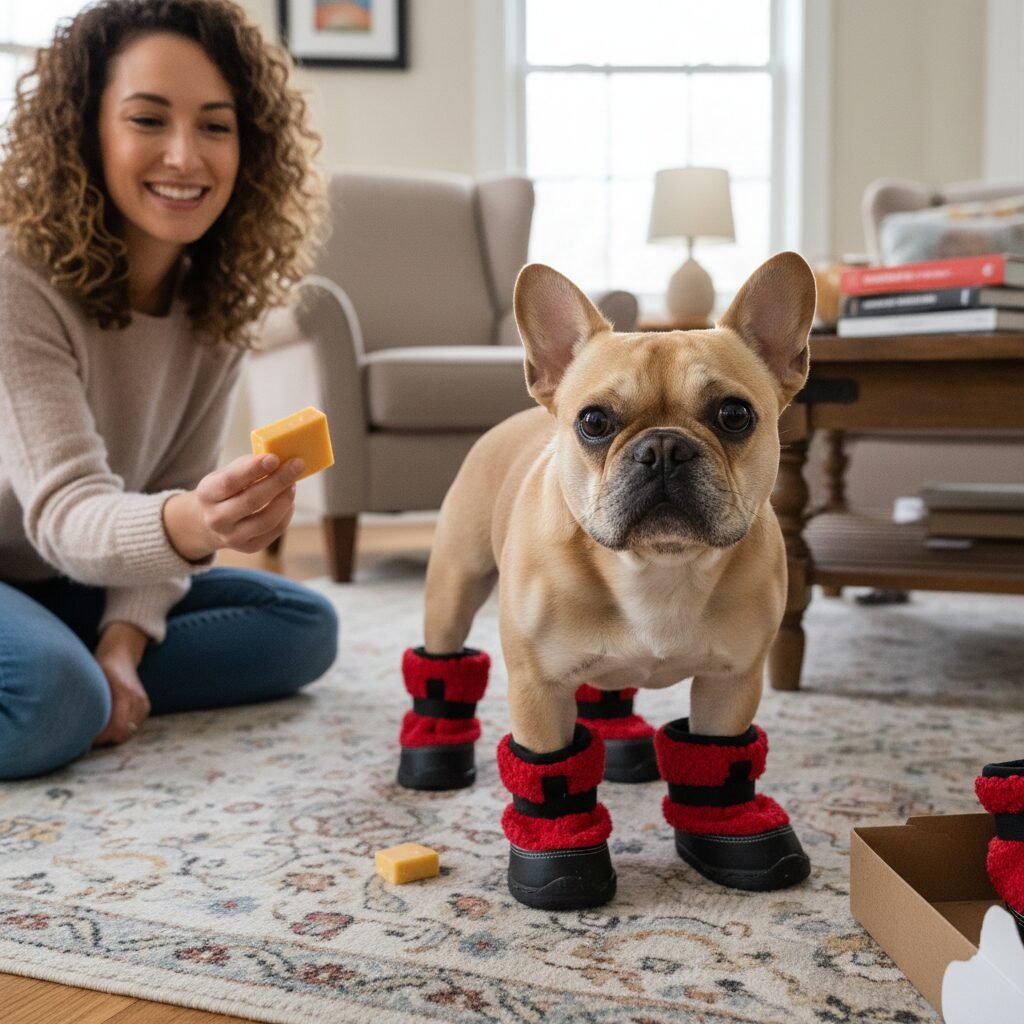
Even with a perfect protocol, some dogs may exhibit resistance or confusion. Understanding these reactions and knowing how to respond is key to long-term success. Never punish or scold your dog for their reaction; instead, address the underlying anxiety with patience.
The ‘Frozen’ Dog
This is the most common reaction. A dog stands perfectly still, often with a wide-eyed expression, refusing to move. This is a sign of uncertainty, not stubbornness. To resolve this, make movement highly rewarding. Toss a high-value treat just out of their reach to encourage that first step. Keep the energy light and fun. Celebrate any small movement, even a weight shift, with praise and rewards.
The ‘High-Stepping’ Walk
Many dogs will lift their paws exaggeratedly, as if walking on a sticky surface. This is a normal sensory reaction to the new feeling on their paws. The best approach is to ignore it. Do not laugh or draw attention to the funny walk. Instead, distract your dog with a simple command they know (like ‘sit’ or ‘touch’) or by engaging them in a game of tug. Once their mind is occupied, the strange walking pattern often disappears on its own.
Biting or Chewing the Boots
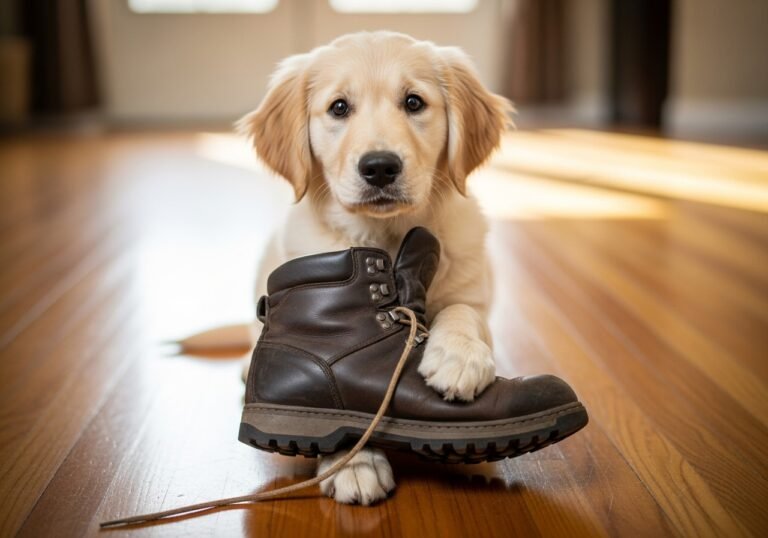
If your dog immediately tries to pull the boots off with their teeth, it means the process was likely too fast for them. Go back a few steps in the training protocol. Spend more time on just touching the boot to the paw (Minute 2). When you do put the boot on, ensure it’s for a mere second before the reward and removal. You can also use a tasty distraction, like smearing a bit of peanut butter on a lick mat, to occupy their mouth while you handle their feet.
| Common Problem | Underlying Cause | Effective Solution |
|---|---|---|
| Freezing/Immobility | Uncertainty, sensory overload | Lure with high-value treats to encourage movement. Keep sessions short and positive. |
| High-Stepping/Funny Walk | New sensation on paws | Ignore the behavior and distract with a game or known command. |
| Biting/Chewing Boots | Anxiety, desire to remove foreign object | Go back to earlier training steps. Use a lick mat or other oral distraction. |
| Refusing to Allow Paw Handling | Paw sensitivity, lack of trust | Practice gentle paw handling exercises separately from boot training, always paired with rewards. |
Building on Success: From Indoor Practice to Outdoor Adventures
Building on Success: From Indoor Practice to Outdoor Adventures
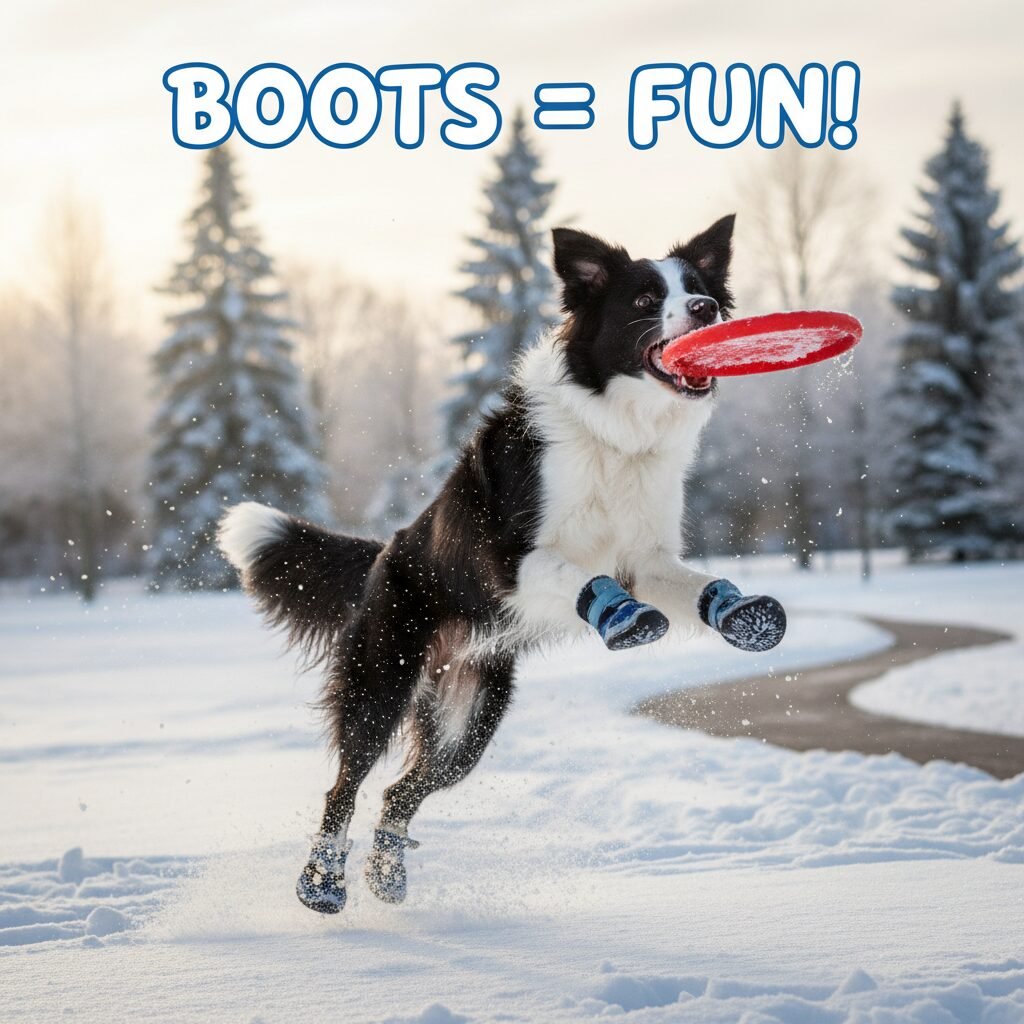
The 5-minute session is a powerful foundation, but true mastery comes with generalization and consistent positive reinforcement. The goal is for your dog to not just tolerate the boots, but to associate them with the joy of going outside for a walk or playing in the snow.
Indoor Acclimation
After your initial successful session, practice putting the boots on for short periods inside the house. Have your dog wear them during meal times or during a fun indoor play session with a favorite toy. The idea is to integrate the boots into normal, happy activities. Start with a few minutes and gradually increase the duration as your dog shows comfort. Always remove the boots before your dog has a chance to get fussy or annoyed with them.
The First Steps Outside
Once your dog is confidently walking around the house in their boots, it’s time for the first outdoor excursion. Keep it brief and exciting. Step out into the backyard or go for a very short walk down the block. This trip should be all about fun—bring their favorite ball or engage in a game. By making the first booted outdoor experiences overwhelmingly positive, you solidify the connection in your dog’s mind:
- Boots on = Fun is about to happen!
- Boots on = We are going on an exciting adventure!
Avoid turning the first outdoor experience into a long, mundane potty break. The focus should be on high-energy fun to distract from the boots and build a positive conditioned emotional response.
Maintaining the Positive Association
Consistency is crucial. For the first few weeks, every time the boots come out, ensure it leads directly to something your dog loves. Do not put the boots on and then leave your dog to wander the house aimlessly. The boots should be a clear signal for an impending walk, playtime, or car ride. This simple practice will ensure your dog remains enthusiastic about their winter footwear for years to come.
Conclusion
Protecting your dog’s paws from the rigors of winter is a fundamental aspect of responsible pet ownership. While the challenge of getting a dog to accept boots is real, it is not insurmountable. The 5-Minute Method detailed here demystifies the process, breaking it down into a simple, manageable, and positive protocol. By replacing fear and uncertainty with trust and high-value rewards, you can transform your dog’s perception of snow boots from a dreaded ordeal into a welcome prelude to adventure. Remember that patience, consistency, and a positive attitude are your greatest assets. By investing a small amount of time in this foundational training, you are ensuring your canine companion can enjoy the winter wonderland safely and comfortably by your side.