5 Secrets to Surviving a Husky (or Any High Energy Breed) in a Tiny Apartment
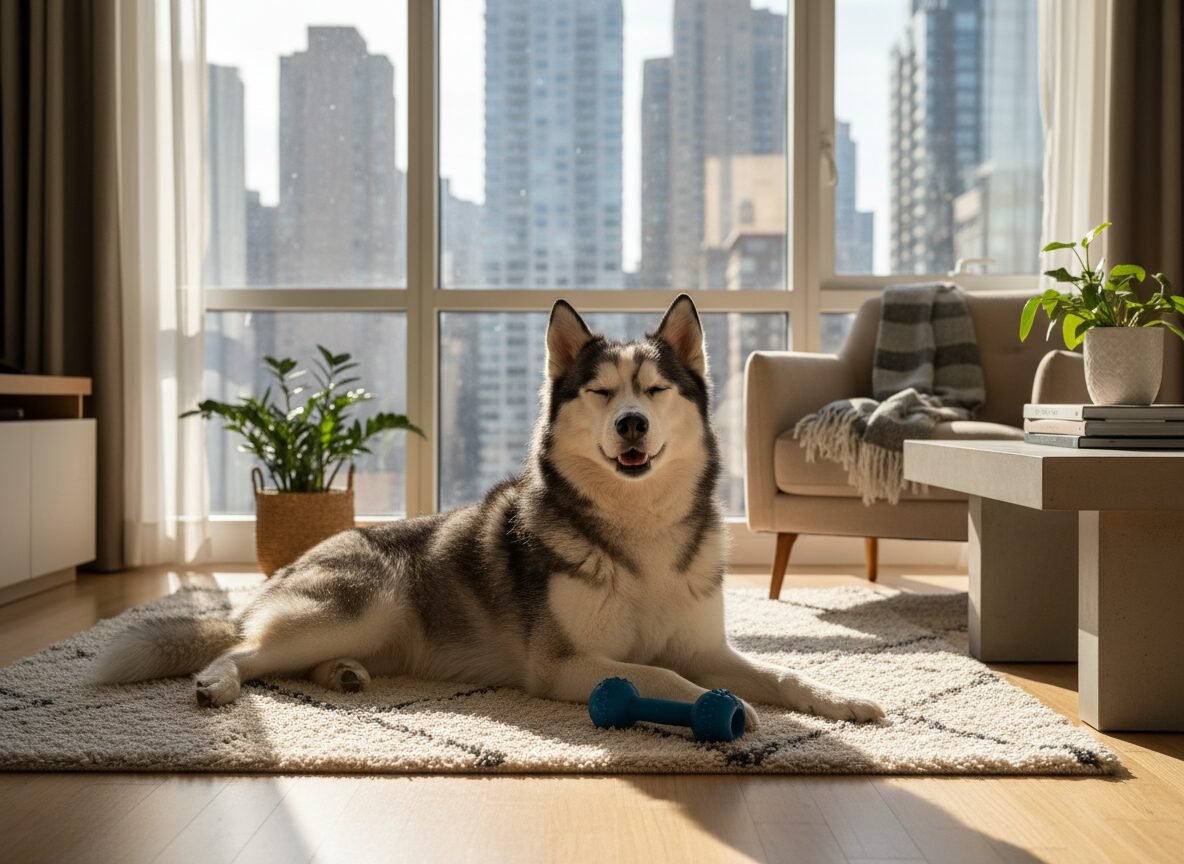
The notion of a Siberian Husky or any high-energy breed thriving in a compact apartment often raises eyebrows. These magnificent animals, bred for endurance and vast open spaces, seem fundamentally at odds with the constraints of urban vertical living. However, this common perception, while understandable, is not an absolute truth. It is entirely possible to provide a fulfilling, happy, and balanced life for a high-energy canine companion within a smaller footprint. The key is not the size of your home, but the size of your commitment.
Surviving and thriving with a high-energy dog in an apartment is less about square footage and more about a dedicated, intelligent approach to their well-being. It requires a fundamental shift in perspective from passive cohabitation to active partnership. This guide will unveil the five essential secrets that transform the challenge into a deeply rewarding experience. These pillars—structured exercise, profound mental enrichment, unwavering routine, strategic space optimization, and a resilient owner mindset—form the blueprint for success. Prepare to move beyond mere survival and cultivate a harmonious urban life with your energetic best friend.
Secret #1: The Non-Negotiable Exercise Regimen – Beyond the Leash
Secret #1: The Non-Negotiable Exercise Regimen – Beyond the Leash
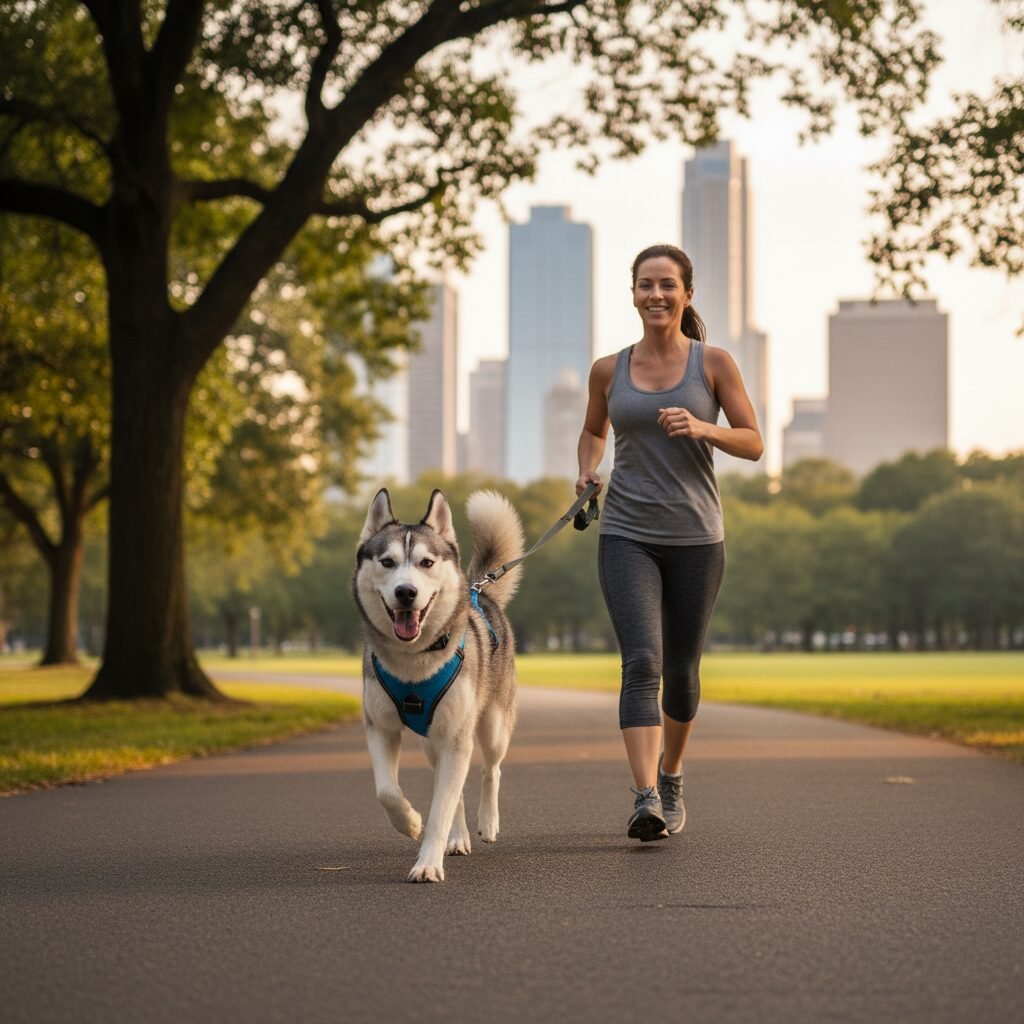
For a high-energy breed, a simple walk around the block is the physiological equivalent of a human stretching their legs after sitting for hours. It is a biological necessity, but it barely scratches the surface of their needs. The first secret to apartment harmony is understanding that exercise must be purposeful, vigorous, and varied. The goal is not just to tire their legs, but to satisfy their innate drive to work.
Structuring an Effective Exercise Plan
Your dog’s physical outlet must be a non-negotiable, prioritized part of your daily schedule. This involves more than unstructured time at a dog park, which can sometimes lead to overstimulation or negative social encounters. Focus on structured activities that engage both their body and mind.
- High-Intensity Cardio: Activities like running, jogging, or cycling with your dog (using appropriate safety gear) provide the intense cardiovascular workout they crave. These sessions should be tailored to your dog’s age, health, and the weather conditions.
- Destination-Based Hikes: Exploring local trails provides physical exercise combined with novel scents and sights, which is mentally stimulating. The varied terrain also helps build strength and coordination.
- Dedicated Off-Leash Time: Securely fenced areas, such as a designated dog park during off-peak hours or a rented private field (sniff spot), allow your dog the freedom to sprint and play uninhibited. This is crucial for releasing pent-up energy.
- Canine Sports: Engaging in organized dog sports like agility, flyball, or scent work provides a perfect combination of physical exertion and mental challenge. These activities strengthen your bond and give your dog a ‘job’ to do.
Consistency is paramount. A high-energy dog cannot store ‘weekend exercise’ for the week ahead. A robust daily routine is essential for their physical and psychological stability.
A common mistake is believing one long weekend hike can compensate for an entire week of inactivity. For a Husky, daily, vigorous exercise is not a luxury; it is a prerequisite for a calm and balanced temperament.
| Day of the Week | Morning Session (45-60 min) | Midday Session (20-30 min) | Evening Session (60-90 min) |
|---|---|---|---|
| Monday | Brisk jog or run (3-5 miles) | Training session (15 min) + Potty Break | Long walk with scent work (hiding treats) |
| Tuesday | Fetch with a Chuckit! at a park | Puzzle feeder for lunch + Potty Break | Neighborhood exploration walk (new route) |
| Wednesday | Brisk jog or run (3-5 miles) | Training session (15 min) + Potty Break | Socialization at a well-managed dog park |
| Thursday | Canine agility class or practice | Puzzle feeder for lunch + Potty Break | Long walk with ‘urban agility’ (jumping on benches, weaving poles) |
| Friday | Brisk jog or run (3-5 miles) | Training session (15 min) + Potty Break | Free play at a secure, off-leash area |
| Saturday | Long-distance hike (2-3 hours) | Relaxation/Downtime | Gentle evening stroll |
| Sunday | Swimming or visit to a dog-friendly beach | Relaxation/Downtime | Gentle evening stroll |
Secret #2: Mental Fortitude – A Tired Brain is a Happy Dog
Secret #2: Mental Fortitude – A Tired Brain is a Happy Dog
Physical exhaustion is only half the battle. Breeds like Huskies are incredibly intelligent, bred to solve problems and make decisions independently. An unstimulated mind will inevitably lead to destructive behaviors such as chewing, digging, and excessive vocalization. Mental exercise can be even more tiring than physical exercise and is the cornerstone of a peaceful apartment life.
Implementing a Canine Enrichment Strategy
Enrichment is the practice of providing animals with environmental stimuli to encourage natural behaviors. For your dog, this means creating opportunities to problem-solve, sniff, and work for their food.
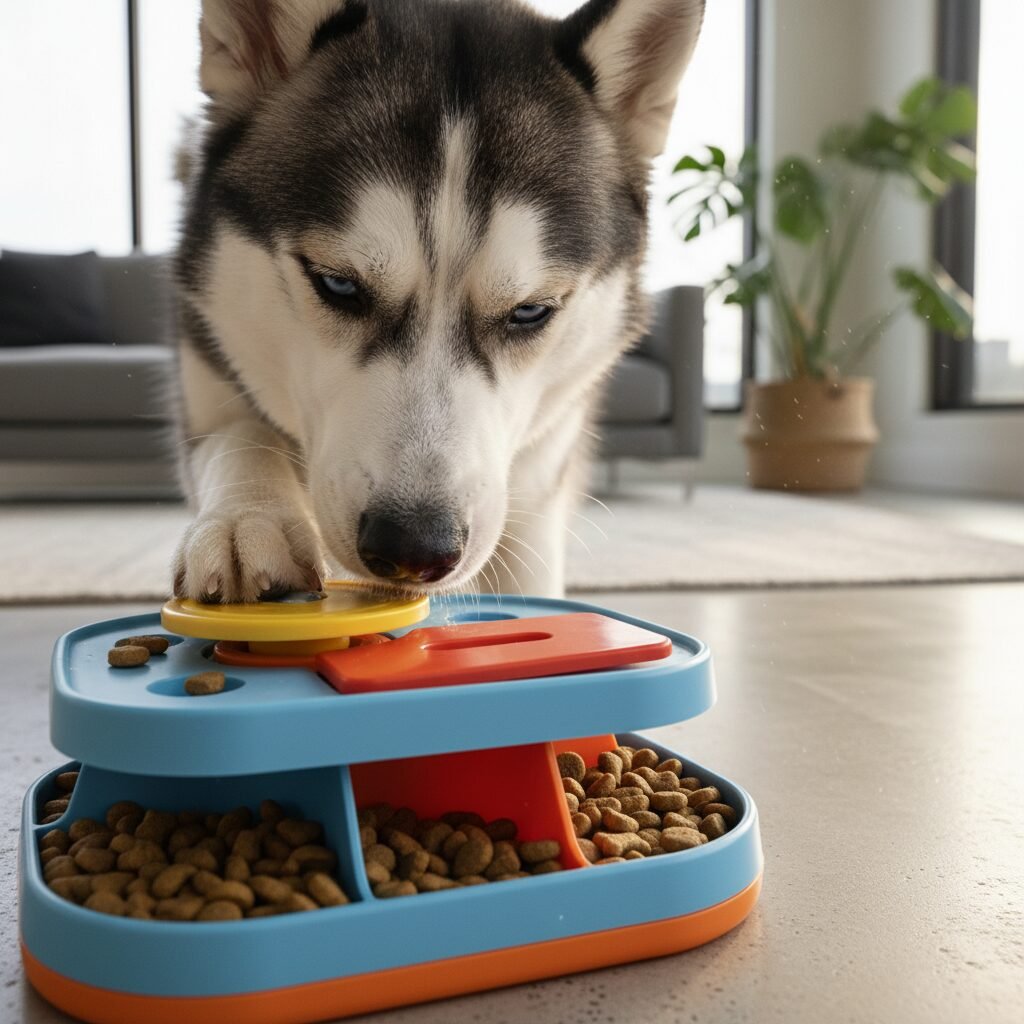
- Puzzle Toys and Feeders: Ditch the standard food bowl. Feeding every meal from a puzzle toy (like a Kong Wobbler, Nina Ottosson puzzle, or a snuffle mat) forces your dog to think, engage their nose, and work for their food. This simple change can add 30-60 minutes of mental stimulation to their day.
- Scent Work Games: A dog’s primary sense is smell. Hide high-value treats around your apartment and encourage your dog to ‘find it.’ Start simple and gradually increase the difficulty. This game requires immense focus and taps into their natural hunting instincts.
- Training New Skills: Daily 10-15 minute training sessions are a powerful tool. Work on basic obedience, fun tricks (like ‘play dead’ or ‘weave through legs’), or advanced commands. The process of learning and focusing on you is mentally taxing and strengthens your communication.
- ‘Place’ and ‘Settle’ Commands: Teaching a strong ‘place’ command, where your dog learns to go to a specific mat or bed and stay there, is invaluable in a small space. It gives them a designated spot to relax and teaches them an ‘off switch,’ which is crucial for high-energy breeds.
Never underestimate the power of a 15-minute training session. The concentration required to learn a new command or perfect an existing one can be as draining for a dog as a 30-minute run.
By making your dog’s brain work daily, you provide an essential outlet for their intelligence, preventing boredom and the destructive behaviors that stem from it. This is how you ensure your apartment remains a peaceful sanctuary, not a casualty of canine ennui.
Secret #3: The Power of Predictability – Mastering the Routine
Secret #3: The Power of Predictability – Mastering the Routine
High-energy and intelligent dogs thrive on structure. A predictable daily routine provides a sense of security and helps manage their expectations, which in turn reduces anxiety and hyperactive behavior. When a dog knows what to expect—when they will eat, walk, play, and rest—they are less likely to engage in attention-seeking or anxious behaviors. In a small apartment, this predictability is not just helpful; it is essential for harmony.
Designing a Rock-Solid Daily Schedule
Your dog’s schedule should be built around their core needs and your own daily obligations. The key is consistency, even on weekends. This reinforces the pattern and helps regulate their energy levels throughout the day.
| Time | Activity | Purpose |
|---|---|---|
| 7:00 AM | Vigorous Morning Exercise | Release pent-up energy after sleeping, start the day on a calm note. |
| 8:00 AM | Breakfast in a Puzzle Feeder | Mental stimulation and satisfying hunger. |
| 8:30 AM | Potty Break / Downtime | Quiet time while you prepare for your day. |
| 9:00 AM – 12:00 PM | Crate Time / Supervised Rest | Encourages relaxation and prevents destructive behavior when unsupervised. |
| 12:00 PM | Midday Walk & Training | Breaks up the day, reinforces commands, provides a potty opportunity. |
| 1:00 PM – 5:00 PM | Crate Time / Supervised Rest | More quiet time, perhaps with a safe chew toy like a frozen Kong. |
| 5:30 PM | Evening Exercise / Play Session | The main event for physical and mental engagement after a day of rest. |
| 7:00 PM | Dinner in a Snuffle Mat | Wind-down activity that engages the brain. |
| 7:30 PM – 10:00 PM | Relaxation & Settle Time | Family time, practicing the ‘settle’ command. |
| 10:00 PM | Final Potty Break | Last chance before bed. |
The Role of Crate Training
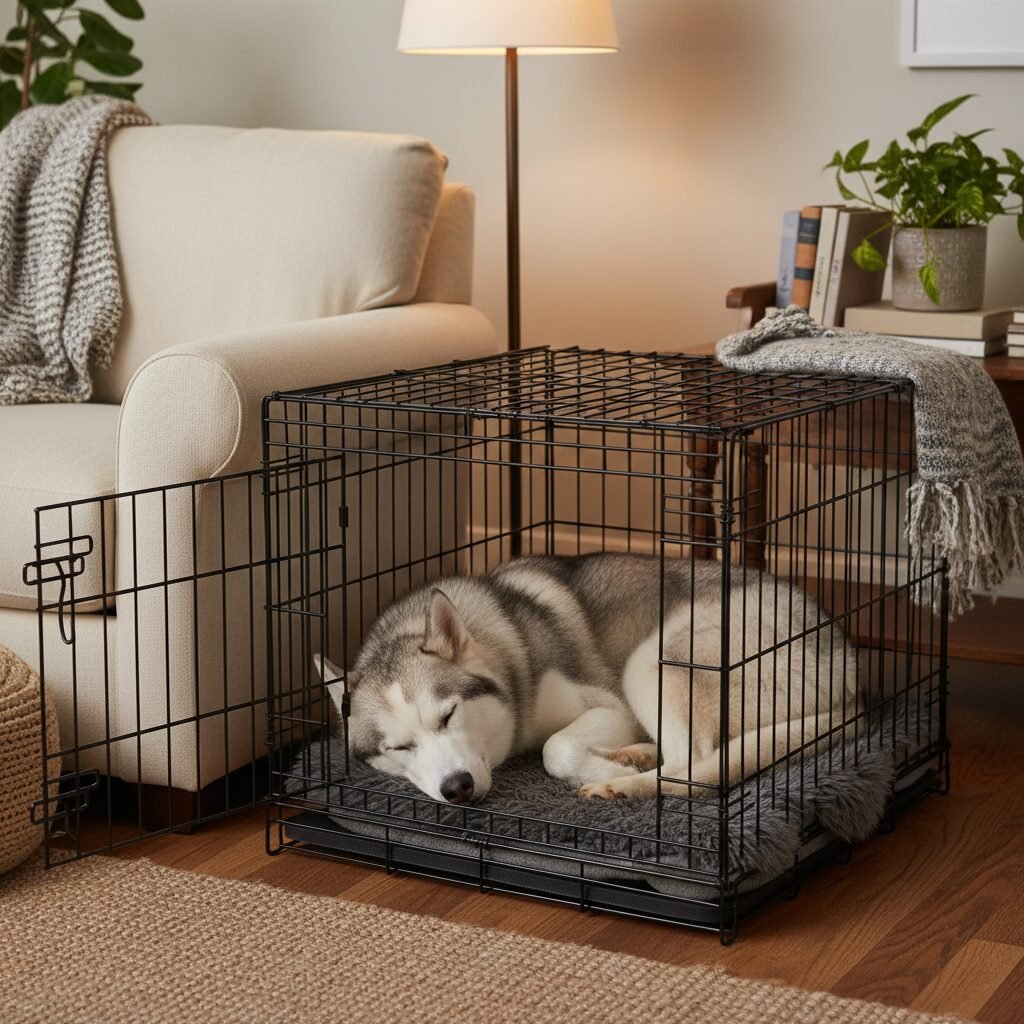
In an apartment, a crate is not a cage; it is your dog’s personal den. When introduced positively, it becomes a safe space where they can decompress and rest without interruption. This is vital for teaching them how to settle and be calm, even when you are busy or out of the apartment. A crate prevents them from rehearsing bad behaviors and provides you with peace of mind. It becomes a predictable part of their routine, signaling that it is time to switch off and relax.
Secret #4: Maximizing Your Micro-Space – The Art of Canine Feng Shui
Secret #4: Maximizing Your Micro-Space – The Art of Canine Feng Shui
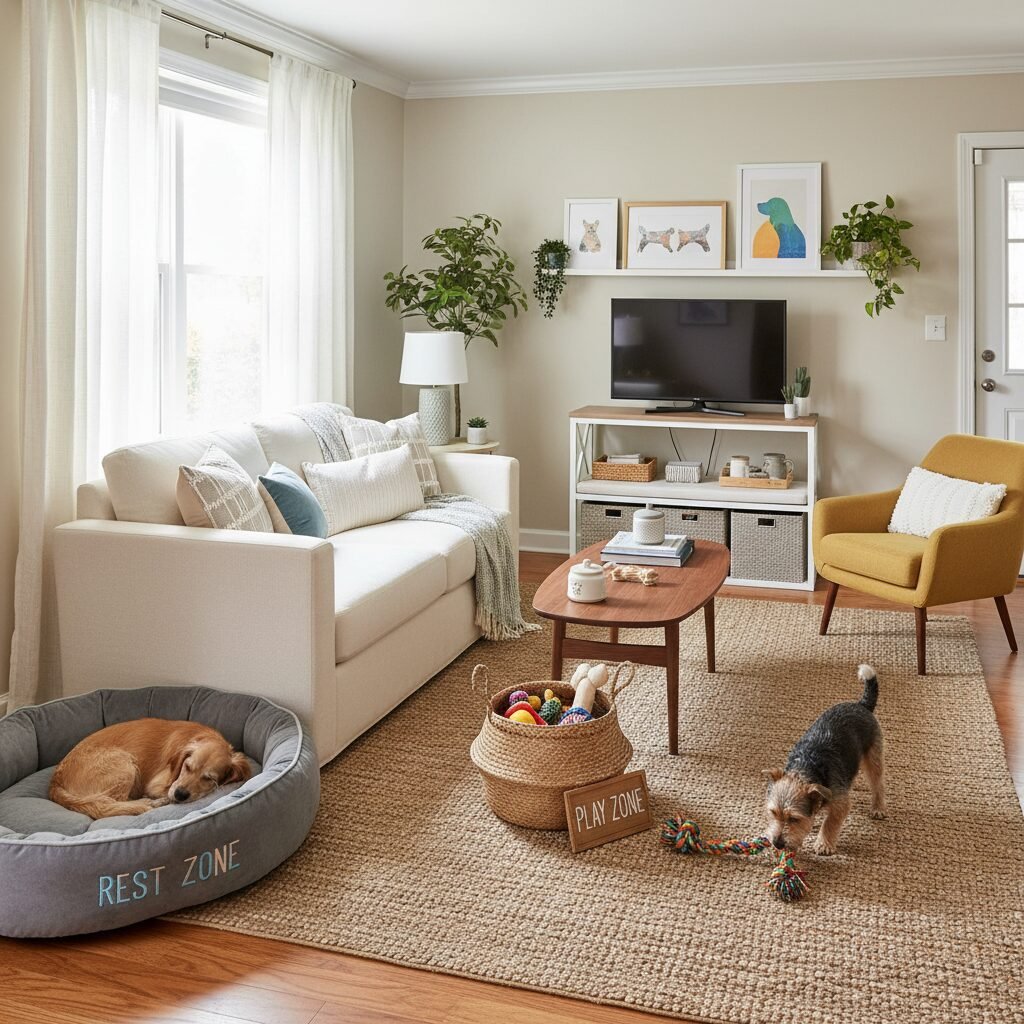
Your apartment is not just your home; it’s your dog’s entire world for a significant portion of the day. Strategically organizing this space can dramatically impact their behavior and your sanity. The goal is to create a functional environment that meets their needs without sacrificing your living standards. This involves creating designated zones and choosing durable, dog-friendly furnishings.
Creating Functional Zones
Even in a studio apartment, you can establish distinct areas for different activities. This structure helps your dog understand the ‘rules’ of the house.
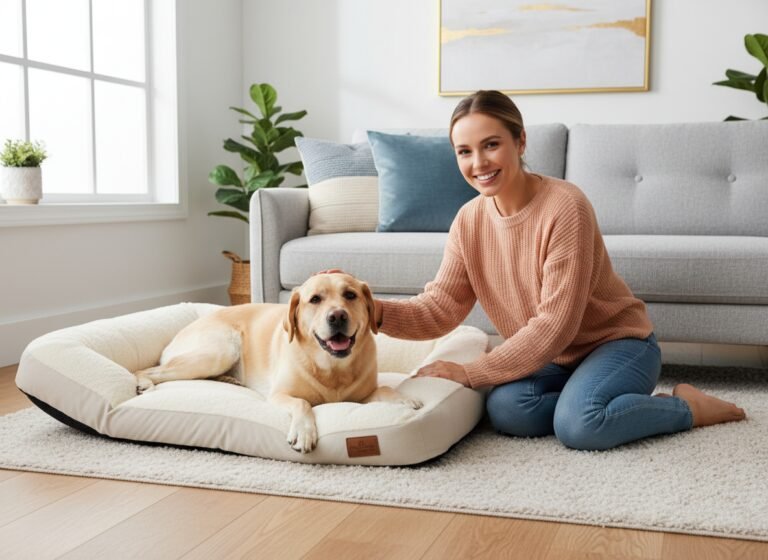
- The Rest Zone: This is where the crate and/or a comfortable dog bed is located. It should be in a quieter, low-traffic area of the apartment. This zone is exclusively for calming activities like sleeping or chewing on a quiet toy.
- The Play Zone: Designate a specific area, perhaps on a durable rug, where interactive play (like a gentle game of tug) is allowed. Keeping toys in a designated basket in this zone helps contain the clutter and signals to your dog where active engagement happens.
- The Feeding Zone: Place food and water bowls in an out-of-the-way spot, typically in the kitchen, on an easy-to-clean mat. This keeps mealtime tidy and prevents them from being underfoot.
Dog-Proofing and Smart Furnishings
Living with a large, energetic dog in a small space requires practical choices in decor.
- Durable Materials: Opt for furniture with performance fabrics that are easy to clean and resistant to claws. Leather can be a good option, as can tightly woven synthetics. Avoid delicate materials like silk or open-weave fabrics.
- Secure Everything: Ensure bookshelves, TVs, and other tall items are securely anchored to the wall. A rambunctious Husky can easily knock things over during a moment of ‘zoomies.’
- Vertical Space: While more common for cats, you can utilize vertical space for your dog. A sturdy, low-level ottoman or a specially designed dog perch can give them a vantage point to look out the window, which is a form of passive enrichment.
- Flooring: Hardwood or laminate floors are easier to clean than carpet, but can be slippery. Use large, non-slip area rugs to provide traction and define the different zones within your apartment.
By thoughtfully designing your shared space, you create a clear, calm, and safe environment that supports the structured routine you’ve established. It proves that a harmonious home is about smart design, not just square footage.
Secret #5: The Owner’s Mindset – Your Commitment is the Key Ingredient
Secret #5: The Owner’s Mindset – Your Commitment is the Key Ingredient
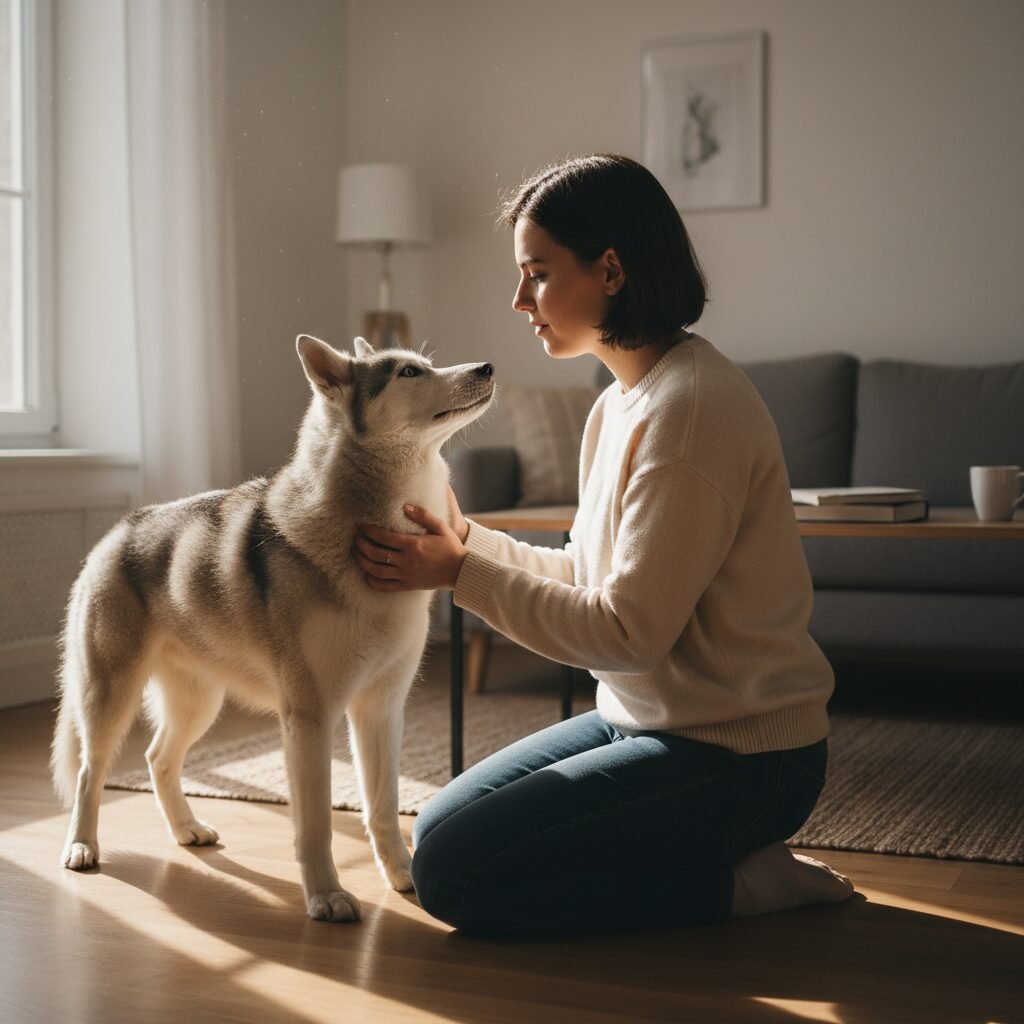
The final, and arguably most important, secret has nothing to do with your dog and everything to do with you. The success of a high-energy dog in an apartment rests squarely on the owner’s shoulders. It requires a proactive, patient, and deeply committed mindset. This is not a passive pet ownership experience; it is an active lifestyle choice.
Embracing the Role of Pack Leader
Leadership in this context is not about dominance, but about providing calm, consistent guidance. Your dog will look to you for cues. If you are stressed, anxious, or inconsistent, they will mirror that energy. A confident and calm leader provides the security your dog needs to relax.
- Patience is a Virtue: There will be challenging days. There will be setbacks in training. Your furniture might get chewed. A patient response, focused on redirecting the behavior rather than punishing the dog, is crucial for building trust and achieving long-term success.
- Consistency is King: Every person in the household must be on the same page with rules and commands. If one person allows the dog on the couch and another doesn’t, it creates confusion and anxiety. Consistency is the foundation of your dog’s understanding and security.
- Be Proactive, Not Reactive: Anticipate your dog’s needs. If you know you have a long work meeting, plan for an extra-long morning run. If it’s raining and you can’t go outside as long, have an indoor scent work game ready. Staying one step ahead of their energy and boredom is the key to preventing problems before they start.
Building Your Support System
You are not alone in this journey. Tapping into a community can provide invaluable support and resources.
- Professional Help: Do not hesitate to enlist a certified professional dog trainer or behaviorist. Their expertise can provide you with tailored strategies and help you troubleshoot specific issues.
- Community Groups: Find local or online groups for Husky owners or high-energy dog enthusiasts. Sharing experiences, tips, and frustrations with people who understand can be incredibly validating and helpful.
- Trusted Services: Identify a reliable dog walker or a reputable doggy daycare for days when your schedule is overwhelming. Having these resources in your back pocket provides a crucial safety net.
Your dog is a reflection of the time, effort, and energy you invest. The limitations of your apartment are far less significant than the boundlessness of your dedication.
Ultimately, choosing to live with a Husky in an apartment is choosing a specific lifestyle. It’s a commitment to early mornings, long walks in all weather, continuous training, and putting your dog’s needs at the forefront. But for those who embrace it, the reward is an unbreakable bond with an intelligent, loyal, and extraordinary companion.
Conclusion
The belief that high-energy breeds and apartment living are incompatible is a pervasive myth, but it is one that can be definitively busted. As we’ve explored, success is not dictated by the size of your walls, but by the structure you build within them. By embracing these five secrets, you can create a thriving environment for your canine companion. A rigorous physical and mental exercise plan tackles their energy at its source. A predictable routine provides the security they crave, while a strategically organized space fosters a calm atmosphere. Above all, your unwavering commitment as a patient and proactive leader is the catalyst that makes it all work.
Living with a Husky or a similar breed in a small home is a significant undertaking, demanding more time, energy, and planning than many other pet ownership experiences. However, the profound bond forged through this shared journey is unparalleled. You are not just a pet owner; you are a team captain, a training partner, and the center of your dog’s world. By dedicating yourself to meeting their needs, you will be rewarded with a loyal, well-balanced, and endlessly fascinating companion who proves that a great life can indeed happen in a small space.