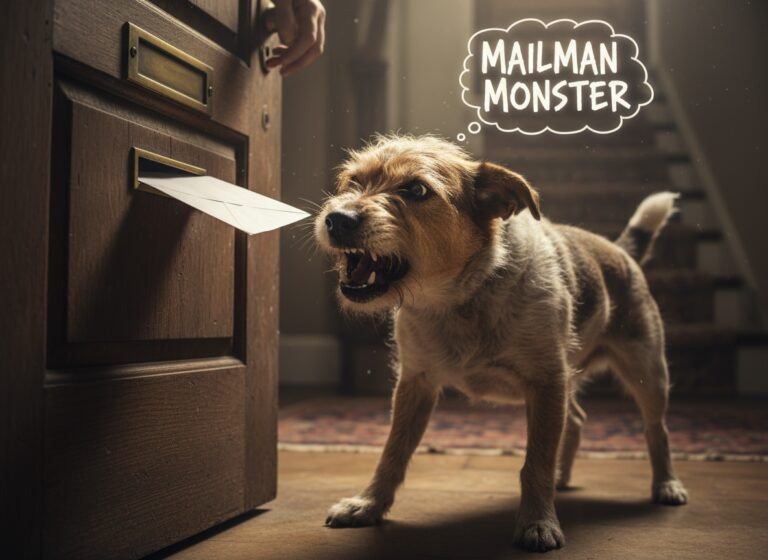
Stop Door Dashing: How to Prevent Your Dog From Bolting Outside Instantly
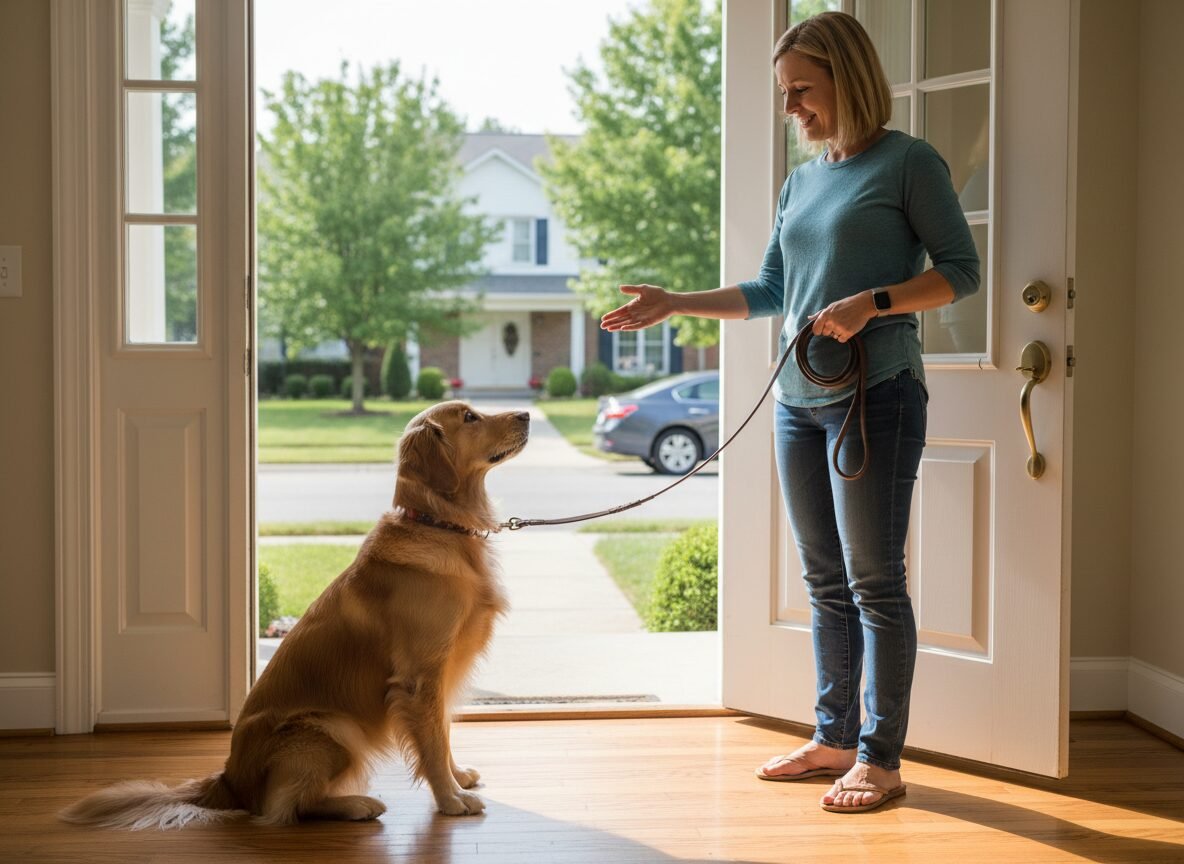
The sudden, heart-stopping moment your dog bolts through an open door is a scenario no pet owner wants to experience. Door dashing is more than a simple nuisance; it’s a dangerous behavior that can lead to tragic outcomes, from getting lost to being struck by a vehicle. This instinct to flee can feel overwhelming to manage, leaving owners frustrated and anxious every time the doorbell rings or a guest prepares to leave. However, it is a solvable problem. Understanding the root cause of this behavior is the first step toward effective, lasting change.
This comprehensive guide will provide you with the professional knowledge and actionable steps required to transform your door-dasher into a dog with impeccable door manners. We will move beyond simple commands and delve into the psychology of impulse control, environmental management, and the power of positive reinforcement. By implementing these proven strategies with patience and consistency, you can create a safe boundary at your doorway and ensure your dog remains securely inside, regardless of the temptations outside.
Understanding the Root Causes of Door Dashing
Why Does My Dog Bolt Out the Door?
Before you can correct a behavior, you must first understand its origin. Door dashing is rarely an act of defiance; it is almost always driven by powerful canine instincts and environmental factors. By identifying the specific motivation behind your dog’s actions, you can tailor your training for maximum effectiveness.
Common Motivations for Door Dashing:
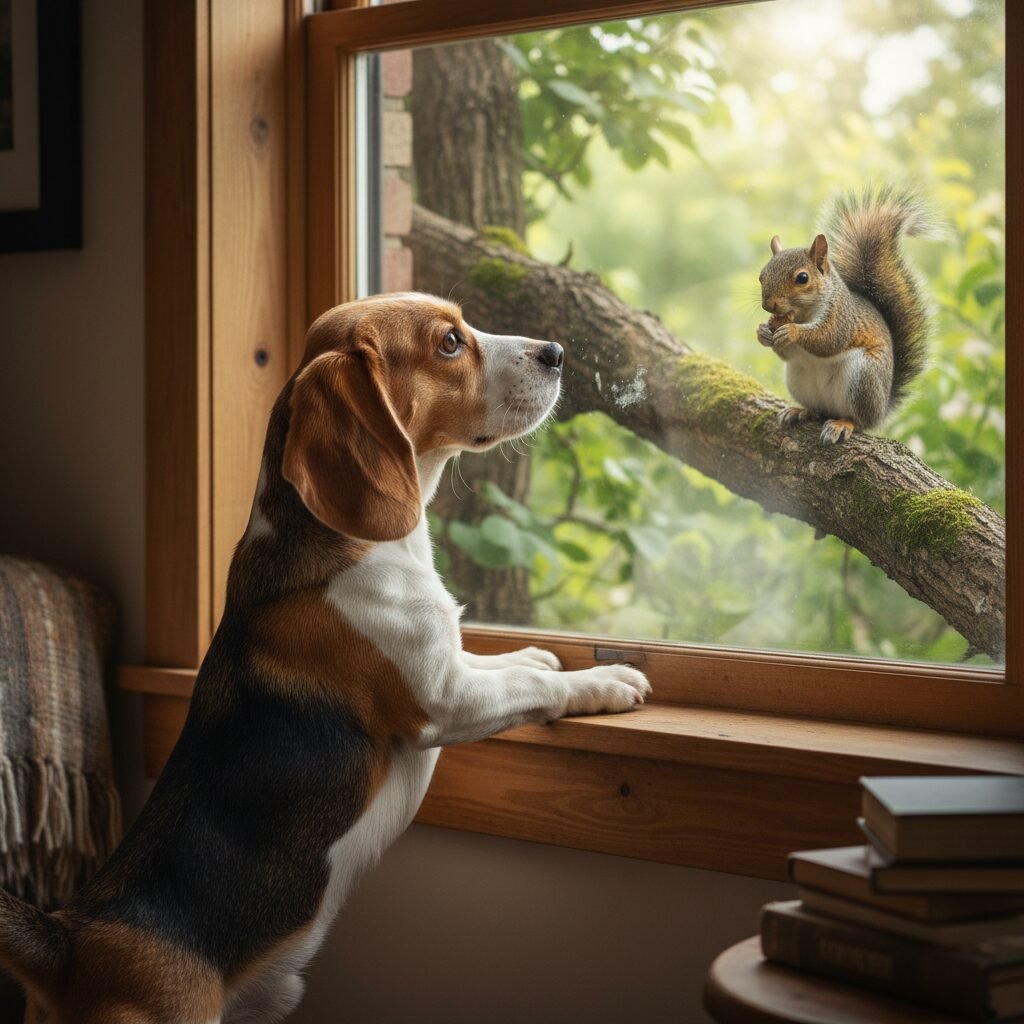
- Instinct and Prey Drive: For many dogs, the world outside is an irresistible buffet of sights, sounds, and smells. A squirrel darting across the lawn or a child’s ball rolling down the street can trigger a powerful, instinctual prey drive. This is not a conscious decision to disobey, but a deeply ingrained reaction to stimuli.
- Barrier Frustration and Pent-Up Energy: If a dog is not receiving sufficient physical exercise or mental stimulation, the front door can represent a barrier to freedom and excitement. A dog with excess energy is more likely to view an open door as a desperately needed opportunity for release and exploration.
- Fear and Anxiety: In some cases, door dashing can be a fear response. A loud noise inside the house, the arrival of an unfamiliar person, or a generally anxious disposition can cause a dog to bolt in an attempt to escape a perceived threat. They are not running to something, but away from something.
- Social Seeking: Dogs are social animals. The sound of other dogs barking, children playing, or a friendly neighbor walking by can be a powerful lure. Your dog may simply want to join the activity and interact with the world beyond the door.
- Accidental Reinforcement: Unknowingly, many owners reinforce door dashing. If the dog bolts and the owner immediately chases after it, the dog may interpret this as a fun game of chase. If the dog successfully gets to explore, the behavior itself becomes its own reward, making it more likely to happen again.
Expert Tip: Observe your dog’s body language right before they dash. Are their ears perked and body tense, focused on something outside? Or are they showing signs of stress like a tucked tail and wide eyes? This observation is key to identifying their primary motivation.
Understanding these drivers is crucial. It shifts the owner’s perspective from seeing a ‘bad dog’ to seeing a dog acting on instinct or unmet needs. This empathetic viewpoint is the foundation upon which successful, positive-reinforcement-based training is built.
Building the Foundation: Essential Impulse Control Commands
Mastering the Basics Away From the Door
Attempting to train a dog at the doorway—a place of high excitement and stimulation—without a proper foundation is a recipe for failure. The key to preventing door dashing lies in building strong impulse control in a low-distraction environment first. These foundational commands teach your dog the essential skill of self-regulation, which can then be applied to the challenging ‘door’ scenario.
The ‘Sit’ and ‘Stay’ Commands
The ‘Sit’ and ‘Stay’ are the cornerstones of canine obedience. A rock-solid ‘Stay’ teaches your dog that remaining still, even when they want to move, results in positive outcomes.
- Teaching ‘Sit’: Hold a high-value treat near your dog’s nose. Move your hand up, allowing their head to follow the treat and causing their bottom to lower. Once they’re in a sitting position, say “Sit,” give them the treat, and offer praise.
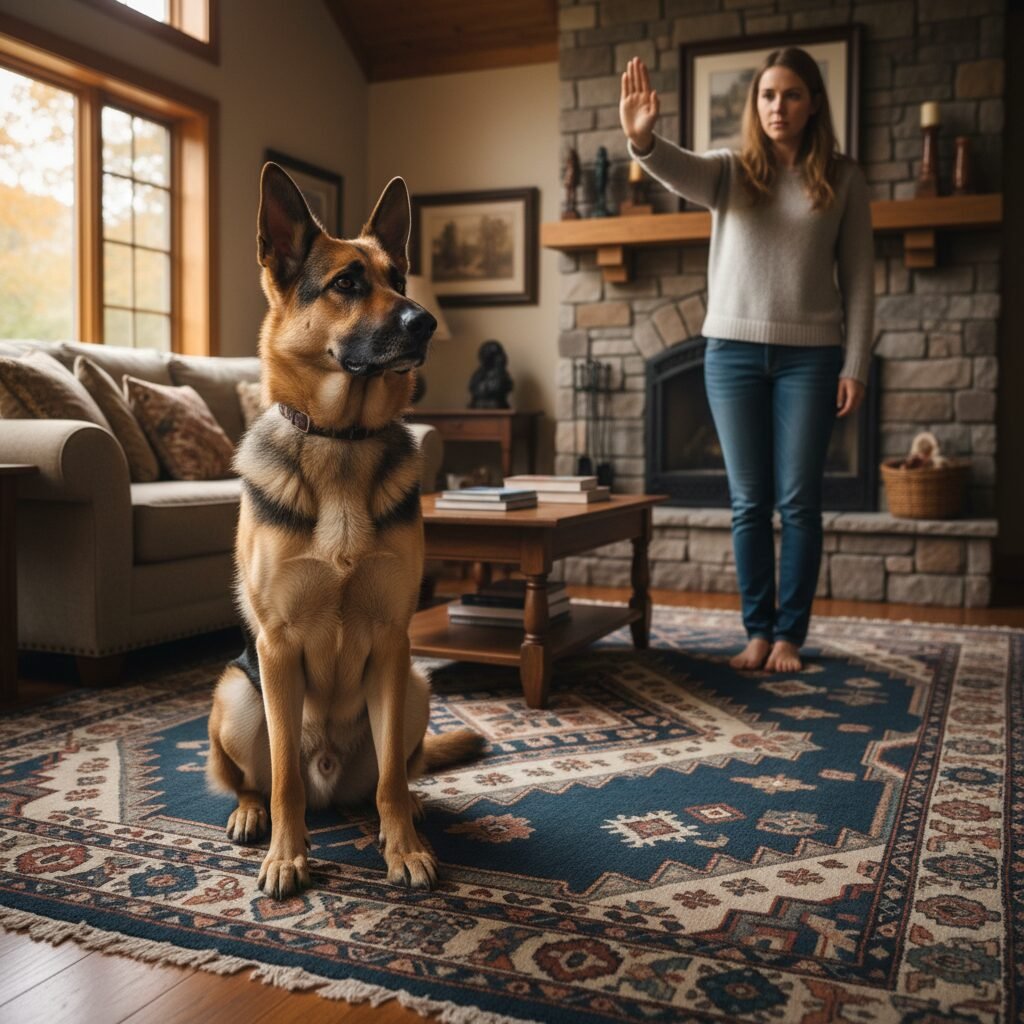
- Introducing ‘Stay’: Ask your dog to ‘Sit.’ Open the palm of your hand in front of you and say “Stay.” Take one step back. If they stay, step back to them, give them a treat, and release them with a cue like “Okay!”
- Increasing Duration and Distance: Gradually increase the amount of time and the number of steps you take back. Practice in short, successful sessions. The goal is for your dog to remain in a ‘Stay’ for at least 30-60 seconds while you are several feet away.
The ‘Wait’ Command: A Game-Changer for Doorways
While ‘Stay’ means ‘remain in this exact position until released,’ ‘Wait’ is a more fluid command meaning ‘do not move forward past this point until released.’ This is incredibly useful for doorways.
- Start Simple: Place a treat on the floor and cover it with your hand. Your dog will likely sniff or paw at your hand. The moment they pull back, even for a second, praise them and give them the treat.
- Add the Cue: Once they understand the game, say “Wait” as you place the treat down. When they hesitate, praise and release them to get it with your cue (“Okay!”).
- Apply to Doorways (Internal): Practice at an interior doorway, like a bedroom or bathroom. Ask your dog to ‘Sit.’ Put your hand on the knob, say “Wait,” and open the door slightly. If they remain seated, praise and reward. If they move, close the door and start again. This teaches them that a calm wait is what makes the door open.
Important Note: Keep training sessions short, positive, and frequent. Five minutes of focused training twice a day is far more effective than one frustrating 30-minute session. Always end on a successful repetition.
The Step-by-Step Protocol for Curing Door Dashing
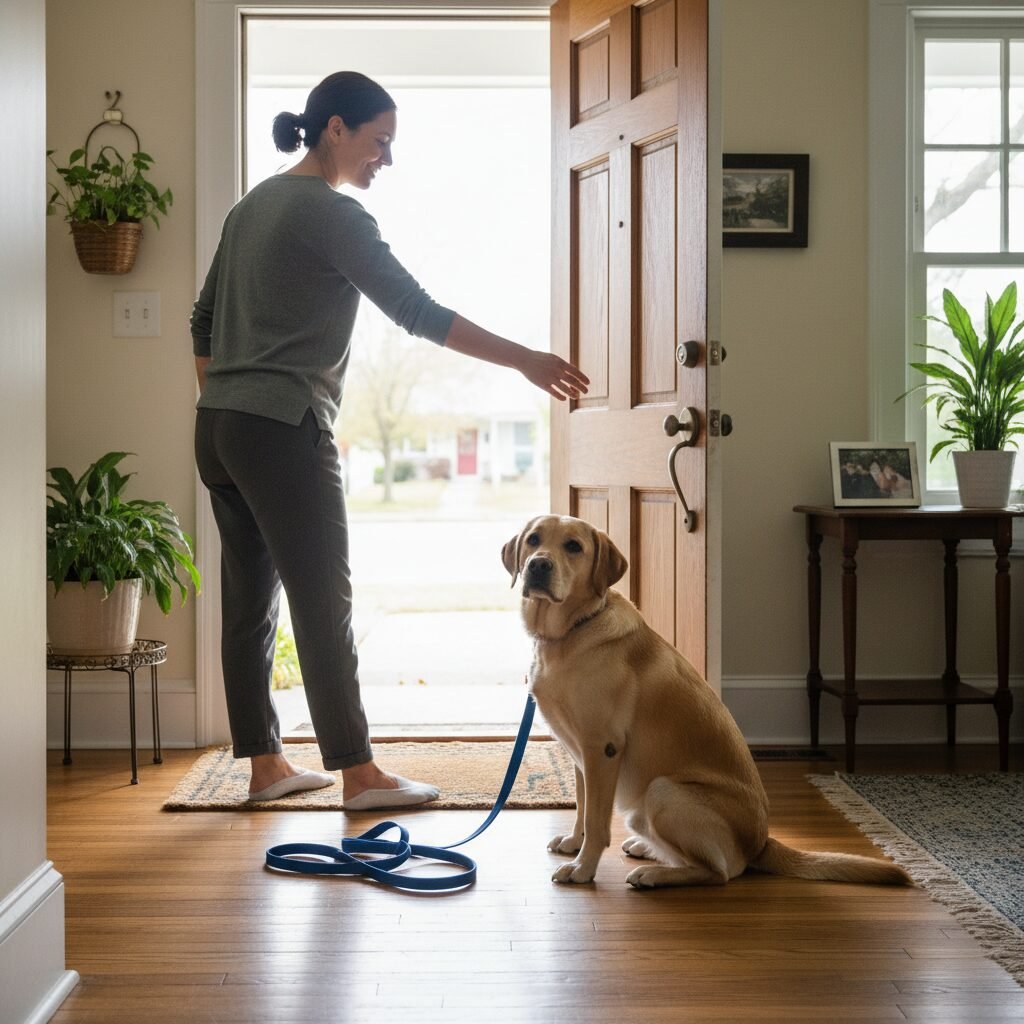
Implementing the Door Training Plan
With a solid foundation of ‘Sit,’ ‘Stay,’ and ‘Wait,’ you are now ready to address the problem at the source: the door itself. This protocol must be followed systematically, ensuring your dog is successful at each stage before moving to the next. The key is to desensitize your dog to the triggers associated with the door and teach them an alternative, rewarding behavior.
Tools Needed: A standard 6-foot leash and high-value treats (small pieces of chicken, cheese, or commercial training treats your dog loves).
- Step 1: Management is Key. During this training period, your dog should never have the opportunity to practice the unwanted behavior. Keep your dog on a leash or behind a baby gate when you know the door will be opening. This prevents rehearsal of the dashing behavior and sets your dog up for success.
- Step 2: Desensitize the Triggers. Your dog has learned that certain sounds and actions predict the door opening. We need to break this association. Throughout the day, randomly walk to the door, touch the doorknob, and walk away. Jingle your keys and then sit down on the couch. Put your shoes on and then take them off. This teaches your dog that these cues no longer guarantee an exciting event.
- Step 3: Leashed Practice at the Threshold. Put your dog on a leash and walk toward the door. Ask for a ‘Sit’ several feet away from it. Reward them for sitting calmly. If they remain calm, take one step closer and repeat. The goal is to be able to have your dog sit calmly a few feet from the door while on leash.
- Step 4: Introducing the ‘Wait’ Command. With your dog sitting on leash a safe distance from the door, say “Wait.” Reach for the doorknob. If your dog remains seated, praise them calmly. If they get up, drop your hand and reset. Repeat until you can touch the knob without them moving. Then, progress to turning the knob. Then, opening the door a tiny crack. Close the door immediately and reward your dog with a treat in their sitting position. The reward comes for waiting, not for going through the door.
- Step 5: Increasing the Challenge. Gradually open the door wider and for longer periods. Your goal is to be able to open the door completely while your dog holds their ‘Sit-Wait.’ This takes many repetitions over many days. If your dog breaks the wait, simply close the door and try again with an easier version (e.g., not opening it as wide).
- Step 6: The Release Cue. Your dog must learn that they can only cross the threshold after you give them permission. After they have successfully waited with the door open, use a specific release word like “Okay!” or “Free!” and toss a treat outside for them to get (or lead them out on the leash). This clarifies that the only way to get the reward of going outside is by waiting for your cue.
Consistency is Non-Negotiable: Every single person in the household must follow these rules every time the door is opened. Inconsistency will confuse your dog and unravel your hard work.
Proofing the Behavior and Handling Real-World Distractions
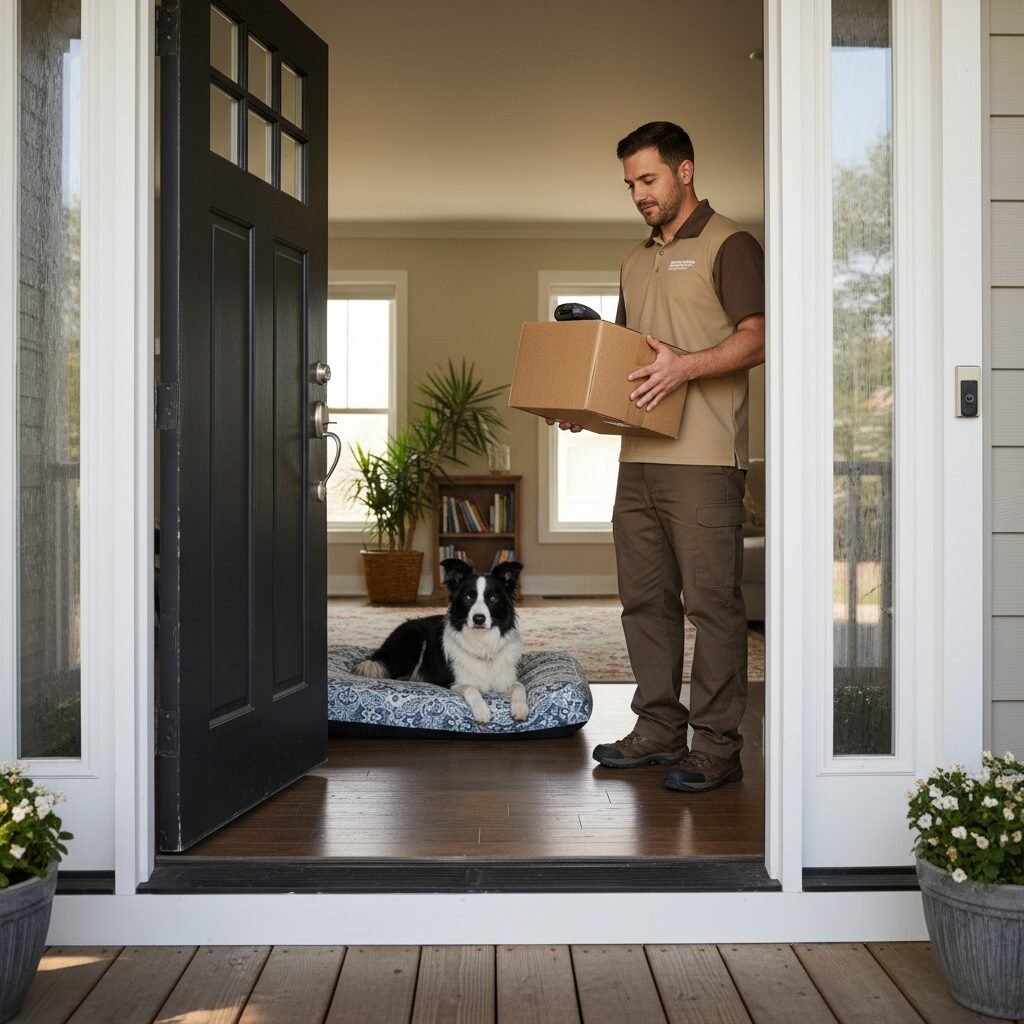
Making Door Manners Reliable
Mastering door manners in a quiet, controlled training session is one thing; maintaining that composure when a visitor arrives or a delivery driver is at the door is another entirely. ‘Proofing’ is the process of systematically adding distractions to training to make the desired behavior reliable in any situation.
Introducing Controlled Distractions
Once your dog can reliably wait at the open door, it’s time to increase the difficulty. Enlist the help of a family member or friend for this stage.
- The Doorbell/Knock: Start with the sound. Have someone ring the doorbell or knock. Your goal is to have your dog remain in their designated spot (e.g., a mat or specific place) instead of rushing the door. Reward them for staying calm when the sound occurs.
- The Friendly Visitor: Have your helper knock and then stand outside the open door. Practice the ‘Wait’ protocol. Your dog must remain calm and wait for your release cue before they are allowed to greet the visitor. The visitor should initially ignore the dog to avoid rewarding excited behavior.
- High-Value Distractions: What does your dog find most tempting? A favorite toy? Another dog? Practice by having your helper appear outside the door with these distractions. Start with the distraction far away and gradually bring it closer as your dog succeeds. This teaches your dog that even in the face of immense temptation, the rule of waiting at the door still applies.
Establishing a ‘Place’ Command
For an even higher level of reliability, teach a ‘Place’ or ‘Go to Mat’ command. This gives your dog a specific, incompatible behavior to perform instead of rushing the door.
- Introduce the Mat: Use a distinct mat or dog bed. Lure your dog onto it with a treat. When all four paws are on the mat, say “Place” and reward them.
- Build Duration: Gradually increase the time your dog must stay on the mat before receiving a reward.
- Add Distance: Start sending them to their ‘Place’ from a few feet away.
- Combine with Door Training: When the doorbell rings, your new command is “Place!” The dog’s job is to go to their mat and stay there while you open the door. This provides clear direction and structure, reducing their anxiety and excitement.
Proofing requires patience. Your dog will make mistakes. When they do, simply reset the situation to an easier version where they can succeed, and then slowly build the difficulty back up. Each successful repetition in the face of distraction strengthens the new, desired behavior.
Troubleshooting: Common Mistakes and How to Avoid Them
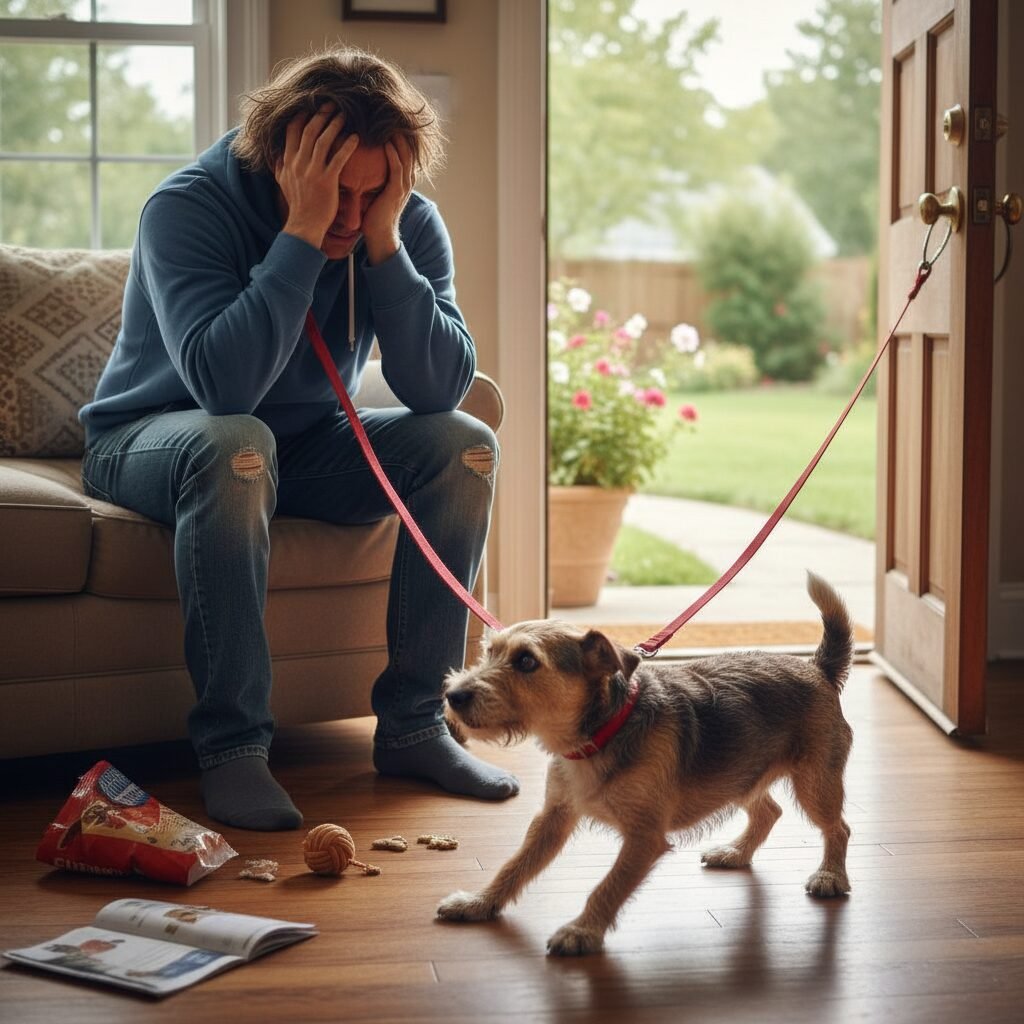
Navigating Challenges in Your Training Journey
Even with the best plan, training can have its setbacks. It’s important to recognize common mistakes and know how to correct your course. Frustration is the enemy of progress; understanding these pitfalls will help you and your dog stay on the path to success.
| Common Mistake | Why It’s a Problem | The Professional Solution |
|---|---|---|
| Inconsistent Rules | If one family member enforces the ‘Wait’ command but another lets the dog rush out, the dog receives mixed messages and will not learn the rule reliably. | Hold a family meeting and ensure everyone is committed to the training plan. Post a reminder note by the door if necessary. Consistency is paramount. |
| Training Only at the Front Door | Dogs do not generalize well. A dog who learns to wait at the front door may still dash out the back door or garage door. | Practice the same training protocol at every single exit point of your house. Each door is a new training scenario for your dog. |
| Using Punishment | Yelling at, scolding, or physically correcting a dog for dashing can increase their fear and anxiety, potentially making them more desperate to escape. It also damages your bond. | Focus entirely on positive reinforcement. Reward the behavior you want (waiting calmly) and manage the environment to prevent the behavior you don’t want (dashing). |
| Moving Too Quickly | Expecting your dog to wait at a wide-open door with distractions after only a few sessions is unrealistic and sets them up for failure. | Follow the steps methodically. If your dog fails at a step, go back to the previous, easier step where they were successful and practice more before trying again. Slower progress is better than no progress. |
| The ‘Poisoned’ Release Cue | If you only use your release cue (“Okay!”) to end a ‘Stay’ your dog dislikes, they may start to break the stay in anticipation. | Use the release cue frequently for fun things. Release them from a ‘Sit’ to play with a toy or to eat their dinner. This keeps the cue positive and powerful. |
What If My Dog Is Still Dashing?
If you have been consistent with the protocol and are still struggling, it may be time to consult a professional. A certified professional dog trainer or veterinary behaviorist can provide a personalized assessment. There may be underlying issues of severe anxiety or phobias that require a more specialized behavior modification plan, and in some cases, medication may be a helpful tool in conjunction with training. Never hesitate to seek expert help for your pet’s safety and well-being.
Conclusion
Teaching your dog to stop door dashing is one of the most important safety skills you can impart. It is a process that requires patience, absolute consistency, and a commitment to positive reinforcement. By understanding your dog’s motivations, building a strong foundation of impulse control, and methodically following the training steps outlined, you can replace this dangerous habit with a safe and reliable routine.
Remember that you are not just stopping a bad behavior; you are building a deeper line of communication and trust with your canine companion. Every successful ‘Wait’ at the door strengthens your bond and reinforces your role as a calm, confident leader. The peace of mind that comes from knowing your dog is safe and secure is the ultimate reward for your dedication. Stay consistent, celebrate the small victories, and enjoy the security of a well-mannered dog who respects the boundary of your doorway.