Stop Wrestling Your Dog! The Easy Way To Brush Teeth Without Getting Bitten
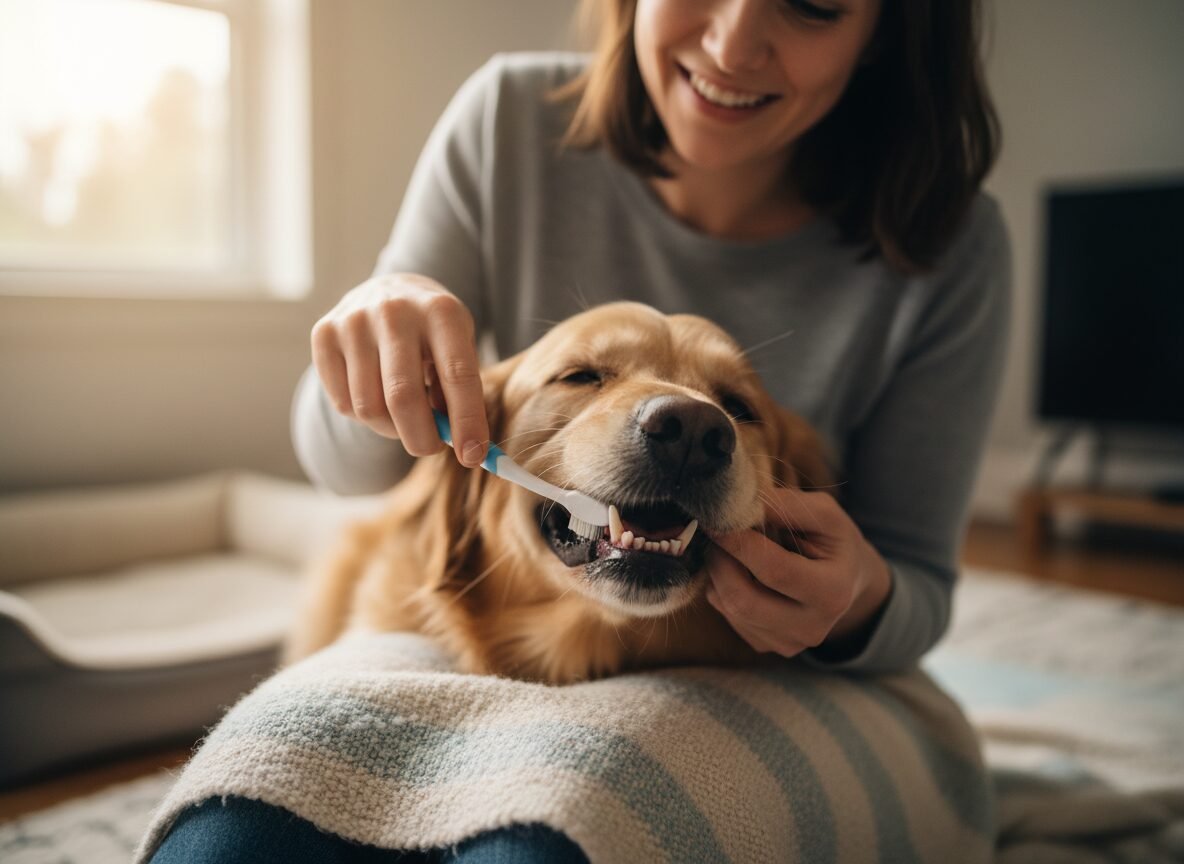
For many pet owners, the phrase ‘doggy dental care’ conjures images of a chaotic wrestling match, complete with growls, squirms, and narrowly avoided bites. You know dental hygiene is critical for your dog’s overall health, preventing painful periodontal disease, but the daily struggle feels overwhelming and can even damage the bond you share. This is a common and deeply frustrating experience. However, it does not have to be your reality.
The resistance you encounter is not defiance; it is typically a reaction rooted in fear, discomfort, or a simple lack of understanding. Dogs are not naturally inclined to accept having foreign objects placed in their mouths. The good news is that through a systematic process of desensitization and counter-conditioning, you can fundamentally change your dog’s emotional response to teeth brushing. This guide will provide you with a professional, step-by-step protocol to transform this dreaded chore into a calm, cooperative, and even enjoyable routine. It’s time to put away the wrestling moves and embrace a method built on trust, patience, and positive reinforcement.
Understanding the Root of the Resistance: Why Dogs Hate Teeth Brushing

Before you can solve a problem, you must understand its origin. A dog’s resistance to teeth brushing is rarely a matter of stubbornness. It’s a logical, instinctual response to a situation they perceive as threatening or unpleasant. By understanding their perspective, you can tailor your approach with empathy and precision.
Key Factors Behind Dental Care Aversion:
- Invasion of Personal Space: A dog’s mouth is a sensitive and personal area. Forcing it open and inserting a foreign object can feel intensely invasive and threatening. In the wild, a vulnerable mouth position is a sign of submission or weakness, triggering defensive instincts.
- Fear and Negative Associations: Perhaps a previous attempt at brushing was rushed, forceful, or painful. Dogs form powerful associations, and just one negative experience can create a lasting aversion. The sight of the toothbrush alone can become a trigger for anxiety and fear-based aggression.
- Discomfort or Pain: If your dog already has sensitive gums, gingivitis, or a cracked tooth, the pressure and friction from brushing can be genuinely painful. This pain reinforces the negative association, making them even more resistant in the future. An underlying medical issue must always be considered if resistance is sudden or severe.
- Lack of Gradual Introduction: Many owners, with the best intentions, try to go from zero to a full mouth brushing in one session. This is overwhelming for any animal. Without a slow, step-by-step introduction that allows them to acclimate at their own pace, their natural reaction is to panic and escape.
Expert Insight: The goal is not to ‘win’ the battle of teeth brushing. The goal is to teach your dog that this procedure is safe, predictable, and even rewarding. This mental shift is the foundation of all successful and stress-free animal husbandry.
Recognizing these factors allows you to move from a mindset of conflict to one of cooperation. Your dog isn’t being ‘bad’; they are communicating their discomfort and fear. The following sections will teach you how to change that communication from ‘stop’ to ‘I’m ready’.
Gathering Your Arsenal: Essential Tools for Cooperative Dental Care
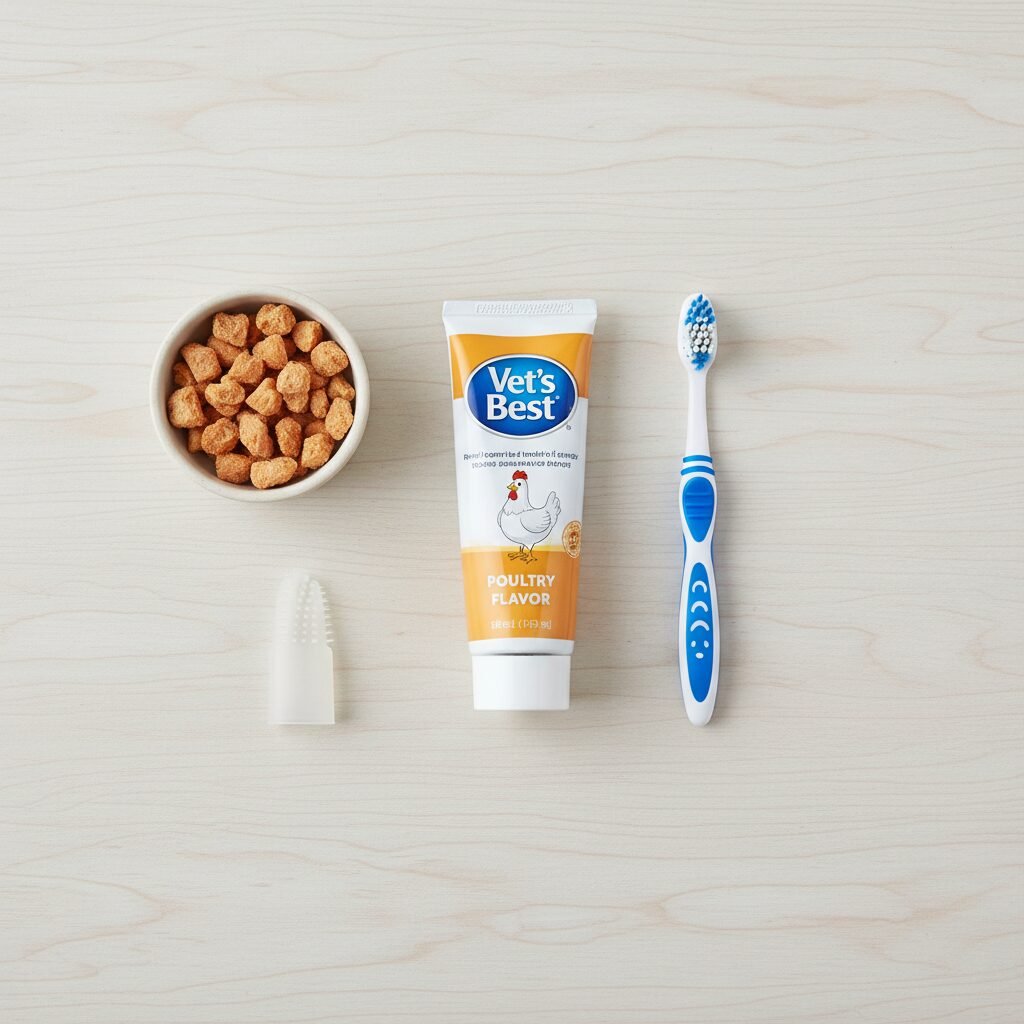
Setting yourself up for success begins with having the right equipment. Using products designed for canine comfort and safety is non-negotiable. The wrong tools can cause pain, be ineffective, or even be toxic to your dog, immediately sabotaging your training efforts. Here is a breakdown of the essential items you will need.
The Non-Negotiables:
- Canine-Specific Toothpaste: Never use human toothpaste on your dog. It contains ingredients like fluoride and xylitol, which are toxic to dogs. Pet toothpaste is formulated to be safe for swallowing and comes in appealing flavors like poultry, beef, or peanut butter. This flavor can be a powerful tool, making the experience a treat rather than a trial.
- The Right Toothbrush: You have several options, and the best choice depends on your dog’s size and sensitivity.
- Finger Brushes: These rubber or silicone brushes fit over your fingertip. They are excellent for beginners as they feel less invasive than a long-handled brush and give you more precise control. They are ideal for getting a dog used to the sensation of brushing.
- Dual-End Brushes: These long-handled brushes have a large head for bigger tooth surfaces and a small, angled head for reaching tight spots. They provide the most effective cleaning once your dog is comfortable with the process.
- Ultra-Soft Bristle Brushes: For dogs with sensitive gums, look for brushes specifically labeled as ‘soft’ or ‘extra-soft’ to prevent irritation.
- High-Value Reinforcement: These are not your dog’s everyday kibble. High-value treats are special, intensely desirable rewards reserved only for teeth brushing training. Think small pieces of cooked chicken, cheese, commercial training treats, or even a lick of dog-safe peanut butter. The goal is to create an overwhelmingly positive association with the procedure.
The Step-by-Step Protocol for Fear-Free Brushing
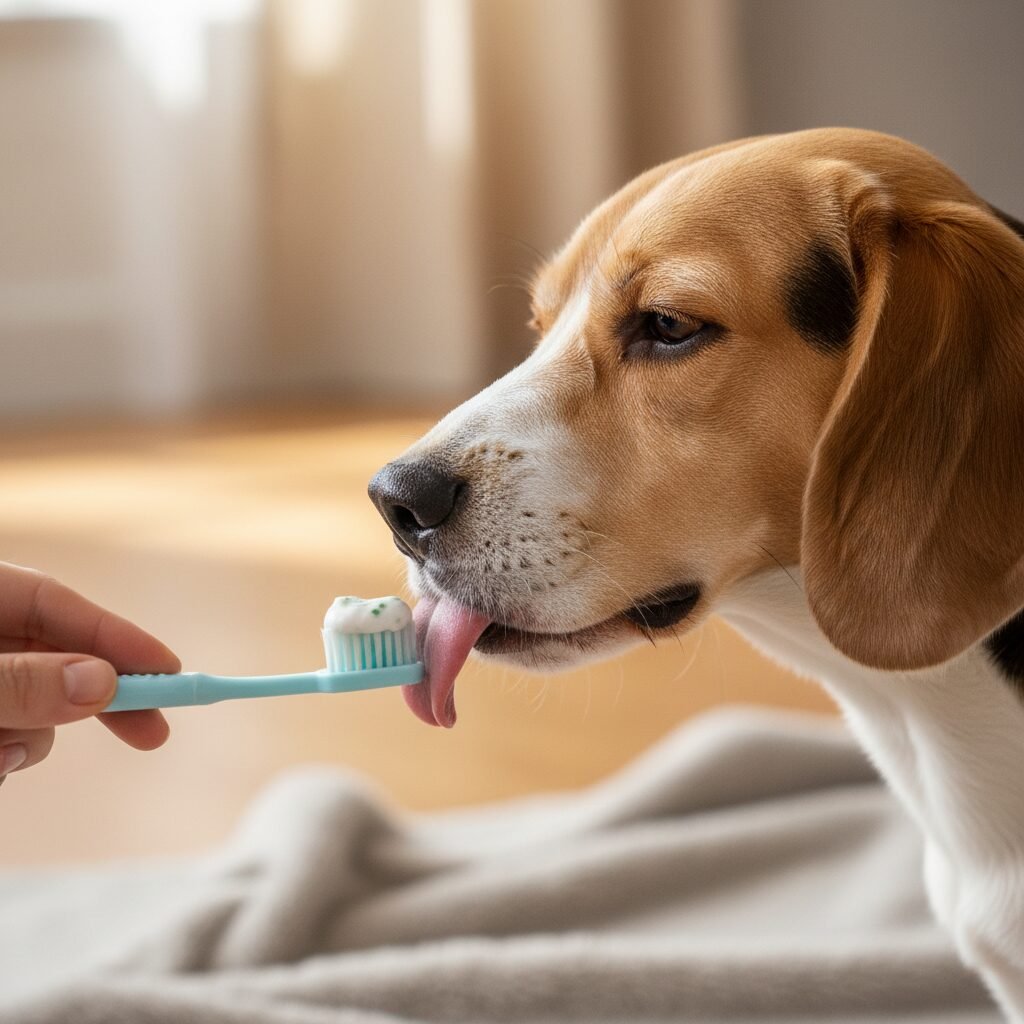
This is the core of the training process. This protocol is based on Desensitization and Counter-Conditioning (DSCC). Desensitization means gradually exposing your dog to the procedure in small, non-threatening steps. Counter-conditioning means changing their emotional response from fear to anticipation by pairing each step with something they love (high-value treats). Patience is the most critical component. Each step may take several days or even weeks. Do not proceed to the next step until your dog is completely comfortable and relaxed with the current one.
Phase 1: Introducing the Tools and Touch (Days 1-7+)
- Step 1: Toothpaste as a Treat. Put a small amount of dog toothpaste on your finger and let your dog lick it off. Do this once or twice a day for a few days. The goal: Toothpaste is a delicious treat.
- Step 2: Touch the Muzzle. While your dog is relaxed, gently touch their muzzle for one second, then immediately give them a high-value treat and praise. Repeat 5 times. Keep sessions short and positive.
- Step 3: Lift the Lip. Once they are comfortable with muzzle touches, gently lift their upper lip for just a second, touch a tooth, then treat and praise. Repeat on different teeth. The goal: Having their lips and gums touched predicts a reward.
Phase 2: Introducing the Brushing Sensation (Days 7-21+)
- Step 4: Finger Brushing. Put toothpaste on your finger and, after lifting their lip, gently rub one or two teeth in a circular motion for 2-3 seconds. Immediately reward. Gradually increase the number of teeth you ‘brush’ with your finger over many sessions.
- Step 5: Introducing the Toothbrush. Let your dog sniff and investigate the toothbrush. Touch the brush to their muzzle, then treat. Put a dab of toothpaste on the brush and let them lick it off. Do not attempt to brush yet. The goal: The toothbrush is a treat-delivery device.
- Step 6: Combining Brush and Teeth. Once they eagerly lick the toothpaste off the brush, gently lift their lip and touch the brush (with toothpaste) to a single canine tooth for one second. Remove the brush and immediately give a jackpot reward (multiple treats).
Phase 3: Building Duration and Routine (Days 21+)
- Step 7: The First Brush Stroke. Progress from touching the tooth to making one single, gentle brushing motion on an easy-to-reach tooth (like a canine). Reward lavishly.
- Step 8: Expanding Coverage. Over many sessions, slowly increase the duration. Go from one brush stroke to two. Move from one tooth to two adjacent teeth. Always work in short bursts and end on a positive note, before your dog shows any signs of stress.
- Step 9: Establishing a Routine. Aim to brush a small section of your dog’s mouth each day, rotating quadrants (upper right, lower left, etc.). This is often more manageable and less stressful than trying for a full-mouth clean every single time.
Crucial Tip: Watch your dog’s body language. Yawning, lip licking, turning their head away, or stiffening are all signs of stress. If you see these, you have moved too fast. Go back to the previous step where they were successful and comfortable, and work there for a few more days before trying to advance again.
Troubleshooting Common Setbacks and Maintaining the Habit
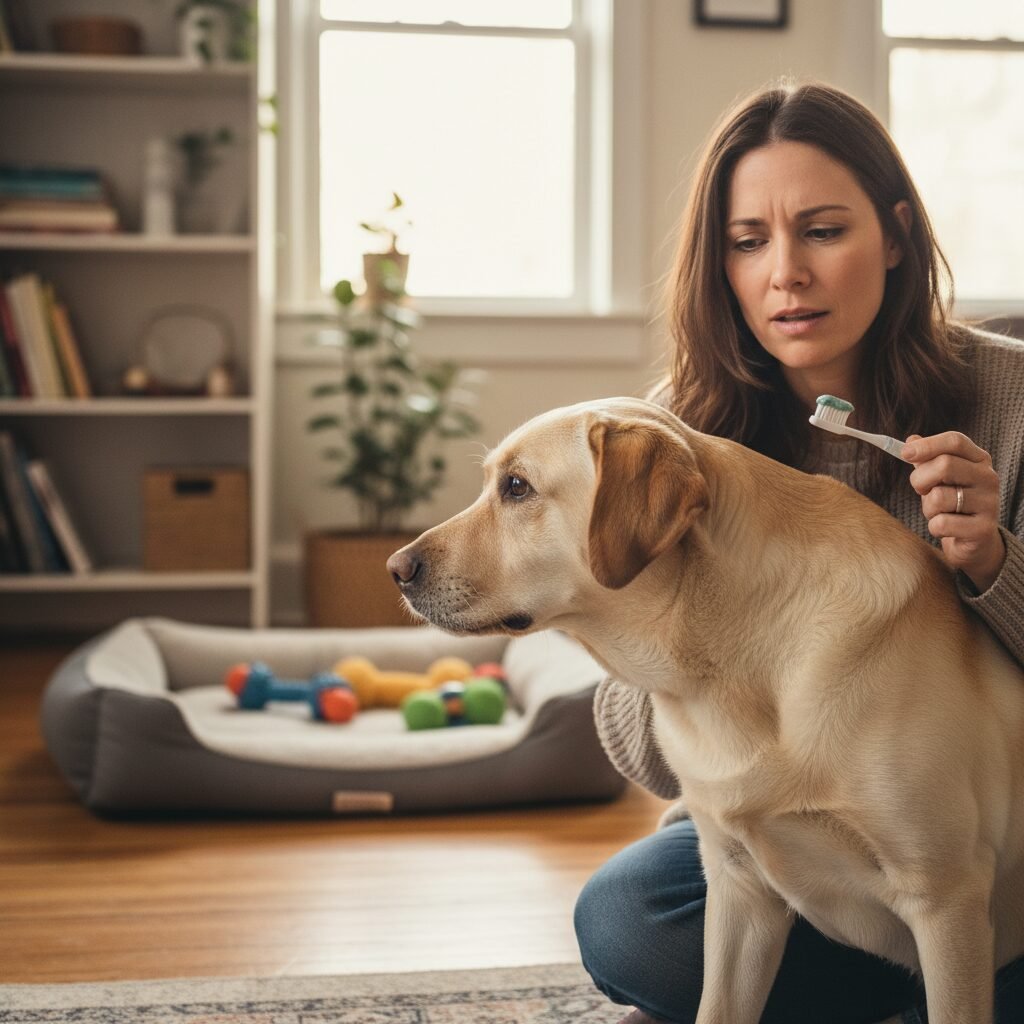
Even with the most careful training plan, you may encounter setbacks. The key is to address them calmly and consistently, without resorting to force. A well-established routine is your best defense against regression.
Common Problems and How to Solve Them
| Problem | Underlying Cause | Solution |
|---|---|---|
| Dog mouths or nips the brush/hand. | Over-arousal, frustration, or a low-level warning to stop. It’s often not aggression but a communication of discomfort. | Immediately withdraw for a few seconds. Shorten the session and go back a step in the training protocol. Ensure you are using very high-value treats to keep them focused on the reward. You can also smear a bit of peanut butter on a silicone mat to give them something else to focus their mouth on. |
| Dog turns their head away or clamps their mouth shut. | Anxiety or an attempt to avoid the procedure. They are telling you they are not comfortable. | Do not force their head back or pry their mouth open. This destroys trust. End the session on a positive note if you can (e.g., just licking toothpaste off a finger) and try again later, starting with an easier step. Your sessions may be too long. |
| Dog was doing well but has suddenly started resisting again (regression). | Something may have happened to spook them (e.g., you accidentally poked a sensitive gum), or you may have advanced too quickly. | Take a deep breath and go back several steps in the protocol to a point where they were 100% successful and happy. Rebuild their confidence from there. This is normal in training. |
| My dog has too much plaque for this to work. | Significant tartar buildup can make brushing painful and may indicate advanced dental disease. | If you see heavy, hard, brown tartar, or notice bleeding gums, bad breath, or difficulty eating, you must see a veterinarian. Your dog likely needs a professional dental cleaning under anesthesia before you can begin a home-care routine. |
Making Dental Care a Lifelong Habit
- Consistency is Key: Aim for a brief brushing session daily rather than a long, intensive one weekly. Daily practice reinforces the training and prevents plaque from hardening into tartar.
- Choose a Calm Time: Don’t try to brush your dog’s teeth when they are full of energy or when the house is chaotic. Choose a time when they are naturally relaxed, such as after a long walk or in the evening.
- Keep it Positive: Always end the session on a high note. Even if you only managed to brush one tooth, follow it with enthusiastic praise, a favorite treat, or a fun game. They should always associate the end of brushing with something wonderful.
Conclusion
Transforming your dog’s dental care routine from a stressful struggle to a moment of cooperative care is one of the most beneficial investments you can make in their long-term health and in your relationship. The journey requires patience, observation, and a steadfast commitment to positive reinforcement, but the rewards are immense. By abandoning the idea of ‘forcing’ compliance and instead focusing on ‘teaching’ acceptance, you empower your dog to be an active, willing participant in their own healthcare.
Remember the core principles: go at your dog’s pace, make every interaction rewarding, and never sacrifice trust for the sake of speed. A few brushed teeth done willingly are far more valuable than a full mouth cleaned under duress. Over time, this consistent, gentle approach will not only protect your dog from painful dental disease but will also deepen the bond you share, proving that even the most challenging tasks can be accomplished with understanding and teamwork.
Similar Posts
Dremel vs Clippers: Which Nail Tool Is Actually Safer for Your Dog?
Choosing between a Dremel and traditional clippers for your dog’s nail care is a critical decision for pet owners. This comprehensive guide provides a professional, in-depth analysis of both tools, comparing their safety, effectiveness, and suitability to help you make the safest choice for your beloved canine companion.
How to Cut Black Dog Nails Without Hitting the Quick: A Visual Guide
A definitive guide for pet owners on safely trimming dark dog nails. Learn to identify the quick, use the right tools, and master a stress-free technique with our expert step-by-step instructions.
Is Your Dog Aggressive At The Groomer? Here’s How To Fix It
Discover why your dog exhibits aggression at the groomer and learn a proven, step-by-step approach to transform grooming from a stressful ordeal into a manageable, positive experience. This comprehensive guide provides actionable strategies for desensitization, finding the right professional, and knowing when to seek expert behavioral help.
The DIY Detangler Spray That Saves Matted Dog Hair Instantly
Discover a safe, effective, and all-natural DIY detangler spray recipe to instantly tackle painful matted hair on your dog. This guide provides step-by-step instructions for creating and applying the solution, along with expert advice on preventing future mats.
Ear Drops Nightmare? How To Desensitize A Head-Shy Dog
Turn ear care from a stressful struggle into a positive bonding experience. This comprehensive guide provides a step-by-step desensitization protocol for head-shy dogs, leveraging professional training techniques to build trust and ensure essential medical care can be administered calmly and safely.
Ditch The Chemicals: 3 DIY Dog Toothpaste Recipes That Actually Work
Discover three veterinarian-approved DIY dog toothpaste recipes to improve your canine’s dental hygiene naturally. Learn about safe ingredients, proper brushing techniques, and when to seek professional veterinary care for your dog’s oral health.