The Ultimate 7-Day Potty Training Schedule for Stubborn Puppies
Welcoming a new puppy into your home is a joyous occasion, but the initial phase of housebreaking can test the patience of even the most dedicated pet owner. When faced with a particularly stubborn puppy, the process can feel overwhelming and endless. It’s a common challenge, but it is not an insurmountable one. The key to success lies not in magic, but in methodology. A structured, consistent, and positive approach is essential to teach your puppy the correct bathroom habits.
This comprehensive guide is designed to provide you with a detailed, 7-day potty training schedule specifically tailored for puppies that seem resistant to traditional methods. We will move beyond simple tips and provide a robust framework built on canine behavioral principles. By understanding your puppy’s perspective, preparing your environment for success, and executing a consistent daily plan, you can establish clear communication and build a foundation for a lifetime of good habits. Prepare to transform frustration into a successful partnership with your new companion.
Essential Preparations: Setting the Stage for Success
Pre-Training Preparations: Assembling Your Toolkit
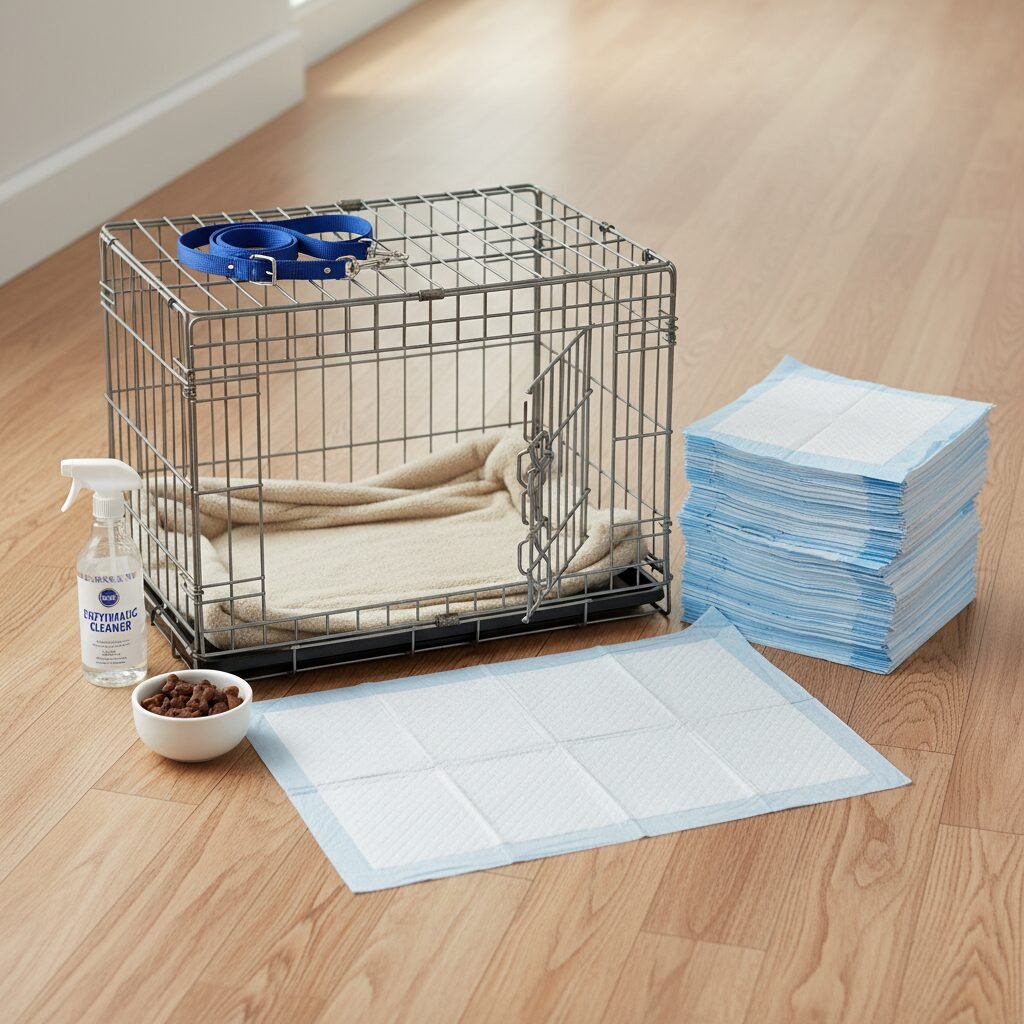
Before the first day of training commences, it is imperative to have all necessary supplies on hand. Proper preparation minimizes stress and allows you to focus entirely on the training process. Rushing to find a cleaner after an accident has already occurred can derail your momentum and reinforce the wrong behaviors. Your goal is to create a controlled environment where your puppy has the highest chance of success.
Essential Supplies Checklist:
- A Properly Sized Crate: The crate should be large enough for your puppy to stand up, turn around, and lie down comfortably, but not so large that they can designate one end as a toilet. This is a den, not a playground. It is the single most important tool for managing your puppy’s environment.
- Enzymatic Cleaner: Standard cleaners containing ammonia can actually mimic the smell of urine, encouraging your puppy to soil the same spot again. An enzymatic cleaner is chemically formulated to break down and eliminate the organic proteins in urine, completely removing the scent cue for your puppy.
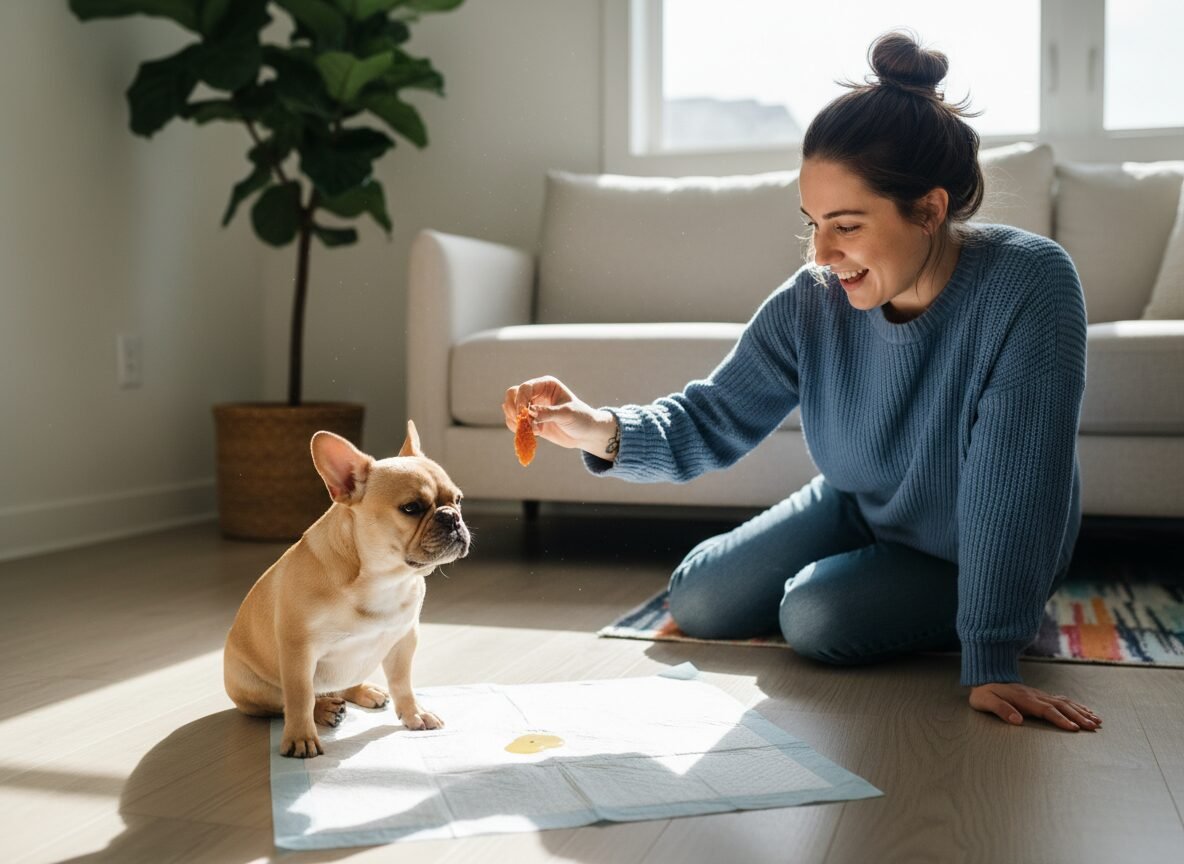
- High-Value Treats: These are special, highly motivating treats reserved only for successful potty trips. Think small pieces of cooked chicken, cheese, or specialized training treats that your puppy adores. Their value must be higher than their everyday kibble.
- A Standard Leash and Collar/Harness: During potty breaks, your puppy should always be on a leash, even in a fenced yard. This prevents them from getting distracted by playing and ensures you are present to witness and reward their success immediately.
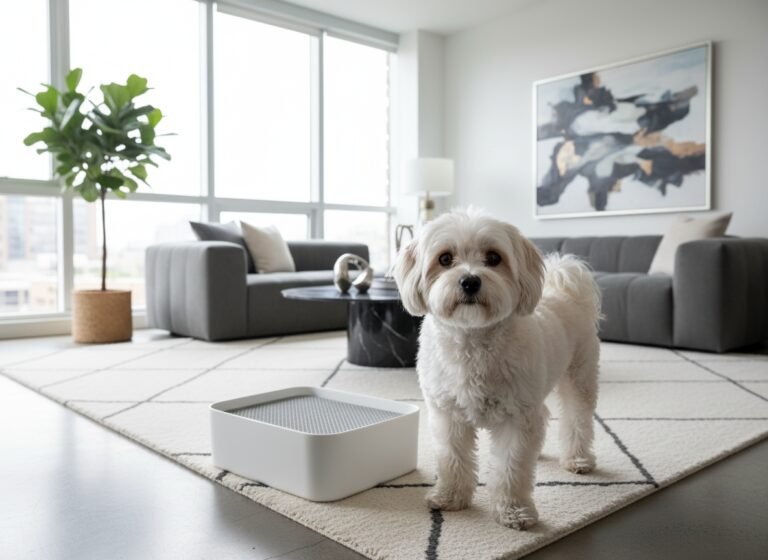
- Potty Pads (Optional but Recommended): While the ultimate goal is for your puppy to eliminate exclusively outside, potty pads can be a useful transitional tool, especially for apartment dwellers or very young puppies. They can help manage accidents and define an acceptable indoor spot if needed.
- A Logbook or App: Diligent record-keeping is crucial. Note every time your puppy eats, drinks, plays, and eliminates. This data will help you predict their needs and identify their natural schedule, allowing you to anticipate when a potty break is imminent.
Expert Tip: Consistency is not just about timing; it’s about the entire ritual. Use the same door to go outside, take your puppy to the same designated potty spot, and use a consistent verbal cue every single time.
The 7-Day Intensive Potty Training Schedule
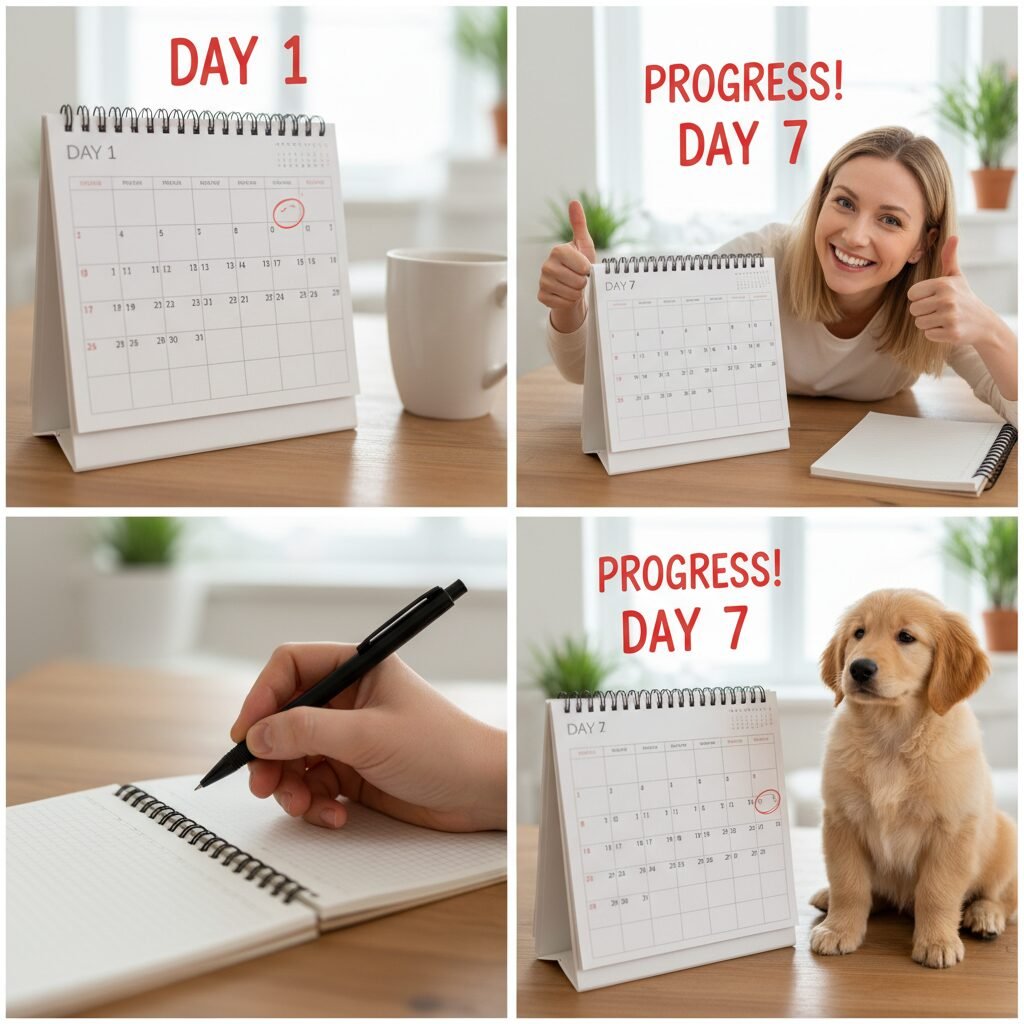
Your Day-by-Day Action Plan
This schedule is intensive and requires your full commitment for one week. The core principles are constant supervision, frequent opportunities to succeed, and immediate positive reinforcement. Adhere to this timeline as strictly as possible for the best results.
| Time of Day | Action Item | Key Focus |
|---|---|---|
| First Thing in the Morning (e.g., 7:00 AM) | Immediately carry your puppy outside to their designated spot. No playing or greeting first. | Capitalize on their full bladder after waking up. Use your verbal cue (e.g., ‘Go Potty’). |
| After Potty Break (7:15 AM) | Mealtime, followed by 15-20 minutes of supervised playtime. | Food and activity stimulate the bowels. Keep a close eye for sniffing or circling. |
| Post-Meal/Play (7:45 AM) | Take puppy out again to the designated spot. | Reinforce the connection between eating/playing and eliminating. |
| Throughout the Day | Potty breaks every 30-60 minutes. After every nap, play session, and meal. | Prevention of accidents is the primary goal. Set a timer. |
| Before Bedtime | Final potty break of the night. Make it calm and boring. | Ensure their bladder is as empty as possible before a longer stretch in the crate. |
| Middle of the Night | Set an alarm for 1-2 potty breaks for puppies under 4 months. | This is temporary but crucial for preventing crate soiling and building bladder control. |
Days 1-2: Foundation and Intensive Management
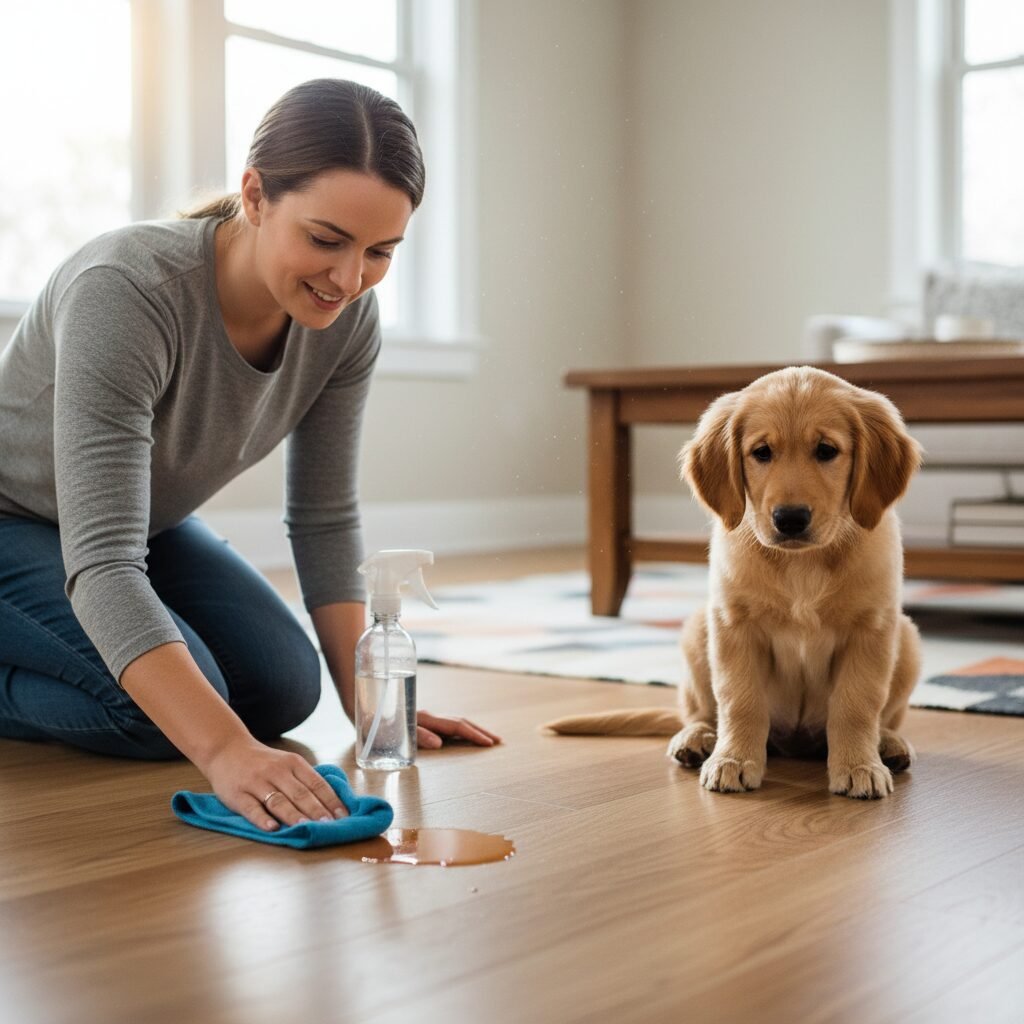
The first two days are about establishing a rigid routine. Your puppy should either be in their crate, directly supervised by you on a leash (even indoors), or in your arms. There is zero opportunity for an unsupervised accident. Every successful outdoor potty trip is met with an immediate, enthusiastic reward (high-value treat and praise). If an accident happens, do not scold. Silently clean it up with the enzymatic cleaner and analyze when your supervision lapsed.
Days 3-4: Introducing Cues and Extending Time
Continue the strict schedule, but you can begin to slowly extend the time between breaks by 15-minute increments if the puppy has been successful. Consistently use your verbal cue (‘Go Potty’, ‘Hurry Up’) right as they begin to eliminate. This starts to build an association between the word and the action. You can start allowing short periods (5-10 minutes) of supervised, off-leash time in a puppy-proofed room immediately after a successful potty break.
Days 5-7: Building Reliability and Fading Crates
By now, your puppy should be showing signs of understanding the routine. They may start signaling by going to the door. Acknowledge and reward this behavior immediately. The time between potty breaks can be extended further, moving towards a 2-3 hour schedule for a young puppy. Continue to use the crate when you cannot provide 100% direct supervision, but increase the duration of supervised ‘freedom’ in a secure area. The middle-of-the-night potty break may be phased out if the puppy is consistently staying dry overnight.
Troubleshooting Common Issues with Stubborn Puppies
Addressing Hurdles and Plateaus
Even with a perfect schedule, some puppies present unique challenges. Understanding the root cause of these behaviors is key to overcoming them.
Regression: The Two Steps Forward, One Step Back Phenomenon
It is completely normal for a puppy to have a few perfect days and then suddenly have an accident. This is not a sign of failure or spite. It’s a normal part of the learning process. When regression occurs, do not get discouraged. Simply return to the more intensive schedule of Day 1-2 for a day or two to reinforce the basics. Often, regression is a sign that the puppy was given too much freedom too quickly.
Submissive or Excitement Urination
Some puppies, particularly those that are timid or anxious, may urinate when greeted, scared, or overly excited. This is an involuntary reflex, not a potty training issue. Punishing this behavior will only increase the puppy’s anxiety and worsen the problem. To manage it, keep greetings low-key, avoid direct eye contact initially, and approach from the side. Work on general confidence-building exercises with your puppy.
Marking Behavior
Marking (depositing small amounts of urine on vertical surfaces) is different from a full-bladder accident. It is a communication behavior that can start as puppies approach social maturity. If you notice this, especially in male puppies, it’s crucial to address it immediately. Ensure your puppy is neutered, as this can reduce the hormonal drive to mark. Thoroughly clean any marked spots with enzymatic cleaner and increase supervision to interrupt and redirect the behavior.
Accidents in the Crate
A puppy soiling its crate is a significant issue, as it goes against their natural instinct to keep their den clean. This can happen for several reasons:
- The crate is too large: The puppy is able to use one end as a toilet and sleep comfortably in the other. Use dividers to reduce the space.
- They are being left for too long: A young puppy’s bladder control is limited. You may be exceeding their physical capacity to hold it.
- Underlying medical issues: A urinary tract infection (UTI) can cause incontinence. If crate soiling is sudden or persistent, a veterinary check-up is essential.
- Anxiety: Severe separation anxiety can lead to elimination in the crate. This requires a more complex behavior modification plan, often with professional guidance.
Critical Mistakes to Avoid in Potty Training
Common Pitfalls That Sabotage Your Progress
Your actions and reactions are just as important as the puppy’s. Avoiding these common mistakes will prevent confusion and speed up the learning process.
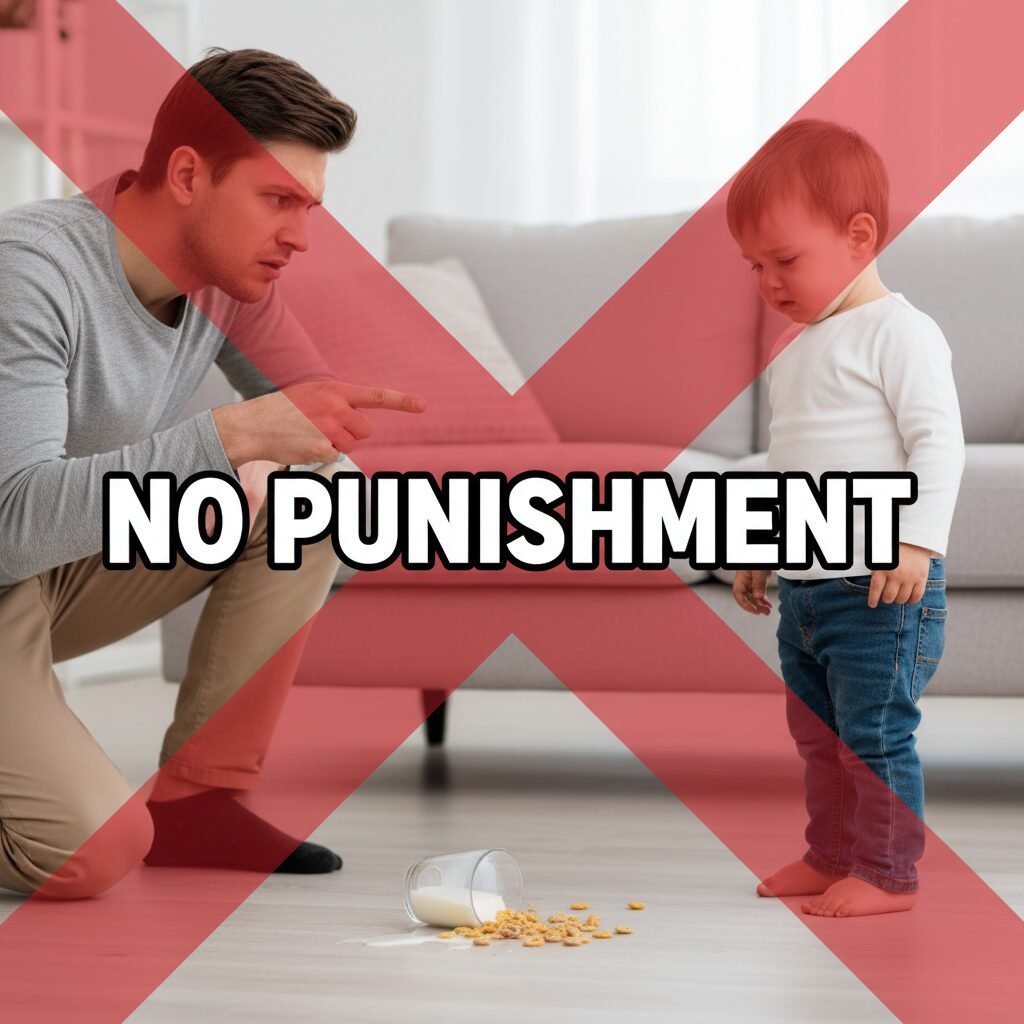
1. Using Punishment or Scolding
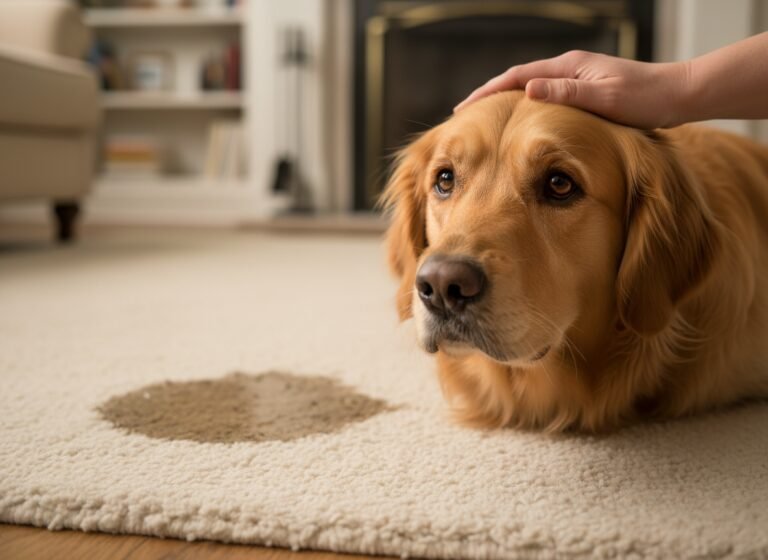
Never punish a puppy for having an accident. Rubbing their nose in it, yelling, or swatting them is not only cruel but also highly counterproductive. It does not teach them where to go; it only teaches them that eliminating in your presence is dangerous. This can lead to a puppy that actively hides from you to potty in secret, making training exponentially more difficult. Your role is a teacher, not a disciplinarian.
2. Relying on Potty Pads for Too Long
While potty pads can be a useful tool, they can also become a crutch. If the end goal is for your puppy to eliminate outside, you must eventually phase them out. Prolonged use can teach the puppy that it’s always acceptable to potty indoors. If you use them, start moving the pad closer and closer to the door you use for potty breaks, and eventually place it just outside the door to transition the behavior outdoors.
3. Giving Too Much Freedom, Too Soon
One of the most frequent errors is rewarding a few good days with complete, unsupervised access to the house. A puppy’s brain is still developing, and their understanding of the rules is fragile. Freedom must be earned incrementally. Use baby gates to section off parts of the house and slowly expand their territory as they prove their reliability over weeks, not days.
4. Inconsistent Schedules and Responses
Every member of the household must be on the same page. If one person takes the puppy out every hour and another waits for the puppy to signal, the puppy will receive mixed messages. The schedule, the verbal cues, the reward system, and the method for cleaning accidents must be followed consistently by everyone. Create a written chart and post it in a common area to ensure everyone is following the same protocol.
Professional Insight: Remember that you are building a habit. Neurologically, habits are formed through repetition and reinforcement. Every successful, rewarded trip outside strengthens the correct neural pathway. Every accident reinforces the wrong one. Your job is to maximize the former and prevent the latter.
Conclusion
Patience and Persistence: The Keys to Long-Term Success
Completing this intensive 7-day schedule is a significant accomplishment that lays a robust foundation for a lifetime of good potty habits. However, it is crucial to view this week not as a final exam, but as the beginning of a continued education. Your puppy is not a machine; they are a living being that is still learning to navigate the human world. Occasional accidents may still happen, especially during their adolescent phase, but your response should remain the same: calm management, positive reinforcement, and a temporary return to a stricter schedule.
Continue to praise and reward successful potty trips, even after they seem to have mastered the skill. This ongoing positive association reinforces the desired behavior. By remaining a patient, consistent, and understanding leader, you have not only house-trained your puppy but have also strengthened the bond of trust and communication between you. Celebrate your progress and look forward to a clean and happy home with your well-behaved companion.