Teach Your Dog to Clean Up Their Own Toys in 5 Simple Steps
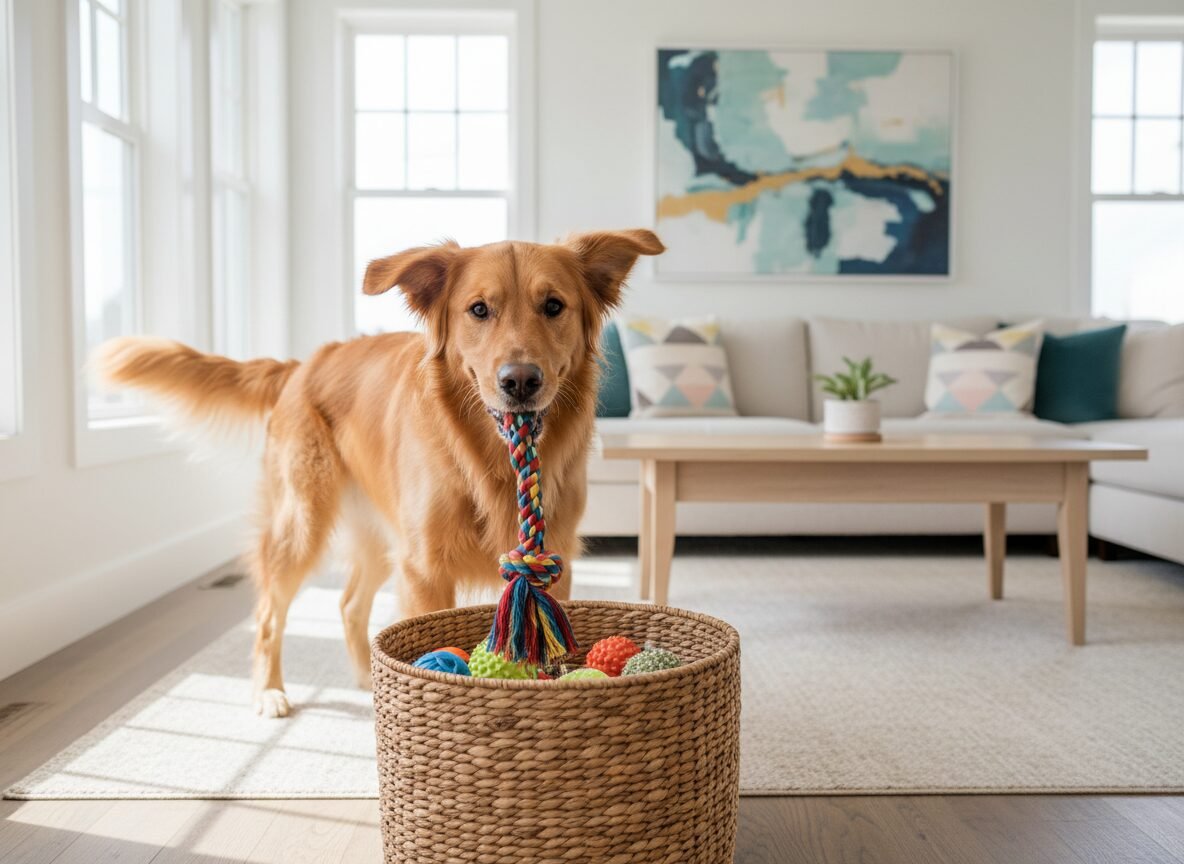
A home scattered with dog toys is a familiar sight for many pet owners—a sign of a happy, playful companion. But what if that playful energy could be channeled into a productive and impressive skill? Teaching your dog to clean up their own toys is more than just a charming party trick; it is a powerful form of canine enrichment that provides mental stimulation, reinforces desirable behaviors, and strengthens the bond you share. This task engages your dog’s problem-solving abilities, builds their confidence, and introduces a predictable, rewarding routine into their day.
This comprehensive guide, designed by canine behavior specialists, breaks down the training process into five manageable steps. We will move beyond simple commands and delve into the principles of shaping behavior, using positive reinforcement to make learning a joyful experience for your dog. You will learn how to build a solid foundation, introduce the concept of a ‘toy box,’ and chain individual actions together to form the complete ‘clean up’ sequence. We will also address common challenges and provide expert troubleshooting tips to keep your training sessions on track. By investing the time in this training, you are not just tidying your home; you are investing in a smarter, more engaged, and more cooperative canine partner.
Preparing for Success: Tools and Foundational Skills
Before you begin teaching the ‘clean up’ command, it is crucial to set the stage for success. Proper preparation ensures that the training process is smooth, efficient, and enjoyable for both you and your dog. This involves gathering the right tools and ensuring your dog has a grasp of a few prerequisite skills that will serve as the building blocks for this new behavior.
Essential Training Tools
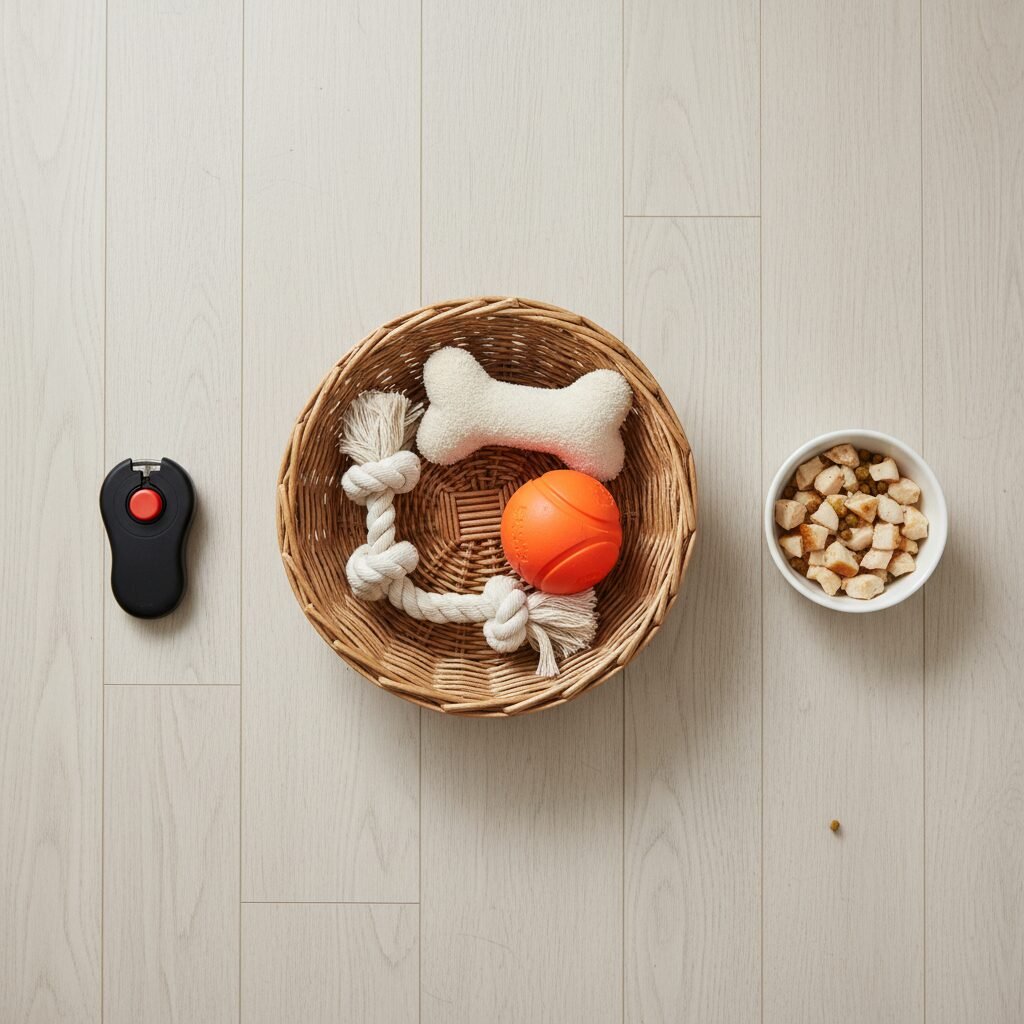
Having the right equipment on hand will streamline your training sessions. You do not need anything complex, just a few simple items:
- A Designated Toy Box: Choose a container that is low-sided, wide, and stable. A shallow wicker basket, a sturdy fabric bin, or a low plastic tub works well. The key is that it must be easily accessible for your dog to drop or push toys into without intimidation or difficulty.
- High-Value Treats: This command is complex, so you will need rewards that are more enticing than a standard dry biscuit. Small, soft, and highly aromatic treats like tiny pieces of cooked chicken, cheese, or commercial training treats are ideal. Their high value will keep your dog motivated and focused.
- A Variety of Toys: Start with your dog’s favorite toys—the ones they are most likely to engage with. Having a few different shapes and sizes can be helpful as you generalize the behavior later on.
- A Clicker (Optional): If you are familiar with clicker training, a clicker can be an excellent tool for precisely marking the desired behavior the instant it occurs. If you are not using a clicker, a consistent verbal marker like a sharp “Yes!” serves the same purpose.
Prerequisite Commands
While you can teach this skill from scratch, the process is significantly faster if your dog already understands a couple of basic commands. If your dog is not yet proficient in these, spend some time reinforcing them before you begin.
- ‘Fetch’ or ‘Take It’: Your dog needs to be comfortable picking up a toy on cue. A reliable retrieve is a major advantage.
- ‘Drop It’ or ‘Release’: This is arguably the most critical prerequisite. Your dog must be willing to release a toy from their mouth on command. A solid ‘drop it’ prevents the training from turning into a game of keep-away and gives you control over when and where the toy is released.
Expert Tip: Keep your initial training sessions short and positive, aiming for just 5-10 minutes once or twice a day. Ending on a successful repetition will keep your dog eager and motivated for the next session.
The 5-Step Method to a Tidy Pup
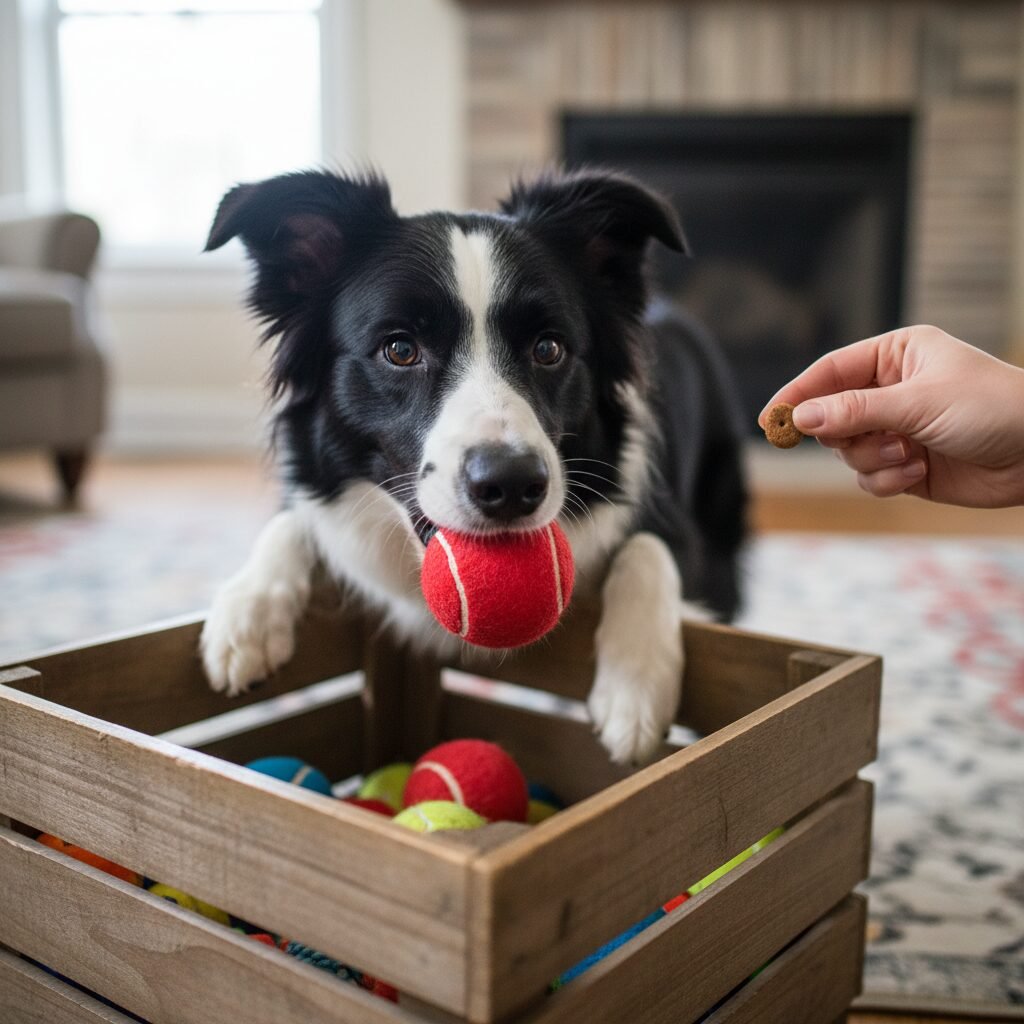
This section breaks down the training into five clear, sequential steps. The core principle is shaping—rewarding successive approximations of the final behavior. Be patient, celebrate small successes, and remember that every dog learns at a different pace.
Step 1: Introduce the Toy Box and Build Positive Association
The first step is to ensure your dog sees the toy box as a wonderful, rewarding object. Place the box on the floor and show it to your dog. Any time they show interest in it—sniffing it, looking at it, moving toward it—mark the behavior with your clicker or a “Yes!” and give them a treat. Toss treats into and around the box. The goal is simple: Toy Box = Good Things Happen. Do this for a few short sessions until your dog happily approaches the box whenever you present it.
Step 2: Shape the ‘Drop It’ Command Over the Box
Now, we connect the ‘drop it’ command to the toy box. Ask your dog to take a toy. Once they are holding it, lead them over to the toy box. Hold a high-value treat directly over the box to lure their head into position. Give the ‘drop it’ command. Because their head is over the box, the toy will naturally fall into it. The moment it does, mark the behavior and deliver a jackpot of treats and praise. Repeat this process until your dog is fluently dropping the toy into the box on cue with the lure.
Step 3: Transition from Luring to Targeting
Our goal is to fade the food lure. Instead of holding a treat over the box, simply point to the box (this will become a visual cue). When your dog moves over the box with the toy, give the ‘drop it’ command. If they succeed, mark and reward. If they hesitate, briefly re-introduce the lure for a few repetitions before trying again. You are teaching them to target the box itself, not just your hand holding a treat.
Step 4: Introduce the Verbal Cue ‘Clean Up’
Once your dog is reliably bringing a toy to the box and dropping it on your ‘drop it’ cue, it’s time to add the final verbal cue. Just as your dog is about to perform the action of dropping the toy in the box, say your chosen cue, such as “Clean Up,” “Put Away,” or “Tidy Up,” in a clear, cheerful voice. Then, immediately say “Drop it.” When they succeed, reward them enthusiastically. After many repetitions, your dog will begin to associate the new verbal cue with the entire action sequence. You can start to phase out the secondary ‘drop it’ cue, relying solely on ‘Clean Up’.
Step 5: Generalize the Behavior and Build Distance
The final step is to make the skill reliable in different contexts. Start by placing a toy a few feet away from the box and giving the ‘Clean Up’ cue. Gradually increase the distance. Then, start adding more toys. Cue your dog to clean up one toy, reward, and then cue them for the next. Practice in different rooms of the house to help them understand that ‘Clean Up’ applies to all their toys, everywhere. This phase solidifies the behavior and turns it into a truly useful skill.
Troubleshooting Common Training Hurdles
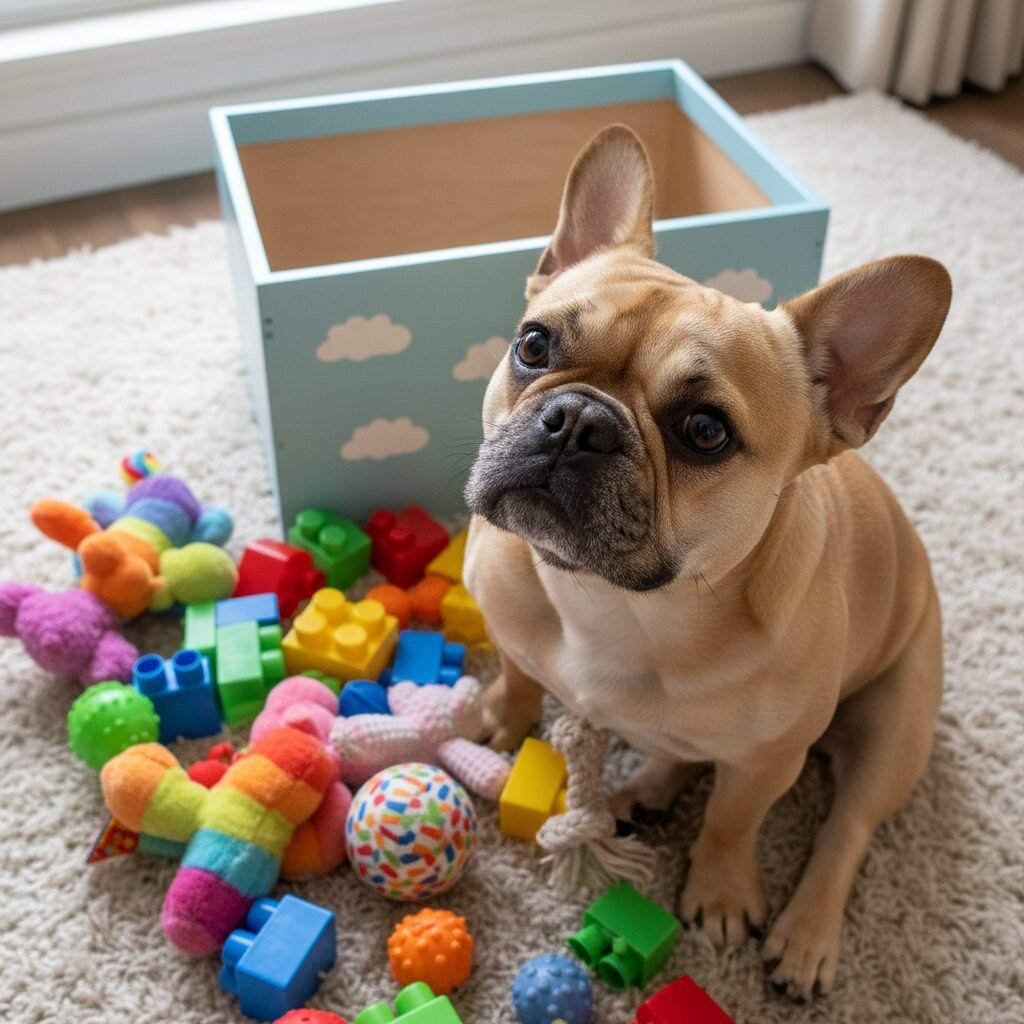
Even with the best plan, training sessions can sometimes hit a snag. It is completely normal for your dog to get confused or for progress to stall. Recognizing common issues and knowing how to address them is key to getting back on track without frustration. Here are solutions to some frequent challenges pet owners face when teaching this command.
Problem: My Dog Won’t Drop the Toy in the Box
This is often the most common hurdle. If your dog drops the toy next to the box or turns their head at the last second, it usually means one of two things: the reward isn’t valuable enough to trade for the toy, or the box itself is slightly intimidating.
- Increase Reward Value: Ensure you are using truly high-value treats that your dog loves.
- Revisit ‘Drop It’: Spend a separate session just reinforcing a crisp ‘drop it’ command away from the toy box.
- Make the Box More Appealing: Try a box with lower sides or a different material. You can also go back to Step 1 and spend more time building a positive association with the box itself.
Problem: My Dog Loses Interest or Gets Distracted
A lack of focus can derail a training session quickly. This often indicates that the sessions are too long or the environment is too stimulating.
- Keep Sessions Short: A focused five-minute session is far more productive than a distracted twenty-minute one. Always end on a high note with a successful repetition.
- Control the Environment: Train in a quiet area with minimal distractions. Put away other toys, turn off the television, and ensure other family members or pets are not interrupting.
- Check Your Energy: Dogs are highly attuned to our energy. If you are getting frustrated, your dog will sense it. Stay positive, cheerful, and patient. If you feel frustration building, it’s better to end the session and try again later.
Problem: My Dog Only Picks Up One Specific Toy
Sometimes a dog will lock onto their favorite ball or rope and refuse to interact with other toys for the ‘clean up’ game. This requires specific practice in generalization.
- Start Easy: Begin the generalization process with their second-favorite toy. Make the game extra rewarding when they interact with a non-preferred toy.
- Use Shaping: Reward any interaction with the new toy initially—looking at it, sniffing it, nudging it—and gradually build up to them picking it up and placing it in the box.
Remember the Golden Rule: If your dog is failing, the step is likely too difficult. Take a step back to the last point of success and work forward again in smaller, more manageable increments. Training is a marathon, not a sprint.
Making It a Habit: Integrating ‘Clean Up’ into Daily Life
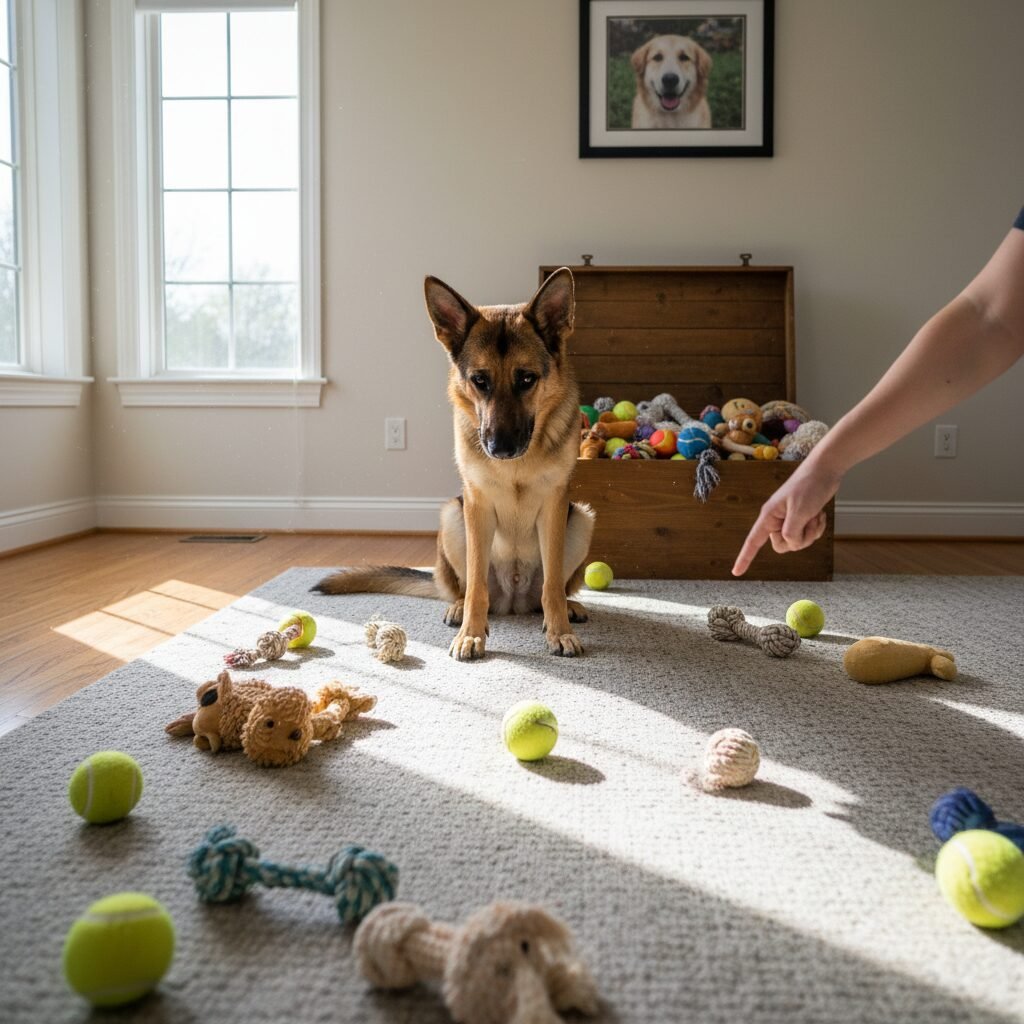
Once your dog understands the ‘Clean Up’ cue and can reliably put away a few toys, the final phase is to integrate this new skill into your daily routine, transforming it from a trained trick into a consistent, helpful habit. This is where the real-world benefits of your hard work become apparent. The goal is to make tidying up a natural and expected part of your dog’s day.
Establish a ‘Clean Up’ Routine
Dogs thrive on routine and predictability. The easiest way to make ‘Clean Up’ a habit is to link it to an existing daily event. The end of a play session is the most logical time.
- Post-Play Tidy: After a game of fetch or tug, before you put the toys away yourself, initiate a ‘Clean Up’ session. Ask your dog to put away the one or two toys you were just using.
- Pre-Dinner Ritual: Another excellent time is before their evening meal. A quick tidy of the living room floor can become the signal that dinner is about to be served, providing a powerful, built-in reward.
Practice with Variable Rewards
To keep the behavior strong and prevent it from becoming mundane, move to a variable reinforcement schedule. This means you don’t give a treat every single time they put a toy away. Sometimes they get a high-value treat, sometimes just enthusiastic praise, and sometimes a different reward like the start of a walk or their dinner.
Expert Insight: A variable reward schedule mimics the unpredictability of gambling and is extremely powerful for maintaining learned behaviors long-term. The dog never knows which repetition will bring the big prize, so they remain motivated to perform the command every time.
Involve the Whole Family
For consistency, ensure everyone in the household uses the same verbal cue (“Clean Up”) and follows the same general principles. This prevents your dog from getting confused by different commands or expectations from different people. Consistency across the board is paramount for turning a trained behavior into a reliable life skill.
Conclusion
Teaching your dog to clean up their toys is a rewarding journey that offers profound benefits far beyond a tidier living space. Through the patient application of the five steps outlined in this guide—from building a positive association with the toy box to generalizing the behavior—you engage your dog’s mind, enhance their focus, and deepen your communication. This process is a testament to the power of positive reinforcement and the remarkable intelligence of our canine companions.
Remember to be patient, keep your training sessions positive and brief, and celebrate every small success along the way. Troubleshooting hurdles is a natural part of the learning process, and by breaking the behavior down into manageable components, you set your dog up for success. By integrating this skill into your daily routine, ‘Clean Up’ will become more than just a command; it will be a cooperative activity that reinforces your partnership. You will have not only a dog who can tidy up but also a more confident, engaged, and well-behaved companion.