Stop Buying Pill Pockets: Make These 3 Ingredient Chews
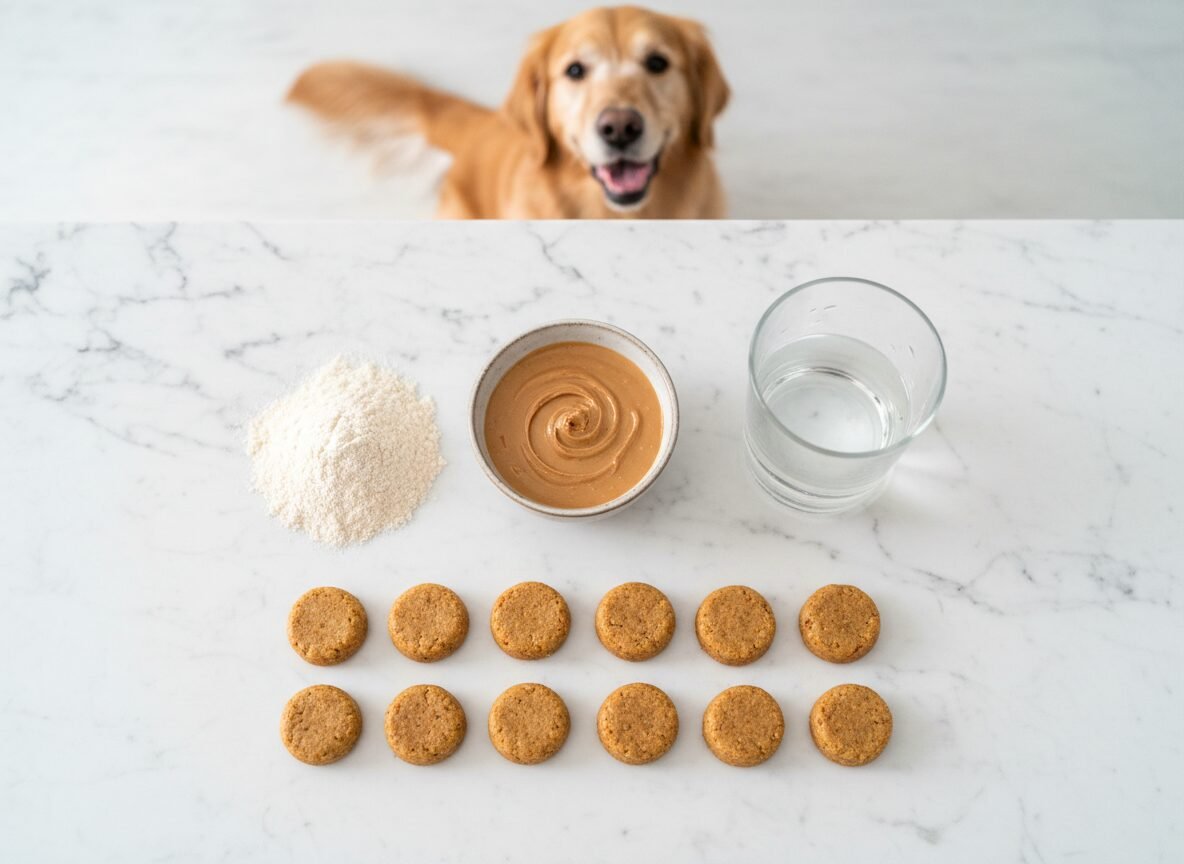
Administering medication to a canine companion can be one of the most challenging tasks a pet owner faces. The struggle to hide a pill in a piece of cheese or wrap it in deli meat is a familiar story, often ending with a clever dog eating the treat and spitting out the pill. Commercial pill pockets emerged as a convenient solution, offering a malleable, tasty pouch to conceal medication. However, while convenient, these products can be expensive, especially for dogs requiring long-term medication, and often contain a long list of fillers, preservatives, and potential allergens.
There is a superior alternative that is not only budget-friendly but also significantly healthier for your dog: homemade pill chews. By taking just a few minutes to combine three simple, wholesome ingredients, you can create a supply of fresh, palatable chews that you can feel good about giving your pet. This comprehensive guide will walk you through the reasons to ditch store-bought options, detail the master recipe for these no-bake wonders, and provide expert tips on customization, storage, and successful administration. Take control of your dog’s health and wellness, starting with how you deliver their essential medications.
Why You Should Reconsider Commercial Pill Pockets
Why You Should Reconsider Commercial Pill Pockets
The appeal of store-bought pill pockets is undeniable. They are specifically designed for the task and are readily available. However, a closer examination of their cost and composition reveals significant drawbacks that every conscientious pet owner should consider.
The Financial Burden
For a dog on daily medication, the cost of commercial pill pockets adds up quickly. A standard 30-count bag can cost anywhere from $8 to $15. If your dog requires medication twice a day, you could easily spend $16 to $30 per month, translating to an annual expense of $192 to $360 or more. This is a substantial amount for a single-use consumable. In contrast, the ingredients for homemade chews—peanut butter, oats, and water—are pantry staples for many, and their cost per chew is a mere fraction of their commercial counterparts.
A Look at the Ingredient List
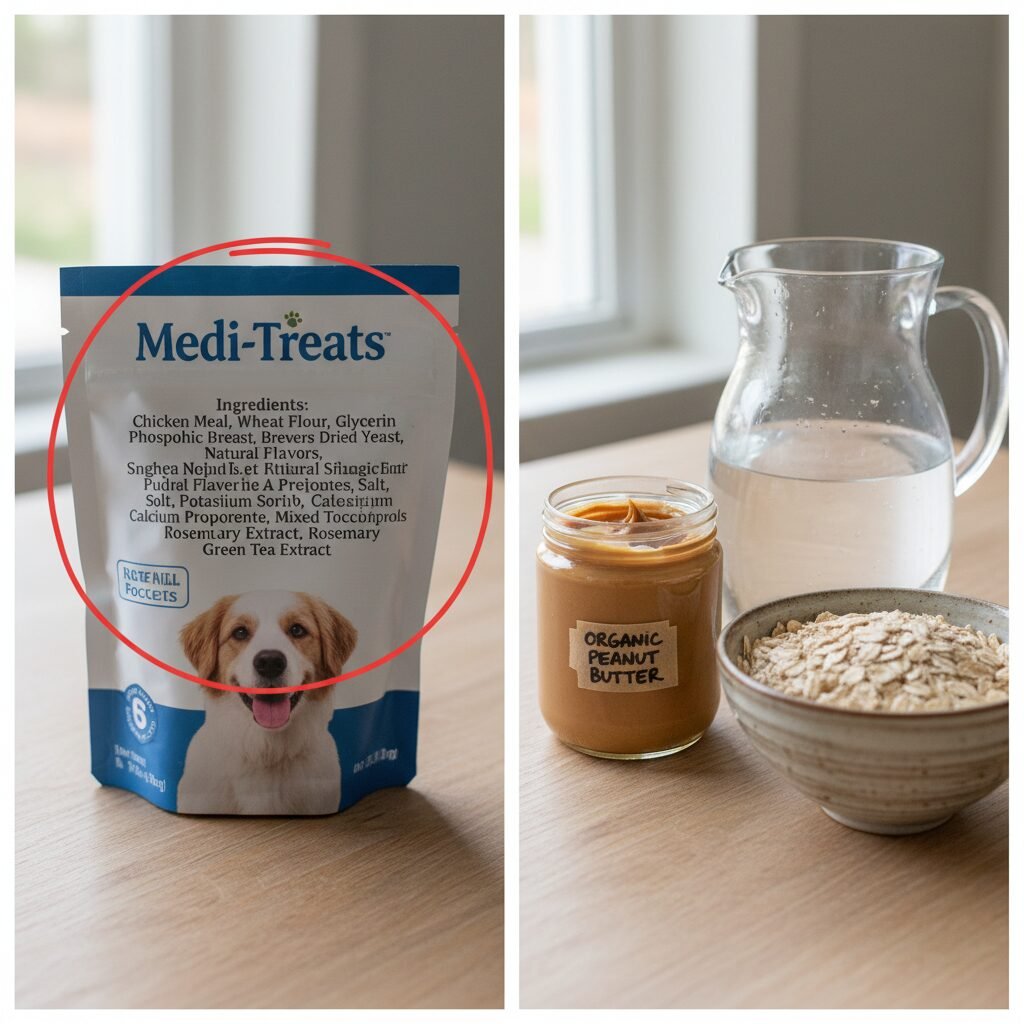
Beyond the cost, the ingredient panel on many popular pill pocket brands can be concerning. They are often formulated for maximum palatability and shelf stability, not necessarily for optimal canine health. Common ingredients you might find include:
- Fillers: Corn syrup, wheat flour, and corn starch are frequently used as cheap binding and bulking agents. These offer little nutritional value and can be problematic for dogs with grain sensitivities or allergies.
- Artificial Flavors and Preservatives: To create an irresistible taste and extend shelf life, manufacturers often use artificial chicken or beef flavoring, along with chemical preservatives like BHA or BHT, which some studies have linked to adverse health effects.
- High Sugar and Sodium: Ingredients like glycerin, molasses, and corn syrup contribute to a high sugar content, which is unnecessary for dogs and can be detrimental to those with diabetes or weight management issues. Likewise, excess sodium is unhealthy for any dog, particularly those with cardiac or kidney conditions.
Expert Tip: Always read the ingredient list. The first few ingredients make up the bulk of the product. If you see sugar, salt, or words you cannot pronounce near the top, it’s a red flag for a highly processed product.
By making your own, you have 100% control over the quality of the ingredients. You can ensure the chews are free from allergens, unnecessary sugars, and artificial additives, tailoring them perfectly to your dog’s specific dietary needs and health status.
The Core Philosophy: Simple, Safe, and Effective Ingredients
The Core Philosophy: Simple, Safe, and Effective Ingredients
The beauty of this homemade recipe lies in its simplicity. Each of the three core ingredients is chosen for its specific function, safety, and health benefits for your dog. Understanding the role of each component will empower you to make the best choices for your pet.
The Binder: Dog-Safe Peanut Butter
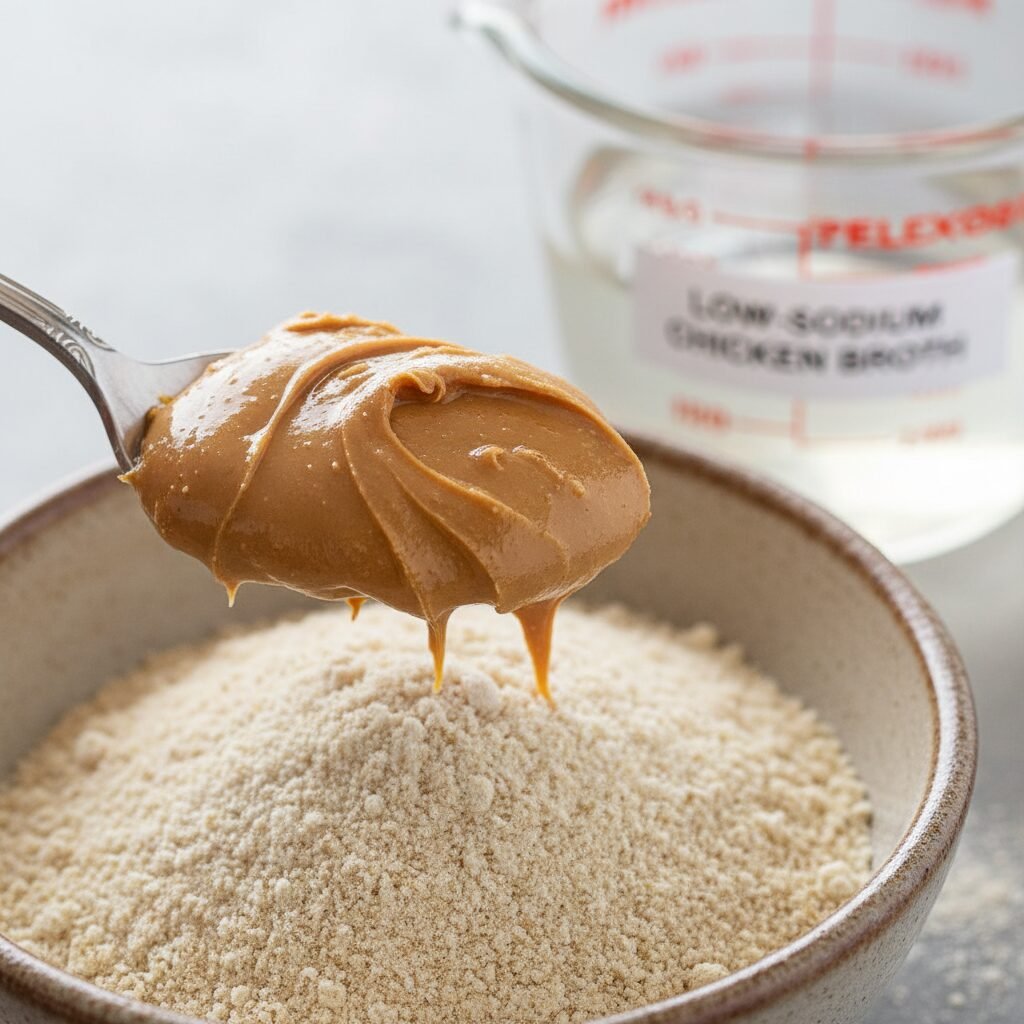
Peanut butter serves as the delicious, pliable base for our chews. Its rich flavor is highly palatable to most dogs, and its sticky texture is perfect for binding the ingredients and holding a pill securely. However, not all peanut butter is created equal. It is absolutely critical to choose a variety that is free from xylitol.
What is Xylitol? Xylitol is an artificial sweetener found in many sugar-free products, including some brands of peanut butter, gum, and baked goods. While safe for humans, it is extremely toxic to dogs. Ingestion can cause a rapid, life-threatening drop in blood sugar (hypoglycemia) and lead to liver failure. Always check the label. The safest choice is a natural peanut butter where the only ingredients are peanuts and perhaps a little salt.
The Flour: Oat Flour (or Alternatives)
Oat flour provides the structure for the chews, turning the sticky peanut butter into a workable, no-bake dough. Oats are a fantastic choice for dogs as they are a good source of fiber, vitamins, and minerals. Oat flour is also naturally gluten-free, making it an excellent option for dogs with wheat sensitivities.
Don’t have oat flour? You can make your own in seconds. Simply place old-fashioned rolled oats into a blender or food processor and blend until they reach a fine, flour-like consistency. For dogs with specific grain allergies, other flours can be substituted, such as:
- Coconut Flour: Highly absorbent, you will likely need to use less flour or add more liquid. It adds a hint of sweetness.
- Chickpea Flour (Garbanzo Bean Flour): A high-protein, grain-free option that works very well in no-bake recipes.
The Liquid: Water or Low-Sodium Broth
The final ingredient is a small amount of liquid to bring the dough together. The amount needed can vary slightly depending on the consistency of your peanut butter and the type of flour used. While plain water works perfectly well, using a low-sodium chicken or beef broth can add an extra layer of savory flavor that dogs find irresistible. If using broth, ensure it is low-sodium and does not contain onion or garlic, as these are toxic to dogs.
The Master Recipe: 3-Ingredient No-Bake Pill Chews
The Master Recipe: 3-Ingredient No-Bake Pill Chews
This recipe is incredibly forgiving and requires no baking, making it a quick and easy project you can complete in under 10 minutes. The goal is to create a firm, pliable dough similar to Play-Doh.
Ingredients & Equipment
- 1/2 cup Xylitol-Free, creamy peanut butter
- 1 cup Oat flour (plus more if needed)
- 2 to 4 tablespoons Water or low-sodium, onion-free, garlic-free broth
- Mixing bowl
- Spatula or wooden spoon
- Measuring cups and spoons
- Airtight container for storage
Step-by-Step Instructions
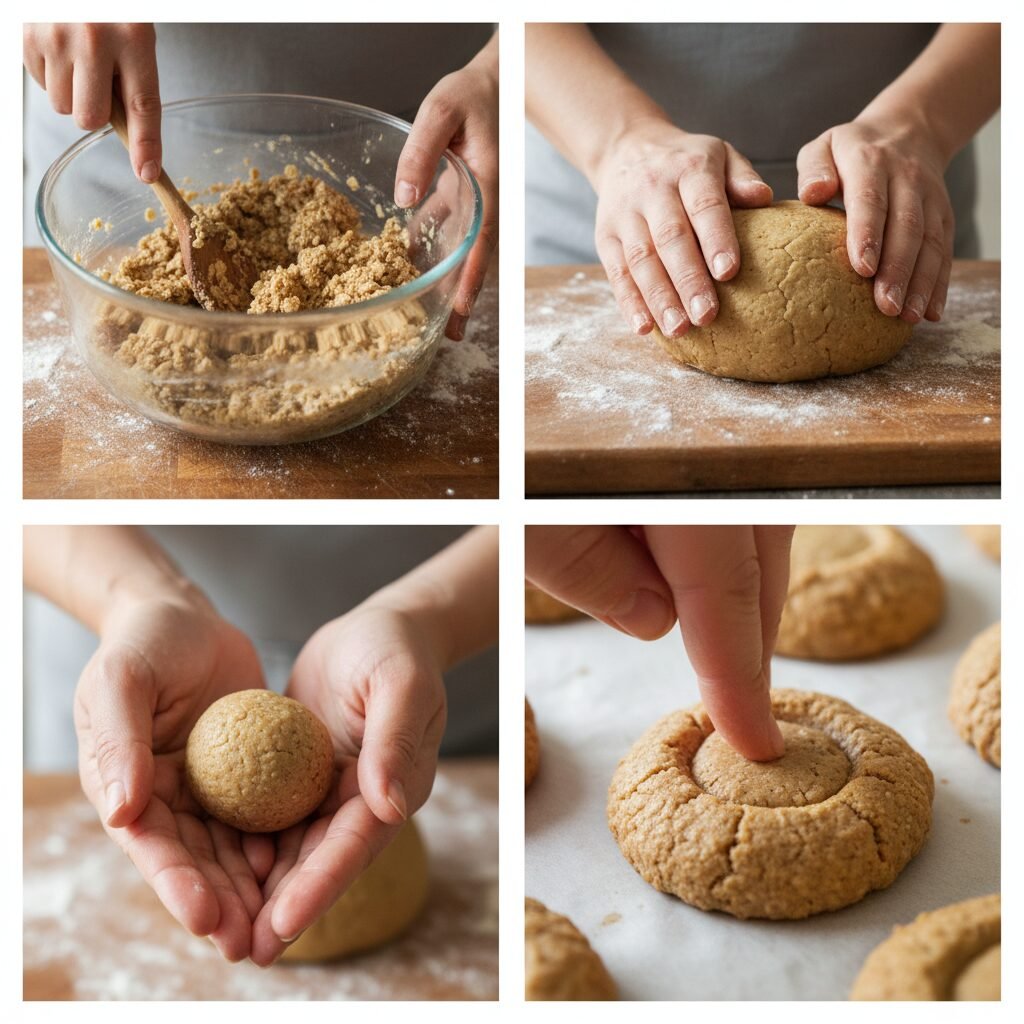
- Combine Dry and Wet Ingredients: In a medium-sized mixing bowl, add the 1/2 cup of peanut butter and 1 cup of oat flour. Use your spatula to begin mixing them together. The mixture will be crumbly and dry at this stage.
- Gradually Add Liquid: Add 2 tablespoons of your chosen liquid (water or broth) to the mixture. Continue to mix thoroughly. The dough will start to come together. If it’s still too dry and crumbly, add more liquid, one teaspoon at a time, until it forms a cohesive ball. The ideal consistency is firm and not sticky. If you accidentally add too much liquid and the dough becomes sticky, simply mix in a little more oat flour until it’s easy to handle.
- Knead the Dough: Turn the dough out onto a clean surface and knead it with your hands for about 30 seconds. This ensures all the ingredients are fully incorporated and the texture is smooth.
- Portion and Shape: Pinch off small pieces of the dough and roll them into balls. The size should be just large enough to fully conceal your dog’s pill. A teaspoon-sized portion is a good starting point for most capsules and tablets.
- Create the Pocket: Once you have your portioned balls, use your pinky finger or the rounded end of a utensil to gently press an indentation into the center of each one. This creates the ‘pocket’ where the pill will sit. You can either pre-form all the pockets or form them as needed at medication time.
Your homemade pill chews are now ready to use or store!
Customizing Your Chews for Picky Pups and Special Diets
Customizing Your Chews for Picky Pups and Special Diets
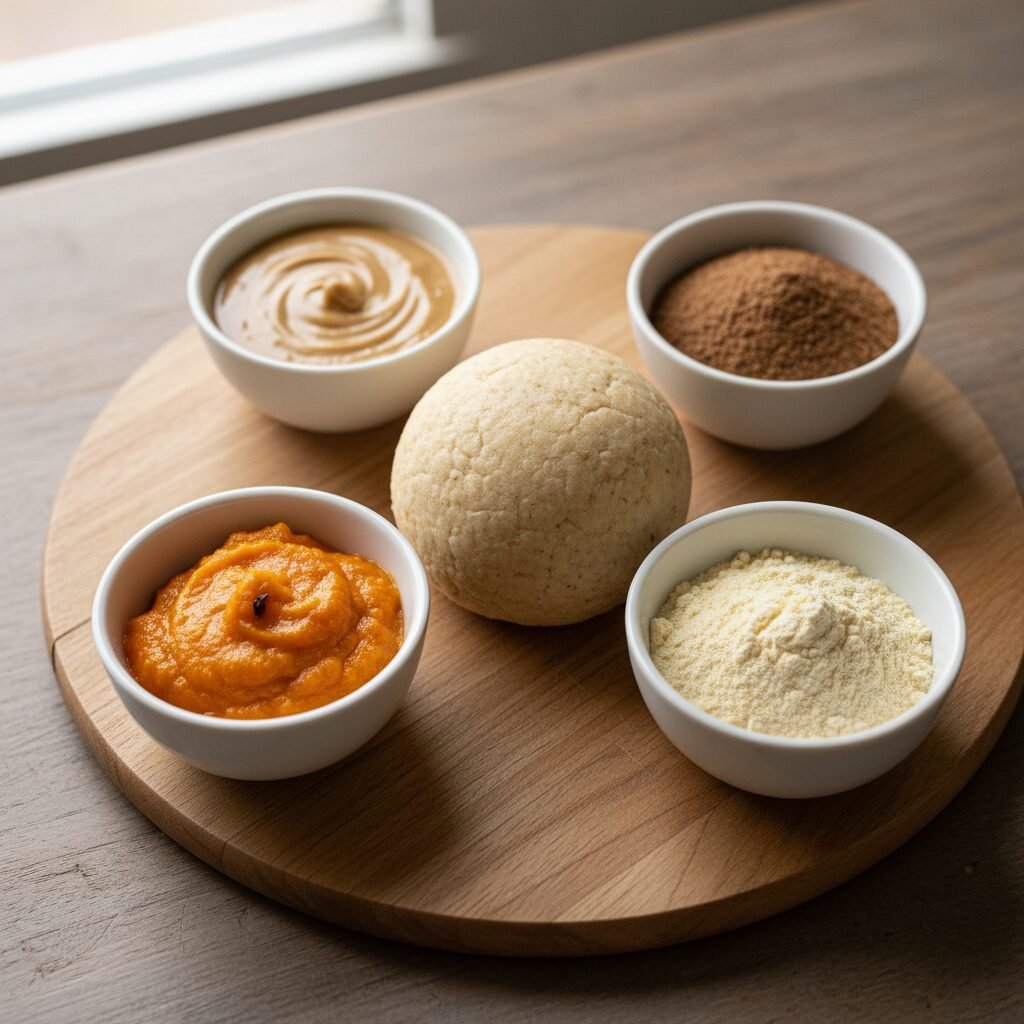
One of the greatest advantages of this recipe is its versatility. You can easily adapt it to cater to a picky eater, accommodate a food allergy, or even add a nutritional boost. Here are some expert-approved modifications.
Flavor and Moisture Enhancements
If your dog is particularly discerning, or if your dough seems a bit dry, you can incorporate a tablespoon of one of these dog-safe ingredients. Remember to reduce the amount of water or broth accordingly.
- Unsweetened Pumpkin Purée: A fantastic source of fiber, great for digestive health.
- Unsweetened Applesauce: Adds natural sweetness and moisture.
- Mashed Banana: Rich in potassium, but use in moderation due to sugar content.
Addressing Common Allergies
Food allergies are common in dogs. This recipe can be easily modified to avoid specific triggers.
| Allergen | Safe Substitute | Notes |
|---|---|---|
| Peanuts | Sunflower Seed Butter or Tahini | Ensure the product is unsalted, unsweetened, and xylitol-free. |
| Grains (Oats) | Coconut Flour or Chickpea Flour | Coconut flour is very absorbent; you may need more liquid. |
Nutrient Boosts
You can enhance the nutritional profile of your chews by adding a small amount of a beneficial supplement. Mix these in with the oat flour before adding the wet ingredients.
- Ground Flaxseed (1 tbsp): An excellent source of Omega-3 fatty acids, which support skin and coat health.
- Nutritional Yeast (1 tsp): Provides B vitamins and a savory, ‘cheesy’ flavor that dogs love.
- Probiotic Powder (as directed): If your vet has recommended a probiotic, this can be an easy way to administer it, but confirm with your veterinarian first.
Important Note: Before adding any new ingredient to your dog’s diet, especially if they have existing health conditions, it is always best to consult with your veterinarian.
Proper Storage and Administration Techniques
Proper Storage and Administration Techniques
Making a batch of pill chews is only half the battle. Storing them correctly ensures they stay fresh, and using a smart administration strategy guarantees success at medication time.
Storage for Maximum Freshness
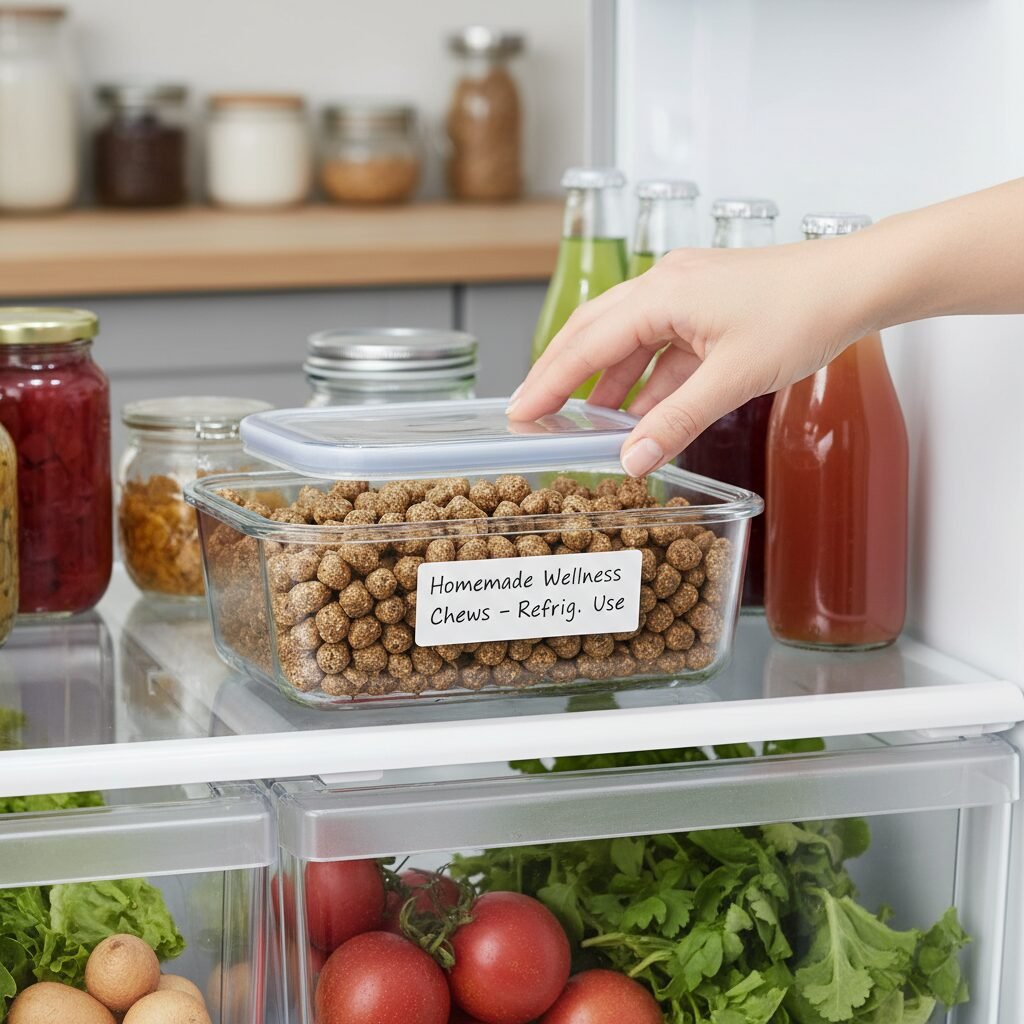
Because these chews are made from fresh ingredients with no preservatives, they must be stored properly to prevent spoilage.
- Refrigeration: Place the finished chews in an airtight container. They will keep in the refrigerator for up to 7 days.
- Freezing: For longer-term storage, arrange the chews on a baking sheet in a single layer and place them in the freezer until firm. Once frozen, transfer them to a freezer-safe bag or container. They can be stored in the freezer for up to 3 months. Simply thaw a few at a time in the refrigerator as needed.
The Art of Successful Pill Giving
For dogs who are suspicious of any treat that might contain medication, your technique matters as much as the treat itself.
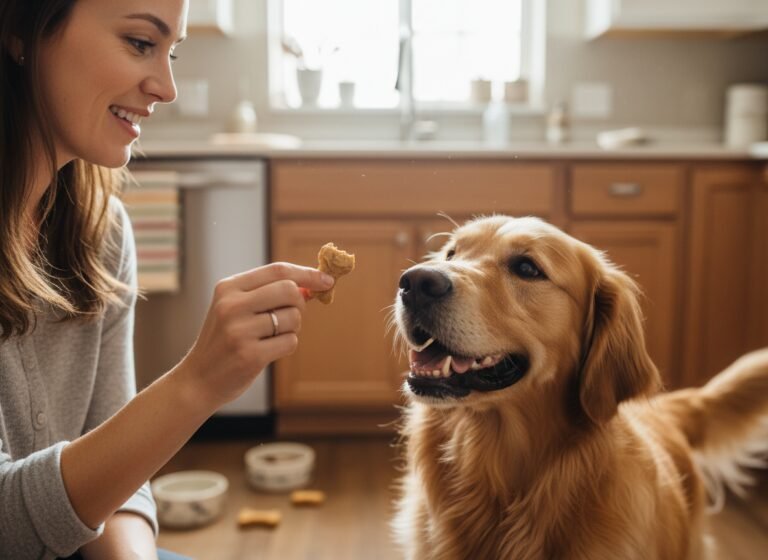
- Prepare in Secret: Don’t let your dog see you putting the pill into the chew. Prepare it in another room or while they are outside. Simply press the pill into the pocket and pinch the dough closed around it, rolling it gently to conceal any seams.
- Use the ‘Three Treat Trick’: This is a classic and highly effective method. First, give your dog a ‘dummy’ chew—one without a pill. Immediately follow it with the medicated chew. As soon as they swallow it, give them a third dummy chew as a ‘chaser’ and offer lots of praise. This process prevents them from dwelling on the second treat and conditions them to eagerly accept the sequence.
- Stay Calm and Positive: Dogs are highly attuned to our emotions. If you are anxious and tense, your dog will become suspicious. Approach medication time with a calm, confident, and cheerful demeanor. Treat it as a fun trick-and-reward session, not a medical procedure.
- Praise Extensively: After your dog has successfully taken their medication, reward them with verbal praise, petting, or a short play session. This positive reinforcement builds a strong association between taking a pill and receiving a wonderful reward, making future doses even easier.
Conclusion
Moving away from expensive, highly processed commercial pill pockets is a simple yet powerful step you can take for your dog’s health and your wallet. By investing just a few minutes in this no-bake, three-ingredient recipe, you gain complete control over what your dog consumes, eliminating unnecessary fillers, sugars, and artificial additives. You can tailor each batch to your dog’s unique dietary needs and taste preferences, transforming a potentially stressful daily chore into a positive and rewarding bonding experience. Embrace the simplicity and health benefits of homemade, and make medication time the best part of your dog’s day.