
Bufo Toad Danger: Emergency Aversion Training to Save Your Dog’s Life
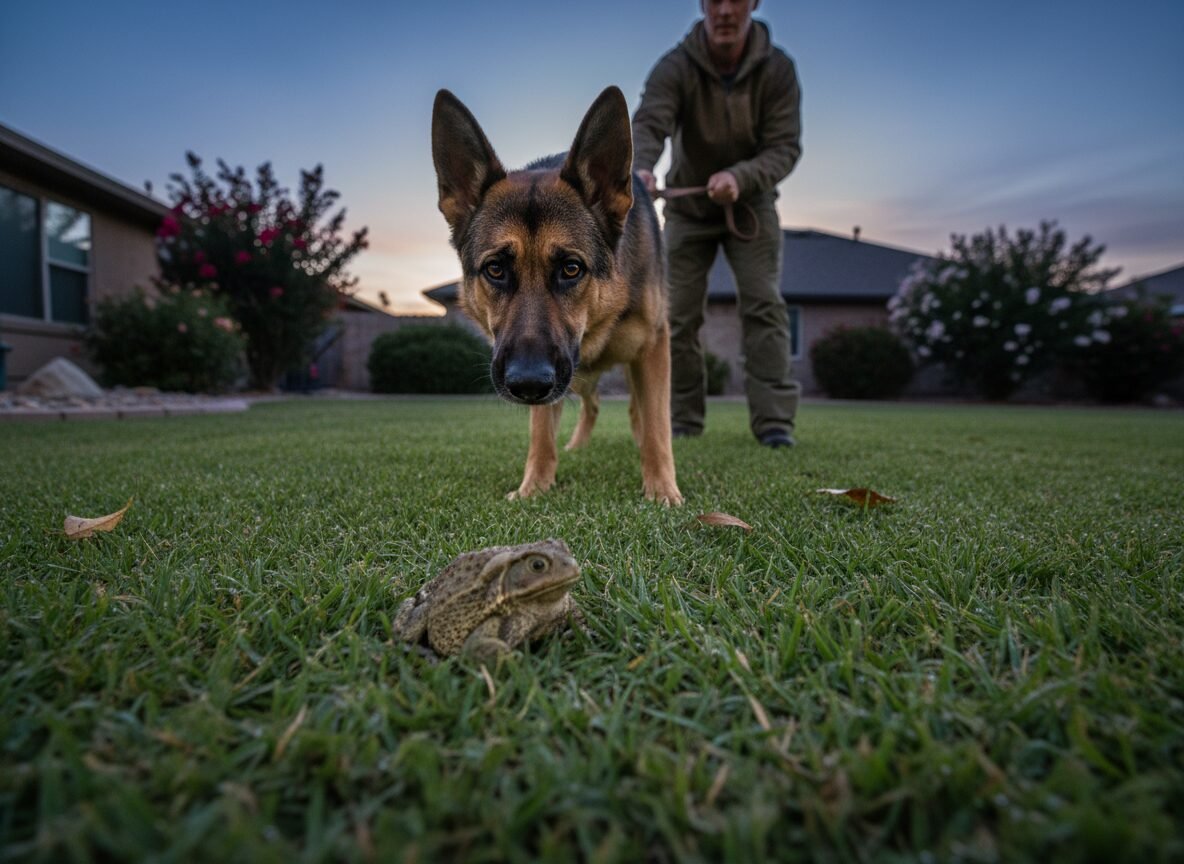
For dog owners residing in humid, subtropical climates, the presence of the Bufo toad, also known as the Cane toad (Rhinella marina), represents a significant and often fatal threat. These large, seemingly slow-moving amphibians carry a potent, milky-white toxin in their parotoid glands that can kill a dog in as little as 15 minutes. An accidental lick or bite can trigger a rapid cascade of severe neurological and cardiac symptoms, turning a peaceful evening in the yard into a veterinary emergency. While vigilance is crucial, it is not always enough. The most effective defense is proactive training. This guide provides an authoritative, in-depth protocol for emergency aversion training, a specialized technique designed to teach your dog to recognize and actively avoid these dangerous creatures, potentially saving its life.
Understanding the Threat: The Deadly Bufo Toad Profile

Identifying the Danger
Before implementing any training protocol, it is imperative to correctly identify the threat. Bufo toads are an invasive species in many regions, including Florida, Texas, and Hawaii. They are distinguishable from native, harmless toads by several key features:
- Size: They are exceptionally large, typically ranging from 4 to 6 inches in length, with some reaching over 9 inches.
- Parotoid Glands: Their most defining feature is the pair of large, triangular glands located on their shoulders, directly behind each eye. These glands produce and store the bufotoxin.
- Skin: Their skin is warty and dry, typically brown or grayish-brown in color.
- Behavior: They are most active at night, especially in warm, humid weather or after rainfall, congregating near light sources and water.
The Mechanism of Poisoning
The danger lies in the bufotoxin, a complex chemical cocktail containing bufagenins, which act similarly to digitalis on the heart, and bufotenin, which has hallucinogenic effects. When a dog mouths, licks, or bites the toad, the pressure causes the parotoid glands to secrete the toxin, which is then rapidly absorbed through the mucous membranes of the dog’s mouth. The onset of symptoms is terrifyingly swift.
Clinical Signs of Bufo Toad Toxicity
Recognizing the symptoms is the first step in emergency response. Pet owners must be aware of the following signs:
- Immediate and Profuse Drooling: Thick, foamy saliva is often the very first sign.
- Pawing at the Mouth: The dog may frantically paw at its face due to pain and irritation.
- Brick-Red Gums: The mucous membranes become intensely red and inflamed.
- Vomiting and Diarrhea: Gastrointestinal upset is common as the toxin is absorbed.
- Neurological Symptoms: These can include head shaking, stumbling, loss of coordination (ataxia), circling, and full-blown seizures.
- Cardiac Arrhythmias: The toxin’s effect on the heart can cause an irregular, rapid heartbeat, which can lead to cardiac arrest.
- Crying or Whining: The dog is often in extreme pain and disoriented.
Any dog exhibiting these signs after known or suspected contact with a Bufo toad requires immediate veterinary intervention. There is no home remedy for severe poisoning; professional medical care is the only path to survival.
The Principles of Effective Aversion Training
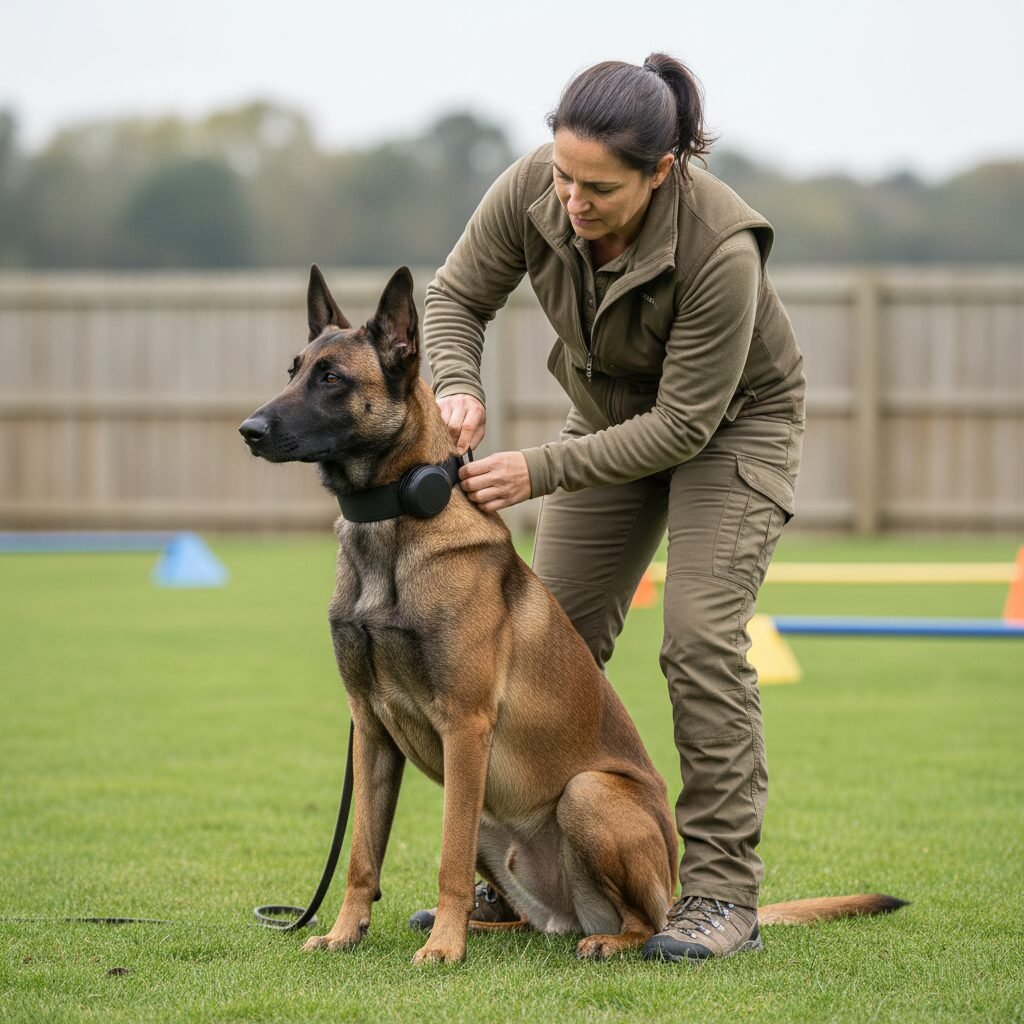
Canine aversion training is a specialized form of conditioning designed to create a powerful, negative association with a specific stimulus—in this case, the Bufo toad. The goal is to teach the dog that interacting with the toad results in an unpleasant experience, compelling it to avoid the toad in all future encounters. This process leverages principles of classical and operant conditioning to build a reliable, life-saving behavior.
Why Aversion Training is Necessary
Dogs are naturally curious. Their instinct is to investigate new sights, smells, and sounds with their mouths. For a predatory animal like a dog, a slow-moving toad can seem like an interesting toy or potential prey. Simple commands like ‘Leave It’ may fail when a dog’s prey drive is activated or when an owner is not present to give the command. Aversion training works at a more primal level, creating an instinctual avoidance that functions even without direct supervision.
The Role of Remote Training Collars (E-Collars)
In the context of life-or-death situations, the use of a modern electronic collar, or e-collar, is considered a standard and humane tool by many professional trainers. It is crucial to distinguish these from archaic ‘shock collars.’ Modern e-collars deliver a form of electronic muscle stimulation (TENS), similar to that used in physical therapy. They offer a wide range of levels, allowing for the application of a startling, but not harmful, stimulus.
Expert Tip: The key to effective e-collar use is timing. The stimulation must be applied at the precise moment the dog shows interest in the toad (e.g., sniffing, moving toward it). This timing creates a clear association: ‘Interest in toad causes this unpleasant feeling.’ The goal is not to punish the dog, but to create a clear communication that the object of its interest is dangerous.
When used correctly under professional guidance, an e-collar provides the most reliable method for creating a lasting aversion that can withstand the distraction of high prey drive and function when the owner is not around.
Step 1: Assembling Your Aversion Training Toolkit
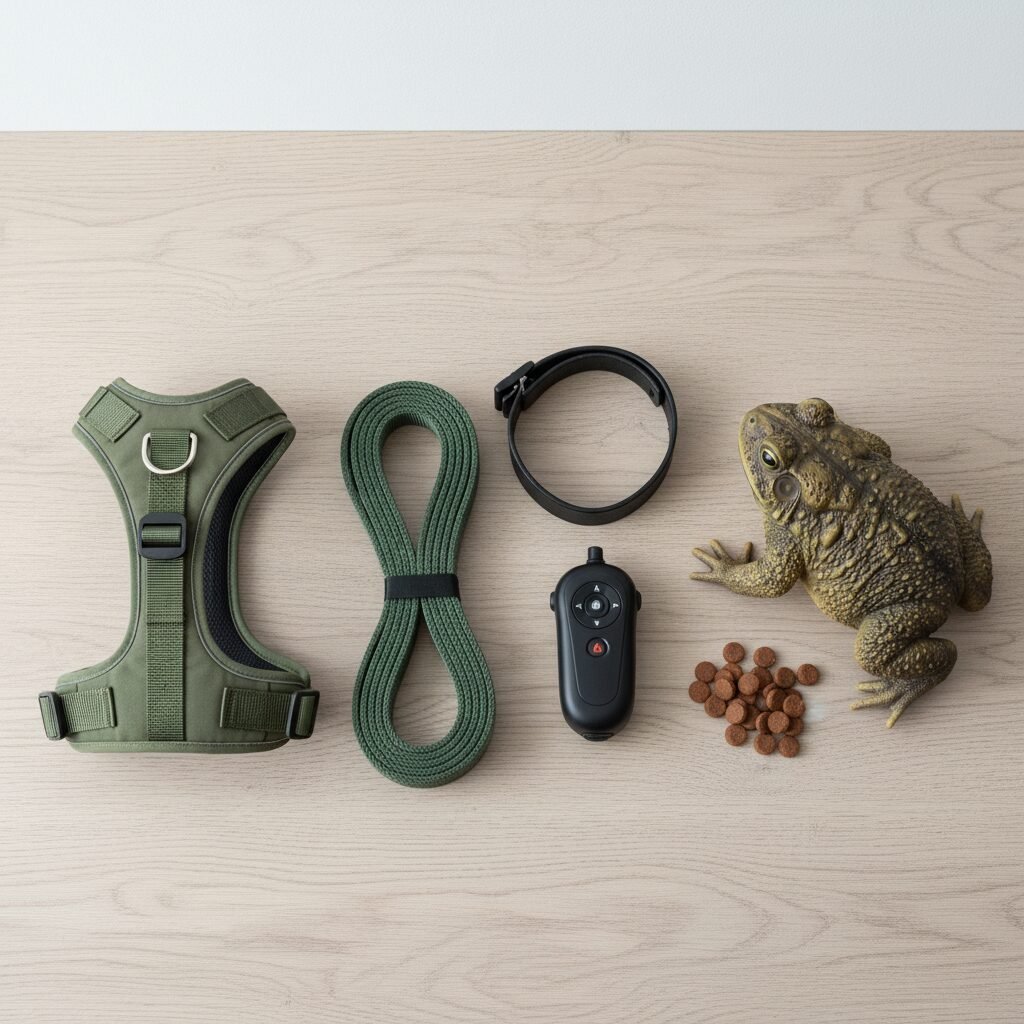
Proper preparation is fundamental to a safe and successful training session. Attempting this training without the correct equipment can be ineffective and potentially dangerous for both the dog and the handler. Before you begin, gather the following essential items:
- High-Quality E-Collar: Select a reputable brand known for its reliability and wide range of stimulation levels. The collar should fit snugly on the dog’s neck, with the contact points making good contact with the skin.
- Long Leash (15-20 feet): A long line provides control and safety, allowing the dog enough freedom to approach the stimulus naturally while ensuring you can prevent physical contact.
- Secure, Well-Fitted Harness: A harness is used to attach the long line. Never attach a long line to a dog’s flat collar, as this can cause serious neck injury if the dog hits the end of the line at speed. The e-collar is for stimulation; the harness is for physical control.
- The Stimulus (Toad): This is the most critical component. There are two primary options:
1. A Realistic Decoy
For many owners, a realistic rubber or plastic toad model is the safest and most accessible option. It can be used to simulate the visual appearance of the toad.
2. A Live, Contained Toad
This is the most effective method and should only be performed under the guidance of an experienced professional trainer. The live toad is placed in a secure, well-ventilated container (like a wire cage) that prevents any possibility of escape or physical contact with the dog but allows the dog to experience the sight, smell, and even sound of the real animal. This creates a much stronger and more comprehensive aversion.
- High-Value Rewards: While the primary conditioning is negative, you will use positive reinforcement to reward the dog for making the correct choice to disengage and move away from the toad. This could be a favorite toy or a particularly desirable food treat.
| Tool | Purpose | Key Feature |
|---|---|---|
| E-Collar | Deliver timed, unpleasant stimulus | Multiple intensity levels, waterproof |
| Long Leash | Maintain control at a distance | 15-20 feet in length, durable material |
| Harness | Safe physical restraint | Non-restrictive, back-clip attachment |
| Toad Stimulus | Create the training scenario | Realistic (decoy) or Live (contained) |
| Rewards | Reinforce disengagement | High-value to the specific dog |
Step 2: The Aversion Training Protocol in Action
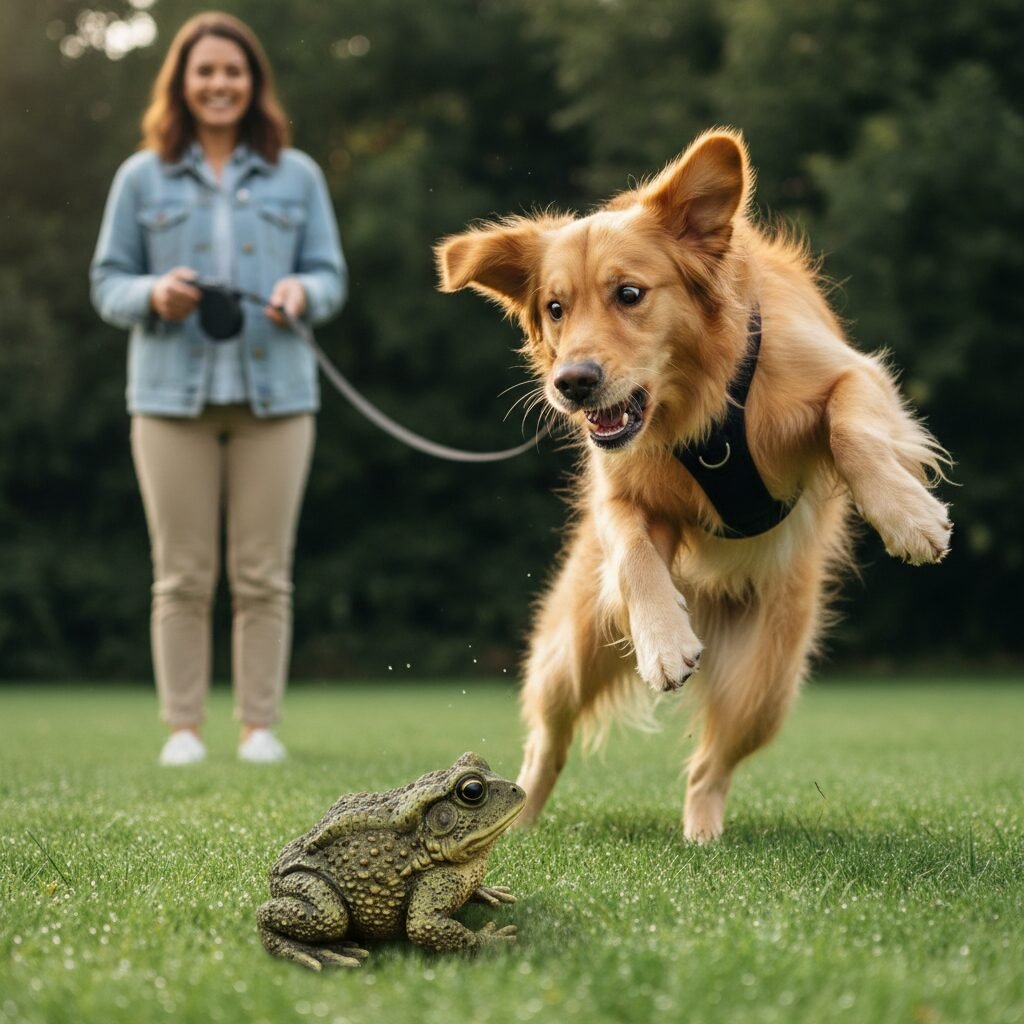
This protocol must be executed with precision and calm confidence. The dog will feed off your energy. It is highly recommended to perform these steps with a qualified professional. The following is an outline of the standard procedure.
-
Familiarize the Dog with the E-Collar
Before the session, have the dog wear the e-collar (turned off) for short periods to acclimate to the feel of it. The collar should not be associated only with the training exercise.
-
Establish the Working Level
Find the lowest level of stimulation on the e-collar that your dog notices. This is the ‘working level.’ It should be just enough to get a small reaction, like an ear twitch or a turn of the head, not a yelp. The goal is to startle, not to inflict pain.
-
Set Up the Controlled Environment
Choose a quiet outdoor area familiar to your dog, such as your backyard. Place the contained live toad or the decoy in the grass. Ensure the dog is on the long line attached to its harness and you have the e-collar remote in hand.
-
The Approach and Correction
Allow the dog to walk around the area on the long line. When the dog notices the toad and begins to show interest (moving toward it, sniffing the air, ears pricked), allow it to approach. The instant its nose gets close to the stimulus—the moment of commitment—press the stimulation button on the remote. The level should be high enough to be startling and unpleasant, causing the dog to recoil.
-
Redirection and Reward
The moment the dog pulls back from the toad, release the stimulation. Use gentle leash pressure to guide the dog away and praise it enthusiastically. When it has moved a significant distance away and is focused on you, reward it with the high-value treat or toy. This teaches the dog that moving away from the toad is a positive, rewarding choice.
-
Repetition and Proofing
Repeat the exercise a few times in the same session, but do not overdo it. You want the lesson to be sharp and memorable. In subsequent days, ‘proof’ the training by placing the stimulus in different locations around the yard and practicing at different times of day, especially at dusk and dawn when toads are most active. The dog must learn that all toads, everywhere, are to be avoided.
Post-Training: Reinforcement and Environmental Safety

Maintaining the Training
Aversion training is highly effective, but it is not a ‘one-and-done’ solution. The behavior must be maintained for long-term reliability. Schedule brief ‘refresher’ sessions every few months, especially at the beginning of the rainy season when toads become more active. These sessions reinforce the negative association and ensure the dog’s avoidance behavior remains sharp. During these refreshers, if the dog shows zero interest and actively avoids the area where the stimulus is placed, this is a strong indicator that the initial training was successful. Reward this natural avoidance behavior with praise.
Making Your Yard Less Toad-Friendly
In addition to training, environmental management is a critical layer of protection. By making your property less hospitable to Bufo toads, you reduce the chances of an encounter in the first place. Implement the following strategies:
- Eliminate Standing Water: Toads are attracted to water for hydration and breeding. Empty birdbaths, children’s toys, and plant saucers. Ensure your irrigation system does not create puddles.
- Manage Food Sources: Bring pet food and water bowls inside at night. Outdoor food is a major attractant for toads and the insects they eat. Secure garbage can lids and clean up any fallen fruit from trees.
- Reduce Shelter: Keep your lawn mowed and clear away brush piles, high weeds, and other debris where toads can hide from the sun during the day. Fill in any burrows or holes they might use.
- Use Lighting Wisely: Outdoor lights attract insects, which in turn attract toads. Consider using motion-activated lights instead of leaving them on all night, or use yellow ‘bug lights’ which are less attractive to insects.
- Install Barriers: While costly, installing a fine mesh barrier around the perimeter of your yard can be an effective way to physically block toads from entering.
Emergency Protocol: What to Do If Exposure Occurs
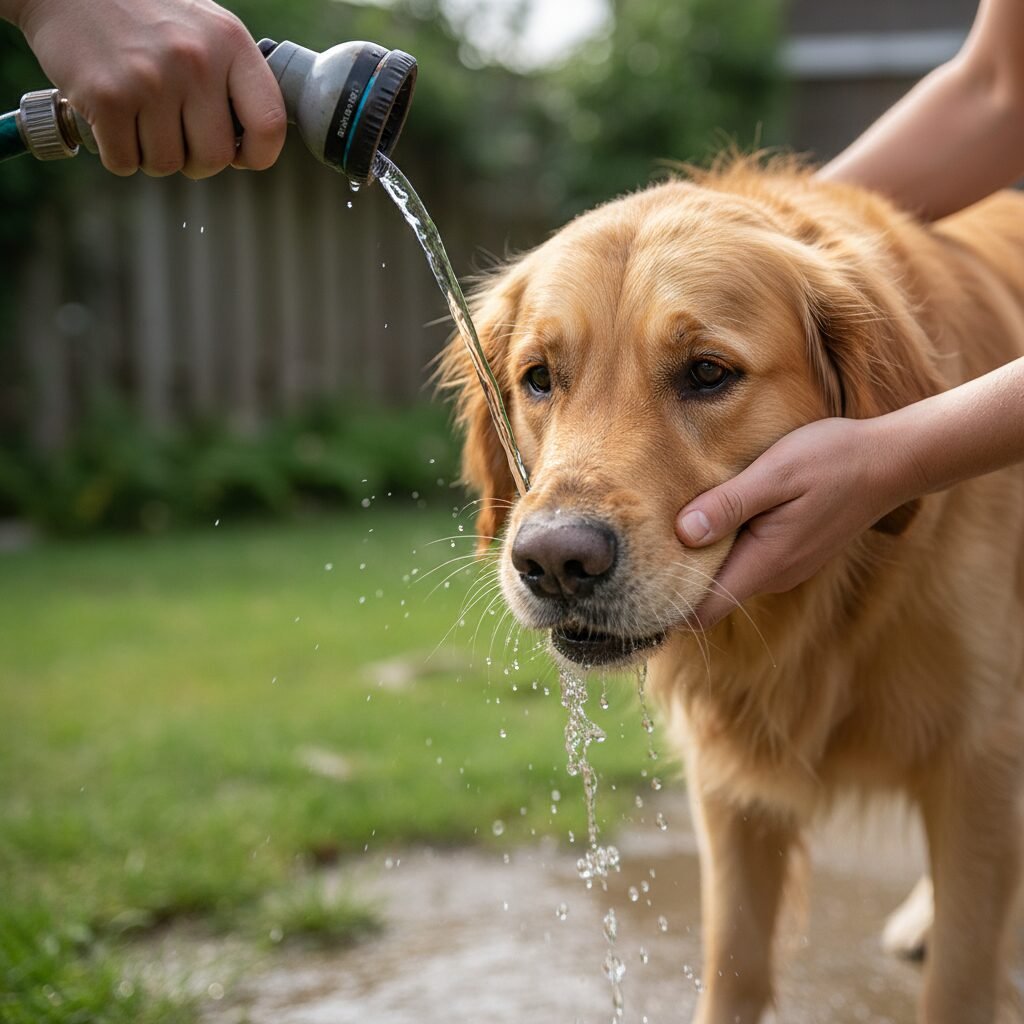
Despite your best efforts with training and environmental management, an accident can still happen. If you suspect your dog has come into contact with a Bufo toad, you must act immediately. Time is the most critical factor.
This is a life-threatening veterinary emergency. The goal of first aid is to reduce toxin absorption while you are en route to the nearest emergency veterinary hospital.
Follow these steps precisely:
-
Immediately Restrain Your Dog
Safely secure your dog to prevent it from running off in a panicked state or having a seizure in an unsafe location.
-
Wipe the Gums and Mouth
Take a wet cloth or paper towel and vigorously wipe the inside and outside of your dog’s mouth, including the gums, tongue, and roof of the mouth. The toxin is very sticky, and this physical removal is the most important first step. Rinse the cloth and repeat several times.
-
Rinse with Water (Carefully)
If possible, use a garden hose with low pressure or a faucet sprayer to rinse the dog’s mouth. CRITICAL: You must point your dog’s head downward and forward, so the water flows out of the mouth and is not swallowed. Swallowing the water will introduce the toxin into the gastrointestinal tract, worsening the poisoning. Rinse for 5-10 minutes.
-
Call Your Veterinarian or Emergency Clinic
While you are performing first aid (or have someone else do it), call your vet or the nearest 24/7 emergency animal hospital. Inform them that you have a suspected Bufo toad poisoning and you are on your way. This allows them to prepare for your arrival.
-
Proceed Immediately to the Veterinarian
Do not delay. Do not ‘wait and see.’ Your dog will require professional medical intervention, which may include intravenous fluids, anti-seizure medication, and drugs to control cardiac arrhythmias. The prognosis is significantly better with rapid and aggressive veterinary care.
Conclusion
The Bufo toad poses a lethal threat to dogs in many parts of the country. While the prospect of an encounter is frightening, pet owners are not helpless. Proactive, professional aversion training is the single most effective tool for preventing a tragedy. By teaching your dog to make a life-saving choice to avoid these amphibians, you provide a layer of protection that functions even when you are not there to supervise. This training, combined with diligent environmental management and a clear understanding of the emergency first-aid protocol, empowers you to safeguard your canine companion. Take this threat seriously, invest in proper training, and ensure you are prepared to act decisively. Your dog’s life may depend on it.