Canine Freestyle: 5 Beginner Dance Moves to Show Off Your Dog’s Moves
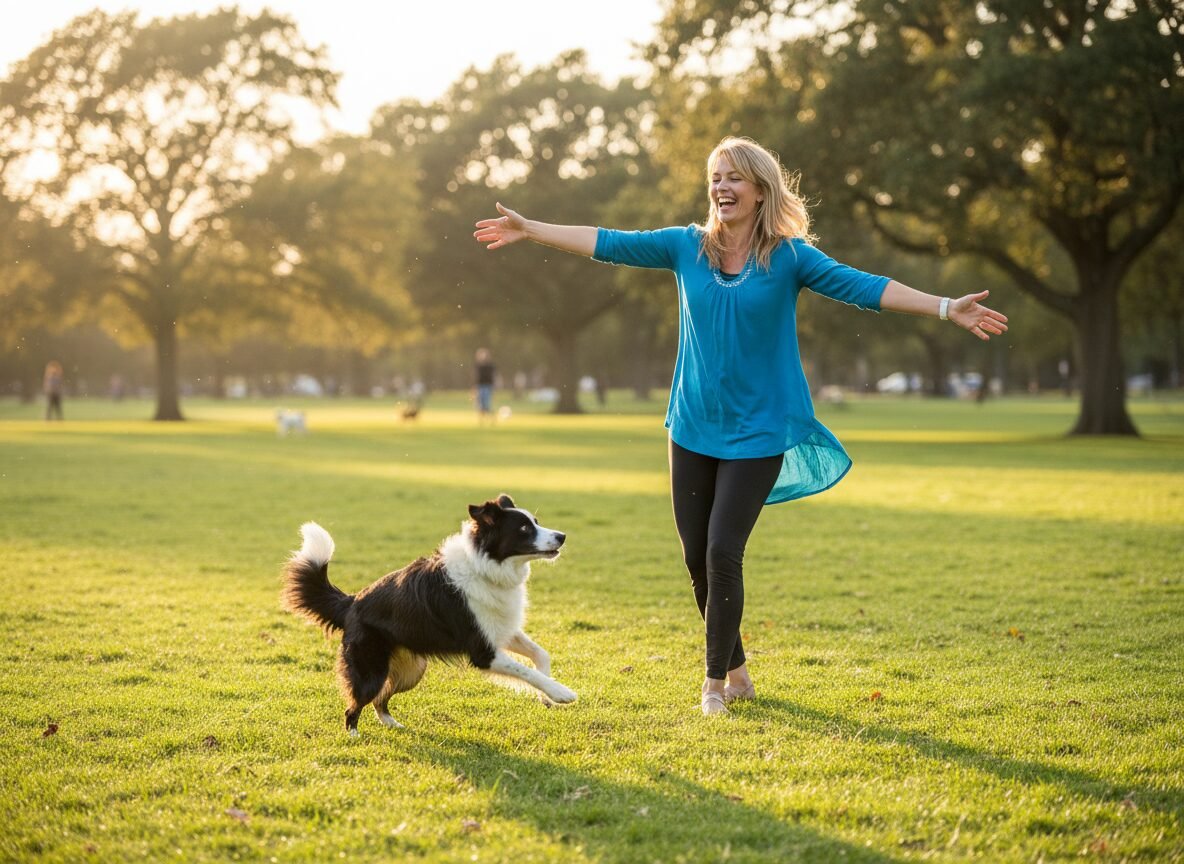
Canine Freestyle, often described as ‘dancing with dogs,’ is a captivating and rapidly growing dog sport that showcases the creative bond between a dog and its handler. It’s more than just a series of tricks; it’s a choreographed musical performance that blends obedience, artistry, and teamwork into a seamless routine. This engaging activity offers profound benefits beyond the show ring, providing essential mental stimulation, physical exercise, and a unique opportunity to deepen communication and trust with your canine companion.
Whether you dream of competing or are simply seeking a new and exciting way to interact with your dog, Canine Freestyle is an accessible and rewarding endeavor. It relies on the principles of positive reinforcement, making the learning process enjoyable for dogs of all breeds, ages, and sizes. In this comprehensive guide, we will lay the groundwork for your freestyle journey, starting with the core principles of training and progressing to five foundational dance moves that will form the building blocks of your first routine. Prepare to unlock your dog’s hidden talents and choreograph a dance that celebrates your unique partnership.
Foundations of Canine Freestyle: Preparing for Your First Dance
Foundations of Canine Freestyle: Preparing for Your First Dance
Before you cue the music and begin your first lesson, establishing a solid foundation is paramount to success and enjoyment in Canine Freestyle. This preparatory phase ensures your dog is mentally and physically ready to learn, and that you have the right tools and mindset to be an effective teacher and dance partner. Success in this sport is built on clear communication, positive association, and a distraction-free learning environment.
Prerequisite Skills
Your dog doesn’t need to be a master of obedience, but a few basic skills will make the process significantly smoother. Ensure your dog has a reliable understanding of the following:
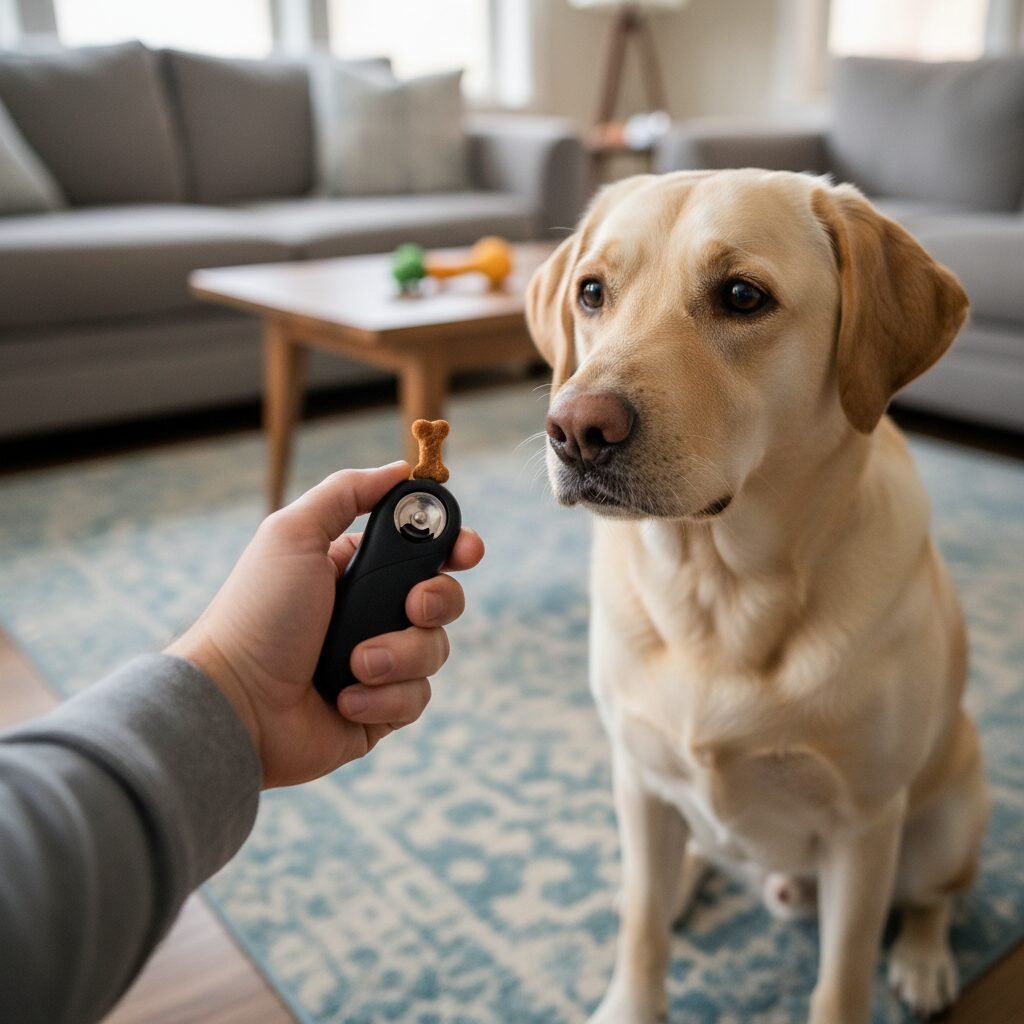
- Focus/Attention: The ability to watch you and wait for cues, even with minor distractions. A ‘watch me’ or ‘look’ command is invaluable.
- Sit & Down: These basic positions serve as starting and ending points for many moves.
- Stay: A short ‘stay’ helps with control and positioning during training.
- Luring: Your dog should be comfortable following a treat or toy in your hand. This is the primary method for guiding them into new positions and movements.
Essential Tools and Environment
Gathering your supplies beforehand allows you to focus entirely on your dog during training sessions. You will need:
- High-Value Treats: Small, soft, and extra-tasty treats that your dog loves. These are your primary reinforcers.
- A Clicker (Optional): A clicker can be a powerful tool for marking the exact moment your dog performs the correct behavior, but a consistent verbal marker like ‘Yes!’ works just as well.
- A Safe, Non-Slip Surface: Train on a rug, carpet, or grass to prevent slipping, which can cause injury or make your dog hesitant to move.
- Upbeat Music: While not essential for teaching individual moves, playing music during sessions can help both of you get into the rhythm and make it more fun.
Expert Tip: Keep your training sessions short and positive. Aim for multiple 5-10 minute sessions throughout the day rather than one long, exhausting session. Always end on a high note with a move your dog knows and loves to build their confidence.
The 5 Foundational Moves: Your Step-by-Step Guide
The 5 Foundational Moves: Your Step-by-Step Guide
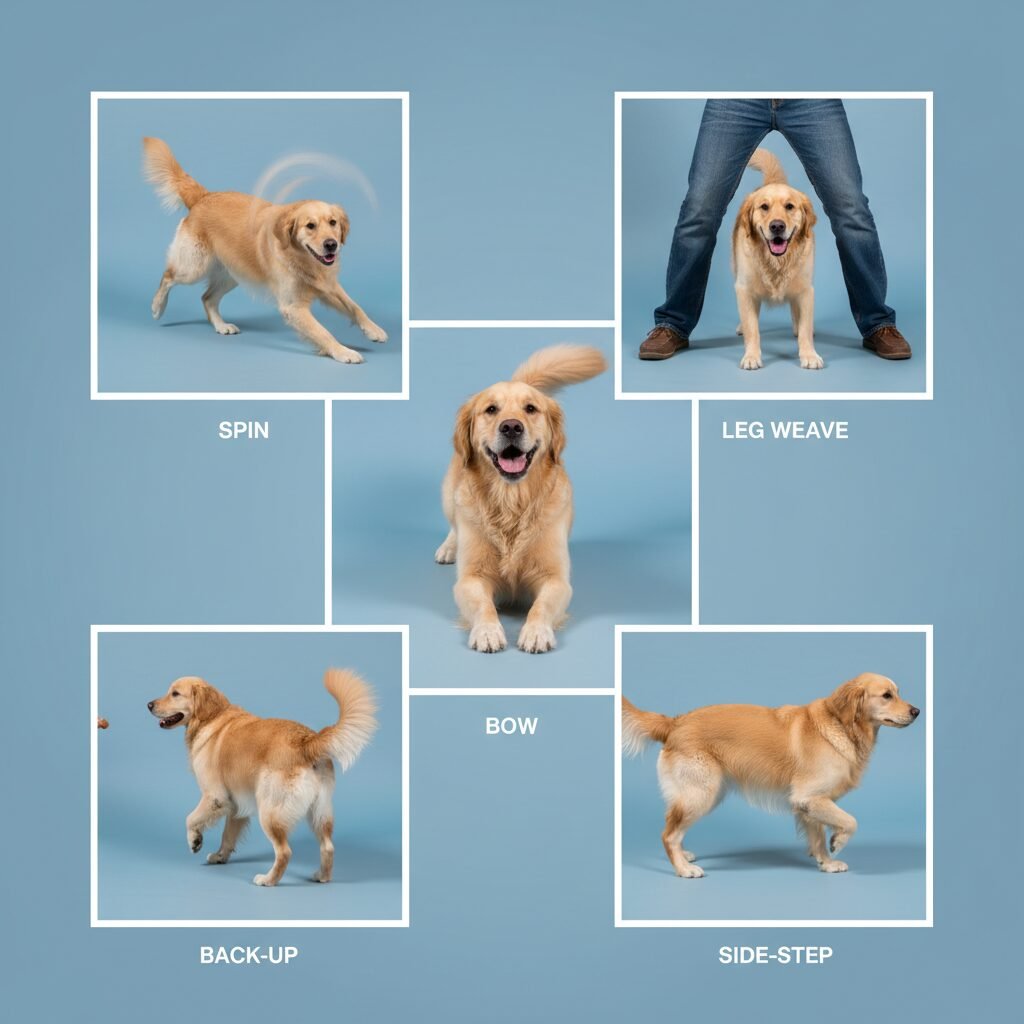
These five moves are the cornerstones of many beginner freestyle routines. They teach different types of body awareness and movement—turning, moving around you, and even going backward. Master these, and you’ll have a versatile toolkit for your choreography. Remember to work on one move at a time until your dog shows confidence before introducing the next.
Move 1: The Spin
The spin is a classic and visually appealing move where the dog turns in a full circle on the spot.
- Hold a treat near your dog’s nose while they are in a standing position.
- Use the treat to lure your dog’s head around towards their tail. As their head turns, their body will naturally follow.
- Guide them in a full circle. The moment they complete the circle, click or say ‘Yes!’ and give them the treat.
- Repeat this process several times. Once your dog understands the motion, start adding a verbal cue like ‘Spin’ or ‘Twirl’ just as you begin the lure.
- Gradually fade the hand lure, making the hand signal smaller and more subtle, until your dog responds to the verbal cue alone.
Move 2: The Leg Weave
This dynamic move involves the dog weaving through your legs as you step forward, creating a figure-eight pattern.
- Start with your feet wide apart. Hold a treat in your right hand and lure your dog from the front, through your legs, to the back.
- As they pass through, transfer the treat to your left hand behind your back.
- Use the treat in your left hand to lure them around your left leg to the front again. Reward them.
- Practice this in both directions. Once the dog is comfortable, you can begin to take slow, deliberate steps forward as you guide them through.
- Add a verbal cue like ‘Weave’ or ‘Through’ as they begin the movement.
Move 3: The Bow
The bow is a lovely, respectful-looking posture that serves as a great opening or closing move for a routine.
- Start with your dog in a standing position. Hold a treat in your hand.
- Lower the treat straight down between their front paws. To follow it, they will need to lower their front end while keeping their back end up, mimicking a natural play bow.
- The instant their elbows touch the floor, click or say ‘Yes!’ and release the treat.
- If your dog lies down completely, you’ve held the lure too long. Reward them just before their back end collapses.
- Practice this, adding the cue ‘Bow’ as you lower your hand. With repetition, you can fade the lure and use only a hand signal or verbal cue.
Move 4: The Back-Up
Teaching a dog to walk backward on cue is not only a cool trick but also fantastic for building their body awareness.
- Have your dog stand directly in front of you, facing you.
- Hold a flat palm or a treat directly in front of their nose and slowly walk into their space. To avoid your hand, they will naturally take a step backward.
- The moment they take even one step back, click or say ‘Yes!’ and reward them.
- Reset and repeat, gradually asking for two or three steps before rewarding.
- Introduce a verbal cue like ‘Back’ or ‘Reverse’ as you begin to move toward them.
Move 5: Side-Step (or Side-Pass)
In this move, the dog walks sideways while remaining parallel to you. This is excellent for transitions in a routine.
- Have your dog stand at your left side, facing the same direction as you.
- Hold a treat in your left hand near their nose. Take a small step to your right.
- To follow the treat, your dog will have to take a step sideways with you. The moment they do, reward them.
- Practice this in short bursts, rewarding any lateral movement. This can be a tricky concept for some dogs.
- Once they understand the game, add your cue, such as ‘Side’ or ‘Step’. You can then build up to multiple steps in a row.
Choreographing Your First Routine: Putting It All Together
Choreographing Your First Routine: Putting It All Together
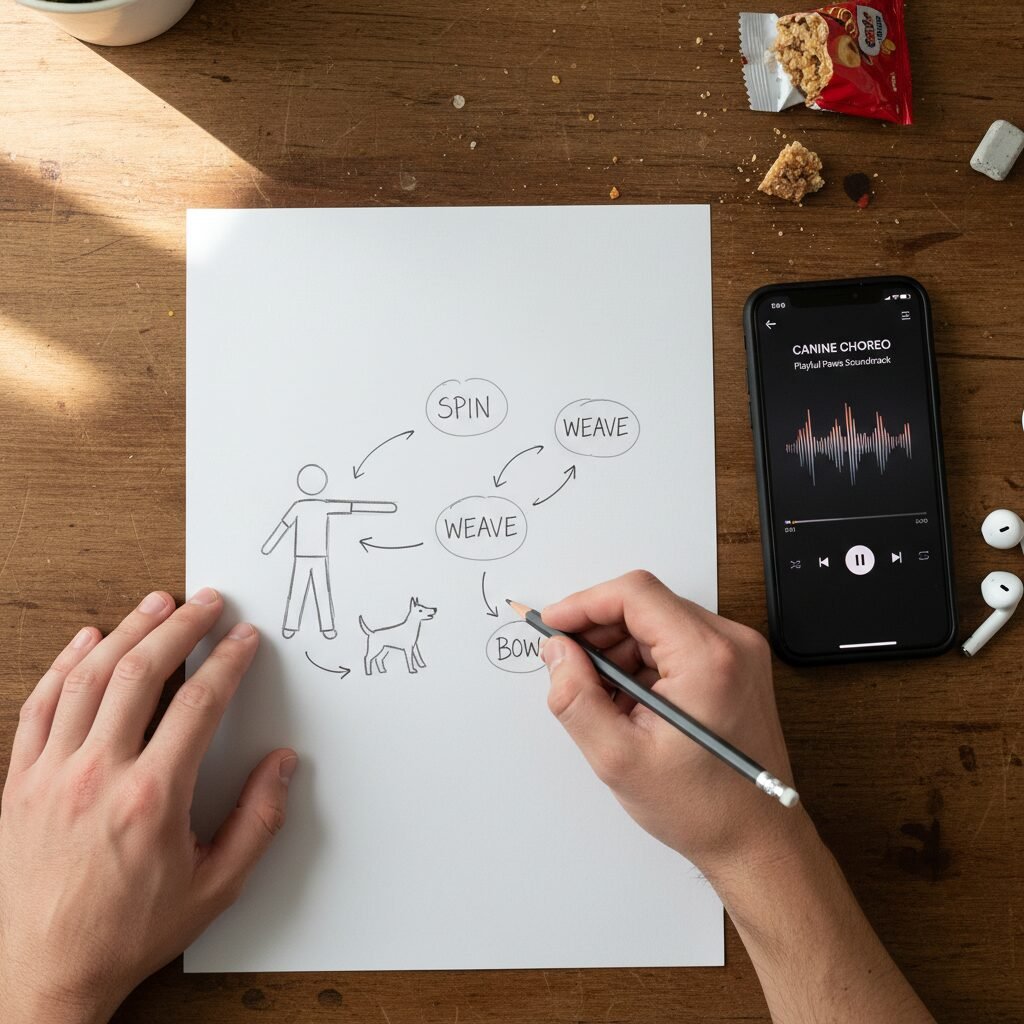
Once your dog has a confident understanding of several moves, you can begin the exciting process of choreography. The goal is not perfection, but to create a short, joyful sequence that you and your dog can perform together. This is where your creativity and your dog’s personality truly shine.
Choosing Your Music
The music sets the tone for your entire routine. For your first dance, choose a piece of music that is relatively short (1-2 minutes) and has a clear, steady beat. The tempo should match your dog’s natural pace—a slower song for a Basset Hound, a more upbeat track for a Jack Russell Terrier. Most importantly, pick a song that you love and that makes you want to move!
Linking the Moves
The art of choreography lies in creating smooth transitions between moves. Think about how one position can flow naturally into the next. For example:
- A Spin can transition beautifully into having the dog move to your other side.
- After a Leg Weave, the dog is positioned perfectly behind you to begin a Back-Up sequence together.
- A Bow makes an excellent opening or closing pose.
Don’t just string tricks together. Think about your own movement as well. Your steps, turns, and arm movements are part of the dance. Practice moving from one position to the next without your dog first to get a feel for the flow. Then, begin teaching your dog the sequence, one link at a time. For instance, practice cueing a ‘Spin’ and then immediately luring them into a ‘Leg Weave’. Reward them for the successful two-move combination.
| Routine Component | Example Sequence | Choreography Tip |
|---|---|---|
| Opening | Dog sits at your side, you both look at the ‘audience’. | Start with a simple, stationary position to ground both of you. |
| Sequence 1 | Cue ‘Spin’ to the left, then a ‘Leg Weave’ as you walk forward. | Use your body movement to help cue the next move. Your forward step signals the weave. |
| Transition | You turn to face your dog. | Transitions are the ‘glue’. They should be as practiced as the moves themselves. |
| Sequence 2 | Cue ‘Back-Up’ for a few steps, then cue ‘Bow’. | Vary the direction of movement to keep the routine interesting. |
| Closing | Hold the ‘Bow’ for a few seconds, then release and celebrate. | Always end with a big celebration to make the experience positive for your dog. |
Common Challenges and Professional Troubleshooting
Common Challenges and Professional Troubleshooting
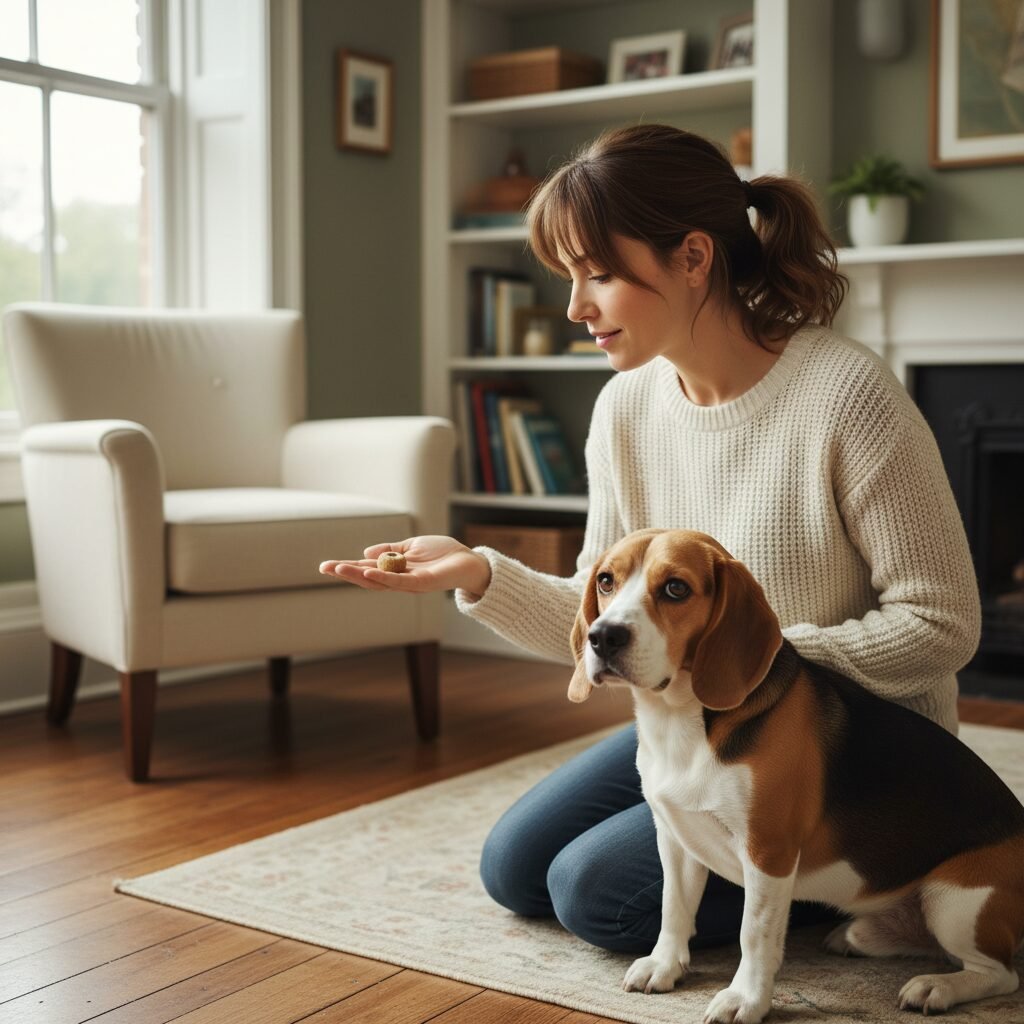
Even with the best preparation, you may encounter bumps along the road. Training is never a straight line, and troubleshooting is a normal part of the process. Approaching challenges with patience and a problem-solving mindset is key to maintaining a positive training relationship with your dog.
Challenge: My Dog Loses Focus or Gets Distracted
Solution: This is often a sign that the training session is too long, the environment is too distracting, or the rate of reinforcement is too low.
- Shorten Sessions: Cut your training time in half. A focused three-minute session is far more productive than a distracted ten-minute one.
- Manage the Environment: Return to a quiet, indoor location with minimal distractions. Gradually reintroduce training in more challenging environments as your dog’s focus improves.
- Increase Reward Rate: When teaching something new or difficult, reward every small success. Make it incredibly easy for your dog to ‘win’ to keep them engaged.
Challenge: My Dog Is Not Motivated by Treats
Solution: Motivation is individual. If your dog isn’t interested in the treats you’re offering, it’s time to experiment.
- Upgrade the Treat: Switch from dry biscuits to high-value options like small pieces of cheese, boiled chicken, or commercial training treats.
- Use Toys: For some dogs, a few seconds of tug-of-war or chasing a favorite ball is a more powerful reward than food. Use a toy as your reinforcer for a well-executed move.
- Check Their Hunger Level: A dog who has just eaten a full meal will be less motivated by food. Try training before meals when they are hungrier.
Challenge: My Dog Shuts Down or Seems Stressed
Solution: ‘Shutting down’ (e.g., sniffing the ground, yawning, avoiding eye contact) is a clear signal that your dog is feeling pressured or confused. It is crucial to stop immediately and reassess.
- Go Back a Step: You may have progressed too quickly. Return to a step in the training process where your dog was last successful and confident.
- Check Your Own Energy: Dogs are highly sensitive to our emotions. If you are feeling frustrated, take a break. Your frustration will transfer to your dog and hinder learning.
- End on a Positive: Ask for a simple trick your dog knows well (like ‘sit’), reward them enthusiastically, and end the session. This ensures the experience remains positive in their mind.
Expert Tip: Never physically force your dog into a position. Canine Freestyle is built on trust and willing participation. If a move isn’t working, break it down into even smaller, more manageable steps. The goal is for the dog to choose to perform the behavior because it’s a fun and rewarding game.
Conclusion
Embarking on your Canine Freestyle journey is a commitment to fun, communication, and a deeper partnership with your dog. The five foundational moves explored here—the Spin, Leg Weave, Bow, Back-Up, and Side-Step—are more than just tricks; they are a shared language of movement that you and your dog can build upon. By focusing on positive reinforcement, keeping sessions short and joyful, and approaching challenges with patience, you have laid the groundwork for a rewarding new hobby.
Remember that every dog learns at a different pace, and the primary goal of Canine Freestyle is not flawless execution but the shared experience of working together. Celebrate the small victories, laugh at the mistakes, and cherish the unique dance that only you and your canine partner can create. The stage is set, the music is waiting, and your lead dancer is ready. It’s time to show off your dog’s amazing moves.