Never Clean Up Accidents Again: Teach Your Dog to Ring a Bell to Go Out
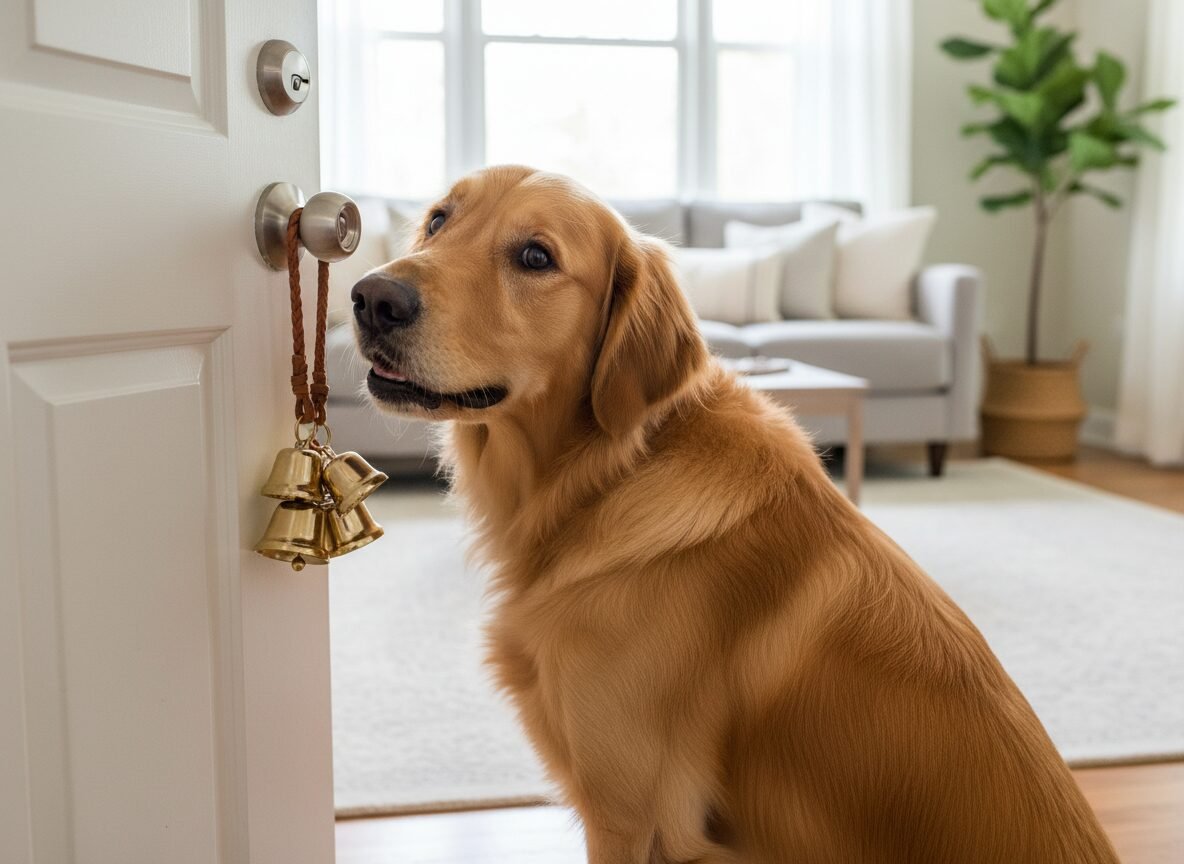
For many pet owners, house soiling is one of the most frustrating challenges of dog ownership. Despite diligent efforts, accidents can happen, leading to damaged floors, lingering odors, and a strained relationship between pet and owner. What if there was a method to not only prevent these accidents but also to open a clear line of communication with your dog? Bell training is a highly effective, sophisticated technique that empowers your dog to clearly signal their need to go outside. This isn’t just a charming trick; it’s a functional communication system that replaces whining, scratching, or barking at the door with a distinct, unmistakable signal. By following a structured, positive reinforcement-based protocol, you can transform your dog’s potty routine, eliminate guesswork, and finally say goodbye to cleaning up unexpected messes. This guide will provide the expert-led, step-by-step instructions necessary to successfully implement this training and foster a more harmonious living environment for you and your beloved canine.
Assembling Your Bell Training Toolkit
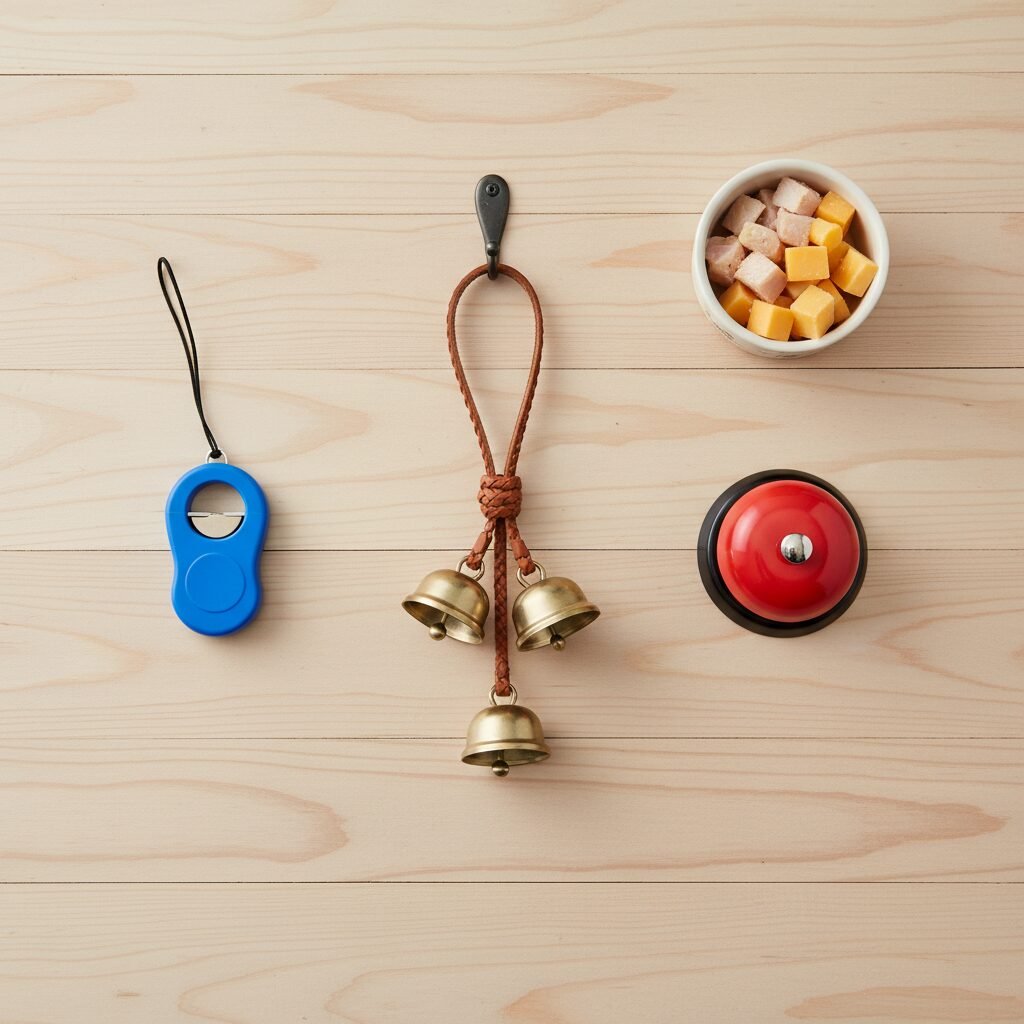
Before beginning the training process, it is crucial to gather the appropriate tools. Proper preparation sets the stage for efficient and effective learning, minimizing frustration for both you and your dog. The right equipment ensures that you can reinforce desired behaviors instantly and consistently. Here are the essential items for your bell training toolkit:
Essential Equipment
- Potty Bells: The cornerstone of this method. There are several types available, and the best choice depends on your dog’s size and temperament.
- Hanging Bells: These are straps with multiple bells that hang from a doorknob or a hook next to the door. They are excellent for most dogs as they are easy to see and interact with.
- Desk-Style Bell: A single, large button-style bell that sits on the floor. This is a great option for smaller dogs who may struggle to reach hanging bells or for dogs who are more comfortable interacting with objects on the ground.
- High-Value Treats: Standard kibble will likely not suffice for this specific training. High-value treats are exceptionally motivating and should be reserved specifically for bell training sessions to maintain their appeal. Think small, soft, and aromatic items like cooked chicken, cheese, or commercial training treats that your dog adores.
- Clicker (Optional but Recommended): A clicker is a valuable tool for marker training. It provides an immediate, distinct sound to “mark” the exact moment your dog performs the correct action (e.g., touching the bell). This precise feedback accelerates the learning process by clearly communicating to your dog what they did to earn the reward. If you are unfamiliar with clicker training, you can use a verbal marker like a sharp “Yes!” instead.
Once you have your tools, ensure they are readily accessible near the primary exit door you will use for potty breaks. Consistency in location is key to helping your dog build a strong association between the bell, the door, and the act of going outside to eliminate.
The Step-by-Step Bell Training Protocol: From Introduction to Independent Ringing
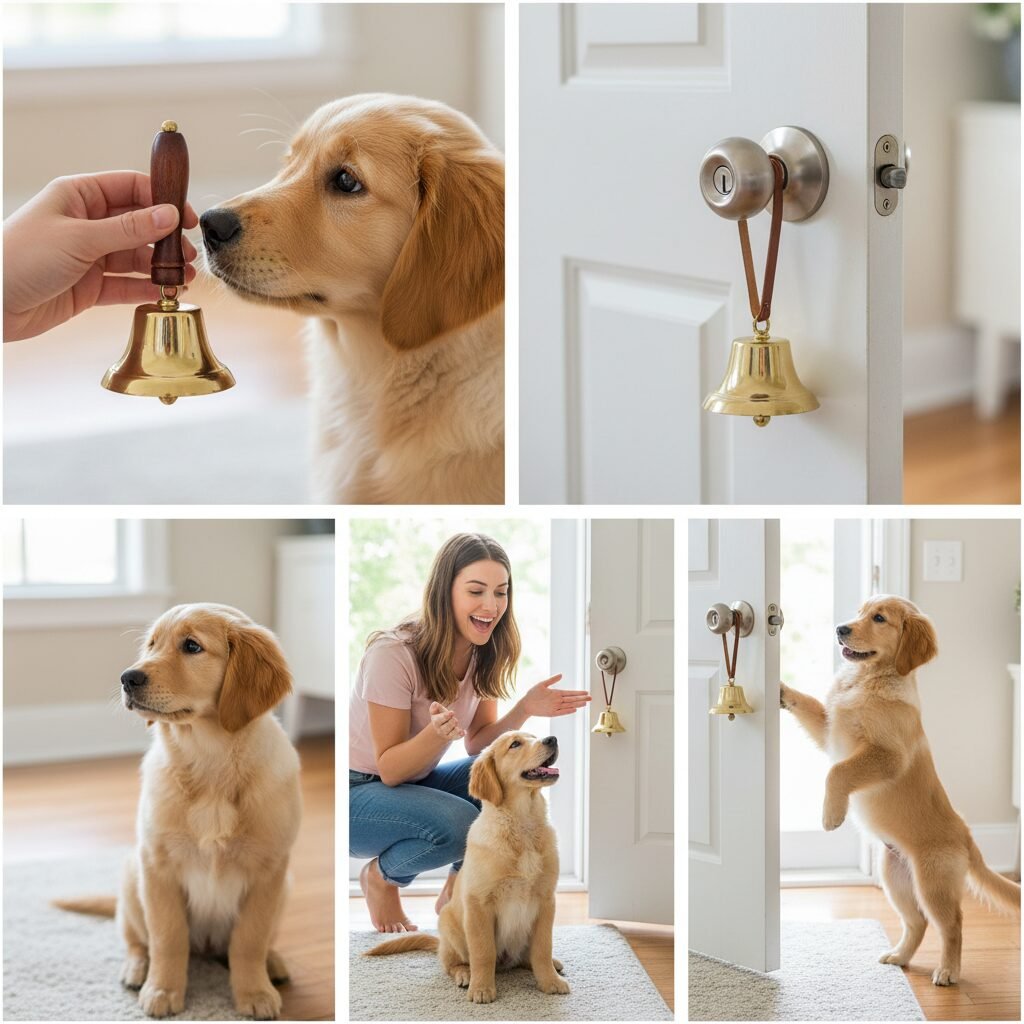
This training protocol is broken down into distinct, manageable phases. It is essential to master each step before proceeding to the next. Patience and positive reinforcement are paramount throughout this process. Keep training sessions short, upbeat, and frequent—three to five sessions of 5 minutes each per day is more effective than one long, grueling session.
Phase 1: Introducing the Bell and Target Training
- Familiarization: Begin by simply holding the bell in your hand. Let your dog sniff and investigate it. Click (or say “Yes!”) and treat for any interaction, such as sniffing or nudging the bell. Do this away from the door to avoid premature associations. The goal here is to create a positive, non-intimidating first impression.
- Targeting: Hold the bell near your dog’s nose. The moment their nose or paw touches the bell, click and immediately provide a high-value treat. If your dog is hesitant, you can smear a tiny amount of peanut butter (ensure it is xylitol-free) on the bell to encourage the initial touch. Repeat this several times until your dog is confidently touching the bell on their own to get the treat.
Phase 2: Associating the Bell with the Door
- Location Change: Hang the bells on the doorknob of the designated potty door or place the desk bell on the floor next to it.
- Repeat Targeting at the Door: With the bell in its permanent location, repeat the targeting exercise. Lure your dog to the door and encourage them to touch the bell. Click and treat for every successful touch. The objective of this phase is to transfer the targeting behavior to the bell’s functional location.
Phase 3: Connecting the Ring to the Reward (Going Outside)
- The Critical Link: This is the most important phase. Prompt your dog to ring the bell. The instant the bell sounds, click, praise enthusiastically with a phrase like “Outside! Potty!”, and immediately open the door and take them out.
- Purposeful Trips: Lead your dog on a leash to their designated potty spot. Give them a few minutes to eliminate. If they do, offer praise and another treat. If they do not, bring them back inside calmly without fanfare. This teaches the dog that ringing the bell is specifically for potty breaks, not for general playtime.
- Integrate into Routine: Start ringing the bell yourself every single time you take your dog out for a scheduled potty break (e.g., after waking up, after meals, before bed). This consistent association reinforces the bell’s purpose.
Phase 4: Fading the Prompt and Encouraging Independence
- Waiting Game: Instead of prompting your dog to touch the bell, stand by the door and wait. Look at the bell expectantly. Give your dog a chance to process and remember the sequence. The first time they ring it without a direct cue is a major breakthrough. Reward this independent action with exuberant praise and a high-value jackpot of treats after they have gone outside.
- Complete Independence: Continue to practice, gradually phasing out all cues. The goal is for the dog to go to the door and ring the bell on their own volition when they need to go out.
Patience is the most critical component of this phase. It can take time for a dog to make the cognitive leap to initiating the behavior independently. Resist the urge to prompt them; allowing them to problem-solve is essential for long-term success.
Troubleshooting Common Bell Training Hurdles
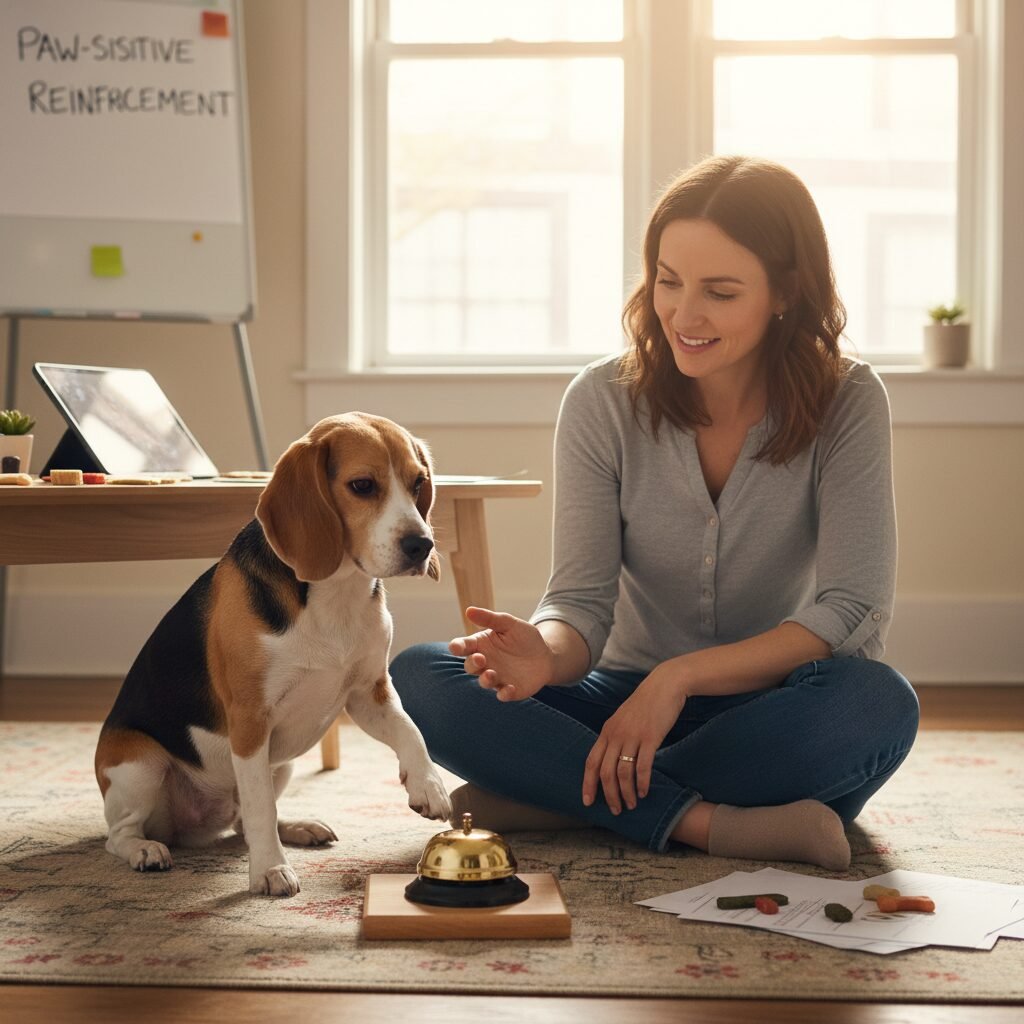
Even with a sound protocol, trainers and owners may encounter challenges. Understanding how to address these common issues will prevent frustration and keep the training process on track. It is vital to remain consistent and patient, as regression is a normal part of learning for any animal.
My Dog is Afraid of the Bell’s Sound
Some dogs, particularly those with sound sensitivities, may be startled by the noise of the bell. To counter this, you must desensitize them. Muffle the bells with tape or cloth to soften the sound initially. Reward your dog for simply being near the quieted bell. Gradually reduce the muffling as your dog becomes more comfortable, always pairing the sound with high-value rewards until the noise itself becomes a predictor of positive outcomes.
My Dog Rings the Bell Constantly for Attention or Play
This is a very common issue and indicates the dog has successfully learned cause and effect, but for the wrong reason. The solution requires strict adherence to the rule: the bell is only for potty breaks. When your dog rings the bell, you must always take them out on a leash directly to their potty spot. Be boring. Do not engage in play or allow them to wander and sniff. Give them 2-3 minutes to eliminate. If they do, praise them. If they don’t, bring them straight back inside. They will quickly learn that ringing the bell only results in a functional, unexciting potty trip, and the attention-seeking ringing will diminish.
My Dog Won’t Make the Connection
If your dog is touching the bell but doesn’t seem to understand its purpose, you need to strengthen the association. Go back to basics. Increase the frequency of you ringing the bell every time you go out. Ensure the reward for ringing and going potty is extremely high-value. Make sure you are taking them out immediately after the ring—even a delay of a few seconds can weaken the connection for a dog who is struggling to understand.
| Problem | Primary Cause | Solution |
|---|---|---|
| Fear of the Bell | Sound sensitivity or negative first impression. | Muffle the bell to soften the sound. Use desensitization and counter-conditioning with high-value treats. Gradually remove muffling. |
| Constant ‘Spam’ Ringing | Dog has associated the bell with attention or playtime, not just potty. | Enforce a strict ‘potty only’ rule. Leashed, boring trips to the potty spot every time. No play or praise if they do not eliminate. |
| Inconsistent Ringing | The behavior is not yet fully generalized or reliably learned. | Go back a step in training. Increase repetition and ensure the reward for a successful potty trip is very high. |
| Dog Bumps Bell but Doesn’t Go Out | The connection between the ring and the action of exiting is weak. | Immediately after the ring, use an enthusiastic verbal cue like “Let’s go!” and open the door. Ensure the transition is swift and exciting. |
Advanced Techniques and Generalizing the Behavior
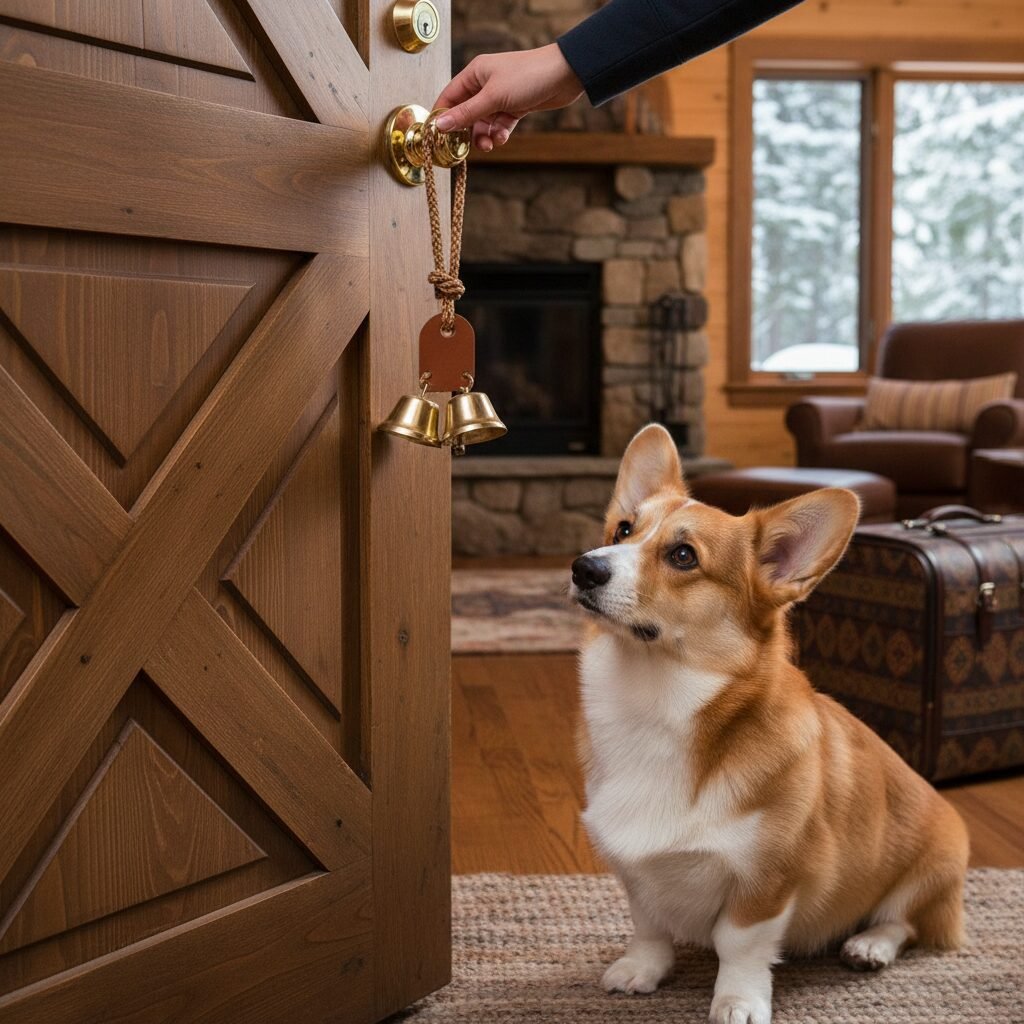
Once your dog is reliably ringing the bell to signal their need to go potty at one door, you can begin to refine and expand this skill. Generalization is the process of teaching your dog that a learned behavior applies in various contexts, not just the specific situation in which it was first taught. This ensures the bell training is a robust and practical tool in all aspects of your life.
Adding a Bell to Other Doors
If you have multiple exit doors (e.g., a back door and a front door), you can teach your dog to use bells at each one. Simply place a second set of bells at the new door and repeat the training protocol, starting with Phase 2 (Associating the Bell with the Door). Because your dog already understands the core concept, their learning curve will be significantly faster. This is particularly useful for giving your dog access to different yard areas or for use during different times of the day.
Taking the Bell on the Road
For owners who travel with their dogs, bell training is an invaluable asset. A portable set of hanging bells can be brought to hotels, friends’ houses, or vacation rentals. When you arrive at a new location, immediately hang the bells on the primary exit door and run through a few quick training refreshers. Show your dog the bells, prompt a ring, and take them out to the designated potty area. This helps your dog understand the rules of the new environment quickly, preventing accidents in unfamiliar places.
Fading Out Food Rewards
While high-value treats are essential for teaching the behavior, the ultimate goal is for the act of going outside to become the primary reward. Once your dog has been ringing the bell reliably for several weeks, you can transition to an intermittent reinforcement schedule. This means you no longer treat every single successful potty trip. Instead, you might reward three out of every four trips, then every other trip, and so on. The key is to keep the reinforcement unpredictable, which is a powerful psychological principle that actually strengthens the behavior. Continue to offer enthusiastic verbal praise every time.
Expert Tip: True mastery is achieved when the behavior is intrinsically rewarding. For a dog that needs to relieve themselves, the opportunity to go outside is a powerful reward in itself. By carefully fading food rewards, you transition the motivation from an external treat to the internal satisfaction of a need being met.
Conclusion
Teaching your dog to ring a bell to go out is more than a clever party trick; it is a profound enhancement to the way you and your canine companion communicate. By investing the time and patience into this training, you are building a system based on clarity and mutual understanding. This process not only provides a definitive solution to indoor accidents but also deepens the bond you share, reinforcing your role as a consistent and attentive leader. Remember that every dog learns at a different pace. Celebrate small victories, remain positive through challenges, and trust in the process. The result will be a cleaner home, a more confident dog, and a communication channel that will serve you both for years to come.