How To Train Your Dog To Catch A Frisbee Like A Pro Athlete
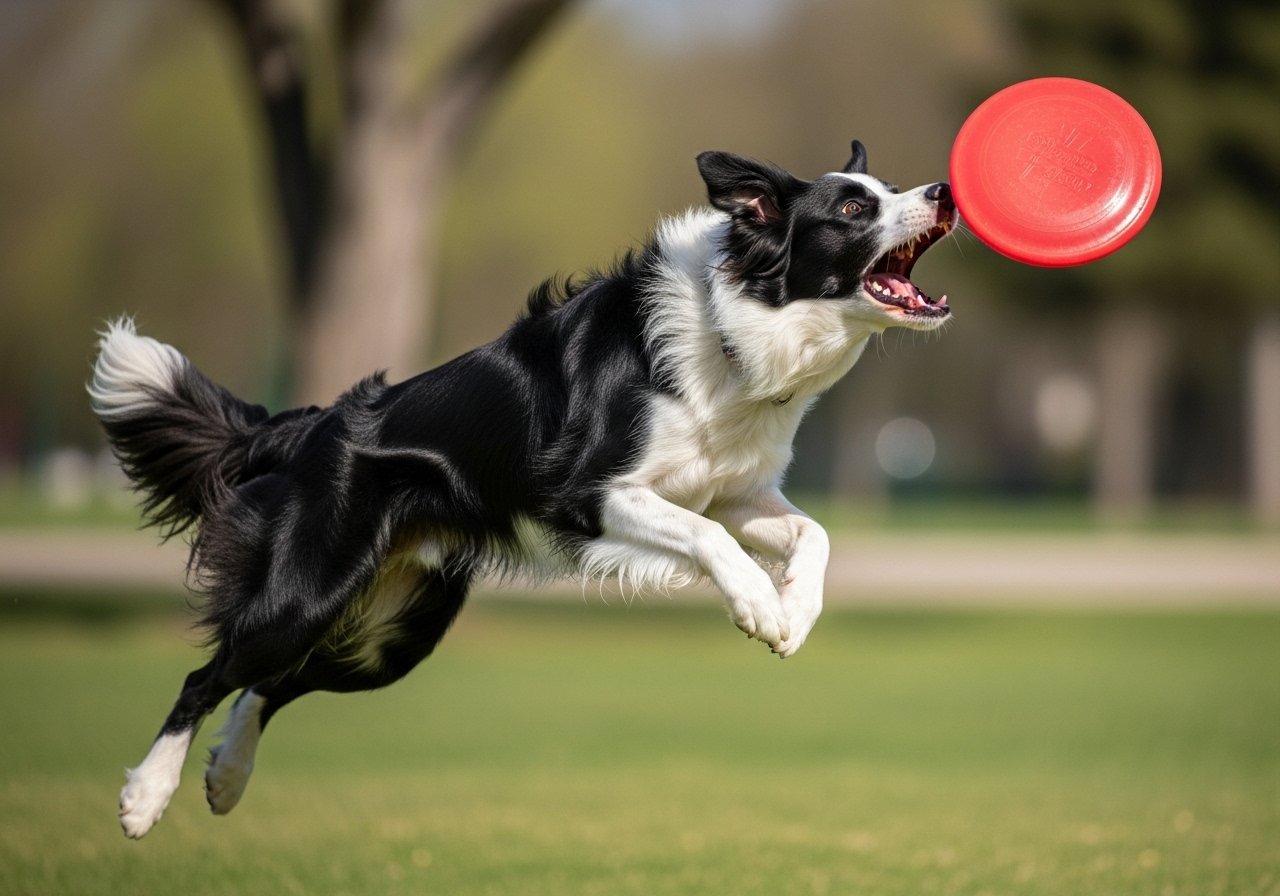
The sight of a dog leaping gracefully through the air to snatch a frisbee is more than just a fun trick; it’s a display of incredible athleticism, coordination, and the powerful bond between a dog and its owner. While some dogs may seem like natural-born disc athletes, the reality is that this impressive skill is the result of dedicated, structured training. Turning your backyard fetch session into a professional-level performance is not only possible but is also one of the most rewarding activities you can share with your canine companion. It provides essential physical exercise, critical mental stimulation, and deepens the communication and trust between you.
This guide is designed to serve as your complete roadmap, moving beyond simple tossing and catching. We will deconstruct the process into manageable stages, from selecting the right equipment and building foundational skills to executing advanced, awe-inspiring maneuvers. Whether your goal is to compete in official disc dog competitions or simply to have more dynamic and engaging playtime, the principles outlined here will help you and your dog achieve new heights. Prepare to unlock your dog’s inner athlete and build a partnership grounded in fun, focus, and a shared love for the game.
Laying the Foundation: Pre-Frisbee Essentials

Laying the Foundation: Pre-Frisbee Essentials
Before you can launch the first disc, it’s critical to establish a solid foundation. Rushing into advanced throws can lead to frustration for both you and your dog, and more importantly, can risk injury. This initial phase is all about preparation, ensuring your dog is physically ready, mentally engaged, and equipped with the right gear for success and safety.
Assessing Your Dog’s Physical Readiness
Not all dogs are immediately ready for the high-impact nature of frisbee. Consider the following factors:
- Age: High-impact activities involving jumping and sharp turns are not suitable for puppies whose growth plates have not yet closed (typically around 12-18 months for medium to large breeds). Consult your veterinarian to determine when it’s safe to begin this type of training.
- Health: A thorough veterinary check-up is essential. Ensure your dog has no underlying joint issues, such as hip or elbow dysplasia, or other health conditions that could be exacerbated by strenuous activity. Senior dogs may need modified, lower-impact versions of the game.
- Breed: While herding breeds like Border Collies and Australian Shepherds are famously adept at disc sports, many breeds can excel. However, be mindful of breed-specific limitations. Brachycephalic (flat-faced) breeds like Pugs or Bulldogs may struggle with breathing during intense exercise, while very large or heavy-boned breeds may be at a higher risk for joint strain.
Choosing the Right Equipment
The frisbee you use for a casual day at the park is not the same one you should use for training a canine athlete. Human frisbees are often made of hard, brittle plastic that can crack, creating sharp edges that can injure your dog’s mouth, gums, and teeth.
Expert Tip: Always invest in discs specifically designed for dogs. They are made from softer, more durable materials that are puncture-resistant and gentle on your dog’s mouth.
Look for discs that are:
- Soft and Flexible: Materials like soft rubber or durable nylon fabric are ideal. They are easier for your dog to grip and less likely to cause injury upon impact.
- Appropriately Sized: The disc should be large enough that your dog can’t accidentally swallow it, but not so large that it’s cumbersome to carry. Many companies offer different sizes for different breeds.
- Aerodynamically Sound: A well-designed dog disc will fly straight and hover longer, giving your dog a better opportunity to track and catch it.
Mastering Foundational Obedience
Frisbee is a game of communication. Your dog must have a reliable grasp of several key commands before you can effectively train them. These commands create structure and control during an exciting, high-arousal activity.
- Fetch: Your dog should already understand the basic concept of retrieving an object and bringing it back to you.
- Drop It / Give: This is non-negotiable. Your dog must be willing to release the disc on command so you can continue the game. A dog that refuses to give up the frisbee can turn a fun training session into a frustrating game of keep-away.
- Stay: A solid ‘stay’ allows you to set your dog up at a distance, creating space for a successful throw and catch.
- Recall (Come): A perfect recall ensures your dog will return to you immediately, even when excited by the game.
Practice these commands consistently in various environments before introducing the high-stakes excitement of the frisbee.
The Step-by-Step Training Protocol: From Roller to Mid-Air Catch

The Step-by-Step Training Protocol: From Roller to Mid-Air Catch
This training protocol is designed to build your dog’s skills and confidence progressively. Each step builds upon the last. Keep sessions short (5-10 minutes) and always end on a positive note to maintain your dog’s enthusiasm. Use high-value treats and plenty of praise to reinforce desired behaviors.
Step 1: Building Disc Drive and Positive Association
The first step is to make the frisbee the most exciting object in the world. For a few days, use the disc for everything fun. Use it as a food bowl for meals. Wiggle it on the ground and encourage your dog to pounce on it. Play a gentle game of tug-of-war with it (if your dog has a soft mouth). The goal is simple: when your dog sees the disc, they should think fun and reward.
Step 2: The Roller (Mastering the Ground Game)
A mid-air catch is a complex skill. We start on the ground to teach tracking and targeting. A ‘roller’ is when you roll the frisbee on its edge like a wheel.
- Hold the disc vertically and roll it away from you on the ground for a short distance (5-10 feet).
- Use an exciting cue like “Get it!” and encourage your dog to chase it.
- When your dog picks it up, praise them enthusiastically. Call them back and ask them to “Drop it.” Reward with a treat or another immediate roll.
Rollers are fantastic because they move unpredictably, forcing your dog to learn how to track a moving target with their eyes. This is a crucial skill for catching a disc in the air. Practice rollers until your dog is confidently chasing, grabbing, and returning the disc every time.
Step 3: The Slide and Short Toss
Once the roller is mastered, you can introduce a low-flying disc. Start by sliding the disc across the grass to your dog from a very short distance. The next progression is a short, low, and flat toss.
- Have your dog sit or stay a few feet in front of you.
- Hold the disc flat (parallel to the ground) and toss it gently directly to your dog’s mouth level. The disc should hover for a moment.
- Use your cue (“Get it!” or “Catch!”) as you release.
- Praise lavishly for any attempt to grab it, even if they don’t catch it initially. The goal is to encourage them to target the disc with their mouth.
Important: At this stage, the throw is for the dog. Do not throw it far or high. The toss should be slow, stable, and easy to catch to build maximum confidence.
Step 4: Gradually Increasing Distance and Height
As your dog becomes proficient at catching short, easy tosses, you can gradually increase the challenge. Add a few more feet of distance to your throws. Start to throw the disc slightly higher, encouraging your dog to perform a small hop to catch it. The key here is gradual progression. If your dog starts to fail, you’ve likely increased the difficulty too quickly. Take a step back to the previously successful distance or height and work there a bit longer before trying again. This process builds both physical skill and mental resilience.
Advanced Techniques for the Canine Athlete
Advanced Techniques for the Canine Athlete
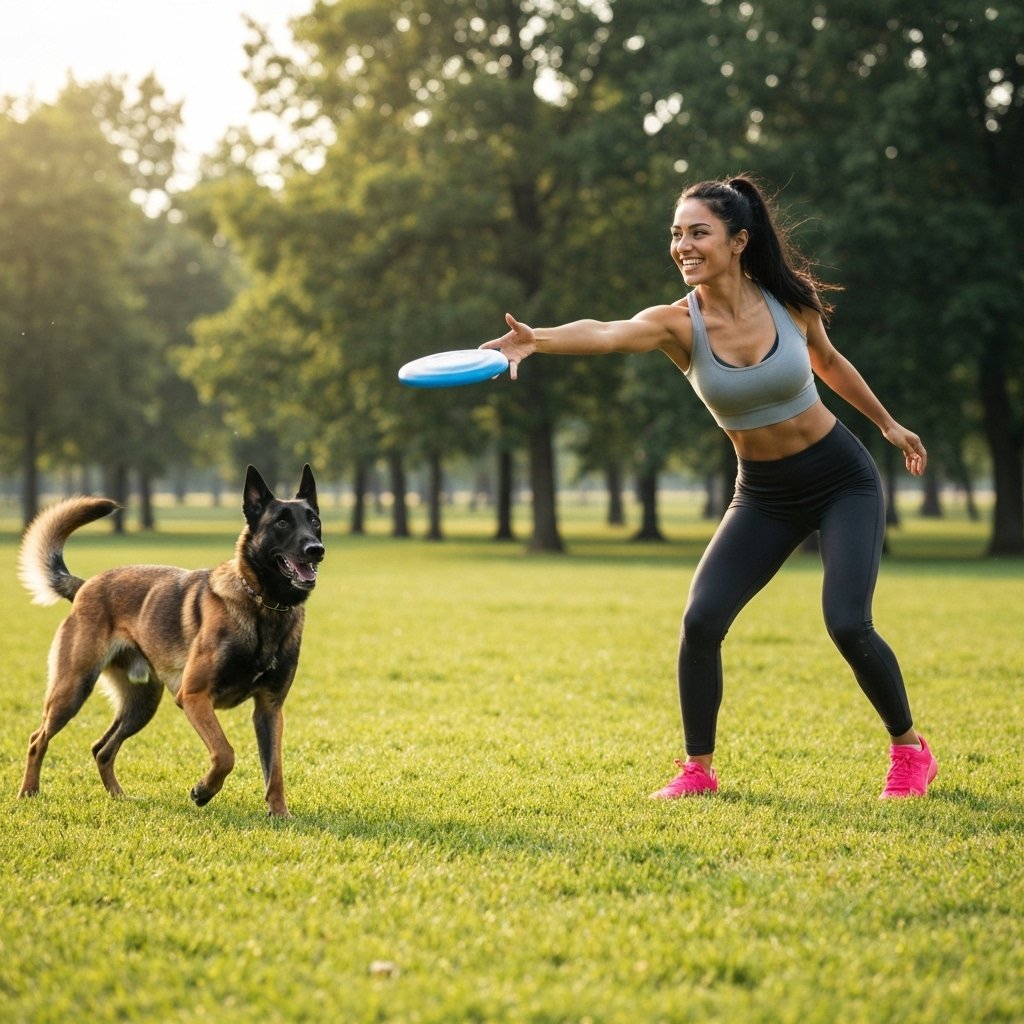
Once your dog is consistently catching discs at various distances and heights, you can introduce advanced techniques that separate casual players from pro athletes. This is where communication, timing, and handling skills become paramount. Safety is the priority; these maneuvers should only be taught to a physically mature and well-conditioned dog on a safe, non-slip surface.
Mastering Different Throws
Your dog’s ability to catch is limited by your ability to throw. A predictable, stable throw is essential. Practice your throwing technique without your dog until you are consistent.
- The Backhand: This is the most common throw. Hold the disc with your thumb on top and fingers curled underneath. Swing your arm across your body and release the disc with a snap of the wrist to create spin. Spin is what gives the disc stability and lift.
- The Forehand (Flick): Hold the disc with your index and middle fingers on the underside and your thumb on top. Cock your wrist back and flick it forward, again using a wrist snap to generate spin. This throw is useful for sending the disc in the opposite direction of a backhand.
Introducing Directional Cues and Set-Up Moves
In competitive disc dog sports, the handler directs the dog’s movement before the throw. This allows for more complex and dynamic catching sequences.
- Directional Cues: Teach your dog to go left or right on command. You can start by luring them with the disc in a circle around your body, adding a verbal cue like “Wrap!” or “Circle!”
- The ‘Go-Around’: Train your dog to run around behind you to set up for a throw. This move builds anticipation and positions the dog perfectly for a running catch.
Training Acrobatic Catches (With Caution)
Acrobatic catches, like vaults, are the pinnacle of disc dog performance but carry the highest risk of injury. They should only be attempted by healthy, athletic dogs under expert guidance.
- The Body Vault: This involves the dog using the handler’s body (like the back or thigh) as a platform to spring from to catch a disc. Start by teaching your dog to place their paws on you for a treat. Gradually shape this behavior into a more dynamic jump, always ensuring you provide a stable and safe platform. The throw is timed so the disc arrives just as the dog reaches the peak of its jump.
- Safety First: Never encourage your dog to perform a vault off an unstable surface. Always practice on soft grass or sand. Keep vaulting sessions very short to prevent repetitive strain injuries. It is highly recommended to seek in-person training from an experienced disc dog competitor before attempting advanced acrobatics.
The synergy between handler and dog is what creates a truly pro-level performance. Your body language, timing, and the consistency of your throws are just as important as your dog’s speed and catching ability.
Safety First: Preventing Injuries in Disc Dogs
Safety First: Preventing Injuries in Disc Dogs
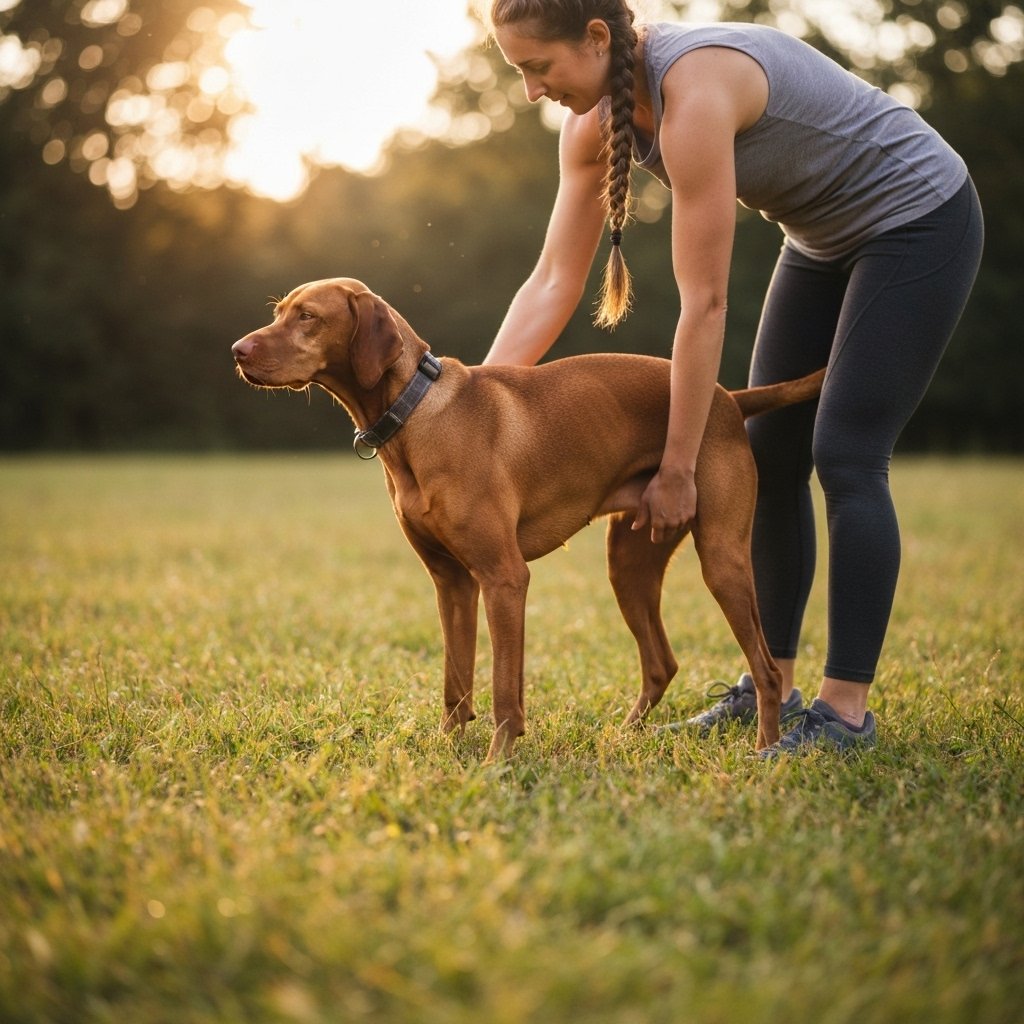
The health and well-being of your dog should always be the top priority. The high-energy, high-impact nature of frisbee training requires a proactive approach to injury prevention. A strong, well-conditioned dog is a resilient dog, but even the fittest athletes need proper care and management to ensure a long and healthy career in the sport.
The Importance of Warm-Ups and Cool-Downs
Just like human athletes, dogs need to prepare their bodies for strenuous exercise and cool them down afterward. Never take your dog straight from the car and start launching long-distance throws.
- Warm-Up (5-10 minutes): Start with a brisk walk or light jog to increase blood flow to the muscles. Incorporate some simple obedience cues like sit, down, and stand. Perform gentle stretches, such as ‘cookies-to-hip’ stretches, where you lure your dog’s head around to their flank. This prepares their muscles, ligaments, and tendons for explosive movements.
- Cool-Down (5-10 minutes): After your session, don’t just put your dog away. Go for a slow walk to allow their heart rate to return to normal gradually. This helps flush lactic acid from the muscles, reducing soreness and stiffness. Offer fresh water.
Recognizing Signs of Fatigue
It is your responsibility to know when to stop. Many high-drive dogs will continue to play long after they are physically exhausted, putting them at risk. Watch for these signs:
- Excessive panting or drooling.
- Slower returns with the disc.
- A ‘sloppy’ catch or multiple missed catches.
- Loss of enthusiasm or focus.
- Any sign of lameness or limping.
If you observe any of these signs, end the session immediately, even if it’s earlier than planned. It’s always better to end too soon than too late.
Choosing a Safe Playing Surface
The surface where you play has a massive impact on your dog’s joint health. Repetitive jumping and landing on hard surfaces can lead to both acute injuries and chronic conditions like arthritis.
- Ideal Surfaces: Level, well-maintained grass is the best option. It provides good traction and shock absorption.
- Surfaces to Avoid: Never play on concrete, asphalt, gravel, or overly slippery surfaces like wet grass or ice. Be cautious on uneven ground that could have hidden holes or obstacles that could cause your dog to trip or land awkwardly.
Hydration and Joint Support
Proper hydration is crucial for any active dog. Always have fresh, clean water available before, during, and after a training session. For canine athletes who train frequently, consider talking to your veterinarian about joint supplements containing ingredients like glucosamine, chondroitin, and MSM, which can help support cartilage health and joint function over the long term.
Troubleshooting Common Frisbee Challenges
Troubleshooting Common Frisbee Challenges
Even with the best training plan, you may encounter roadblocks. Understanding how to address these common challenges will keep your training on track and prevent frustration. The key is to remain patient and view each problem as a training opportunity.
Here are some of the most frequent issues owners face and the professional strategies to overcome them:
| The Problem | The Solution Strategy |
|---|---|
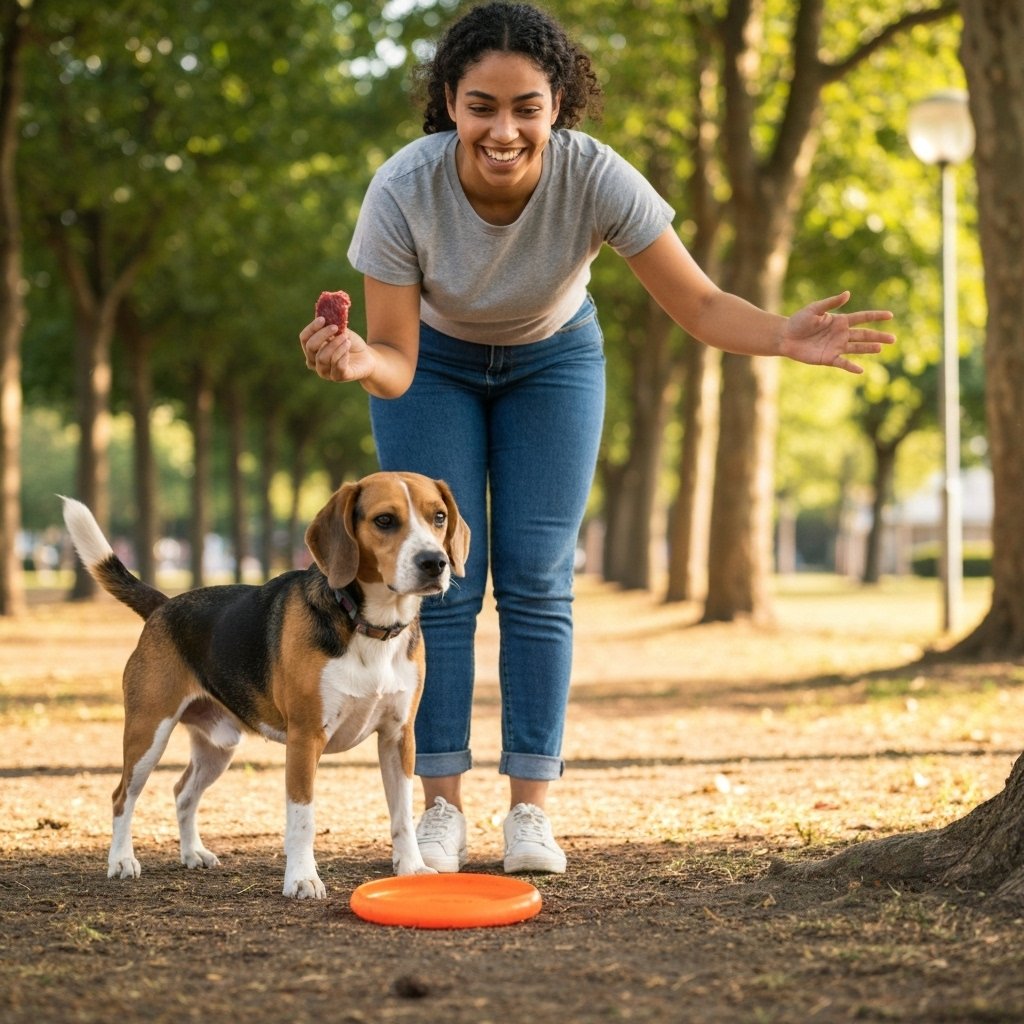
| The Dog Won’t Release the Frisbee | This often stems from the dog viewing the disc as a high-value possession they don’t want to give up. Go back to basics with the “Drop It” command. Make the trade valuable; offer a very high-value treat or a second, equally exciting frisbee as soon as they release the first one. This teaches them that giving up the disc results in an immediate reward. |
| The Dog Chews the Disc Instead of Returning It | This indicates the dog sees the frisbee as a chew toy rather than a retrieval object. Enforce the rule that the disc is only for the game of fetch with you. As soon as the training session is over, the disc gets put away. If they start to chew during a session, calmly take the disc and pause the game for a minute before resuming. |
| The Dog Loses Interest Quickly | This is almost always a sign that sessions are too long. For high-energy sports, shorter, more frequent sessions are far more effective than one long, grueling one. Keep sessions to 5-10 minutes, and always end while your dog is still eager to play. This leaves them wanting more and builds excitement for the next session. |
| The Dog Seems Afraid of the Disc | This can happen if the dog was accidentally hit by a hard disc or startled by it. You must rebuild a positive association from scratch. Start with the disc on the ground. Place treats on and around it. Let the dog eat off it. Once they are comfortable, progress to gentle rollers. Avoid throwing it directly at them until their confidence is fully restored. |
| The Dog Jumps Too Early or Too Late (Bad Timing) | This is a common issue as dogs learn to track a flying object. The solution is more practice with predictable throws. Throw slow, hovering shots that hang in the air, giving the dog more time to judge the speed and trajectory. Using a lighter, more ‘floaty’ disc can also help in the early stages of training. |
Conclusion
Training your dog to catch a frisbee like a pro athlete is a journey that transcends a simple game of fetch. It is a collaborative dance of timing, communication, and mutual trust. By following a structured, progressive plan—from building foundational drive to mastering advanced techniques—you provide your dog with an outlet that satisfies their physical and mental needs in a profound way. Remember that safety must always be paramount; proper warm-ups, safe playing surfaces, and an awareness of your dog’s limits are the cornerstones of a long and joyful career in disc sports.
Above all, celebrate the small victories and cherish the process. Every successful catch, every eager return, is a testament to the incredible partnership you are building. The goal is not just a spectacular mid-air grab, but the shared joy and strengthened bond that come from working together as a team. Now, pick up your disc, call your canine partner, and enjoy the incredible journey of learning to fly together.