Dog Won’t Drink? 7 Tricks to Hydrate a Picky Pup
Water is the single most important nutrient for your dog, essential for everything from organ function and nutrient transport to temperature regulation. When a dog suddenly stops drinking or becomes unusually picky about their water, it can be a significant source of worry for any owner. While this behavior can sometimes signal an underlying health issue, it can also be a simple case of preference or environmental factors. Understanding the potential causes is the first step toward a solution.
This comprehensive guide will walk you through the critical signs of dehydration, explore the common reasons why a dog might refuse to drink, and provide seven practical, expert-approved strategies to encourage proper hydration. Our goal is to empower you with the knowledge to not only solve this common problem but also to recognize when professional veterinary intervention is necessary.
The Critical Importance of Hydration: Recognizing Dehydration in Dogs
Before attempting to coax your dog into drinking, it’s crucial to understand the stakes and be able to identify the warning signs of dehydration. Water constitutes about 80% of a dog’s body and is indispensable for nearly every physiological process. A loss of just 10-15% of the body’s water can have severe, and sometimes fatal, consequences.
Signs of Dehydration
Dehydration can progress quickly. A vigilant owner should be on the lookout for the following clinical signs, which range from mild to severe:
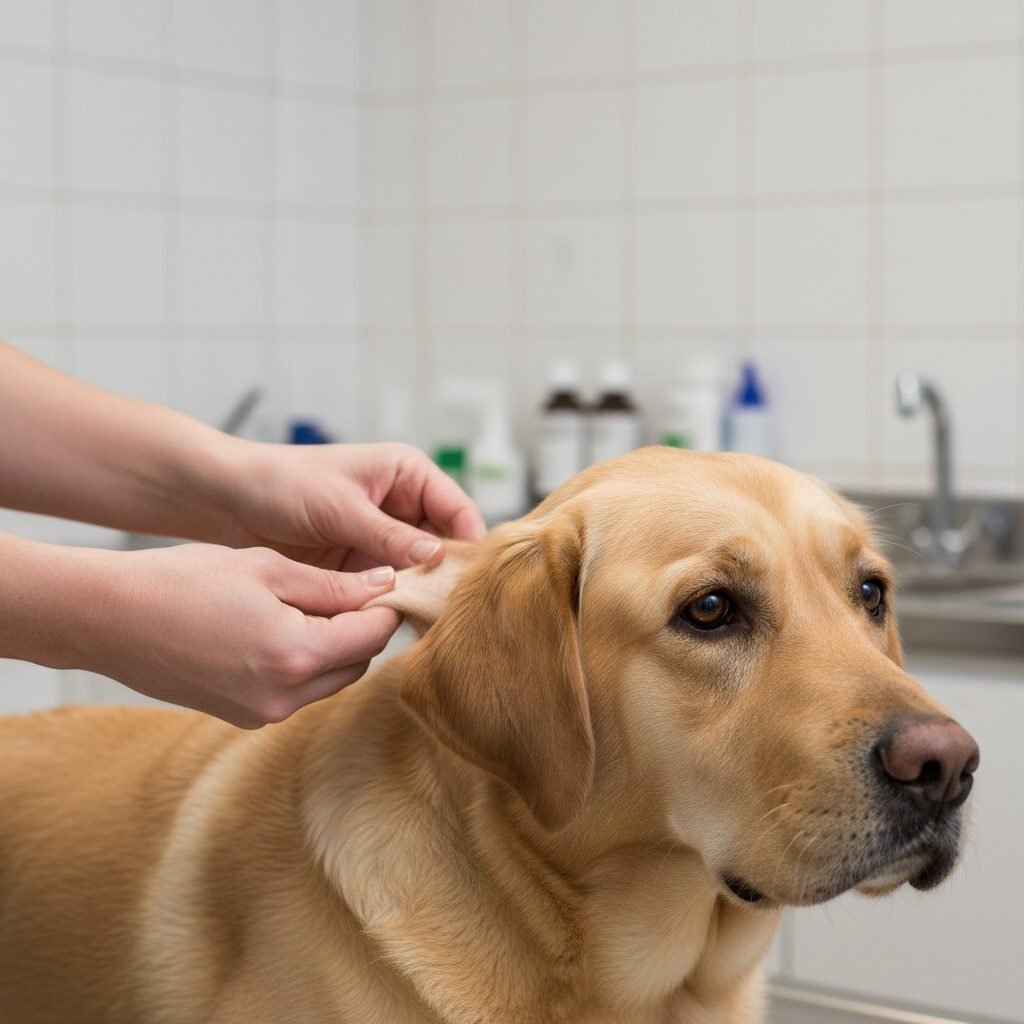
- Loss of Skin Elasticity: This is a primary indicator. Gently lift the skin on your dog’s back or between the shoulder blades. In a hydrated dog, it will snap back into place immediately. If it returns slowly or stays tented, your dog is likely dehydrated.
- Dry, Tacky Gums: A well-hydrated dog’s gums are moist and slick. If you touch your dog’s gums and they feel sticky or dry, it’s a clear sign they need more fluids. Their saliva may also become thick and stringy.
- Sunken Eyes: As fluid levels decrease, a dog’s eyes may appear sunken into their sockets, giving them a weary or ill appearance.
- Lethargy and Weakness: Dehydration can cause a significant drop in energy levels. Your typically playful pup may seem unusually tired, weak, or uninterested in activities they normally enjoy.
- Dry Nose: While a dry nose isn’t always a sign of trouble, a persistently dry or crusty nose, especially in conjunction with other symptoms, can indicate dehydration.
- Concentrated Urine: If you notice your dog’s urine is dark yellow or amber, it’s a sign that their body is conserving water and their kidneys are under stress.
Expert Tip: The skin elasticity test, also known as the skin turgor test, is a reliable at-home method to quickly assess hydration. However, it can be less accurate in older dogs or certain breeds with naturally loose skin. Always consider it alongside other symptoms.
The dangers of prolonged dehydration are profound, leading to poor circulation, electrolyte imbalances, and impaired function of critical organs like the kidneys and liver. Prompt recognition and action are paramount.
Decoding the Refusal: Common Causes for Water Aversion
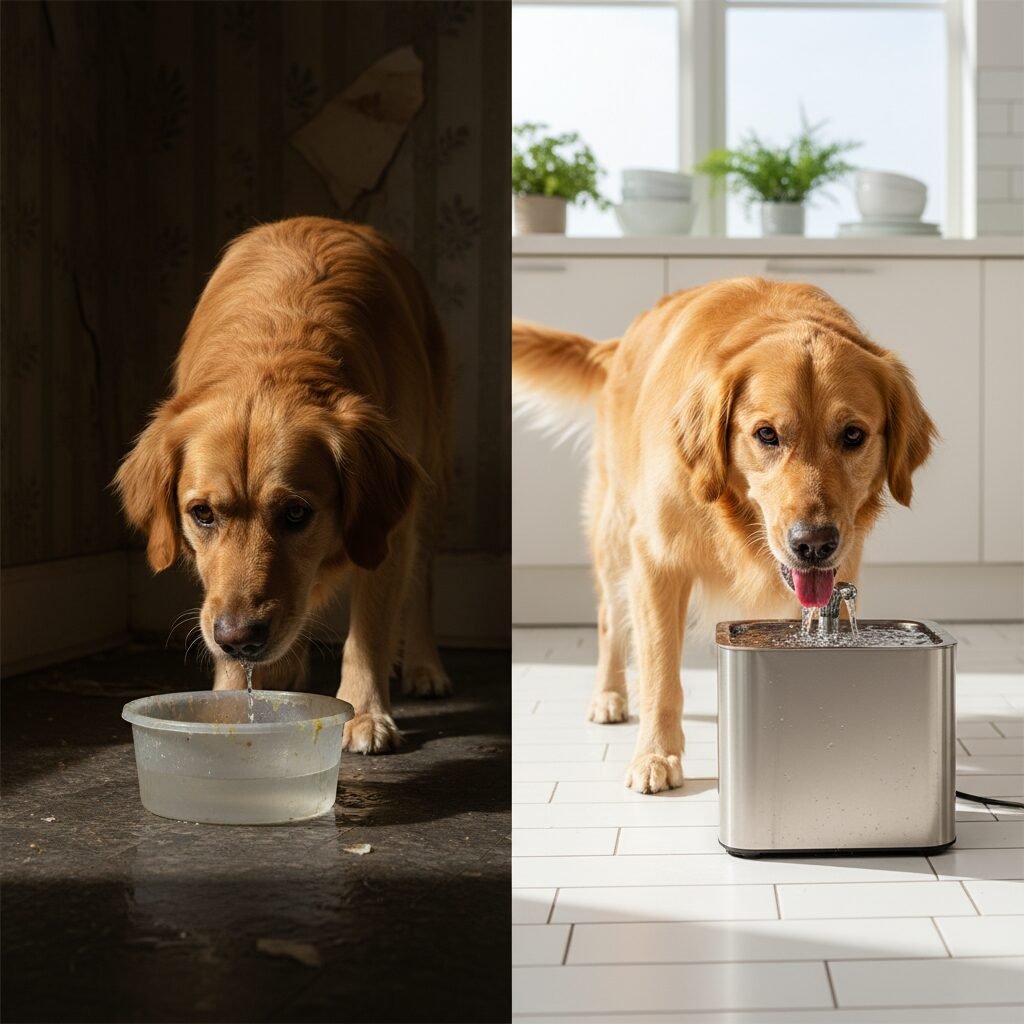
A dog’s refusal to drink is a symptom, not a diagnosis. To effectively address the issue, you must first investigate the potential root cause. These reasons can generally be categorized into medical, environmental, and behavioral issues.
Underlying Medical Conditions
A sudden aversion to water often has a medical basis. It is essential to rule these out first, as they may require immediate veterinary care.
- Nausea: Numerous conditions, including kidney disease, pancreatitis, and gastrointestinal upset, can cause nausea, making the thought of ingesting anything, including water, unappealing.
- Dental Pain: A dog with a painful tooth, sore gums, or an oral injury may find the simple act of drinking to be uncomfortable or painful, especially with cold water.
- Illness or Infection: Systemic illnesses, such as urinary tract infections or bladder stones, can sometimes alter drinking habits.
- Pain: An older dog with arthritis may find it painful to bend down to a bowl on the floor.
Environmental and Behavioral Factors
If a medical condition isn’t the culprit, consider your dog’s environment and routine.
- Negative Associations: A dog might develop a fear of their water bowl if something startling happened near it, such as a loud noise or someone accidentally stepping on their paw while they were drinking.
- Unfamiliarity: A new home, travel, or even a new dog in the house can create stress and anxiety, leading to a temporary disruption in normal habits like drinking.
- Changes in Water Source: Dogs have a keen sense of smell and taste. If you’ve recently moved or are traveling, the new tap water may have a different taste or odor that your dog finds off-putting.
- Bowl Issues: The problem could be the bowl itself. Plastic bowls can harbor bacteria and unpleasant odors over time. Some dogs may also be startled by the reflection or noise from a metal bowl. A dirty bowl is a common and easily fixed deterrent.
7 Practical Strategies to Hydrate Your Picky Pup
Once you have considered the potential causes, you can begin implementing strategies to encourage your dog to drink. Start with the simplest solutions and progress as needed. Remember to introduce changes gradually to avoid overwhelming your pet.
1. Upgrade the Water and Bowl
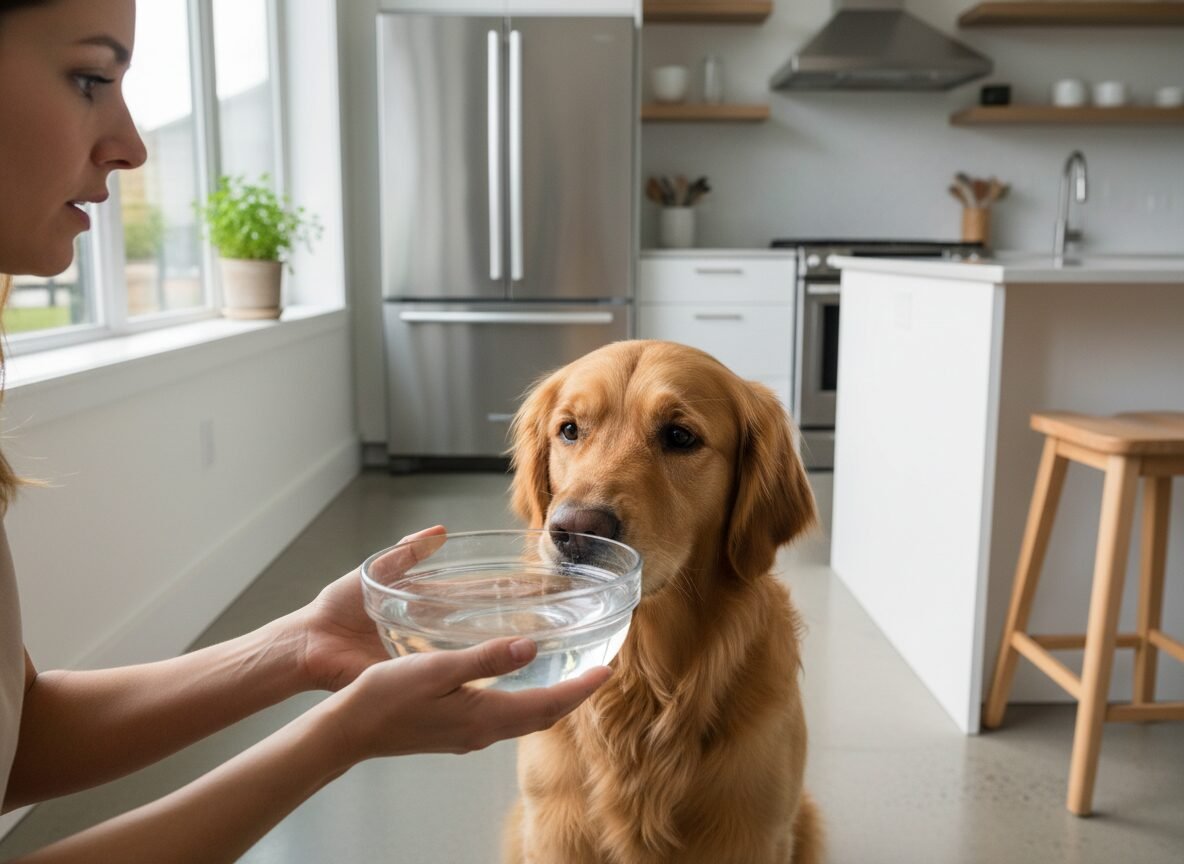
The issue might be as simple as the quality of the water or the vessel it’s served in. Clean your dog’s water bowl daily with soap and water to remove biofilm and bacteria. Consider switching from a plastic bowl to stainless steel or ceramic, which are less porous and easier to keep clean. You can also try offering filtered or bottled water to see if the taste of your tap water is the problem.
2. Introduce Flavor Enhancements
A little flavor can make water far more enticing. Add a small amount of a safe, dog-friendly liquid to their water bowl. Options include:
- Low-sodium chicken, beef, or bone broth (ensure it contains no onions or garlic).
- A splash of the water from a can of tuna or salmon (packed in water, not oil).
- Specially formulated dog-friendly flavor enhancers or electrolyte solutions available at pet stores.
Important: Only add a small amount of flavoring. The goal is to entice them to drink more water, not to give them a high-calorie soup. Always ensure additives are free from xylitol, a sweetener that is highly toxic to dogs.
3. Incorporate Water-Rich Foods
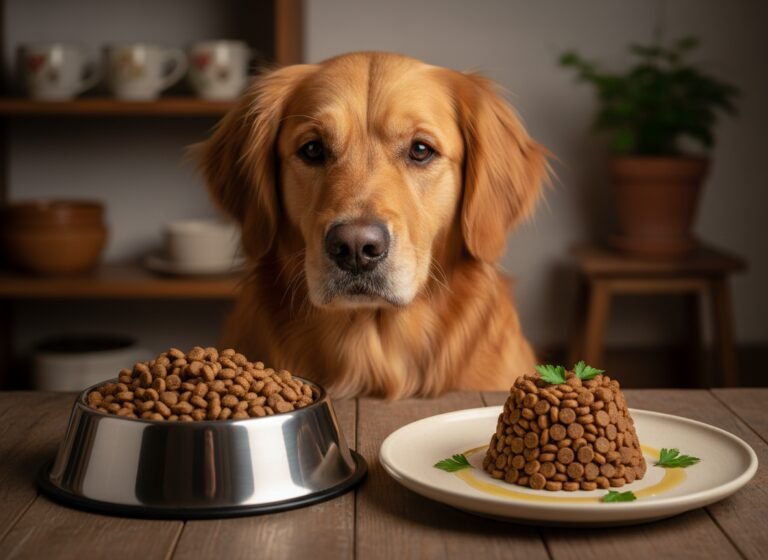
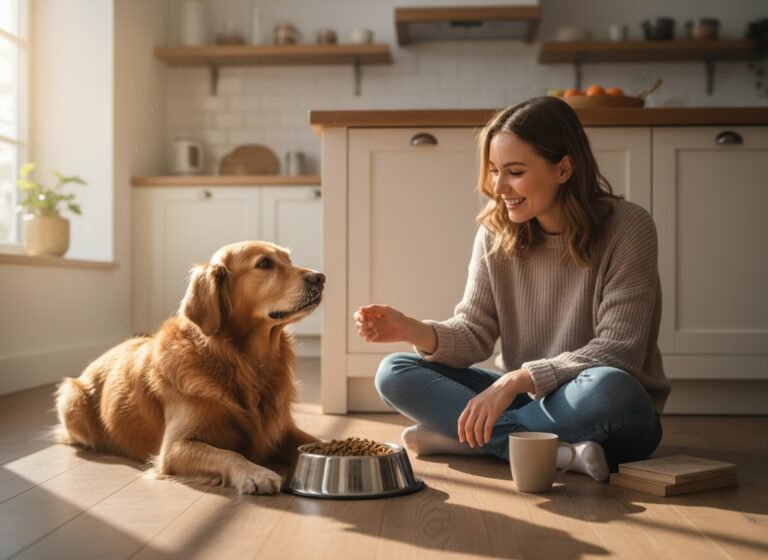
You can significantly boost your dog’s hydration through their diet. Wet or canned dog food has a much higher moisture content than dry kibble. If you feed a dry diet, try adding water or broth to their kibble and letting it soak for a few minutes before serving. You can also offer hydrating fruits and vegetables as treats.
| Hydrating Treat | Approximate Water Content | Serving Suggestion |
|---|---|---|
| Cucumber | 96% | Small, chopped slices |
| Watermelon | 92% | Seedless, rindless chunks |
| Celery | 95% | Small, bite-sized pieces |
| Canned Pumpkin (Plain) | 90% | A spoonful mixed with food |
4. Make Hydration a Game
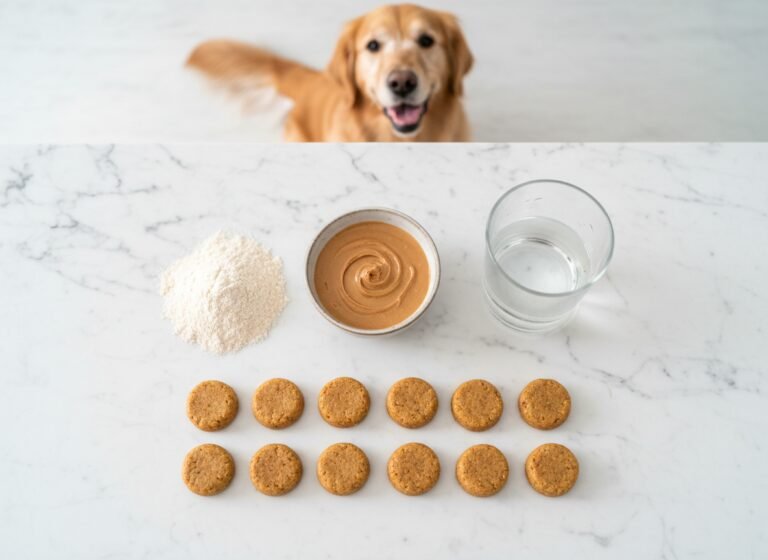
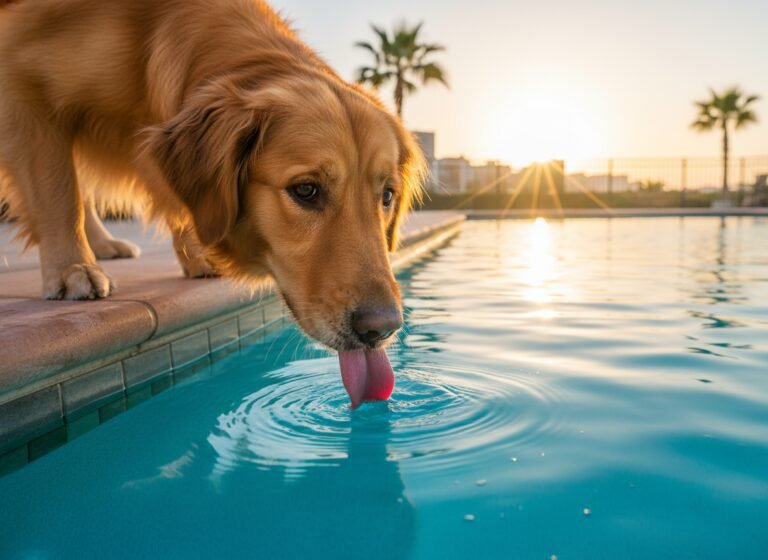
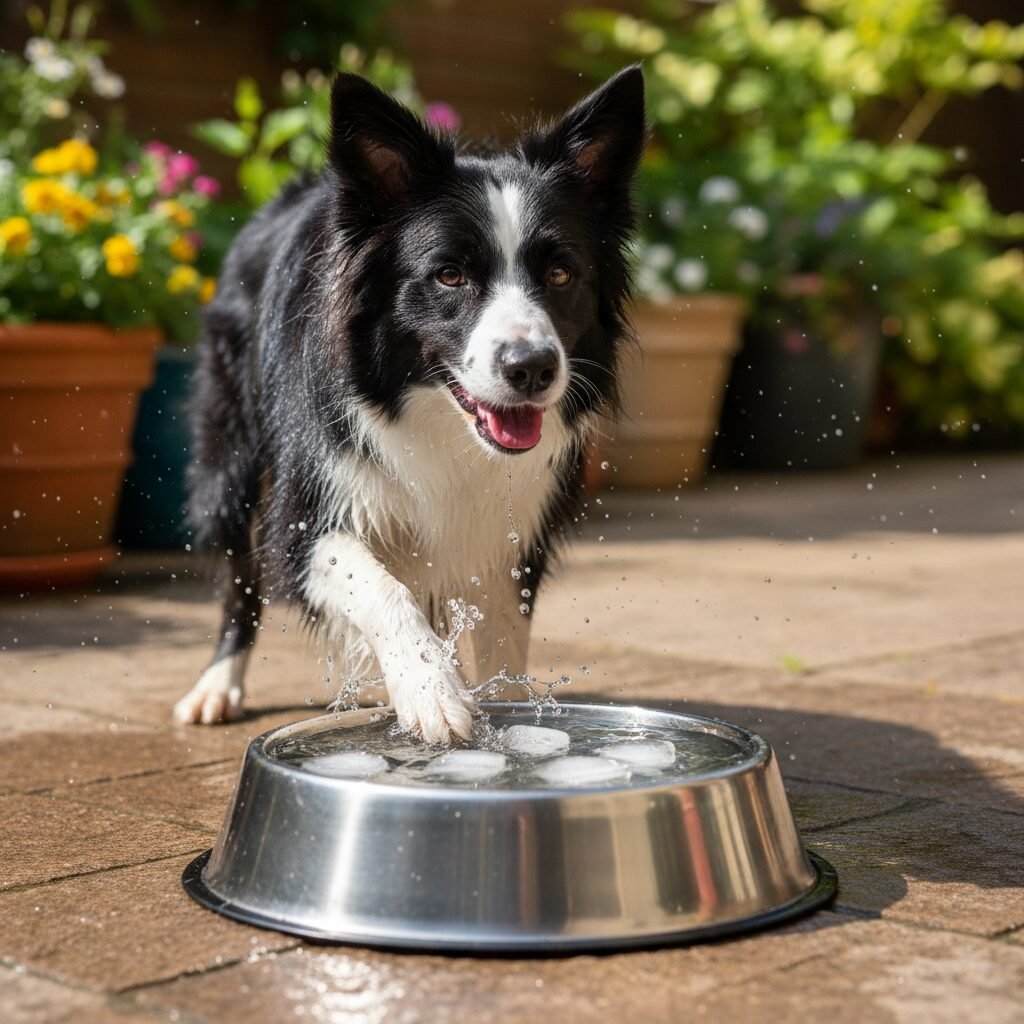
Turn drinking into a fun activity. Many dogs, especially those of certain breeds, are instinctively drawn to moving water. A pet water fountain can provide a continuous, filtered stream that may be more appealing than stagnant bowl water. Another popular trick is to offer ice cubes as a crunchy, hydrating treat. You can even freeze low-sodium broth in an ice cube tray for a more flavorful version.
5. Experiment with Location and Temperature
The placement of the water bowl matters. If it’s in a high-traffic, noisy area, your dog may feel too anxious to drink there. Try placing multiple bowls in different quiet, low-traffic areas of your home. Some dogs also have temperature preferences; try offering cool water, room temperature water, or even slightly warm water to see if they prefer one over the other.
6. Syringe or Bottle Feeding (Use With Extreme Caution)
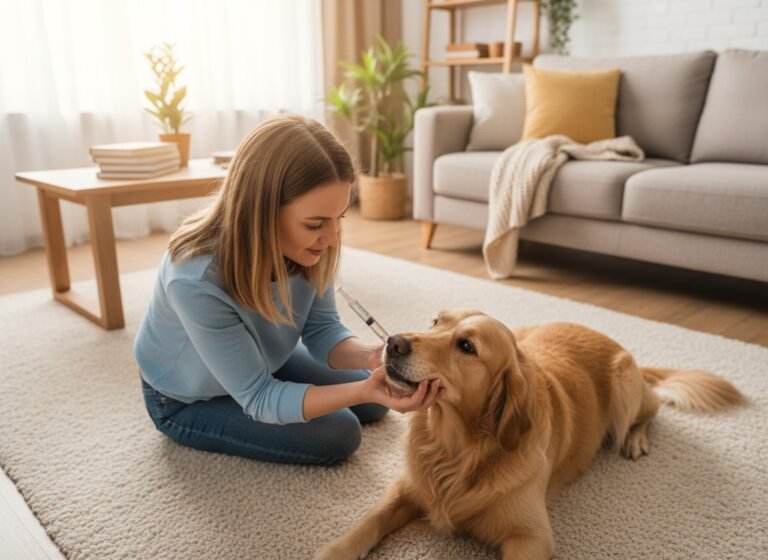
For more urgent situations where you are concerned about dehydration, you can use a needle-less syringe or a squeeze bottle to gently squirt water into the side of your dog’s mouth, between their cheek and gums. This should be done with extreme care and only as a temporary measure. Force-feeding water can lead to aspiration, where water enters the lungs, which can cause pneumonia. It is advisable to consult your veterinarian before attempting this method.
7. Leverage Exercise and Routine
A dog is most likely to be thirsty after physical activity. Ensure fresh, clean water is readily available immediately after a walk, training session, or playtime. Tying water availability to their established routine can create a predictable and reliable habit of rehydration.
When to Seek Professional Help: Red Flags for Pet Owners
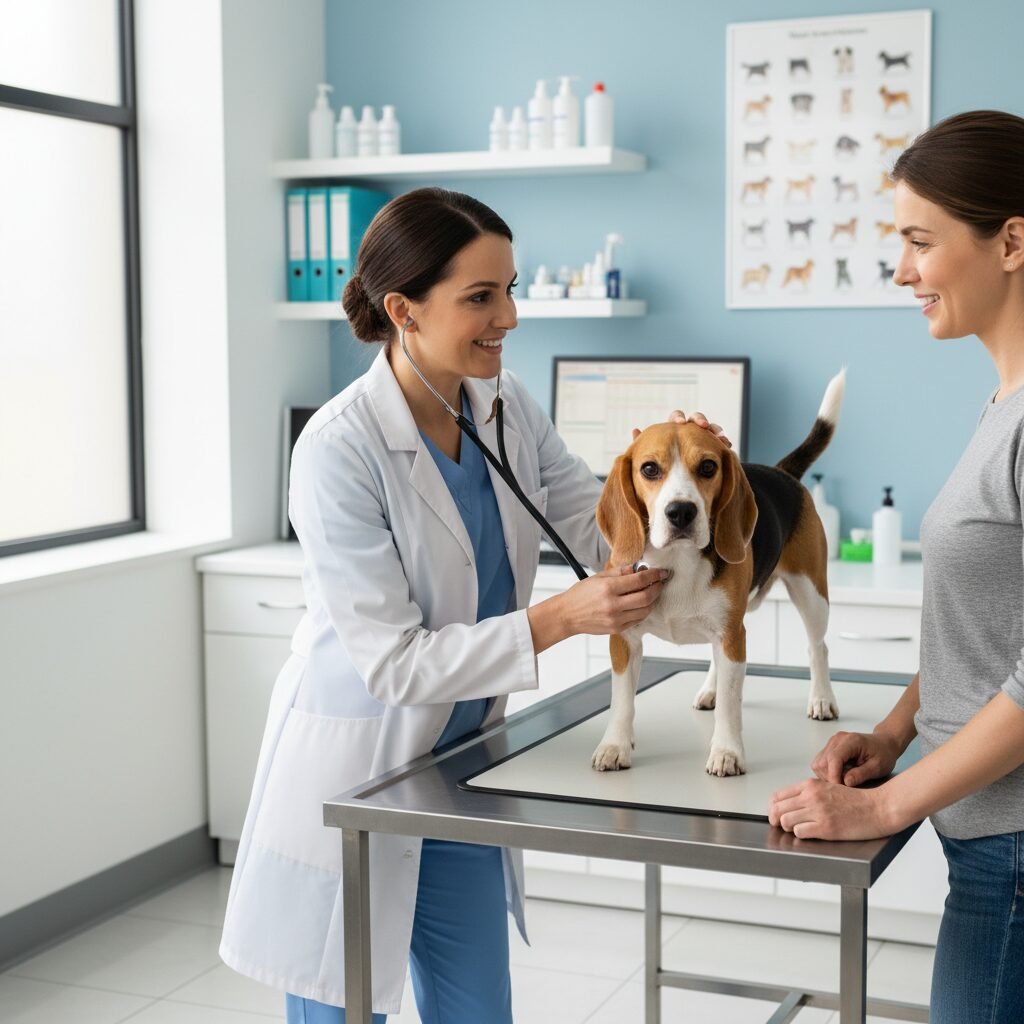
While the strategies above are effective for picky drinkers or minor behavioral issues, it is critically important to recognize when a dog’s refusal to drink is a symptom of a serious medical problem. Home remedies are not a substitute for professional veterinary care. Do not hesitate to contact your veterinarian immediately if you observe any of the following red flags:
- Prolonged Refusal: Your dog has refused all forms of water and hydration for more than 24 hours.
- Accompanying Symptoms: The refusal to drink is paired with other signs of illness, such as vomiting, diarrhea, extreme lethargy, pale gums, disorientation, or signs of pain (whining, reluctance to move).
- Visible Signs of Severe Dehydration: You observe significant signs of dehydration, such as sunken eyes, extremely dry gums, and a severe loss of skin elasticity.
- Underlying Health Conditions: Your dog has a known pre-existing condition, such as kidney disease, diabetes, or cancer, which makes proper hydration even more critical.
- Potential Toxin Ingestion: You suspect your dog may have ingested something poisonous or toxic that could be causing their illness and water aversion.
In these situations, a veterinarian can perform a physical examination, run diagnostic tests like bloodwork and urinalysis to identify the underlying cause, and administer subcutaneous or intravenous (IV) fluids to correct dehydration quickly and safely. Prompt medical intervention can be lifesaving.
Conclusion
Ensuring your dog remains well-hydrated is a fundamental aspect of responsible pet ownership. A dog’s reluctance to drink can be alarming, but it is often a solvable problem. By systematically evaluating the potential causes—from the medical to the environmental—and patiently implementing strategies like upgrading their bowl, enhancing their water’s flavor, or incorporating water-rich foods, you can often encourage even the pickiest pup to drink.
However, your intuition as an owner is your most valuable tool. Always monitor your dog’s overall condition. While these seven tricks provide an excellent toolkit for managing hydration, they are not a replacement for professional medical advice. If your dog’s drinking habits change suddenly, persist for more than a day, or are accompanied by any other signs of illness, consulting your veterinarian is the most responsible and loving course of action.