Reclaim Your Couch: The Gentle Way to Keep Dogs Off Furniture For Good
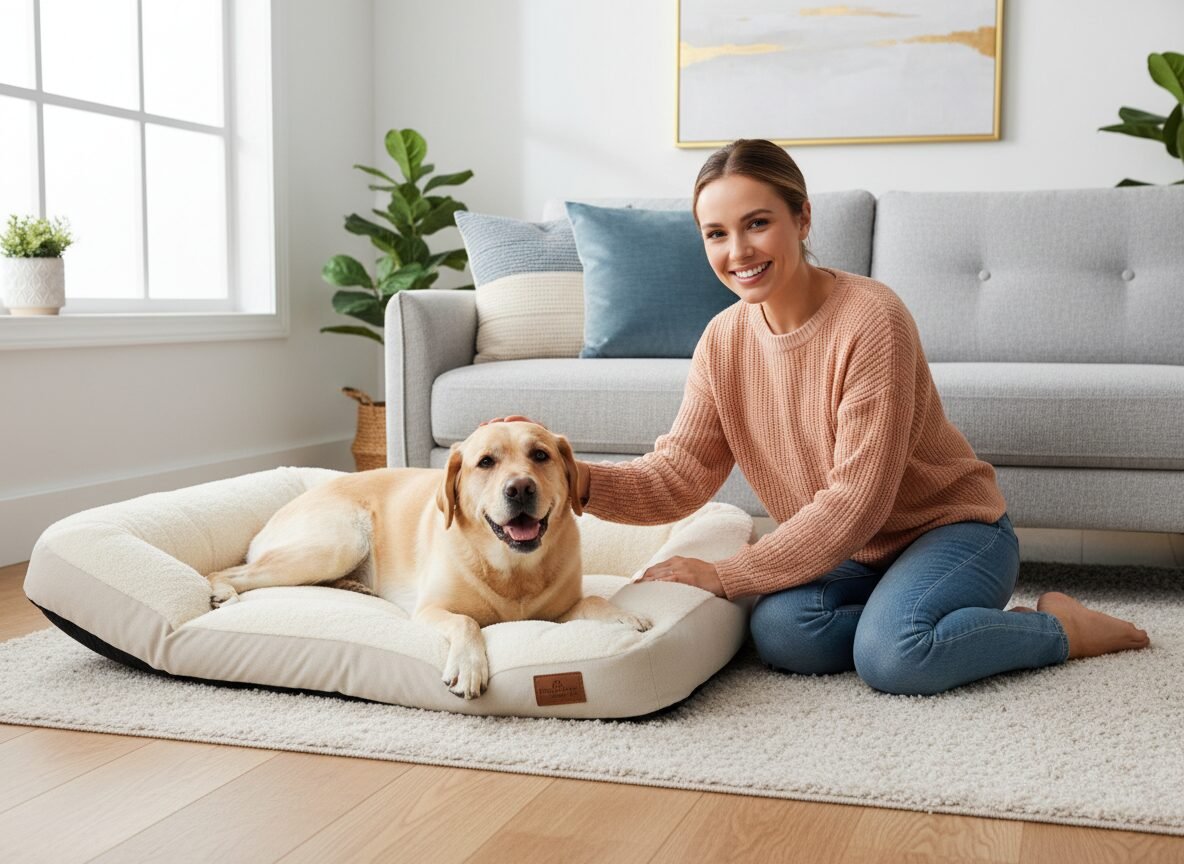
For many pet owners, the battle for the couch is a daily reality. You love cuddling with your canine companion, but you also value a clean, hair-free space for guests and relaxation. The sight of your dog curled up on your favorite armchair can be both endearing and exasperating. The good news is that you don’t have to choose between your dog and your furniture. It is entirely possible to teach your dog that the sofa is off-limits without resorting to harsh methods or creating conflict.
This comprehensive guide is built on the principles of modern, science-based animal training. We will move beyond outdated notions of ‘dominance’ and instead focus on communication, positive reinforcement, and management. By understanding why your dog seeks out the furniture and by providing them with an even better alternative, you can reclaim your space while strengthening the bond you share. This isn’t about punishment; it’s about teaching a new, desirable behavior that will last a lifetime.
The Philosophy: Why Gentle Methods Create Lasting Results

The Philosophy: Why Gentle Methods Create Lasting Results
Before diving into the practical steps, it’s crucial to understand the foundation of our approach: positive reinforcement. This training philosophy revolves around a simple concept: you reward the behavior you want to see, making it more likely your dog will repeat it. Instead of punishing your dog for getting on the couch, you will be enthusiastically rewarding them for staying on their own bed. This approach transforms training from a chore into an engaging and positive game for both of you.
Aversive methods, such as yelling, using spray bottles, or physical corrections, can have significant fallout. They may stop the behavior in the short term, but they often do so by creating fear and anxiety. This can damage your dog’s trust in you and lead to other behavioral issues. In contrast, gentle training fosters a relationship built on mutual respect and clear communication. Your dog learns to make good choices not out of fear, but because it leads to wonderful outcomes like treats, praise, and affection.
Expert Tip: Consistency is the cornerstone of successful training. Every member of the household must be on board with the same rules and reward system. A single person allowing the dog on the couch can undo weeks of patient training.
Setting the Stage for Success: Management and Creating an Irresistible Alternative
Setting the Stage for Success: Management and Creating an Irresistible Alternative
Effective training begins with proactive management. You cannot expect your dog to learn a new rule if they have unlimited opportunities to practice the old, undesirable behavior. Management is not a permanent solution, but a temporary tool to prevent mistakes while your dog is learning.
Step 1: Manage the Environment
The goal is to make getting on the furniture difficult or impossible when you cannot actively train. This sets your dog up for success and prevents them from self-rewarding by getting comfy on the couch.
- Supervision: When you are home, keep your dog on a lightweight indoor leash to gently guide them away from furniture if needed.
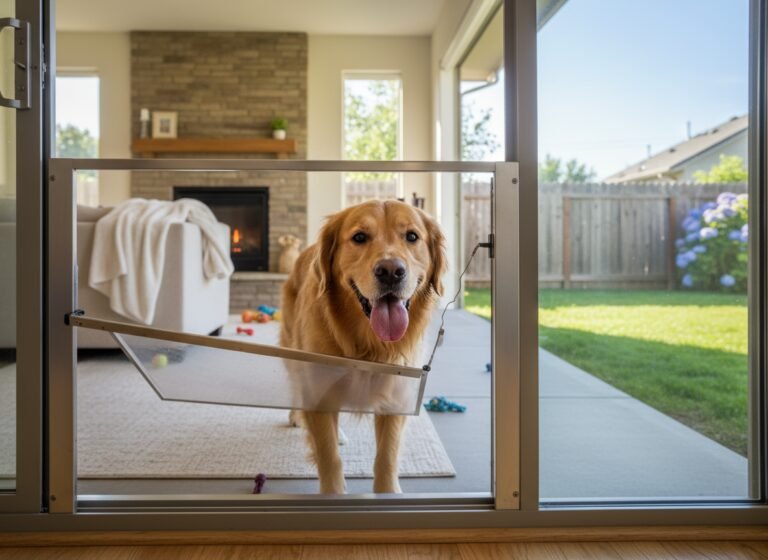
- Restricted Access: When you cannot supervise, use baby gates, close doors, or place your dog in a crate-trained, safe space to prevent access to the forbidden furniture.
- Make Furniture Less Appealing: You can temporarily place objects on the couch cushions (like upside-down laundry baskets) to make the surface less inviting. There are also commercial furniture protectors and mats designed for this purpose.
Step 2: Provide a Superior Alternative
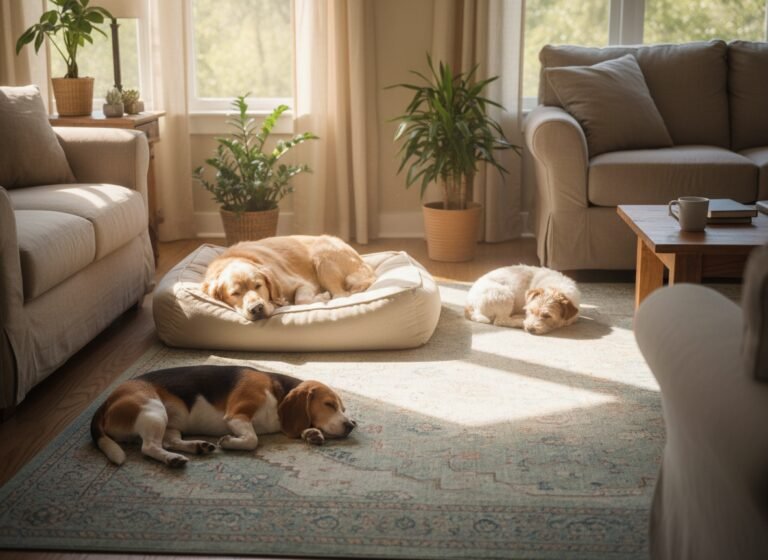
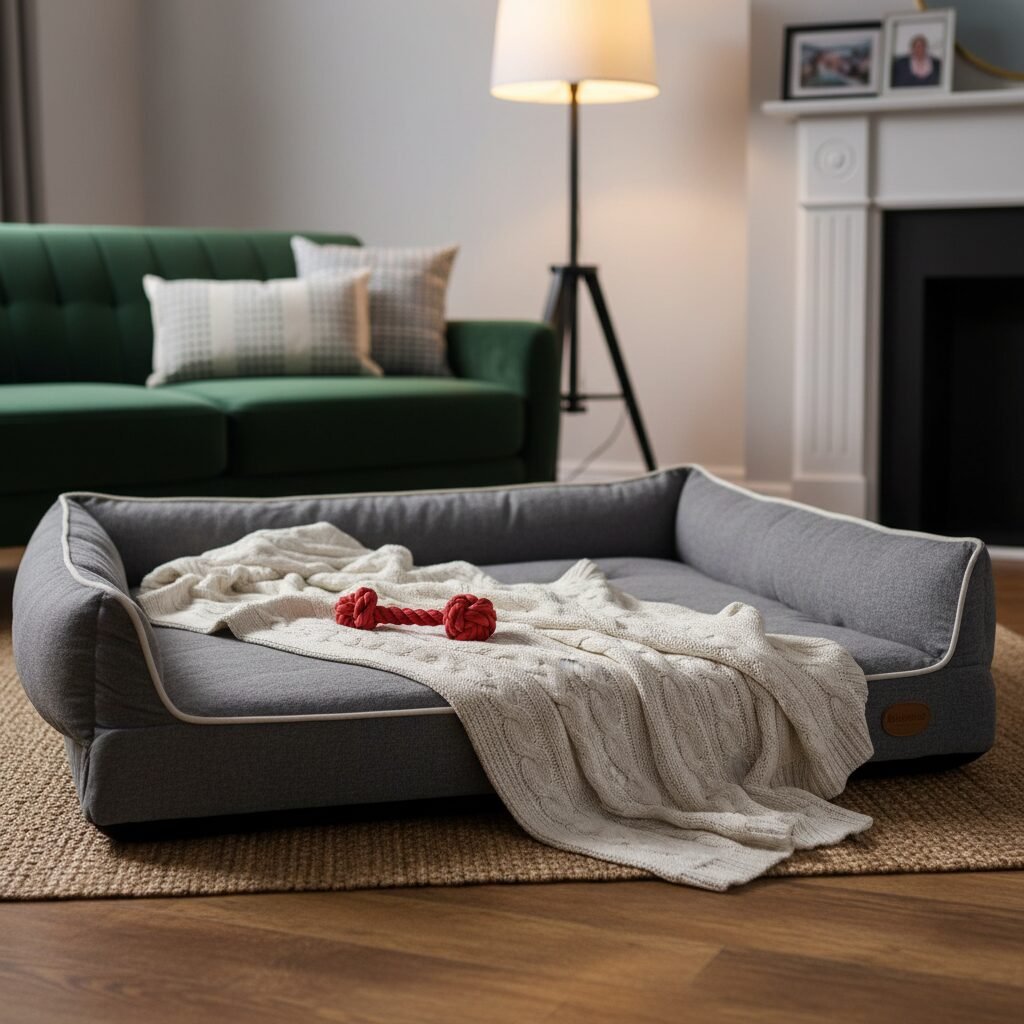
The single most important factor in keeping your dog off the couch is providing them with a space that is more appealing. You must invest in a high-quality, comfortable dog bed.
- Location is Key: Place the bed in the same room where the family gathers, like the living room. Dogs are social animals; they jump on the couch to be near you. An isolated bed will be ignored.
- Comfort is Crucial: Choose a bed that suits your dog’s needs. Older or large-breed dogs benefit from orthopedic memory foam. Some dogs prefer bolstered beds they can lean against, while others like to sprawl out on flat mats.
- Make it a Five-Star Destination: Make the bed a magical place. Leave special, high-value chew toys (like a stuffed KONG) that they only get on their bed. Randomly drop treats on the bed for them to discover. Give them praise and gentle pets whenever you see them resting there.
The Core Training Plan: A Step-by-Step Guide
The Core Training Plan: A Step-by-Step Guide
With management in place and a fantastic alternative provided, you can begin the active training process. Keep sessions short, fun, and positive—no more than 5-10 minutes at a time. Use high-value treats that your dog absolutely loves.
Phase 1: Teaching the ‘Off’ Cue
The ‘Off’ cue means ‘all four paws on the floor.’ It is a polite and neutral request, not a punishment.
- If your dog is on the furniture, hold a tasty treat near their nose.
- Lure their head and body off the furniture by moving the treat down towards the floor. Do not say anything yet.
- The moment all four paws touch the floor, say “Yes!” in an upbeat tone and give them the treat.
- Repeat this process several times. Once your dog is reliably following the lure, you can add the verbal cue. Say “Off” just as you begin to lure them.
- After more successful repetitions, try saying “Off” without the lure. If they get off, reward them enthusiastically with multiple treats. If they don’t, simply go back to luring for a few more repetitions before trying again.
Phase 2: Teaching the ‘Place’ or ‘Go to Bed’ Cue
This cue directs your dog to their amazing new bed. This is the behavior you want to reinforce heavily.
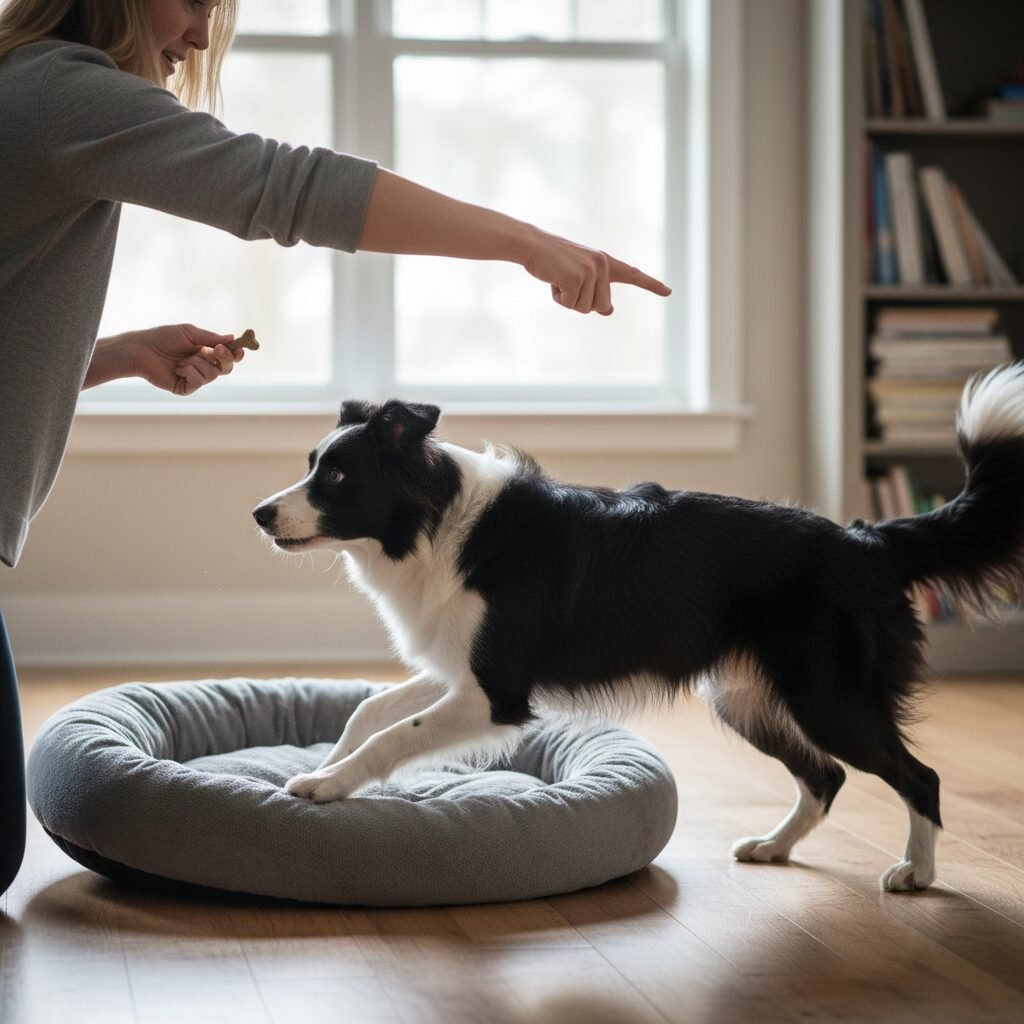
- Stand near the dog bed and toss a treat onto it. When your dog steps onto the bed to get the treat, say “Yes!”
- Repeat this a few times. Your dog will start to anticipate the treat toss.
- Now, add the cue. Say “Place” (or your chosen cue) right before you toss the treat.
- Gradually start to wait for your dog to offer the behavior. Say “Place” and point to the bed. When they move towards it, praise them and toss the treat onto the bed as their reward.
- Practice from different distances and angles in the room, always rewarding generously for success.
Pro-Tip: The reward for ‘Off’ should be good, but the reward for choosing to go to their ‘Place’ should be a jackpot! We want to make it clear that their bed is the most rewarding place in the house.
Troubleshooting: Navigating Common Setbacks
Troubleshooting: Navigating Common Setbacks
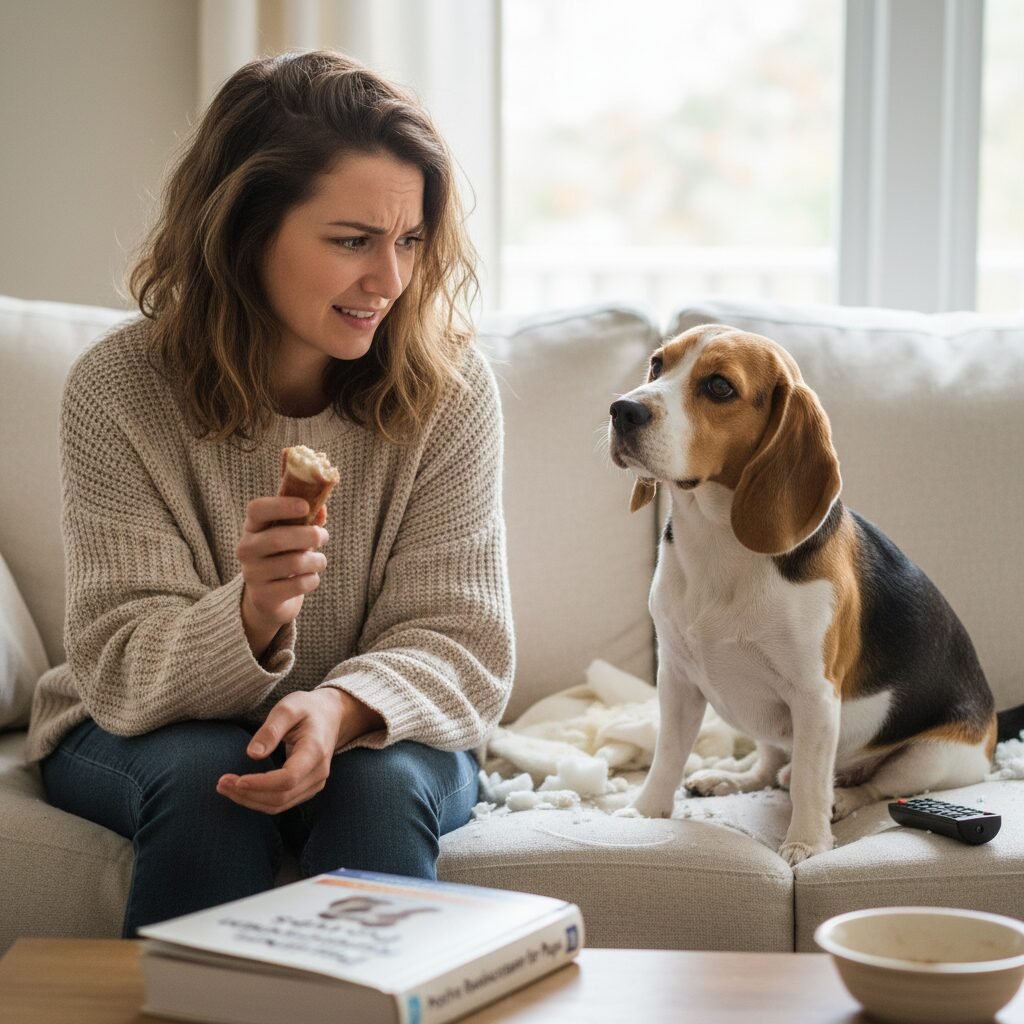
Training is never a perfectly straight line. Setbacks are normal and are simply opportunities to gather more information about what your dog needs. Here’s how to handle common challenges with patience and positivity.
| Common Problem | Gentle and Effective Solution |
|---|---|
| My dog jumps right back on the couch after getting their ‘Off’ treat. | This is very common! It means the couch is still more rewarding than the floor. Immediately after they get their treat for ‘Off’, cue them to their ‘Place’ and give them a bigger, better reward or a long-lasting chew there. You need to make the alternative behavior more valuable. |
| The training works for me, but not for my spouse or kids. | Consistency across all family members is non-negotiable. Hold a brief family meeting to demonstrate the cues and explain the rules. Make training a fun game for everyone to participate in. Keep a jar of treats near the dog bed so it’s easy for everyone to reward the dog for being in the right spot. |
| My dog only stays off the furniture when I’m watching. | This is a management issue. When you cannot actively supervise, your dog must not have access to the furniture. Use gates, crates, or close doors. The dog is learning that the rule only applies when you are there to enforce it. Management removes the opportunity to make the wrong choice. |
| My dog whines or barks when on their bed. | First, ensure the bed is truly comfortable and in a social part of the house. This behavior often means the dog feels isolated. Reward quiet, calm behavior on the bed. Provide a puzzle toy or safe chew to keep them occupied. Don’t give in to the whining, as this reinforces the behavior. Instead, wait for a moment of quiet, then reward. |
What to Avoid: The Pitfalls of Punishment-Based Training
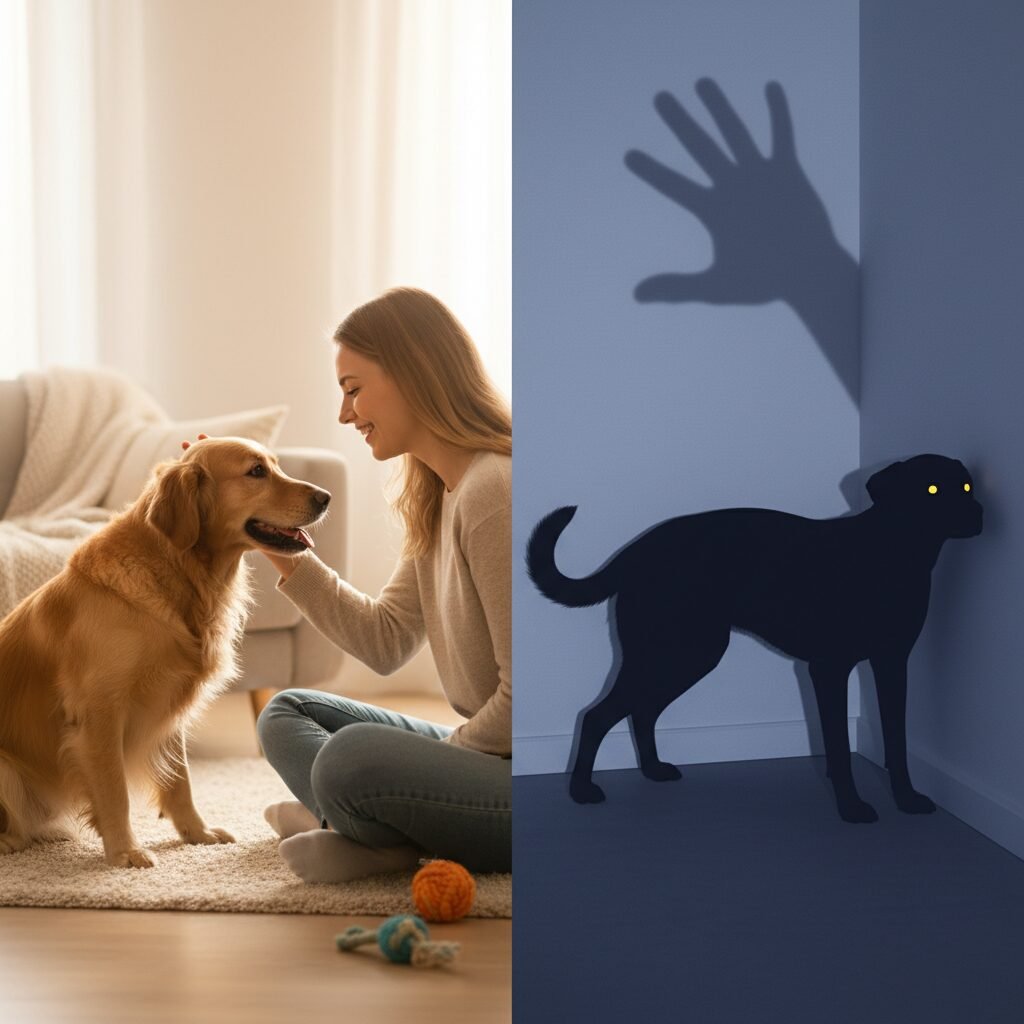
What to Avoid: The Pitfalls of Punishment-Based Training
It can be tempting to seek a ‘quick fix’ when you’re frustrated, and many outdated training sources advocate for punishment. However, these methods are not only less effective in the long run but can cause serious behavioral harm. Aversive tools and techniques create a negative association not just with the furniture, but with you.
Steer clear of the following approaches:
- Physical Corrections: Never push, shove, or physically intimidate your dog off the furniture. This can break their trust and may even lead to a defensive or aggressive reaction.
- Yelling or Scolding: Shouting at your dog after the fact is confusing and stressful for them. It raises the anxiety level in the house and teaches them that your presence can be scary, not that the couch is off-limits.
- Startle Tactics: Using spray bottles, shaker cans (cans with coins inside), or other startling devices teaches your dog to be fearful. They may stop getting on the couch when you’re around, but they will also become anxious and may develop other fear-based behaviors.
Remember, the goal is not to scare your dog away from the couch. The goal is to teach them that their own bed is a wonderful, safe, and highly rewarding place to be. Positive training builds confidence and strengthens your bond, creating a well-behaved companion who follows rules out of willing cooperation, not fear.
Conclusion
Reclaiming your couch is a journey of patience, consistency, and positive communication. By managing your dog’s environment, providing an irresistible alternative, and consistently reinforcing the behaviors you want, you can achieve a furniture-free dog without conflict. This process does more than just solve a simple household problem; it deepens your understanding of your dog and strengthens the bond you share. Celebrate the small victories, stay positive through the setbacks, and soon you will be able to enjoy both your clean couch and the sight of your happy, confident dog snoozing peacefully in their own special spot.