Impossible to Train? How to Finally Crack Your Stubborn Dachshund’s Code
The Dachshund, with its endearing long body and spirited personality, is a beloved breed worldwide. However, many owners quickly discover that beneath that charming exterior lies a formidable intelligence and an independent spirit forged from centuries of purpose-bred history. This often translates into what is perceived as stubbornness, leaving owners feeling frustrated and wondering if their dog is simply ‘impossible to train.’ The truth is, Dachshunds are not untrainable; they simply require a different approach. Their intelligence is a double-edged sword: they learn quickly but also question the ‘why’ behind every command. This guide is designed to help you decode your Dachshund’s unique mindset, moving beyond frustration and into a partnership built on mutual respect and understanding. We will explore the breed’s history to understand its innate behaviors and provide a clear, step-by-step framework using positive reinforcement techniques that appeal to your Dachshund’s clever nature, transforming training from a battle of wills into an engaging and rewarding experience for you both.
Understanding the Dachshund Mindset: Why ‘Stubborn’ is a Misnomer
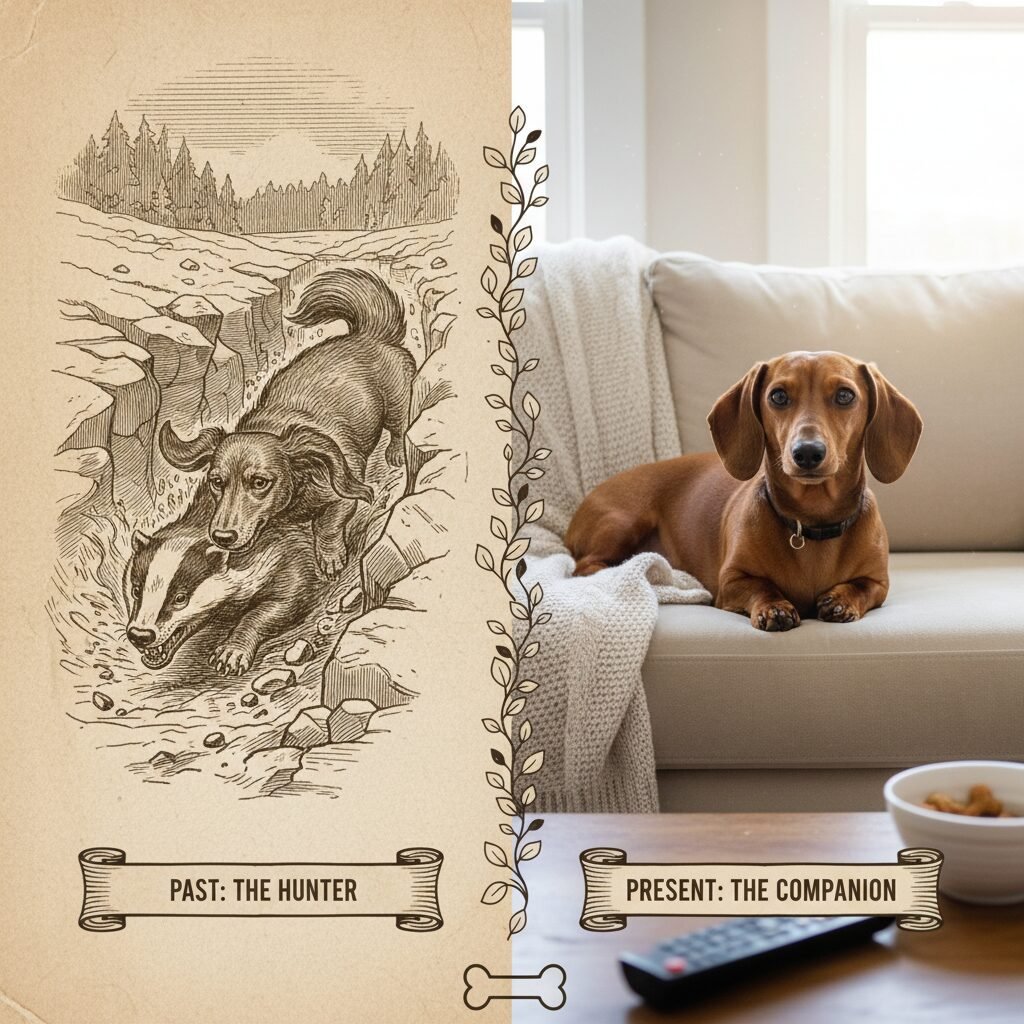
From Badger Hunter to Companion
To effectively train a Dachshund, one must first respect its heritage. The name ‘Dachshund’ literally translates from German to ‘badger dog.’ These dogs were meticulously bred for centuries to hunt badgers and other den-dwelling animals. This wasn’t a task for a timid or indecisive dog. It required courage, persistence, a high pain threshold, and, most importantly, the ability to think independently and make decisions underground, far from the hunter’s guidance. This ingrained independence is the root of what we often label as stubbornness. They were not bred to be blindly obedient like herding or retrieving breeds; they were bred to be problem-solvers.
Key Personality Traits Influencing Training:
- Independence: A Dachshund will often weigh whether a command is worth following. Your job is to make it worth their while. They are motivated by high-value rewards and genuine praise.
- Intelligence: They pick up on patterns quickly, both good and bad. If you are inconsistent with rules, they will exploit every loophole. However, this intelligence also means they thrive on mental stimulation and can learn complex tasks when properly motivated.
- Prey Drive: Their hunting instinct is strong. Squirrels, leaves blowing in the wind, or small pets can be far more interesting than your ‘sit’ command. Training in a low-distraction environment initially is crucial.
- Sensitivity: Despite their bravado, Dachshunds can be surprisingly sensitive. Harsh corrections or yelling will often cause them to shut down or become more defiant. A positive, confident approach yields the best results.
Instead of viewing your Dachshund as stubborn, reframe your perspective. You have an intelligent, independent thinker. Your training goal is not to break their spirit but to channel their cleverness and convince them that cooperating with you is the most rewarding and enjoyable option available.
The Foundation: Essential Tools and Principles for Success
Setting Up for a Win
Before you teach a single command, you must establish a solid foundation. This involves creating a structured environment and adopting a training philosophy that works with your Dachshund’s nature, not against it. Rushing this stage is the most common mistake owners make.
Core Principles of Dachshund Training:
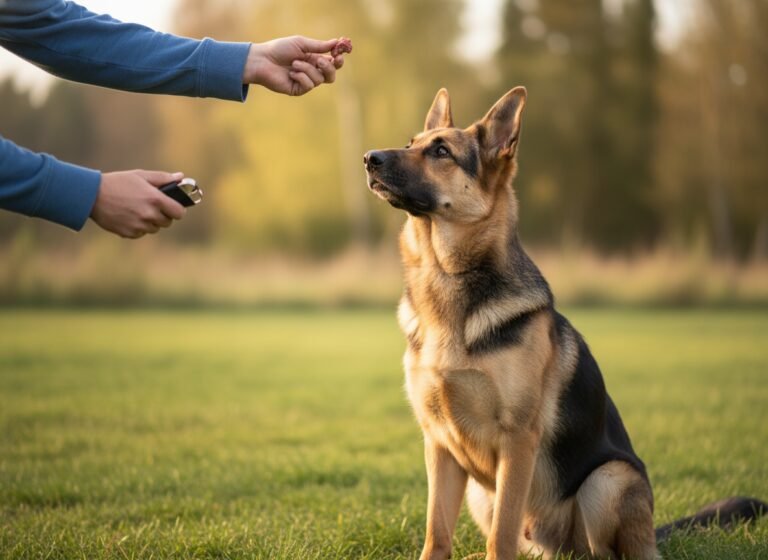
- Positive Reinforcement is Non-Negotiable: This is the cornerstone of all modern, effective dog training. It involves rewarding desired behaviors, which makes the dog more likely to repeat them. For Dachshunds, this is paramount. Punishment-based methods create fear and anxiety, damaging your bond and often exacerbating behavioral issues.
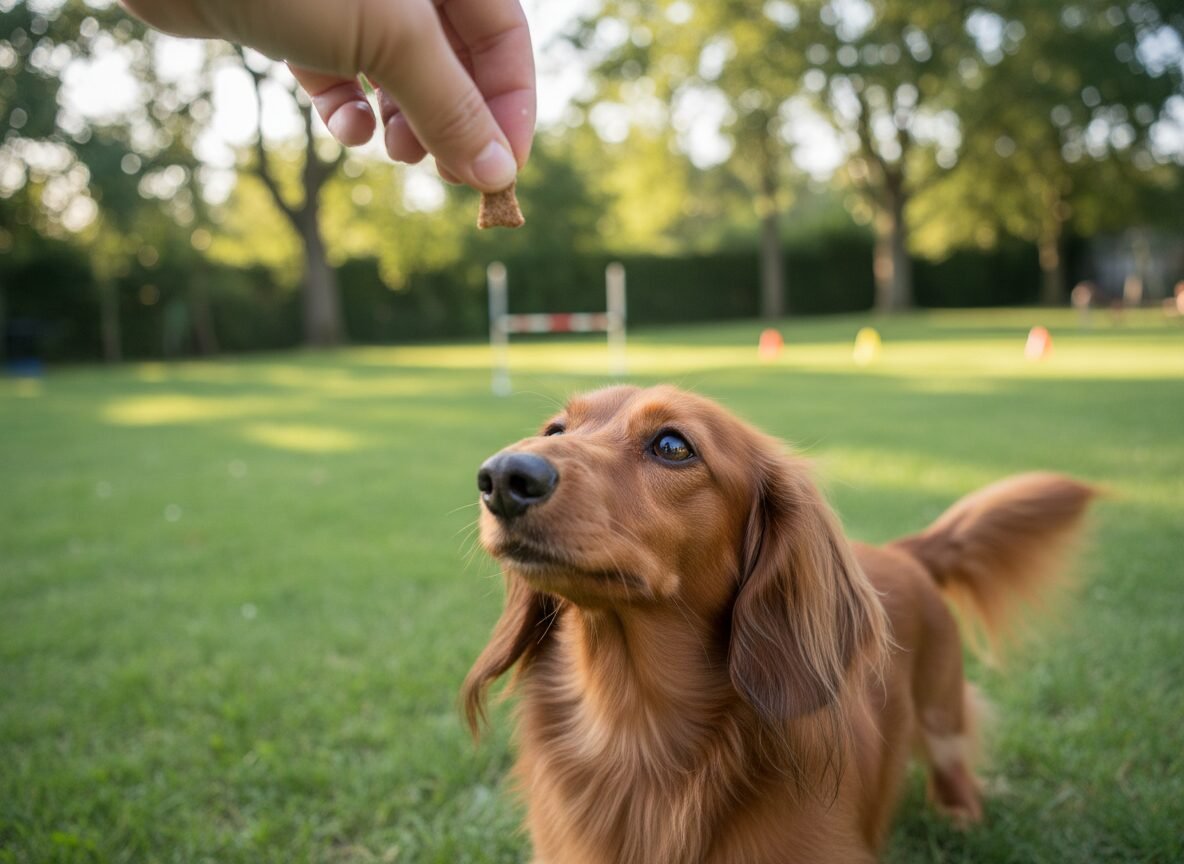
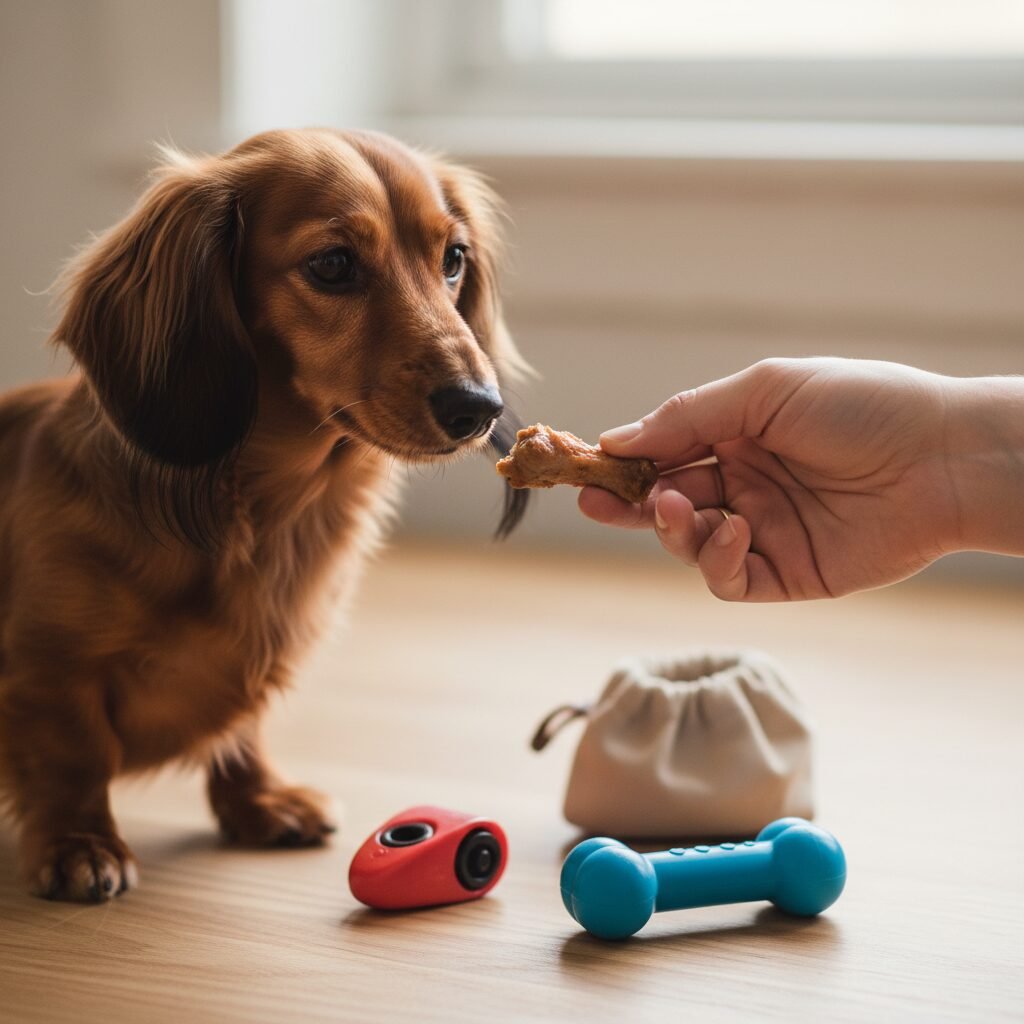
- Discover High-Value Currency: Not all treats are created equal in a Dachshund’s eyes. A dry biscuit might be ignored, but a tiny piece of boiled chicken, cheese, or a specific brand of soft treat could be irresistible. Experiment to find what your dog considers ‘high-value’ and reserve these special rewards exclusively for training sessions.
- Keep Sessions Short and Sweet: A Dachshund’s attention span for repetitive tasks can be short. Aim for multiple 5-10 minute training sessions throughout the day rather than one long, grueling 30-minute session. Always end on a positive note, with a successful command and a big reward, to keep them eager for the next session.
- Consistency is Everything: Every person in the household must be on the same page with rules and commands. If one person lets the dog on the couch and another doesn’t, you are sending mixed signals that your clever Dachshund will use to their advantage. Consistency creates clarity and builds trust.
Expert Tip: Use a specific verbal marker, like the word ‘Yes!’, spoken in an upbeat tone, the exact moment your dog performs the correct behavior. Immediately follow the marker with the high-value treat. This creates a clear signal that tells them precisely what they did right.
Step-by-Step Guide to Core Commands

Mastering the Basics with a Doxie Spin
Approach teaching commands as fun games rather than chores. Use an enthusiastic tone and celebrate every small success. Remember, patience is your greatest asset.
The ‘Sit’ Command:
- Hold a high-value treat in front of your Dachshund’s nose.
- Slowly move the treat upwards and back over their head. As their nose goes up, their rear end will naturally go down into a sit position.
- The moment their bottom touches the floor, say ‘Yes!’ and give them the treat and praise.
- Avoid pushing down on their back, as Dachshunds are prone to spinal injuries (IVDD). Let the movement be their choice.
- Once they understand the physical motion, add the verbal cue ‘Sit’ just as you begin the lure.
The ‘Come’ Command (Recall):
A reliable recall is a safety essential. Never punish your Dachshund for coming to you, no matter how long it took or what they were doing before.
- Start in a quiet room with no distractions. Use a happy, exciting tone and say your dog’s name followed by ‘Come!’.
- As you call them, take a few steps backward to encourage them to follow you.
- When they get to you, provide an explosion of praise, pets, and a jackpot of high-value treats. Make coming to you the best thing that has happened all day.
- Practice this in different rooms, then in a secure backyard, gradually increasing the distance and distractions.
The ‘Stay’ Command:
This command requires significant impulse control, so start with very short durations.
- Ask your dog to ‘Sit.’
- Hold your hand up in a ‘stop’ signal, say ‘Stay,’ and take just one small step back.
- After one second, step back to your dog, say ‘Yes!’ and give them a treat.
- Gradually increase the duration (2 seconds, 5 seconds) and then the distance (2 steps, 5 steps). If they break the stay, calmly lead them back to the original spot and try again with a shorter duration.
Troubleshooting Common Dachshund Behavioral Challenges

House Training Hurdles
Dachshunds are notoriously difficult to house train. Their small size means they have small bladders, and their desire for comfort makes a rainy day seem like a terrible time to go outside. Success requires a rigid schedule and vigilant management.
- Frequent Potty Breaks: A puppy needs to go out every 1-2 hours, as well as after waking up, after playing, and after eating. Take them to the same spot every time.
- Enthusiastic Rewards: When they eliminate outside, praise them lavishly and give a high-value treat immediately as they finish.
- Crate Training: Use a properly sized crate as a management tool. Dogs are naturally den animals and will avoid soiling where they sleep. This helps prevent accidents when you cannot supervise them directly.
- Thorough Cleaning: Use an enzymatic cleaner specifically designed for pet urine to clean up accidents. Regular cleaners won’t eliminate the odor, which encourages the dog to use the same spot again.
Excessive Barking
Bred to be watchdogs, Dachshunds have a loud, deep bark and are not afraid to use it. While you can’t eliminate barking, you can manage it.
- Teach the ‘Quiet’ Cue: Allow your dog to bark two or three times at a stimulus (like the doorbell). Then, say ‘Quiet’ in a calm, firm voice. Hold a high-value treat in front of their nose. They will stop barking to sniff the treat. The moment they are quiet, give them the treat. Gradually increase the time they must be quiet before receiving the reward.
- Manage the Environment: If your dog barks at everything passing by the window, use window film or close the blinds to block their view.
Leash Pulling
Their desire to follow scents can make walks a challenge. A front-clip harness can be a game-changer, as it gently redirects them back towards you when they pull, giving you more control without putting pressure on their sensitive back or neck.
Advanced Training: Engaging Your Dachshund’s Big Brain
Beyond Basic Obedience
A bored Dachshund is a destructive Dachshund. Their high intelligence means they require consistent mental stimulation to stay happy and well-behaved. Once you have mastered the basics, challenge their minds with more advanced activities.
Scent Work and Nose Games
Leverage their natural hunting instincts with scent work. This is an incredibly enriching activity that allows them to use their most powerful sense.
- ‘Find It’ Game: Start simply. Show your dog a treat, say ‘Find it!’, and toss it a few feet away. Once they master this, have them stay while you ‘hide’ the treat in plain sight under a cup or behind a chair leg. Release them to find it.
- Scent Work Kits: You can purchase beginner scent work kits that use specific scents like birch oil. This can become a fun, rewarding hobby and even a competitive sport.
Puzzle Toys and Food-Dispensing Toys
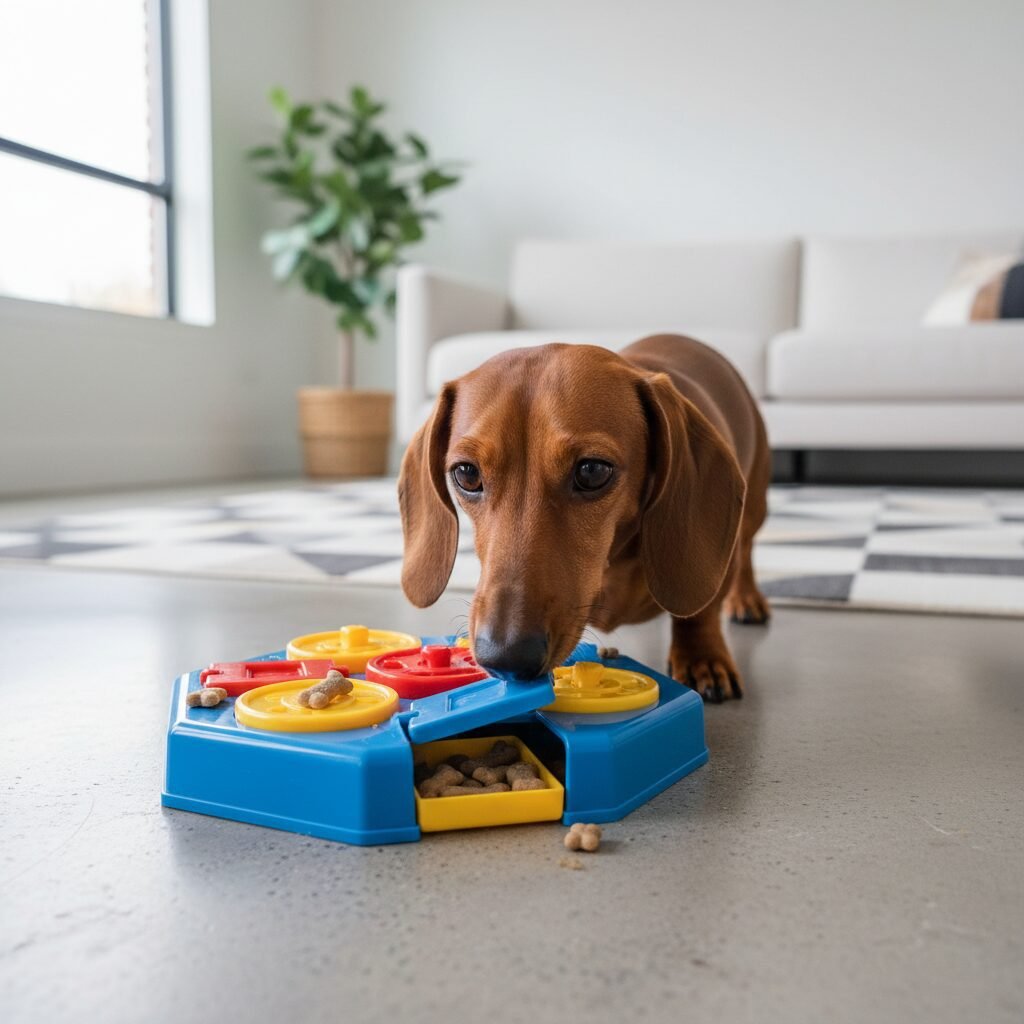
Instead of feeding your Dachshund from a bowl, make them work for their meals. Puzzle toys require them to nudge, paw, and problem-solve to release their kibble. This mimics the foraging and hunting behaviors they are hardwired for, providing an excellent outlet for mental energy.
| Activity Type | Benefits for Dachshunds | Example |
|---|---|---|
| Scent Work | Fulfills natural hunting instincts, builds confidence, mentally tiring. | Hiding treats around a room and having the dog find them. |
| Puzzle Toys | Prevents boredom, slows down fast eaters, encourages problem-solving. | A Kong toy stuffed with food or a dog-specific sliding puzzle. |
| Trick Training | Strengthens bond, improves focus and obedience. | Teaching ‘roll over’, ‘play dead’, or ‘shake paws’. |
| Dog Sports | Provides physical and mental exercise in a structured way. | Barn Hunt or Earthdog trials (designed for breeds like Dachshunds). |
By providing these outlets, you give your Dachshund a ‘job’ to do. This channels their energy and intelligence into productive activities, reducing the likelihood of them developing undesirable behaviors out of sheer boredom.
Conclusion
Training a Dachshund is a journey that tests your patience but ultimately rewards you with a deeply loyal and engaging companion. The key is to discard the ‘stubborn’ label and embrace the reality of working with a highly intelligent, independent breed. By understanding their history, committing to positive reinforcement, maintaining unwavering consistency, and keeping their sharp minds engaged, you can absolutely crack their code. The defiant puppy pulling on the leash can become the well-behaved adult who eagerly responds to your cues. The process itself builds an incredible bond of trust and communication. Remember that you are not just teaching commands; you are learning to speak your Dachshund’s language. With the right approach, you will discover that you don’t have an ‘impossible’ dog—you have a brilliant partner who was simply waiting for you to lead the way.