Lungworm Alert: Why You Must Stop Your Dog Eating Slugs

As a devoted pet owner, you are constantly vigilant about your dog’s safety, from road traffic to toxic foods. Yet, a silent and insidious threat often lurks in the most familiar of places: your own backyard. This threat is canine lungworm, a parasite known scientifically as Angiostrongylus vasorum, and its primary carriers are the common slugs and snails that frequent our gardens. Many dog owners are unaware that a single curious lick or gulp of one of these gastropods can lead to a severe, and sometimes fatal, infection.
The parasite’s journey is a grim one. Once ingested, the larvae travel from the dog’s gut through its body, eventually maturing into adult worms that take up residence in the heart and the major blood vessels supplying the lungs. The consequences can be catastrophic, leading to a range of debilitating symptoms affecting the respiratory, neurological, and circulatory systems. This article serves as a critical alert for all dog owners. We will delve into the lifecycle of this dangerous parasite, detail the often-subtle symptoms of infection, outline the veterinary diagnostic and treatment processes, and most importantly, provide a comprehensive guide to preventing this devastating illness.
Understanding Angiostrongylus vasorum: The Lungworm Lifecycle
To effectively combat a threat, one must first understand it. Canine lungworm, Angiostrongylus vasorum, is a type of parasitic worm that has a complex lifecycle dependent on multiple hosts. Unlike intestinal worms that reside primarily in the gut, lungworm targets the very core of a dog’s circulatory system.
The Journey of a Parasite
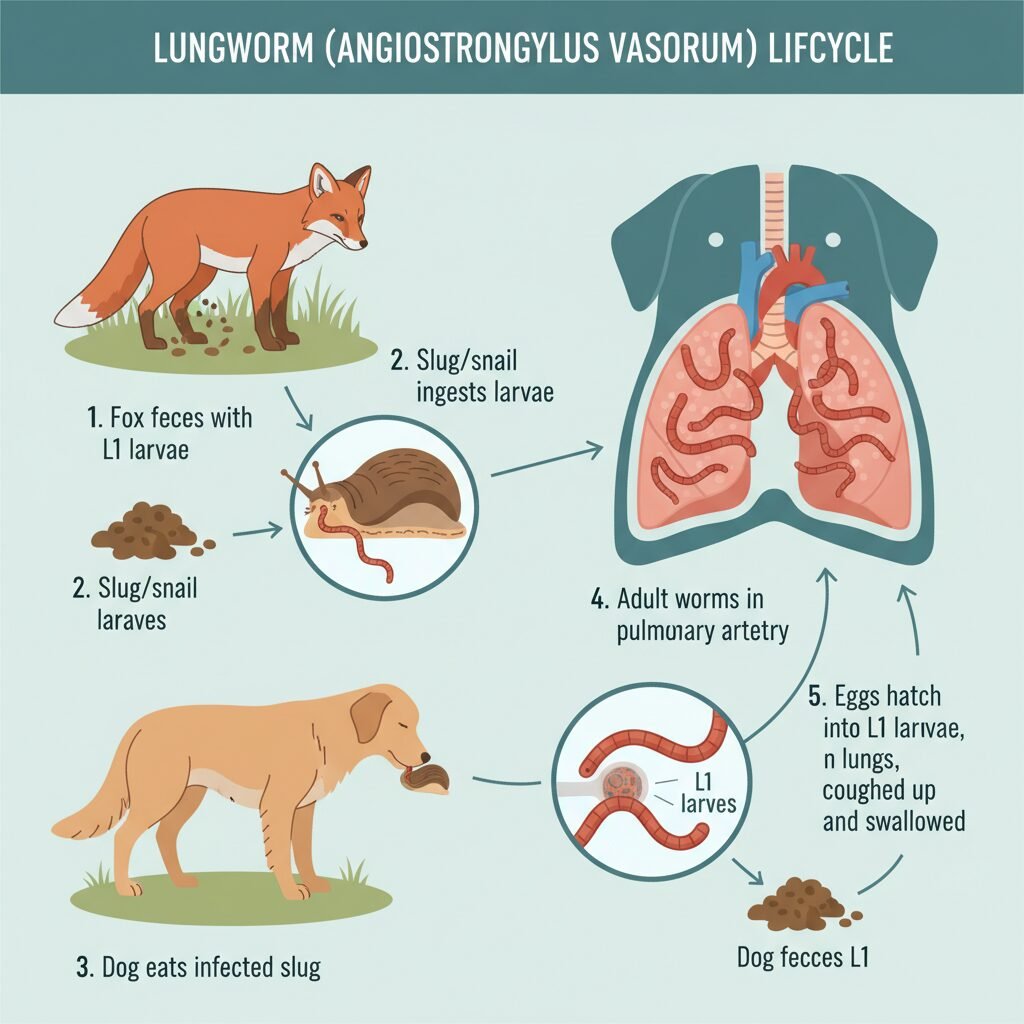
The lifecycle begins when an infected dog or fox (a primary wildlife reservoir) passes lungworm larvae in its feces. These larvae are then ingested by intermediate hosts—namely slugs and snails. Inside the slug or snail, the larvae develop into a more advanced, infective stage. The cycle completes when a dog ingests an infected slug or snail. This can happen intentionally if a dog is prone to eating unusual things, or accidentally, such as when a small slug is attached to a toy, blade of grass, or is present in an outdoor water bowl.
Once inside the dog, the ingested larvae penetrate the intestinal wall and migrate through the bloodstream and lymph nodes to the right side of the heart and the pulmonary arteries. Here, they mature into adult worms, which can grow up to 2.5 cm in length. These adults begin to produce eggs, which are carried by the bloodstream into the lung tissue. The eggs hatch into first-stage larvae, which are then coughed up from the lungs, swallowed by the dog, and passed out into the environment via the feces, starting the cycle anew.
Expert Tip: It’s crucial to understand that the risk is not limited to directly eating a slug or snail. The slime trail left by an infected gastropod can also contain larvae, posing a threat if a dog licks it from a surface or toy.
Recognizing the Red Flags: Symptoms of a Lungworm Infection
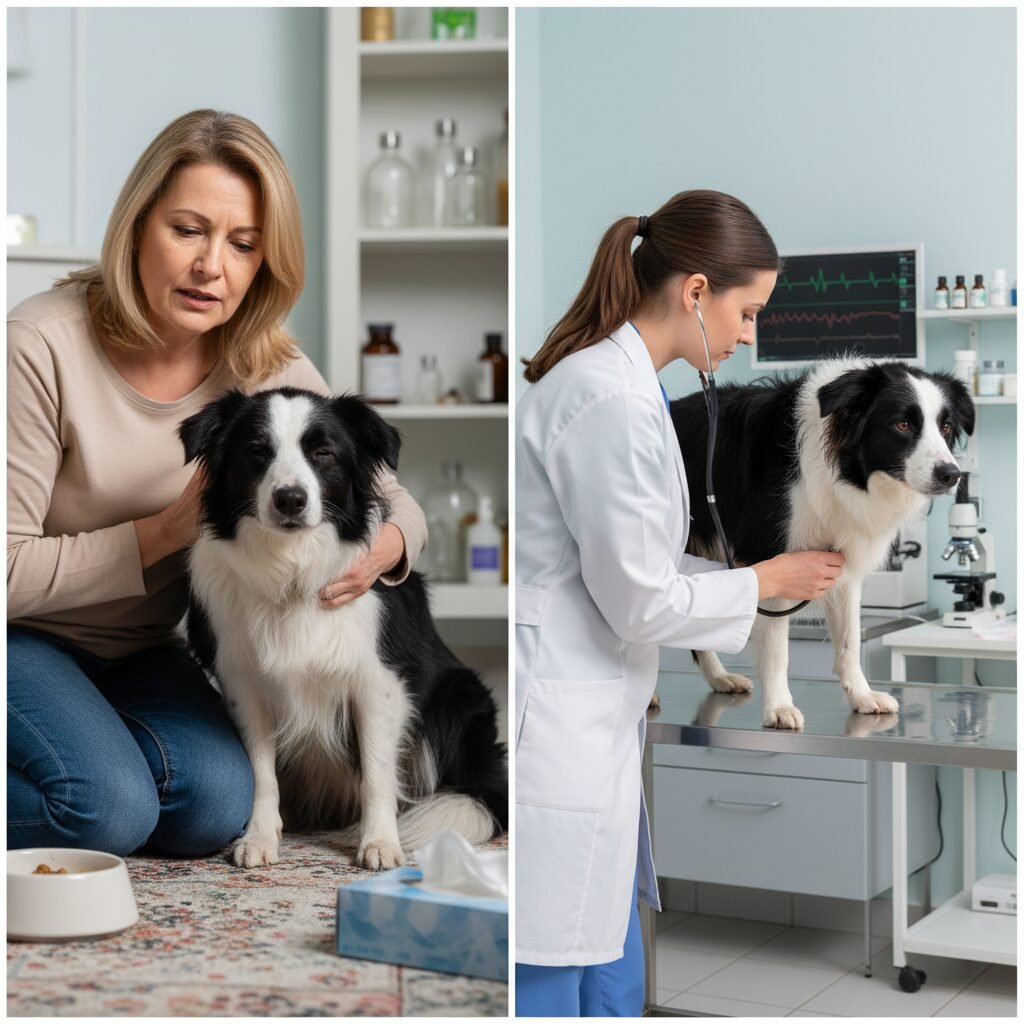
One of the most challenging aspects of a lungworm infection is its often-vague and varied presentation. The symptoms can mimic many other common canine ailments, leading to potential misdiagnosis or delayed treatment. A vigilant owner who recognizes these signs is the first line of defense.
Respiratory Distress
As the worms and eggs accumulate in the heart and lungs, they cause significant inflammation and damage. This most commonly manifests as respiratory issues. Key signs include:
- A persistent, soft cough that may worsen with exercise or at night.
- Rapid or labored breathing (dyspnea).
- An unusual reluctance to exercise or tiring much more quickly than normal.
Impaired Blood Clotting (Coagulopathy)
Lungworm infection can severely interfere with the blood’s ability to clot. This is one of its most dangerous effects and can lead to life-threatening internal or external bleeding. Watch for:
- Unexplained bruising or small, pinpoint hemorrhages (petechiae) on the gums or skin.
- Nosebleeds (epistaxis).
- Prolonged bleeding from minor cuts or scratches.
- Anemia, identifiable by pale gums and lethargy.
Neurological Abnormalities
In some cases, larvae can migrate to the brain or spinal cord, causing serious neurological problems. These symptoms require immediate veterinary attention:
- Seizures.
- Loss of coordination or weakness, particularly in the hind legs.
- Behavioral changes, such as depression or confusion.
- Spinal pain or partial paralysis.
General Signs of Being Unwell
Often, the first signs are simply that the dog is ‘not right’. These can include weight loss, vomiting, diarrhea, and a reduced appetite. Because these symptoms are so general, lungworm may not be the first suspicion, highlighting the importance of discussing your dog’s outdoor habits and potential exposure to slugs and snails with your veterinarian.
Veterinary Diagnosis and Treatment Protocols

If you suspect your dog may have lungworm, a prompt veterinary visit is imperative. Early diagnosis and treatment significantly improve the prognosis. A veterinarian will use a combination of history, clinical signs, and specific diagnostic tests to confirm the presence of the parasite.
Confirming the Infection
There is no single, perfect test for lungworm, so vets often use several methods:
- Baermann Fecal Analysis: This involves collecting a fecal sample (often over three consecutive days, as larvae are not shed consistently) and using a special apparatus to separate and identify the larvae under a microscope.
- Blood Tests: Specific blood tests can detect lungworm antigens (proteins from the worm) or antibodies (the dog’s immune response). Blood tests can also assess clotting times and check for anemia.
- Imaging: Chest X-rays (radiographs) can reveal characteristic changes in the heart and lungs caused by the worms, though these are not always present in early infections.
- Bronchoscopy: In some cases, a small camera may be passed down the dog’s airway to collect samples directly from the lungs for analysis (a procedure known as a bronchoalveolar lavage).
The Path to Recovery
The good news is that lungworm is treatable. Treatment involves the administration of specific anthelmintic (anti-worm) medications that are effective against Angiostrongylus vasorum. These are typically prescription-only products. However, treatment is not without risk. The dying worms can release proteins that may cause an allergic reaction or create blockages in the blood vessels. For this reason, treatment must be carefully supervised by a veterinarian. In severe cases, a dog may require hospitalization for supportive care, including oxygen therapy, anti-inflammatory medications, and treatment for bleeding complications.
Proactive Prevention: Your Best Defense Against Lungworm

When it comes to lungworm, prevention is unequivocally better than a cure. Protecting your dog involves a multi-faceted approach that combines veterinary-approved medications, environmental management, and behavioral supervision.
Monthly Veterinary-Prescribed Preventatives
The cornerstone of lungworm prevention is a consistent parasite control program. It is vital to understand that not all standard dewormers are effective against lungworm. You must consult your veterinarian to get a prescription for a product proven to prevent Angiostrongylus vasorum. These are typically administered monthly, either as a spot-on treatment or an oral tablet.
Environmental and Behavioral Management
Medication is essential, but reducing your dog’s exposure to slugs and snails provides an additional layer of security. Follow these steps:
- Garden Hygiene: Regularly clean up dog feces from your yard. This breaks the lifecycle by preventing larvae from being passed to the slug and snail population.
- Remove Temptations: Bring all dog toys and water/food bowls indoors overnight, as slugs and snails are most active at night and are attracted to these items. Regularly clean outdoor bowls.
- Supervise Your Pet: Keep a close eye on your dog when it is in the garden, especially in damp, shaded areas where gastropods thrive.
- Train a ‘Leave It’ Command: A reliable ‘leave it’ command is an invaluable tool to prevent your dog from eating slugs, snails, or other potentially harmful items they find on the ground.
- Use Pet-Safe Slug Control: If you must use slug pellets, ensure they are certified pet-safe. Traditional metaldehyde-based slug pellets are extremely toxic to dogs and should never be used.
By combining these strategies, you create a robust defense system that significantly minimizes the risk of your dog contracting this dangerous parasite.
| Prevention Method | Description | Frequency | Key Consideration |
|---|---|---|---|
| Veterinary Preventative | Prescription spot-on or tablet effective against lungworm. | Monthly | Must be prescribed by a vet; not all wormers cover lungworm. |
| Fecal Cleanup | Promptly removing dog waste from the yard. | Daily | Breaks the parasite’s lifecycle in your immediate environment. |
| Toy & Bowl Management | Bringing toys and bowls inside at night and cleaning them regularly. | Daily | Reduces accidental ingestion via contaminated objects or slime trails. |
| Supervision & Training | Actively watching your dog outdoors and using commands like ‘Leave It’. | Ongoing | Prevents the primary mode of infection: direct ingestion. |
Conclusion
The threat of canine lungworm is real and its prevalence is reportedly increasing in many areas. The journey from a simple slug in the garden to a life-threatening condition in a beloved pet is a frightening one. However, knowledge and proactive measures are your most powerful tools. By understanding how lungworm is transmitted, recognizing the diverse range of symptoms, and committing to a rigorous prevention strategy, you can protect your canine companion from this silent threat.
Vigilance is key. Observe your dog’s behavior, manage their environment, and never underestimate the danger posed by slugs and snails. Your most crucial step is to have an open conversation with your veterinarian. They can assess your dog’s individual risk based on your lifestyle and geographic location, and prescribe the most effective, modern preventative medication. Do not wait for symptoms to appear. Act today to ensure your dog remains happy, healthy, and safe from lungworm.