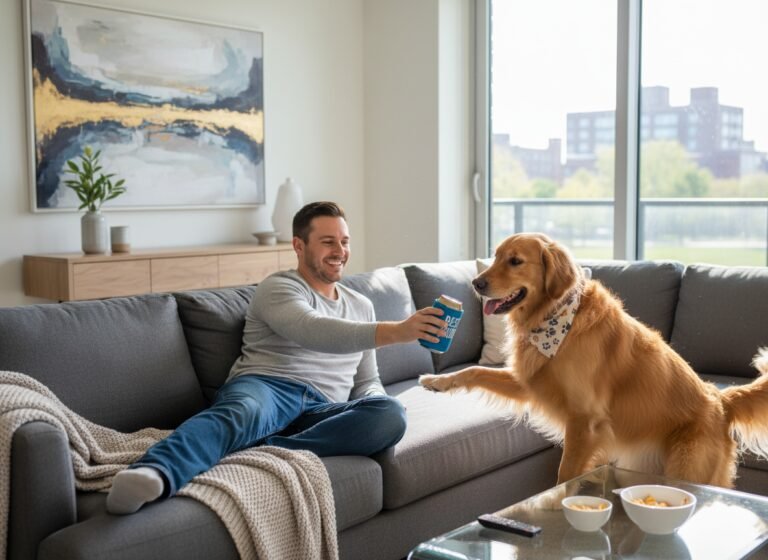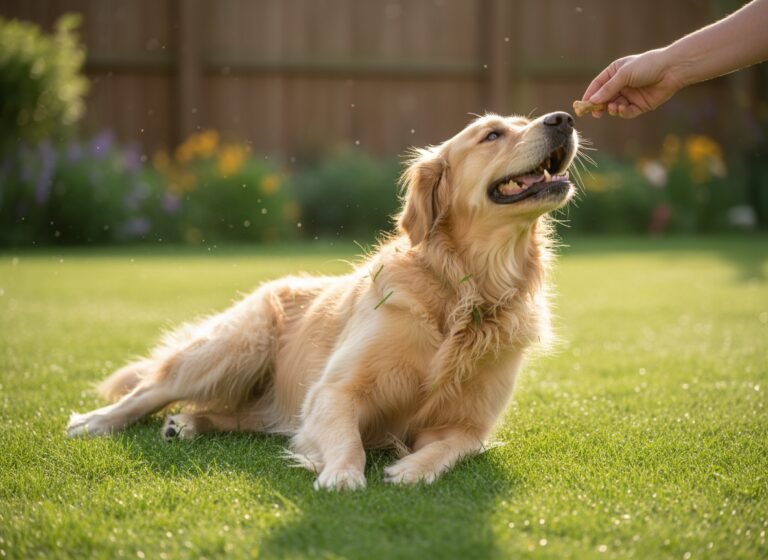
Teach Your Clumsy Dog To Catch Treats In Mid-Air (Coordination Drills)
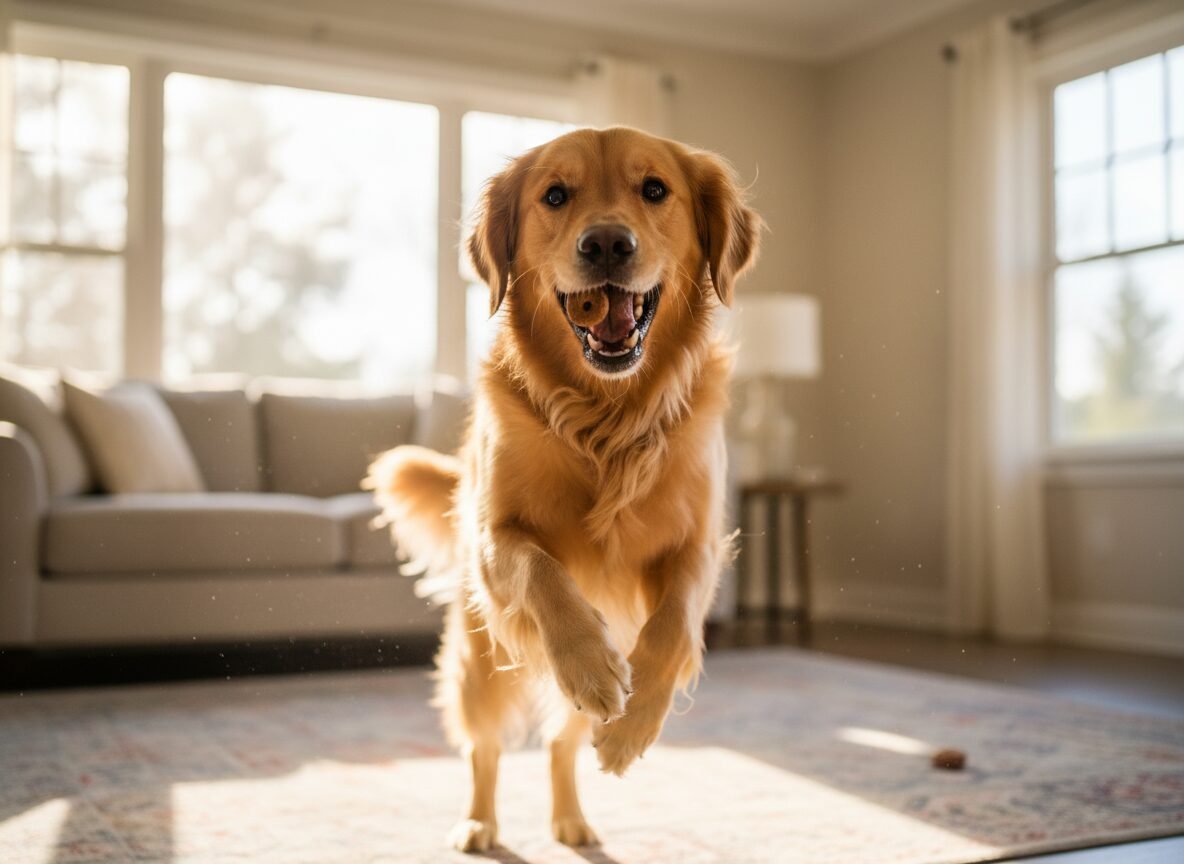
Many dog owners have experienced the amusing, yet sometimes frustrating, sight of a treat bouncing harmlessly off their dog’s nose. While it may seem like a simple case of clumsiness, a dog’s inability to catch objects in mid-air is often a matter of underdeveloped motor skills and coordination. This is not a fixed trait but a skill that can be taught and refined. Teaching your dog to catch is more than just a fun party trick; it’s a powerful form of mental and physical enrichment. This process enhances their proprioception—their awareness of their body in space—which is crucial for agility, confidence, and overall physical health. In this comprehensive guide, we will explore the underlying reasons for poor catching skills and provide a structured, positive reinforcement-based program to turn your fumbling friend into a confident catcher. By engaging in these coordination drills, you will not only teach a new skill but also deepen your communication and strengthen the invaluable bond you share with your canine companion.
Understanding Canine Coordination and Proprioception
Understanding Canine Coordination and Proprioception
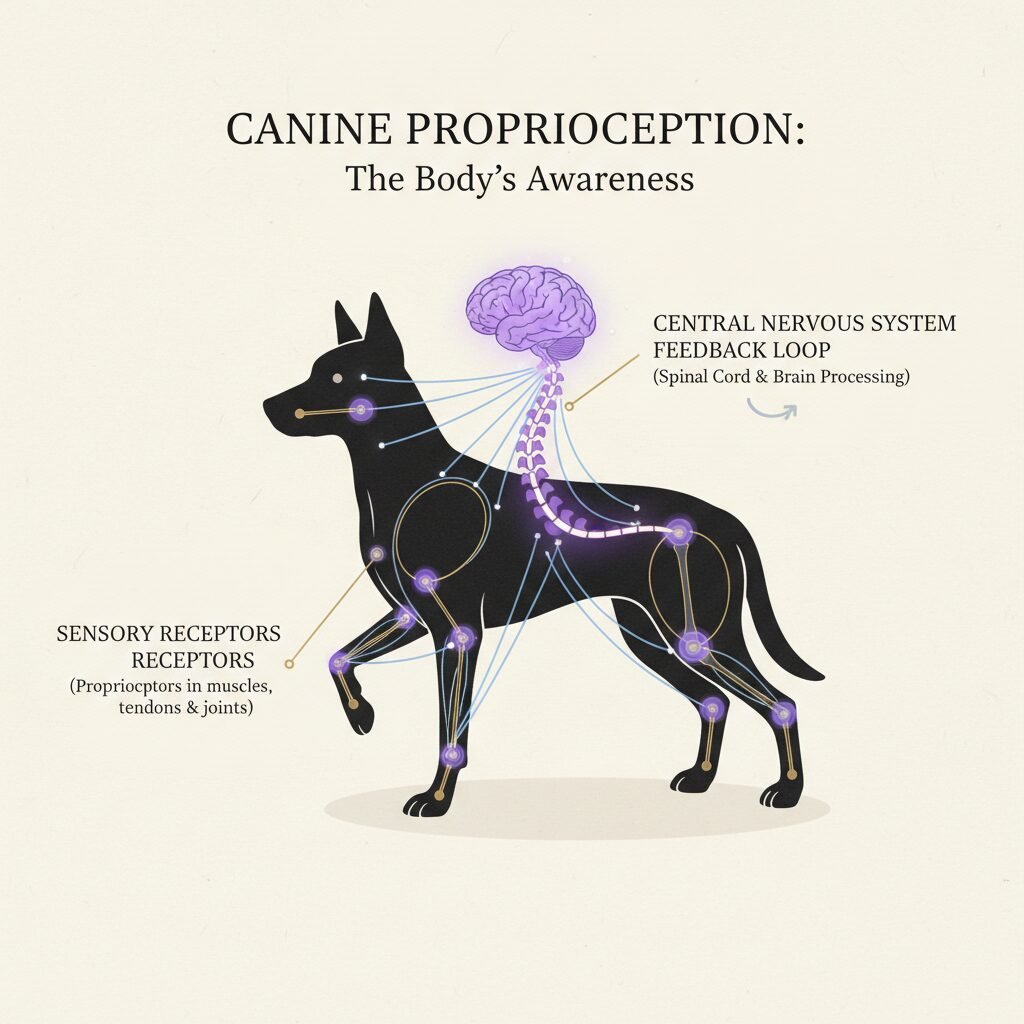
Before we begin the training process, it is essential to understand the science behind your dog’s movement. The ability to catch an object in motion is a complex neurological task that relies heavily on a sense called proprioception. Often referred to as the ‘sixth sense’, proprioception is the body’s innate ability to perceive its own position, movement, and orientation in space without relying on visual cues. It’s how your dog knows where their paws are when walking, how they navigate tight spaces, and how they can shake a toy vigorously without losing their balance.
This sense is managed by a network of sensory receptors in the muscles, tendons, and joints. These receptors send constant feedback to the central nervous system, which then makes micro-adjustments to muscle contractions and body position. A dog with well-developed proprioception has excellent body awareness, balance, and coordination.
Factors Affecting a Dog’s Coordination
Several factors can influence a dog’s natural catching ability:
- Age: Puppies are notoriously clumsy as their proprioceptive system is still developing. Senior dogs may experience a decline in coordination due to arthritis, muscle loss, or neurological changes.
- Breed: Breeds developed for agility and athleticism, such as Border Collies or Australian Shepherds, often have a natural advantage. Brachycephalic (flat-faced) breeds like Pugs or Bulldogs may face challenges due to their facial structure and vision.
- Physical Condition: An overweight or out-of-shape dog will naturally be less agile. Underlying medical conditions, such as inner ear infections, joint problems, or neurological disorders, can also severely impact balance and coordination.
- Past Experience: A dog that has had a negative experience, such as being hit in the face by a hard object, may become head-shy and reluctant to try catching things.
Expert Tip: Improving proprioception is not just about catching treats. It can help prevent injuries, improve performance in dog sports, and boost the confidence of a timid or anxious dog by making them feel more secure in their own body.
By understanding that ‘clumsiness’ is often just an untrained proprioceptive system, we can approach the task of teaching them to catch with patience and a clear, scientific strategy. The drills outlined in this guide are specifically designed to stimulate and refine this crucial sixth sense.
Essential Preparation and Tools for Success
Essential Preparation and Tools for Success
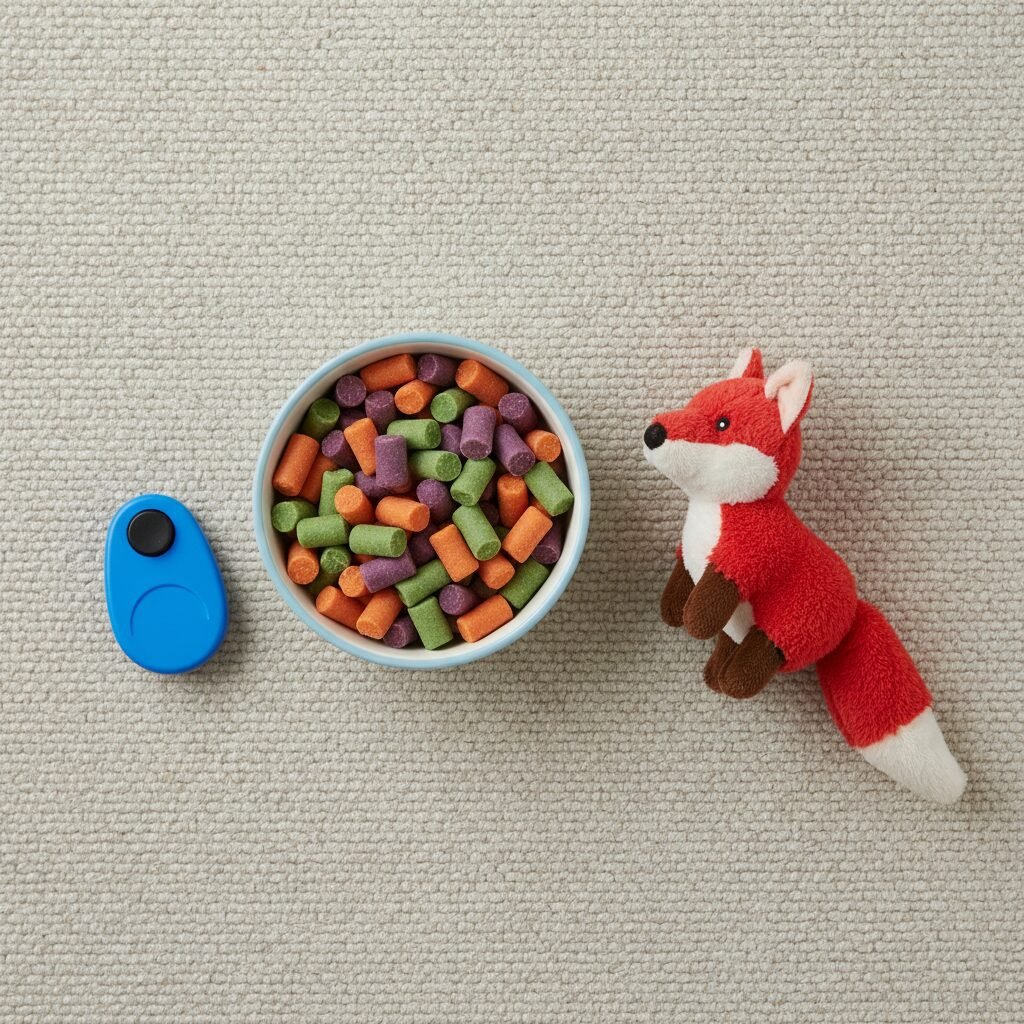
Setting the stage for a successful training session is paramount. A well-prepared environment minimizes distractions and maximizes your dog’s ability to learn. Before you begin your first coordination drill, gather the following essential tools and establish the right atmosphere.
Choosing the Right Reinforcements
The treats you use can make or break your training. They need to be motivating enough to hold your dog’s interest but also practical for the task at hand.
- High-Value and Aromatic: Select treats that your dog absolutely loves. Soft, smelly treats like small pieces of cheese, boiled chicken, or commercial training treats are often more enticing than dry biscuits.
- Small and Soft: The ideal treat is pea-sized and soft. This is crucial for several reasons. A small treat is consumed quickly, allowing the training session to flow without long chewing breaks. A soft treat is easier to catch and less likely to hurt your dog’s teeth or mouth if they misjudge the catch.
- Low in Calories: Since you will be using many treats during a session, choose a low-calorie option to avoid overfeeding and weight gain.
Creating the Optimal Training Environment
Your dog’s surroundings play a significant role in their ability to focus.
- Quiet and Distraction-Free: Choose a room in your house with minimal foot traffic, noise, and other distractions. Turn off the television and ask other family members to give you space. A backyard can work, but only if it’s a calm, familiar area.
- Good Lighting: Ensure the area is well-lit so your dog can easily see the treat you are tossing.
- Secure Footing: Conduct training on a non-slip surface like a rug or carpet. Hardwood or tile floors can be slippery, making your dog hesitant to move quickly to make a catch.
| Tool | Why It’s Important | Examples |
|---|---|---|
| High-Value Treats | Keeps the dog motivated and focused on the task. | Small pieces of chicken, cheese, soft commercial training treats. |
| Quiet Space | Minimizes distractions and reduces anxiety. | A closed-off living room, a quiet basement, or a familiar office space. |
| Non-Slip Surface | Prevents injury and builds confidence in movement. | Carpet, area rug, or a yoga mat. |
| Positive Attitude | Your dog feeds off your energy. Keep it light, fun, and encouraging. | Use an upbeat tone of voice, offer praise, and keep sessions short. |
Remember, the goal is to build confidence. Every element, from the treat to the floor surface, should be chosen to make your dog feel safe, comfortable, and set up for success.
The Step-by-Step Training Protocol: From Groundwork to Mid-Air Catch
The Step-by-Step Training Protocol: From Groundwork to Mid-Air Catch
This protocol is designed to be progressive, building your dog’s skill and confidence incrementally. Never rush a step. If your dog struggles, simply return to the previous, mastered step for a few repetitions before trying again. Keep sessions short—5 to 10 minutes once or twice a day is far more effective than a single, long session.
Step 1: The Stationary Placement
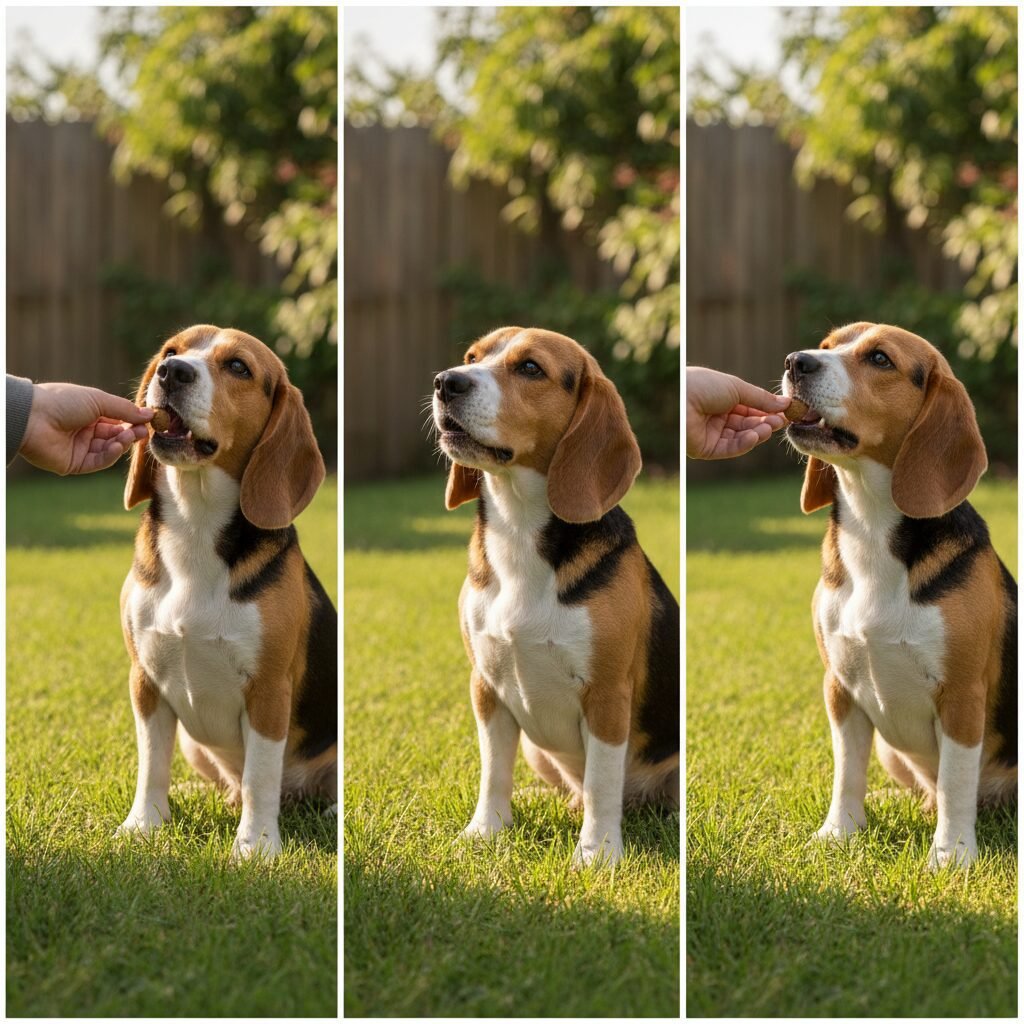
The goal of this initial step is to build a positive association and teach your dog to focus on your hand as the source of the treat. Ask your dog to sit.
- Hold a treat between your thumb and forefinger.
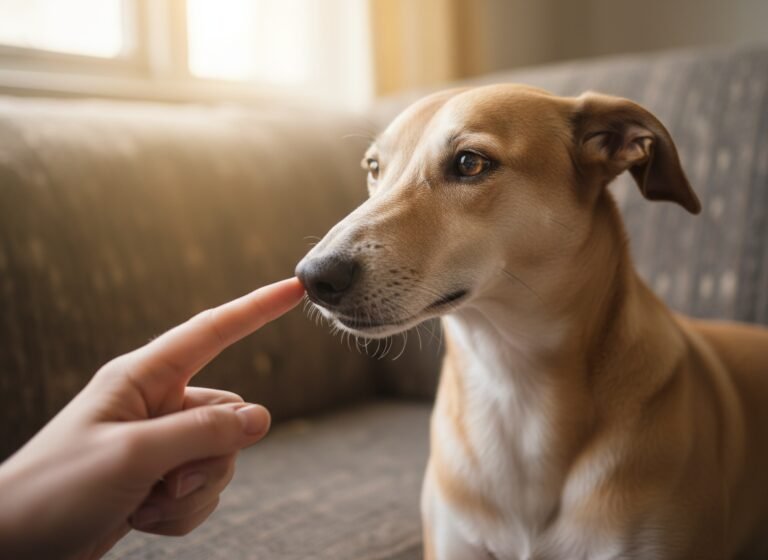
- Bring the treat directly to your dog’s mouth and let them take it gently. Repeat this 3-4 times.
- Now, hold the treat just above their nose and say your chosen cue, such as “Catch!” or “Get it!” as they lift their head to take it. This links the word to the action of receiving a treat near their mouth.
Step 2: The Gentle Drop
This step introduces the concept of tracking a moving object, albeit over a very short distance. With your dog sitting, hold the treat about 1-2 inches above their mouth.
- Say your cue, “Catch!”
- Immediately release the treat so it drops directly into their open mouth.
- Praise them enthusiastically when they are successful. If they miss, that’s okay—let them eat the treat off the floor and try again.
- Once they are successfully catching the treat from this height 9 out of 10 times, you can gradually increase the drop height to 4-6 inches.
Step 3: The Vertical Toss
Now we introduce a slight upward movement to challenge their tracking ability. Start with your dog in a sit position.
- Hold the treat in front of their nose, about 6 inches away.
- Say your cue, “Catch!” and gently toss the treat straight up just an inch or two, so it falls back down towards their mouth.
- The arc should be very small and predictable. The goal is for them to follow the treat up and down with their eyes and position their mouth to catch it.
Patience is key. Some dogs may be startled by the toss at first. If your dog flinches, go back to the Gentle Drop (Step 2) and use even more delicious treats to build their confidence.
Step 4: The Soft Underhand Toss
This is the transition to a true catch. You can begin with your dog sitting, but allow them to stand if it helps them adjust their body position.
- Position yourself about one foot away from your dog.
- Show them the treat in your hand.
- Say your cue, “Catch!” and use a gentle, slow, underhand toss to lob the treat directly towards their mouth. The arc should be predictable and easy to track.
- Celebrate every success! If they miss, simply reset and try again without any frustration in your voice.
Step 5: Increasing Distance and Variability
Once your dog is consistently catching the soft underhand toss from a short distance, you can gradually increase the challenge.
- Increase Distance: Take a small step back, increasing the distance to two feet, then three, and so on. Only increase the distance when they are highly successful at the current one.
- Vary the Angle: Instead of tossing directly at their mouth, toss slightly to the left or right, encouraging them to move their head to make the catch.
- Vary the Height: Introduce slightly higher arcs, which requires more precise timing on their part.
By progressing through these stages at your dog’s pace, you are systematically building their visual tracking skills, reaction time, and body awareness, turning a clumsy pup into a confident and coordinated treat-catching pro.
Troubleshooting Common Catching Conundrums
Troubleshooting Common Catching Conundrums
Even with a perfect training plan, you may encounter some common roadblocks. Understanding why these happen and how to address them will keep the training process positive and productive for both you and your dog.
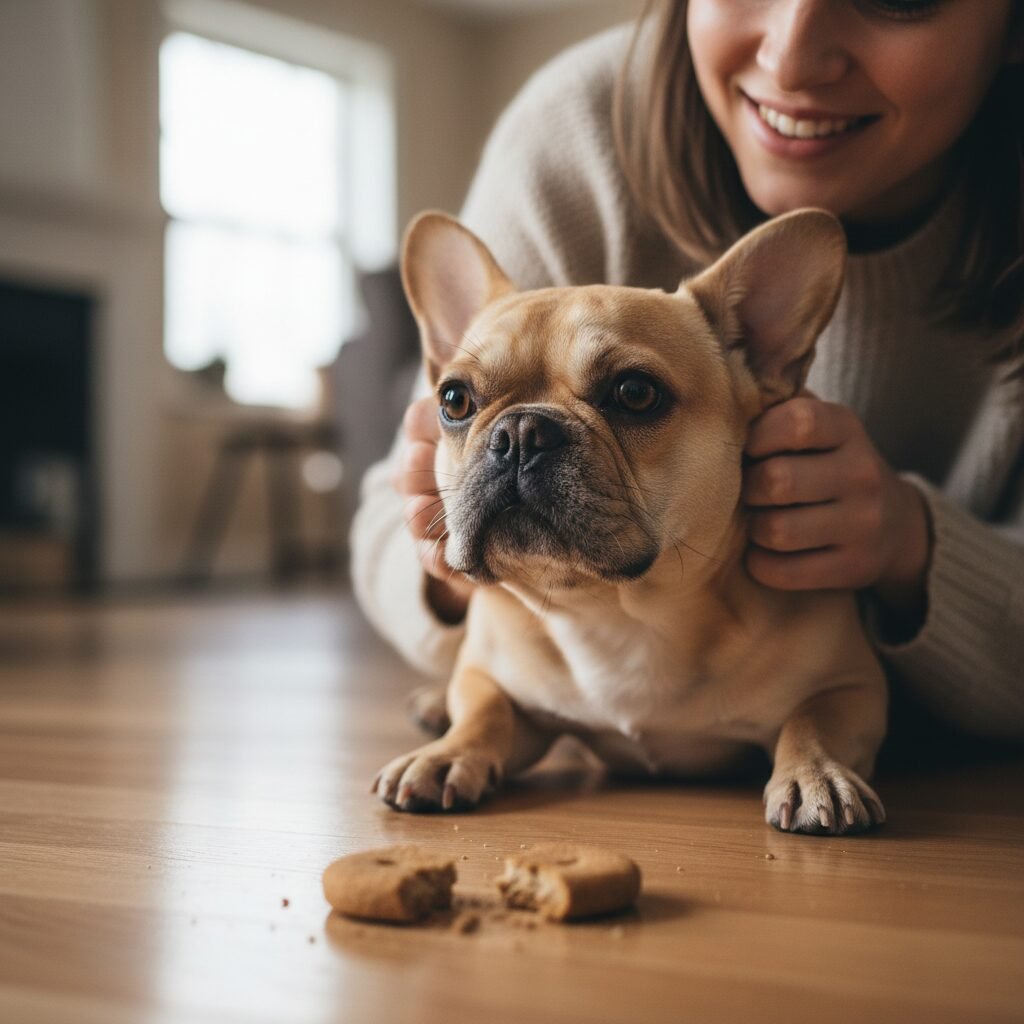
Problem: My Dog Flinches or Shuts Its Eyes
This is one of the most common issues and is often an involuntary protective reflex. The dog anticipates an object moving towards its face and instinctively tries to protect its eyes.
- Solution: Go back to basics. Revert to the ‘Gentle Drop’ step for a few sessions to rebuild confidence. Use larger, very soft treats (like a small piece of marshmallow or a soft jerky treat) that are less intimidating. You can also try tossing the treat so it arcs from below their chin upwards, which can feel less threatening than an object coming down towards their eyes.
Problem: The Treat Bounces Off My Dog’s Nose
This indicates a timing issue. The dog sees the treat coming but isn’t opening its mouth at the right moment or is misjudging the speed and trajectory.
- Solution: Slow everything down. Return to a shorter tossing distance. Exaggerate your arm motion before the toss so your dog has more time to anticipate the release. Ensure you are using a clear, consistent verbal cue (“Catch!”) just before you toss, which helps them prepare for the action.
Problem: My Dog Shows No Interest and Just Waits for the Treat to Land
This is often a motivation problem. The effort of catching doesn’t seem worth the reward, or they may simply be confused about the goal of the game.
- Solution: Re-evaluate your treats. Are they truly high-value? This is the time to bring out the most prized snacks. Additionally, keep sessions extremely short and exciting (2-3 minutes). End on a high note with a successful catch, followed by lots of praise and maybe a different game they love, like tug-of-war. This frames the ‘catching game’ as a fun and rewarding activity.
Problem: My Dog Seems to Have Vision Problems
If your dog consistently seems unable to track the treat, bumps into things, or has difficulty in low light, there could be an underlying medical issue.
- Solution: Schedule a veterinary check-up immediately. An ophthalmologist can rule out conditions like Progressive Retinal Atrophy (PRA), cataracts, or other vision impairments. It’s crucial to address potential health issues before continuing with training that relies heavily on sight. If a vision impairment is confirmed, you can still play modified scent-based games to provide enrichment.
Always remember that training is a dialogue, not a monologue. Your dog’s behavior is providing you with information. If they are struggling, they are telling you that the task is too difficult, too scary, or not rewarding enough. Listen to their feedback and adjust your approach accordingly.
Advanced Drills: Beyond Basic Treat Catching
Advanced Drills: Beyond Basic Treat Catching
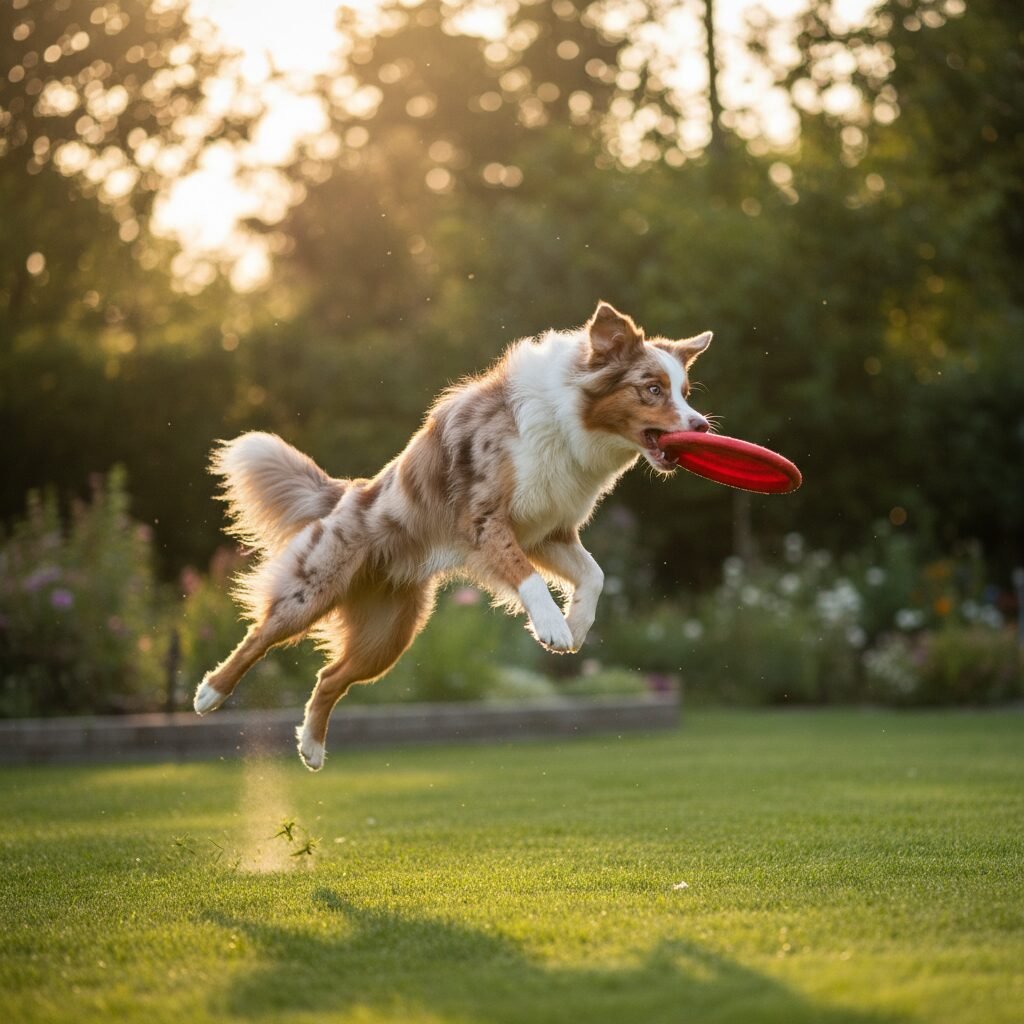
Once your dog has mastered the art of catching a treat, you can expand on these skills to further enhance their coordination, body awareness, and focus. These advanced drills turn the simple act of catching into a comprehensive physical and mental workout.
Introducing Different Objects
Transitioning from treats to toys challenges your dog to adjust to different sizes, weights, and textures.
- Soft Toys: Start with a small, lightweight soft toy. Use the same gentle underhand toss you used for treats. The larger object is easier to track but requires a wider mouth and different timing to catch successfully.
- Popcorn: Unsalted, unbuttered, air-popped popcorn is a fantastic training tool. It’s light, tumbles unpredictably in the air, and is safe for dogs in moderation. This variability forces your dog to become more agile and precise.
- Rubber Toys: Introduce small, hollow rubber toys (like a small Kong). These have a more predictable trajectory than popcorn but a different weight and bounce than soft toys.
Adding Movement and Complexity
Static catches are great, but real-world coordination involves moving and adjusting. These drills incorporate movement to increase the difficulty.
- The Moving Catch: Ask your dog to walk alongside you in a heel position. As you walk, give the ‘Catch!’ cue and toss a treat towards their mouth. This requires them to track an object while their own body is in motion.
- Directional Tosses: While your dog is in a ‘stay’, stand several feet away. Toss the treat to their left or right, forcing them to pivot or take a step to make the catch. This is an excellent proprioception exercise.
- Cavaletti and Catching: Set up a few low cavaletti poles (small hurdles). Ask your dog to walk over them and toss a treat as they clear the last pole. This combines a body awareness exercise with a catching task, significantly increasing the mental engagement.
| Drill | Primary Skill Enhanced | Difficulty Level |
|---|---|---|
| Catching Soft Toys | Adjusting to size and texture | Intermediate |
| Catching Popcorn | Tracking unpredictable movement | Intermediate |
| The Moving Catch | Coordination while in motion | Advanced |
| Directional Tosses | Pivoting and spatial awareness | Advanced |
| Cavaletti and Catching | Combining multiple motor tasks | Expert |
These advanced games provide incredible enrichment, preventing boredom and building a ‘thinking dog’ that is more confident and capable. Always ensure the games are safe, the objects are appropriate for your dog’s size, and the sessions remain overwhelmingly positive.
Conclusion
Teaching your dog to catch treats is a journey that yields rewards far beyond the acquisition of a simple trick. It is a direct investment in your dog’s cognitive function, physical health, and overall confidence. Through the patient application of these structured coordination drills, you have actively sharpened their proprioception, improved their reaction time, and provided a valuable outlet for their mental energy. The process itself—the shared focus, the communication, and the celebration of small victories—strengthens the partnership between you and your canine companion in a profound way. Remember to always keep your training sessions short, positive, and tailored to your dog’s individual pace. What began as a way to address clumsiness has become a powerful tool for enrichment and bonding, proving that with a little guidance and a lot of encouragement, every dog can learn to soar.