Danger in the Yard: How to Stop Your Dog Eating Sticks Before It Becomes an Emergency

For many dog owners, a game of fetch with a stick is a classic, idyllic scene. It seems like a natural, harmless activity. However, this common behavior harbors significant, often overlooked, dangers that can lead to severe medical emergencies. A dog’s instinct to chew and play can quickly turn a simple stick into a life-threatening hazard, causing everything from minor mouth cuts to catastrophic internal injuries.
Understanding the ‘why’ behind this behavior is the first step toward correcting it. Dogs may chew sticks due to teething, boredom, anxiety, or even a nutritional issue known as pica. But regardless of the reason, the risks remain the same. This comprehensive guide will delve into the serious medical complications associated with stick chewing and provide a detailed, authoritative training blueprint to help you effectively stop this dangerous habit. By implementing these strategies, you can protect your beloved companion and ensure your yard remains a safe haven, not a source of potential emergency.
The Hidden Dangers: Why Sticks Are More Than Just a Toy
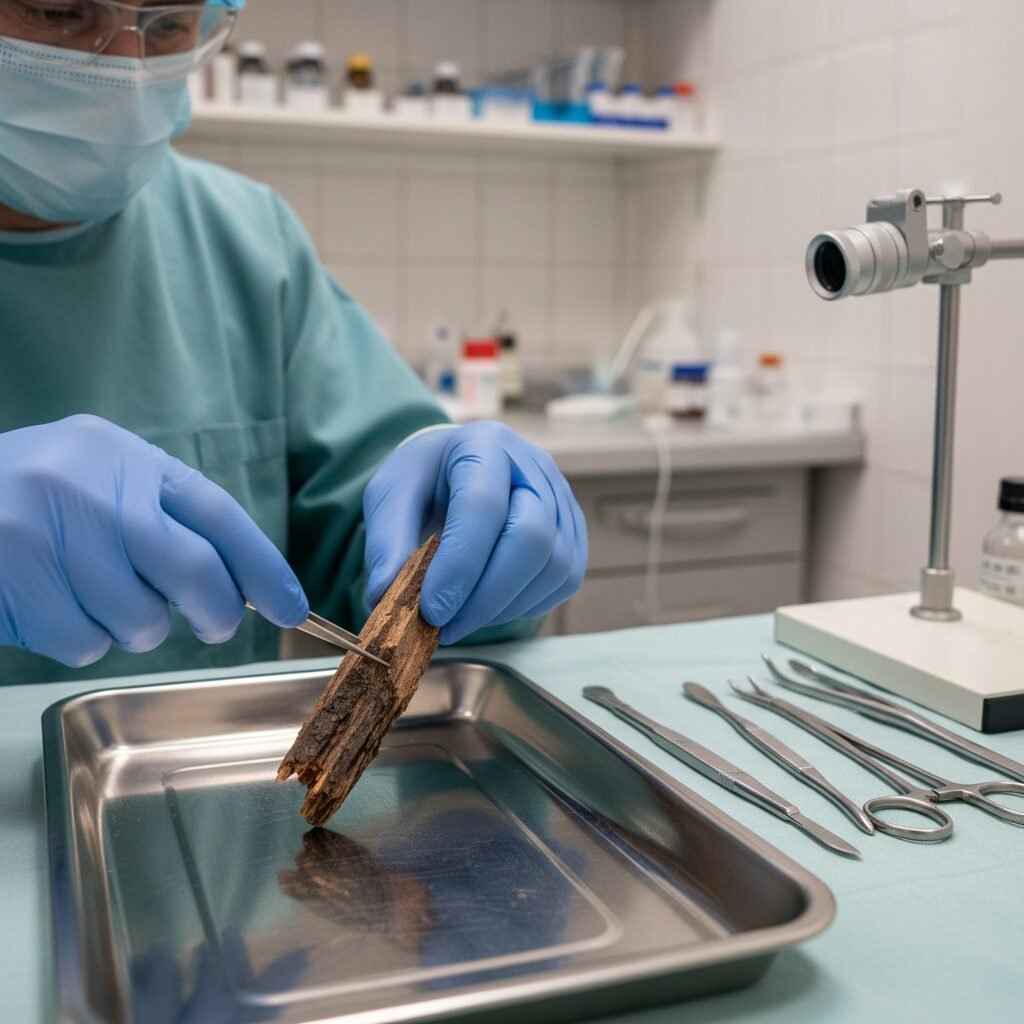
While appearing to be a free and convenient toy, a stick is one of the most hazardous objects a dog can chew on. Unlike toys designed for canine safety, wood is brittle, splinters easily, and can cause a cascade of medical problems. It is imperative for pet owners to recognize that the risks far outweigh any perceived benefits of this ‘natural’ plaything.
Immediate Oral and Pharyngeal Trauma
The most immediate danger occurs in the dog’s mouth. When a dog chews on a stick, the wood can easily break into sharp, jagged pieces. These splinters can cause:
- Lacerations: Cuts to the gums, tongue, cheeks, and soft palate are common. These can be painful and may become infected if not treated properly.
- Puncture Wounds: A sharp piece of stick can become deeply embedded in the oral tissues or the back of the throat (pharynx). This is not only excruciatingly painful but can also lead to abscess formation.
- Tooth Damage: Chewing on hard wood can fracture teeth, leading to pain, infection, and the potential need for expensive dental procedures or extractions.
Gastrointestinal Obstruction and Perforation
If a dog swallows pieces of a stick, the danger escalates significantly. The fragments are indigestible and can wreak havoc on the entire digestive system.
- Esophageal Damage: A sharp piece can lodge in the esophagus, causing choking, difficulty swallowing, or even a life-threatening perforation.
- Stomach and Intestinal Blockage: Larger chunks of wood can create a complete or partial obstruction in the stomach or intestines. Symptoms include vomiting, loss of appetite, abdominal pain, and lethargy. An intestinal blockage is a surgical emergency.
- Perforation: The most severe risk is the perforation of the stomach or intestinal wall by a sharp stick fragment. This leads to leakage of digestive contents into the abdominal cavity, causing a severe infection called peritonitis, which is often fatal without immediate and aggressive surgical intervention.
Expert Tip: Never induce vomiting if you suspect your dog has swallowed a sharp object like a stick fragment. Doing so can cause the object to do more damage on its way back up. Contact your veterinarian or an emergency animal hospital immediately.
Decoding the Obsession: Why Your Dog Chews Sticks

To effectively address the behavior, we must first understand its underlying cause. A dog’s fixation on sticks is rarely arbitrary; it is typically driven by a combination of instinct, developmental stage, and environmental factors. Identifying the primary motivator is crucial for tailoring your training approach.
Innate and Instinctual Drives
For many dogs, chewing is a fundamental, hard-wired behavior. Sticks offer a satisfying texture that fulfills this natural urge. Their shape and size often mimic that of bones, tapping into a primal instinct. Furthermore, the act of finding, carrying, and ‘dissecting’ a stick can be a form of self-rewarding enrichment for a dog.
Boredom and Lack of Stimulation
One of the most common culprits behind destructive chewing, including stick eating, is a lack of adequate mental and physical exercise. A dog with pent-up energy will find its own entertainment, and a yard full of sticks provides an easy outlet. This behavior is often a clear signal that the dog requires more structured playtime, training, or vigorous exercise to feel fulfilled.
Developmental Stages: Teething Puppies
Puppies explore the world with their mouths, and the discomfort of teething drives them to chew on almost anything to soothe their sore gums. Sticks provide a firm texture that offers relief. While this is a normal developmental phase, it’s critical to redirect this chewing onto safe and appropriate puppy-specific toys to prevent the formation of a dangerous lifelong habit.
Underlying Medical or Behavioral Conditions
In some cases, stick chewing can be a symptom of a more complex issue.
- Pica: This is a condition characterized by the compulsive eating of non-food items. It can be triggered by nutritional deficiencies, metabolic disorders, or psychological issues like anxiety.
- Anxiety: Some dogs use chewing as a self-soothing mechanism to cope with stress or separation anxiety. The repetitive action can be calming for an anxious dog.
If you suspect the behavior is compulsive or accompanied by other signs of illness or distress, a consultation with your veterinarian is essential to rule out any underlying medical causes.
The Proactive Training Plan: A Step-by-Step Guide

Stopping your dog from eating sticks requires a multi-faceted approach that combines environmental management with consistent, positive reinforcement-based training. This is not about punishment, but about teaching your dog safer, more desirable behaviors.
Step 1: Environmental Management and Prevention
The easiest way to stop a behavior is to prevent it from happening. Make your yard a ‘no-stick zone’. Conduct regular sweeps of your property to remove fallen branches, twigs, and other wooden debris. Supervise all outdoor time closely. Do not leave your dog unattended in the yard, especially during the initial phases of training. This vigilance is your first and most effective line of defense.
Step 2: Master the ‘Leave It’ and ‘Drop It’ Cues
These two commands are non-negotiable for your dog’s safety. They give you a reliable way to communicate what is off-limits.
- Teaching ‘Leave It’: Start indoors in a low-distraction environment. Place a low-value treat on the floor and cover it with your hand. When your dog sniffs or licks your hand, say nothing. The moment they pull away, praise them and give them a high-value treat from your other hand. Repeat until they ignore the covered treat. Gradually progress to an uncovered low-value treat, then to more tempting items, and finally practice outdoors with sticks.
- Teaching ‘Drop It’: Give your dog a toy they enjoy. Let them hold it for a few seconds, then present a very high-value treat near their nose. As they open their mouth to take the treat, causing the toy to fall, say your cue, ‘Drop It’. Praise them enthusiastically as they eat the treat. Practice this trade-up game consistently. The goal is for your dog to learn that relinquishing an item results in something even better.
Step 3: Redirection with High-Value Alternatives
When you see your dog approach a stick, interrupt the behavior with a cheerful sound and immediately redirect their attention to a highly desirable and safe alternative. This could be a favorite squeaky toy, a tough rubber chew toy, or a quick game of tug. The key is to make the alternative more exciting and rewarding than the stick itself. Always have a ‘safe swap’ toy readily available when you are outdoors.
Step 4: Increase Mental and Physical Enrichment
A tired and mentally stimulated dog is far less likely to engage in destructive behaviors. Ensure your dog’s needs are being met through:
- Adequate Exercise: This includes brisk walks, running, or games of fetch (with a safe toy, not a stick).
- Mental Stimulation: Incorporate puzzle toys, snuffle mats, and regular training sessions into their daily routine to work their brain.
- Structured Play: Engage in interactive games like tug-of-war or hide-and-seek to strengthen your bond and provide a positive energy outlet.
Safe Swaps: Providing Better, Safer Chewing Alternatives
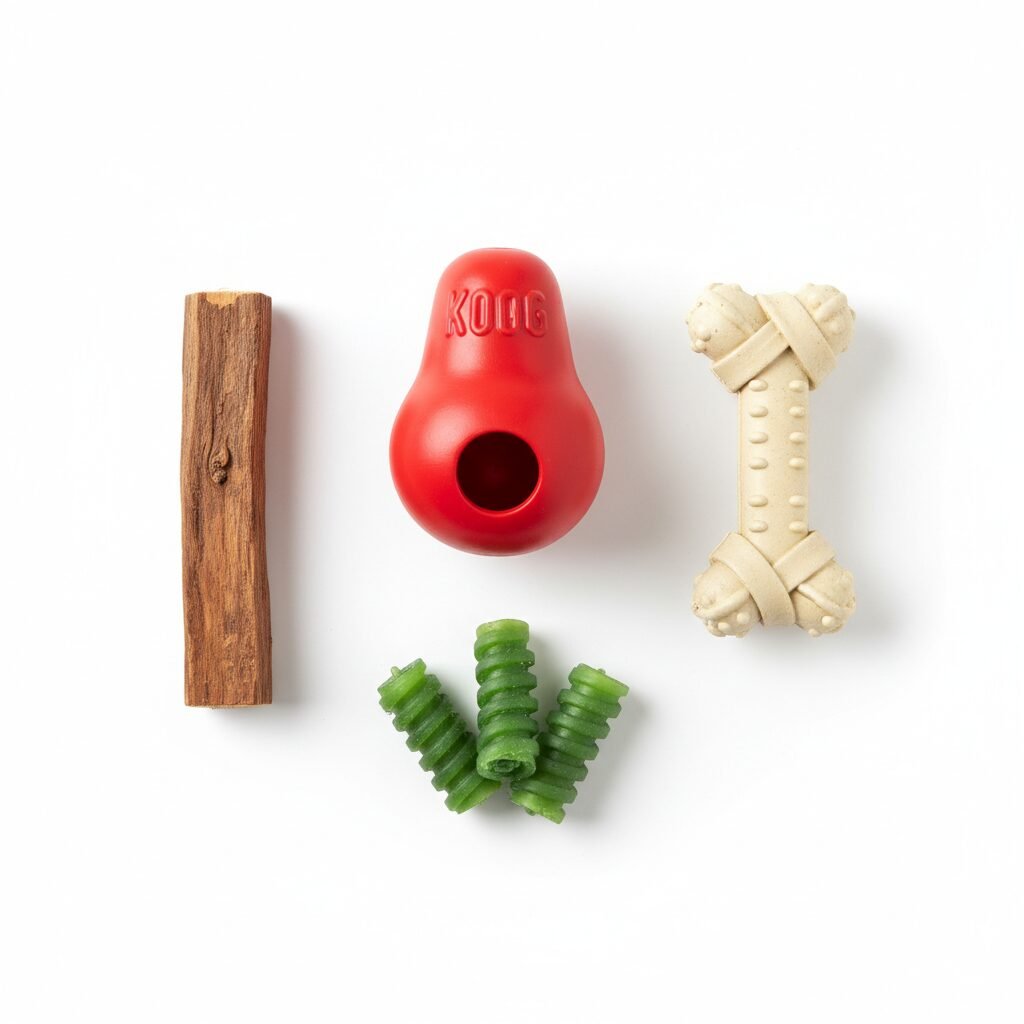
A crucial part of stopping your dog from chewing sticks is providing them with a variety of safe, appropriate, and engaging alternatives. Your goal is to make the sanctioned chew toys far more appealing than any stick they might find. When selecting toys, always consider your dog’s size, age, and chew strength.
Safety First: Always supervise your dog with any new chew toy to ensure they cannot break off and swallow large pieces. Discard any toy that becomes damaged or worn.
Here is a comparison of popular safe chew toy categories to help you make an informed choice for your pet:
| Toy Type | Pros | Cons | Best For |
|---|---|---|---|
| Hard Rubber Toys (e.g., KONG) | Extremely durable; can be stuffed with treats for mental enrichment; often have an irregular bounce for engaging play. | Can be heavy; some super-chewers may eventually destroy them. | Most dogs, especially power chewers and food-motivated dogs. |
| Nylon Chew Toys | Very long-lasting; designed to fray safely into tiny, bristle-like pieces that help clean teeth; come in various shapes and flavors. | Can be very hard, posing a risk to dogs with dental issues; not all dogs enjoy the texture. | Aggressive, determined chewers. |
| Dental Chews | Specifically designed to control plaque and tartar; edible and digestible; often have appealing flavors. | Consumed quickly; can be high in calories; must choose the correct size to prevent choking. | Dogs in need of dental maintenance; use as a supervised treat, not a long-lasting chew. |
| Specially Processed Natural Wood Chews | Made from soft, safe woods (like Java or coffee wood) that don’t splinter; provides a natural wood texture dogs crave. | Less durable than nylon or rubber; will wear down over time. | Dogs who are deeply attracted to the texture and scent of real wood. |
By rotating a variety of these safe toys, you can keep your dog engaged and prevent boredom, significantly reducing their desire to seek out and chew on dangerous sticks.
When Training Isn’t Enough: Seeking Professional Help

While consistent application of the training methods outlined above will resolve the issue for most dogs, some situations require professional intervention. It is vital to recognize when you have reached the limit of your expertise and to seek help from a qualified professional to ensure your dog’s well-being.
Identifying Compulsive Behavior
Pay close attention to the nature of your dog’s stick chewing. If the behavior seems frantic, is difficult to interrupt, or if your dog ingests sticks and other non-food items (rocks, dirt, fabric) obsessively, you may be dealing with a compulsive disorder like Pica. This is no longer a simple training issue and requires a veterinary and behavioral diagnosis.
When to Consult a Veterinarian
Your first professional stop should always be your veterinarian. They can perform a thorough physical examination and run diagnostic tests to rule out underlying medical causes for the behavior, such as:
- Nutritional deficiencies or malabsorption issues.
- Gastrointestinal disease.
- Metabolic disorders.
- Neurological problems.
If a medical cause is identified, treating it may resolve the chewing behavior. If not, your vet can provide a referral to a behavioral specialist.
The Role of a Certified Professional
If medical issues have been ruled out and your training efforts have stalled, it is time to engage a professional. Look for one of these certified experts:
- Certified Professional Dog Trainer (CPDT): A CPDT can help you refine your training techniques, identify triggers you may have missed, and create a more structured and effective behavior modification plan.
- Veterinary Behaviorist (DACVB): A DACVB is a veterinarian who has undergone extensive, specialized training in animal behavior. They are qualified to diagnose and treat complex behavioral disorders like severe anxiety and compulsive Pica, and they can prescribe medication if necessary as part of a comprehensive treatment plan.
Seeking professional help is not a sign of failure. It is a responsible and proactive step to ensure your dog receives the expert care they need to overcome a dangerous and potentially life-threatening habit.
Conclusion
Protecting your dog from the dangers of eating sticks is an active and ongoing process that blends environmental diligence with patient, positive training. The risks associated with this common habit—from painful oral injuries to life-threatening internal damage—are far too significant to ignore. By understanding the root causes of the behavior, implementing consistent training cues like ‘Leave It’ and ‘Drop It,’ and providing an array of safe, stimulating chew toys, you can effectively redirect your dog’s natural instincts towards safer outlets.
Remember that every training session is an investment in your dog’s long-term health and safety. If you find yourself struggling, do not hesitate to seek the guidance of your veterinarian or a certified behavior professional. Your commitment to eliminating this one dangerous behavior will ensure that your shared time outdoors remains a source of joy and well-being for years to come.