Too Hot to Walk? 10 Indoor Mental Stimulation Games to Tire Your Dog Out
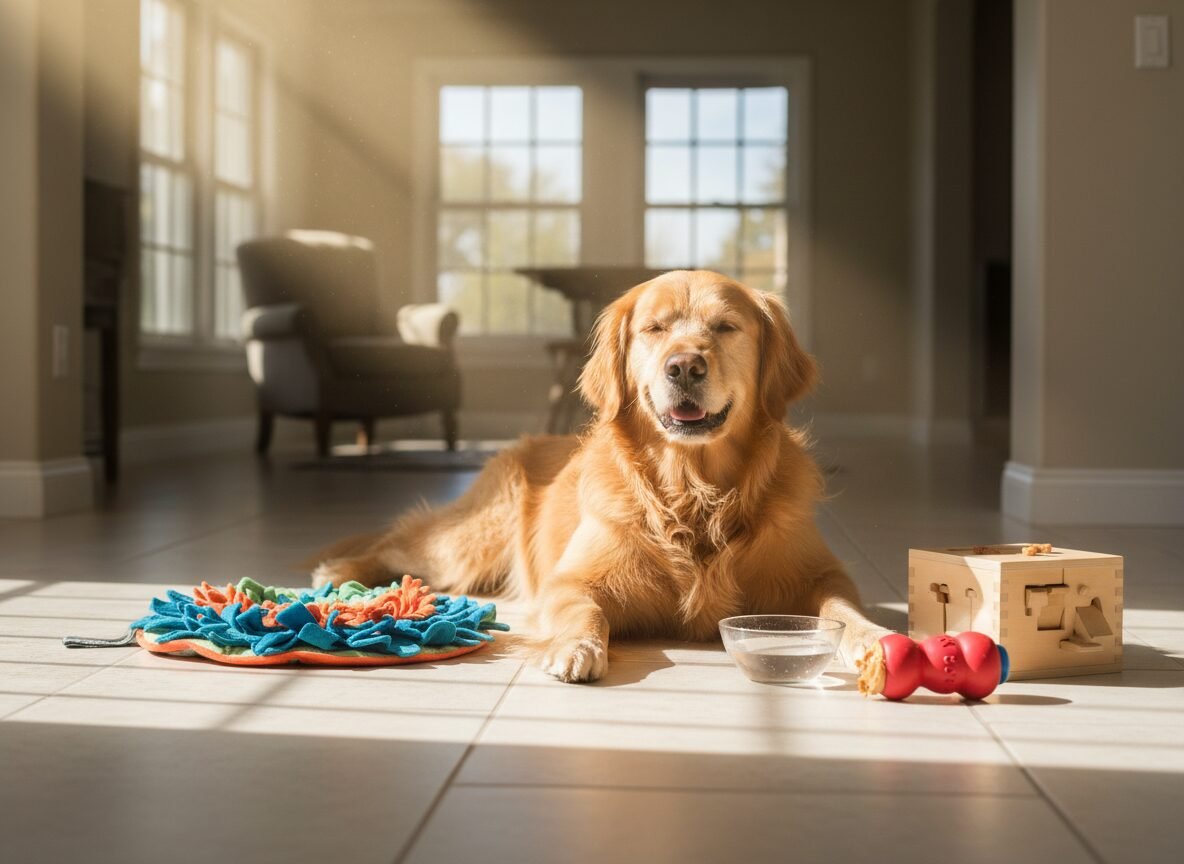
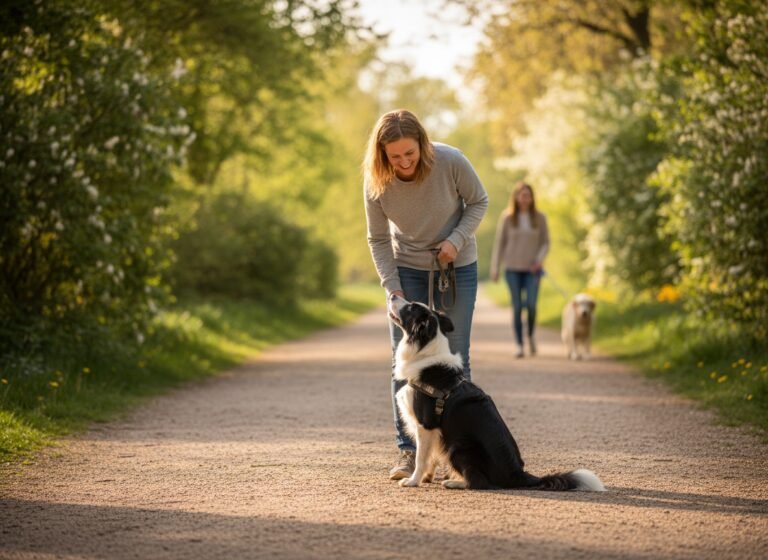
As temperatures soar, the dangers of walking our canine companions on hot pavement become a critical concern for every responsible pet owner. Surfaces like asphalt and concrete can quickly reach temperatures capable of causing severe burns to a dog’s sensitive paw pads. Beyond surface dangers, the risk of heatstroke looms large, a life-threatening condition that can develop with alarming speed. However, a missed walk does not have to equate to a day filled with pent-up energy, boredom, and potential mischief.
Many owners underestimate the power of cognitive exercise. Mental stimulation is a potent tool that can tire a dog out just as effectively—and sometimes more so—than a long walk. Engaging your dog’s brain through problem-solving, scent work, and learning new skills taps into their natural instincts, provides a crucial outlet for their intelligence, and strengthens the bond you share. A mentally fulfilled dog is a calm, happy, and well-behaved dog.
This comprehensive guide provides 10 engaging, easy-to-implement indoor games designed to provide the mental workout your dog craves. From simple DIY puzzles using household items to more advanced training challenges, these activities will help you safely and productively channel your dog’s energy, ensuring that even the hottest days are enriching and fun.
The Science of Canine Enrichment: More Than Just a Walk
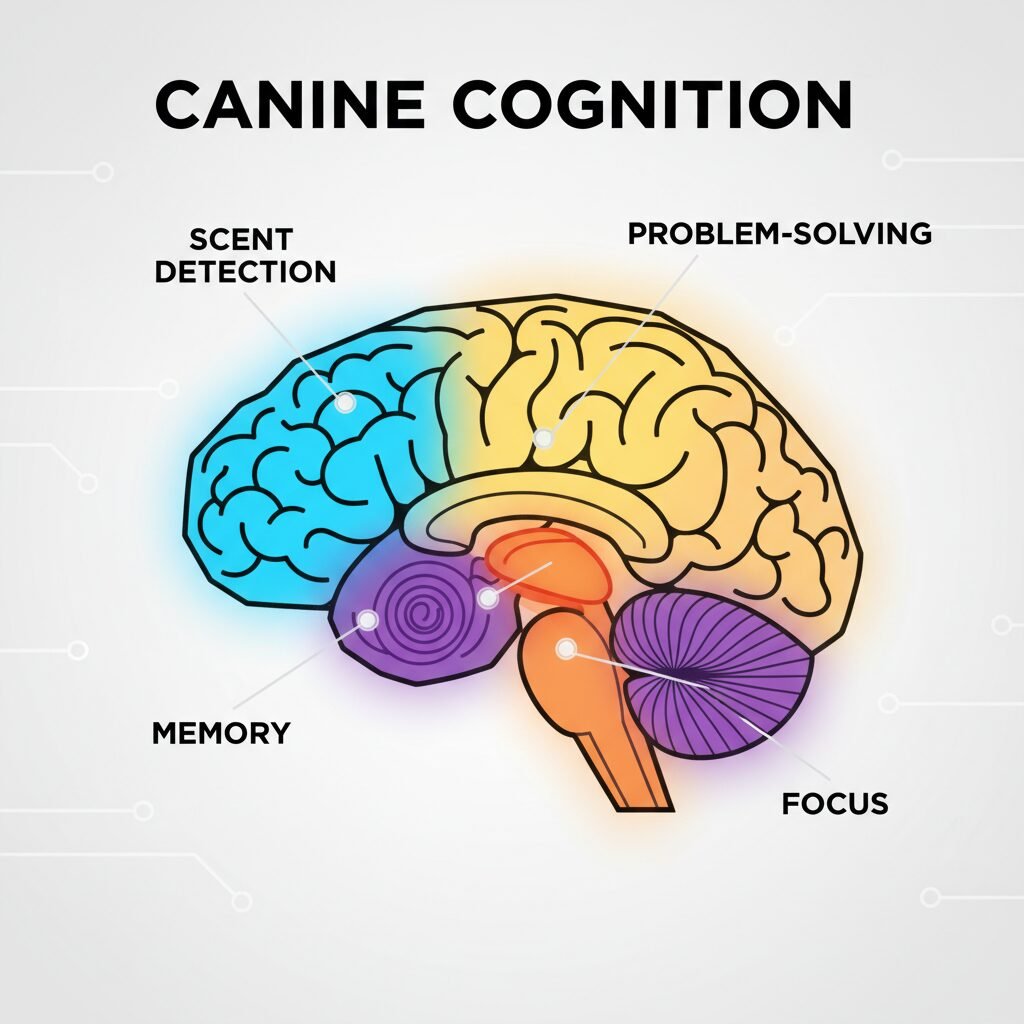
While physical exercise is essential for cardiovascular health and muscle maintenance, it only satisfies one aspect of a dog’s overall needs. Dogs, as intelligent and instinct-driven animals, possess a deep-seated need for cognitive engagement. Without it, they can experience stress, anxiety, and frustration, which often manifest as undesirable behaviors such as destructive chewing, excessive barking, or hyperactivity.
Mental stimulation, often referred to as canine enrichment, directly addresses this need. When a dog is focused on solving a puzzle, searching for a scent, or learning a new command, their brain is working intensely. This cognitive effort is surprisingly taxing and burns significant mental energy. Think of it as the canine equivalent of a human spending hours solving a complex puzzle or learning a new language. The resulting fatigue is profound and deeply satisfying.
Engaging in just 15-20 minutes of focused scent work or problem-solving can be as tiring for a dog as a 60-minute leash walk.
This process also triggers the release of beneficial neurochemicals like dopamine, which is associated with pleasure and reward. By providing these structured challenges, you are not just preventing boredom; you are actively improving your dog’s emotional well-being, building their confidence, and reinforcing their ability to focus. A well-structured enrichment plan is a cornerstone of modern, holistic dog care, transforming lazy indoor days into powerful opportunities for growth and bonding.
Preparing Your Indoor Playground: Safety and Supplies
Before diving into the games, it’s crucial to set up a safe and effective environment. The goal is to maximize fun while minimizing any potential risks. First, choose an appropriate space. An area with non-slip flooring, such as a room with a large rug or carpet, is ideal to prevent injuries during more active moments. Clear the area of any fragile items, electrical cords, or other hazards your dog could knock over or ingest.
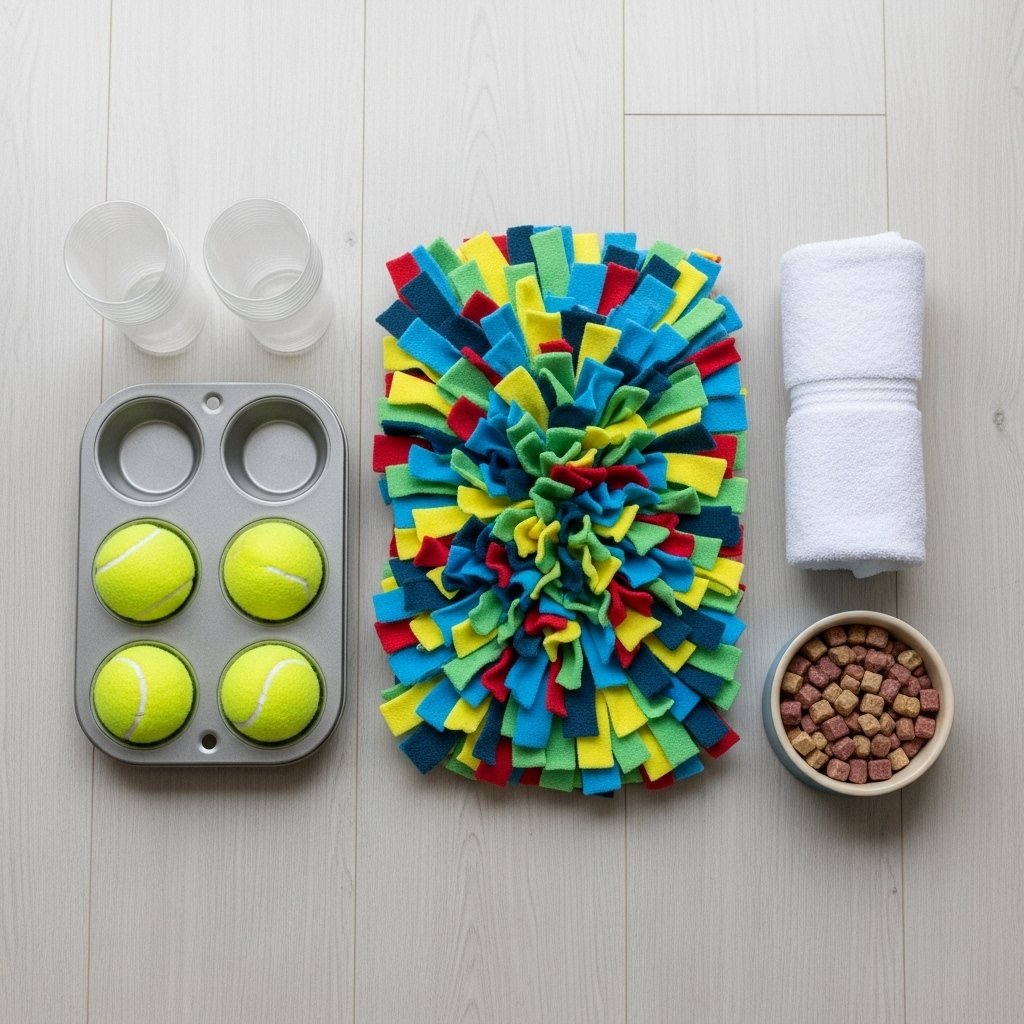
The beauty of these games is that many require little to no special equipment. You likely already have everything you need. However, having a dedicated ‘enrichment toolkit’ can make setup quick and easy. Here are some items to gather:
- High-Value Treats: Small, soft, and extra-tasty treats will keep your dog highly motivated. Vary the treats to maintain interest.
- Household Items: Muffin tins, old towels or blankets, cardboard boxes (with tape and staples removed), and plastic cups are fantastic for DIY puzzles.
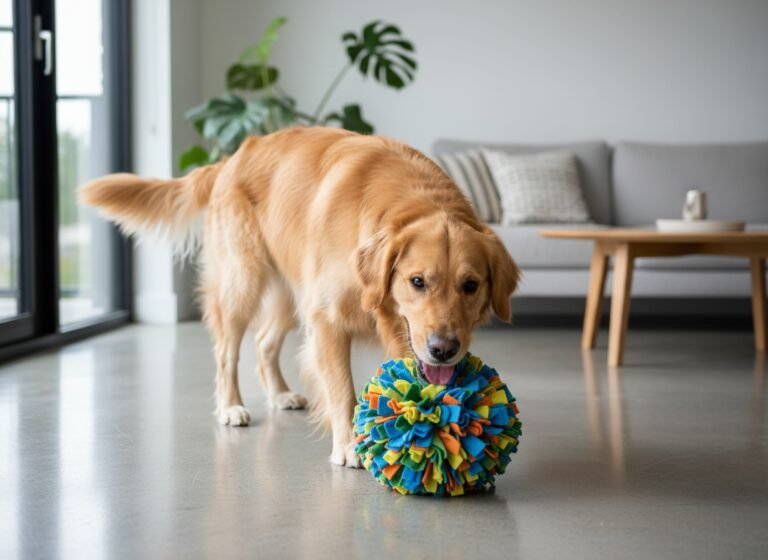
- Specialized Gear (Optional): While not required, items like snuffle mats, slow-feeder bowls, and commercial puzzle toys can add variety and new levels of challenge.
- A Positive Attitude: Your energy is contagious. Approach these sessions with enthusiasm and patience. The primary goal is for your dog to have fun and feel successful.
Remember to keep sessions short and sweet, especially when introducing a new game. Aim for 10-15 minute intervals to prevent your dog from becoming frustrated or overwhelmed. Always supervise your dog during play, particularly with any DIY toys, to ensure they do not ingest non-food items.
Foundational Fun: 5 Easy-to-Start Mental Workouts
These first five games are perfect for beginners and require minimal setup. They serve as an excellent introduction to the world of canine enrichment, building your dog’s confidence and problem-solving skills from the ground up.
1. The “Find It” Scent Game
This game taps into your dog’s most powerful sense: their nose. It’s incredibly simple to teach but offers endless variations in difficulty. Start by placing a treat on the floor in plain sight and saying your cue, “Find It!” in an excited tone. When your dog eats it, praise them lavishly. Repeat this a few times. Next, place your dog in a brief ‘stay’ while they watch you place a treat a few feet away. Release them with the “Find It!” cue. As they succeed, gradually increase the difficulty by hiding treats under a rug, behind a piece of furniture, or eventually, in a different room. This simple exercise provides an intense mental workout as they concentrate on tracking the scent.
2. The Muffin Tin Puzzle
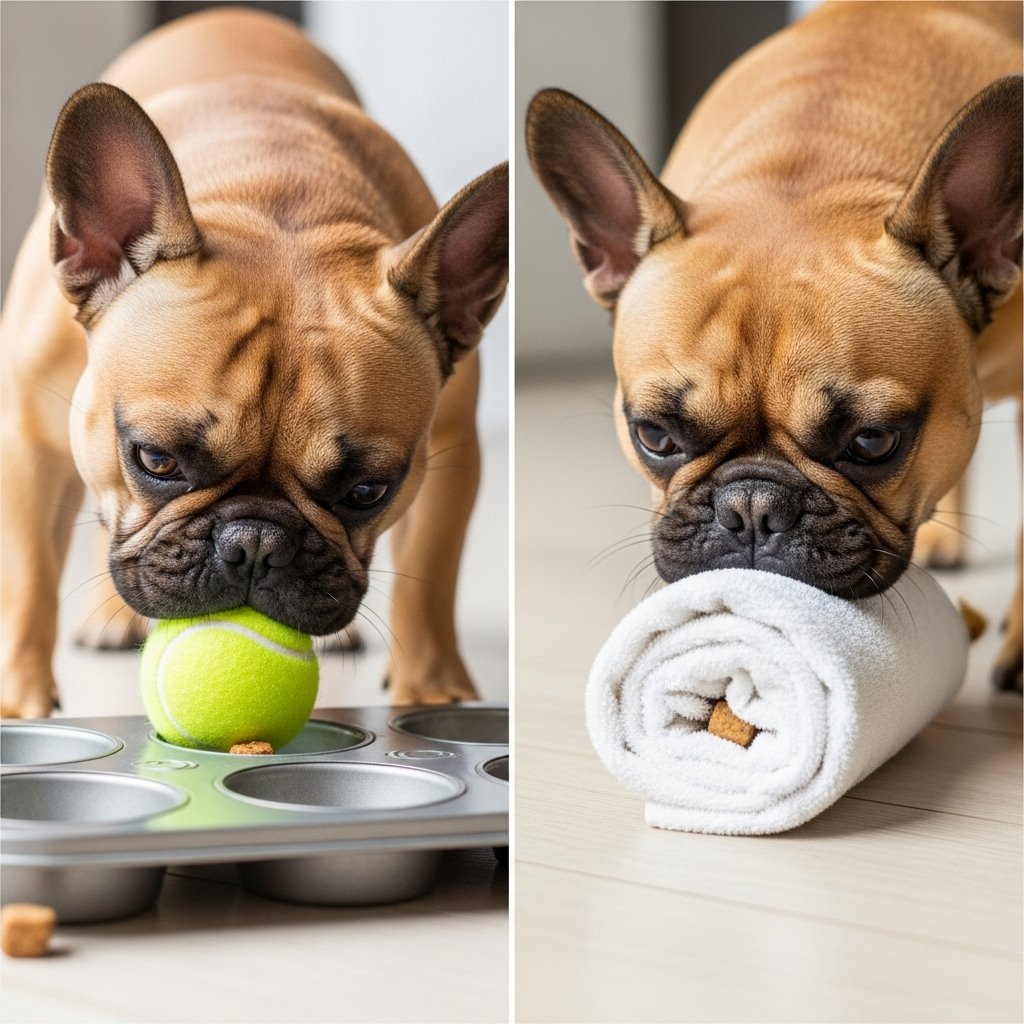
A standard muffin tin is one of the best DIY puzzle toys available. Place a few treats in some of the muffin cups. At first, let your dog simply eat the treats out of the open cups. Once they understand the game, increase the challenge by placing tennis balls or other safe toys on top of each cup, forcing your dog to figure out how to displace the objects to get their reward. This game hones their problem-solving abilities and fine motor skills.
3. The Canine Shell Game
Just like the classic street hustle, this game challenges your dog’s concentration and memory. You’ll need three identical, opaque cups. While your dog watches, place a treat under one cup. Let them nudge the cup over to get the treat. After a few successful repetitions, begin to slowly slide the cups around to shuffle their positions. At first, make it very easy with just one or two slow movements. Then, give the cue to “Find It!” and encourage them to indicate the correct cup with their nose or paw. This is a fantastic focus-building exercise.
4. The Towel Burrito Challenge
This is a wonderfully simple yet effective scent and dexterity game. Lay an old towel or blanket flat on the floor. Sprinkle a handful of treats across its surface. Then, simply roll the towel up into a ‘burrito’. Place it on the floor for your dog and encourage them to investigate. They will have to use their nose and paws to unroll the towel to reveal the hidden treasures inside. For an advanced version, you can tie the rolled-up towel into a loose knot.
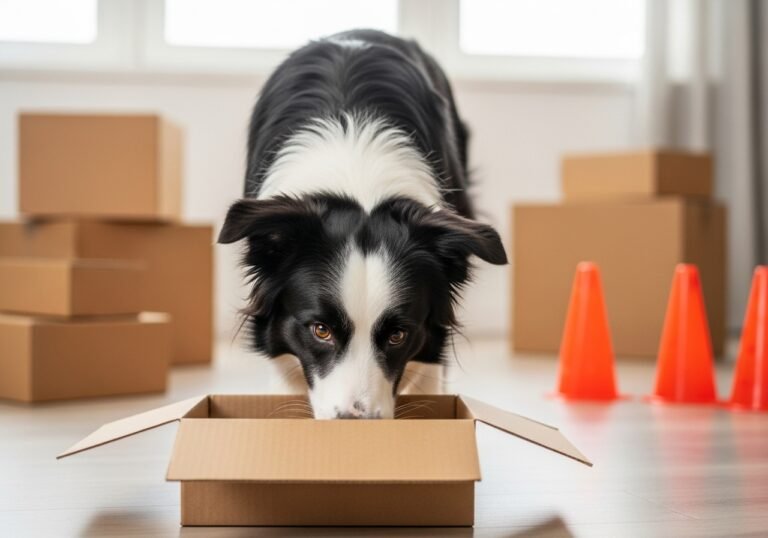
5. The DIY Treasure Box
Create a sensory exploration experience with a simple cardboard box. Find a box that is shallow enough for your dog to comfortably reach into. Fill it with dog-safe materials like crumpled packing paper, old t-shirts, or even just their own toys. Scatter treats or a portion of their kibble throughout the filling. This encourages them to forage and dig, satisfying a natural instinct and providing a rewarding sensory experience. Always supervise this activity closely to ensure your dog is not ingesting the filler material.
Level Up: 5 Advanced Challenges for a Canine Genius
Once your dog has mastered the basics, you can introduce these more complex games. They require more focus, training, or creativity, and are perfect for dogs that need an extra mental challenge to feel truly satisfied.
6. Classic Hide and Seek
This game is a wonderful way to strengthen your bond while engaging your dog’s mind and senses. If you have two people, one person can distract the dog while the other person hides. Once hidden, call the dog’s name in an excited voice. When they find you, reward them with praise, pets, and a jackpot of treats. If you are alone, put your dog in a ‘stay’ command, hide, and then call them. This game works their listening skills and their nose as they track you down.
7. “Fetch Your [Toy Name]”
Teaching your dog the names of their toys is a remarkable cognitive challenge. Start with two very distinct toys, for example, a squeaky ball and a rope toy. Place them on the floor and ask for one by name, such as “Get your rope!” When your dog shows any interest in the correct toy (looks at it, sniffs it, touches it), praise and reward them immediately. Practice this until they are reliably picking up the correct toy. Over time, you can slowly add more toys to the lineup, building their vocabulary and discrimination skills.
8. Build a DIY Agility Course
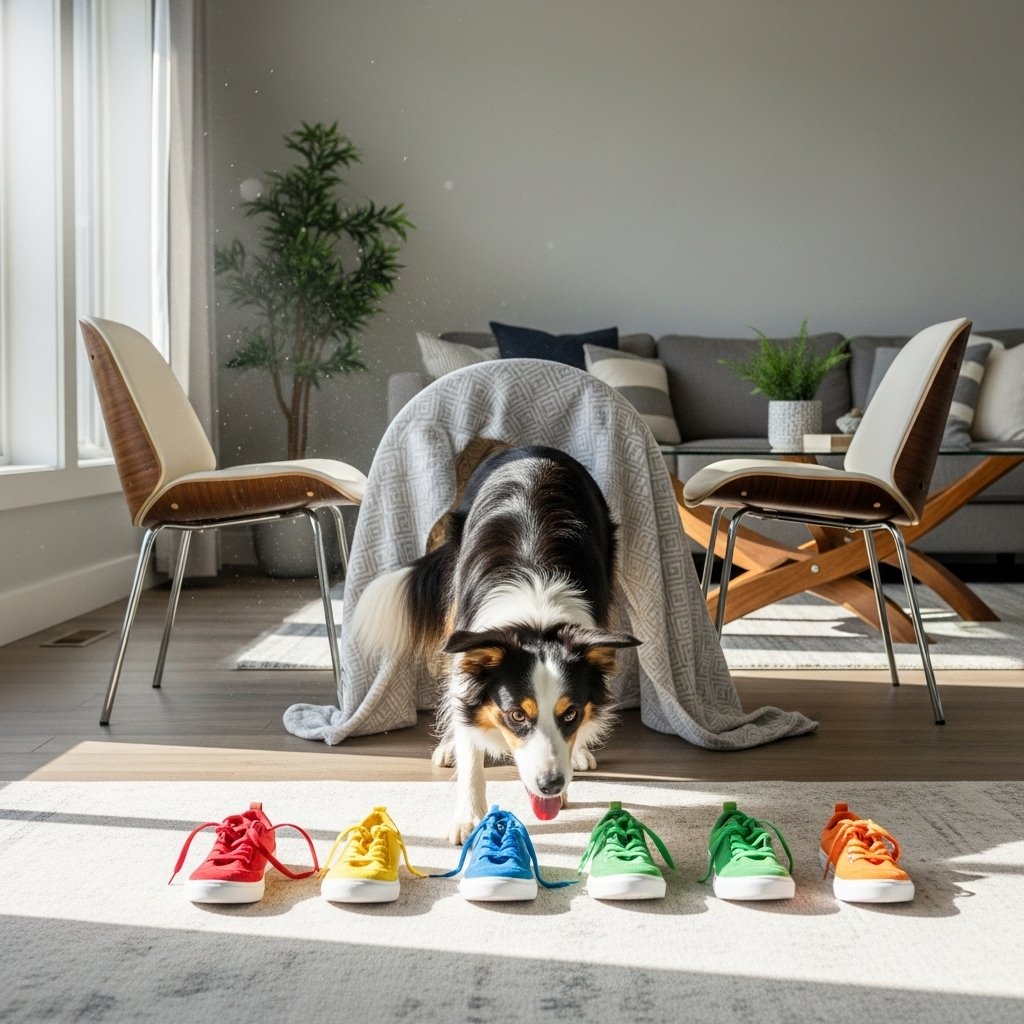
You don’t need professional equipment to practice agility. Create a safe, low-impact course in your living room. Use a row of shoes or books for them to weave through. Lay a broomstick across two stacks of books to create a low jump. Drape a blanket over two chairs to make a tunnel. Lure your dog through the course with a treat, praising them for each completed obstacle. This improves body awareness, confidence, and their ability to follow a sequence of commands.
9. Mastering Puzzle Toys
Commercial puzzle toys are a fantastic investment for indoor days. They are designed to be durable and come in various difficulty levels. It is crucial to start with a Level 1 toy to build your dog’s confidence and prevent frustration. As they master one level, you can introduce the next. Rotating 3-4 different puzzles is also key, as this prevents the dog from simply memorizing the solution to a single toy.
| Puzzle Level | Typical Mechanism | Best For |
|---|---|---|
| Level 1 (Beginner) | Simple lifts, slides, or nudges to reveal treats. | Puppies, seniors, and dogs new to enrichment. |
| Level 2 (Intermediate) | Requires a combination of actions (e.g., slide then lift). | Dogs who solve Level 1 puzzles quickly. |
| Level 3 (Advanced) | Involves multiple, sequential steps to unlock compartments. | Highly intelligent breeds and puzzle masters. |
| Level 4 (Expert) | Complex, multi-step puzzles requiring precise movements. | Canine geniuses who need the ultimate challenge. |
10. New Trick Training Session
Never underestimate the power of a focused 15-minute training session. Teaching a new trick is one of the most mentally taxing activities for a dog. It requires them to think, focus, and offer new behaviors. Work on complex tricks like ‘roll over’, ‘play dead’, or ‘put your toys away’ (dropping toys into a basket). Breaking the trick down into tiny, achievable steps (a process called ‘shaping’) and rewarding each success will keep your dog engaged and eager to learn, leaving them mentally exhausted and accomplished.
Conclusion
When the heat outside is unforgiving, your responsibility as a pet owner shifts from planning walks to planning engagement. The 10 games outlined here are more than just time-fillers; they are powerful tools for nurturing your dog’s cognitive health, strengthening your bond, and preventing the behavioral problems that stem from boredom. By embracing indoor mental stimulation, you ensure that your dog remains fulfilled, content, and tired in the safest way possible.
Remember to observe your dog’s reactions. Do they prefer scent games over puzzles? Do they enjoy training more than foraging? Tailoring your indoor activities to their individual preferences will make these sessions even more rewarding. A physically rested but mentally stimulated dog is a happy dog, proving that a great day together doesn’t always require leaving the house.