Embarrassed by Jumping? The 4-Step Rule to Keep Paws on the Floor
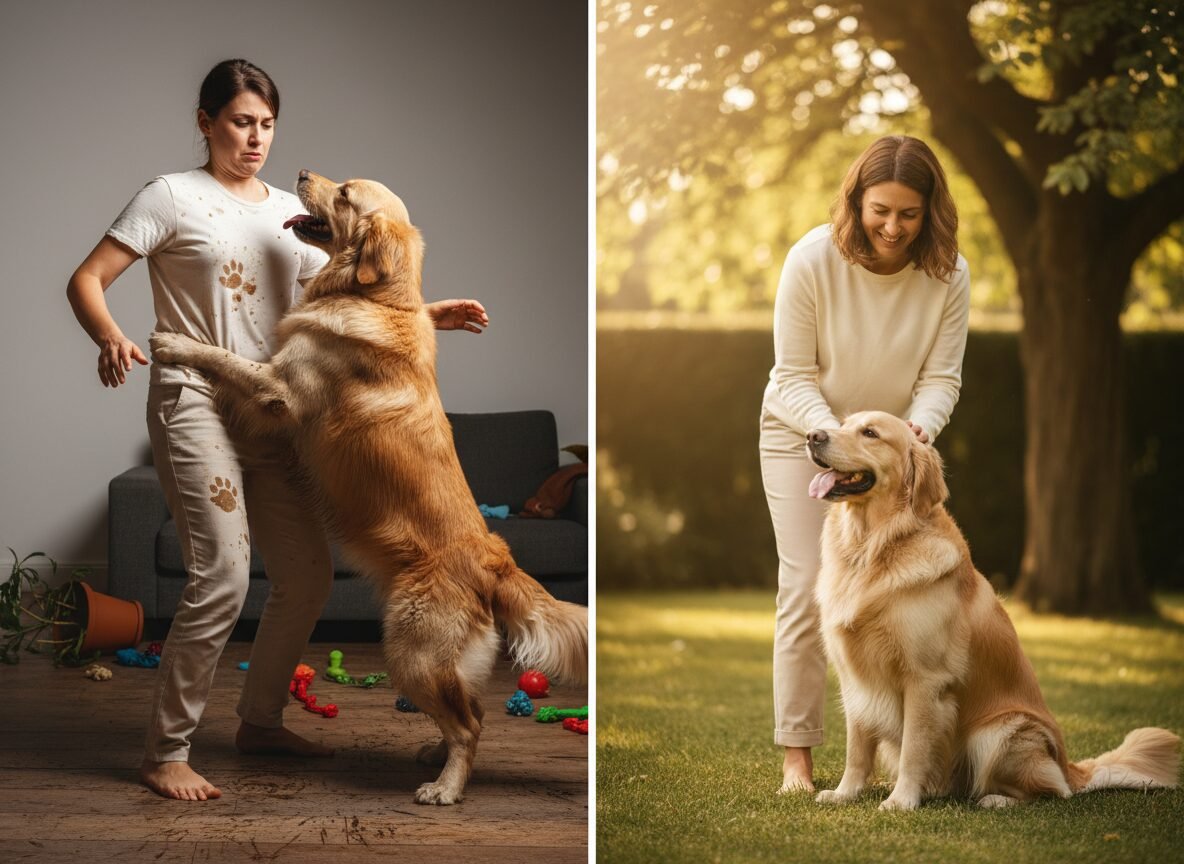
The sudden, enthusiastic launch of a dog can be a source of joy, but when it’s directed at guests, children, or yourself while you’re holding groceries, it quickly becomes a frustrating and embarrassing problem. A jumping dog isn’t being ‘bad’; it’s expressing excitement and a desire to greet you face-to-face in the most instinctual way it knows. However, this natural canine behavior can be dangerous, unwelcome, and a sign of a lack of impulse control.
Understanding the root cause of jumping is the first step toward resolving it. Dogs jump for a variety of reasons: to get our attention, to initiate play, or simply out of sheer, uncontained exuberance. They repeat the behavior because, more often than not, it works. Even negative attention, like pushing them off or yelling, can be perceived as a reward.
The key to modifying this behavior lies not in punishment, but in clear, consistent training that teaches your dog a more appropriate way to greet people. This article will provide a comprehensive, authoritative guide to the 4-Step Rule, a proven method designed to keep your dog’s paws on the floor. By focusing on management, positive reinforcement, and teaching an alternative behavior, you can transform chaotic greetings into calm, polite interactions, strengthening the bond between you and your canine companion.
Understanding the ‘Why’ Behind the Jump: Canine Psychology 101
Before we can effectively address the behavior, we must understand the motivation behind it. From a dog’s perspective, jumping up is a perfectly logical and effective communication tool. It’s a behavior that often begins in puppyhood, when they jump to greet their mother and solicit attention.
Common Triggers for Jumping
- Greeting Rituals: The most common trigger is excitement during greetings. When you or a guest arrives, your dog’s arousal level skyrockets. Jumping is a physical manifestation of this joy and an attempt to get closer to your face, which is a focal point of canine social interaction.
- Attention-Seeking: Dogs are intelligent creatures and quickly learn what actions elicit a response from their humans. If a dog learns that jumping gets them noticed—even if the attention is you saying ‘No’ or pushing them down—they will continue to do it. To a dog starved for interaction, any attention is good attention.
- Play Solicitation: A jump can be an invitation to play. It’s an energetic, physical way for a dog to say, ‘Hey! Look at me! Let’s do something fun!’
- Learned Behavior: In many cases, we have inadvertently trained our dogs to jump. Petting them, speaking to them, or making eye contact when they jump reinforces the action. What was cute in a 10-pound puppy becomes a significant problem in a 70-pound adult dog.
It is crucial to recognize that your dog is not trying to assert dominance by jumping. This is an outdated and disproven theory. The behavior is almost always rooted in excitement and a learned history of reinforcement. By understanding these underlying causes, we can approach training with empathy and a more effective strategy: teaching them what we want them to do, rather than simply punishing what we don’t want.
The Foundation: Management and Essential Preparation
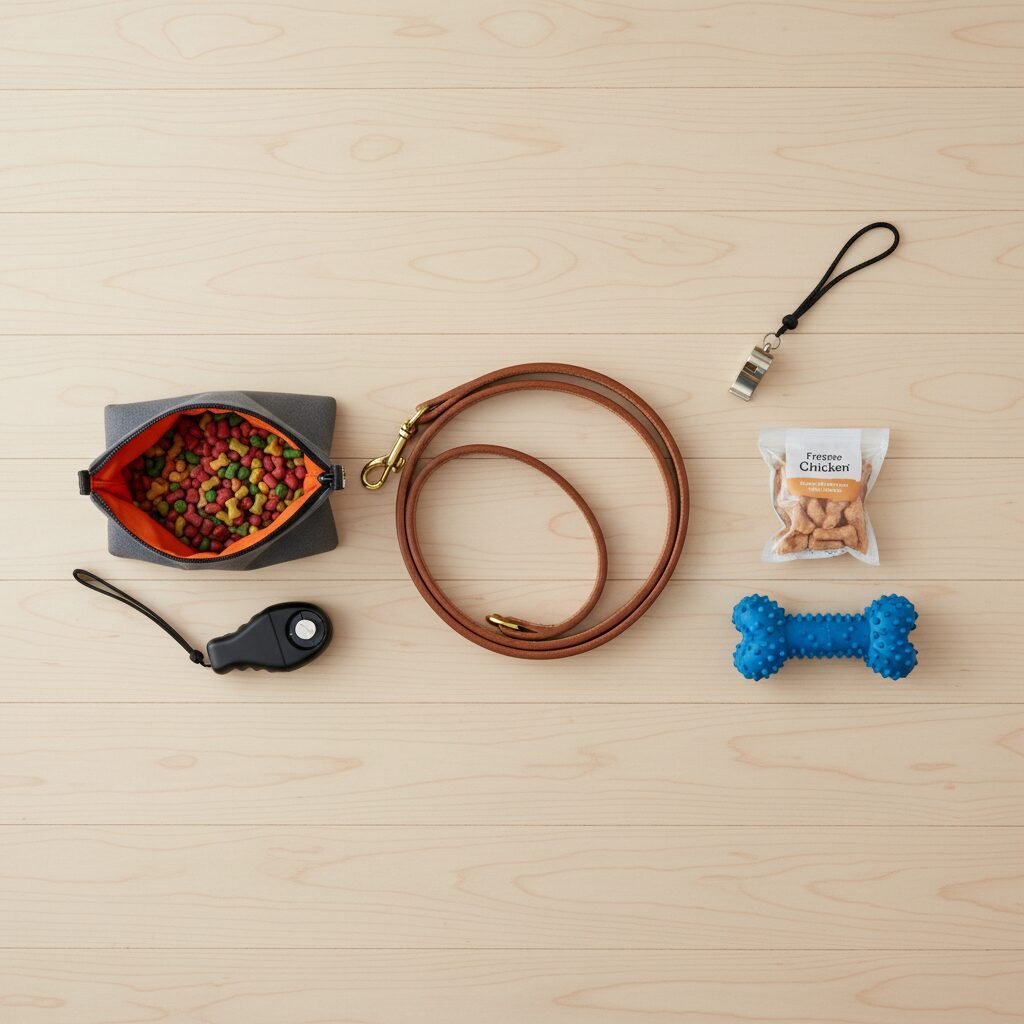
Effective training begins with proactive management. Management means arranging the environment to prevent the dog from practicing the unwanted behavior. Every time your dog successfully jumps on someone, the behavior is reinforced, making it harder to extinguish. Before implementing the 4-Step Rule, you must set your dog up for success.
Essential Tools and Setup
- High-Value Treats: These should be small, soft, and exceptionally tasty treats that your dog loves. They should be more appealing than standard kibble to keep your dog highly motivated.
- A Leash or Tether: Keeping a lightweight leash on your dog inside the home during training sessions or when guests are expected can provide immediate control and prevent a jumping incident before it happens.
- Baby Gates or Crates: Use physical barriers to manage your dog’s space, especially when you cannot actively supervise them. This is particularly useful when guests first arrive, allowing your dog to calm down before a controlled greeting.
Prerequisite Skill: A Rock-Solid ‘Sit’
The ‘Sit’ command is the cornerstone of teaching an alternative to jumping. Before tackling greetings, ensure your dog has a reliable ‘Sit’. Practice in various locations with increasing levels of distraction. The goal is for ‘Sit’ to become an automatic, default behavior. When your dog learns that sitting politely earns them the attention and rewards they crave, they will begin to offer that behavior instead of jumping.
Expert Tip: Practice ‘Sit’ randomly throughout the day. Ask for a sit before meals, before going outside, and before petting. This reinforces the idea that polite behavior is the key to getting everything they want.
The 4-Step Rule to Keep Paws on the Floor
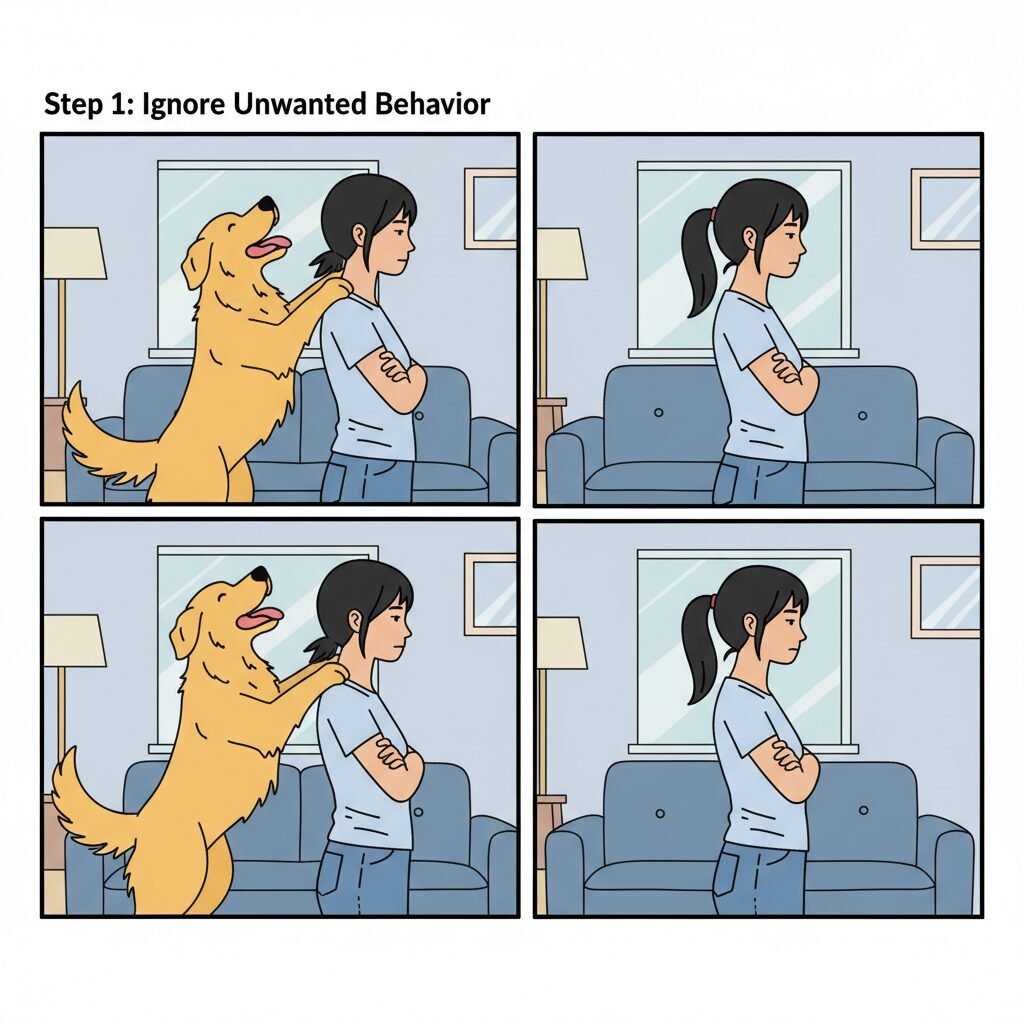
This four-step method is a systematic approach that combines management with positive reinforcement training. The goal is not just to stop the jumping, but to replace it with a desirable, incompatible behavior. Consistency from every member of the household is non-negotiable for success.
Step 1: Ignore the Jump, Reward the Ground
The most powerful currency for your dog is your attention. The first step is to completely withdraw this currency the moment their front paws leave the floor. When your dog jumps, turn your back immediately. Fold your arms, avoid eye contact, and say nothing. Remain still and silent like a statue. The instant all four of your dog’s paws are back on the ground, turn back and calmly praise them, offering a treat. If they jump again, repeat the process. Your dog will quickly learn the equation: Jumping = Human turns into a boring statue. Four Paws on Floor = Human gives attention and treats.
Step 2: Teach an Incompatible Behavior
It’s not enough to tell a dog what not to do; you must show them what to do instead. The ‘Sit’ command is a perfect incompatible behavior because a dog cannot sit and jump at the same time. As you or a guest approaches, and before the dog has a chance to launch, give the ‘Sit’ cue. Reward them lavishly for sitting. This changes the dog’s default greeting from a frantic jump to a polite sit, as they learn this new behavior is far more rewarding.
Step 3: Manage the Environment for Success
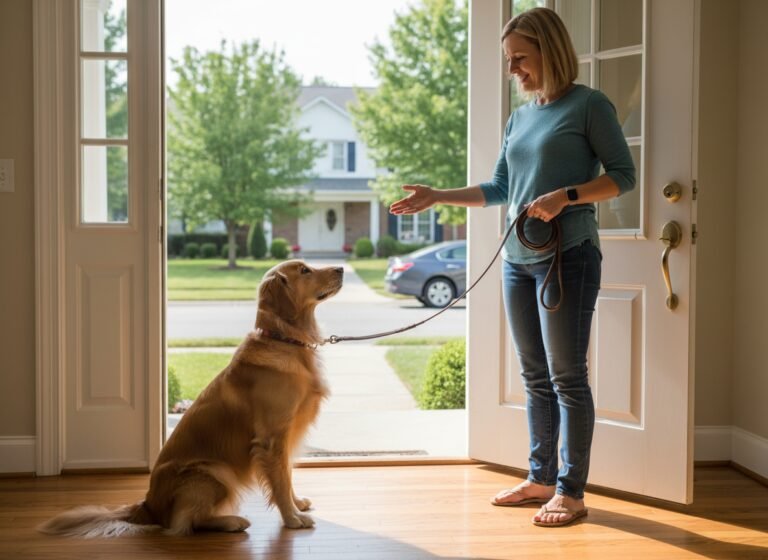
Set up controlled training scenarios. Start with family members, who can follow instructions patiently. Keep your dog on a leash when someone enters. As the person approaches, instruct your dog to ‘Sit’. Have the person calmly greet and reward the dog for sitting. If the dog breaks the sit and jumps, the person should immediately stand up and turn away, and you should use the leash to gently guide the dog back into a sit. Gradually increase the difficulty by practicing with friends and in different locations. This step is about preventing failure and building a strong history of successful, polite greetings.
Step 4: Consistency is Non-Negotiable
This is the most critical step. Every single person who interacts with your dog must follow the same rules. If one person allows jumping while another doesn’t, the dog will receive mixed signals and the training will fail. Communicate the plan to all family members, friends, and visitors. You can even post a small, polite sign on your door: ‘We’re training our dog not to jump. Please ignore him until all four paws are on the floor, then feel free to say hello.’ Consistency ensures the new rule is clear, fair, and learned quickly.
Troubleshooting Common Jumping Scenarios
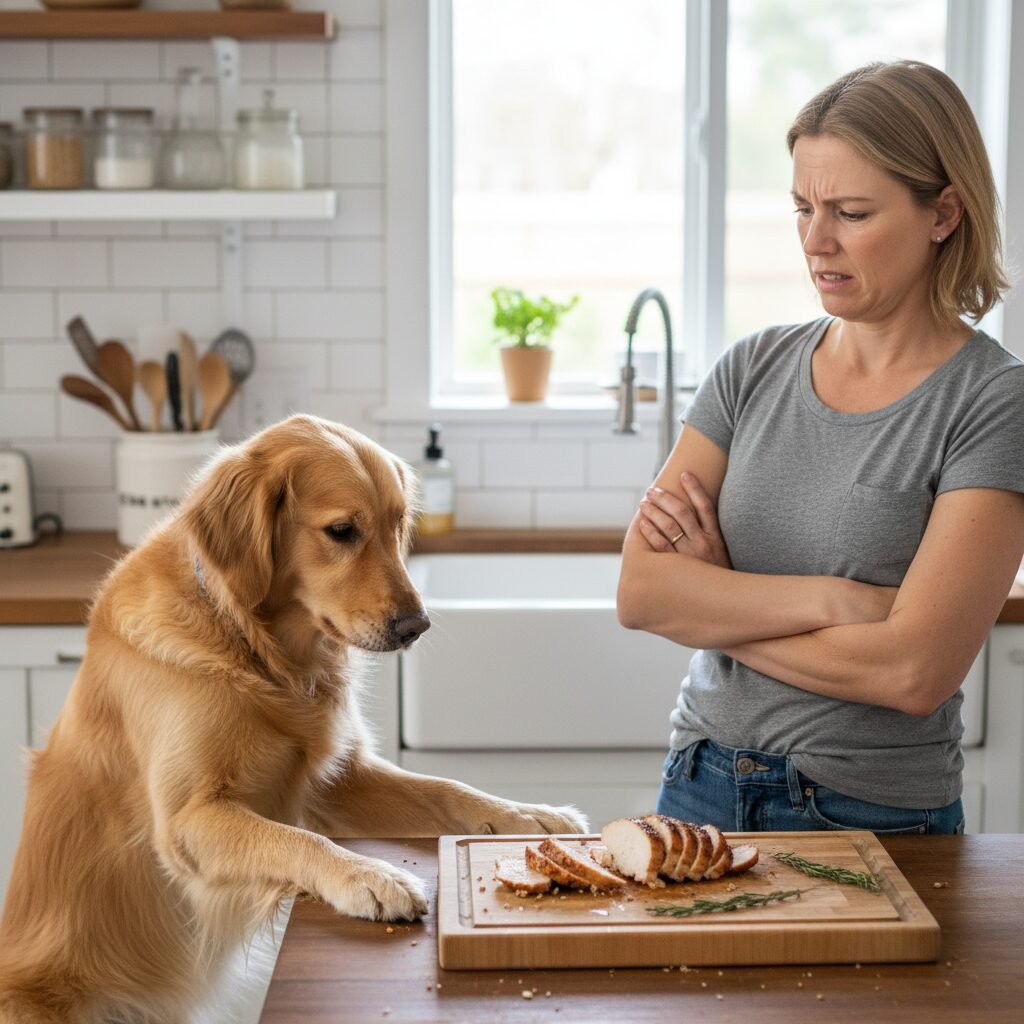
Even with a solid training plan, certain high-excitement situations can present unique challenges. Addressing these specific scenarios with a targeted strategy is key to comprehensive success.
| Scenario | Professional Solution |
|---|---|
| Jumping on Guests at the Door | Use a leash or baby gate to prevent an initial rush. Allow the dog to see the guest from a distance. Ask for a ‘Sit’ and reward for calm behavior. Only allow a leashed greeting once the initial excitement has subsided and the dog is under control. The guest should ignore jumping and only engage when the dog is sitting. |
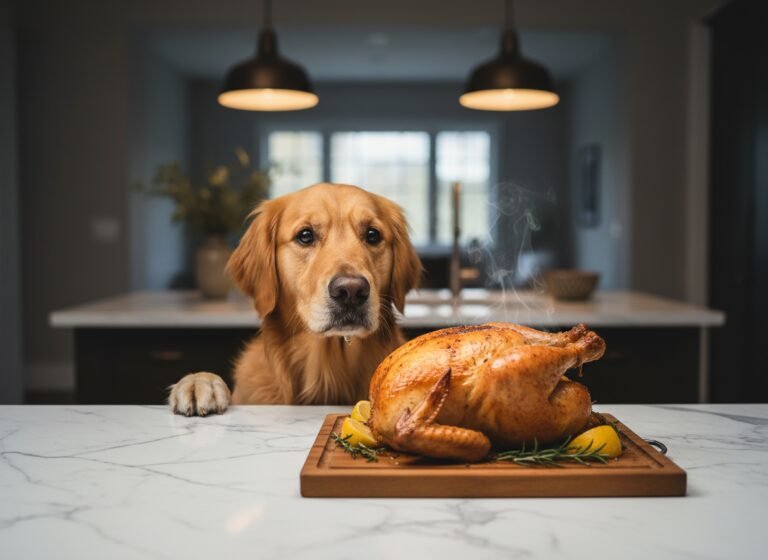
| Jumping During Food Preparation | This is attention-seeking or ‘counter surfing’. The best solution is management. Teach a solid ‘Go to Place’ or ‘Stay’ command on a mat away from the kitchen workspace. Reward the dog for staying on their mat. Alternatively, use a crate or baby gate to keep them out of the kitchen during meal prep. |
| Jumping on You When You Arrive Home | This is a tough one, as you’re also excited to see your dog. Establish a new routine. When you enter, completely ignore the dog for the first minute. Put down your bags, take off your coat, and only once the dog has calmed down and has four paws on the floor, cue a ‘Sit’ and then offer a calm, quiet greeting. |
| Jumping on Children or the Elderly | This requires the strictest management due to safety concerns. Never allow off-leash greetings between your dog and children or vulnerable adults until the jumping is 100% resolved. Always use a leash to maintain full control and ensure the dog remains in a calm sit during these interactions. Prioritize safety above all else. |
Common Mistakes to Avoid in Your Training
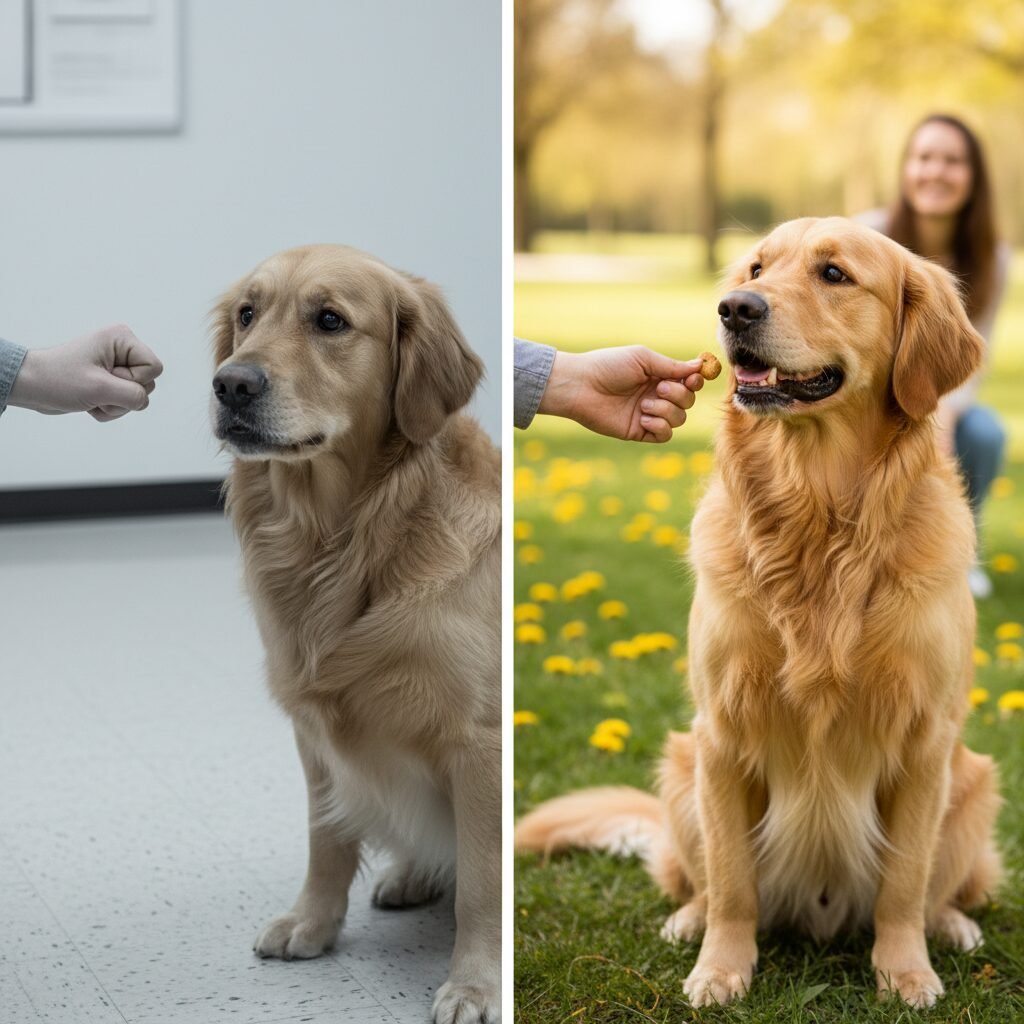
Progress can be easily derailed by common training mistakes. Being aware of these pitfalls will help you stay on the right track and ensure your efforts are effective and maintain a positive relationship with your dog.
- Using Physical Aversives: Never knee your dog in the chest, grab their paws, or push them off forcefully. These methods can cause fear, anxiety, and physical injury. They damage your bond and teach the dog that human hands can be punishing, which can lead to other behavioral problems.
- Inadvertently Rewarding the Jump: Saying ‘down’, ‘no’, or pushing the dog away is still a form of attention. For many dogs, this is a sufficient reward to keep the behavior going. True negative punishment is the removal of attention, which is why turning away silently is so effective.
- Expecting Results Too Quickly: Jumping is often a deeply ingrained habit. It takes time and countless repetitions to overwrite an old behavior with a new one. Be patient and celebrate small victories.
- Failing to Manage the Environment: You cannot train effectively if you are constantly putting your dog in situations where they are guaranteed to fail. Use your management tools (leashes, gates) to control the environment, especially in the early stages of training.
- Punishing Excitement: Remember that your dog’s jumping comes from a place of joy and excitement. The goal is not to squash their happy spirit, but to teach them a more polite way to express it. Keep training sessions upbeat and positive.
Conclusion
Transforming a dog that jumps into one that greets politely is a journey that requires patience, consistency, and a commitment to positive training methods. The 4-Step Rule—Ignore the Jump, Teach an Incompatible Behavior, Manage the Environment, and Maintain Consistency—provides a clear and effective roadmap to success. By understanding your dog’s motivations and teaching them what you expect in a clear and rewarding way, you are not just solving a problem behavior; you are deepening your communication and strengthening your bond.
Remember that every interaction is a training opportunity. Celebrate progress, manage difficult situations proactively, and ensure everyone in your dog’s life is on board with the plan. Soon, the embarrassment of a jumping dog will be replaced by the pride you feel when your well-mannered companion calmly greets guests with all four paws firmly and happily on the floor.