Help! My Dog Puts on the Brakes and Refuses to Walk (Here’s Why)
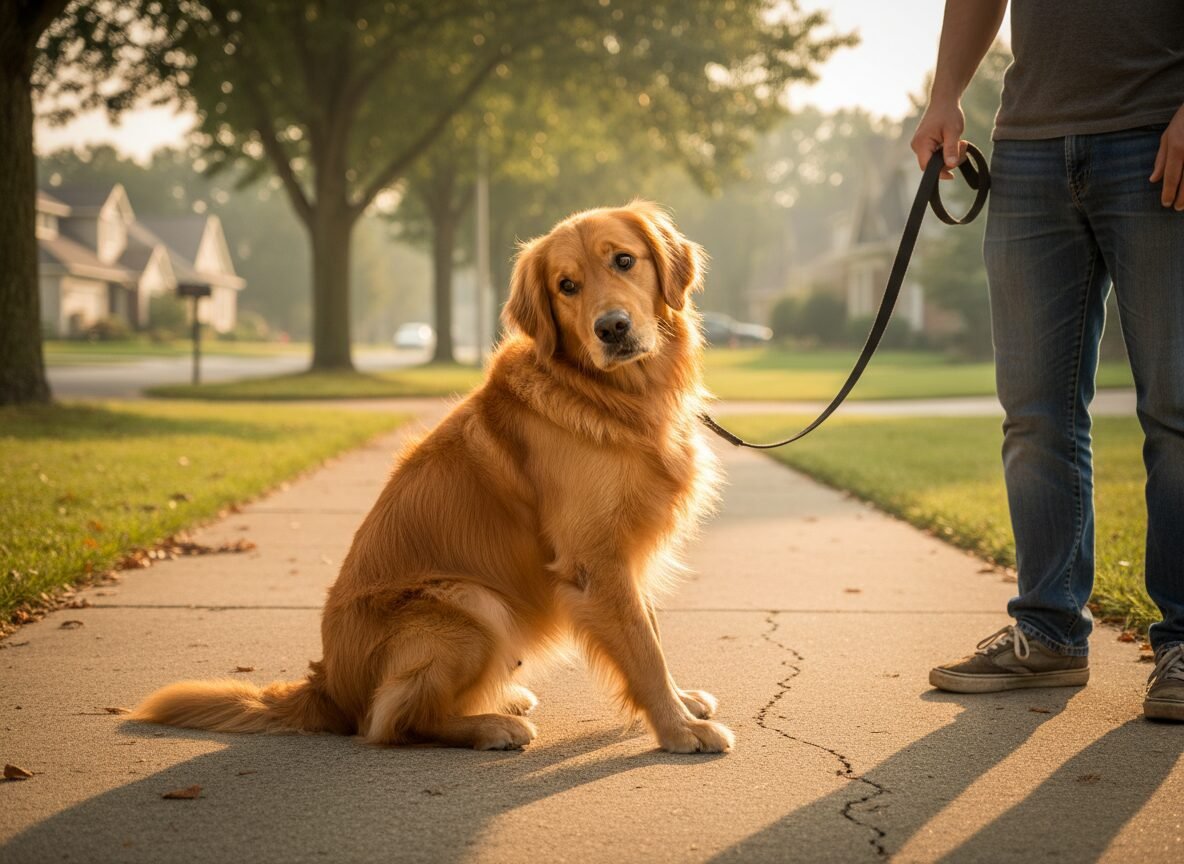
The daily walk is meant to be a cherished ritual, a time for bonding, exercise, and exploration for both you and your canine companion. But for many owners, this idyllic picture is shattered by a frustratingly common behavior: the dog suddenly puts on the brakes, plants its feet, and refuses to move another inch. This abrupt halt can turn a pleasant stroll into a battle of wills, leaving you feeling confused, embarrassed, and concerned. It’s a scenario that prompts the desperate question, ‘Why is my dog doing this?’
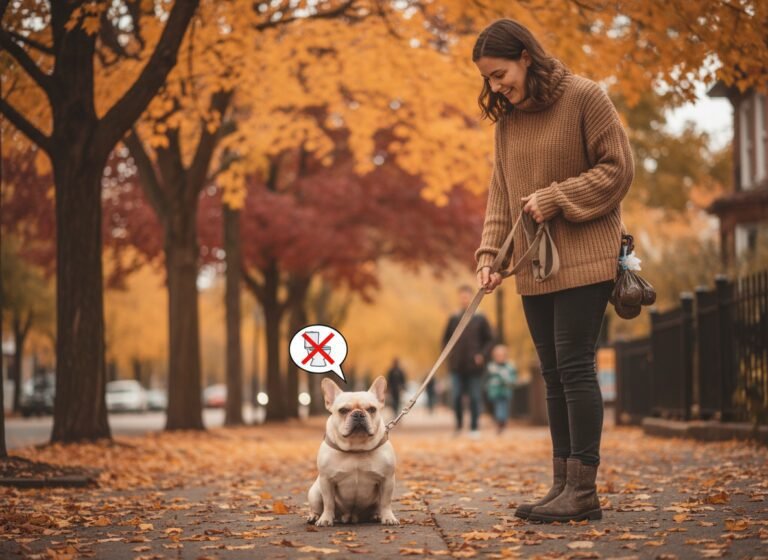
First, it is critical to understand that this refusal is not an act of defiance or stubbornness for its own sake. In the world of canine communication, planting their feet is a powerful signal. Your dog is telling you something important, and it is our responsibility as their guardians to learn how to interpret the message. This behavior, often called ‘pancaking’ or ‘balking,’ is a symptom of an underlying issue that could range from physical discomfort to environmental fear or even a learned response based on past experiences.
This comprehensive guide will serve as your roadmap to understanding and resolving this challenging behavior. We will move beyond the frustration and delve into the science-backed reasons your dog refuses to walk. We will equip you with the tools to perform a pre-walk assessment, rule out medical concerns, and implement a positive, trust-based training protocol. By the end of this article, you will not only have a plan to get your dog moving again but will also have strengthened the bond you share, turning walks back into the joyful experience they were meant to be.
Decoding the ‘Brakes’: The Five Primary Reasons a Dog Refuses to Walk
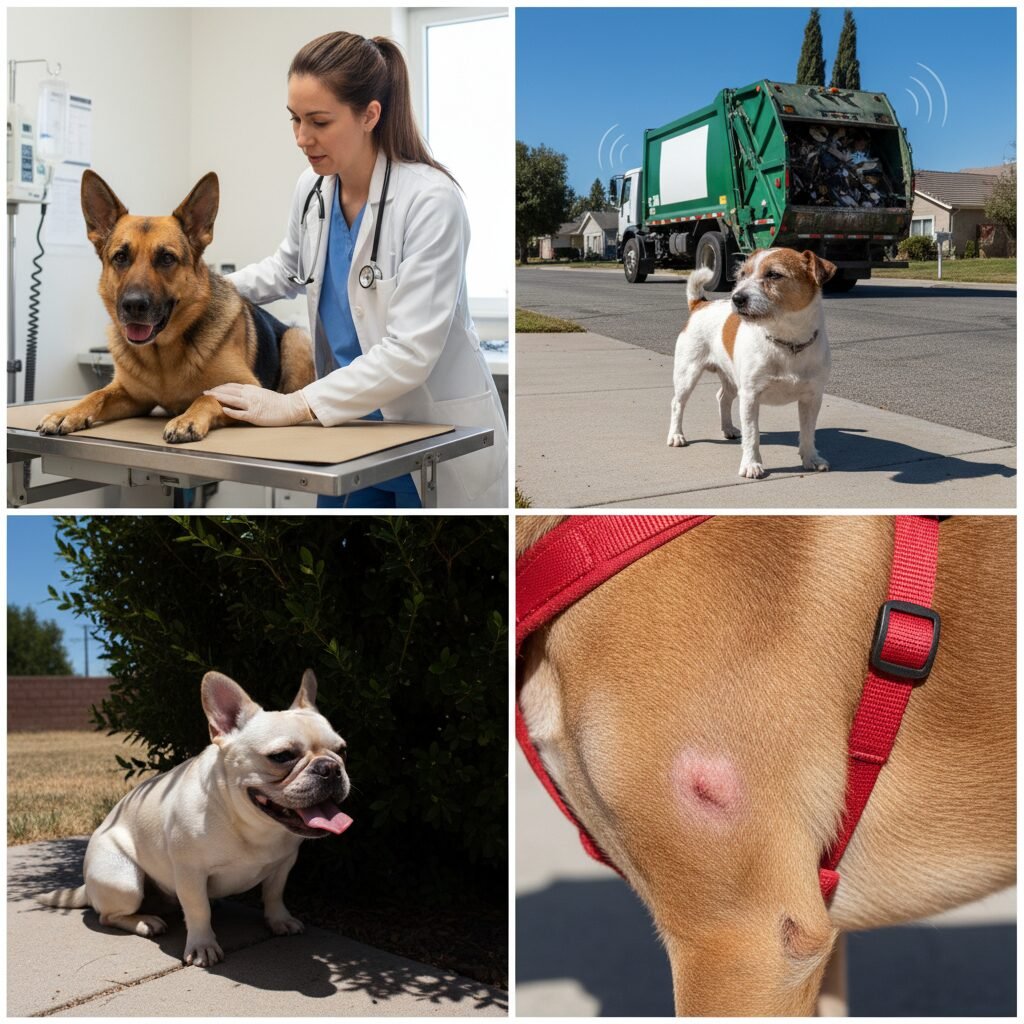
Before we can address the problem, we must first become detectives. A dog’s refusal to walk is a complex behavior with multiple potential origins. By systematically considering these possibilities, you can narrow down the cause and select the most effective solution. Below are the five primary categories of reasons your dog might be putting on the brakes.
1. Physical Discomfort or Pain
This is the most critical cause to rule out first. Dogs are masters at hiding pain, and a reluctance to walk is often one of the first subtle signs that something is wrong. The discomfort doesn’t have to be severe; even minor aches can make walking unpleasant.
- Musculoskeletal Issues: Conditions like arthritis (especially in senior dogs), hip dysplasia, a soft tissue injury (sprain or strain), or even a torn cruciate ligament can cause significant pain during exercise.
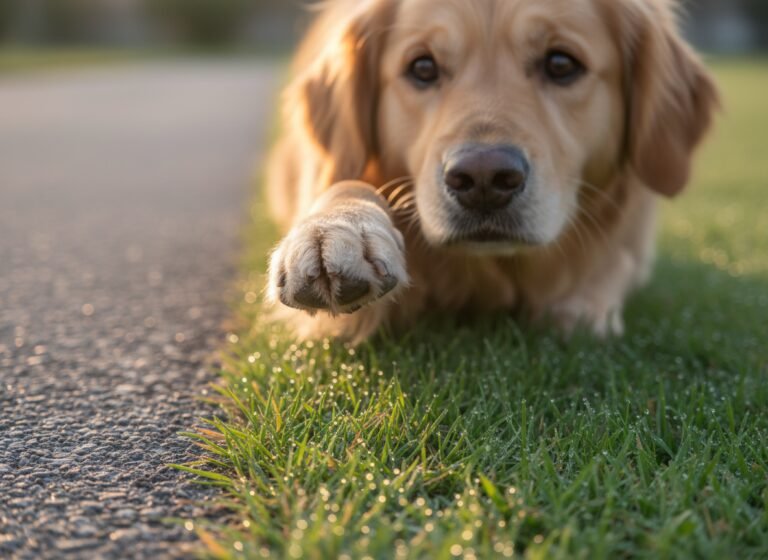
- Paw Injuries: Check your dog’s paw pads for cuts, scrapes, thorns, or embedded debris. In winter, ice balls can form between the pads, and in summer, hot pavement can cause burns. Overgrown nails can also alter their gait and cause discomfort.
- Illness: Underlying medical conditions, such as heart disease, respiratory issues, or neurological problems, can make physical exertion difficult and exhausting for your dog.
- Gear-Related Discomfort: A poorly fitting harness that chafes, a collar that is too tight, or a leash that is too heavy can make the experience of walking physically unpleasant.
2. Fear, Anxiety, and Phobias
The world can be a scary place for a dog, and the walk is an unpredictable sensory experience. A specific trigger or a general state of anxiety can cause a dog to shut down and refuse to move toward what it perceives as a threat.
- Specific Triggers: Loud noises are a common culprit. Traffic sounds, construction work, skateboards, or even a distant lawnmower can be terrifying.
- Negative Past Experiences: If your dog was previously attacked or frightened by another dog or person while on a walk, they may develop a phobia associated with the location or the act of walking itself.
- Social Anxiety: Some dogs are fearful of strange people or other dogs. If they see a trigger in the distance, they may stop in an attempt to avoid the encounter.
- Environmental Sensitivity: Unfamiliar surfaces, strange smells, or even visual changes in the environment (like holiday decorations or trash cans) can be overwhelming for a sensitive dog.
3. Overtiredness or Lack of Energy
While it may seem counterintuitive, sometimes the reason is simple: your dog is just too tired. This is especially common in puppies who expend vast amounts of energy in short bursts, and in senior dogs whose stamina has naturally decreased.
- Too Much Prior Activity: Did you just finish a long play session at the dog park or an intense game of fetch in the yard? Your dog might simply be spent.
- Weather Conditions: Extreme heat or humidity can quickly lead to fatigue and dehydration. Dogs are not as efficient at cooling themselves as humans are, making them susceptible to heat exhaustion.
- Lack of Proper Nutrition: A diet that doesn’t meet your dog’s energy needs can result in general lethargy and an unwillingness to engage in strenuous activity.
4. Equipment and Leash Issues
The tools we use to walk our dogs can have a profound impact on their behavior. Negative associations with the leash, collar, or harness can create a dog that dreads the entire process.
- Aversive Equipment: Prong collars, choke chains, and shock collars operate by causing discomfort or pain. A dog may stop walking to avoid the correction it anticipates receiving.
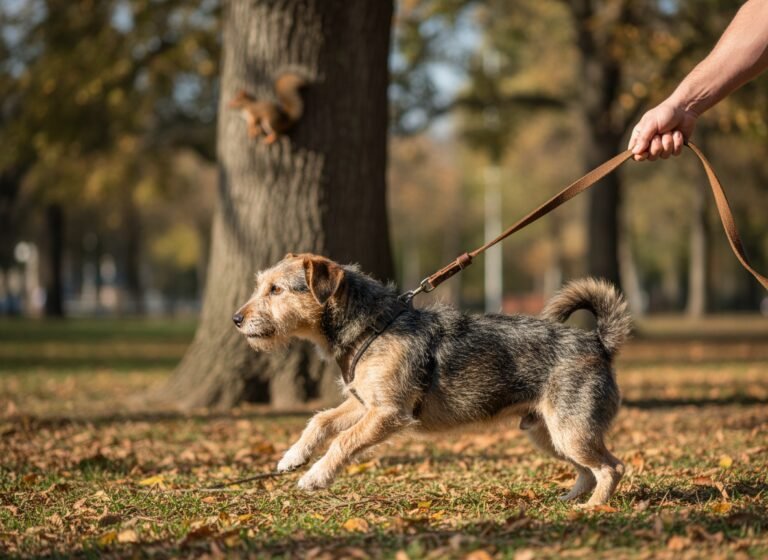
- Leash Pressure Confusion: Many owners unintentionally create an oppositional reflex by keeping constant tension on the leash. When the dog feels a pull, its natural instinct is to pull back, which can manifest as planting its feet.
- Negative Association with Leashing Up: If putting on the harness or clipping on the leash has become a struggle, the dog’s anxiety may begin long before you even step out the door.
5. Learned Behavior and Lack of Motivation
Sometimes, a dog learns that stopping works. If planting their feet results in getting what they want (like going home or getting extra attention), the behavior will be reinforced.
- The Desire to Go Home: If the walk is boring or scary, your dog may learn that if they stop, you’ll eventually give up and turn around. This is especially common on the return leg of the walk.
- Not Wanting the Fun to End: Conversely, some dogs will stop on the way home because they don’t want the walk to be over. They’ve learned that stopping prolongs their time outside.
- Lack of Reinforcement: If the walk isn’t rewarding, why would the dog want to participate? A monotonous route with no opportunities to sniff or explore can be incredibly boring for a dog, leading them to disengage.
The Pre-Walk Assessment: Your Diagnostic Checklist
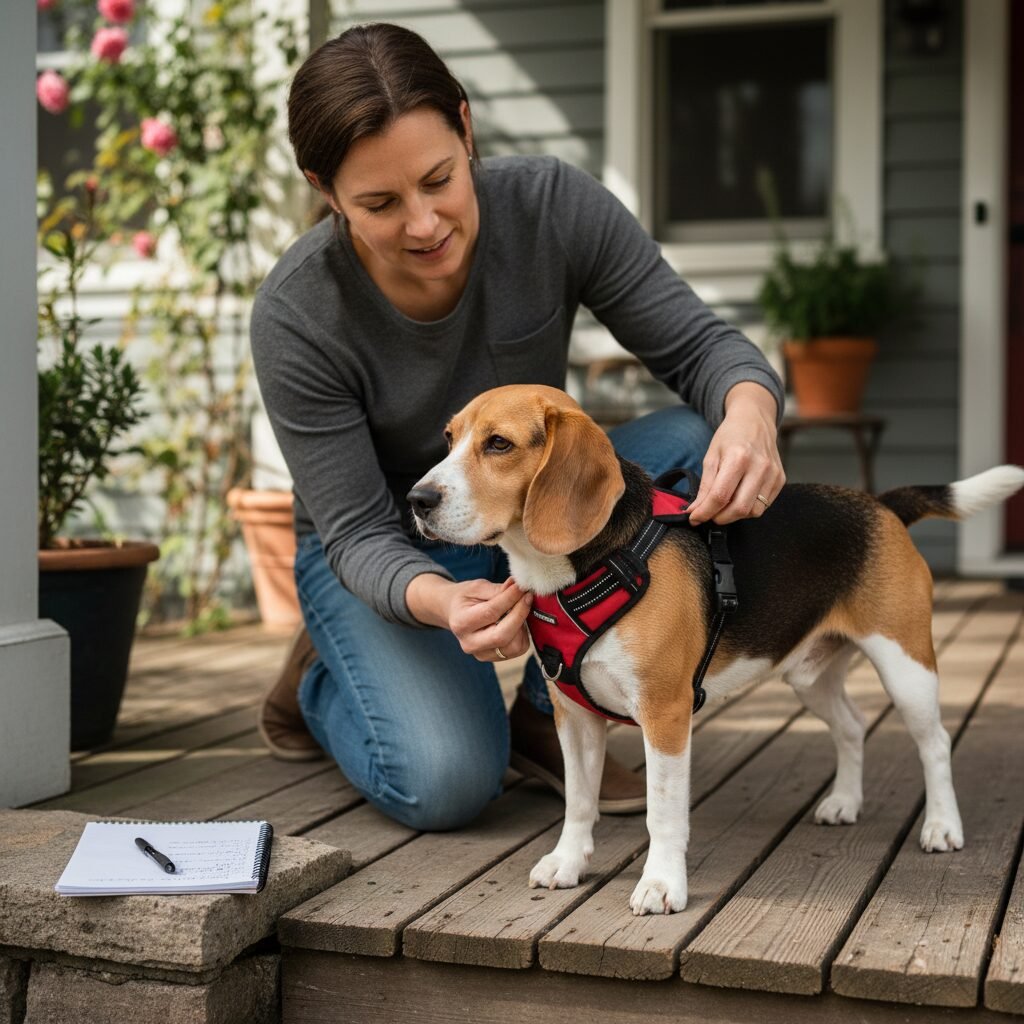
Before you can implement a solution, you must accurately identify the problem. This requires careful observation before and during the walk. Use the following checklist to gather clues about your dog’s behavior. Answering these questions will help you pinpoint the root cause of their refusal to walk.
Environmental and Situational Analysis
Think about the when and where of the behavior. Patterns are powerful indicators.
- Location Specificity: Does your dog stop at the same spot every time? Near a particular house, intersection, or object? This often points to an environmental trigger.
- Timing: Does the refusal happen at a certain time of day? Perhaps during rush hour when traffic is loudest or in the evening when shadows are long and potentially frightening.
- Directional Preference: Does your dog walk happily away from home but refuse to walk back? Or do they refuse to leave the driveway? This can indicate a desire to go home versus a desire to prolong the walk.
- Presence of Triggers: When your dog stops, scan the environment immediately. What do you see, hear, or smell? Look for other dogs, people, vehicles, or anything out of the ordinary. Keep a journal to track these occurrences.
Physical and Behavioral Observation
Pay close attention to your dog’s body language. They are communicating constantly, even in stillness.
- Body Posture: Is your dog’s body tense and low to the ground? Are their ears back and their tail tucked? These are classic signs of fear or anxiety. A relaxed body posture might suggest something else.
- Physical Check: Before leaving, run your hands over your dog’s body, legs, and paws. Do they flinch or show any signs of pain? Watch them walk around the house. Do you notice any limping or stiffness?
- Gear Inspection: Examine the harness, collar, and leash. Are there any frayed edges? Does the harness fit snugly but not too tightly? (You should be able to fit two fingers between the strap and your dog’s body). Is it causing any redness or hair loss?
Expert Tip: Video record a few of your walks, especially the moments when your dog stops. Reviewing the footage later, away from the stressful moment, can reveal subtle environmental triggers or body language cues you might have missed in real-time.
Step-by-Step Protocol to Get Your Dog Walking Again
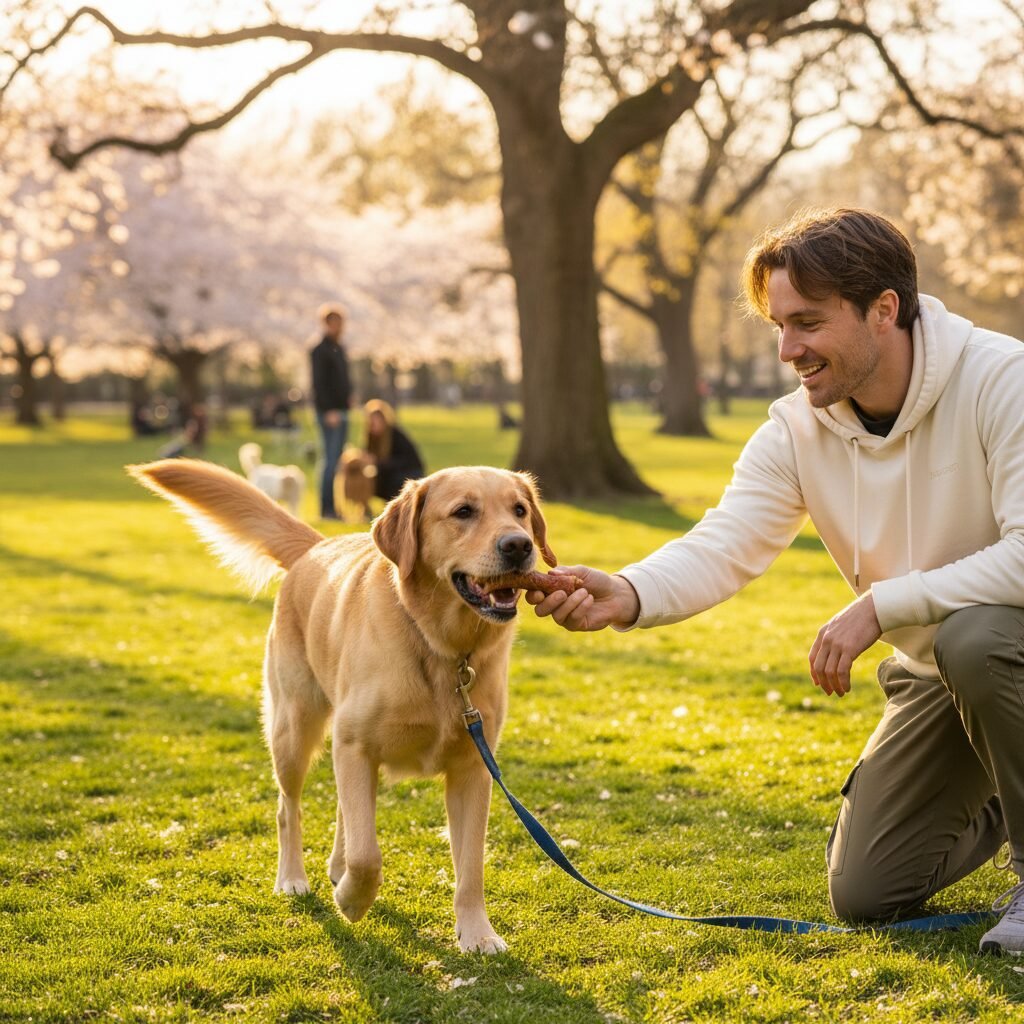
Once you have a better understanding of the ‘why,’ you can begin to implement a ‘how.’ This protocol is built on a foundation of patience, trust, and positive reinforcement. Never use force, punishment, or coercion. Pulling, dragging, or scolding your dog will only increase their anxiety and damage your relationship, making the problem worse.
Step 1: The Veterinary Check-Up
Before beginning any behavioral modification, your first and most important step is to schedule a thorough examination with your veterinarian. Explain the behavior in detail. This will definitively rule out any underlying pain or medical conditions that could be causing the reluctance to walk.
Step 2: Optimize Your Equipment
Ensure your dog’s walking gear is comfortable and creating a positive experience. Switch to a well-fitting, front-clip or Y-shaped harness that doesn’t restrict shoulder movement. Use a standard 6-foot leash made of a lightweight material. Ditch any aversive tools like prong or choke collars immediately.
Step 3: Rebuild Positive Associations (Desensitization and Counter-Conditioning)
The goal here is to change your dog’s emotional response to walks from negative or fearful to positive and exciting. This takes time and repetition.
- Gear-Up Fun: Start inside. Pick up the harness and immediately give your dog a high-value treat (like a small piece of chicken or cheese). Do this several times. Then, touch the dog with the harness and treat. Progress to putting the harness on for just a few seconds, followed by a jackpot of treats, and then take it off. Make the harness predict wonderful things.
- The ‘Treat Trail’: For a dog that hesitates to leave the house, start by creating a small trail of high-value treats leading from the door down the driveway. Let them follow the trail at their own pace.
- Environmental Counter-Conditioning: If your dog stops due to a specific trigger (e.g., a garbage can), start at a distance where your dog notices the trigger but is not yet reacting (this is called their ‘threshold’). The moment they look at the trigger, mark the behavior with a ‘Yes!’ or a clicker and reward them with a fantastic treat. The goal is to make them think, ‘Oh, seeing that garbage can makes chicken appear!’ Over many sessions, you can gradually decrease the distance.
Step 4: Teach a ‘Let’s Go’ Cue
Instead of pulling on the leash, you will teach your dog a verbal cue that means ‘let’s start moving forward.’
- Start in a low-distraction area like your hallway or backyard.
- With your dog on leash, say your cue in an upbeat, happy tone (e.g., ‘Let’s Go!’).
- Toss a high-value treat a few feet in front of you for your dog to go get.
- As they move toward it, walk with them. Repeat this process, making it a fun game.
- Once reliable, start using it on your actual walks. When your dog puts on the brakes, wait a moment, then cheerfully say ‘Let’s Go!’ and be ready to reward any forward movement.
Step 5: Reward Every Ounce of Forward Progress
The key to changing behavior is to reinforce the choices you want to see. When your dog is walking nicely or when they choose to start walking again after a stop, reward them! This can be with a small treat, verbal praise (‘Good walk!’), or a moment to sniff an interesting spot. Make forward motion the most rewarding thing they can do.
Advanced Troubleshooting for Persistent Refusals
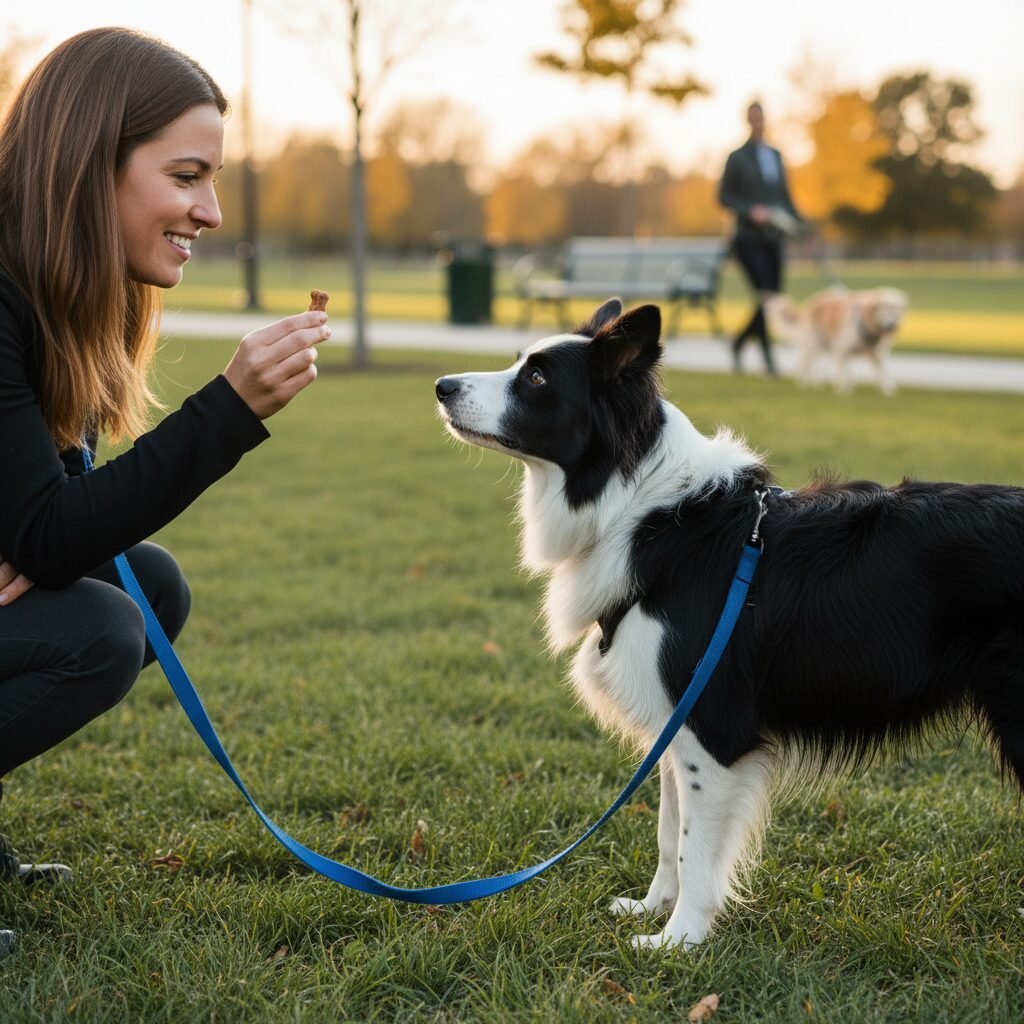
Sometimes, despite your best efforts, the behavior persists. This often occurs when the fear is deeply ingrained or when multiple factors are at play. Here are some advanced strategies to consider.
When Fear is the Overwhelming Factor
For dogs with significant fear or anxiety, you may need to completely change your approach to walks. This is about building confidence, not conquering distance.
- The ‘Sniffari’: Let your dog lead the way. Instead of having a destination in mind, allow your dog to spend as much time as they want sniffing. This is incredibly enriching and can reduce stress. A 10-minute ‘sniffari’ can be more tiring and satisfying for a dog than a 30-minute structured walk.
- ‘Look At That’ (LAT) Game: This is a powerful technique for managing reactions to triggers. The moment your dog sees a trigger, before they react, say ‘Yes!’ and reward them for looking. This teaches them to check in with you when they see something scary instead of fixating on it.
- Retreat is an Option: If you encounter a trigger and your dog is showing signs of stress, the best thing you can do is increase the distance. Cheerfully say ‘Let’s go this way!’ and turn around. This teaches your dog that you are their protector and will not force them into an uncomfortable situation.
Addressing ‘Stubbornness’ and Learned Behavior
If you suspect your dog has simply learned that stopping works, you need to change the outcome. Make continuing to walk more rewarding than stopping.
- Variable Reward Schedule: Don’t reward every step. Keep your dog guessing. Deliver high-value treats randomly when they are walking nicely on a loose leash. This builds anticipation and keeps them engaged with you.
- Functional Rewards: Use the environment as a reward. Does your dog love to sniff a particular bush? Ask for a few steps of nice walking, then release them with a cue like ‘Go sniff!’
- The ‘Be a Tree’ Method: If your dog is stopping to get you to go home, simply stop with them. Become completely boring. Stand still, hold the leash without tension, and don’t interact with them. Wait them out. The moment they offer even a slight step forward, praise them enthusiastically and continue the walk. They will learn that stopping results in boredom, while walking results in rewards and fun.
When to Seek Professional Help
If your dog’s refusal to walk is rooted in deep-seated fear, anxiety, or aggression, or if you are not seeing progress, it is time to consult a professional. Look for a Certified Professional Dog Trainer (CPDT-KA), a Certified Canine Behavior Consultant (CBCC-KA), or a board-certified Veterinary Behaviorist (DACVB). These professionals can provide a customized behavior modification plan and guide you through the process safely and effectively.
Critical Mistakes to Avoid: What Not to Do
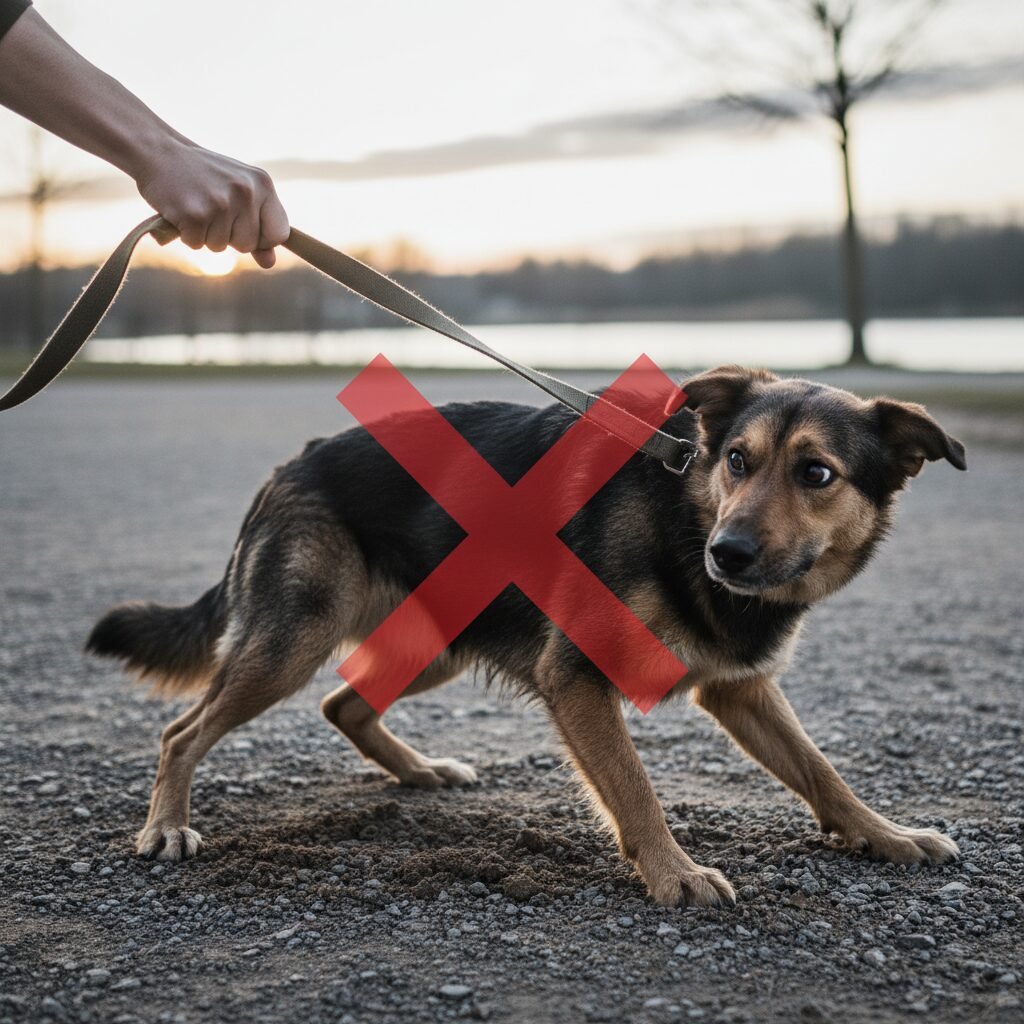
How you react in the moment of frustration can either help or harm your progress. Avoiding these common mistakes is just as important as implementing the correct training techniques.
Understanding what not to do is crucial for building trust and ensuring your training efforts are not counterproductive. Here’s a breakdown of common pitfalls to avoid.
| Mistake to Avoid | Why It’s Harmful | What to Do Instead |
|---|---|---|
| Pulling or Dragging the Dog | This creates a negative association with the leash, the walk, and you. It triggers an opposition reflex, making the dog resist more. It can also cause physical injury to your dog’s neck and throat. | Stand still and wait patiently. Use your ‘Let’s Go’ cue and reward any voluntary forward movement. Make moving forward their choice. |
| Scolding or Yelling | This increases your dog’s stress and anxiety, which is often the root cause of the problem. It confirms to the dog that the walking experience is unpleasant and scary. | Use a calm, cheerful, and encouraging tone of voice. Your calm demeanor will help your dog feel more secure. |
| Bribing with a Treat | Holding a treat in front of your dog’s nose to lure them forward is a temporary fix, not a long-term solution. The dog is just following the food, not learning to walk confidently. | Use treats as a reward for a desired behavior (taking a step forward), not as a lure to create the behavior. The reward should come after the action. |
| Keeping a Tense Leash | Constant tension on the leash communicates anxiety and control from you to your dog. It removes their sense of agency and can escalate their stress. | Strive to keep a ‘J’ shape in your leash. A loose leash signals to your dog that everything is okay and gives them the freedom to make good choices. |
| Forcing Encounters with Triggers | Forcing a fearful dog to ‘face their fears’ by dragging them closer to a trigger is known as ‘flooding.’ This is an outdated and cruel method that can severely traumatize your dog and worsen the phobia. | Respect your dog’s threshold. Create distance from triggers and use desensitization and counter-conditioning techniques from a safe distance. |
Conclusion
Confronting a dog that refuses to walk can be an incredibly disheartening experience, but it’s essential to reframe the situation. Your dog is not being ‘bad’ or ‘stubborn’; they are communicating a problem in the only way they know how. By shifting your perspective from one of conflict to one of compassionate problem-solving, you open the door to real progress.
The journey to resolving this issue is paved with patience, observation, and consistency. The key takeaways are to first rule out any medical causes, then become a keen observer of your dog’s body language and their environment. From there, focus on building positive associations with walking gear and the great outdoors through positive reinforcement. Celebrate small victories—a single step forward is a success worth rewarding.
Remember that you are your dog’s advocate and safe space. By protecting them from overwhelming situations and teaching them to navigate the world with confidence, you do more than just solve a walking problem. You are fundamentally strengthening the bond of trust between you. The walks will come, but the trust you build in the process is the ultimate reward.