Pill Hacks: How to Medicate a Dog Who Spits Out Everything
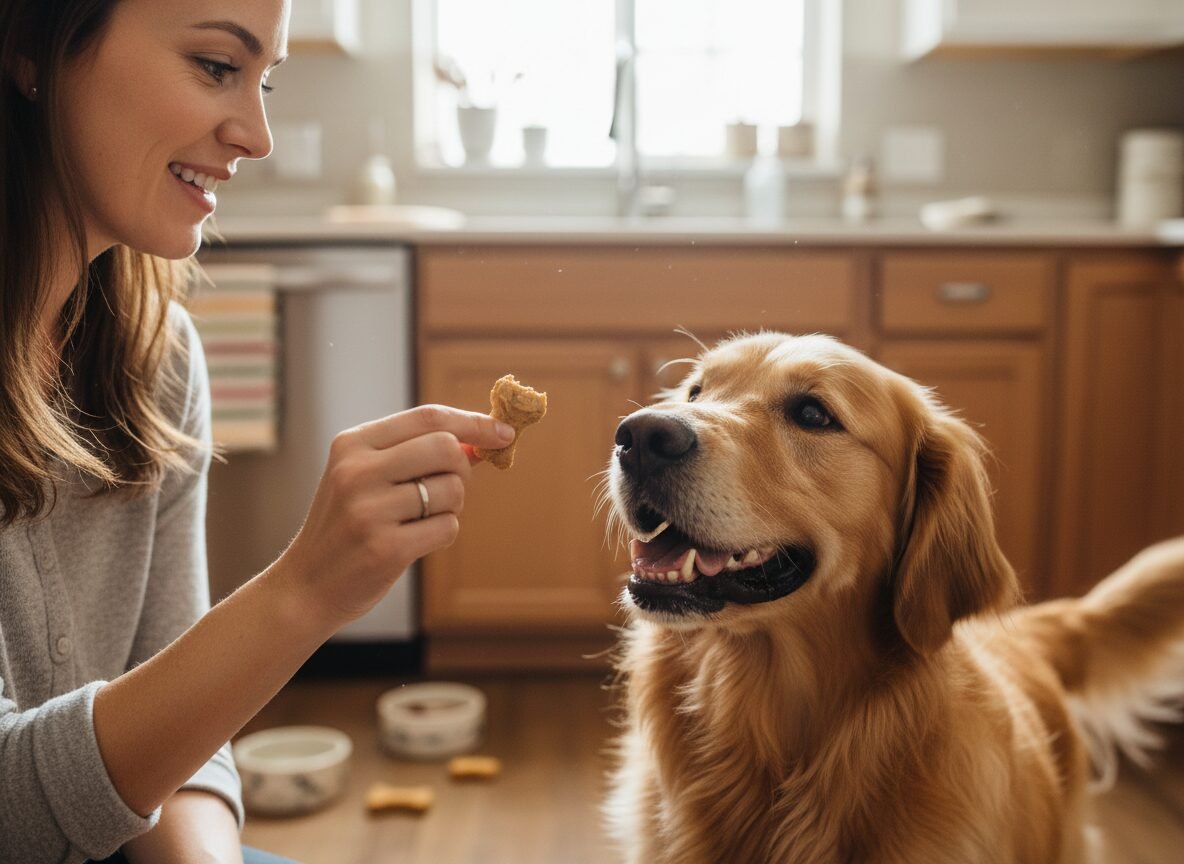
Administering medication is a fundamental aspect of responsible pet ownership, yet for many, it becomes a daily battle of wits. You carefully hide the pill in a piece of cheese, only to find the medication mysteriously left behind on the floor, the treat long gone. This frustrating scenario is all too common. A dog’s keen sense of smell, coupled with a natural suspicion of unfamiliar tastes and textures, can turn them into master escape artists when it comes to taking their medicine. This isn’t just a minor inconvenience; consistent and correct medication is often critical for managing chronic conditions, recovering from illness, or preventing parasites. When a dog refuses medication, it can compromise their health and well-being, leading to prolonged sickness or ineffective treatment.
The stress of this daily struggle affects more than just your dog. It can create anxiety and frustration for you, the owner, potentially straining the bond you share with your pet. The goal is not to force compliance through fear or restraint, but to transform medication time into a neutral, or even positive, experience. This requires patience, strategy, and an understanding of canine behavior.
In this definitive guide, we will explore a tiered system of ‘pill hacks’ designed for every level of canine resistance. From simple, food-based tricks for the mildly suspicious pup to advanced techniques for the most discerning pill-spitter, you will find a solution that works for your unique situation. We will cover the importance of preparation, the art of disguise, the proper method for manual administration, and what to do when all else fails. By approaching this challenge with knowledge and empathy, you can ensure your dog receives the essential care they need without the daily drama.
The Foundation: Preparation and a Calm Mindset
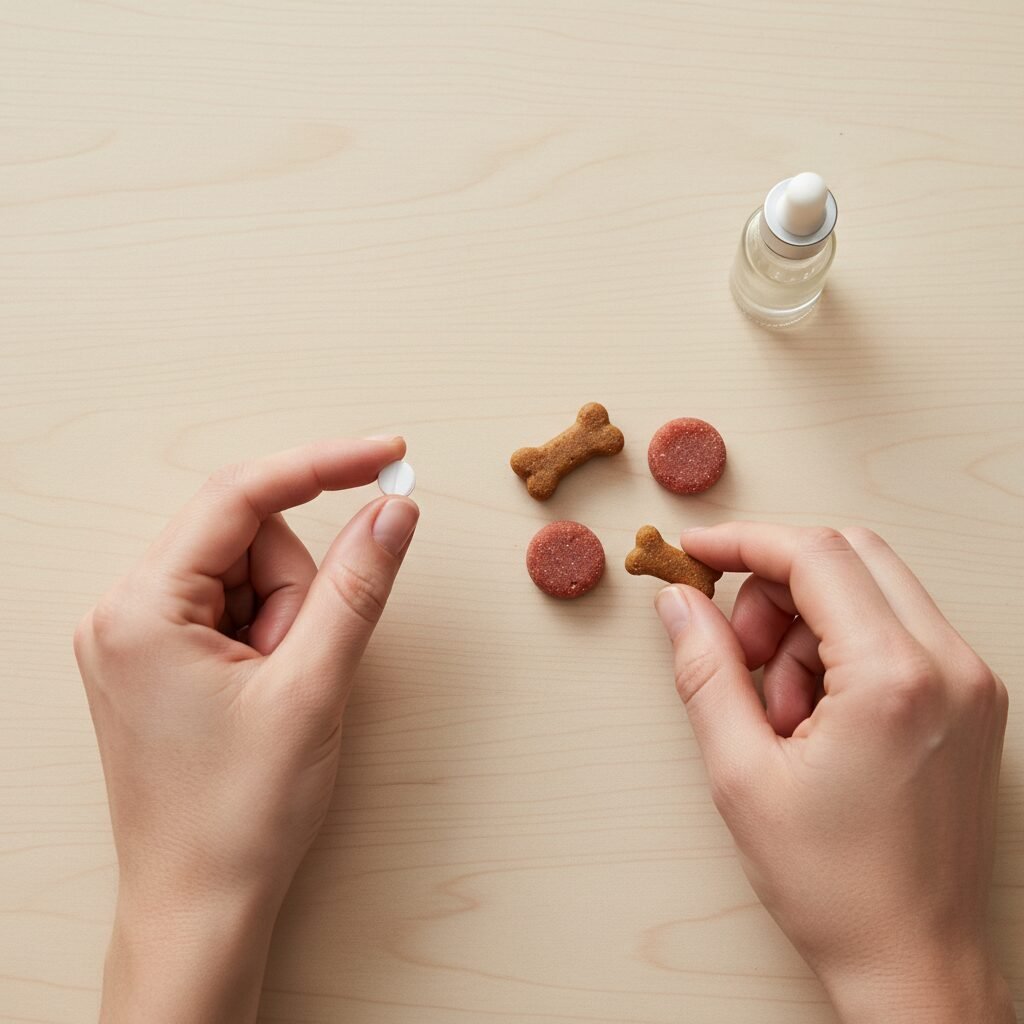
Before you even attempt to give your dog a pill, the groundwork you lay can determine your success. Dogs are highly attuned to our emotional state. If you approach them feeling stressed, anxious, or frustrated, they will sense it immediately and become defensive. Your calm and confident demeanor is your single most important tool.
Creating a Positive Association
The first step is to shift the narrative from a negative chore to a positive routine. Never let your dog see the pill bottle and immediately associate it with an unpleasant experience. Instead, integrate the process into a moment they already enjoy, like feeding time or when they receive special treats.
- Stay Calm: Take a deep breath. Your dog will mirror your energy. A calm owner leads to a calmer dog.
- Prepare in Advance: Get the medication ready out of your dog’s sight. Fumbling with a pill bottle or struggling with packaging will only build suspicion and give your dog time to become wary. Have the pill, the treat, and anything else you need ready to go.
- Use Positive Reinforcement: Have high-value treats on hand. The idea is to create a ‘treat jackpot.’ Give one or two plain treats, then the ‘doctored’ treat, followed immediately by another plain treat and lots of praise. This ‘treat sandwich’ method can obscure the pill and reward the dog for swallowing quickly.
Expert Tip: Try creating a ‘pill time’ ritual that is always positive. For example, call your dog to a specific spot, do a simple command they know (like ‘sit’), and then proceed with the treat sandwich method. This builds a predictable and non-threatening routine.
Understanding your dog’s perspective is key. They aren’t being ‘stubborn’ or ‘difficult’ on purpose. They are simply reacting to a strange smell, taste, or experience. By remaining patient and reframing the event as a positive one, you set the stage for a much smoother process, regardless of the specific technique you choose to employ.
Level 1 Hacks: The Art of Disguise
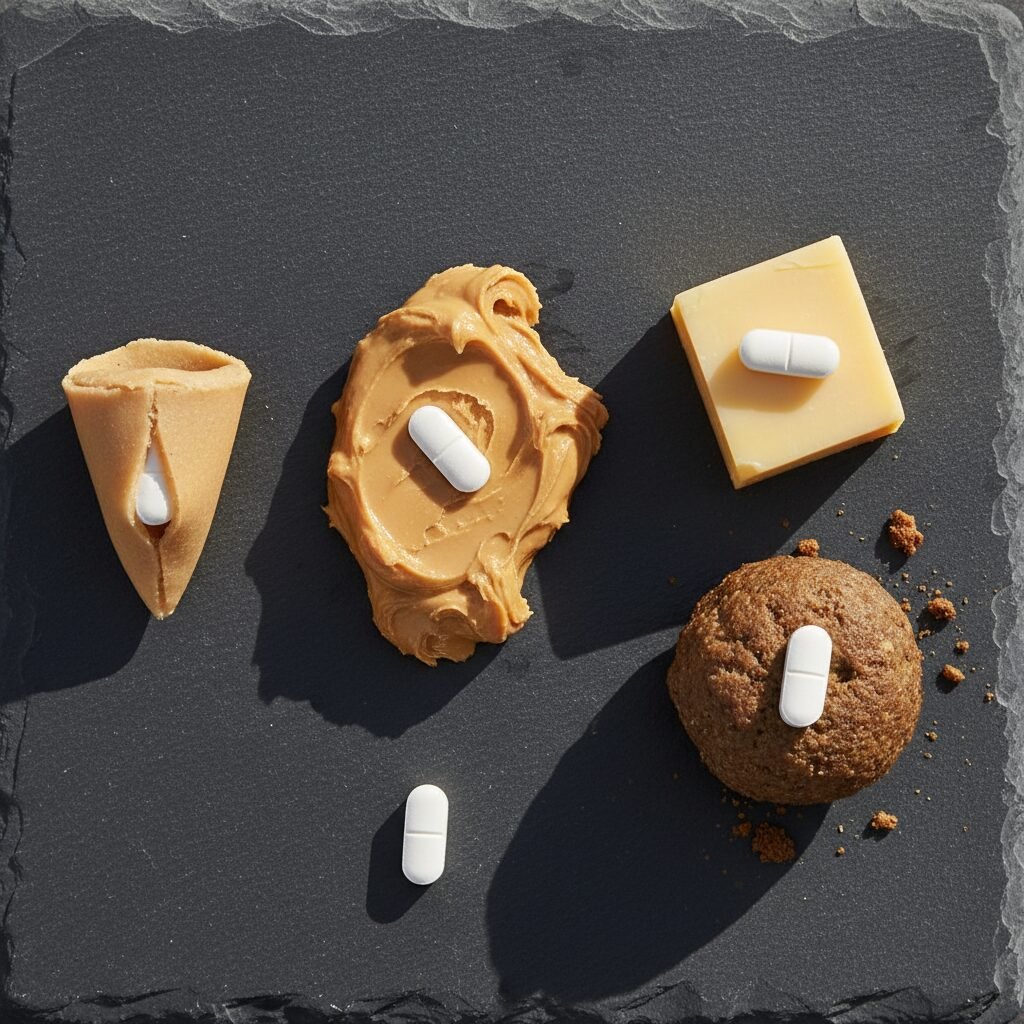
For most dogs, the path of least resistance is through their stomach. Hiding medication in a delicious morsel is the most common and often most successful method. However, a clever dog can easily separate the pill from the food. The secret lies in choosing the right vehicle and employing a flawless delivery technique.
Choosing the Perfect Edible ‘Trojan Horse’
The ideal food for hiding a pill has three key characteristics: it’s highly aromatic to mask the medicinal smell, it has a sticky or soft texture to envelop the pill completely, and it’s something your dog absolutely loves. Not all treats are created equal in this regard.
- Pill Pockets and Pastes: Commercially available products are specifically designed for this purpose. They are soft, malleable, and come in flavors dogs love, like chicken or bacon. Their strong scent is excellent at masking medication odors.
- Human Foods (Use With Caution): Certain human foods work wonders. A small ball of cream cheese, a dollop of peanut butter (ensure it is xylitol-free), a piece of soft cheese, or a small meatball made from canned dog food can be very effective.
- Unusual but Effective Options: For the truly discerning dog, try a small piece of banana, a spoonful of plain yogurt, a mini marshmallow, or even a piece of liverwurst. The novelty can sometimes be enough to distract them from the hidden contents.
Below is a comparison of common pill-hiding mediums to help you choose the best option for your dog.
| Medium | Pros | Cons | Best For |
|---|---|---|---|
| Commercial Pill Pockets | Designed to mask scent and taste; easy to mold around pills. | Can be expensive; some dogs may not like the flavor or texture. | Convenience and highly effective scent masking. |
| Peanut Butter (Xylitol-Free) | Sticky texture makes it hard for dogs to separate the pill; highly palatable. | Must be xylitol-free; can be messy; high in calories. | Dogs who tend to lick and chew thoroughly. |
| Cream Cheese / Soft Cheese | Soft and easy to mold; strong dairy flavor is appealing to many dogs. | High in fat and lactose; not suitable for all dogs. | Small pills that can be easily enveloped. |
| Canned Dog Food / Liverwurst | Strong, meaty aroma is very enticing; soft texture hides pills well. | Can be messy; liverwurst is high in fat and salt. | Picky eaters who are highly food-motivated by meat. |
Execution is Everything: Don’t just hand over the doctored treat. Build excitement. Use the ‘treat sandwich’ method mentioned earlier. The speed and positive energy of the moment can encourage your dog to swallow the entire bundle without a second thought.
Level 2 Hacks: Proper Manual Administration
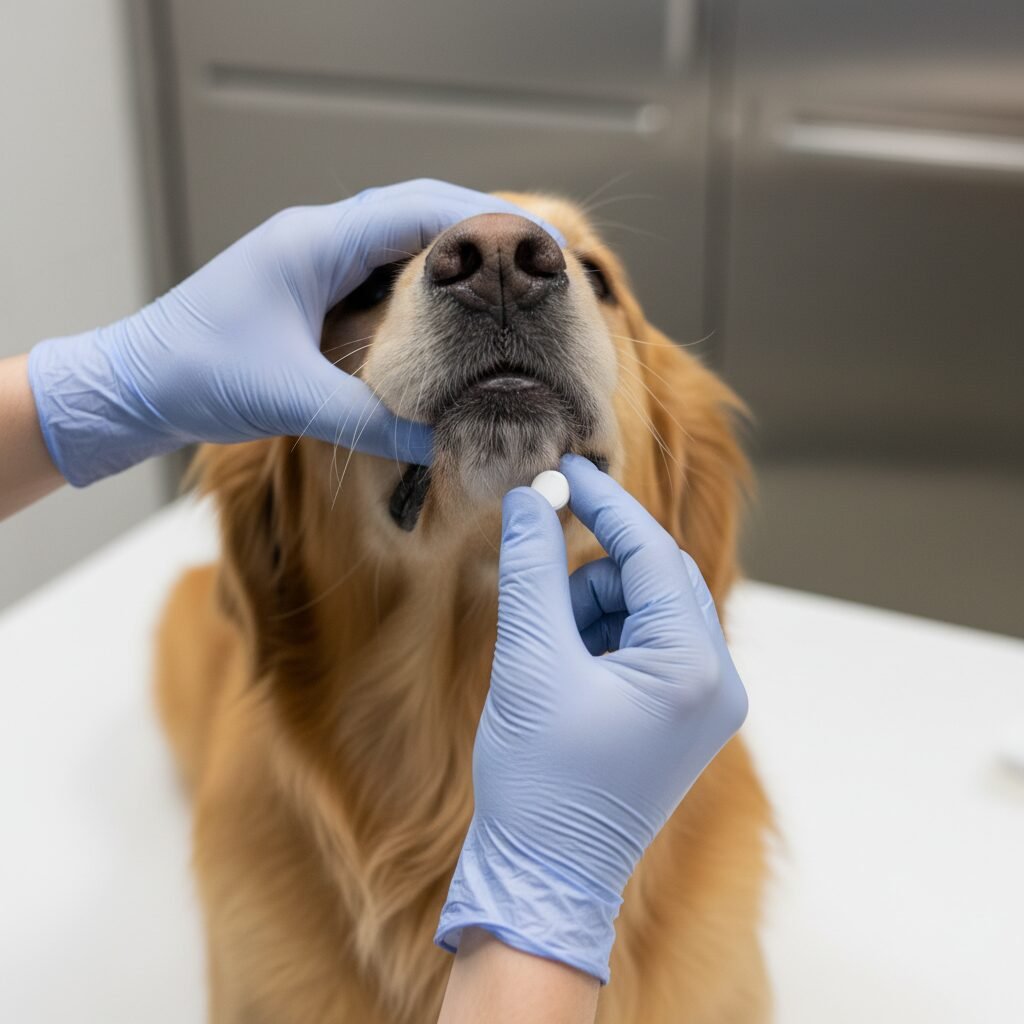
When a dog is too clever for disguises or has dietary restrictions that prevent the use of rich foods, manual administration becomes necessary. While it may seem daunting, the ‘pill-down-the-throat’ method can be performed safely, quickly, and humanely when done correctly. The key is confidence, proper technique, and a gentle but firm approach. This should be a swift, non-confrontational process, not a wrestling match.
A Step-by-Step Guide to Manual Pilling
Follow these steps precisely to ensure the pill is delivered effectively and safely. It may be helpful to have a second person to gently steady the dog, especially during the first few attempts.
- Positioning: Have your dog sit or stand in a comfortable position, perhaps backed into a corner to prevent them from moving away. For small dogs, you can place them on your lap or on a sturdy surface. Stand or kneel beside or behind your dog, not towering over them in a threatening manner.
- Opening the Mouth: Hold the pill between the thumb and index finger of your dominant hand. With your non-dominant hand, gently grasp your dog’s muzzle from above, placing your thumb behind the canine tooth on one side and your fingers on the other.
- Tilting the Head: Slowly and gently tilt your dog’s head toward the ceiling. Their lower jaw will naturally relax and drop open slightly.
- Placing the Pill: Use the middle finger of your dominant hand (the one holding the pill) to gently press down on their lower front teeth to fully open the mouth. Quickly place the pill as far back on the tongue as possible, ideally over the ‘hump’ of the tongue. Do not push it down their throat with your finger.
- Closing and Encouraging Swallowing: Immediately close your dog’s mouth and hold it shut. Lower their head back to a normal position. Gently stroke their throat downward or lightly blow on their nose. This will trigger a reflex to swallow.
- Confirmation and Reward: Watch for a lick of the nose or a visible swallow. Once you are sure they have swallowed, provide immediate and enthusiastic praise, along with a high-value treat or a favorite toy. This ends the experience on a positive note.
Safety First: Never perform this technique on a dog that is aggressive or highly fearful, as it could result in a bite. If your dog struggles violently, stop. It is better to try again later when they are calm than to risk injury or create a severe phobia of medication.
Advanced Solutions for the Most Resistant Dogs
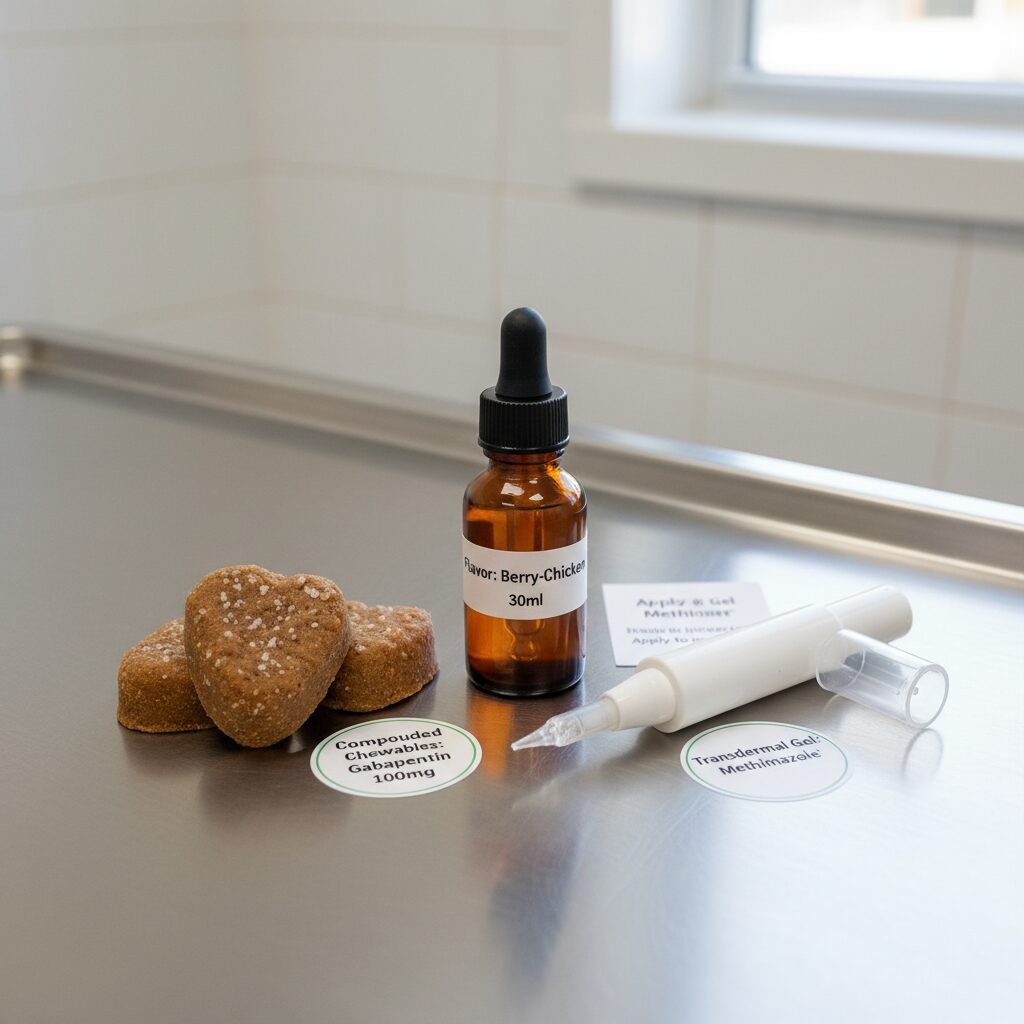
There are some dogs for whom even the most skilled manual pilling or clever disguise is no match. For these highly resistant cases, or for dogs requiring complex, long-term medication regimens, it’s time to explore advanced solutions in partnership with your veterinarian. Forcing the issue with a truly difficult dog can lead to extreme stress and a complete breakdown of trust. Fortunately, modern veterinary medicine offers several excellent alternatives.
When Standard Methods Fail
If you’ve exhausted the previous techniques without success, discuss the following options with your veterinarian. Do not make these changes without professional consultation.
- Compounding Pharmacies: This is often the best solution for the most difficult dogs. A compounding pharmacy can reformulate a medication into a more palatable form. A bitter pill can be transformed into a flavored liquid (like chicken or beef) that can be easily mixed with food, or even a chewable, flavored treat that your dog will take willingly.
- Alternative Formulations: Ask your vet if the medication is available in a different form from the manufacturer. Many common medications come in liquids, injectables, or even transdermal gels that are applied to the skin (usually the inside of the ear flap). While not available for all drugs, this can eliminate the need for oral administration entirely.
- Pilling Devices: A ‘pill gun’ or ‘pet piller’ is a small plastic device that looks like a syringe. It holds the pill at the end and allows you to place it at the back of the dog’s throat without putting your fingers in their mouth. This can be a safer option for both you and your dog and can help ensure the pill gets far enough back to trigger the swallow reflex.
A Note on Crushing Pills: It is critically important that you never crush a pill or open a capsule without explicit instructions from your veterinarian. Some medications are time-released or have a protective coating to prevent them from dissolving in the stomach. Crushing them can lead to an overdose or render the medication ineffective. Always ask your vet first.
Collaborating with your veterinarian is paramount. They can help you navigate these advanced options and find a sustainable, low-stress solution that ensures your dog receives their vital medication without a daily struggle.
Conclusion
Successfully medicating a dog who spits out everything is less about force and more about strategy, patience, and understanding. By viewing the challenge from your dog’s perspective and approaching it with a calm, positive mindset, you can transform a stressful ordeal into a manageable routine. We’ve explored a range of techniques, from the simple art of disguise using their favorite foods to the precise, step-by-step method of manual administration.
Remember to start with the easiest methods first. The ‘treat sandwich’ and a well-chosen pill pocket can solve the problem for a majority of dogs. If these fail, mastering the proper manual technique provides a reliable backup. For the most challenging cases, do not hesitate to embrace modern veterinary solutions like compounding pharmacies, which can create a medication your dog will actually enjoy taking.
Ultimately, the goal is consistent, stress-free treatment that supports your dog’s health without damaging your bond. Every dog is an individual, so what works for one may not work for another. Be prepared to experiment, stay positive, and celebrate the small victories. If you continue to struggle, your veterinarian is your most valuable resource. They can provide guidance, demonstrate techniques, and help you find the perfect solution for you and your beloved companion.