Teach Your Dog To ‘Wave’ Goodbye In Just 10 Minutes
Teaching your dog new tricks is more than just a fun pastime; it is a powerful tool for strengthening your bond, improving communication, and providing essential mental stimulation for your canine companion. Among the many tricks in a dog’s repertoire, the ‘wave’ is particularly endearing. It’s a charming gesture that never fails to impress friends and family. The common misconception is that such a specific command requires weeks of dedicated training. However, using modern, science-backed positive reinforcement techniques, you can lay the entire foundation for this trick in a single, focused session of just 10 minutes.
This comprehensive guide is designed for any pet owner, regardless of their training experience. We will walk you through the precise steps to capture and shape your dog’s natural movements into a deliberate, cued wave. We will be focusing on a method that is not only fast but also enjoyable for your dog, ensuring they remain an enthusiastic and willing student. Prepare to unlock a new level of communication with your pet and add an unforgettable trick to their skill set.
Setting the Stage for a Successful Training Session
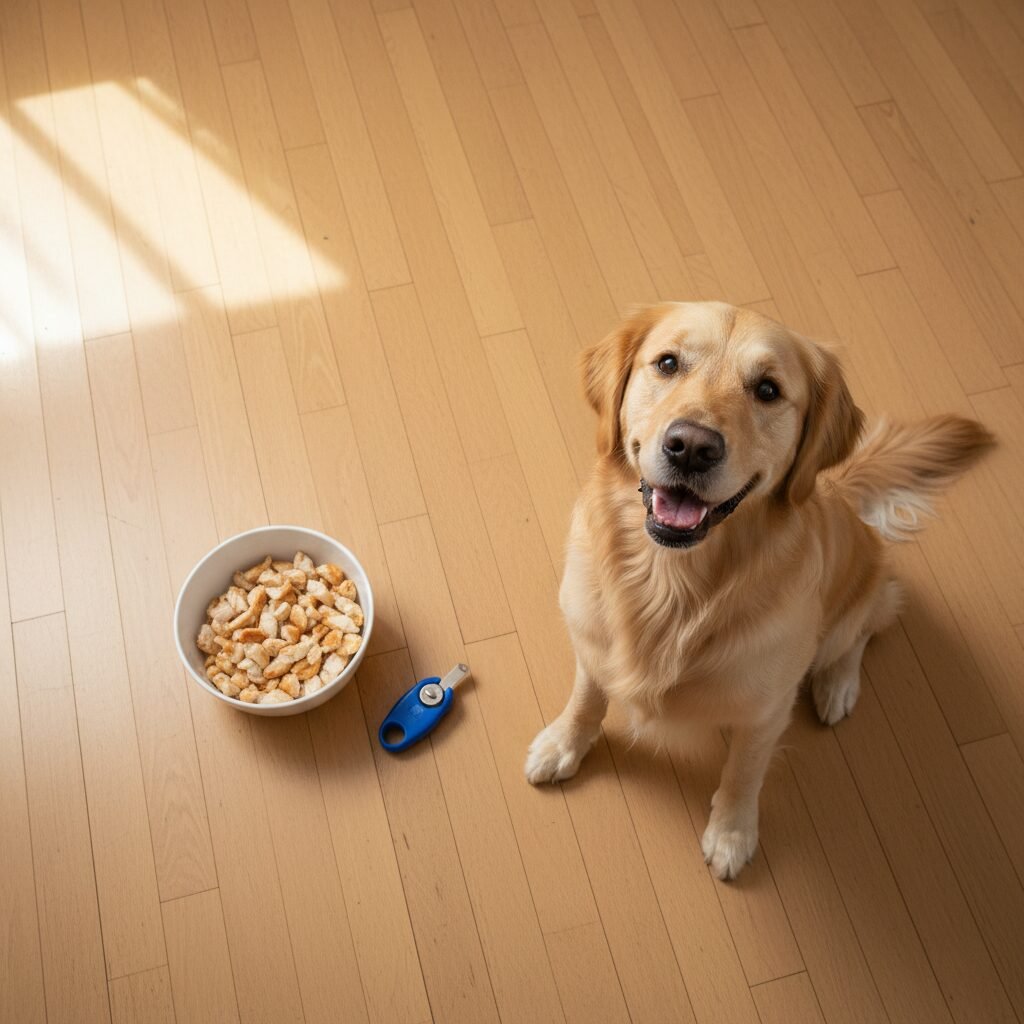
Preparing for Success: What You’ll Need
Before you begin the 10-minute timer, proper preparation is paramount. A successful training outcome is heavily dependent on creating an optimal learning environment. Rushing into a session without the right setup can lead to frustration for both you and your dog. By gathering a few simple items and choosing the right moment, you significantly increase your chances of success.
Essential Tools and Environment
Your training toolkit is simple but crucial. Here is what you need to have on hand:
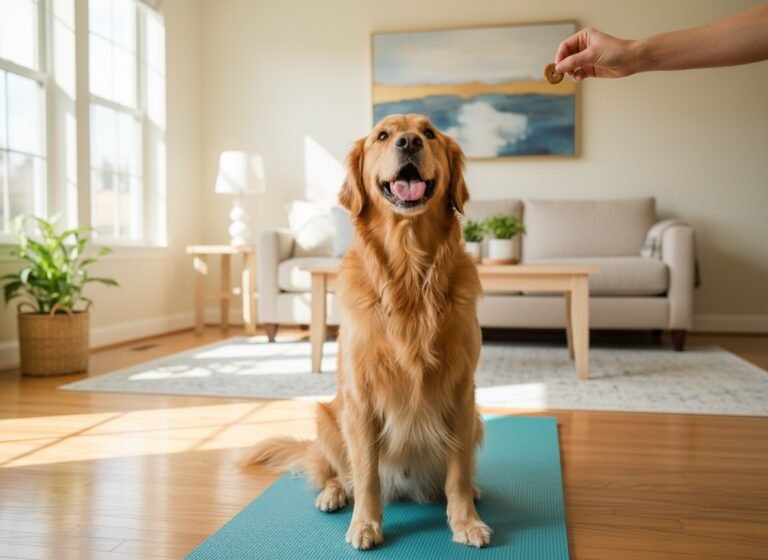
- High-Value Treats: These are not your dog’s regular kibble. High-value treats are small, soft, exceptionally tasty morsels that your dog absolutely loves. Think tiny pieces of boiled chicken, cheese, or commercial training treats with a strong aroma. The small size allows for rapid, repeated rewards without overfeeding.
- A Clicker (Optional but Recommended): A clicker is a small device that makes a distinct ‘click’ sound. In clicker training, the click marks the exact moment the dog performs the correct behavior. This precision timing accelerates learning. If you don’t have a clicker, you can use a verbal marker—a short, sharp word like ‘Yes!’ or ‘Good!’—said in a consistent and upbeat tone.
- A Quiet, Distraction-Free Space: Choose a location where your dog feels comfortable and can focus entirely on you. A living room with the television off, a quiet hallway, or a familiar bedroom is ideal. Avoid areas with other pets, people coming and going, or loud noises that could disrupt the session.
The Right Mindset: Yours and Your Dog’s
The success of this short session also hinges on the mental state of both participants. For your dog, timing is everything. Do not attempt to train a dog that is overly energetic and ‘bouncing off the walls,’ as they will lack focus. Conversely, a sleepy dog who just woke from a nap will not be a motivated learner. The ideal time is when your dog is calm but alert and perhaps slightly hungry, which will increase their food motivation.
Your mindset is equally important. Approach the session with patience, positivity, and realistic expectations. The goal of this first 10-minute session is to teach your dog the association between lifting their paw and receiving a reward. Perfection is not the goal; progress is. Keep the energy light and fun. If you feel yourself getting frustrated, it’s better to end the session on a positive note and try again later. Remember, this is a game you are playing together.
Step-by-Step Guide: From Paw Lift to Polite Wave
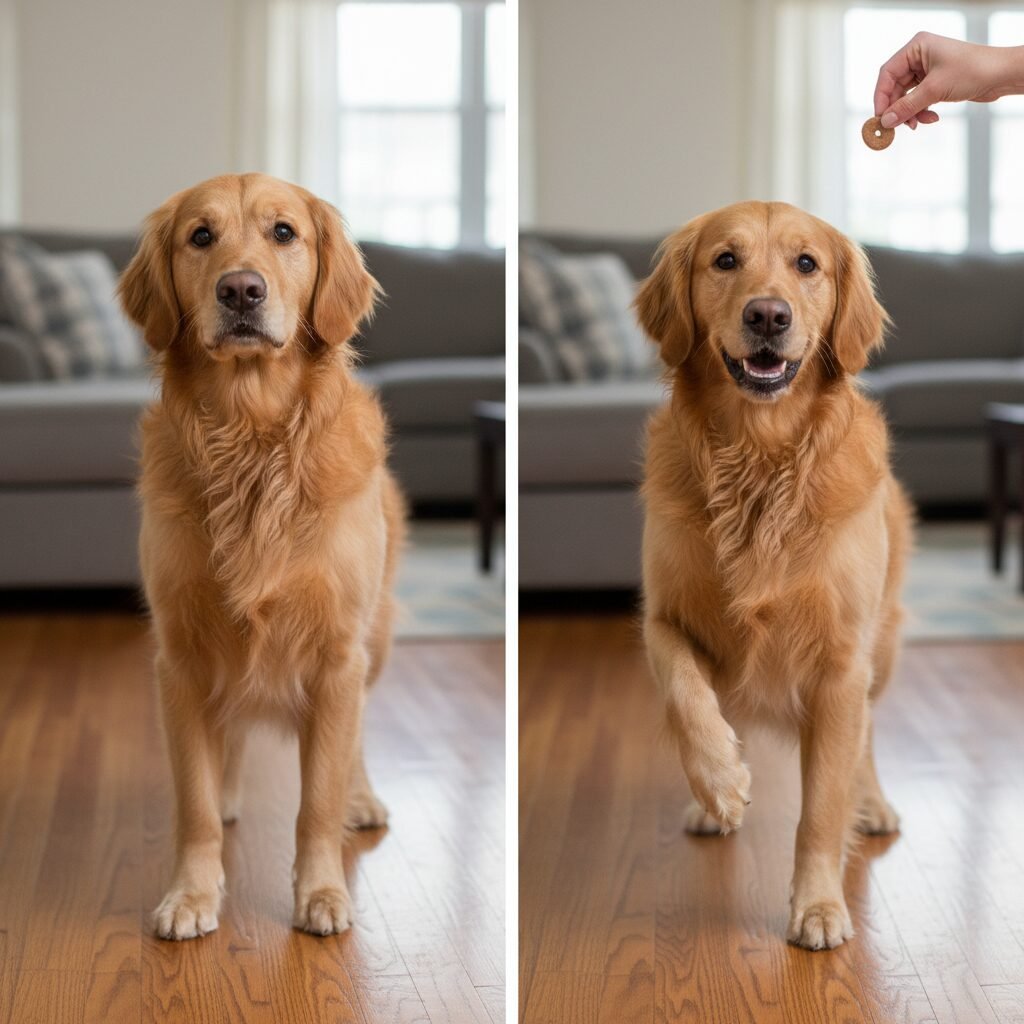
The 10-Minute Training Blueprint: Capturing the Wave
This is where the core training happens. We will use a training technique called ‘shaping,’ which involves rewarding successive approximations of the final desired behavior. We are going to build the wave from a simple paw lift. Set a timer for 10 minutes, take a deep breath, and begin.
Step 1: Elicit a Paw Lift (Minutes 1-3)
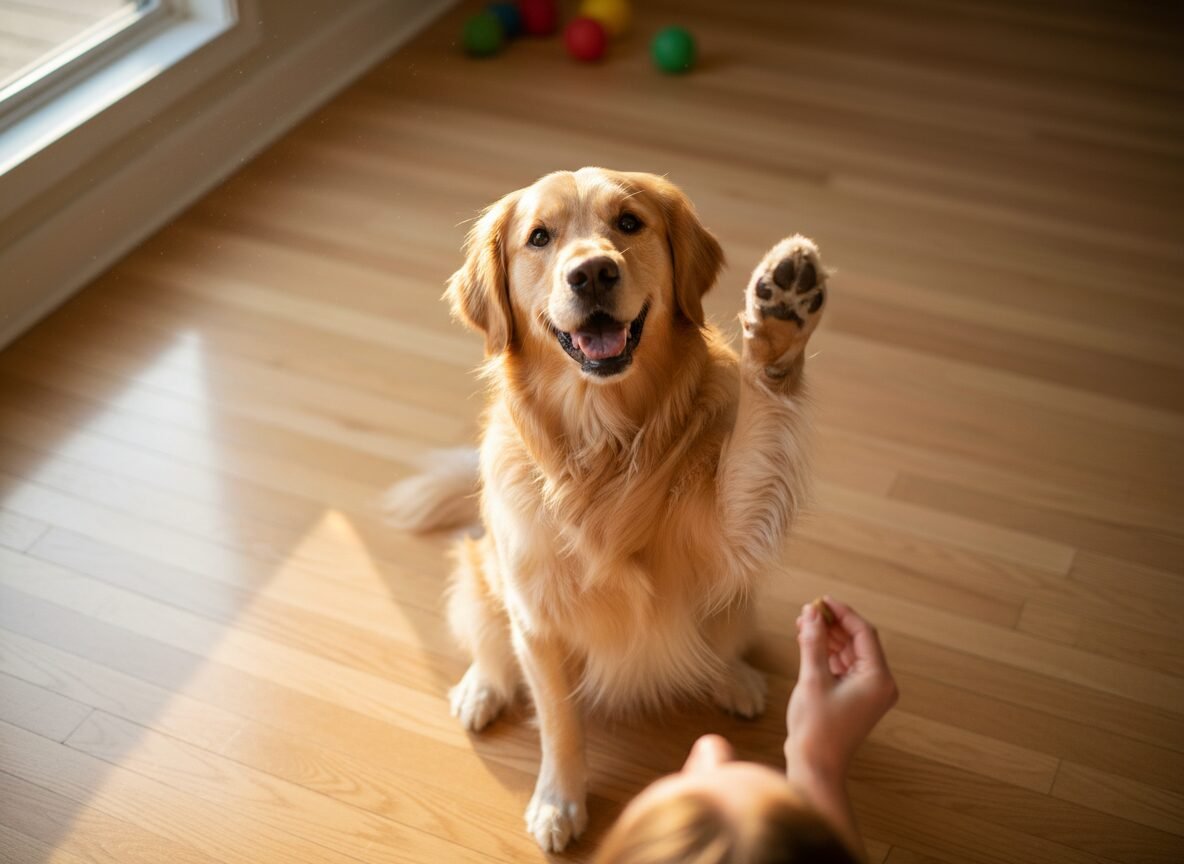
Your first goal is simply to get your dog to lift its paw off the ground. If your dog already knows the ‘shake’ or ‘paw’ command, you are a step ahead. Ask for a ‘shake,’ but just as their paw comes up, pull your hand away. Mark the moment their paw is in the air with your click or ‘Yes!’ and immediately give a treat. Repeat this several times.
If your dog doesn’t know ‘shake,’ you can ‘lure’ the behavior. Hold a treat in your closed fist and place it near your dog’s nose. Slowly lower your fist to the floor, slightly to one side of their head. Often, a dog will instinctively use its paw to investigate your hand. The very instant you feel their paw touch your hand or even just lift off the floor, mark the moment and reward them from your other hand. The key is to reward the slightest lift initially.
Expert Tip: At this stage, do not add a verbal cue like ‘wave.’ We are focusing solely on the physical action. Adding a cue too early can confuse the dog and poison the cue, meaning the word becomes meaningless.
Step 2: Shaping for Height and Duration (Minutes 4-7)
Once your dog is reliably lifting its paw, it’s time to refine the movement. Now, you will become more selective with your rewards. Only mark and treat the paw lifts that are slightly higher than the previous ones. You are ‘raising the criteria.’ Ignore the small, lazy lifts and wait for a more enthusiastic one. When you get a higher lift, give a ‘jackpot’ reward—several treats at once—to communicate that this was an especially good effort.
You can encourage a higher lift by holding your hand (the one you were using to lure or ask for a shake) slightly higher. Your dog will naturally reach for it. As they do, continue to mark and reward the paw being suspended in the air. We are now shaping both height and, subtly, duration—the length of time the paw is off the ground.
Step 3: Introducing the Verbal Cue (Minutes 8-9)
Now that your dog is offering the paw-lifting behavior consistently, it’s time to name it. Just as you anticipate your dog is about to lift its paw, say your chosen cue word clearly and happily. Common choices are ‘Wave,’ ‘Say Hi,’ or ‘Goodbye.’ As soon as you say the word, present your hand signal to prompt the paw lift they’ve been practicing. When they lift their paw, mark and reward enthusiastically.
Repeat this sequence 5-10 times: Say ‘Wave’ -> Dog lifts paw -> Mark/Click -> Treat. The goal is to build a strong association between the spoken word and the action they are already performing.
Step 4: Fading the Lure and Testing the Cue (Minute 10)
In the final minute, we begin to fade the physical hand signal. Say your verbal cue ‘Wave’ but this time, keep your hands still at your sides or behind your back. Your dog might be confused for a moment. Be patient. If they lift their paw even slightly, give a huge jackpot reward and lots of praise. You are now testing if they understand the verbal cue alone. If they don’t get it after a few seconds, that’s okay! Simply go back to Step 3 for a few more repetitions and try again in your next session. Ending on a successful repetition, even if it requires a hand signal, is crucial for keeping the experience positive.
Troubleshooting and Common Mistakes to Avoid
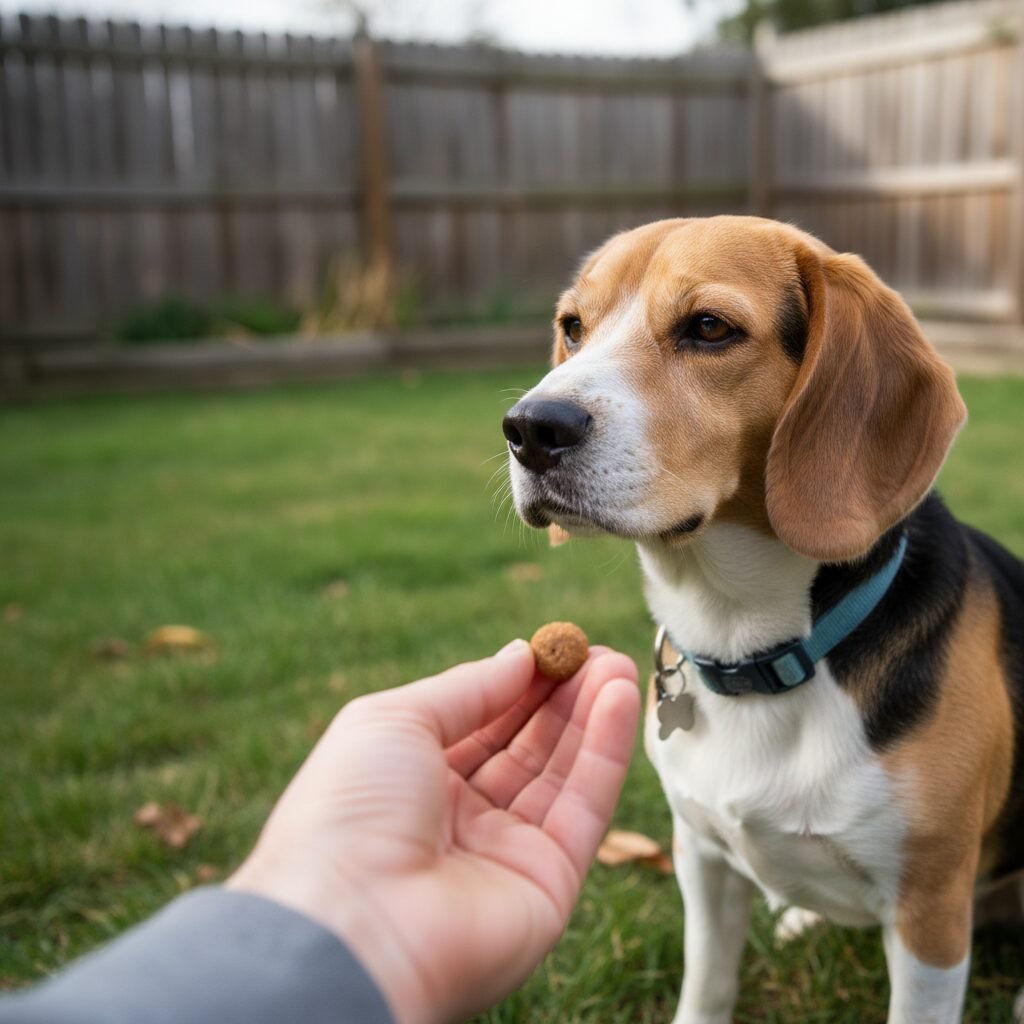
Overcoming Common Hurdles: Solutions for a Smooth Session
Even a 10-minute training session can present challenges. Anticipating and understanding these common issues will help you navigate them smoothly, preventing frustration and ensuring the training stays on track. It is perfectly normal to encounter bumps in the road; a skilled trainer is one who knows how to adapt.
Problem: My Dog Just Scratches or Paws at My Hand
This often happens when a dog is trying to get the treat from your lure hand. It indicates that the dog is more focused on the food than the task.
Solution: Shift your reward strategy. Ensure you are always rewarding from your other hand, not the hand that is luring or prompting the action. This teaches the dog that the hand near them is a signal, not a vending machine. Also, reward only gentle paw touches or lifts. If the pawing is frantic or forceful, briefly withdraw your hand and ignore the behavior for a few seconds before trying again. This teaches them that only a calm, deliberate action earns a reward.
Problem: My Dog Loses Interest and Walks Away
A loss of interest is a clear signal that something in the training equation is off. The session may be too long (even 10 minutes can be a lot for some dogs), the treats may not be motivating enough, or the dog might be confused.
Solution: Assess your rewards. Are they truly ‘high-value’ to your dog? Try something more enticing. Second, evaluate your rate of reinforcement. If you are waiting too long for the ‘perfect’ paw lift, the dog may give up. In the beginning, reward any small effort to keep them engaged. Finally, end the session immediately on a high note. Ask for a simple command they know well, like ‘sit,’ reward it, and end the training with praise. This ensures they always associate training with success.
| Common Mistake | Why It’s a Problem | The Professional Solution |
|---|---|---|
| Adding the verbal cue too soon. | The word ‘wave’ becomes meaningless background noise if the dog hasn’t first learned the physical action it’s associated with. | Wait until the dog is reliably offering the paw-lift behavior 80-90% of the time before you start saying ‘wave.’ |
| Making the session too long. | Dogs, especially puppies, have short attention spans. Pushing them past their limit leads to frustration and a negative association with training. | Stick to short, frequent sessions. Three 5-minute sessions throughout the day are far more effective than one 15-minute session. |
| Inconsistent criteria. | Rewarding a low paw lift, then a high one, then another low one confuses the dog about what the actual goal is. | Be clear in your own mind what you are rewarding. If you are working on height, only reward lifts that meet or exceed the previous best effort. |
Perfecting and Generalizing the ‘Wave’
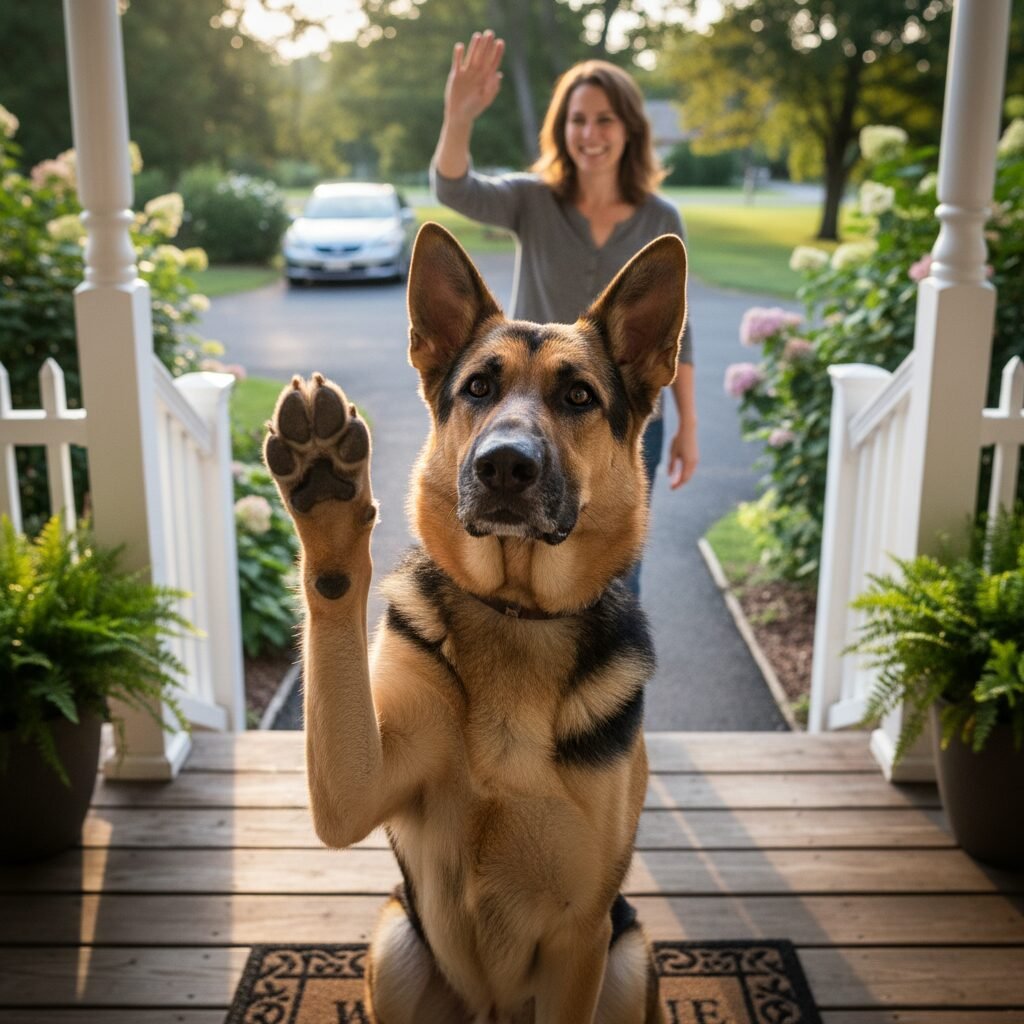
Beyond the Basics: Creating a Reliable and Dazzling Wave
Congratulations, you have successfully laid the foundation for the ‘wave’ in your initial session. Your dog now understands the basic concept: lifting a paw on cue earns a reward. The next phase, which will occur in subsequent short training sessions, is about refining this behavior into a polished, reliable trick that you can show off in various situations. This process is known as ‘proofing’ or ‘generalization.’
Refining the Mechanics
The first step is to perfect the look of the wave itself. Is it a quick, low lift, or a sustained, high wave? You can shape this through selective rewarding.
- For a Higher Wave: Continue to use your hand as a target, gradually raising it higher and higher in each session. Only reward your dog when their paw meets this elevated target. Over time, the higher lift will become their default behavior.
- For a Longer Wave: To increase the duration, start delaying your click/marker. Ask for the ‘wave’ and when their paw is in the air, wait a single second before you click and treat. Gradually increase this hold time from one second to two, then three. This teaches your dog to hold the position until they hear the marker.
- Fading the Hand Target: Your ultimate goal is for the dog to wave on a verbal cue alone. Continue practicing Step 4 from the initial session. Reduce the size of your hand signal from a large, obvious gesture to a subtle flick of the wrist, and eventually to no signal at all.
Proofing for Reliability
A trick isn’t truly learned until the dog can perform it in different environments and with mild distractions. This is where many owners stop, but proofing is what separates a shaky trick from a reliable command.
Start by practicing in different rooms of the house. Once the wave is reliable indoors, move to a quiet, familiar outdoor space like your backyard. The new sights and smells are a form of distraction, so you may need to temporarily use more valuable treats and go back a step (e.g., re-introducing a hand signal) to ensure success. Gradually increase the level of distraction, perhaps with another family member present, and eventually on a quiet walk. The key is to increase the difficulty so gradually that your dog is almost always successful.
Putting It All Together: A fun way to apply the trick is to cue it in context. When a friend is leaving your home, stand with your dog at the door and ask for a ‘wave’ as the person walks away. This real-world application solidifies the trick’s name and makes it a truly interactive and charming behavior.
Conclusion
In just one focused, 10-minute session, you have opened a new channel of communication with your dog and laid the groundwork for a delightful trick. You have learned how to prepare for a session, shape a behavior using positive reinforcement, and introduce a verbal cue effectively. The journey from a simple paw lift to a confident wave is a testament to the power of clear, patient, and positive training methods.
Remember that every dog learns at a slightly different pace. While the foundation can be built in minutes, mastery and reliability come with consistency. Continue to practice in short, fun sessions, celebrate every small piece of progress, and always end on a positive note. The ‘wave’ is not just a command; it is a product of the partnership and understanding you are building with your canine companion. Cherish the process, enjoy the bond it strengthens, and get ready to show off your dog’s newest, most charming skill.