Is Your Dog In Pain? How To Use The Grimace Scale To Check
As dedicated pet owners, our primary goal is to ensure the health and happiness of our canine companions. However, one of the greatest challenges we face is recognizing when they are in pain. Dogs, by their evolutionary nature, are masters at hiding discomfort—a survival instinct inherited from their wild ancestors where showing weakness could make them vulnerable. This stoicism means that by the time pain becomes obvious through limping or crying, the underlying condition may have become severe. Fortunately, veterinary science has developed a powerful, objective tool to help us bridge this communication gap: the Canine Grimace Scale. This guide will provide an in-depth, professional overview of this scale, empowering you to become a more astute observer of your dog’s well-being and a more effective advocate for their health.
Beyond the Whimper: Recognizing the Subtle Language of Canine Pain
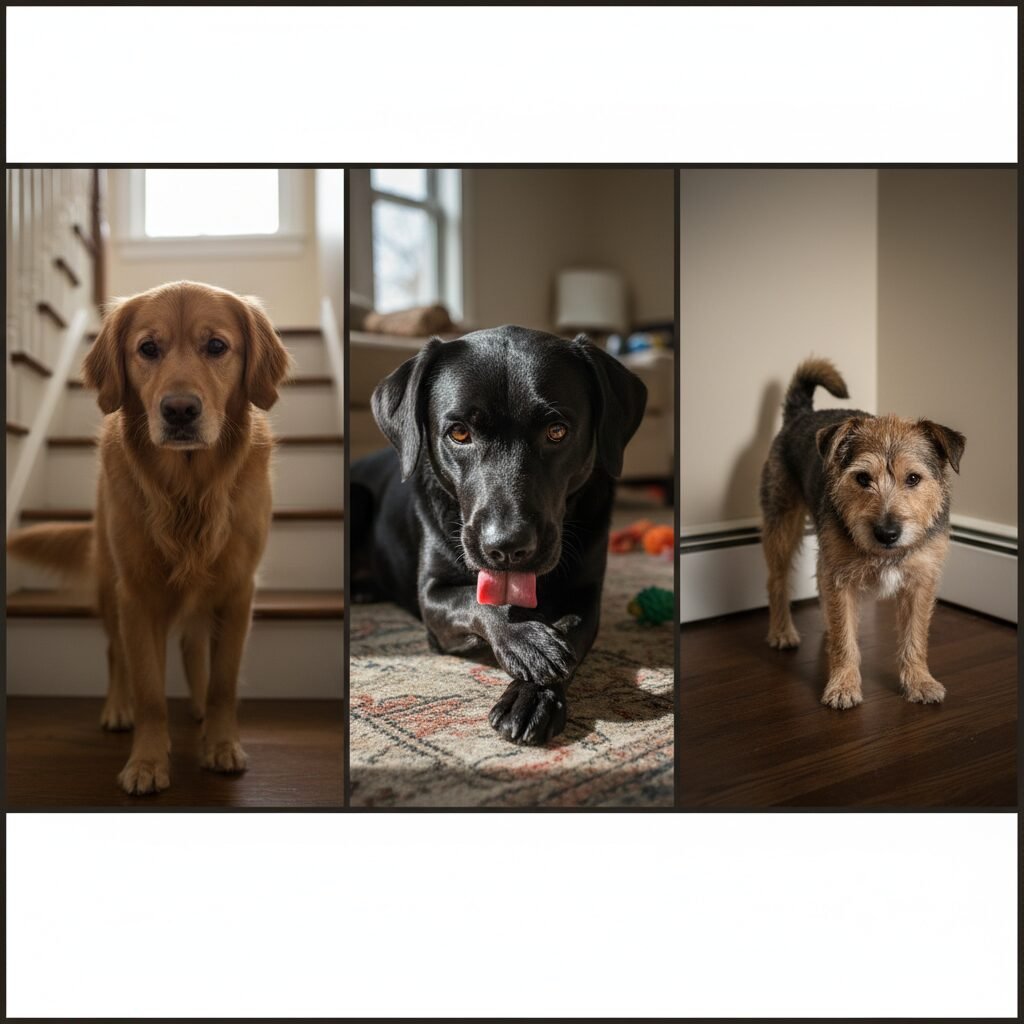
Before delving into the specifics of facial expressions, it is crucial to understand the broader spectrum of pain indicators in dogs. Pain is a complex experience that manifests in various behavioral and physiological changes. Relying solely on vocalizations like whining or yelping is often misleading, as many dogs in significant pain remain silent. A comprehensive assessment begins with observing changes from your dog’s normal baseline behavior.
Common Behavioral and Postural Signs of Pain
- Changes in Activity Level: A sudden reluctance to play, climb stairs, jump onto furniture, or go for walks can be a significant red flag. Conversely, some dogs may become restless, unable to settle down, and constantly shift positions.
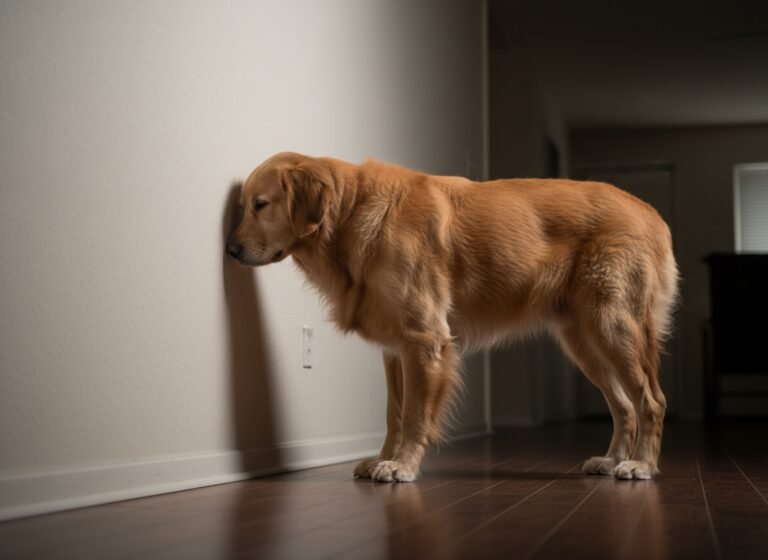
- Altered Posture: A dog in pain might adopt a rigid, guarded stance. Look for a hunched back, a lowered head, or a tail tucked tightly between the legs. They may also repeatedly look at or lick a specific area of their body.
- Changes in Social Interaction: Pain can alter a dog’s personality. A typically friendly dog might become withdrawn, irritable, or even aggressive when approached or touched. They may seek solitude or, conversely, become unusually clingy.
- Altered Daily Habits: Pay close attention to changes in appetite, drinking habits, or bathroom routines. Pain can cause a loss of appetite, and difficulty posturing to urinate or defecate can indicate musculoskeletal or abdominal discomfort.
- Grooming Changes: A dog might neglect grooming, resulting in an unkempt coat. Alternatively, they may excessively lick or chew at a painful area, sometimes leading to hair loss and skin infections known as lick granulomas.
Expert Tip: Keep a simple daily journal of your dog’s behavior, especially if they are senior or have a chronic condition. Noting small changes in eating, sleeping, and activity can reveal patterns of discomfort over time that might otherwise be missed.
What is the Canine Grimace Scale? A Scientific Approach
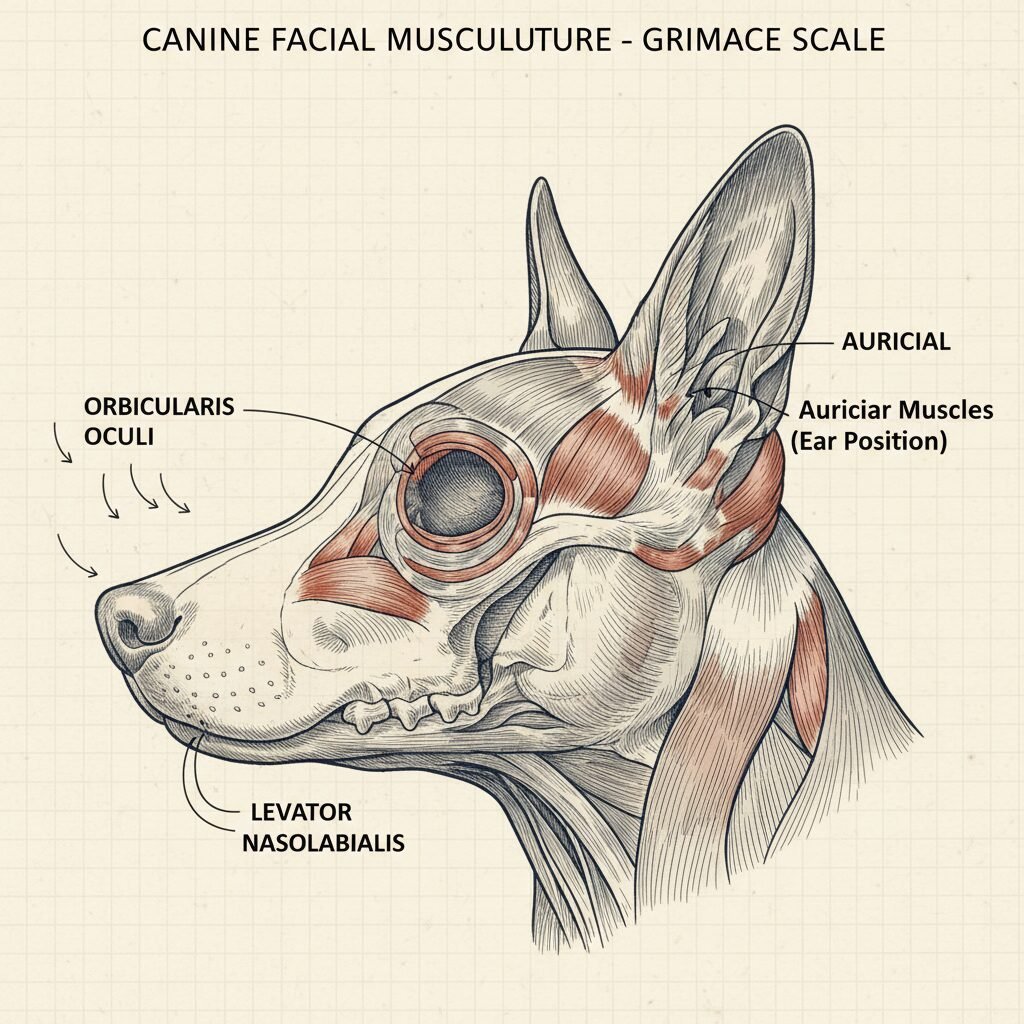
The Dog Grimace Scale (DGS) is a scientifically developed and validated tool used to assess acute pain in dogs, primarily in post-operative or clinical settings. It was adapted from similar scales used in other species, including mice and rabbits. The core principle is that pain causes consistent and observable changes in facial expressions. These changes are broken down into specific ‘Action Units’ (AUs), which are distinct facial movements that can be scored to provide an objective measure of pain.
The scale focuses on five key facial areas:
- Orbital Tightening: The appearance of the eyes, including squinting or narrowing.
- Nose and Cheek Wrinkling: Changes in the shape and tension of the muzzle area.
- Ear Position: The rotation and carriage of the ears.
- Muzzle Tension: The appearance of the lips, chin, and jawline.
- Head Position: The relation of the head to the body.
By standardizing the assessment of these features, veterinarians and researchers can more reliably score pain levels, track the effectiveness of analgesics (pain relief), and make more informed clinical decisions. For pet owners, learning the fundamentals of this scale provides a structured method for observing their dog’s face, moving beyond guesswork to a more evidence-based evaluation of their comfort.
How to Apply the Grimace Scale: A Detailed Step-by-Step Guide
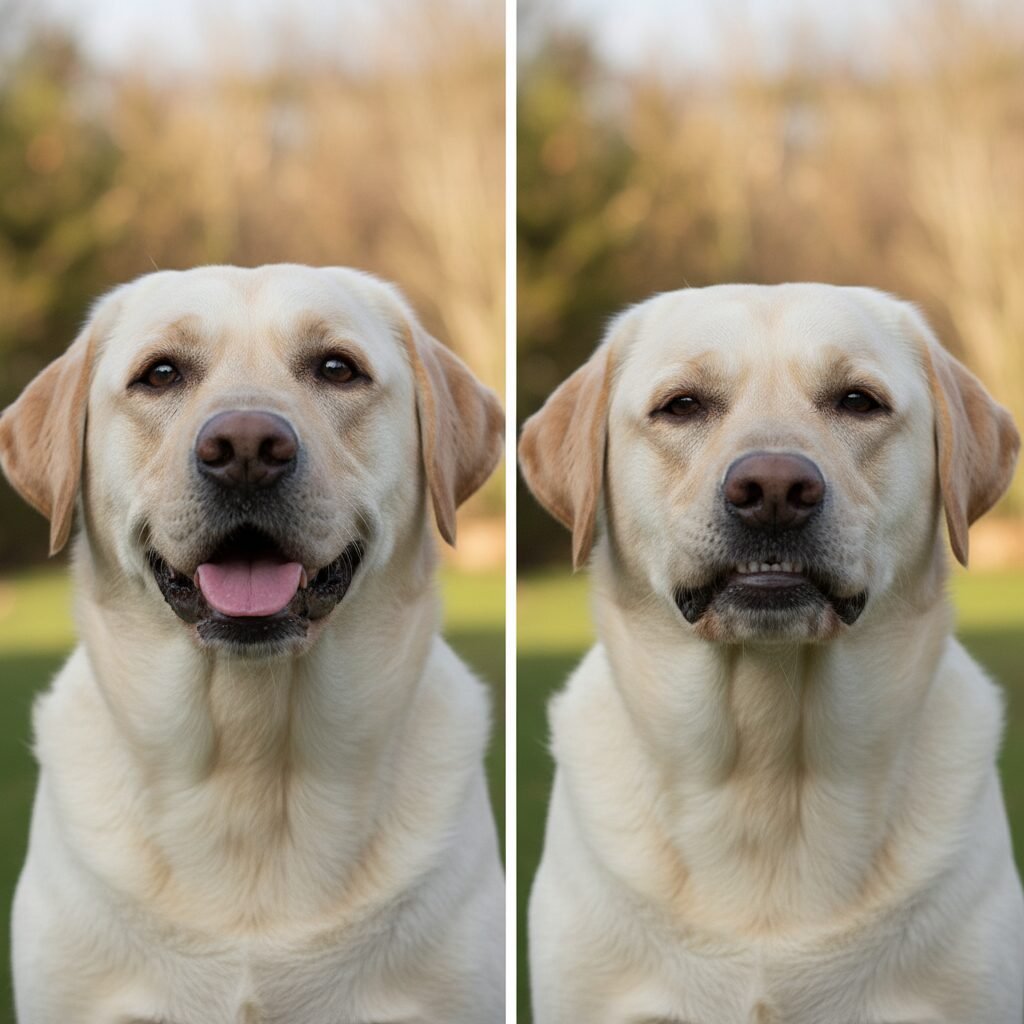
Using the grimace scale requires patient and careful observation in a calm environment. Avoid assessing your dog when they are excited, anxious, or immediately after strenuous activity, as these states can influence facial expressions. The goal is to compare their current expression to their normal, relaxed ‘baseline’ face. Below is a breakdown of each Action Unit, describing both the pain-free state and the pain-associated state.
Observing the Action Units
Find a quiet moment and observe your dog’s face from the front and the side. Look for the following indicators, ideally scoring each on a simple 0-2 scale (0=absent, 1=moderately present, 2=obviously present).
| Facial Action Unit | Pain-Free Appearance (Score 0) | Pain-Associated Appearance (Score 1-2) |
|---|---|---|
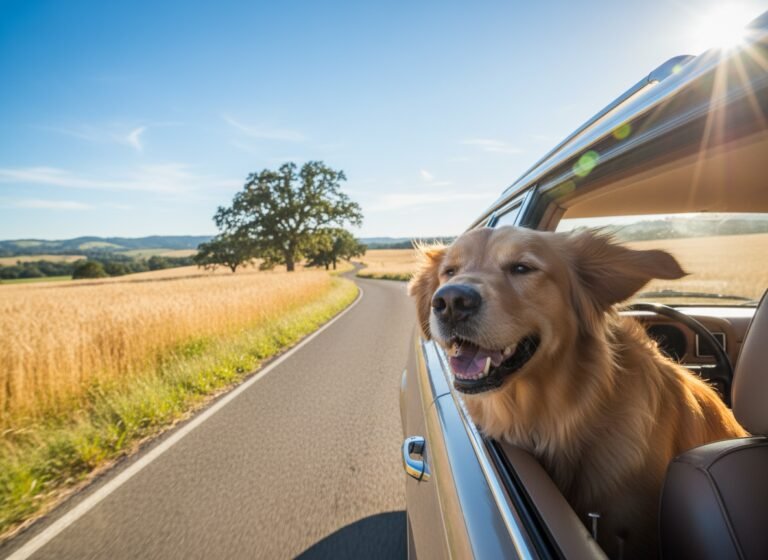
| Orbital Tightening | Eyes are open, rounded, and soft in appearance. No tension around the eyes. | Eyes appear narrowed, squinted, or partially closed. A worried or tense look. The eyeball may seem to retract slightly. |
| Ear Position | Ears are in their normal, relaxed position for the breed (e.g., pricked forward, held loosely to the side). | Ears are flattened, rotated outwards or backwards, held wider apart than usual, or pressed against the head. |
| Muzzle Tension | Mouth is closed or slightly open in a relaxed manner. Lips are smooth, cheeks are soft. | Lips are drawn back and tense. The mouth may be tightly closed. A ‘V’ shape might appear at the corners of the mouth. The chin muscle may appear bunched or ‘tensed’. |
| Nose & Cheek Wrinkling | The bridge of the nose and the cheeks are smooth. | The nose appears more pointed. Wrinkles or tension lines may appear on the bridge of the nose and on the cheeks. The cheeks may appear flattened or drawn back. |
| Head Position | Head is held at or above the level of the back in a comfortable, alert posture. | Head is held level with or lower than the back. In cases of severe pain, the neck may be held stiffly and the head lowered consistently. |
Important Note: Breed variations are critical. A brachycephalic (flat-faced) breed like a Pug will have a different baseline facial structure than a dolichocephalic (long-faced) breed like a Greyhound. It is essential to become intimately familiar with your own dog’s normal, relaxed face to accurately detect deviations.
Interpreting the Results: Context is Everything
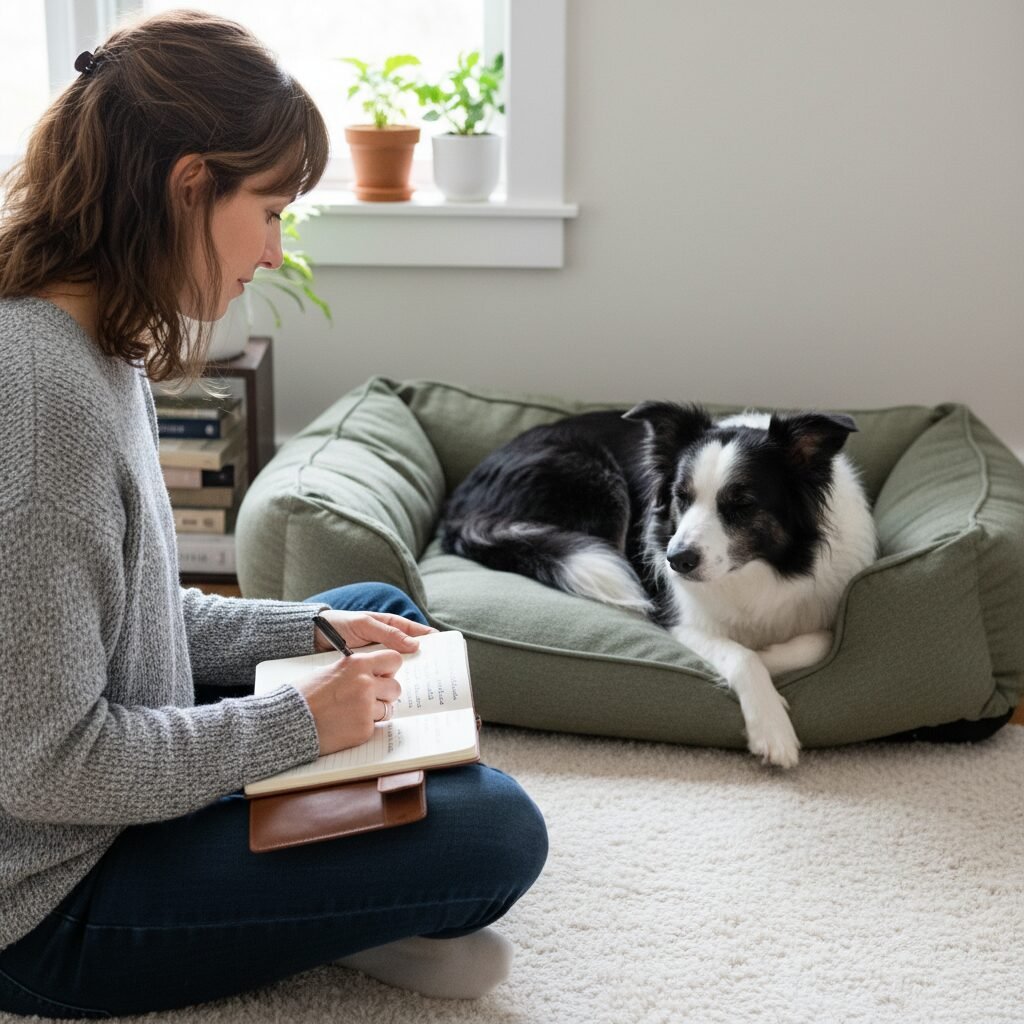
The Canine Grimace Scale is a screening tool, not a diagnostic one. A high score (e.g., several Action Units scored as a ‘1’ or ‘2’) is a strong indicator that your dog is experiencing pain and warrants a veterinary consultation. However, the score must be interpreted within the larger context of the situation.
Considering Other Factors
- Environmental Stress: Fear, anxiety, and stress can cause facial expressions that mimic pain, such as flattened ears or a tense muzzle. Consider the environment. Is there a thunderstorm? Are there strangers in the house? These factors can influence your assessment.
- Recent Activity: Has your dog just had surgery, sustained an injury, or over-exerted themselves during play? A high grimace score following a known event is a clear signal that pain management is needed.
- Chronic vs. Acute Pain: The scale was primarily designed for acute (sudden onset) pain. While dogs with chronic pain from conditions like arthritis may show some of these facial signs, their expressions can be more subtle or intermittent. For chronic conditions, look for long-term changes in behavior in conjunction with facial cues.
If you use the scale and notice concerning signs, your observations provide invaluable information for your veterinarian. Instead of saying ‘I think he’s in pain,’ you can provide specific details: ‘I’ve noticed he has been squinting his eyes and holding his ears back for the past day, and he is reluctant to lower his head to his food bowl.’ This level of detail allows for a more efficient and accurate diagnostic process.
When to Contact Your Veterinarian Immediately
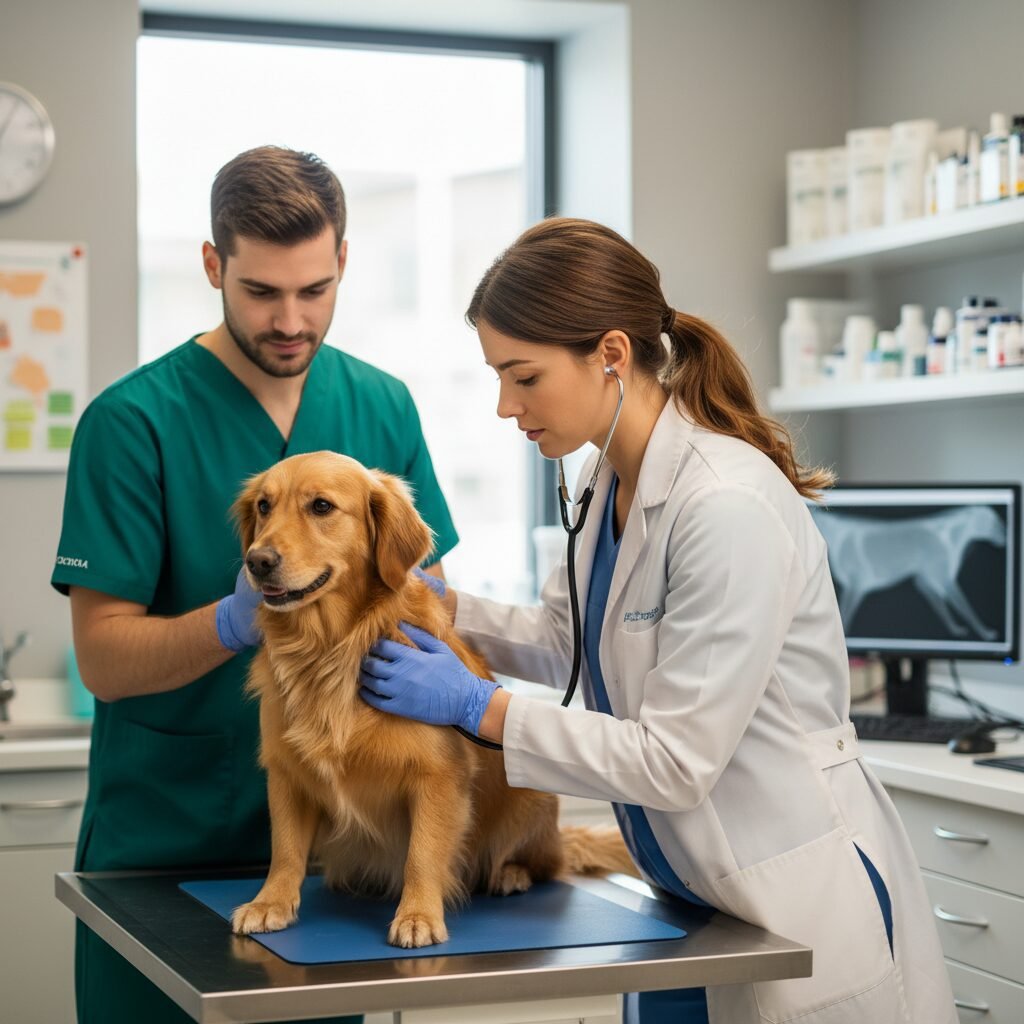
While the grimace scale is an excellent tool for monitoring, certain signs and symptoms should never be ignored and require immediate professional medical attention. The scale should be used to gather information, not to delay necessary care.
Critical Red Flags
Contact your veterinarian or an emergency animal hospital without delay if you observe any of the following in addition to a high grimace score:
- Severe Lethargy or Collapse: An inability to stand, walk, or respond to stimuli.
- Difficulty Breathing: Labored breathing, shallow breaths, wheezing, or excessive panting at rest.
- Visible Trauma: Obvious broken bones, large open wounds, or profuse bleeding.
- Neurological Signs: Seizures, disorientation, head tilting, circling, or loss of balance.
- Repeated Vomiting or Retching: Especially unproductive retching, which can be a sign of a life-threatening condition like bloat (GDV).
- Distended or Painful Abdomen: A swollen, hard, or tender belly.
- Inability to Urinate: Straining to urinate with no success is a medical emergency, particularly in male dogs.
Remember, you are your dog’s primary advocate. Trust your instincts. If you believe your dog is in significant pain or distress, it is always better to err on the side of caution and seek professional veterinary help.
Conclusion
Understanding and utilizing the Canine Grimace Scale transforms you from a passive owner into a proactive guardian of your dog’s health. By learning to read the subtle language of their facial expressions, you can detect discomfort early, prevent suffering, and provide your veterinarian with precise, actionable information. While it does not replace a professional diagnosis, it is an invaluable addition to your pet care toolkit. Mastering this skill deepens the bond you share with your dog, reinforcing the trust they place in you to keep them safe and comfortable. If your observations ever indicate that your dog may be in pain, do not hesitate. A prompt consultation with your veterinarian is the most responsible and loving course of action.